Removing This One Plant Type Cuts Snake Sightings In California Yards
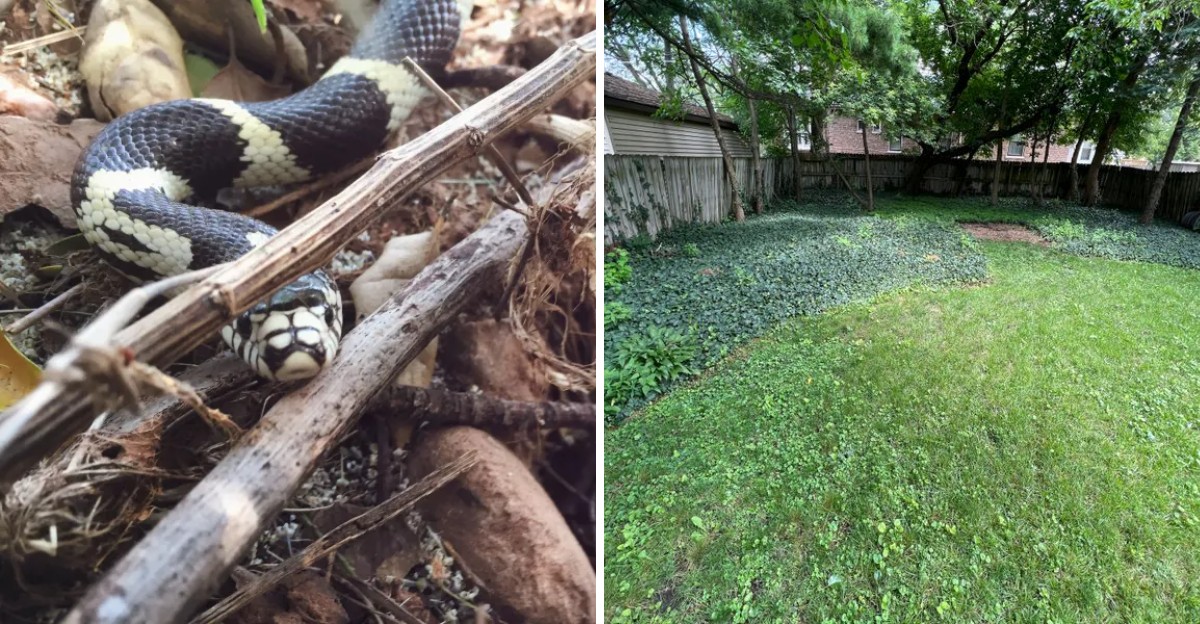
Snake sightings in California yards tend to cluster around the same few spots, and thick ivy along a fence is often one of them.
That pattern leads many homeowners to wonder whether certain plants actually attract snakes.
The real answer is simpler. It has far more to do with shelter and food than with any particular plant species.
Dense, low groundcover creates cool hiding places for snakes and the rodents they hunt. UC IPM guidance points to this kind of cover as a key feature in yards where snakes linger.
Understanding how that cover works makes one smart change much easier. It can send snakes, and several other pests, looking for a new place to hang out.
Dense Groundcover Is The Real Culprit
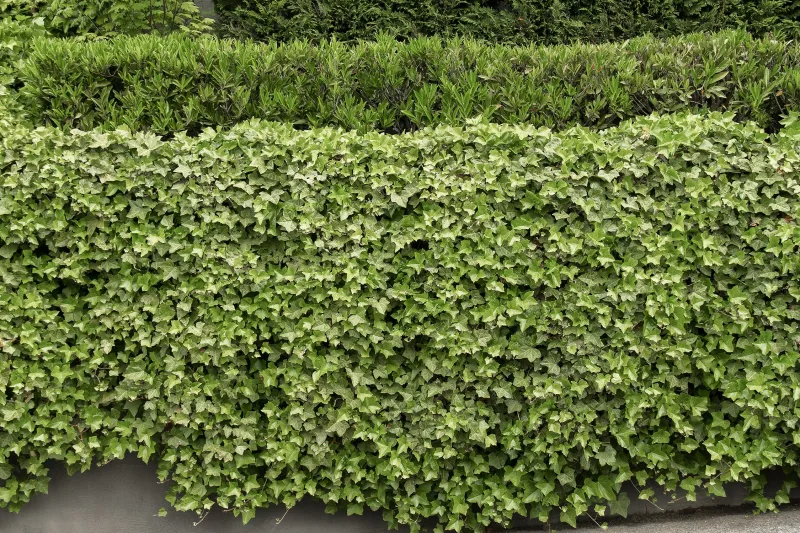
A carpet of English ivy creeping along a backyard fence in Sacramento or San Diego looks green and tidy from the patio. Underneath, though, it hides an entire world.
The plant type most closely tied to snake sightings is dense groundcover. Ivy, especially English and Algerian ivy, is one of the most common examples in California yards.
It grows thick, low, and wide, and often traps leaf litter beneath its vines. In much of the state, it stays green all year, so the shelter never really goes away.
UC IPM guidance on snakes points to dense vegetation, tall grass, and cluttered ground as features that give snakes places to hide. Ivy checks every one of those boxes.
Other thick groundcovers can play the same role. Heavy patches of ice plant, overgrown periwinkle, and tangled juniper all create cool, shady hiding spots close to the ground.
Even a thick mat of fallen leaves can work as a hideout. Ivy tends to be the biggest offender, though, because it spreads quickly and climbs walls and fences.
The issue isn’t the plant’s species or scent. What matters is structure, meaning how thick and low the growth sits above the soil.
A quick test makes this easy to judge. Soil that can’t be seen beneath a patch of plants usually means a snake or mouse could hide there just as easily.
Ivy Shelters Both Snakes And Their Prey
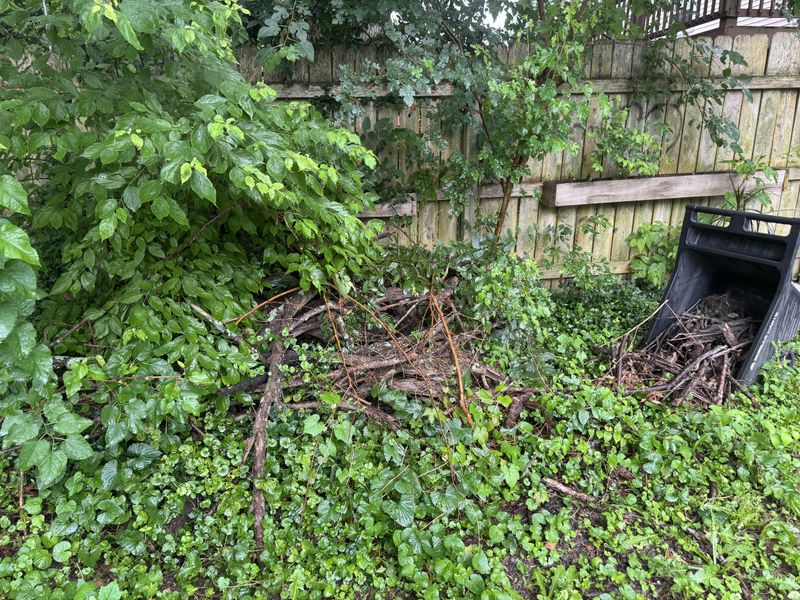
A thick ivy patch works a lot like a tiny apartment building with free rent. Every floor has a tenant, and a few of them attract a hungry landlord with scales.
At ground level, ivy stems tangle into a dense mat. That mat traps moisture and keeps the soil cool, even on hot inland afternoons.
Snakes can’t regulate body heat the way people can. A shaded, damp hideout helps them avoid overheating during long summer heat waves.
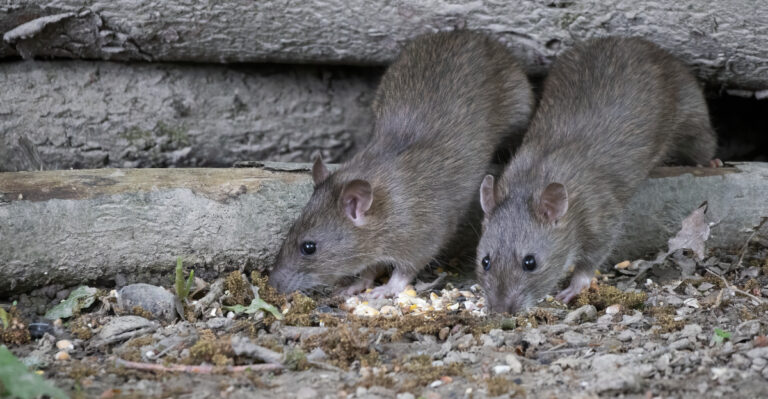
The same cover protects many smaller animals. Mice, rats, and voles can tunnel and nest under the vines where hawks and cats can’t easily see them from above.
Roof rats are well known for nesting in thick ivy, and UC IPM rodent guidance lists ivy as a habitat to manage. Ivy-covered fences can even give rats a leafy highway toward attics.
Your California Garden Changes Every Week. Your Plan Should Too.
Gardening in California changes quickly throughout the season. Every Friday you’ll receive a simple weekly plan showing exactly what to plant, prune, fertilize, harvest, and protect so you never miss the right timing.
Insects love it too. Crickets, beetles, sow bugs, and slugs thrive in the damp leaf litter, while lizards and frogs come to eat those insects.
Some snakes eat lizards and frogs in turn. That packs an entire food chain into one shady corner of the yard.
A snake resting in ivy isn’t there for the leaves. It’s there for a safe resting spot with a buffet of prey within easy reach.
Removing that combination takes away most of the patch’s appeal for every resident on the list.
Rodents Move In Before Snakes Do
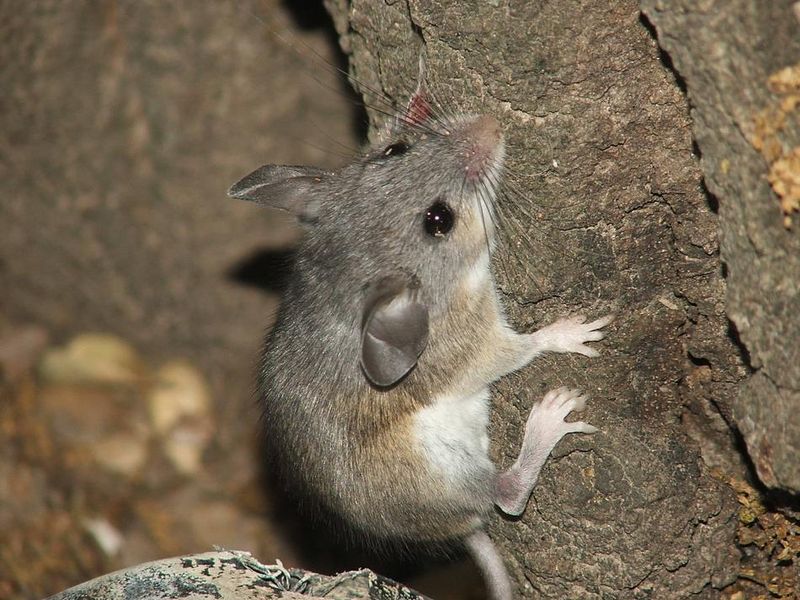
Nature tends to follow a simple order of events. Shelter comes first, then the animals that need it, and then the animals that eat them.
In many California yards, that story plays out right under a thick blanket of ivy. Rodents usually arrive first.
Thick groundcover gives mice and rats protection, nesting space, and often food nearby. Fallen fruit, birdseed, pet food, and snails all make easy meals.
Once settled, rodents breed quickly. Their numbers can climb fast during warm spring and summer months.
Snakes notice. Gopher snakes, kingsnakes, and rattlesnakes all eat rodents, finding prey largely through scent trails and, for rattlesnakes, heat-sensing pits on their faces.
A yard full of rodent activity sends out a strong signal that food is close by. That’s why many homeowners see snakes after a rodent problem has already developed, even when the mice went unnoticed.
Droppings near the garage, chewed fruit, or small burrows under shrubs are early clues worth checking. Spotting them early makes the next steps much easier.
The good news is that the order works in reverse, too. Reducing cover and cleaning up food sources cuts down on rodents, which gives snakes less reason to linger.
They may still pass through occasionally, since California is their home as well. A yard with fewer rodents, however, is far less likely to become a regular hunting ground.
Thinning It Out Removes The Cover
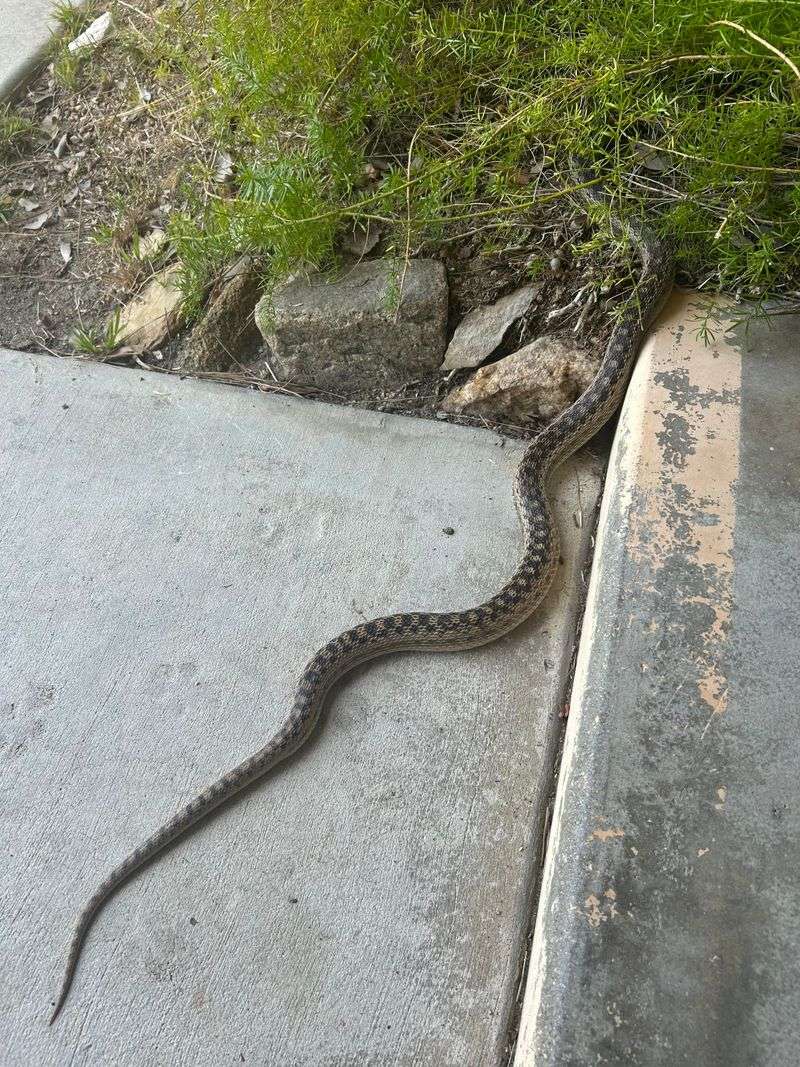
Gloves on, because this is the hands-on part. Thinning or removing dense ivy ranks among the most practical ways to make a yard less inviting to snakes and rodents. It also lines up with UC IPM habitat advice.
The goal is opening up the ground so nothing can hide there for long. Safety comes first.
In rattlesnake country, thick boots, long pants, and leather gloves are essential. A rake or hoe pulls vines toward the worker, which is much safer than reaching in by hand.
Working during cooler parts of the day, with good visibility, adds another layer of caution. Sections are easier to manage than one big push.
Runners get pulled, roots dug out as thoroughly as possible, and cuttings bagged rather than piled. A brush pile simply becomes a new hiding spot.
Ivy can regrow from bits of stem, so a check every few weeks for fresh sprouts keeps it from returning. Persistence pays off here.
Some homeowners prefer to keep a bit of greenery. Trimming it so the soil stays visible, and keeping it well away from the house foundation, offers a reasonable middle ground.
Mulch, gravel, or spaced low-water plants make good replacements. Snake repellents are best skipped, since university and pesticide-safety sources generally find habitat changes far more effective.
A snake found during cleanup deserves room to leave, with a slow step backward. A rattlesnake near the house calls for a wildlife professional.
Snakes Follow Food, Not Specific Plants
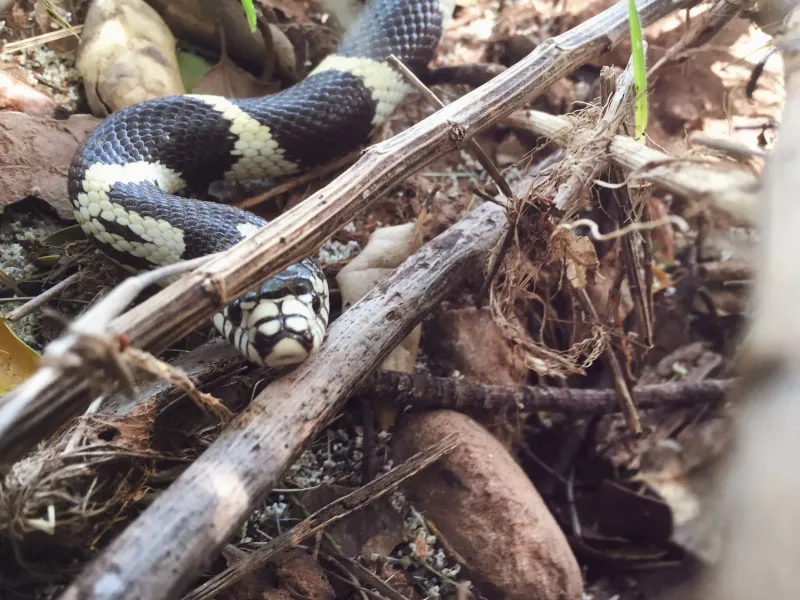
A common online claim says snakes love the smell of ivy, but it doesn’t hold up. No plant draws snakes because of its scent, color, or flavor.
Snakes show up where they can stay safe and find dinner. Forked tongues pick up scent particles, helping them track prey such as mice, lizards, and birds.
That sense is tuned for food and for finding mates, not for choosing favorite plants. A snake has no reason to seek out ivy over any other thick, low cover.
As a result, the same snake might hide under a woodpile, a pile of old boards, or a stack of empty flowerpots. To a snake, all of these are simply shelter.
UC IPM guidance on managing snakes focuses on removing hiding spots and controlling rodents. Banning certain plant species simply isn’t part of the plan.
This understanding saves time and money. So-called snake-repelling plants like marigolds or lemongrass are unlikely to help, since there’s no good evidence that plants repel snakes.
A thinned-out, tidy yard with fewer rodents does far more. Looking at the yard from a hungry snake’s point of view helps pinpoint trouble spots.
Places to hide from a hawk and places to find a mouse are the ones to fix first. Fence lines, shed edges, and walls deserve special attention, since snakes like to travel along borders and edges.
Open Ground Is Easier To Monitor
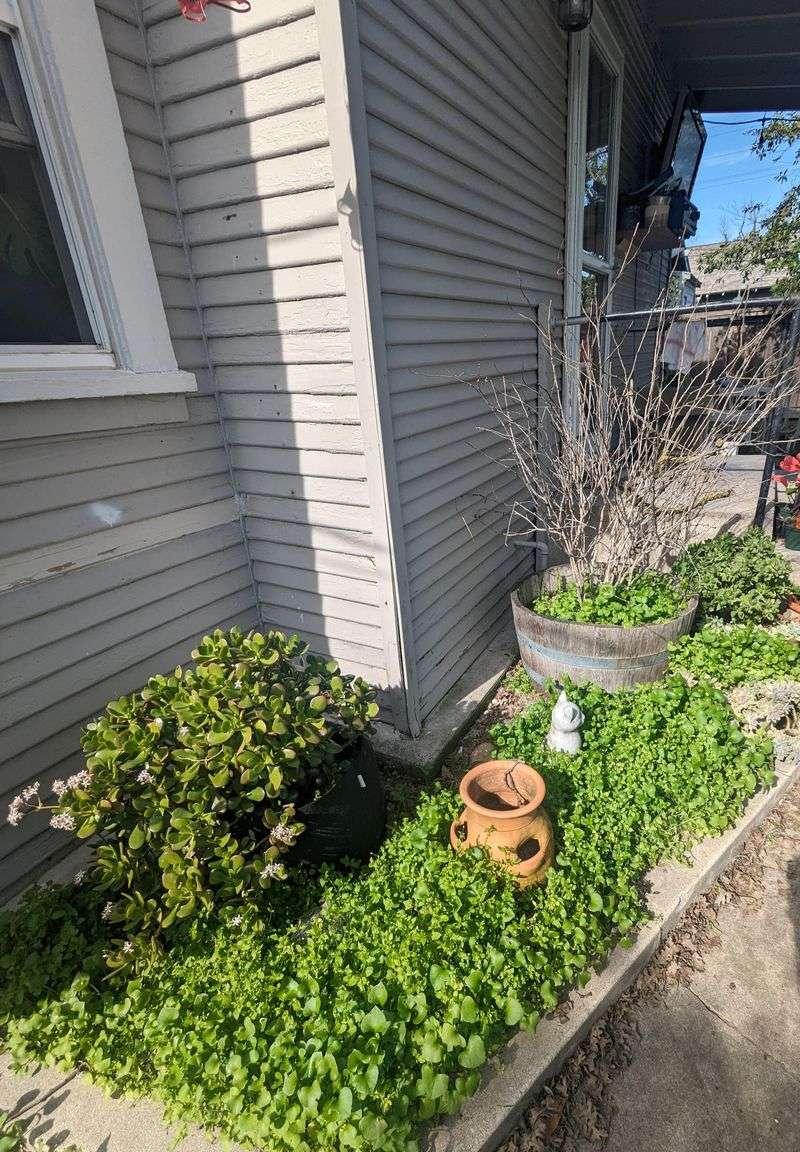
A bare strip of mulch on a sunny morning tells a lot. A snake crossing it stands out right away, and so do rodent tunnels or droppings that thick ivy would hide.
Open ground makes a yard easier to read. Visible soil allows problems to be spotted early, before a few mice become a colony or a passing snake becomes a regular visitor.
It also helps protect kids and pets. They’re less likely to step near a hidden snake when the ground is clear.
Many snake bites happen when people reach or step into places they can’t see, or when they try to handle or harm the snake. Clear ground lowers that risk considerably.
A walk through the yard becomes much simpler with every footstep in plain view. A few simple habits help keep it that way.
Grass mowed short near walkways and play areas removes easy cover. A clear border of a few feet between plantings and the house adds another buffer.
Firewood and lumber stored off the ground and away from walls take away tempting hideouts. Open space also tends to look cleaner and is easier to water and weed.
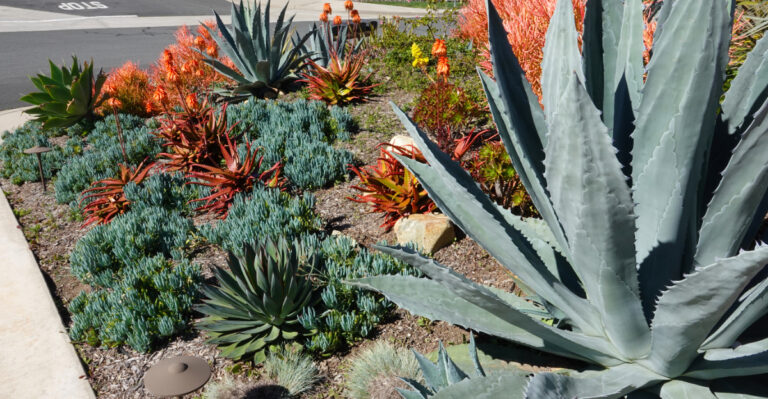
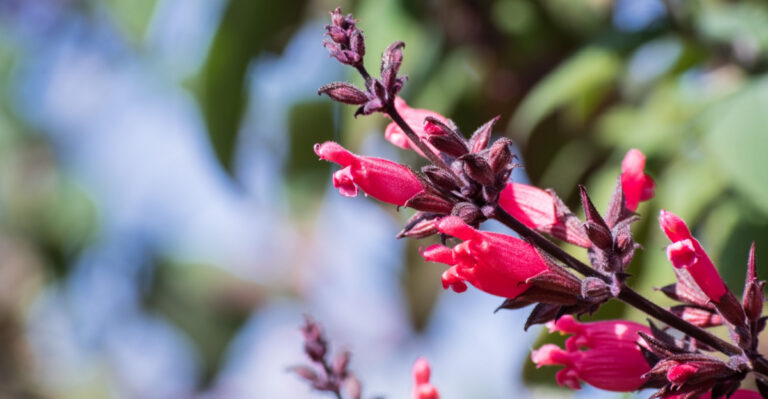
Low-water options like decomposed granite, bark mulch, and spaced-out natives such as California fuchsia or sage keep the yard attractive.
The result is plenty of color and life without hidden tunnels underneath, and a quick morning walk becomes an easy early-warning system.
One Change Reduces Several Pest Issues At Once
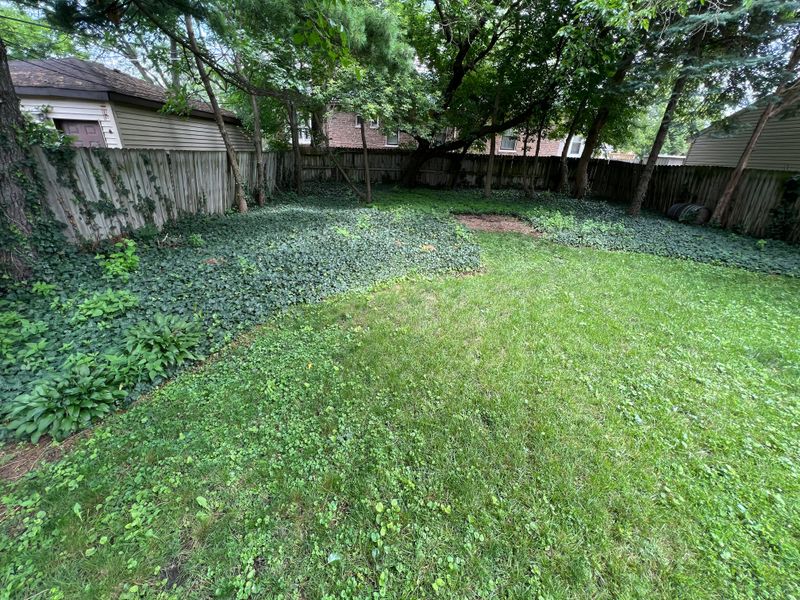
Clearing dense groundcover brings a pleasant surprise. It doesn’t just help with snakes, since it tends to shrink a whole list of backyard pests at the same time.
Rats and mice lose their nesting spots. That can mean fewer chewed wires, fewer droppings in the garage, and less damage to fruit trees.
Snails and slugs, which love cool, damp ivy, have fewer places to spend the day. Earwigs, sow bugs, and black widow spiders lose shady hideouts near the steps too.
Fewer rodents also mean less food for snakes, which brings the story full circle. UC IPM calls this integrated pest management, an approach that changes habitat first and uses chemicals only when truly needed.
Bonus perks show up as well. Removing ivy from fences and walls can help those structures last longer, since climbing vines trap moisture and loosen paint or wood.
The California Invasive Plant Council lists English and Algerian ivy as invasive. Replacing it can benefit nearby wildlands and native habitat, too.
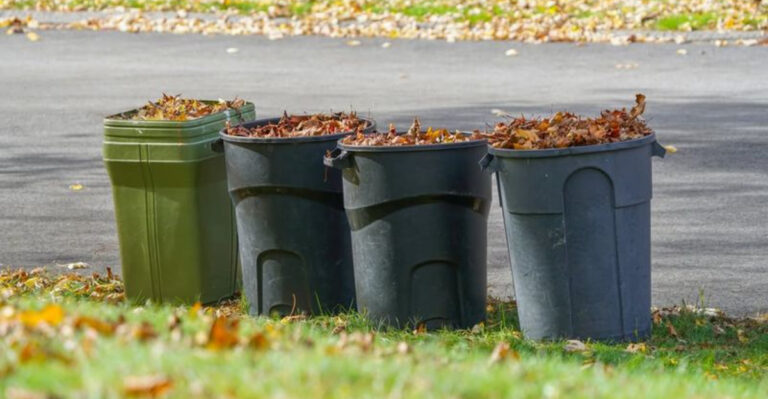
One weekend of pulling vines can change how a yard works for years. Sealed trash cans, picked-up fallen fruit, and pet food stored indoors make the results even better.
Small check-ins every few weeks keep regrowth and clutter from creeping back. The reward is a space that feels open, safe, and easy to care for, with far fewer surprise visitors slithering by.