The Native Trees Selling Out At Virginia Nurseries Faster Than Any Recent Year
Virginia garden centers this spring have a weird problem. Half the tables are suspiciously bare, with only a few sad little tags flapping around where a tree used to be.
Somebody clearly got the memo before you did.
Shoppers are not casually strolling in anymore either. They are showing up with coffee in one hand and a list in the other, practically racing each other to the good stuff before it disappears.
So what is causing all this chaos over some trees? Turns out, everybody wants their yard buzzing with bees, fluttering with butterflies, and basically running itself without constant babysitting.
Smart move, honestly.
These trees are tapping into something that has worked for thousands of years, long before anyone cared about curb appeal. Stick around and find out which ones are going first and how you can still snag one for yourself.
1. Eastern Redbud Leads The Rush In Garden Centers
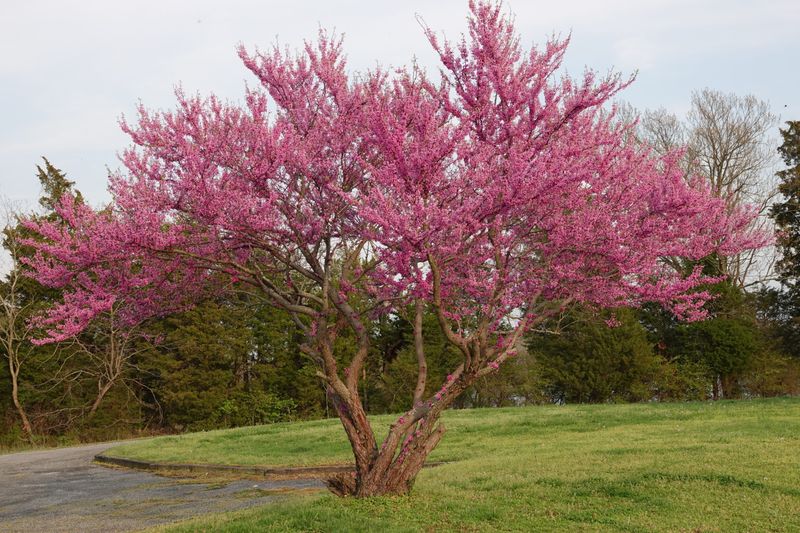
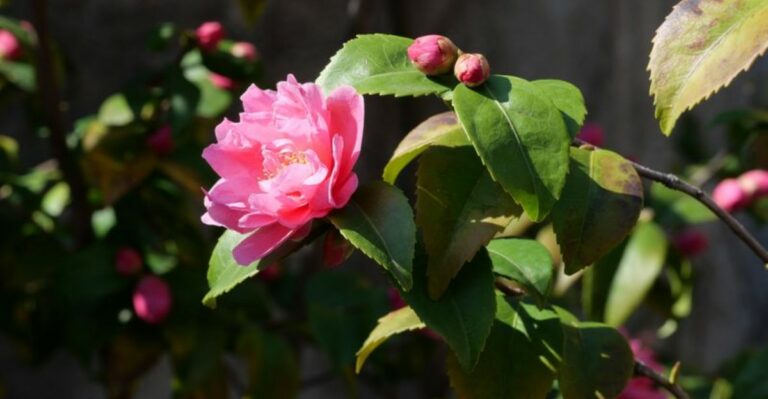
A gray March morning across Virginia, bare branches everywhere, and then suddenly one tree bursts into pink before a single leaf even shows up. That is the eastern redbud, and shoppers cannot get enough of it right now.
Many nursery owners say their redbuds are gone within weeks of arriving. Some folks even put their names on waiting lists before the trucks show up.
Part of the appeal is size. A redbud usually tops out around 20 to 30 feet, so it fits nicely in smaller yards, near patios, or along a fence line.
Bees love the early flowers, since few other plants bloom that soon. Later, heart-shaped leaves give soft shade, and flat seed pods dangle into fall.
Here is a fun bit of history. George Washington wrote about redbuds in his diary and planted them at Mount Vernon, so you would be in good company.
Want to give yours a strong start? Choose a spot with morning sun and some afternoon shade, especially in hotter parts of the state.
Water deeply once a week for the first summer, and spread mulch in a wide ring without piling it against the trunk. A little patience in year one pays off with years of color.
Try calling ahead before you drive out. Many shops will hold a tree for you if you ask nicely and pay a small deposit.
2. Flowering Dogwood Makes A Proud Comeback
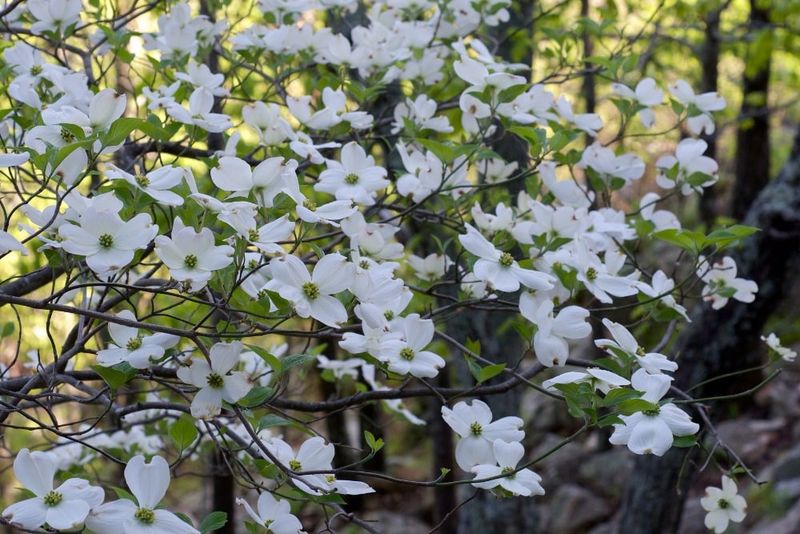
Ask almost any longtime Virginian about a favorite tree, and you will likely hear one name. The flowering dogwood is Virginia’s state tree and state flower, so it carries a lot of hometown pride.
For a while, a leaf disease called anthracnose made people nervous about planting dogwoods. Newer, tougher varieties have changed that story, and buyers are snapping them up again.
Look for types like Appalachian Spring, which was bred to resist that troublesome disease. Nursery staff can point you toward the sturdiest choices.
Those famous white blooms are actually special leaves called bracts. The true flowers are the tiny green-yellow clusters in the center, which surprises a lot of people.
Your Virginia Garden Changes Every Week. Your Plan Should Too.
Gardening in Virginia changes quickly throughout the season. Every Friday you’ll receive a simple weekly plan showing exactly what to plant, prune, fertilize, harvest, and protect so you never miss the right timing.
In fall, the leaves turn a deep red, and shiny red berries appear. Robins, bluebirds, and cardinals treat those berries like a snack bar before winter.
Dogwoods grow naturally under bigger trees, so they like a bit of shade. Planting one in full, hot sun can leave the leaves scorched and crispy by August.
Roots stay shallow, so keep the lawn mower and string trimmer away from the trunk. A wide circle of mulch protects the bark and holds in moisture.
Plant it a touch high, with the top of the root ball slightly above the soil. Soggy roots are a common reason these beauties struggle.
3. Serviceberry Wins Over Virginia Families Who Love Fresh Fruit
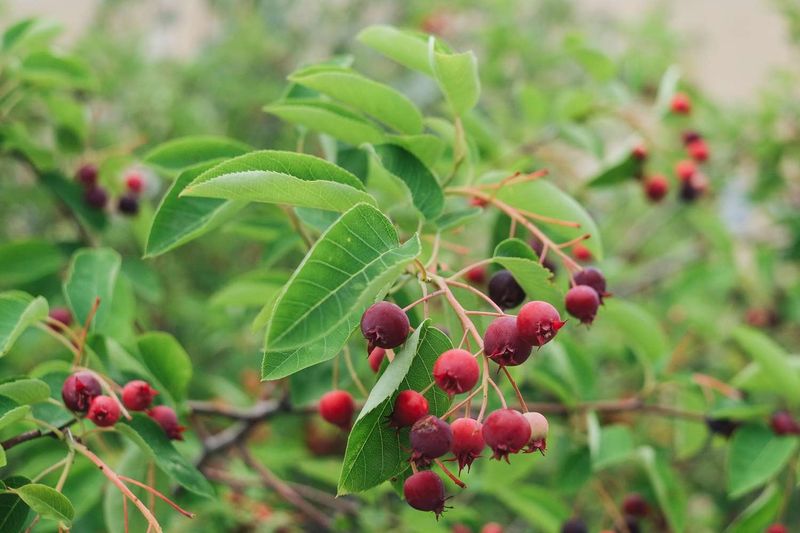
Imagine a tree that hands you a sweet snack in June. Serviceberry does exactly that, and families are hunting for it like treasure.
The small purple berries taste a bit like a blueberry mixed with almond. You can eat them right off the branch, bake them into muffins, or toss them on cereal.
Of course, you will have competition. Cedar waxwings and catbirds often arrive the same week the fruit ripens, so pick early in the morning.
Fun fact time. Some say the name comes from old mountain churches, where people held services in spring when this tree bloomed and roads finally dried out.
Beyond fruit, serviceberry offers a lot of seasons of interest. White flowers appear in early spring, then orange and red leaves light up in autumn.
Smooth gray bark looks pretty in winter too. Few trees give you that much for such a modest footprint.
Most kinds stay between 15 and 25 feet tall. Some grow as shrubs with several stems, while others are trained into a single trunk, so ask which shape you are buying.
Full sun brings the biggest harvest, though part shade works fine. Give it regular water during dry spells while it settles in, and you could be picking berries within two or three years.
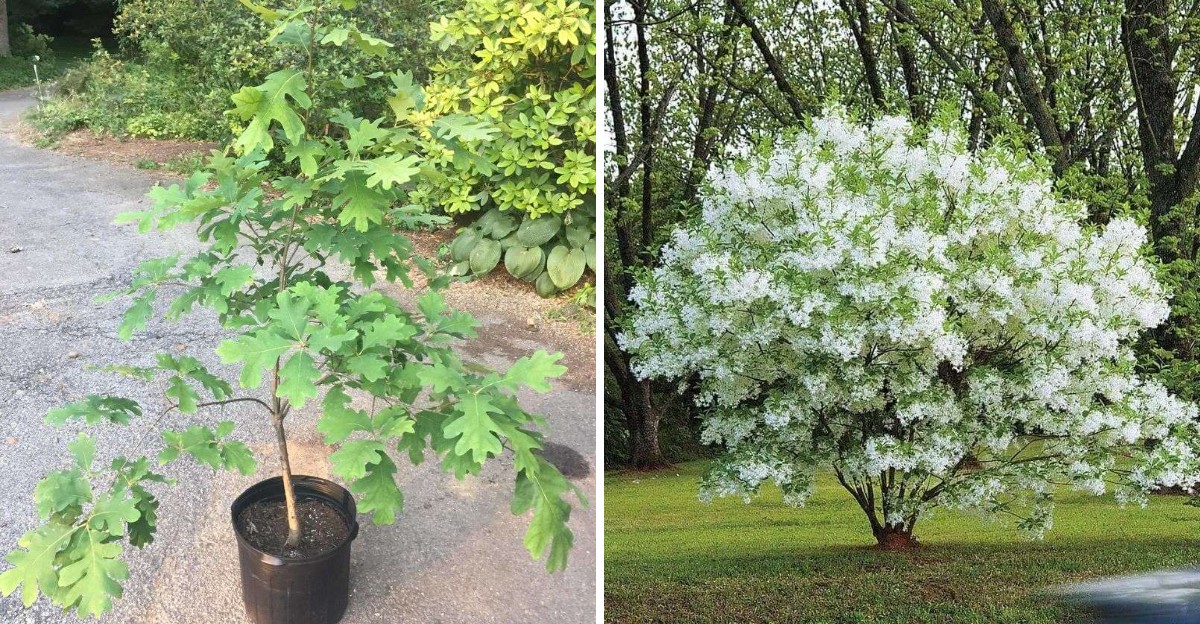
4. Shoppers Grab White Oaks For Wildlife And Legacy
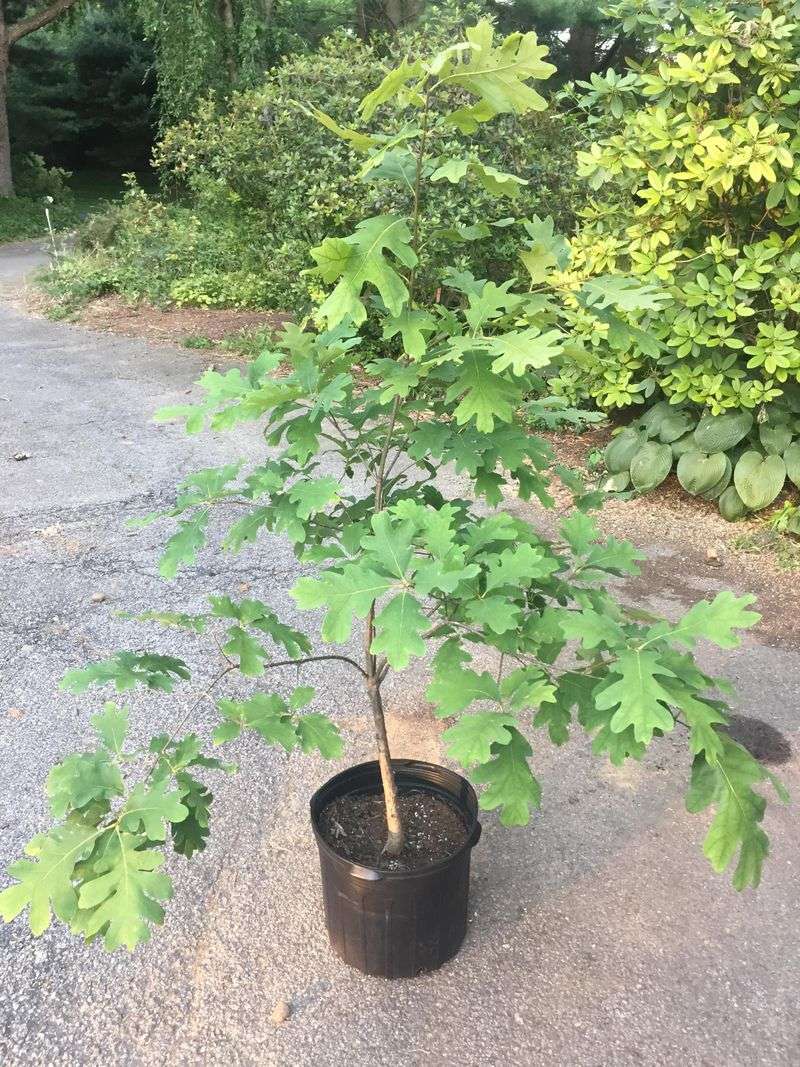
Some trees are planted for next year. The white oak is planted for your grandkids.
Scientist Doug Tallamy found that oaks support hundreds of kinds of caterpillars. Those caterpillars feed baby birds, which is why bird lovers are buying oaks so quickly.
One pair of chickadees may need thousands of caterpillars to raise a single nest of chicks. An oak in your yard is like a grocery store for them.
Acorns matter too. Deer, turkeys, squirrels, and blue jays all depend on them in fall, and jays even help plant new oaks by burying acorns and forgetting a few.
Many Virginians think oaks grow slowly, but young ones can surprise you. With good care, a small sapling may add a foot or two each year once roots settle.
Smaller is actually smarter here. Little oaks often catch up to big ones because they handle the move better and grow deep roots faster.
Pick a sunny spot far from your house, driveway, and power lines. A white oak can spread 60 feet or more someday, so think big.
Water during the first two summers, and protect the trunk from deer with a simple wire cage. Then step back and let time do the rest of the work for you.
White oaks also happen to be one of the longest-lived trees in the state, with some specimens still standing strong after three centuries or more.
5. Sweetbay Magnolia Charms With A Lemony Scent
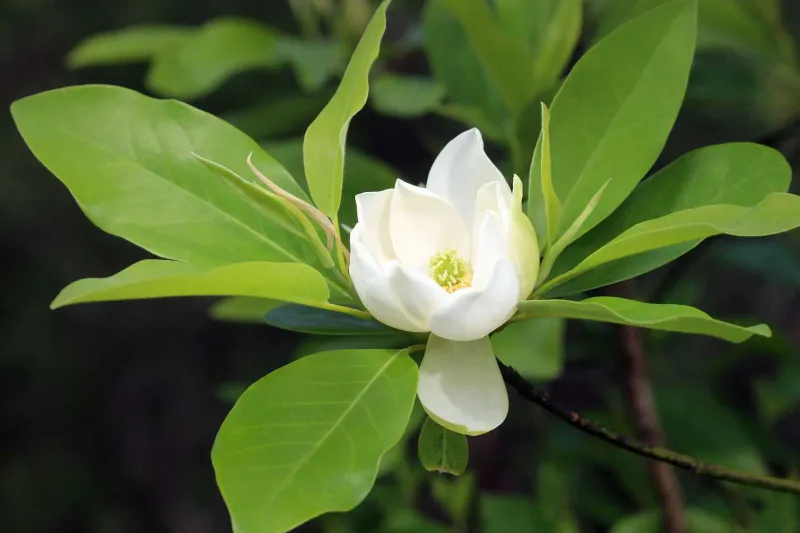
Step outside on a warm June evening and catch a whiff of lemon and vanilla. Chances are good a sweetbay magnolia is blooming nearby.
Virginia gardeners are falling for this tree because it is easier to fit than its giant southern cousin. Most stay between 10 and 30 feet, which works for townhouse lots and corner beds.
The creamy white flowers are about the size of a teacup. They open over several weeks, so the sweet scent hangs around for a good stretch of summer.
Flip a leaf over and you will see a silvery underside. On a breezy day, the whole tree seems to shimmer.
Here is the real selling point. Sweetbay handles wet, soggy soil that troubles many other trees, so it is perfect near a downspout or a rain garden.
In the eastern part of the state, it can keep many leaves through winter. Farther west, it tends to drop them when the cold settles in.
Sweetbay is also a host plant for the tiger swallowtail and the sweetbay silkmoth. Plant one, and you may spot striking caterpillars munching quietly on the leaves.
Give it sun or light shade and acidic soil. If your yard puddles after storms, you may have found your perfect match.
6. Blackgum Brings Fiery Fall Color To Virginia Neighborhoods
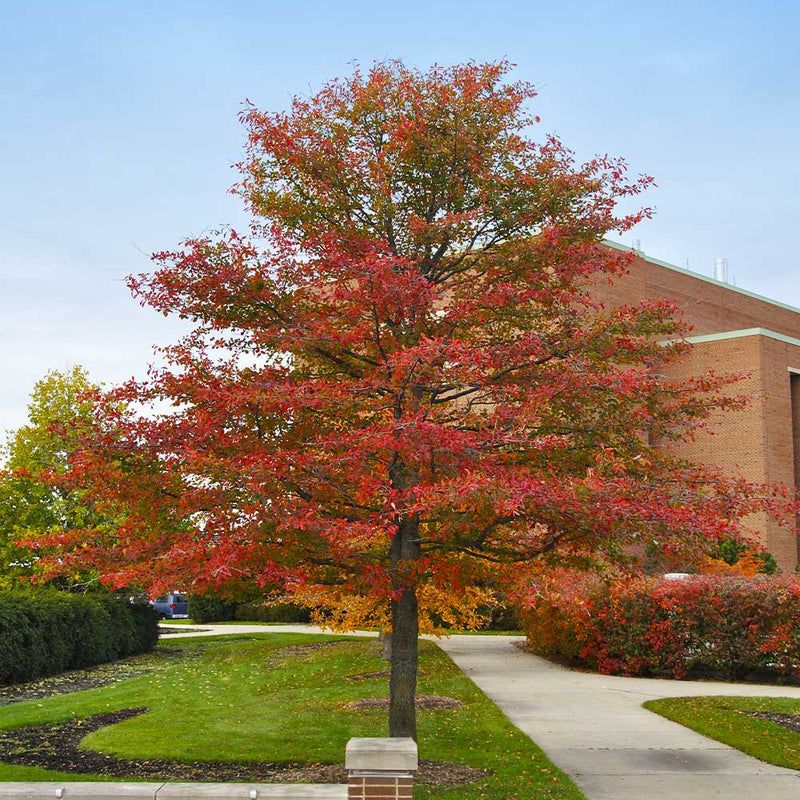
Every October, one tree on the block seems to catch fire first. Odds are, it is a blackgum, also called black tupelo.
The leaves turn shades of scarlet, orange, and purple, sometimes all on one branch. Leaf peepers travel to the mountains for that kind of show, but you could have it by your mailbox.
So why the sudden demand? Homeowners want street trees that look great and stay tough, and blackgum fits that bill nicely.
It handles both dry spells and wet ground, which few trees can claim. It also has few serious pest problems, so it tends to stay tidy.
Small blue fruits ripen in early fall. Migrating birds like thrushes and woodpeckers gobble them up as they pass through.
Bees adore the tiny spring flowers too. Tupelo honey, a famous Southern treat, comes from a close relative of this tree.
One tip before you buy. Blackgum has a long taproot, so it does not like being moved once planted.
Choose a container-grown tree and settle on a forever spot right away. Full sun gives the brightest fall color, though it will grow in part shade.
Expect slow growth at first. Once it gets going, this tree can thrive for well over a century.
7. American Persimmon Sparks A Sweet Craze Among Virginia Growers
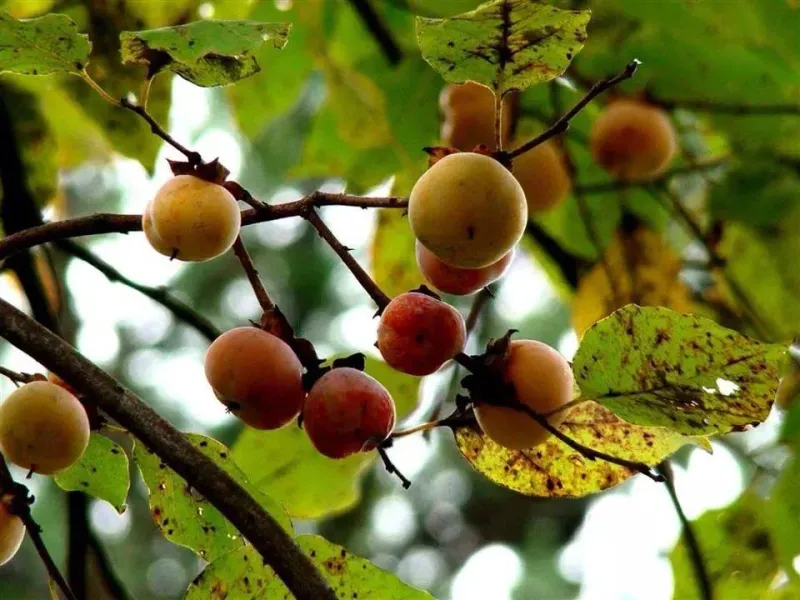
Bite into an unripe persimmon and your mouth will pucker like you licked a chalkboard. Wait until it turns soft and squishy, though, and it tastes like honey and apricot pudding.
That sweet reward is driving a persimmon boom. Backyard growers, foragers, and home bakers all want a tree of their own.
Captain John Smith wrote about these fruits back in the 1600s. He warned that green ones would draw your mouth awry, which still makes people laugh today.
Wildlife adores persimmons too. Foxes, raccoons, opossums, and deer will gather beneath the branches once fruit starts to drop.
The tree itself is handsome. Its bark breaks into small square blocks that look a bit like alligator skin.
Most American persimmons need both a male and a female tree to make fruit. Ask your nursery for a self-fruitful variety like Meader if you only have room for one.
Plant in full sun with soil that drains well. Persimmons put down deep roots, so they cope with dry summers better than many fruit trees.
Harvest usually starts in late fall, often after the first frost. Let the fruit fall on its own or pick when it feels very soft, then try a classic persimmon pudding.
The wait tests your patience, since most seedling trees take several years before their first real harvest, but one bite of that honeyed fruit makes the whole wait worth it.
8. Fringetree Turns Heads As A Fluffy Spring Surprise
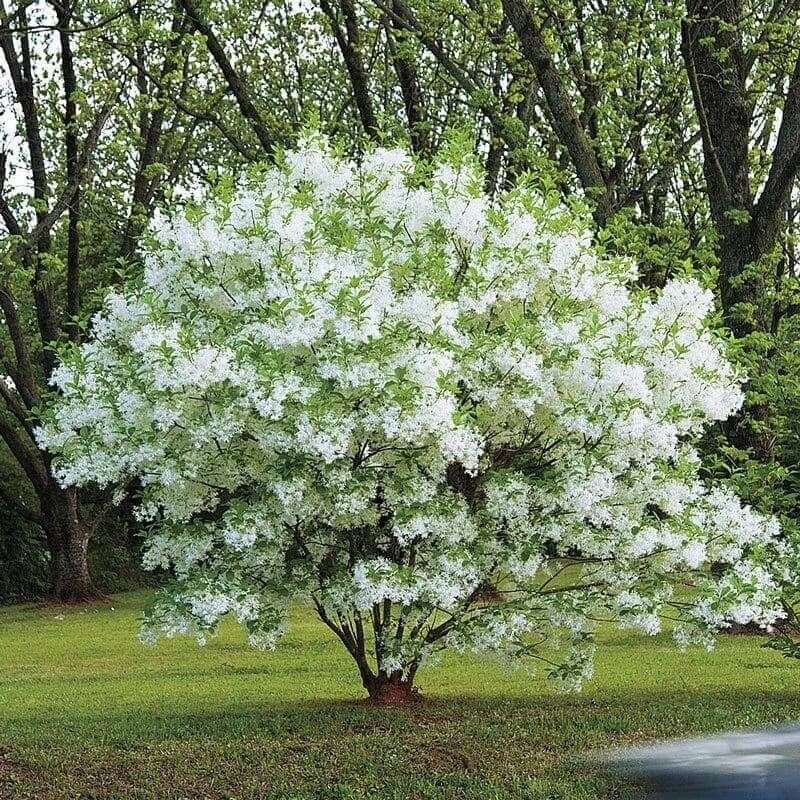
Old-timers have a cute nickname for this one. They call it Grancy Graybeard, thanks to its wispy white blooms.
In May, fringetree looks like someone draped it in soft, shredded ribbons. The flowers smell faintly sweet and sway in the lightest breeze.
Lately, it has become a quiet star at local garden centers. Gardeners want something unusual that still feels right at home in the region.
Size is a big plus. Most fringetrees stay between 12 and 20 feet, so they suit small yards, side gardens, and spots near windows where you can enjoy the view.
There is another reason Virginians are turning to it. Fringetree is in the olive family, like ash, and some people plant it to add variety as ash trees face pest trouble.
Female trees produce dark blue fruits in late summer. Birds such as mockingbirds and bluebirds pick them clean before you know it.
Leaves turn a buttery yellow in fall, though the show is mild. The spring bloom is the main event.
Plant it in sun or part shade with moist soil. Leaves can be slow to appear in spring, so do not panic if it looks bare for a while.
Patience is key, since young trees may take a few years to bloom heavily.