Texas State Parks With The Most Dramatic Fall Color
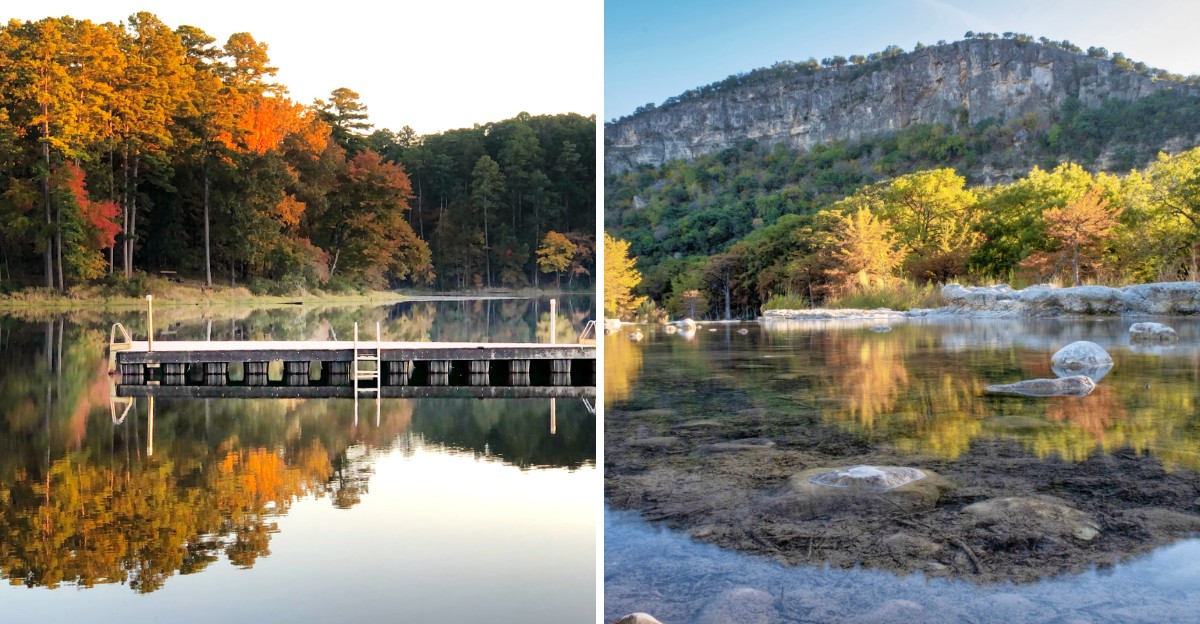
People like to joke that Texas only has two seasons: summer and almost summer. Anyone who’s seen the hills light up in November knows better.
Fall color in Texas doesn’t show up all at once, and it doesn’t always follow the rules. It tends to arrive late, often peaking from late October into November.
It also varies a lot from one region to the next. In the Hill Country, rare maples blaze red and orange along limestone canyons.
In East Texas, hardwood forests turn gold, and swampy cypress trees shift to a deep rusty bronze. That kind of variety means some parks put on a far better show than others.
If you’re ready to trade the city for crisp air and colorful trails, these state parks offer some of the most striking fall scenery around.
1. Lost Maples State Natural Area
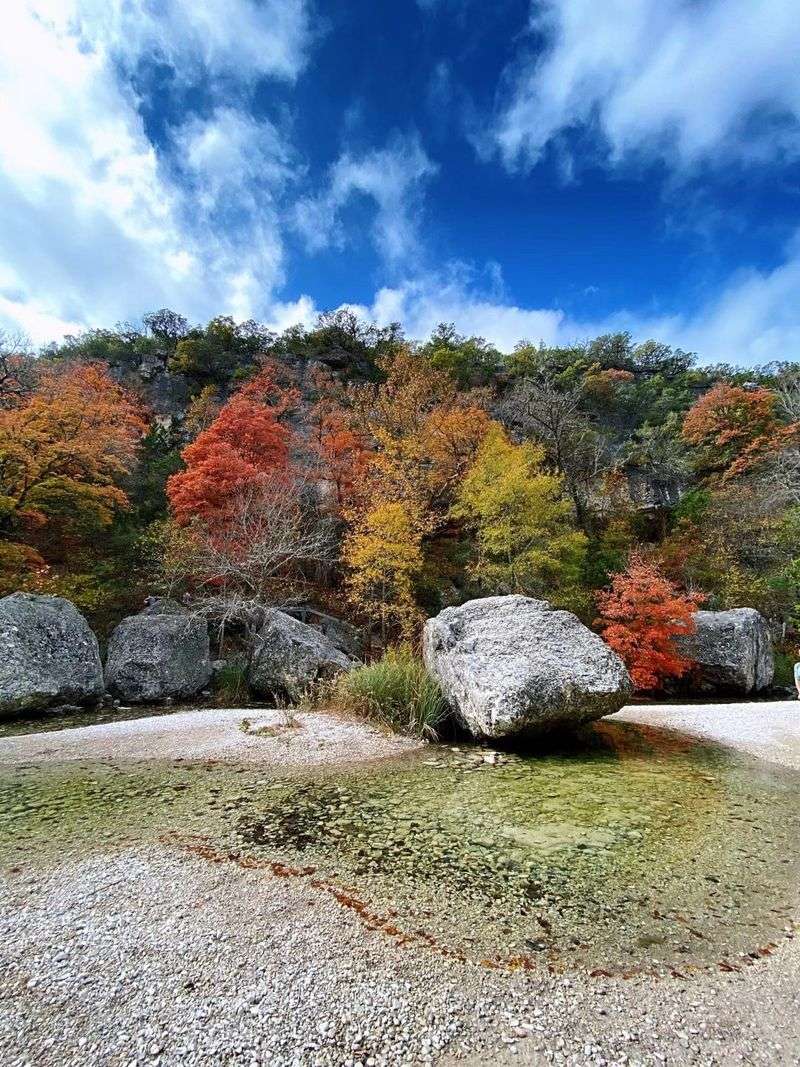
Few Texas sights beat a hillside of red maples. At Lost Maples State Natural Area, that sight is real. The park sits near Vanderpool in the Hill Country, at 37221 FM 187, Vanderpool, TX 78885.
The star here is the bigtooth maple. These trees are rare in Texas, and they grow in small, hidden pockets. In fall, their leaves turn red, orange, and gold. The color pops against the green cedar and gray limestone canyon walls.
Timing matters. Color usually peaks from late October to mid-November. Many visitors say the first two weeks of November are the sweet spot.
Texas Parks and Wildlife posts foliage updates, so check them before you go. The weather and recent rain can shift the show by a week or more.
Plan ahead for crowds. Fall weekends and Thanksgiving week get busy. The park can reach capacity and close its gates.
Reserve a day pass online before you leave home. Arrive early for the best parking and softer light.
The East Trail is a favorite because it passes many of the maples. Wear sturdy shoes, since the paths can be rocky. Bring water and a light jacket for cool mornings.
Gardeners will love this stop. It shows how a native tree can survive in a narrow canyon with just the right shade and moisture.
Look at how the maples grow near the water and on protected slopes. You might get ideas for choosing native trees for your own yard. It also reminds us why protecting rare plant homes matters so much.
2. Daingerfield State Park
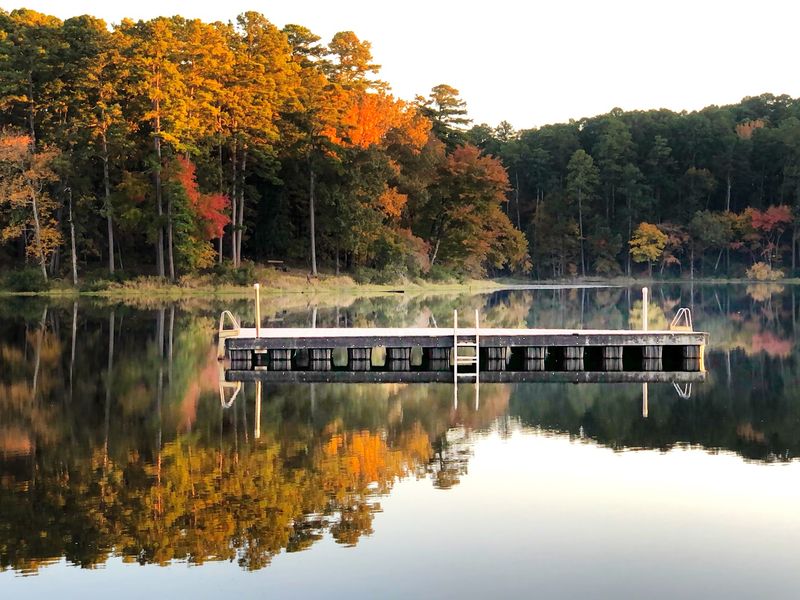
Ask an East Texas local where to see fall color, and Daingerfield often comes first. The park is tucked in the Piney Woods at 455 Park Rd 17, Daingerfield, TX 75638. A small lake sits at its heart, and the trees around it do the rest.
Sweetgums, maples, oaks, and hickories fill the woods. You will also spot sassafras, elms, and black gum.
Together they paint the hills in red, orange, and yellow. The best views are around Little Pine Lake, where the leaves reflect on the still water like a mirror.
Color usually peaks from late October through mid-November. Early to mid-November often brings the deepest reds and golds. Dark green pines mixed in make every bright leaf stand out even more.
Your Texas Garden Changes Every Week. Your Plan Should Too.
Gardening in Texas changes quickly throughout the season. Every Friday you’ll receive a simple weekly plan showing exactly what to plant, prune, fertilize, harvest, and protect so you never miss the right timing.
The Rustling Leaves Trail is a 2.4-mile loop around the lake. It is easy and great for families. Want a view from above? Try the shorter Mountain View Trail. It is steeper, but it leads to the highest point in the park.
There is a neat garden lesson here too. The Civilian Conservation Corps replanted much of this land with native pines, oaks, and maples.
They also added dogwoods, redbuds, wisteria, and honeysuckle. Walking the park today, you can see how careful planting can grow a rich forest over decades.
It is a good model for anyone dreaming up a yard full of layers, color, and shade.
3. Caddo Lake State Park
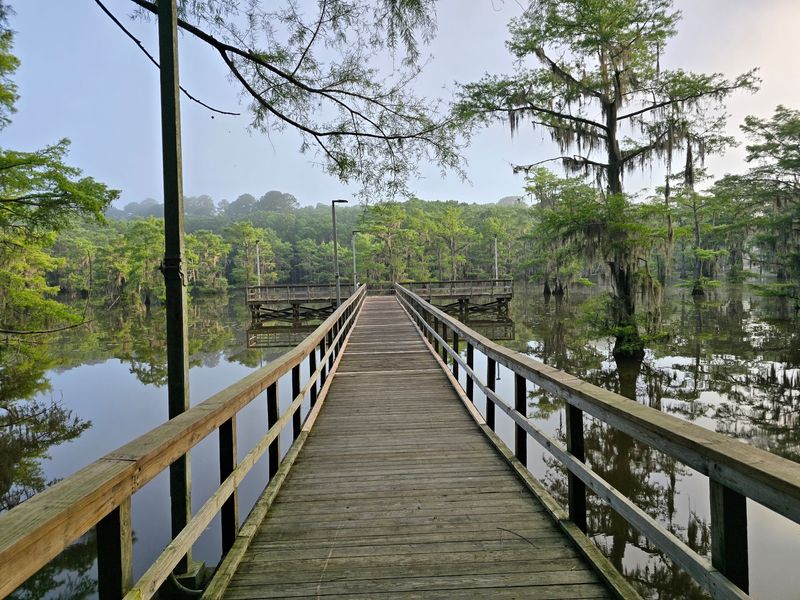
Gliding through a bayou of copper-colored trees feels like paddling into a storybook. That is the magic of Caddo Lake State Park, found at 245 Park Road 2, Karnack, TX 75661. Fall here looks like nowhere else in Texas.
Bald cypress trees rise right out of the water. Spanish moss hangs from their branches in gray curtains. In late fall, the feathery needles turn rusty orange, copper, and bronze. The color glows against the dark water.
Peak color generally runs from the last week of October through late November. The best way to see it is by canoe or kayak.
The lake has over 50 miles of paddling trails, so there is plenty to explore. Rent a boat if you do not own one, and bring a map so you stay on track.
Look beyond the cypress too. Sweetgum, water oak, and sugarberry grow in the bottomlands. Mixed pine and oak forest covers the higher slopes. Every layer adds a little more color.
Did you know this is the only natural lake in Texas? It is also a Wetland of International Importance under the Ramsar Convention. Over 230 bird species visit, along with many fish and frogs.
Gardeners can learn a lot here. Notice the cypress knees poking up from the water. They show how plants adapt to soggy ground, a handy clue for anyone dealing with a wet yard.
4. Tyler State Park
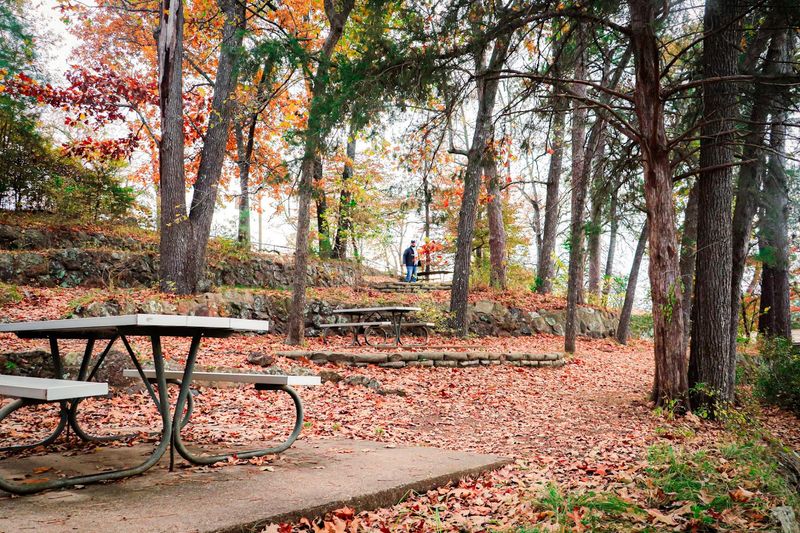
Late to the fall party? Tyler State Park is for you. While other places fade, this East Texas park often hits its peak from late November into early December. You will find it at 789 Park Rd 16, Tyler, TX 75706.
A 64-acre spring-fed lake sits in the middle. Tall pines frame the shoreline, and hardwoods mix in around them. Sweetgums, maples, dogwoods, and oaks bring bright red, orange, and yellow. Some of these trees stand over 100 feet tall.
The park has 13 miles of hiking and biking trails. The Lakeshore Trail keeps the water in view the whole way. The Whispering Pines Trail winds through the forest, where fallen leaves crunch underfoot. Bring a bike if you can.
Moving at a gentle pace lets you notice small details, like a single red leaf stuck on a branch.
Fall mornings can be cool and misty. Dress in layers and bring a warm drink. Birds are active then, so keep your eyes up.
Plant lovers have extra reasons to visit. Tyler is known as the Rose Capital of America, and the city offers more green spaces nearby.
The Tyler Rose Garden and the Tyler Botanical Garden are close, and the botanical garden features Japanese maples with vivid fall leaves.
Spend the morning in the park, then the afternoon in the gardens. It makes a full day of color and plant study.
5. Garner State Park
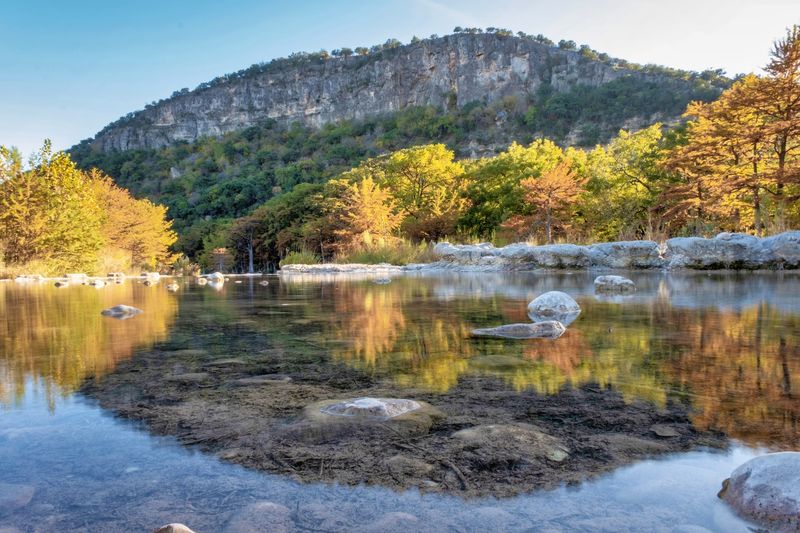
Summer crowds are gone, and the river is calm. That is Garner State Park in fall. It sits at 234 RR 1050, Concan, TX 78838, and it shows a softer side that many visitors never see.
The Frio River runs clear through the park. Along its banks stand bald cypress trees. In autumn their leaves shift to copper, orange, red, and gold. They glow beside the pale limestone bluffs of the Hill Country.
Other trees join in too. Look for persimmon, mesquite, and several kinds of oak, including Spanish and lacey oaks. Together they make a warm, earthy mix of color.
Most color shows from late October through mid-November. Many years the peak lands near Thanksgiving. Cool air makes hiking much nicer now than in July. The park has 16 miles of trails to enjoy.
For a big view, climb Old Baldy. The steps are steep, but the top gives a wide look at the river and hills. If you want an easier outing, stop at the scenic overlook along the Frio River.
Gardeners can pick up helpful ideas here. Watch how cypress trees thrive right at the water’s edge. Notice how native plants handle rocky soil and hot summers.
The Civilian Conservation Corps built much of the park, and their stone work blends neatly with the land. It is a great example of design that works with nature.
6. Palo Duro Canyon State Park
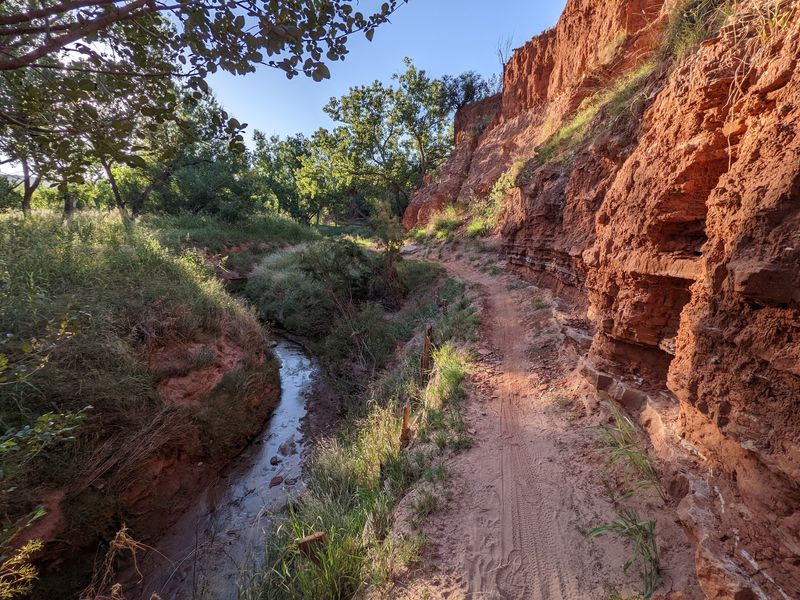
Big skies, red rock, and gold leaves make a stunning mix. Palo Duro Canyon State Park near Canyon, Texas, is often called the Grand Canyon of Texas. You can find it at 11450 Park Road 5, Canyon, TX 79015.
The canyon is one of the largest in the country. The Prairie Dog Town Fork of the Red River carved it over millions of years. Layers of red, orange, and white rock rise on every side.
Down on the canyon floor, cottonwood trees turn bright gold in fall. Against the red walls, they seem to glow. Oaks and other plants add more seasonal color along the way. The exact peak can shift, so check with the park before a long drive.
Hiking here is a treat in cooler weather. Summer heat can be harsh, but autumn days are far more pleasant. Bring plenty of water, a hat, and sunscreen anyway. The sun is strong in the Panhandle.
The park holds over 1,000 species of plants, which makes it a fun place for botany fans. Cottonwoods and other tough plants grow in a dry, rugged setting. They show how roots, shade, and water access help plants survive.
Home gardeners can borrow these lessons for xeriscaping. Choose plants that match your local conditions, and they will reward you with less work and more beauty. Palo Duro proves that drama can grow in dry places.