This Overlooked Pennsylvania Native Wildflower Stands Up To Heavy Summer Storms
Pennsylvania summer storms are not gentle. When a serious thunderstorm rolls through, the wind bends things, the rain hammers down, and the garden takes the kind of beating that exposes every weakness in every plant you have growing.
Tall flowering plants topple. Heavy blooms snap off. And the beds that looked great in the morning can look genuinely defeated by afternoon. But one native Pennsylvania wildflower stands through all of it.
While its neighbors are face down in the mud, this overlooked native holds upright. Its stems are built for exactly the kind of mechanical stress that summer storms deliver, and its bloom structure manages heavy rainfall in a way that most ornamental varieties simply cannot match.
It comes through storms looking like it barely noticed them. Here’s the overlooked Pennsylvania native wildflower that earns its place every single storm season.
New York Ironweed Has Tall, Sturdy Upright Stems
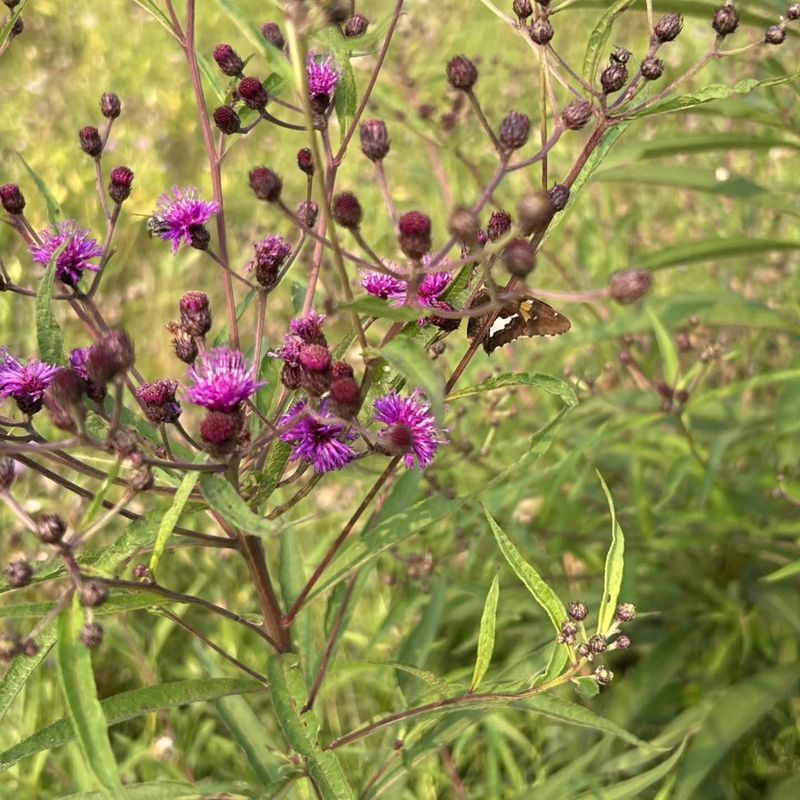
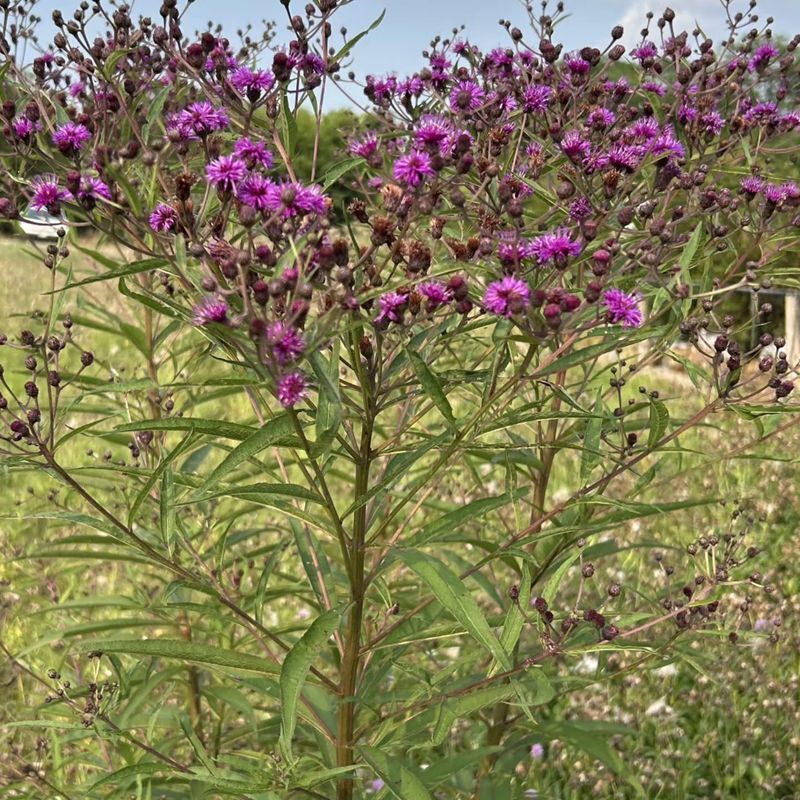
Few wildflowers can claim the kind of structural strength that New York ironweed brings to a garden. Vernonia noveboracensis is a Pennsylvania native perennial that has been growing wild across the state for centuries.
Its stems are not fragile or floppy. They are thick, upright, and remarkably rigid, which is exactly why this plant holds its shape even after powerful summer storms roll through.
The stem structure is one of the first things you notice about ironweed. Unlike many tall flowering plants that need staking or support, ironweed simply stands on its own.
Gardeners who have dealt with storm damage know how frustrating it is to find favorite plants bent or broken after a heavy downpour. Ironweed rarely ends up in that situation. Its erect stems help carry the weight of its large flower clusters without bending.
The plant’s common name actually hints at this quality. “Iron” refers to the toughness of the stems, which can feel almost woody by mid-season. That built-in strength is not just good for storms.
It also means the plant stays upright throughout its entire growing season without much help from you. Pennsylvania gardeners dealing with wet summers and sudden wind events will appreciate having a plant this dependable.
If you want structure and reliability in a native wildflower, ironweed delivers both without asking for much in return.
It Reaches Its Best Color In Late Summer
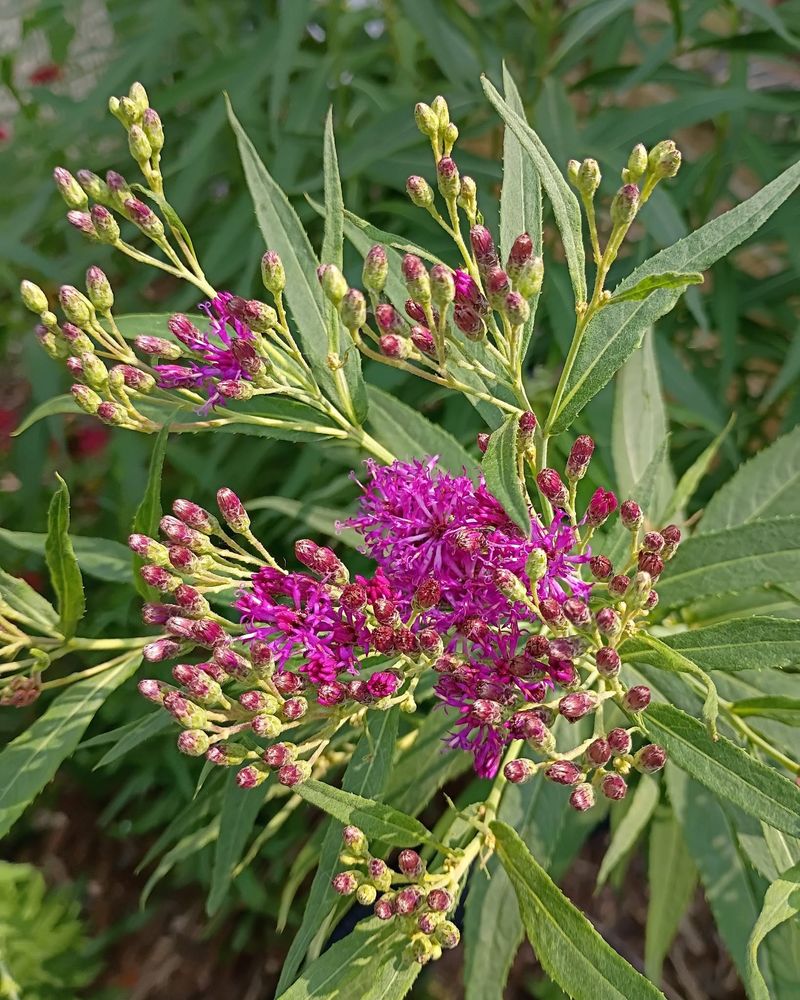
Timing is everything in the garden, and New York ironweed has timing figured out. While spring and early summer belong to tulips, peonies, and coneflowers, late summer can feel like a slow season for color.
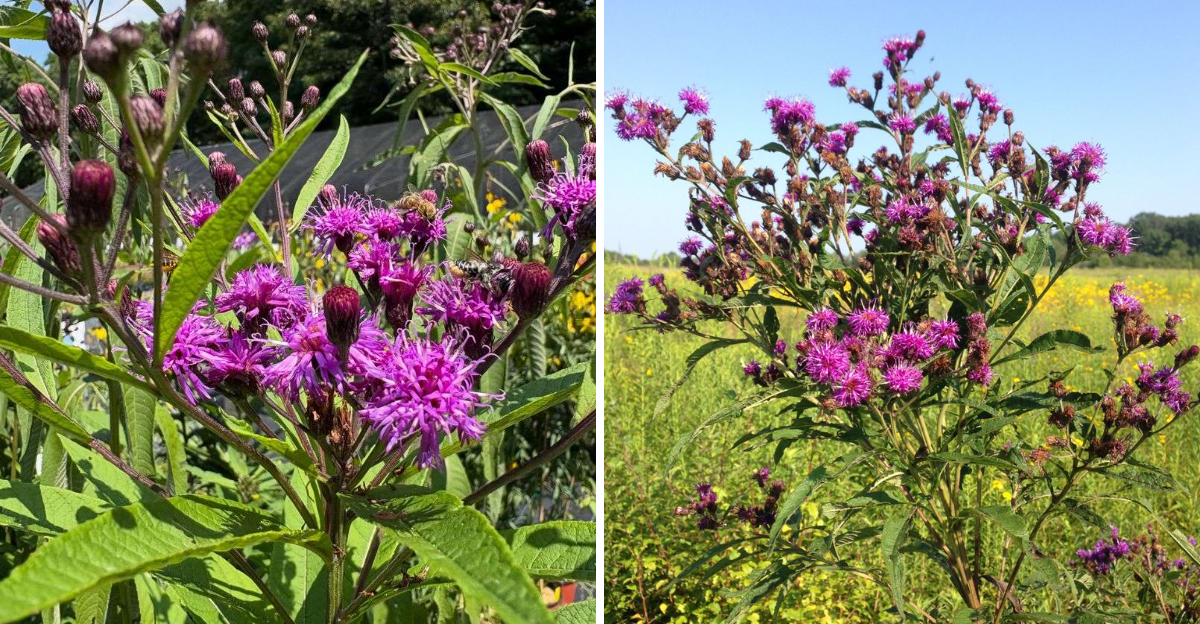
That is exactly when ironweed steps up. Its deep, vivid purple flower clusters typically open in August and September, right when many earlier blooms are already fading and looking tired. The color itself is striking. It is not a soft lavender or a pale violet.
Ironweed blooms in a rich, saturated purple that practically glows in the late summer sun. The clusters sit at the tops of the stems in loose, fluffy arrangements that catch the eye from a distance.
Placed against a backdrop of green foliage or golden grasses, the effect is genuinely beautiful.
Your Pennsylvania Garden Changes Every Week. Your Plan Should Too.
Gardening in Pennsylvania changes quickly throughout the season. Every Friday you’ll receive a simple weekly plan showing exactly what to plant, prune, fertilize, harvest, and protect so you never miss the right timing.
For Pennsylvania gardeners who want their yards to look great from spring all the way into fall, ironweed fills a gap that is hard to cover with other plants. Many popular summer flowers wrap up their show by late July.
Ironweed is just getting started at that point. Pairing it with plants like black-eyed Susans or native grasses creates a layered display that keeps your garden interesting for months.
The late bloom time also makes ironweed especially useful for pollinators searching for food as summer winds down. It is a plant that earns its place by showing up exactly when you need it most.
Give It Room Because It Can Grow Very Tall
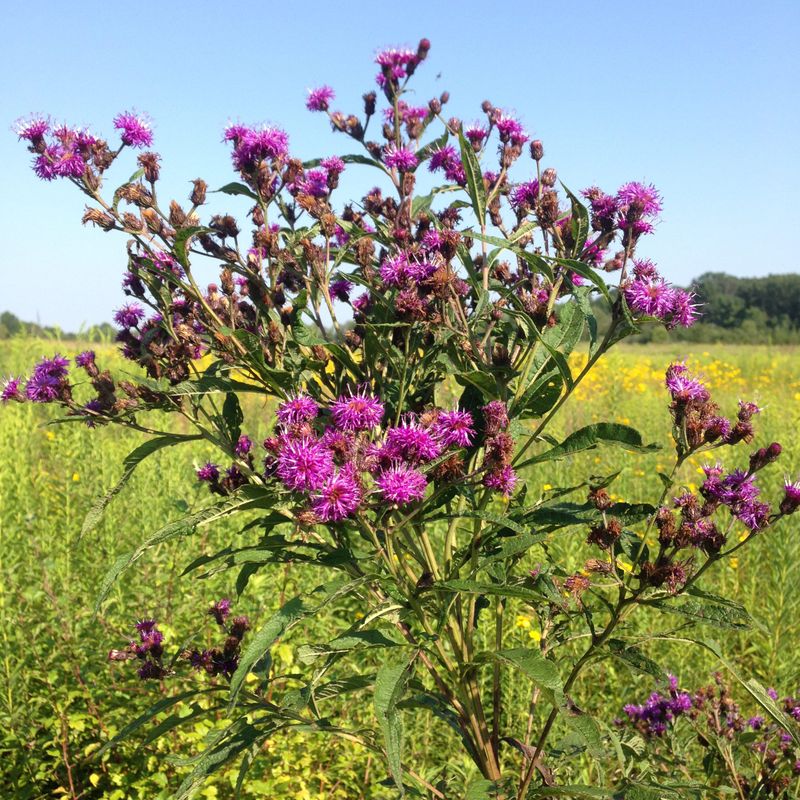
Planting ironweed without knowing its mature size is a common mistake. Mature plants commonly reach anywhere from five to eight feet tall, and some specimens push even higher under good conditions.
That is not a small plant. If you tuck it into the front of a flower bed, it will quickly block everything behind it.
Proper placement from the start saves you a lot of rearranging later. The back of a border is the ideal spot for ironweed. Placed there, it adds height and drama without crowding shorter plants in front.
It also works beautifully in meadow-style plantings where tall, naturalistic growth is part of the design.
Pennsylvania gardeners who are creating pollinator meadows or rain gardens often find that ironweed fits right in with other tall natives like Joe Pye weed or swamp milkweed.
One thing worth knowing is that ironweed can spread over time by self-seeding. If you want to keep it contained to a specific area, remove the seed heads before they fully mature and scatter.
That said, a little natural spreading is not always a bad thing in informal or wildlife-friendly gardens. The key is choosing the right location from the beginning.
A spot with enough vertical space, good sunlight, and enough horizontal room for a clump to develop will let ironweed perform at its absolute best.
Think of it as a background anchor plant that gives your entire garden a sense of height and bold, late-season structure.
Moist Soil Helps It Perform Its Best
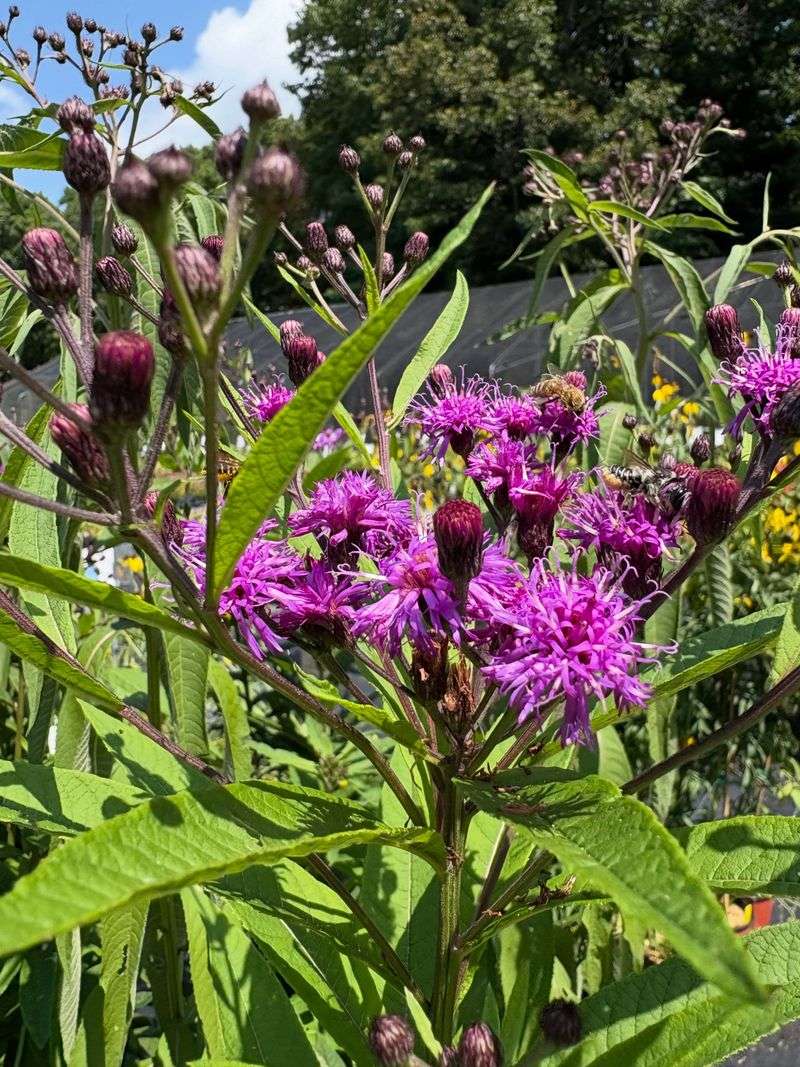
Walk along a Pennsylvania stream bank or through a wet meadow in late summer, and you might spot ironweed growing wild. That tells you something important about what this plant actually needs.
New York ironweed prefers moist soil conditions, and it performs noticeably better when its roots have consistent access to water. In Pennsylvania gardens, that makes it a natural fit for spots that stay a little damp after rain.
Low-lying areas, the edges of rain gardens, and spots near downspouts or natural drainage channels are all good candidates. Many gardeners struggle with these wetter zones because a lot of popular ornamental plants do not tolerate soggy soil well.
Ironweed handles it with ease. It is not just tolerant of moisture. It genuinely thrives with it. Sunlight is the other key factor. Ironweed grows best in full sun to partial shade.
A spot that gets at least six hours of direct sun per day is ideal, though it can manage with a bit less if the soil moisture is good.
Combining the right light with moist conditions gives you a plant that grows vigorously, blooms heavily, and stands up to summer weather without stress.
If your garden has a wet corner that you have never known what to do with, ironweed is one of the best answers available.
It turns a problem area into a feature, adding height, color, and ecological value to a spot that might otherwise sit empty or grow weeds. That kind of practical beauty is hard to beat in any native plant.
Butterflies And Native Bees Benefit Too
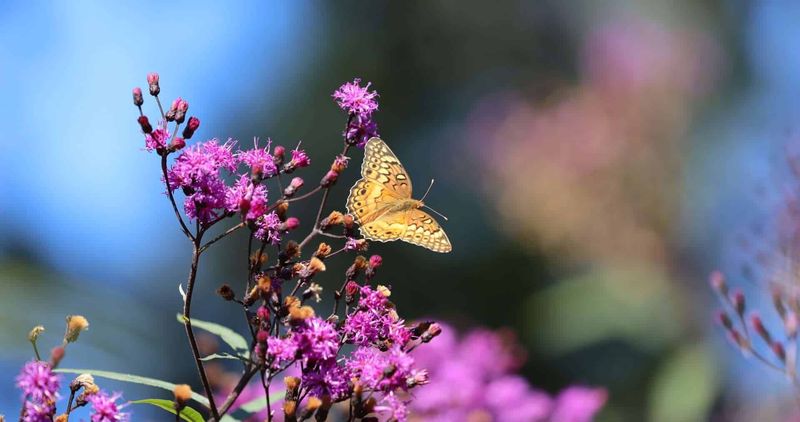
Monarch butterflies have a well-known love for ironweed. If you have ever watched a monarch nectaring on those deep purple flower clusters, you already know how special this plant can be for wildlife.
But monarchs are just the beginning. Swallowtail butterflies, fritillaries, and a wide range of native bees are also drawn to ironweed’s late-season blooms in large numbers.
Late summer is actually a critical time for pollinators. Many of them are preparing for migration or building up winter food stores, and finding reliable nectar sources becomes increasingly important.
Ironweed blooms exactly during this window, making it one of the most ecologically valuable plants you can grow in a Pennsylvania garden. Adding even a few ironweed plants to your yard can make a meaningful difference for local pollinator populations.
The benefits do not stop when the flowers fade. After blooming wraps up, ironweed develops fluffy seed heads that attract birds, particularly goldfinches and other seed-eating species.
Those seeds provide a food source well into fall and sometimes into early winter. So from August through the end of the season, ironweed is actively feeding and supporting wildlife at multiple stages.
For gardeners who want their outdoor spaces to do more than just look pretty, that kind of ecological productivity is genuinely exciting. Growing ironweed means you are not just adding color to your yard.
You are creating a small but real habitat that supports butterflies, bees, and birds through some of the most important weeks of their annual cycle.
Leave Some Stems Standing After The Flowers Fade
When ironweed finishes blooming, the instinct for many gardeners is to cut everything back immediately and tidy up the bed. Resist that urge.
The seed heads that form after the flowers fade are genuinely useful, and leaving them standing through fall and into winter benefits both the garden’s appearance and the local wildlife that depends on it.
Goldfinches are especially fond of ironweed seed heads. Watching them cling to the stems and pick out seeds on a crisp fall morning is one of those small garden pleasures that is easy to miss if you cut everything down too soon.
Other seed-eating birds also visit regularly. Beyond birds, hollow or pithy stems can provide overwintering habitat for certain native bees and beneficial insects. Leaving stems standing is a simple way to support that.
Managing ironweed’s spread is worth thinking about too. Over several seasons, a single plant can develop into a sizable clump through both root expansion and self-seeding.
If the clump grows larger than you want, early spring is the best time to divide it. Use a sharp spade to cut through the root mass and replant divisions elsewhere in the garden or share them with neighbors.
Removing unwanted seedlings in spring before they establish is also an easy way to control where ironweed spreads.
With a little seasonal management, ironweed stays exactly where you want it and keeps rewarding you with bold color, wildlife activity, and storm-proof structure year after year.
It is the kind of low-effort, high-reward native plant that every Pennsylvania garden deserves.