The Patio And Deck Habits That Are Bringing Ticks Closer To Ohio Homes This Summer
Ohio summers were made for backyard living. Cookouts, deck afternoons, kids running around until it gets dark: the whole setup is pretty hard to beat.
But here’s something worth thinking about before you kick back in the lawn chair this season: a few very common patio and deck habits could be making your outdoor spaces a lot more welcoming to ticks than you realize.
And ticks, as you probably know, are not great guests.
They don’t announce themselves, they don’t stay in one spot, and they have absolutely no respect for your carefully planned summer plans.
The good news is that a few simple adjustments can make a real difference in how tick-friendly your Ohio backyard actually is.
You don’t have to overhaul everything. You just have to know what to look for.
1. Letting Leaves Collect Around The Patio
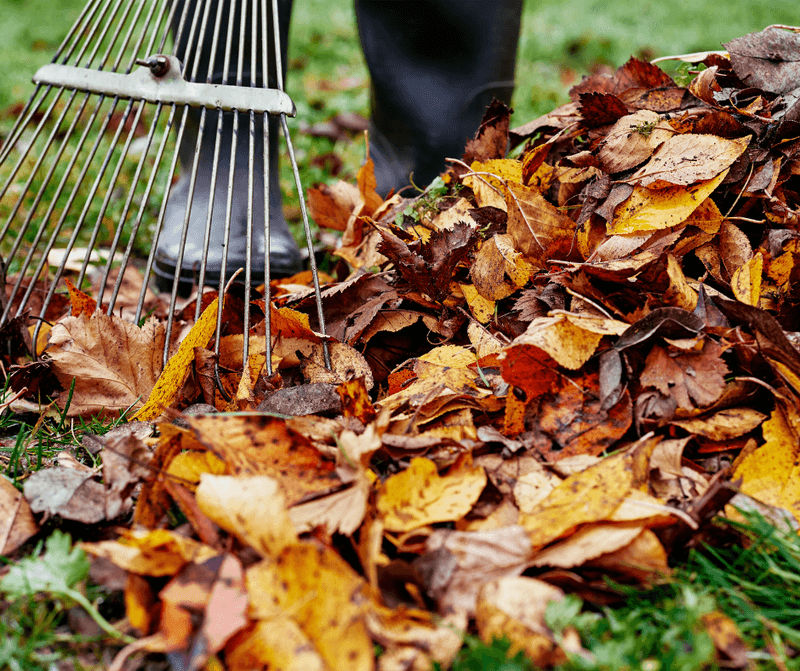
Damp leaf piles sitting around the edges of your patio are one of the most overlooked tick-friendly conditions in Ohio backyards. Leaves hold moisture and create a cool, sheltered layer close to the ground that ticks find comfortable during warm months.
What looks like a harmless mess of fallen debris can actually function as a habitat buffer between the natural landscape and your outdoor seating area.
Ticks tend to rest in leaf litter while waiting for a host to pass by, which means a pile near your chairs or table is closer to foot traffic than most homeowners realize.
Small mammals like mice and chipmunks, which are common tick hosts, also use leaf piles for cover and nesting material.
When those animals move through your yard and then past your patio, ticks can drop off or be carried right into your space.
Raking leaves away from the patio perimeter and bagging or composting them regularly can reduce that risk noticeably. Focus on the areas directly beside seating zones, along walkways, and near deck steps.
You do not need to strip every garden bed, but keeping a clear buffer around high-use areas is a practical step worth taking in Ohio.
2. Allowing Tall Grass Near Deck Steps
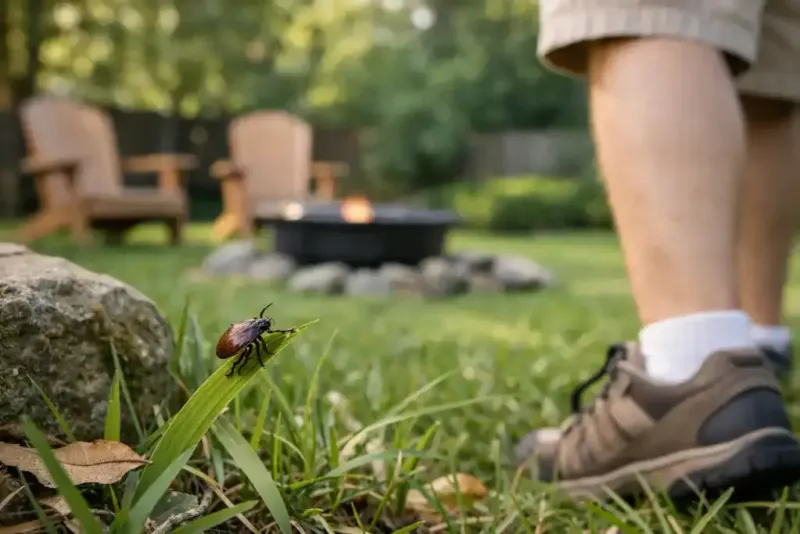
Grass that has grown tall right beside your deck steps is one of the most common ways ticks end up where people walk every day. Tall grass acts as a natural perching spot for ticks, which climb to the tips of blades and wait for a passing host.
Deck steps are a high-traffic zone, and when grass crowds that area, the gap between tick habitat and human contact shrinks considerably.
In Ohio, tick season ramps up through late spring and stays active well into fall, which means unmowed areas near decks stay relevant for months.
Pets going in and out of the house, kids running down the steps, and adults carrying groceries or garden tools all pass through that zone regularly.
Any tick clinging to that grass has a reasonable chance of latching on.
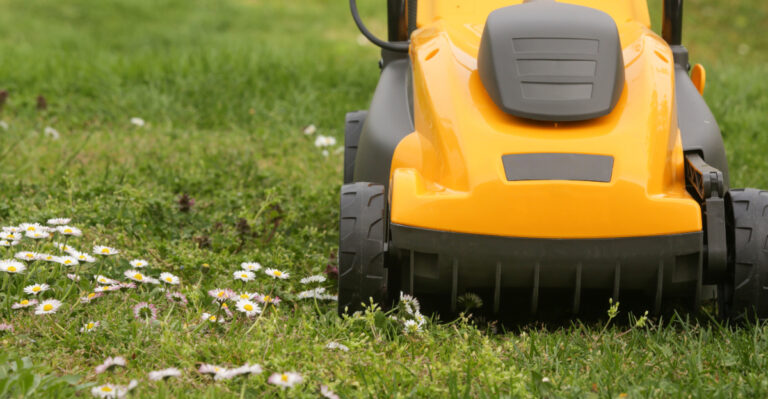
Keeping the grass trimmed short within a few feet of your deck steps is one of the simplest adjustments you can make. A clean mowing line along the base of the deck removes much of the questing habitat ticks rely on.
Your Ohio Garden Changes Every Week. Your Plan Should Too.
Gardening in Ohio changes quickly throughout the season. Every Friday you’ll receive a simple weekly plan showing exactly what to plant, prune, fertilize, harvest, and protect so you never miss the right timing.
Pairing that with regular checks of your legs and ankles after spending time outside can make a real difference in how many ticks you actually encounter this summer.
3. Keeping Brushy Borders Beside Seating Areas

Brushy, overgrown borders right beside your outdoor furniture create a tick-friendly transition zone that sits uncomfortably close to where you and your family relax.
Ticks are strongly associated with edges where manicured yard space meets wilder, denser vegetation.
Seating areas surrounded by shrubby growth essentially place people right at the boundary ticks prefer.
In Ohio yards, those brushy borders often develop naturally along fence lines, property edges, and the sides of patios where garden beds have not been trimmed back for a season or two.
The dense growth holds humidity, blocks sunlight from drying the soil, and offers cover for mice, voles, and other small animals that carry ticks.
The result is a habitat that sits inches from your favorite chair.
Trimming back brushy growth to create a cleaner edge around your seating area can help reduce that overlap.
You do not need to remove every shrub or border plant, but keeping a reasonable gap between dense vegetation and where people actually sit makes a meaningful difference.
Think of it as giving your patio a clear zone that is open, sunny, and less appealing to ticks looking for shade and a passing host. A few hours of trimming can shift the conditions around your outdoor space noticeably.
4. Storing Firewood In Shady Spots Near The House
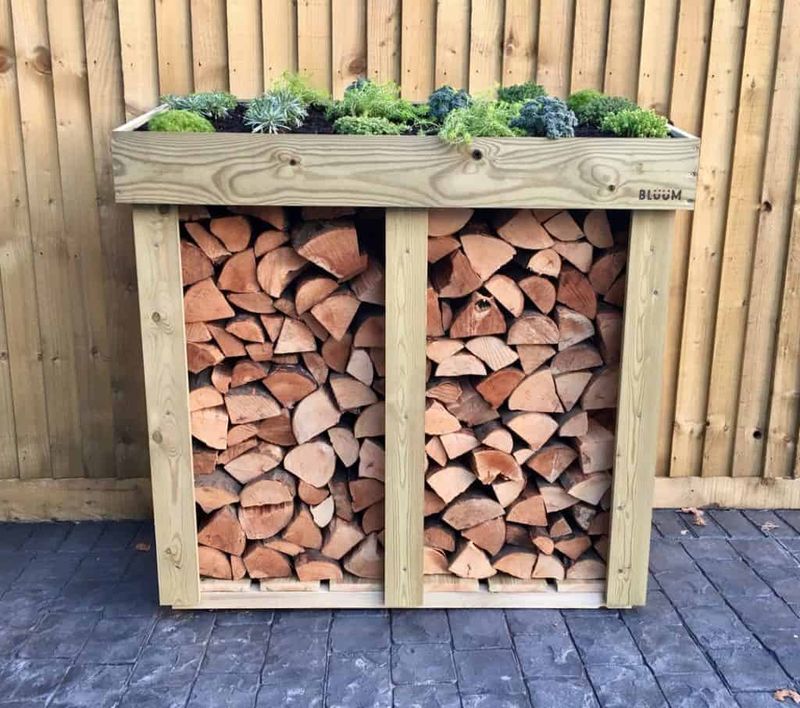
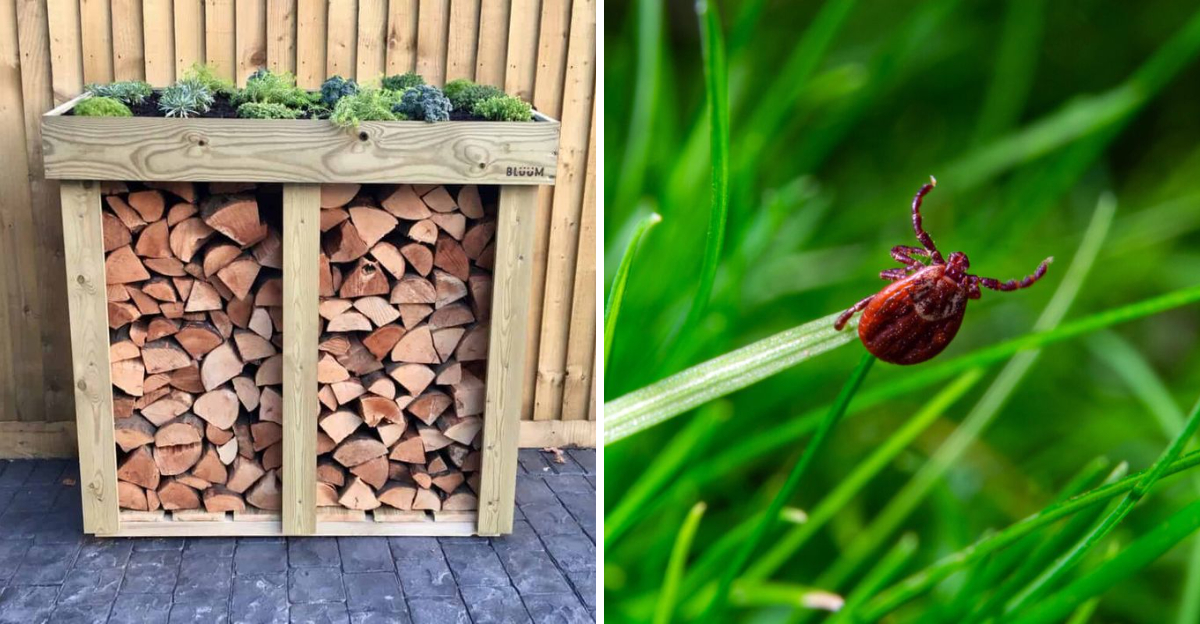
A shaded firewood stack sitting close to your house is more than a convenience for cool evenings. Stacked wood creates exactly the kind of sheltered, layered environment that small rodents find appealing for nesting.
Mice, chipmunks, and other small mammals are well-known tick hosts, and when they settle into a wood pile near your home, they can bring ticks along with them.
Storing firewood in a shady spot compounds the problem because shade keeps the area cooler and more humid, which ticks prefer. A sunny, dry location is far less appealing to both ticks and the rodents that carry them.
Many Ohio homeowners store wood close to the deck or patio door for easy access, which puts that activity zone directly beside a potential tick hotspot.
Moving your firewood stack at least a few feet from the house, elevating it off the ground on a rack, and choosing a sunnier location can reduce how attractive the area is to rodents and ticks alike.
Keeping the wood neatly stacked rather than loosely piled also removes some of the gaps that small animals use for shelter.
These are small adjustments that can quietly shift conditions around your patio and deck in a more favorable direction this Ohio summer.
5. Leaving Yard Clutter Under Or Beside The Deck

Stuff tends to pile up under decks over time. Old pots, tarps, unused garden tools, broken furniture, and bags of mulch all find their way into that shaded space beneath the boards.
What feels like harmless storage can quietly become one of the most sheltered, humid, and animal-friendly spots in your entire yard.
Small rodents, which are among the most common tick hosts in Ohio residential areas, actively seek out cluttered, sheltered spots for nesting and cover.
A dark, undisturbed space under your deck filled with miscellaneous items is genuinely appealing to them.
Once rodents move in, ticks can follow, and that puts tick activity directly beneath the boards where your family walks and sits.
Clearing out the clutter from under and beside your deck is one of the more impactful things you can do for tick management around high-use outdoor spaces.
If you need to store items outdoors, consider sealed containers or a dedicated shed rather than open piles beneath the deck.
Keeping that space as open and dry as possible reduces its appeal to rodents and the ticks that travel with them. A tidy deck underside is a small effort with a real payoff for backyard comfort in Ohio.
6. Skipping A Gravel Or Wood Chip Barrier

One of the more practical and widely recommended tick-management tools for residential yards is a simple barrier of gravel or wood chips placed between the lawn or garden edge and the patio or deck.
Without that buffer, ticks have an uninterrupted path from the vegetation where they rest to the surfaces where people walk and sit.
Skipping this step is an easy habit to fall into, especially when the yard looks tidy enough without it.
Ticks tend to avoid crossing dry, open materials like gravel and wood chips because those surfaces are less hospitable than moist soil, leaf litter, or dense grass.
A barrier of roughly three feet wide along the edge of your patio or deck can create a zone that ticks are less likely to cross, reducing how many end up in your immediate outdoor living area.
Installing a barrier does not require a major landscaping project. Edging the patio with a clean line and filling the gap with wood chips or pea gravel is a manageable weekend task for most Ohio homeowners.
It also tends to look neat and finished, which is a bonus for anyone who takes pride in their backyard appearance. Maintaining the barrier by refreshing the material each season keeps it working as intended through Ohio’s active tick months.
7. Placing Patio Furniture Near Wooded Edges
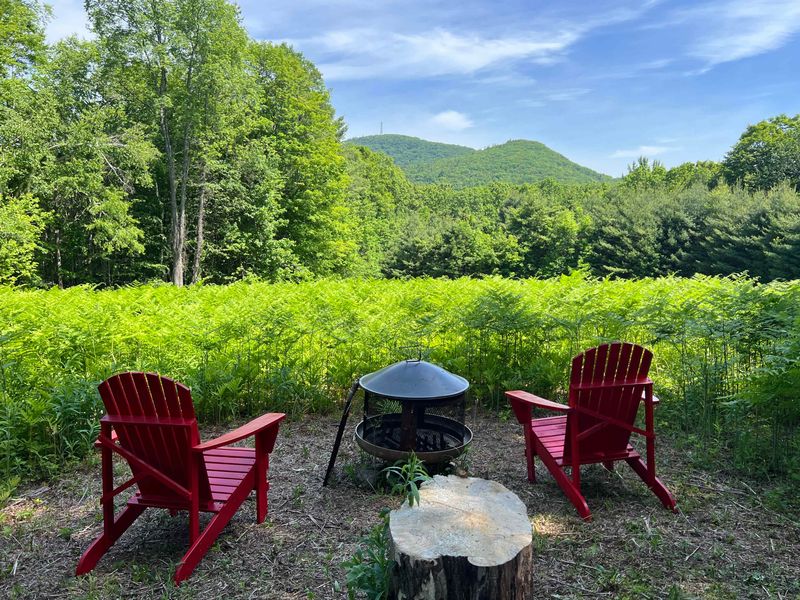
Tucking your patio furniture right up against a wooded edge might feel like a great way to enjoy shade and a natural view, but it also places your seating area at the boundary where tick activity tends to be highest.
Wooded and brushy edges are classic tick habitat, and the closer your chairs are to that boundary, the shorter the distance between a tick and a person sitting down to relax.
Ohio backyards that back up to woods, creek corridors, or overgrown fence lines see higher tick pressure along those edges throughout the summer. Deer, raccoons, and other wildlife that carry ticks move along those wooded borders regularly.
When your furniture sits nearby, the transition from wildlife path to human space becomes very short.
Repositioning your patio furniture a bit further from the wooded edge and toward the more open, sunny center of your yard can help reduce how often ticks end up on clothing or skin.
Even a modest shift of several feet can make a difference when the goal is creating space between your seating zone and the habitat ticks prefer.
Pair that adjustment with a regular check of the furniture surface and surrounding ground cover, and your outdoor setup becomes a noticeably safer place to spend a summer afternoon in Ohio.
8. Letting Shrubs Grow Dense Around Walkways

Walking through a garden path flanked by dense, overgrown shrubs might feel lush and private, but it also means brushing against vegetation on both sides with every pass. Ticks quest from the tips of leaves and stems, waiting for contact with a passing host.
A walkway lined with shrubs that reach into the path creates repeated opportunities for that contact every single time someone walks through.
In Ohio, garden paths that lead from the driveway to the back door, from the patio to the shed, or through a side yard can become surprisingly high-risk zones when the shrubs beside them go untrimmed for a season.
Pets are especially vulnerable along these routes because their coats brush the vegetation at shrub height with every trip through the yard.
Trimming shrubs back so they stay clear of the walkway edge is a straightforward fix that improves both the usability of the path and the tick safety of everyone who uses it.
Aim to keep plant growth from reaching into the walking surface and check the base of shrubs for leaf litter buildup, which can hold moisture and create additional tick-friendly conditions.
A well-maintained garden path is a much safer and more enjoyable feature in any Ohio backyard during the summer months.
9. Ignoring Tick Checks After Yard Work

Finishing a round of yard work and heading straight inside without a tick check is one of the most common habits that leads to tick bites going unnoticed.
Yard work brings you into direct contact with grass, garden beds, shrubs, and leaf litter, which are all areas where ticks are active in Ohio during the summer.
Even a short session of weeding, trimming, or raking can result in a tick attaching without any immediate sensation.
Ticks are small, and nymphs in particular can be easy to miss on clothing or skin.
Checking yourself thoroughly after outdoor activity, including behind the knees, along the waistband, in the hairline, and around the ankles, takes only a few minutes and can catch a tick before it has been attached long enough to be a concern.
Showering within a couple of hours of coming inside is also a practical habit that helps remove ticks that have not yet attached.
Encouraging everyone in the household, including children and anyone who handles pets outdoors, to do a quick tick check after time in the yard is a simple routine that adds up over a full Ohio summer.
Keeping a lint roller near the back door for a fast clothing pass is a low-effort reminder that supports this habit without requiring much extra time or planning.