Why You Should Use Pine Needles In Your New York Garden Instead Of Raking Them Away
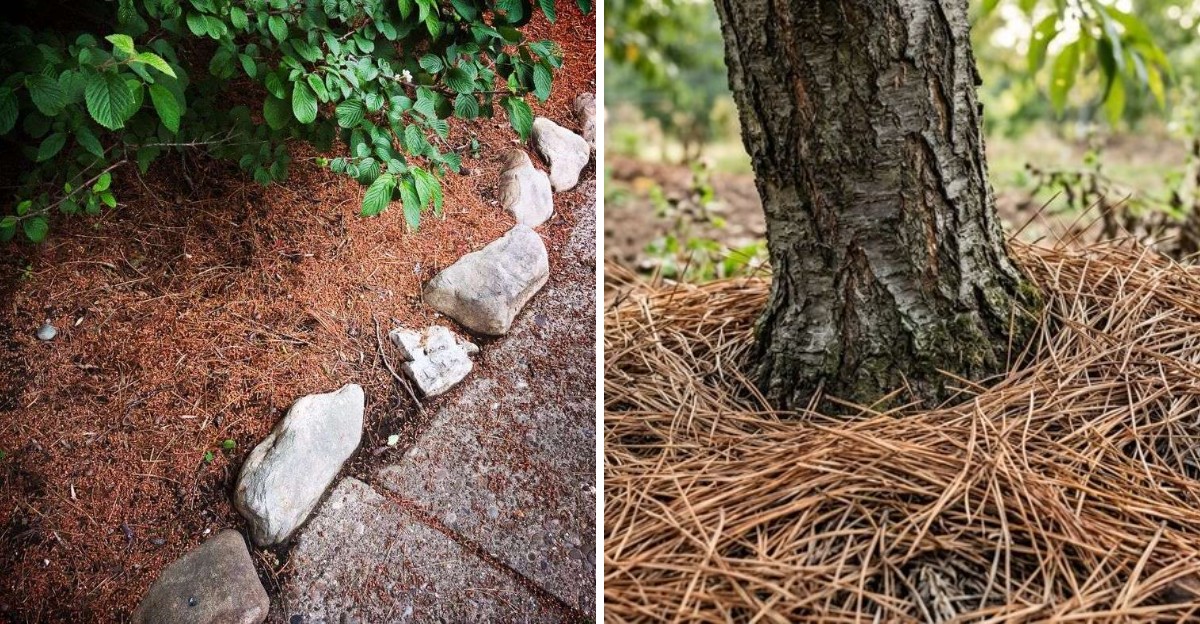
You are about to send a free garden resource to the curb. Fallen pine needles form a light, airy mat that rain slips through.
Weeds find that mat tough to climb, so you pull fewer of them. Roots stay cooler in summer and steadier through winter freeze and thaw.
Across New York, a mature white pine drops enough needles to cover several beds. Bagged mulch costs money, while your own tree delivers a fresh supply each autumn.
Beetles and earthworms move into that layer and go to work for you. Slopes hold soil better under a woven needle cover.
Gardeners in New York who switch to needle mulch often spend fewer weekends weeding. Spread them too thickly against a trunk, though, and bark stays damp. Depth and timing decide the results, and the best window opens sooner than you think.
1. Suppress Weeds Before They Sprout
Weeds are like uninvited party guests who eat all the snacks and refuse to leave. A thick layer of pine needles politely shows them the door.
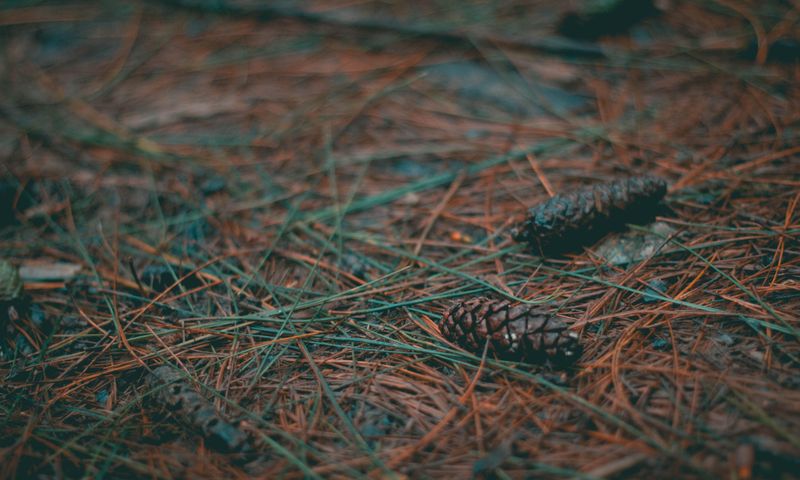
Needles knit together into a loose mat that blocks sunlight from reaching the soil. Weed seeds need that light to wake up, so many stay asleep underneath.
Unlike plastic fabric, the mat lets rain and air slip right through. Your plants get a drink while persistent dandelions and crabgrass get less room to grow.
Think of the needle layer as a quiet security guard for your beds. It works day and night at no cost to you.
For best results, spread needles about two to four inches deep around shrubs and perennials. Keep a small gap near stems so bark can breathe and stay dry.
October is a good time to start, since needles are dropping by the bucketful across New York. Laying them now means fewer weeds popping up next May.
You might still pull a stray weed or two each spring. Still, the job shrinks from a weekend chore into a quick stroll with your coffee mug.
Pair needles with a sheet of cardboard under them for stubborn patches. The cardboard softens over time, feeds the soil, and gives weeds an even tougher climb.
Any weed that does sneak through usually has weak roots in the loose layer. A gentle tug pops it out, roots and all, with almost no effort.
2. Hold Moisture In The Soil
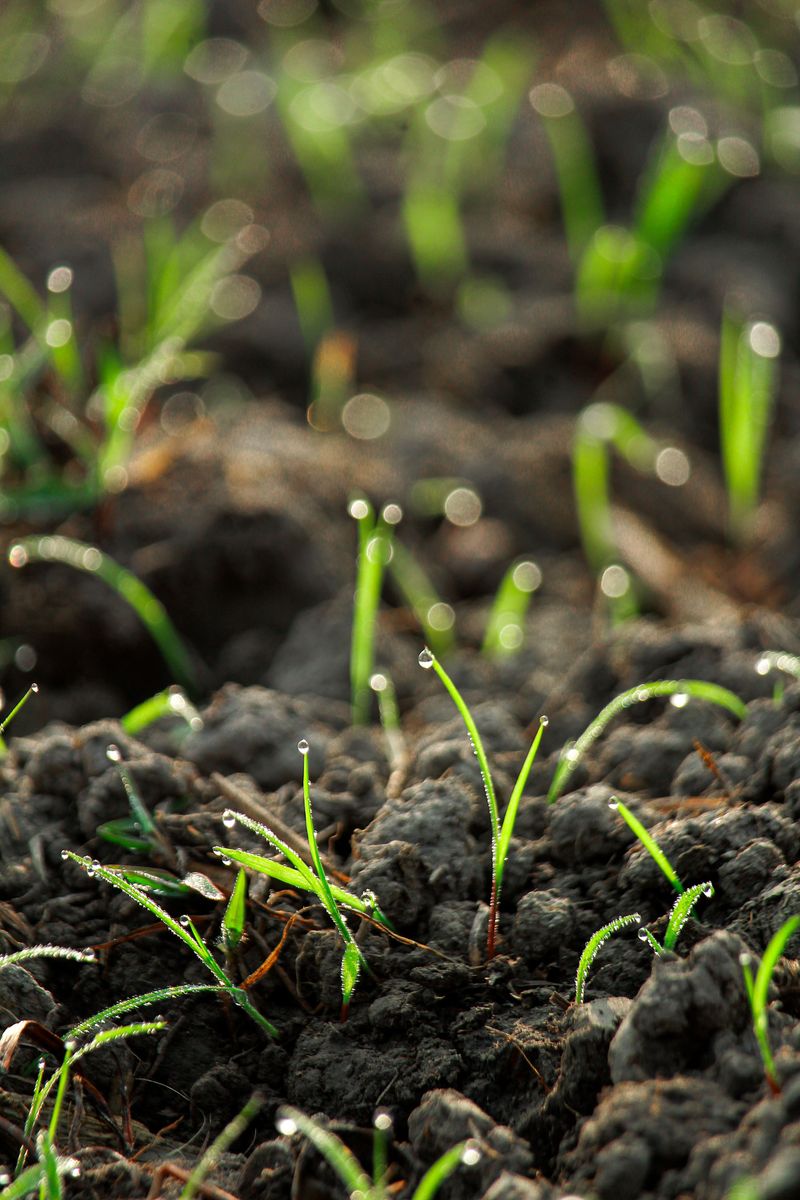
Ever notice how the ground under a big pine stays damp days after a storm? That shady, needle-covered soil is holding on to water like a sponge.
Needles act like a cozy blanket that slows down evaporation from the sun and wind. Less water escapes, so roots stay sipping longer between rainfalls.
New York summers can swing from soggy weeks to sudden dry spells. A good needle layer helps smooth out those ups and downs for thirsty plants.
Container plants and raised beds dry out fast, so they benefit too. A light cover of needles on top of the potting soil keeps the surface from baking.
Your New York Garden Changes Every Week. Your Plan Should Too.
Gardening in New York changes quickly throughout the season. Every Friday you’ll receive a simple weekly plan showing exactly what to plant, prune, fertilize, harvest, and protect so you never miss the right timing.
Fall matters too, even though it feels cool and damp outside. Evergreens like rhododendrons and boxwoods keep losing moisture through their leaves during the winter.
If the soil is dry when the ground freezes, those leaves can turn brown and crispy by March. Mulching with needles in October helps lock in that late-season water.
Water your beds deeply before spreading the needles for the best start. Then add a layer about three inches thick and let it settle naturally.
Pull the needles back a little if a long rainy stretch arrives. That small step lets the soil breathe and prevents soggy roots.
Come summer, you may find yourself dragging the hose out far less often. Your water bill and your tired arms will both thank you.
3. Shield Roots From Cold Winters
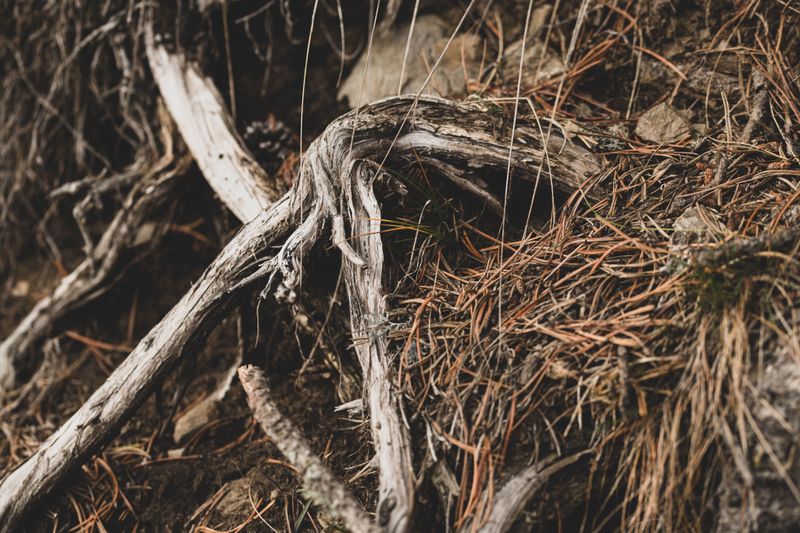
Picture a snowy January morning in Buffalo, with the thermometer stuck well below freezing. Under a fluffy needle blanket, your plant roots are resting snug and safe.
Pine needles trap tiny pockets of air between them. Air is a great insulator, so it keeps soil temperatures steadier through cold snaps.
The bigger challenge in New York is often not the cold itself. Constant freezing and thawing can push plants right out of the ground, a problem called frost heave.
Snow itself acts as extra insulation, but it does not arrive on a schedule. Needles cover the gaps during bare, windy stretches in December.
Shallow-rooted perennials like heuchera and newly planted bulbs are especially at risk. A steady layer of needles keeps the soil from swinging between frozen and mushy.
Timing is the trick here. Spread a light layer in October, then add a thicker one once the ground starts to chill in early November.
Mulching too early can invite mice to build warm nests near your plants. Once the soil is cold, critters have usually settled elsewhere for the season.
Ease the needles away from stems and trunks in early spring. That simple step lets new shoots warm up and keeps moisture from gathering against the bark.
Strawberry growers have tucked their beds under straw mulch for generations for this very reason. Your garden can get the same cozy treatment before the snow flies.
4. Save Money On Store-Bought Mulch
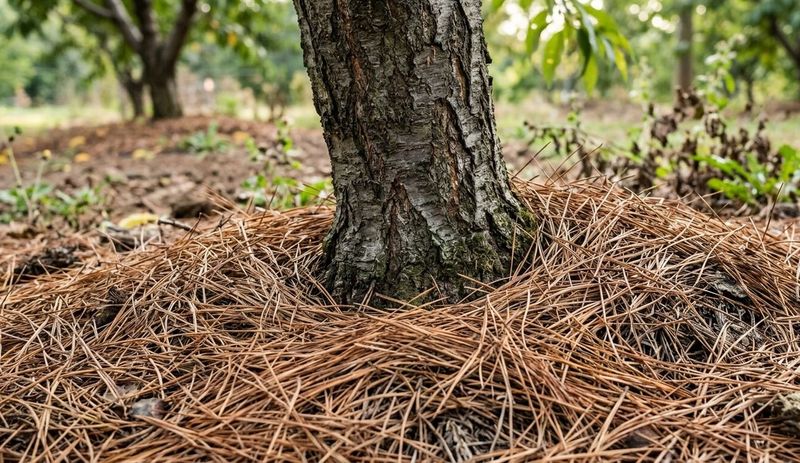
Bagged mulch can cost five dollars or more per bag at the garden center. Multiply that by a few flower beds, and the cost adds up quickly.
Meanwhile, a single mature white pine can shed piles of needles each autumn. That is a free garden resource falling right in your own backyard.
Gathering it takes little more than a rake, a tarp, and maybe a helpful kid. Pay them in hot cocoa and you still come out ahead.
Do a quick bit of math before your next garden center trip. Bags of mulch can add up fast, while your own needles cost a little effort.
No pine tree of your own? Ask neighbors if you can haul away their needles, since many people are happy to see them gone.
Some New York towns also offer free leaf and yard waste pickups or compost sites. Call your local public works office to see what they collect each fall.
Pine straw can last longer than some shredded mulches because it breaks down slowly. One good layer can last a year or more, depending on conditions, before needing a refresh.
Spend the savings on something fun, like bulbs for spring color or a new pair of sturdy gloves. Your needle supply keeps coming back each fall.
Fewer trips to the store also means less plastic packaging tossed in the trash. Saving cash and cutting waste in one swoop feels pretty great.
5. Support Acid-Loving Plants Naturally
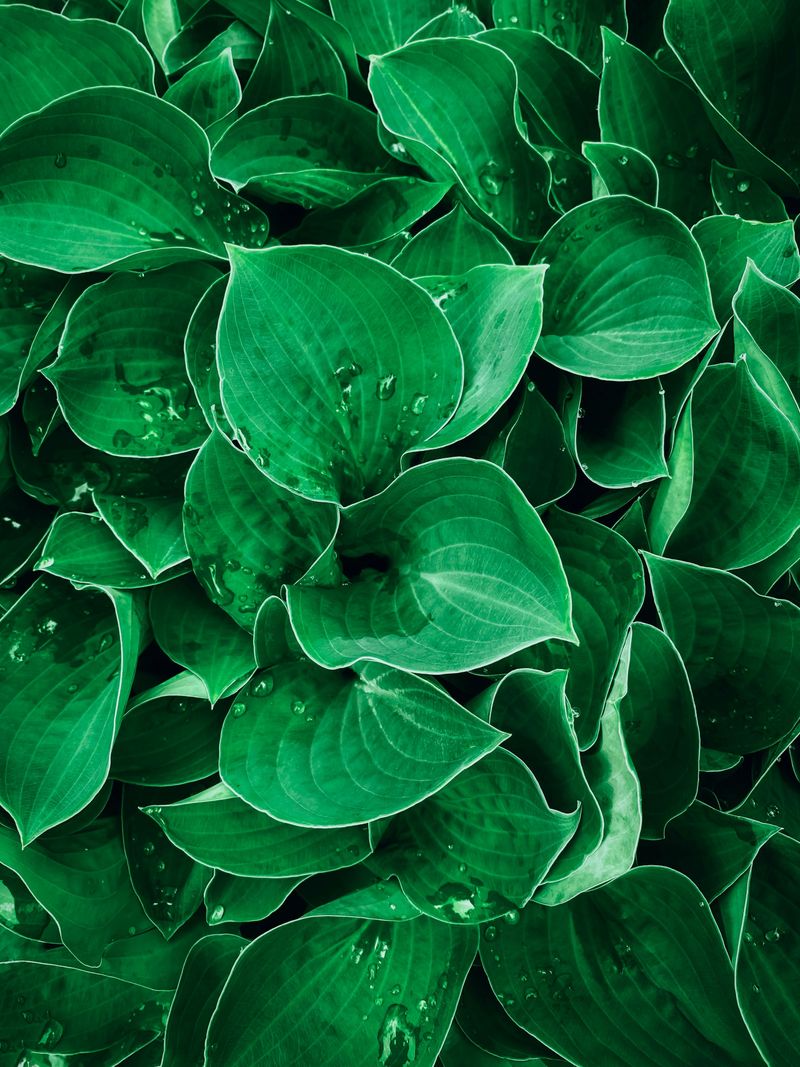
Many gardeners worry that pine needles will make their soil too acidic. University extension studies suggest that fresh needles change soil pH only slightly, if at all.
Needles will not acidify your soil, but they make a great mulch for plants that love slightly acidic ground. Blueberries, azaleas, rhododendrons, and mountain laurel all feel right at home underneath them.
As the needles slowly break apart, they add organic matter to the soil. Tiny fungi and bacteria feed on that matter and release nutrients for roots.
Ferns and hostas also enjoy the light, airy cover. Their roots stay cool, and the loose needles resist the crusting that heavy mulches can cause.
Mountain laurel happens to be the state flower of Connecticut, a close neighbor. It also grows wild in the rocky, acidic woods of the Hudson Valley and the Catskills.
If you grow blueberries, try a three-inch needle layer around each bush this fall. Some growers report healthier leaves and plumper berries after a season or two.
Vegetables like tomatoes and peppers can still enjoy pine straw with little trouble. Just test your soil now and then to keep an eye on things.
Refresh the layer lightly each autumn instead of piling on thick new heaps. Thin top ups keep air moving and protect the roots beneath the surface.
Simple test kits are sold at many hardware and garden stores for just a few dollars. Cornell Cooperative Extension offices can point you to affordable soil testing options.
6. Help Keep Soil In Place
A summer thunderstorm rolls across the Hudson Valley, dumping an inch of rain in an hour. Bare soil on a slope can slide away like chocolate syrup.
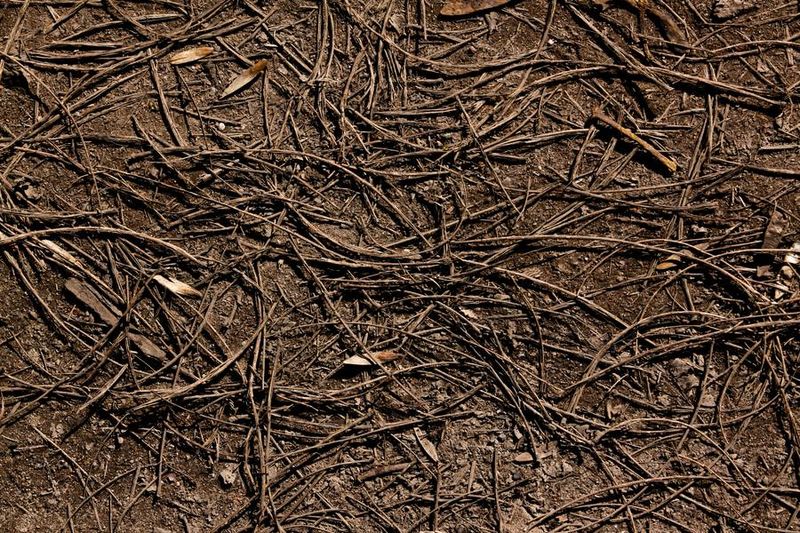
Pine needles help reduce that runoff before it starts. Their long, thin shapes interlock and grip each other, forming a woven net over the ground.
Raindrops hit the needles first instead of landing straight on the dirt. That softer landing keeps soil from splashing up and drifting downhill.
Rain gardens and gentle slopes gain a lot from this simple cover. Needles hold the edges steady while young plants send out roots and settle in.
Compared with wood chips, pine straw often stays put on hillsides and steep banks. It does not float off as easily during heavy downpours.
Spring snowmelt is another common source of erosion across upstate New York. A needle layer slows the meltwater so it can soak in gently.
Check the layer after a big storm and patch thin spots right away. A quick handful of fresh needles keeps the protective cover intact for weeks.
Keeping soil in place also protects nearby streams and lakes from muddy runoff. Healthy waterways mean happier fish, frogs, and ducks in your neighborhood.
Spread a thick layer on any bare patch, especially near downspouts or slopes. Overlap the needles like shingles on a roof for the best grip.
Your topsoil took nature hundreds of years to build. Protecting it is well worth the effort.
7. Create Cozy Homes For Helpful Critters
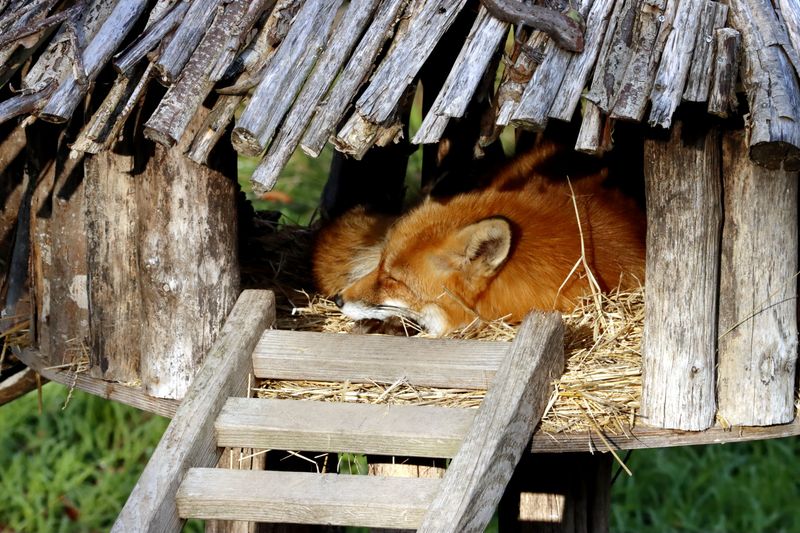
Lift a corner of an old needle pile and you will discover a whole community of small creatures. Beetles, spiders, and earthworms are busy at work underneath.
Many of these tiny neighbors are gardeners in disguise. Ground beetles feed on slugs and cutworms that would otherwise nibble your lettuce and hostas.
Earthworms tunnel through the soil and pull bits of organic matter down with them. Their tunnels let air and water reach plant roots more easily.
Leave a small corner of your yard a bit wild for them. A modest patch of undisturbed needles gives creatures a quiet home base near your plants.
Some native bees and butterflies spend the cold months tucked into leaf litter and plant debris. Mourning cloak butterflies, for example, overwinter as adults hiding in sheltered spots.
Raking each stray needle into a bag removes those winter shelters. Leaving a natural layer gives helpful insects a safe place to wait for spring.
Birds benefit too, since they scratch through the needles looking for snacks. Towhees often flip through mulch beds hunting for insects.
Skip the sprays whenever you can, since they also reach the helpful insects. A balanced garden often solves its own pest troubles with a little patience.
A garden full of life tends to have fewer pest problems overall. Nature keeps things in balance when you give it a little room.
8. Turn Garden Paths Soft And Tidy
Walking on pine straw feels a bit like stepping onto a springy forest trail. Your feet sink just slightly, and a fresh woodsy scent drifts up.
Garden paths can get muddy fast during rainy New York springs. A thick layer of needles keeps shoes cleaner and gives you better footing.
Needles also give beds a neat, finished look that many gardeners love. Their warm reddish-brown color makes green leaves and bright flowers really pop.
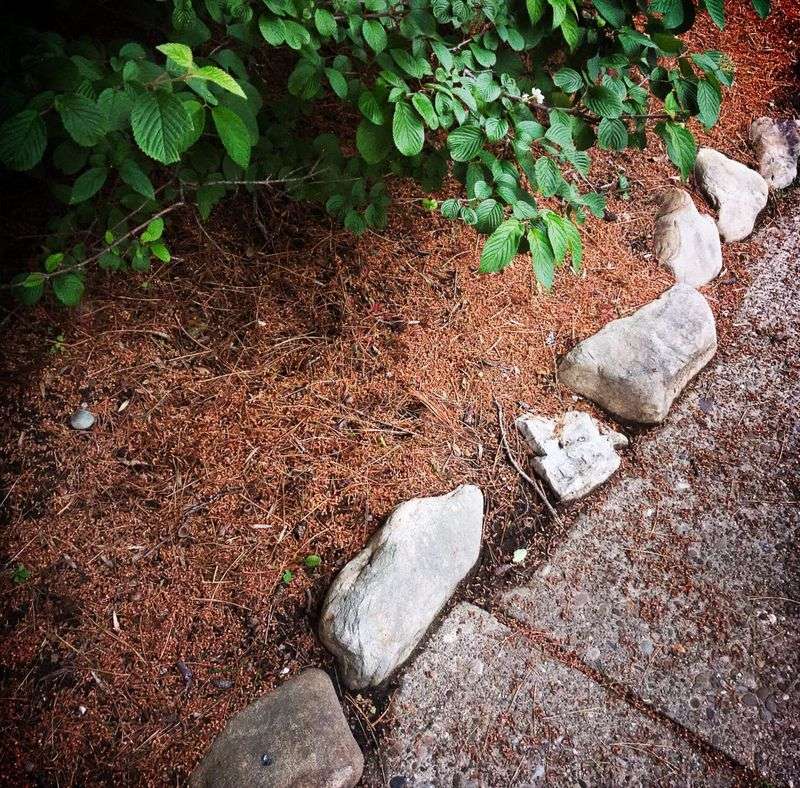
Edge the path with stones or logs to hold the needles in place. This neat frame keeps the surface tidy and gives the whole walkway a polished look.
To build a path, first clear away grass and weeds along the route. Then lay down cardboard and pile four to six inches of needles on top.
The cardboard blocks weeds while the needles soften each step. Top up the path each fall as fresh needles drop from your trees.
Add a bench or a small lantern along the route for extra charm. A winding needle path turns a plain corner into a calm spot for evening visits.
Kids love running down pine straw trails, and pets seem to enjoy the cushy surface too. It is far kinder to paws than hot gravel in July.
Needles are light, so they are easy to carry in a bucket or wheelbarrow. Spreading them takes minutes, not hours, even for beginner gardeners. Keep dry needles a few feet away from foundations and wooden structures to stay safe.