The New Jersey Plants Behind Firefly Decline And Replacements That Help
You were seven years old, barefoot in grass still warm from the July sun. The New Jersey night air was thick and humming as you sprinted across the yard, jar in hand, heart leaping with every flash.
You caught one, then two, then a dozen. The whole backyard pulsed like a living constellation.
Now the jars stay empty. What dimmed the light show you still think about on warm nights?
Invasive plants did it quietly and steadily, pushing out every native species fireflies depend on to hunt, breed, and glow.
New Jersey’s woodlines and backyards lost the foundation those beetles need to survive, and nobody noticed until the silence settled in.
But here’s the twist: you can turn it around. Swap the aggressive spreaders for native replacements and the lights come back, genuinely and beautifully. The exact plant swaps that work? They’re right below.
Japanese Barberry
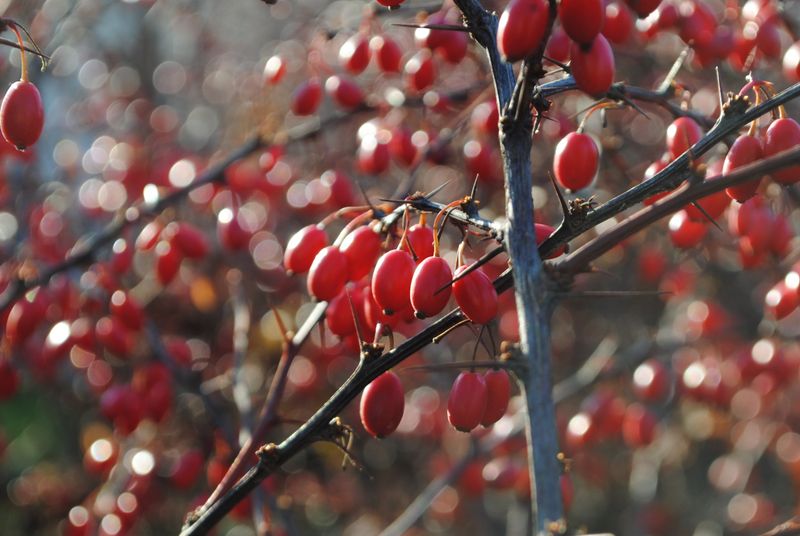
Walk through almost any New Jersey woodland edge and you will spot Japanese Barberry almost immediately.
Its red berries and thorny branches look harmless, but this shrub is one of the most damaging invasive plants in the region. Fireflies spend most of their lives as larvae in moist leaf litter on the forest floor.
Japanese Barberry creates dense thickets that dry out the soil and block the native ground cover larvae need to hunt and grow.
Research has also linked Barberry thickets to higher tick populations, which is a double problem for anyone spending time outdoors.
The plant alters the moisture and pH of the soil beneath it, making conditions hostile for native insects.
Replacing Japanese Barberry with native shrubs like Inkberry Holly or Buttonbush is a smart move for any homeowner.
Both plants offer berries for birds and structure for the landscape without wrecking the ecosystem below.
Inkberry is evergreen through most of the year and performs best in moist, acidic soils. It gives your yard lasting visual interest without the environmental cost of invasive alternatives.
Pulling Barberry is hard work, but the reward of watching fireflies return to your yard makes every scratch worth it.
Japanese Stiltgrass
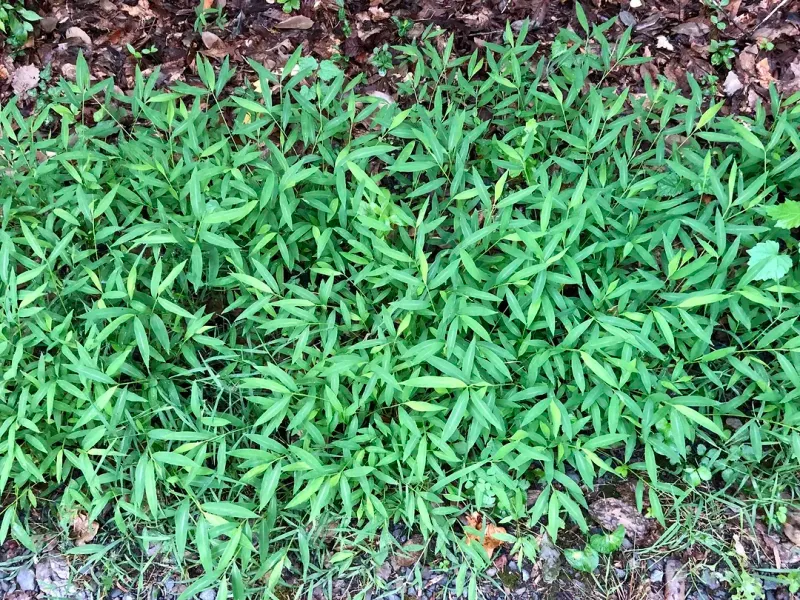
Japanese Stiltgrass is the quiet bully of the forest floor, spreading in thick mats that look almost like a tidy lawn.
Do not let that tidiness fool you, because this grass is smothering the habitat firefly larvae need to survive.
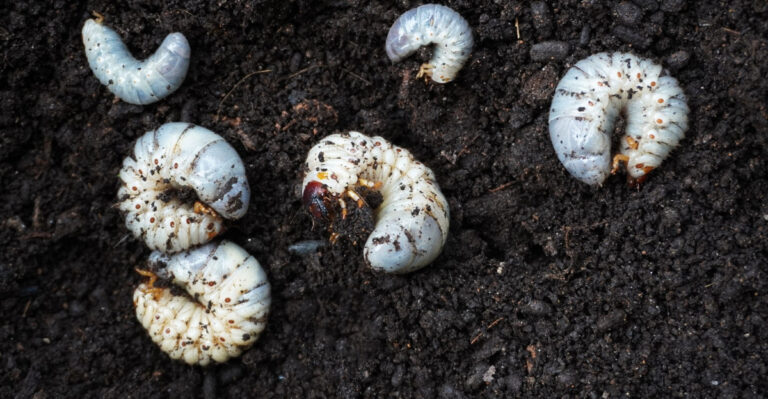
Firefly larvae are ground hunters that crawl through loose, moist soil and leaf litter searching for snails and worms.
When Stiltgrass takes over, it forms a dense carpet that blocks access to the soil and pushes out the native plants that keep moisture levels just right.
The grass spreads rapidly along trails, stream banks, and shaded backyards across New Jersey every single year.
One plant can produce up to a thousand seeds, and those seeds travel on shoes, tires, and animal fur with surprising ease.
Native ground covers like Wild Ginger or Pennsylvania Sedge make excellent replacements in shaded areas.
Both plants support the moist, loose soil conditions that firefly larvae depend on during their multi-year underground development.
Your New Jersey Garden Changes Every Week. Your Plan Should Too.
Gardening in New Jersey changes quickly throughout the season. Every Friday you’ll receive a simple weekly plan showing exactly what to plant, prune, fertilize, harvest, and protect so you never miss the right timing.
Pennsylvania Sedge, in particular, forms a low, graceful carpet that looks attractive without crowding out its neighbors.
Removing Stiltgrass before it sets seed each fall is one of the most impactful steps you can take to protect firefly populations on your property, alongside reducing soil disturbance and restoring native ground cover.
Japanese Knotweed
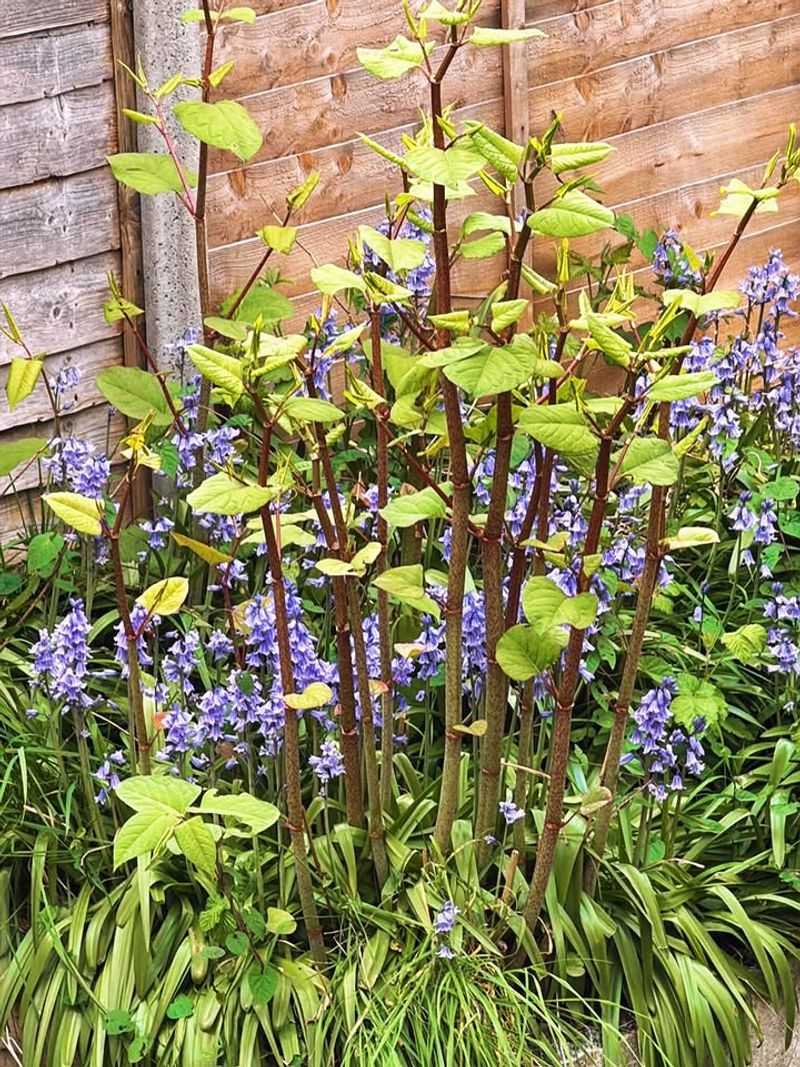
Few invasive plants are as aggressive or as difficult to remove as Japanese Knotweed. Standing up to ten feet tall with hollow bamboo-like stems, it forms walls of vegetation that block out nearly everything else.
Streams and wetlands are prime firefly habitat, and Knotweed absolutely loves those same wet areas.
When it takes over a streambank, it shades out native plants, destabilizes the soil, and eliminates the moist, vegetated edges where fireflies congregate and flash during summer evenings.
The root system of Knotweed is extraordinary, capable of breaking through concrete and spreading dozens of feet underground.
Cutting it back without treating the roots only makes it grow back more aggressively the following season.
Native alternatives for wet areas include Swamp Rose and Virginia Willow, both of which support a wide range of pollinators and insects.
These plants stabilize streambanks beautifully while keeping the habitat open and hospitable for fireflies and their larvae.
Swamp Rose produces fragrant pink blooms in early summer and provides excellent shelter for ground-level insects.
Tackling Knotweed requires patience and repeated effort, but restoring even a small stretch of streambank can create a meaningful refuge for fireflies in your neighborhood.
Japanese Honeysuckle
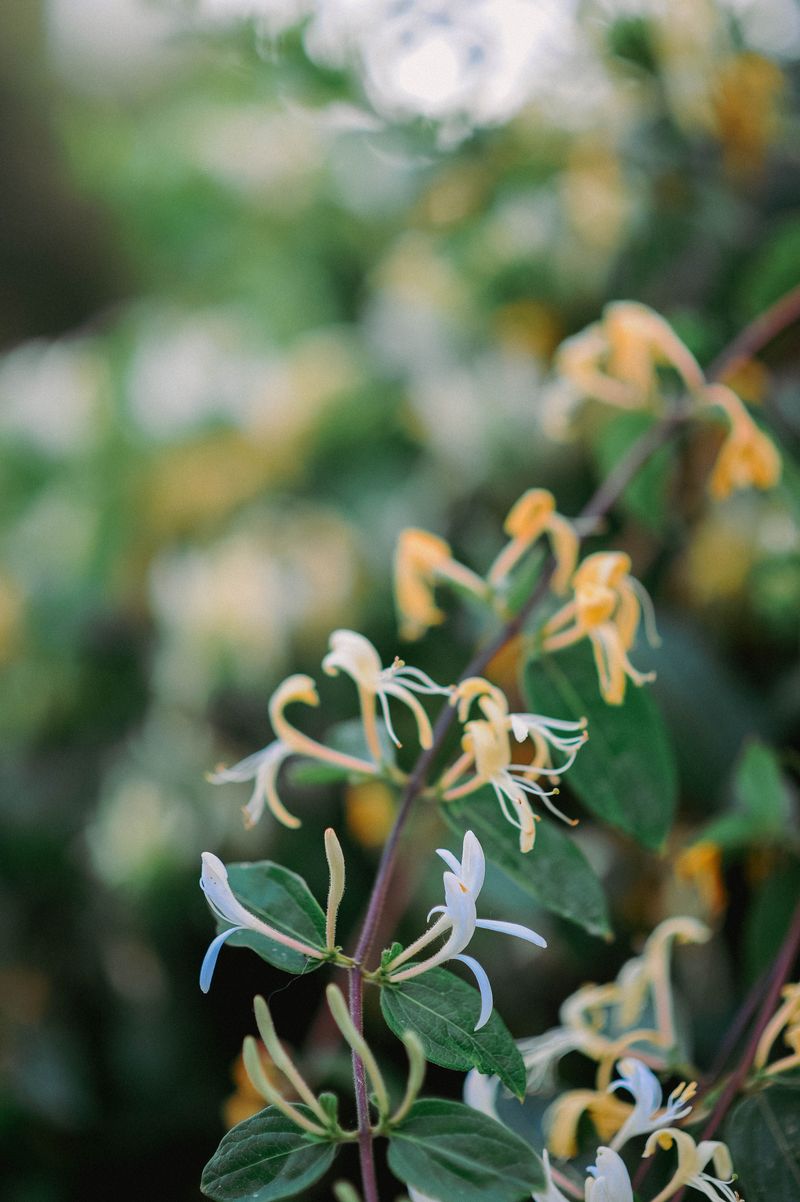
Japanese Honeysuckle smells absolutely wonderful, and that sweet fragrance is part of why so many people planted it on purpose for decades.
The problem is that this vine has no intention of staying where you put it. It climbs over native shrubs, wraps around young trees, and forms dense canopies that block sunlight from reaching the plants below.
Fireflies need open, layered vegetation near the ground to signal mates and to find the moist spots where females lay eggs.
When Honeysuckle smothers a shrub layer, it collapses that vertical structure and turns diverse habitat into a tangled green wall.
Native insects, including fireflies, lose the signaling corridors and egg-laying sites they need to complete their life cycle.
Coral Honeysuckle is the native swap that gives you almost everything the invasive version offers, including tubular flowers and wildlife value, without the aggressive spreading.
Hummingbirds go absolutely wild for its red blooms, and it stays politely within its boundaries.
Native Trumpet Vine works well on fences and trellises in sunny spots. However, it spreads vigorously by runners and suckers and can damage wood structures and mortar over time.
Plant it only where its spread can be monitored and contained. Replacing Japanese Honeysuckle with either of these options means you keep the beauty and the wildlife value while giving fireflies their habitat back.
Spicebush
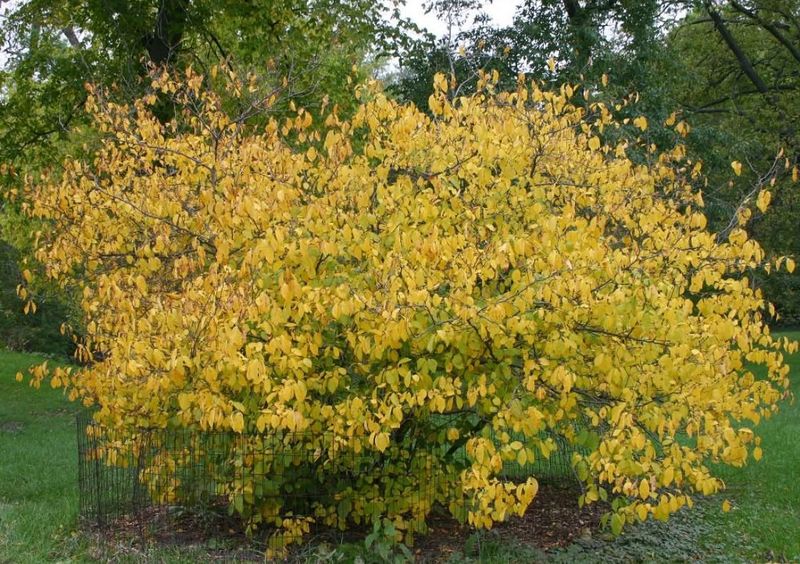
Spicebush is one of those native plants that seems almost too good to be true for a backyard wildlife garden.
Crush a leaf between your fingers and you get a warm, spicy scent that explains the name instantly.
This native shrub thrives in moist, shaded understory spots, exactly the kind of habitat that firefly larvae need to hunt and develop.
Its dense leaf litter stays moist through summer, creating the perfect hunting ground for larvae searching for soft-bodied prey.
Spicebush is also the host plant for the Spicebush Swallowtail butterfly, so planting it gives you two spectacular insects for the price of one shrub.
The bright red berries it produces in fall are a critical food source for migrating birds moving through the region.
Unlike invasive shrubs, Spicebush grows at a moderate pace and fits naturally into the layered structure of a native woodland garden.
It rarely needs pruning and handles shade far better than most ornamental alternatives available at garden centers.
Pairing Spicebush with ferns and Wild Ginger beneath taller native trees creates the kind of layered habitat that supports the full firefly life cycle.
Planting Spicebush is one of the most effective single steps you can take to help New Jersey Plants Behind Firefly Decline And Replacements come to life in your own yard.
Wild Ginger
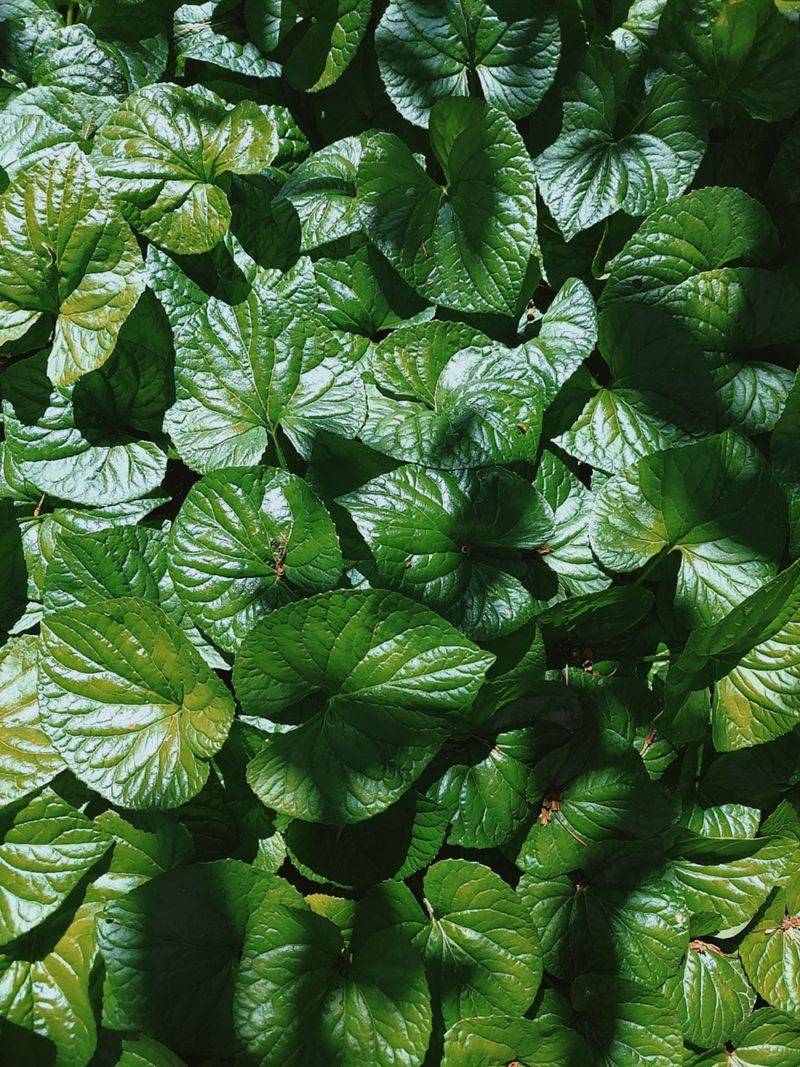
Wild Ginger is the unsung hero of the native ground cover world, spreading quietly across shaded forest floors with its large, heart-shaped leaves.
Most people walk right past it without a second glance, but firefly larvae absolutely depend on plants like this one.
The thick, overlapping leaves of Wild Ginger keep the soil beneath them consistently moist and cool throughout the summer.
That moisture is essential for firefly larvae, which spend one to three years underground hunting prey and building energy before they ever flash a single light.
Unlike invasive ground covers that compact and dry out the soil, Wild Ginger maintains the loose, rich texture that larvae need to move through freely.
Its root system is shallow and spreading, creating a spongy layer that holds rainwater and supports a healthy population of worms and other prey insects. Wild Ginger also produces a small, curious brownish-red flower near the ground in spring.
Though long thought to attract beetles and flies, current research suggests the flowers are almost entirely self-pollinated, with ants serving primarily to disperse the seeds.
Planting Wild Ginger beneath native shrubs like Spicebush or Witch Hazel creates a layered habitat that mimics the forest understory fireflies evolved in.
It spreads slowly by rhizome and rarely causes problems in woodland settings. Over time it becomes a reliable, low-maintenance ground cover that fills in more beautifully with each passing year.
Joe-Pye Weed
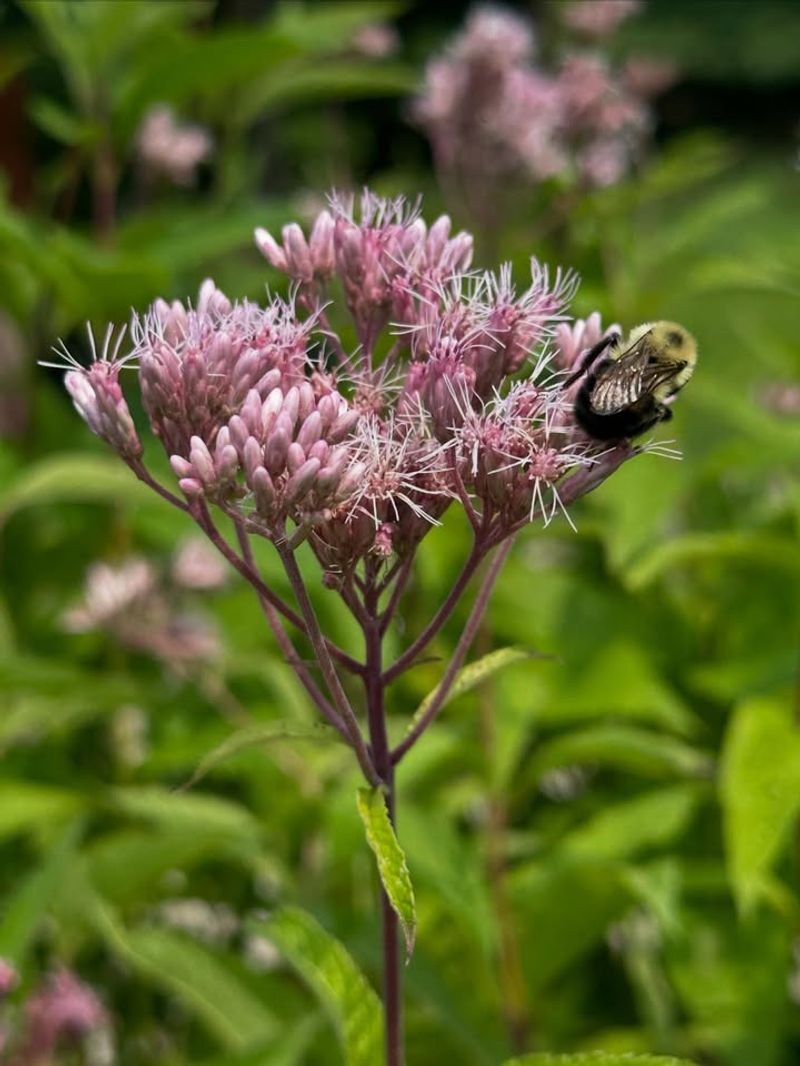
Joe-Pye Weed stands tall in late summer meadows with its dusty pink flower clusters, and it has been turning heads in native plant gardens across the country for good reason.
Few plants pack as much ecological value into one spot as this towering native perennial. Some adult firefly species feed on nectar and pollen during their brief above-ground lives.
Joe-Pye Weed blooms in midsummer when firefly adults are most active, making it a valuable addition to any firefly-friendly planting.
Its flowers attract an impressive range of native bees, butterflies, and beetles, creating a buzzing, flickering spectacle from July through September.
The plant grows naturally in moist meadows and woodland edges, which are the same transitional habitats where firefly populations tend to be strongest.
Planting it along a fence line or near a rain garden places it right in the zone where firefly adults congregate on warm summer evenings.
Joe-Pye Weed can reach six to eight feet tall, giving your garden a bold, dramatic presence that smaller perennials simply cannot match.
Its hollow stems also provide overwintering habitat for native bees, adding another layer of ecological benefit through the colder months.
Cutting stems back to about a foot in late fall and leaving the debris in place helps support the insects that depend on it year-round.
Adding Joe-Pye Weed to your planting plan is a practical and rewarding choice for any firefly-friendly garden.
Swamp Milkweed
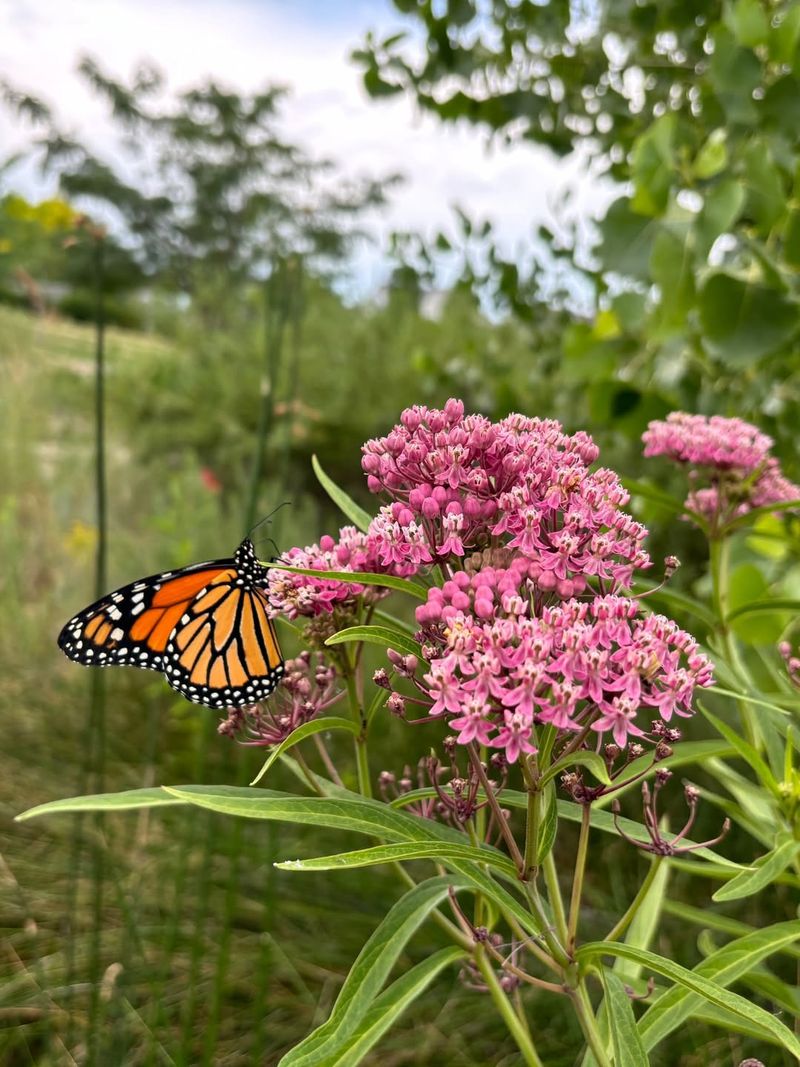
Swamp Milkweed is famous for supporting monarch butterflies, but its role in helping fireflies often gets overlooked entirely.
Growing naturally along stream edges and wet meadows, it thrives in the same moist habitats that firefly populations call home.
The plant provides tall, sturdy stems in the moist, open habitat where adult fireflies congregate during their summer mating flights, supporting the vertical structure they need to signal and locate mates.
Swamp Milkweed also supports a remarkable diversity of native insects beyond monarchs, including beetles, native bees, and flies that form part of the food web firefly larvae depend on.
A healthy insect community in your yard means more food for larvae and more successful firefly generations year after year.
The plant handles wet feet better than almost any other native perennial, making it ideal for rain gardens, pond edges, and low spots in the yard where other plants struggle.
Its fragrant pink flowers bloom in midsummer and attract pollinators for weeks at a stretch.
Swamp Milkweed pairs beautifully with Joe-Pye Weed and native grasses to create a naturalistic wet meadow planting that looks intentional and lush.
Choosing plants like this one is how homeowners become part of the solution described in New Jersey Plants Behind Firefly Decline And Replacements That Help.