Mulch These Texas Plants Before October Ends
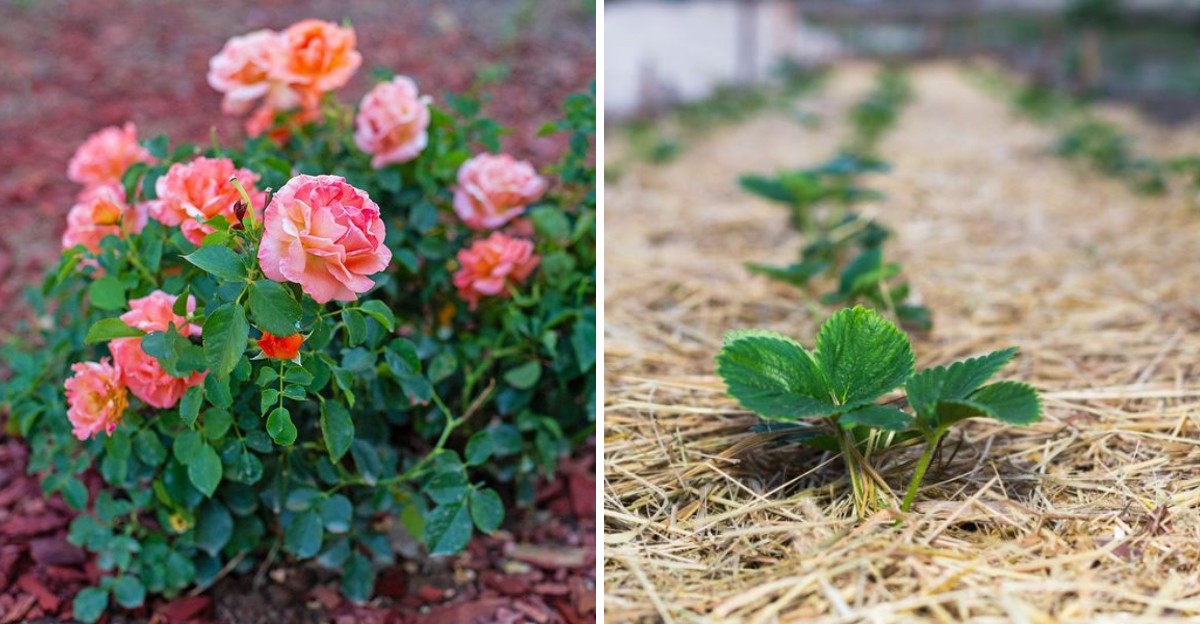
While you’re enjoying the first cool days of fall, a new crop of weeds is quietly sprouting across Texas. That’s just one reason October is mulch month.
Many gardeners think of mulch as a summer tool for keeping roots cool and holding in water. It’s every bit as useful in fall.
A fresh layer helps block those sprouting weeds and keeps soil moisture steady during dry spells. It also gives roots a buffer against the sudden cold fronts Texas is famous for.
Not every plant needs the same level of attention, though. Some benefit far more than others, especially new plantings and those that are sensitive to cold.
Get these covered before the month wraps up, and your garden will head into winter in much better shape.
1. Lantana Loves A Warm Root Blanket
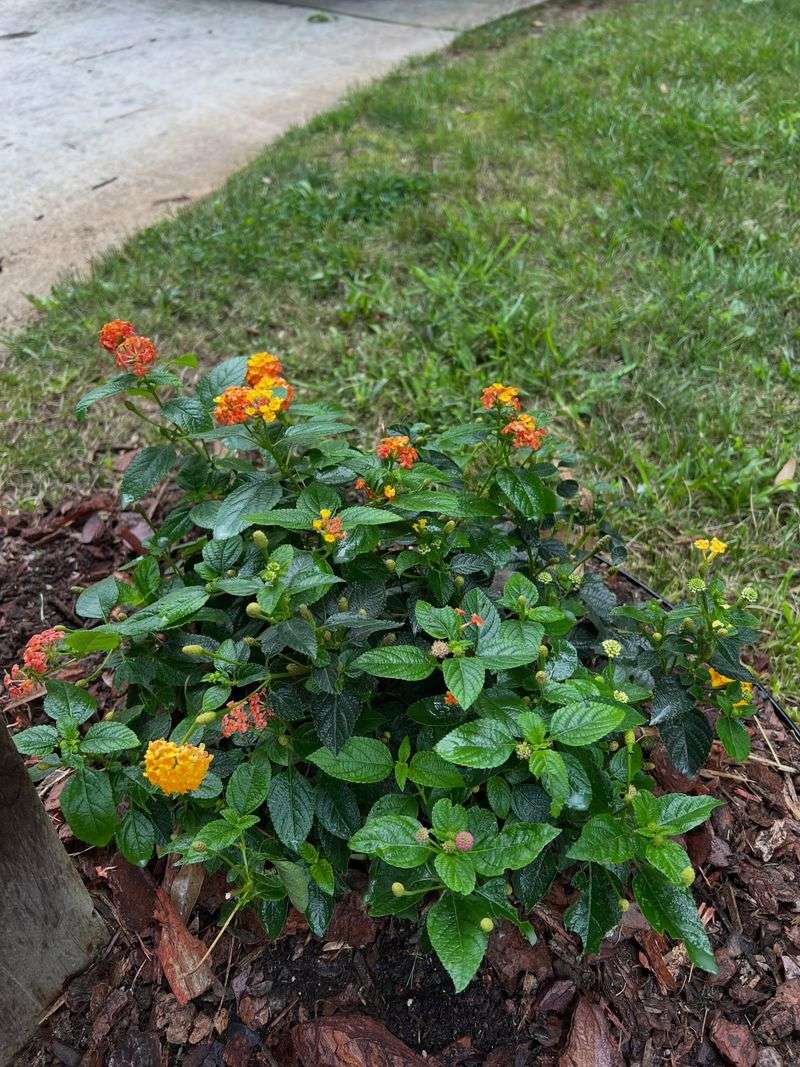
Butterflies treat lantana like an all-day buffet. All summer long, its bright clusters of orange, pink, and yellow flowers keep the garden buzzing. Then winter shows up and changes everything.
In North and Central Texas, a hard freeze can knock lantana right down to the ground. The stems turn brown and brittle, and the plant may look like it is gone for good.
Don’t panic, though. The roots are tough and usually wake up again once spring warms the soil.
Mulch gives those roots a much better shot. The crown is the spot where the stems meet the roots, and it is the part you most want to protect.
Spread about three to four inches of shredded bark, pine needles, or chopped leaves over the root zone. Cover an area about as wide as the plant itself.
Keep the mulch an inch or two away from the main stems. Piling it right against the wood can trap moisture and invite rot. Think of it like a donut, not a volcano.
Here is a handy tip. Leave the old stems standing through winter instead of cutting them back in fall.
Those stems trap a little extra warmth and help mark where the plant is hiding. Wait until new green growth appears in spring, then trim the dry wood away.
Gardeners in South Texas and along the coast may find their lantana stays green all winter. Even there, mulch still helps. It keeps the soil moist during dry spells and cuts down on weeds.
Fun fact: lantana is a member of the verbena family. Many Texas types are native or well suited to our heat, which is why they bounce back so well.
2. Esperanza Deserves A Comeback Plan
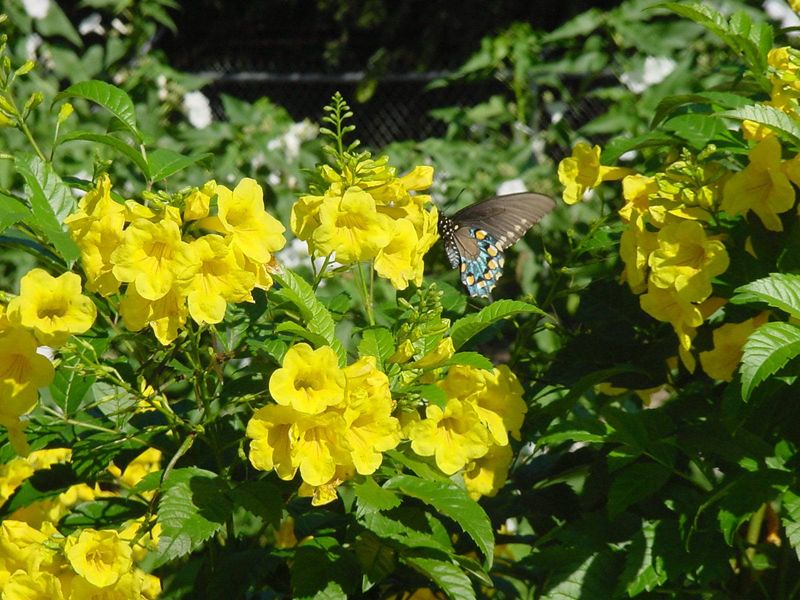
The name says it all. In Spanish, esperanza means hope, and this plant lives up to it every single year. Its golden, trumpet-shaped blooms brighten Texas yards right through the hottest months.
Cold weather is a different story. After a hard freeze, esperanza often drops back to bare stems or even to the ground.
Many first-time growers think they lost the plant. Then spring rolls in, and fresh green shoots pop up from the roots like nothing happened.
Your Texas Garden Changes Every Week. Your Plan Should Too.
Gardening in Texas changes quickly throughout the season. Every Friday you’ll receive a simple weekly plan showing exactly what to plant, prune, fertilize, harvest, and protect so you never miss the right timing.
You can make that comeback a lot more likely. Before the first freeze, add a thick ring of mulch around the base.
Aim for three to four inches of pine bark, shredded hardwood, or a mix of leaves and compost. Spread it out to the edge of the plant’s branches.
Why does this work so well? Soil cools down much more slowly when it is covered. That buys the roots time during a sudden cold snap.
It also stops the ground from freezing and thawing over and over, which can stress the plant. Here are a few quick tips to keep in mind:
Water the plant well a day or two before a freeze. Moist soil holds heat better than dry soil. Keep the mulch from touching the trunk, since damp wood can rot.
Hold off on pruning until late winter or early spring. Once you see where new buds are forming, you can safely cut back the damaged growth. Then pull the mulch back a bit to let the soil warm.
Esperanza is the official flower of San Antonio, which tells you how much Texans adore it. With a little winter care, yours will bloom bright again next summer.
3. Firebush Needs Extra Cold Coverage
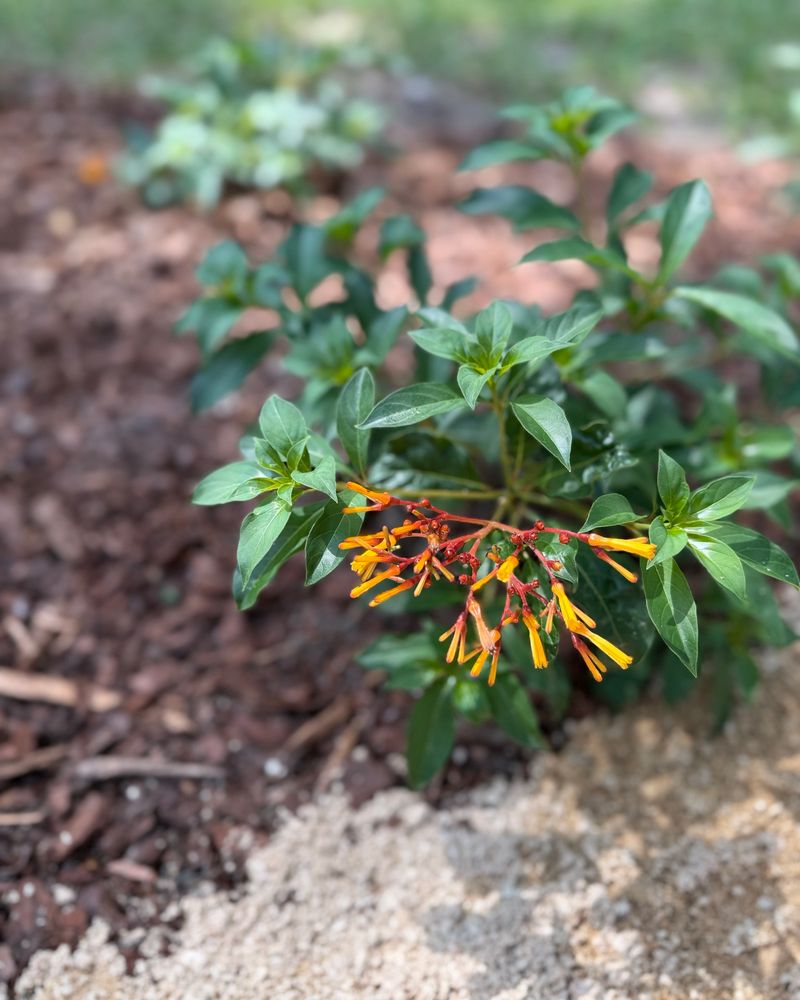
Ask any hummingbird fan in Texas about their favorite plant, and firebush will likely top the list. Its fiery red-orange tubes are like little juice boxes for hummers. Butterflies stop by too, so the plant stays busy from spring until fall.
Sadly, firebush is not a fan of the cold. It comes from warm, tropical places, and it struggles once temperatures dip near freezing. Outside of South Texas, it usually freezes all the way to the ground each winter.
That is why mulch matters so much here. Of all the plants on this list, firebush may need the thickest layer. Go for four to six inches over the root zone. Shredded bark, pine straw, or a pile of dry leaves all work well.
Some gardeners in Dallas or Austin take one more step. They cut the plant back after the first freeze browns the leaves.
Then they mound mulch a little higher over the crown for extra warmth. Just remember to pull it back once the danger of frost has passed.
Spot matters too. Firebush planted near a south-facing wall or fence often does better in winter. The wall soaks up heat during the day and gives some of it back at night.
Be patient in spring. Firebush is a late sleeper and might not show new leaves until May. Plenty of people dig it up too soon, thinking it is gone. Give it time, and it will likely shoot right back up.
Once it warms up, the plant grows fast. By midsummer, your hummingbirds will be back for another season of sweet sipping.
4. Fig Trees Can Bounce Back With Help
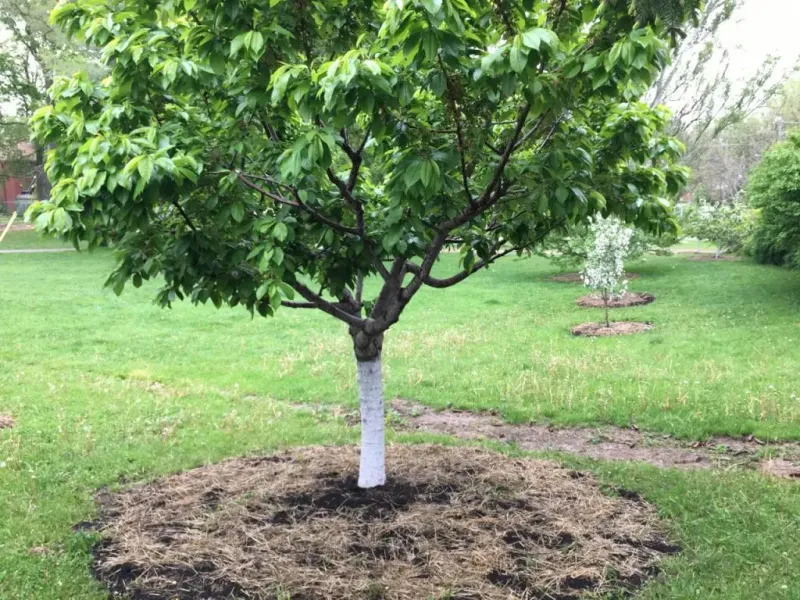
Grandma’s fig tree was probably the pride of her backyard. Many Texas families have a story about picking warm figs straight off the branch in summer. Keeping that tradition going means giving the tree some love before winter.
Figs handle heat like champs, but hard freezes can hurt them. Young trees in North and Central Texas are at the most risk. A deep cold snap can damage branches or even freeze the top part of the tree.
Here is the good news. Fig roots are strong and can push out new shoots even if the top takes a beating. Many fig types, like Celeste and Texas Everbearing, can still bear fruit on that fresh growth the same year.
Mulch helps protect those roots and the lower trunk. Spread a ring of wood chips or shredded bark three to four inches deep.
Make the ring wide, ideally out to where the branches end. Fig roots spread out far and stay fairly close to the surface.
Remember to leave a small gap around the trunk itself. Mulch pressed against the bark can hold too much moisture and invite pests.
Young trees can use a bit more help on very cold nights. Wrap the trunk with burlap or frost cloth, and pile a little extra mulch around the lower stem for a few days. Remove the extra once the freeze passes.
Hold off on pruning until late winter. That way you can see which branches made it and which did not.
Snip off the brown, brittle wood and keep the healthy parts. A few minutes of mulching now could mean bowls of sweet figs next summer.
5. Roses Stay Healthier Under Fresh Mulch
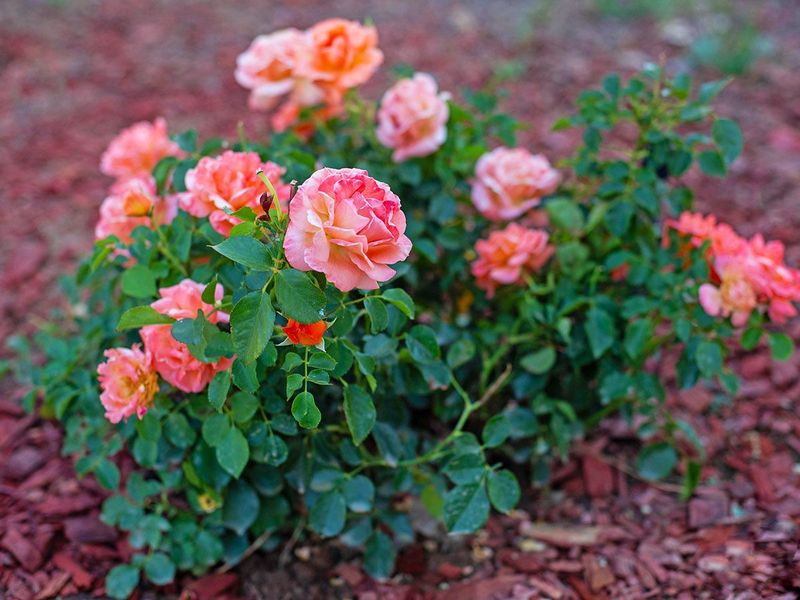
Roses have a reputation for being fussy, but Texas gardeners know better. Tough varieties like Knock Out and old garden roses thrive here. Still, even the hardiest rose likes a little winter care.
Fall in Texas can bring wild temperature swings. It might be 80 degrees on Monday and 35 on Wednesday. Those sudden drops can stress rose roots that are not ready for the change.
A fresh layer of mulch smooths things out. It keeps the soil temperature steady, so the roots don’t get shocked by every cold front. Spread two to three inches of shredded cedar, pine bark, or compost around each bush.
There is another big perk that many people miss. Mulch helps fight disease. Black spot is a common problem for roses, and its spores often live in the soil. When rain hits bare ground, it splashes those spores right up onto the canes and leaves.
A good mulch layer acts like a shield. Raindrops land on the mulch instead of the dirt, so fewer spores bounce up. That means healthier plants heading into spring.
Before mulching, rake up any old, fallen rose leaves. Those leaves can carry disease, so toss them in the trash instead of the compost pile. Then spread fresh mulch over clean ground.
Keep the mulch a couple of inches away from the base of the canes. Good airflow around the crown helps prevent rot.
Save heavy pruning for February, around Valentine’s Day, which is a popular rule of thumb in Texas. By then the worst cold has usually passed, and your roses will be ready to grow.
6. Garlic Grows Best Under Straw
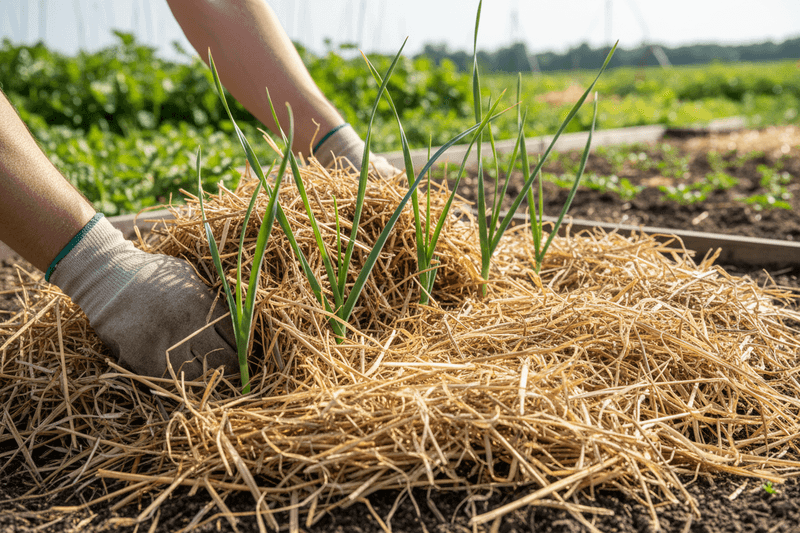
Planting garlic feels a little like burying treasure. You tuck the cloves into the ground in fall, then wait all winter for the payoff. By late spring, each little clove turns into a full, flavorful bulb.
October is prime time for planting garlic in much of Texas. The cool months give the cloves time to grow strong roots before the heat returns. Softneck types tend to do best in our warm climate.
Once the cloves are in the ground, it is time to mulch. Straw and shredded leaves are two of the best choices. Spread about three to four inches over the whole bed. The green shoots will poke right through when they are ready.
So what does the mulch actually do? Quite a lot, it turns out.
First, it holds in moisture. Garlic likes steady water, and mulch keeps the soil from drying out between rains.
Second, it blocks weeds. Garlic has skinny leaves and does not compete well, so weeds can crowd it out fast. Third, it protects the young roots from big temperature swings during winter.
A quick word on straw. Make sure you buy straw, not hay. Hay is often full of weed seeds that will sprout right in your garden bed. Straw is mostly the leftover stems and is much cleaner.
Check the bed now and then through the winter. If the mulch gets thin, add a bit more. Water when the top inch of soil feels dry.
Fun fact: garlic has been grown for over 5,000 years. Ancient Egyptians even fed it to the workers who built the pyramids for extra strength.
7. Strawberries Need A Cozy Bed
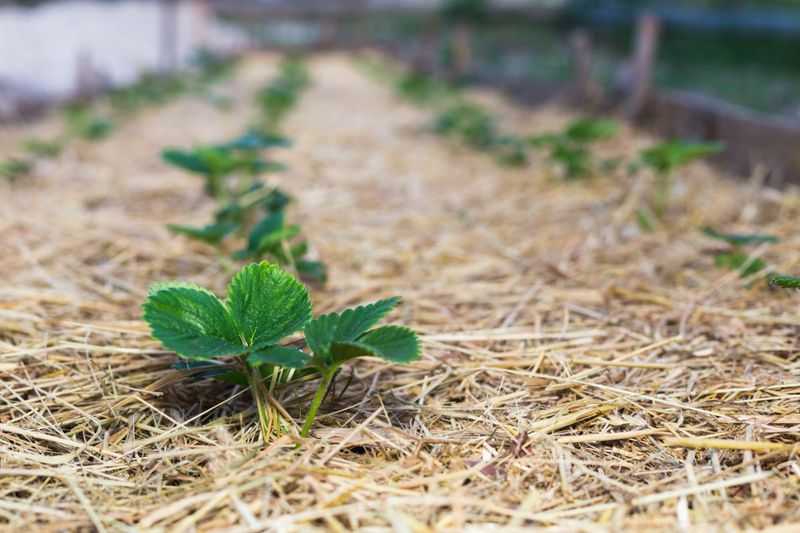
Sweet spring strawberries start with smart fall planning. Lots of Texas gardeners don’t realize that fall is the best time to plant them here. Set them out in October, and you could be snacking on red berries by March or April.
Young strawberry plants are fairly tough, but their crowns need some help during cold snaps. The crown is the short, thick center where the leaves come out. If it freezes hard, the plant can struggle to produce fruit.
Pine straw is a favorite mulch for strawberries. It is light, it lets water through, and it doesn’t pack down too tightly.
Clean wheat straw works great as well. Spread about two to three inches around the plants, tucking it gently under the leaves.
On extra cold nights, you can pull a little loose straw over the tops of the plants. Just uncover them once the weather warms back up so they can soak up the sun.
The mulch keeps working long after winter ends. When the berries start to form, they rest on the straw instead of the bare dirt. That keeps them cleaner and drier. Berries that sit on wet soil are much more likely to rot or get nibbled by bugs.
In fact, many people think that is how strawberries got their name. Farmers have tucked straw under the plants for hundreds of years.
Keep an eye out for slugs and pill bugs, which sometimes hide in mulch. A quick evening check with a flashlight helps you spot them early.
Water the plants regularly through the cool months. With steady moisture and a cozy mulch bed, you will be rewarded with juicy homegrown berries.