September Changes What Missouri Foragers Find In The Woods
The air changes before the calendar does. One morning the woods smell less like hot dust and more like wet leaves, cool dirt, and softened bark.
Missouri foragers know that feeling well, and most of them start walking a little slower once it arrives. Something in the timber quietly rearranges itself, and last month’s routine stops paying off the way it used to.
Trails that offered nothing in August suddenly hide surprises at the base of old oaks and along shaded creek bottoms. Sunny ridges go quiet while the damp hollows get busy with color and scent.
A full basket this month comes down to noticing the right shift at the right moment. September rearranges the woods on its own schedule, and a few cautions come along for the walk.
The Handoff From Chicken Of The Woods To Hen Of The Woods
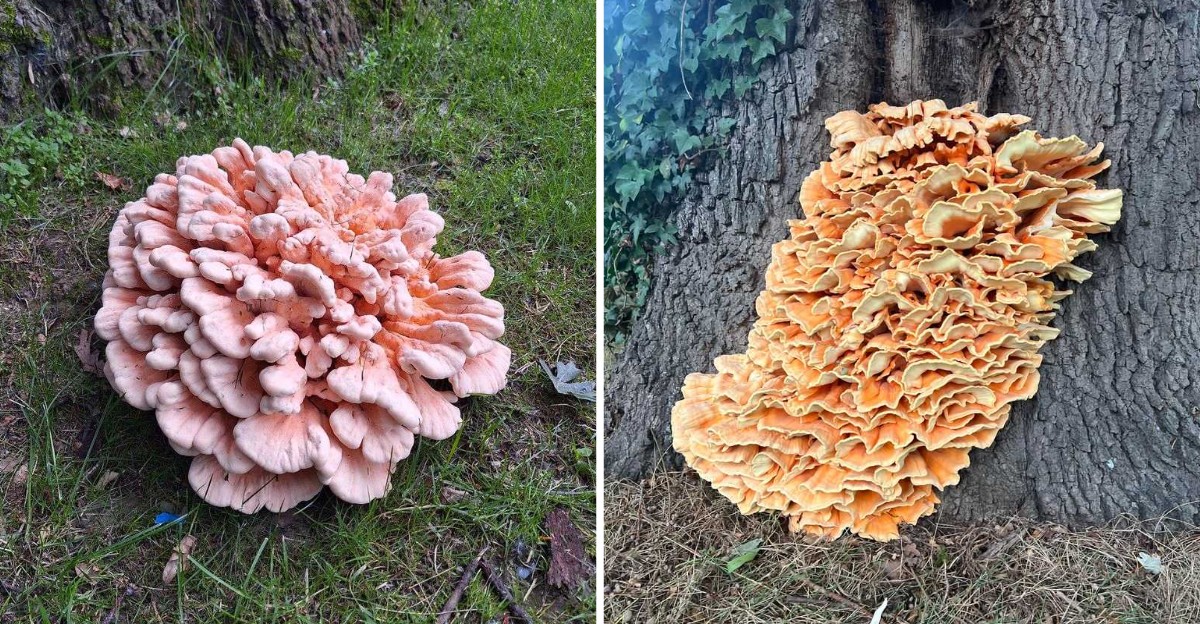
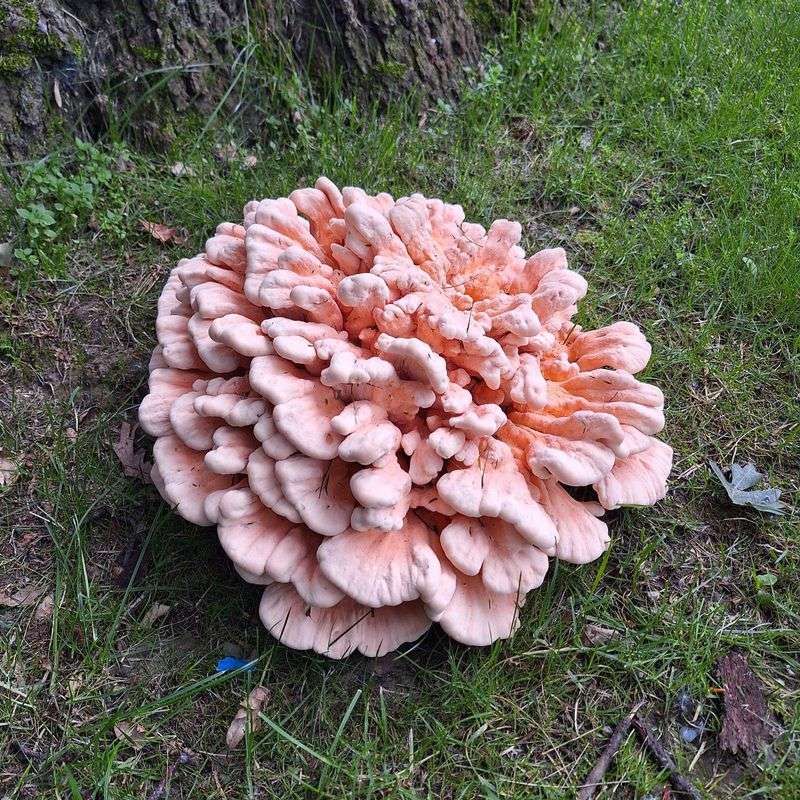
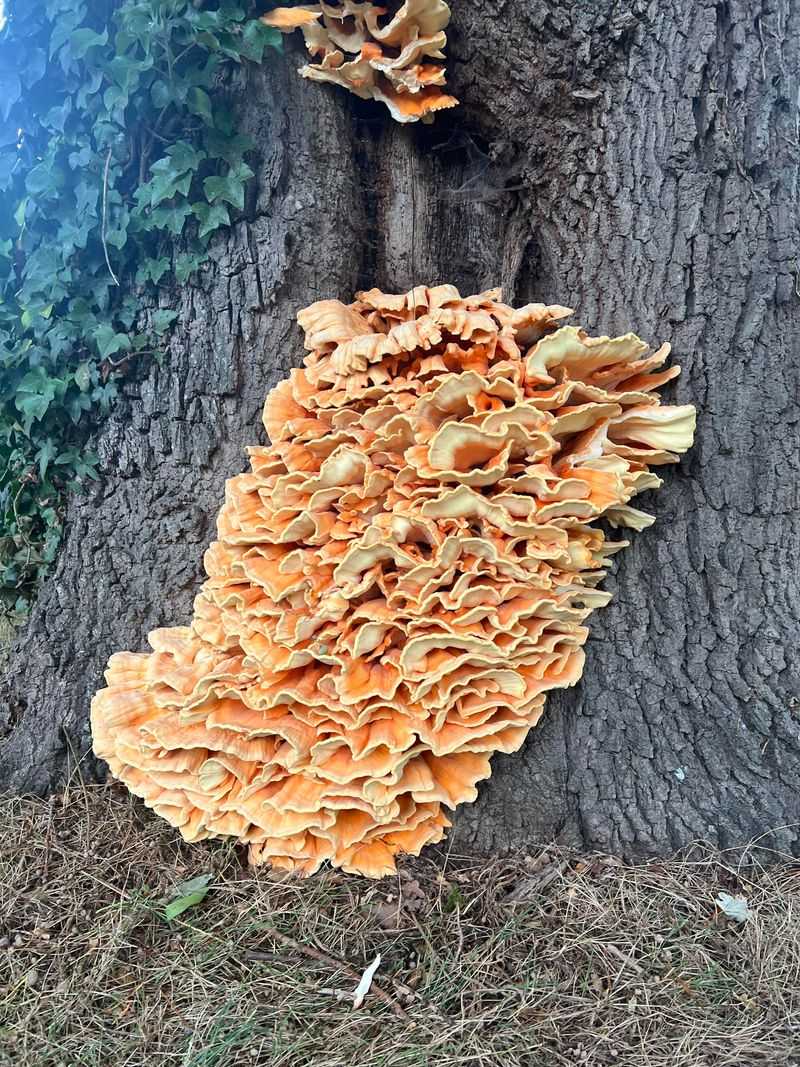
Bright orange shelves stacked on an oak stump are hard to miss, even from the truck window. Chicken of the woods often kicks off the Missouri fall run in late August and early September.
It favors hardwoods, especially oaks, and shows up on wounded trunks, stumps, and buried roots. The surface underneath is smooth and yellow with tiny pores, and it has no gills whatsoever.
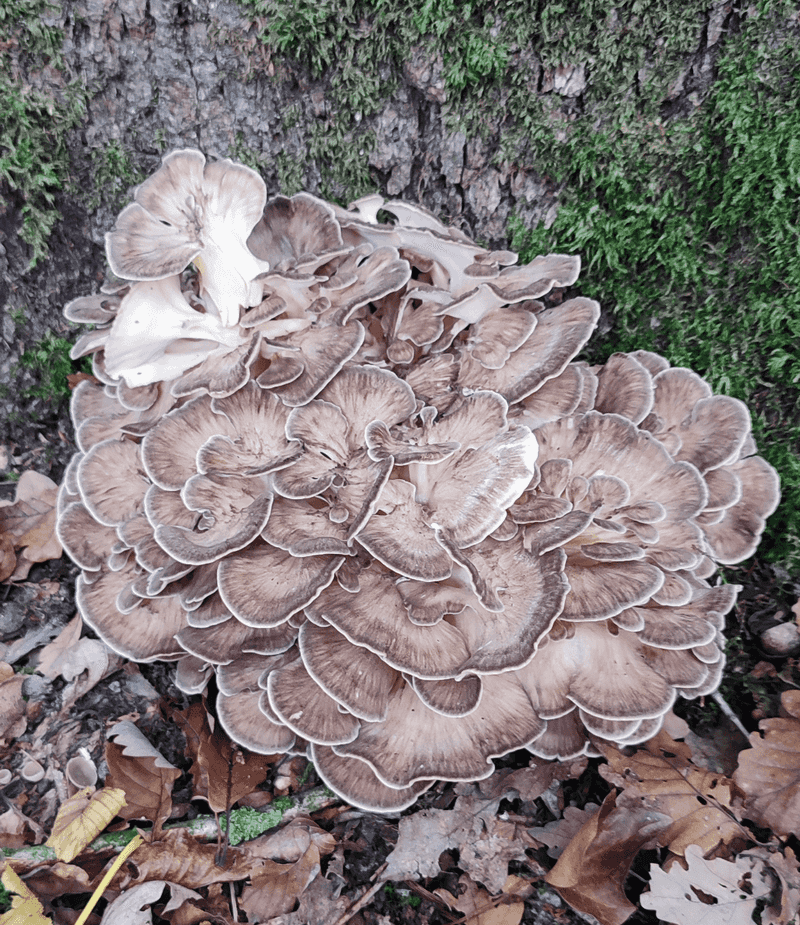
Hen of the woods follows close behind as the nights keep cooling. Check the base of mature white oaks, where it forms gray-brown clusters shaped like ruffled feathers.
Hens blend into fallen leaves so well that people walk right past them twice. Scan the ground within a few feet of big oak trunks and weathered stumps.
The two overlap for a stretch in September, which is part of what makes the month special. One good loop can turn up both if your trees cooperate.
Chicken of the woods eats best while young, soft, and easy to press with a thumb. Older shelves turn chalky and sit heavy on the stomach.
Hens hold their quality longer, though the base gets tough and gritty with age. Trim generously and keep the tender outer fronds for the pan.
Both species tend to return to the same tree year after year while the wood holds out. Drop a GPS pin and guard those spots like a family recipe.
Some people react poorly to chicken of the woods regardless of freshness. Cook it thoroughly and start with a small serving the first time.
The Trigger Behind September’s Switch In Missouri Woods
Something shifts in the Missouri woods during the first cool nights of the month. Leaves lose their gloss, and the ground starts smelling like damp bark and wet stone.
Fungi respond to two signals more than any others: cooler soil and steady moisture. When both arrive together, dormant networks under the leaf litter finally get the message to fruit.
August in Missouri often runs hot and dry, which pushes many species to wait it out. September usually breaks that pattern with cooler air and better rainfall across much of the state.
Day length matters too, since shorter days change how trees move sugars down into their roots. Wood-loving fungi feel that change through the trunks and stumps they live on.
Your Missouri Garden Changes Every Week. Your Plan Should Too.
Gardening in Missouri changes quickly throughout the season. Every Friday you’ll receive a simple weekly plan showing exactly what to plant, prune, fertilize, harvest, and protect so you never miss the right timing.
The result is a shift in the lineup. Summer regulars fade into the background while shelf fungi and cool-weather species step forward.
Foragers who walk the same trail every week notice the switch faster than anyone else. A stump that looked bare on Labor Day can wear bright shelves ten days later.
Timing your walks to follow rain by three to seven days pays off far more than luck does. Mark the date it rains, then plan your loop from there.
Temperature swings help as well, because warm afternoons and cool nights build the humidity fungi crave. Fog sitting in a low creek bottom is a quiet hint worth following.
Keep a small notebook of dates, trees, and weather for every find. By next September, that notebook becomes the closest thing to a treasure map you can carry.
Rain Timing And The Week That Wakes The Forest Floor
Rain is the starting gun, but the show does not begin the moment the clouds clear. Most fall mushrooms need a few days to push through leaf litter and bark.
A soaking of an inch or more gives you the best odds. Light sprinkles that dry up by noon rarely move the needle in a parched September.
Count three days after a solid storm, then start checking your closest spots. Plenty of Missouri foragers find the sweet spot lands between days four and seven.
Warm afternoons after a rain speed things along, while a sudden cool snap slows growth to a crawl. Both can produce, so patience beats one frustrated trip.
Creek bottoms, north-facing slopes, and shaded hollows hold their moisture longest. When ridge tops look crispy, drop into the cooler ground and look again.
Missouri weather can be stingy, and some Septembers stay stubbornly dry from start to finish. In those years the fall flush simply slides into early October instead of skipping town.
Watch the radar the way anglers watch river levels. A single storm cell parked over one county can change where you spend Saturday morning.
Write down rainfall totals from your own gauge if you keep one in the yard. After a few seasons, patterns show up that no weather app will hand you.
Consistency wins this game. The forager who checks the same five stumps after every rain will outfind the one who wanders new ground each weekend.
Pawpaws, Persimmons, And Hickory Nuts Round Out The Season
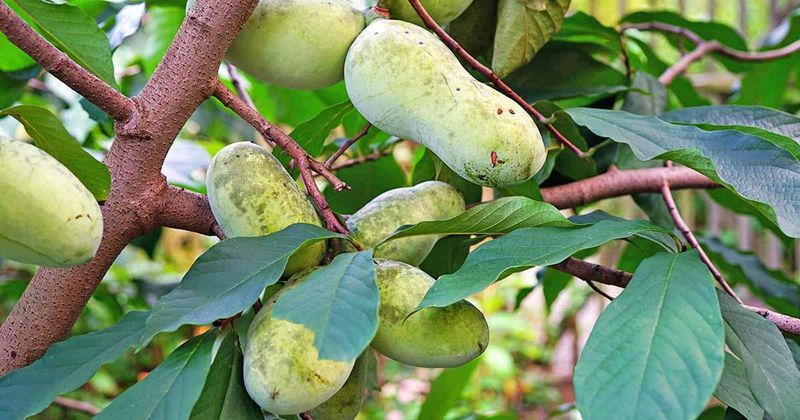
Mushrooms grab the headlines, but September fills Missouri baskets in other ways too. Pawpaws ripen along shaded creek bottoms, and their custard sweetness often gives them away before you spot the fruit.
A ripe pawpaw yields slightly under thumb pressure and drops with a gentle shake of the sapling. Green, rock-hard fruit picked too early rarely sweetens on the kitchen counter.
Persimmons begin softening late in the month across much of the state. An orange one that still feels firm will pucker your entire face, so hold out for wrinkled and squishy.
Hickory nuts and black walnuts start dropping as well, thumping onto gravel roads and porch roofs. Shagbark hickory is the sweet one worth the cracking labor.
Walnut hulls stain hands, clothes, and car mats a color that lingers for weeks. Rubber gloves and a five-gallon bucket prevent most of the drama.
Elderberries wrap up early in the month while wild grapes hang on a little longer. Both reward anyone willing to check fencerows and brushy woodland edges.
Fruit and nuts give you a reason to keep walking when the mushrooms are scarce. A dry stretch might still hand you a bucket of pawpaws.
Leave plenty behind for deer, turkey, squirrels, and the next person down the trail. Taking only what you will genuinely use this week is a solid habit.
Sample small amounts of anything new to your palate. Even familiar wild fruits can disagree with a stomach that has never met them.
Missouri Department Of Conservation Rules Foragers Should Know
Rules turn a fun hobby into a stress-free one, and Missouri’s are refreshingly reasonable. On most Missouri Department of Conservation areas, you may pick wild mushrooms, fruits, nuts, berries, and edible greens by hand for your own use.
The key phrase there is personal consumption. Selling what you gather requires a special use permit, and commercial harvest is generally off the table on conservation land.
Hand collecting is the standard, so leave the rakes and shovels at home. Digging up roots or whole plants and damaging trees are not permitted.
Individual areas can add their own restrictions, especially designated natural areas and research sites. Read the area brochure or the sign at the parking lot before you start walking.
Missouri State Parks handle things a bit differently, and some allow personal-use mushroom picking while others do not. A quick phone call to the park office clears it up.
Mark Twain National Forest permits gathering for personal use, with permits required for larger or commercial amounts. Federal, state, and county rules are not identical, so check whichever land you are standing on.
Private property requires permission every single time, no exceptions worth risking. Missouri trespass law is not forgiving, and a text message from the landowner is cheap insurance.
The current Wildlife Code and area regulations live on the MDC website and in the MO Outdoors app. Both update, so glance at them each season.
Following the rules keeps these places open for everyone. Foragers with a good reputation get invited back.
The Look-Alike Warning That Deserves Your Full Attention
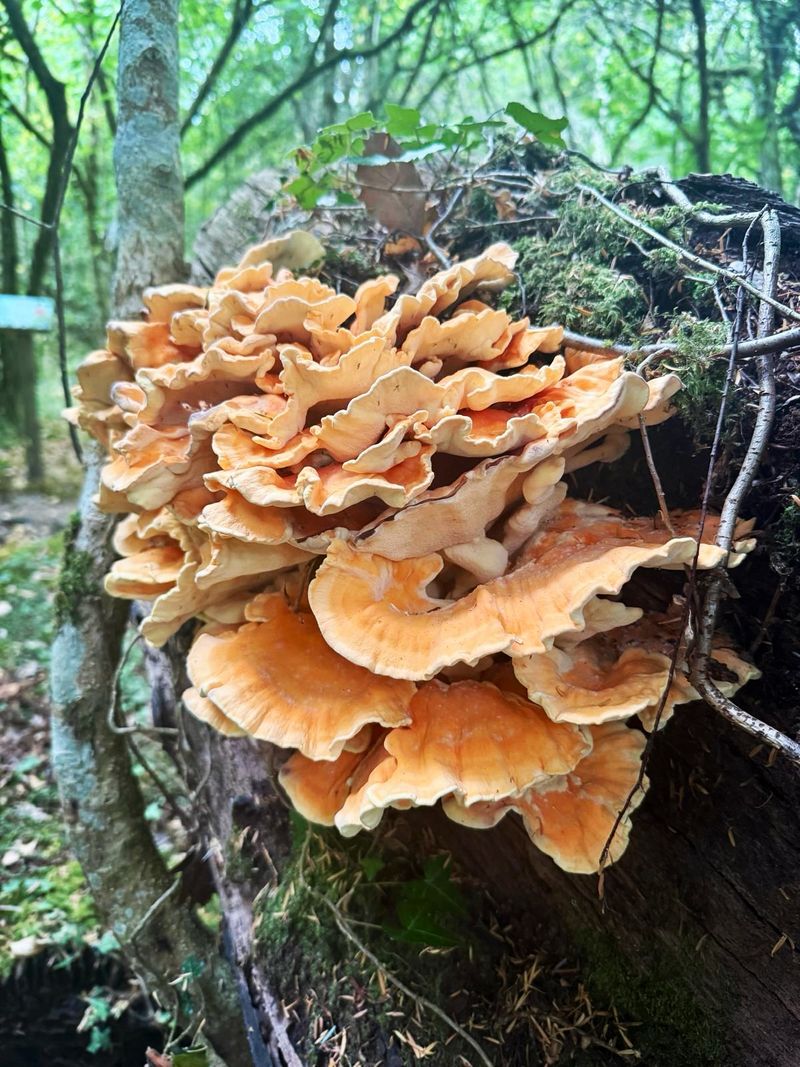
One orange mushroom on a stump makes a fine sandwich, and a very similar one sends people to the emergency room. Telling them apart comes down to a few unglamorous details.
Jack-o-lantern mushrooms grow in tight clusters from stumps and buried roots, and they have true gills underneath. Chicken of the woods grows as flat shelves with a smooth pore surface and no gills at all.
Jack-o-lanterns bring hours of cramping and vomiting to anyone who eats them. Most people recover, but nobody ever forgets the night.
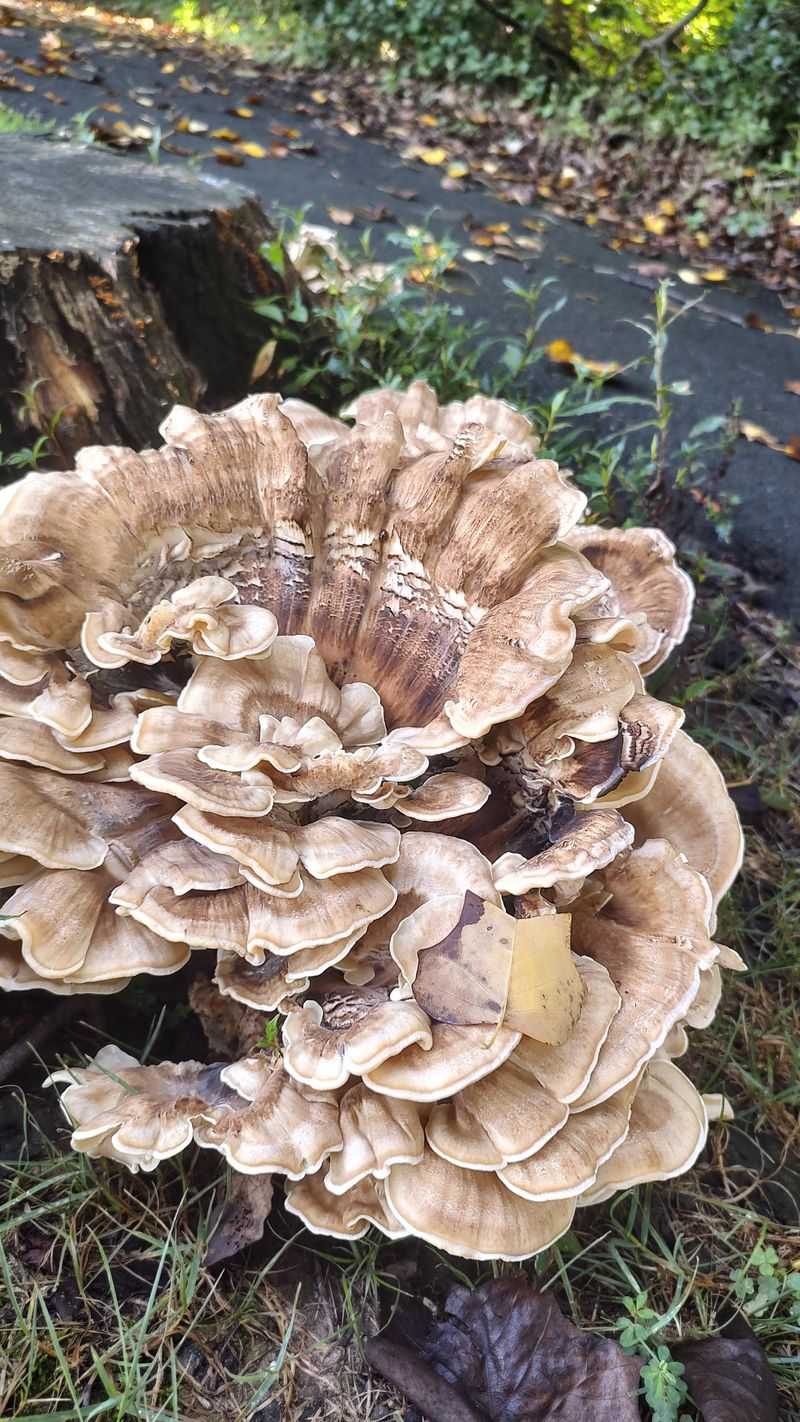
Hen of the woods has confusing cousins too, including Berkeley’s polypore and the black-staining polypore. Those grow larger, feel tougher, and often bruise dark when handled.
Any white mushroom rising from the ground deserves serious suspicion in Missouri. Several Amanita species here are severely toxic, and beginners should not gamble on that group.
Identification apps guess, and sometimes they guess wrong with total confidence. Treat them as a hint, then confirm with a regional field manual and a spore print.
The Missouri Mycological Society runs forays and free identification help around the state. One hour beside an experienced picker teaches more than a season of scrolling photos.
Cook every wild mushroom thoroughly and eat only a small portion the first time you try a species. Tuck one raw piece in the refrigerator in case a doctor needs to see it.
The oldest rule in foraging still holds up. When doubt shows up, the mushroom stays in the woods.