Warning Signs Snakes May Be Living Around Your Oregon Yard
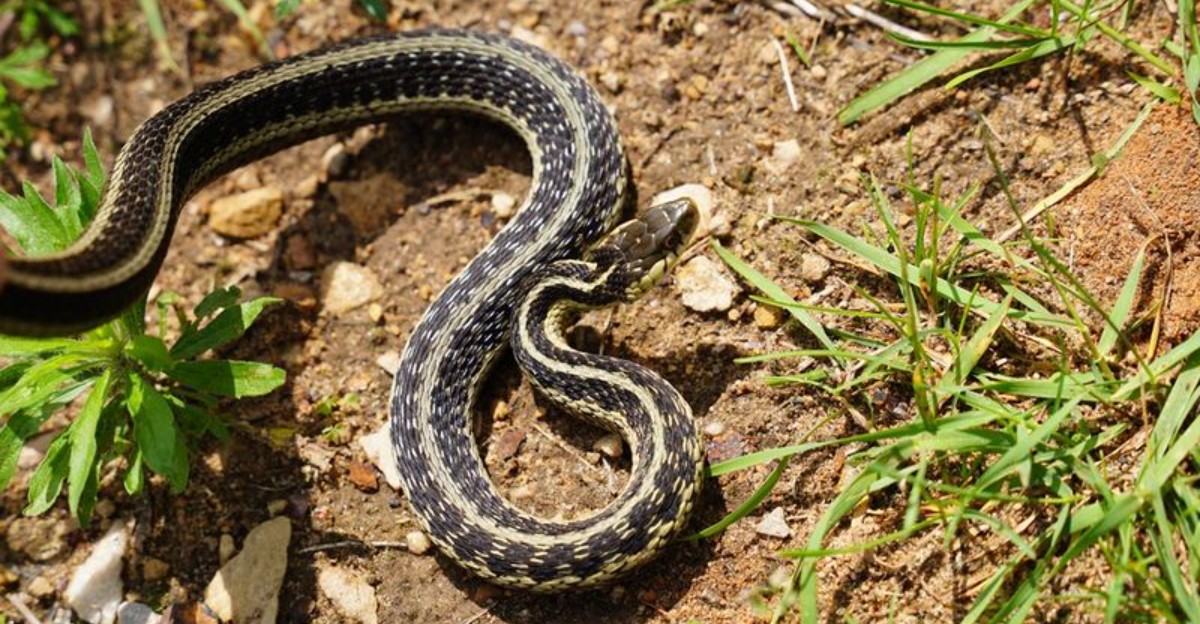
The first clue may appear beside your shed long before you ever see the animal that left it.
A papery skin catches on a board. A smooth trail bends through tall grass. One sunny stone seems suspiciously popular on cool mornings.
None of that needs to turn your Oregon yard into a wildlife emergency.
Snakes usually prefer distance from people, and many common species quietly help with slugs, rodents, and other garden pests. Still, a few small signs can make the yard feel far less mysterious.
So what suggests a snake does more than simply pass through?
Look at the places that offer warmth, cover, water, and an easy meal.
Some clues become obvious once you know them. Others look a lot like vole paths, weathered debris, or normal garden mess.
The goal is not panic. It is awareness.
Read the yard carefully, give unfamiliar snakes space, and decide which corners deserve cleanup and which visitors can simply continue their rounds without making every rustle suspicious near your home today.
1. Shed Skins Turn Up Near Shelter
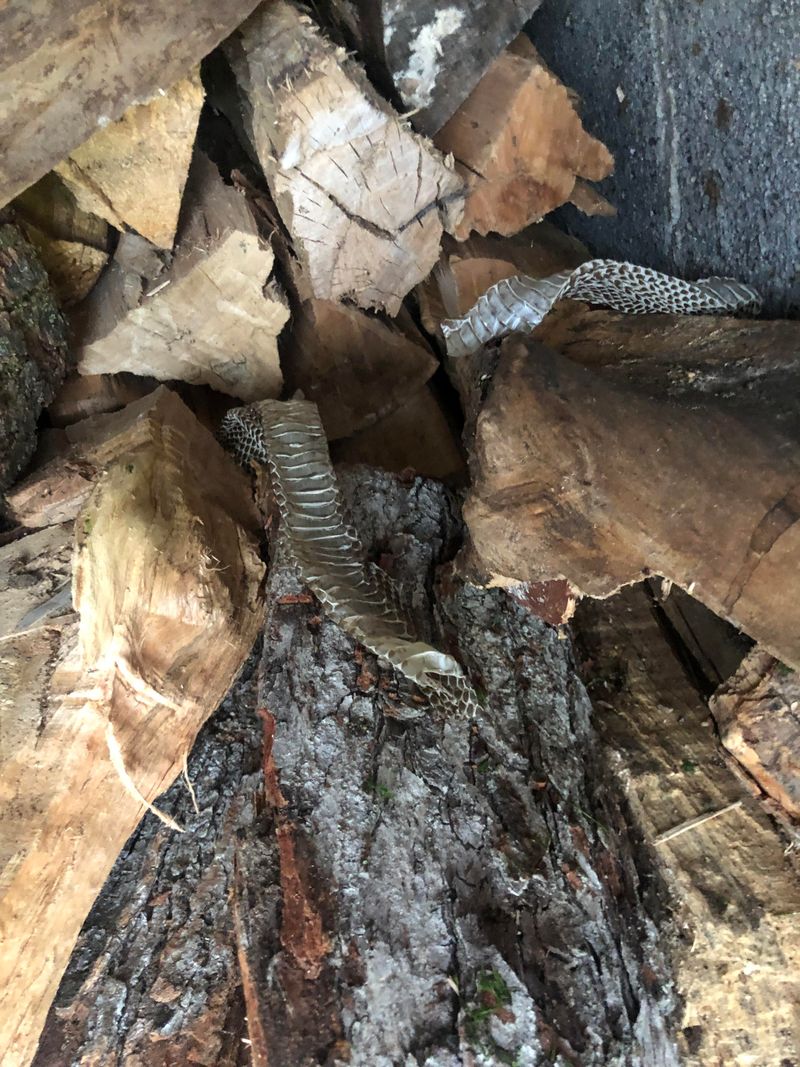
A crinkled tube caught beneath a log can tell you more than a quick glimpse across the lawn.
Snakes shed their outer skin as they grow. During that process, they often use rough surfaces to help peel the old layer away.
Protected corners make good places to look.
Check beneath stacked firewood, behind nursery pots, near shed foundations, beside retaining walls, and around other quiet spaces where a snake can stay concealed while shedding.
A fresh skin may still feel flexible. Older sheds become dry, brittle, and easier to tear after weather exposure.
Do not use length as an exact measurement of the snake. Shed skin stretches, so the animal itself may have been shorter than the empty skin suggests.
Finding one shed also does not prove a snake lives permanently in that exact spot. It does tell you that the location offered enough cover for one to use it.
Take note of nearby clutter, rodent activity, and sunny surfaces. Those details help explain why the animal chose that corner.
Wear gloves to move the shed and wash your hands afterward, just as you would after other garden cleanup.
The discovery may feel dramatic at first.
In many Oregon yards, though, that papery souvenir simply means a quiet visitor found a private changing room and forgot to take the old outfit with it.
2. Basking Spots Attract Sunny Visitors
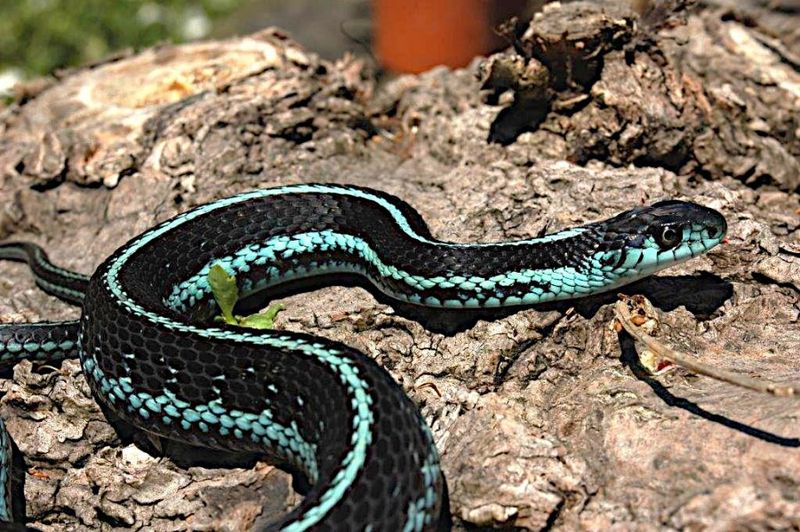
A flat stone that catches morning sun can become prime real estate after a cool Oregon night.
Snakes rely on outside heat to regulate body temperature, so warm surfaces often attract them once the sun reaches the yard.
Patio edges, retaining wall caps, concrete paths, dark landscape materials, and sunny foundation walls can all hold useful warmth.
Spring and early fall are especially good times to notice this behavior. Cool mornings may keep a snake stretched out longer before it moves into cover.
Summer can look different.
During very hot weather, snakes may avoid exposed midday heat and become more active during cooler parts of the day.
Your Oregon Garden Changes Every Week. Your Plan Should Too.
Gardening in Oregon changes quickly throughout the season. Every Friday you’ll receive a simple weekly plan showing exactly what to plant, prune, fertilize, harvest, and protect so you never miss the right timing.
Give any basking snake room instead of trying to move it by hand. Most will leave once they warm up or notice activity nearby.
You can also reduce surprise encounters without making the yard hostile.
Walk normally, make your presence known, and check sunny edges before reaching around rocks or pots. Snakes sense ground vibration well, so ordinary movement often gives them time to slip away.
Frequent basking in the same spot can suggest that good shelter sits close by.
Look for gaps beneath structures, stacked materials, or dense vegetation nearby.
That sunny stone may look like ordinary landscaping to you.
To a chilly snake, it is basically a heated patio chair with excellent morning service.
3. Rock, Wood, And Brush Piles Offer Easy Cover
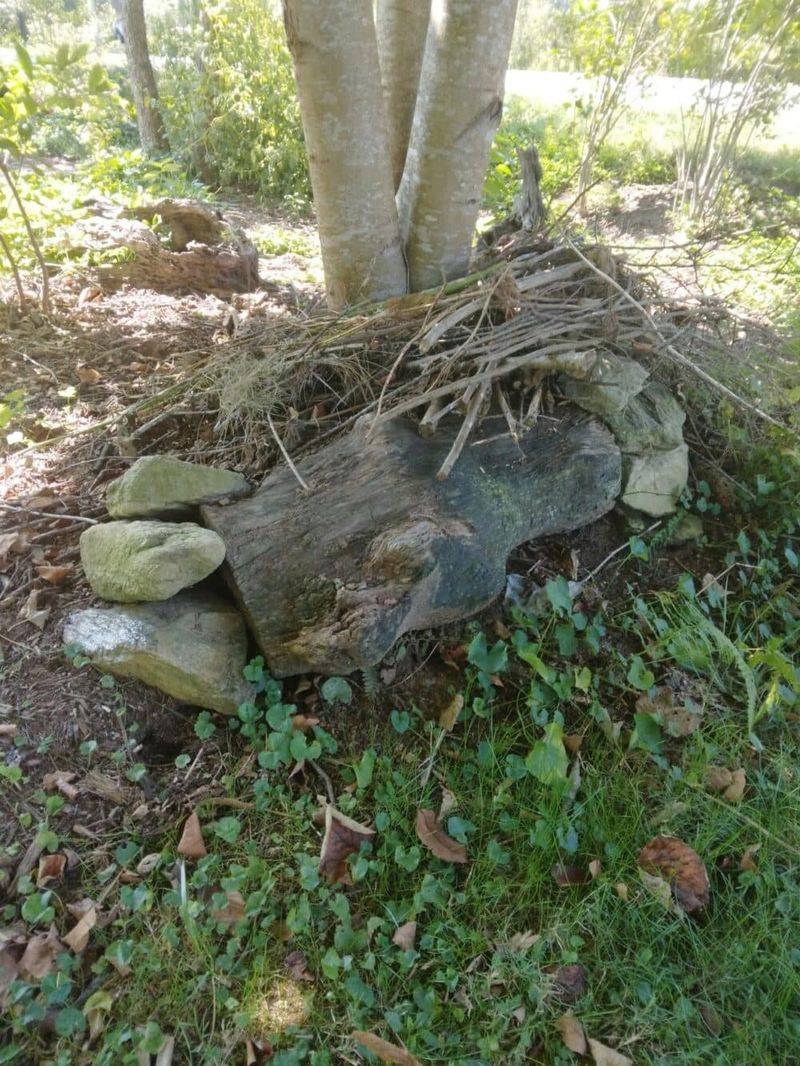
Some yard clutter offers far more than a place to hide the rake.
A loose rock pile, stacked lumber, brush heap, or gap beneath a deck can create several tiny shelters at once. Snakes can move between warm surfaces, cool crevices, and protected pockets without traveling far in the open.
That combination makes these spots worth checking.
Dry-stacked walls, old landscape timbers, firewood piles, and tangled vegetation can serve the same purpose, especially when rodents, slugs, or other prey also use the area.
Do not start pulling a pile apart with bare hands.
Use a rake or long-handled tool to disturb the area first, then give anything inside time and room to leave.
Firewood can become less inviting when stored neatly on a raised rack rather than directly against soil or a building.
Brush and scrap materials deserve similar attention. Keep useful habitat farther from doors, play areas, and places where surprise encounters would be inconvenient.
Not every rock pile needs to disappear.
Some homeowners are perfectly comfortable sharing an out-of-the-way corner with beneficial wildlife. Others prefer a cleaner edge near the house.
The important part is recognizing what the structure provides.
A jumble of rocks may look like unfinished landscaping, but from ground level it can resemble a small apartment complex with shade, security, and remarkably affordable rent.
4. Rodent Activity Draws Snakes In
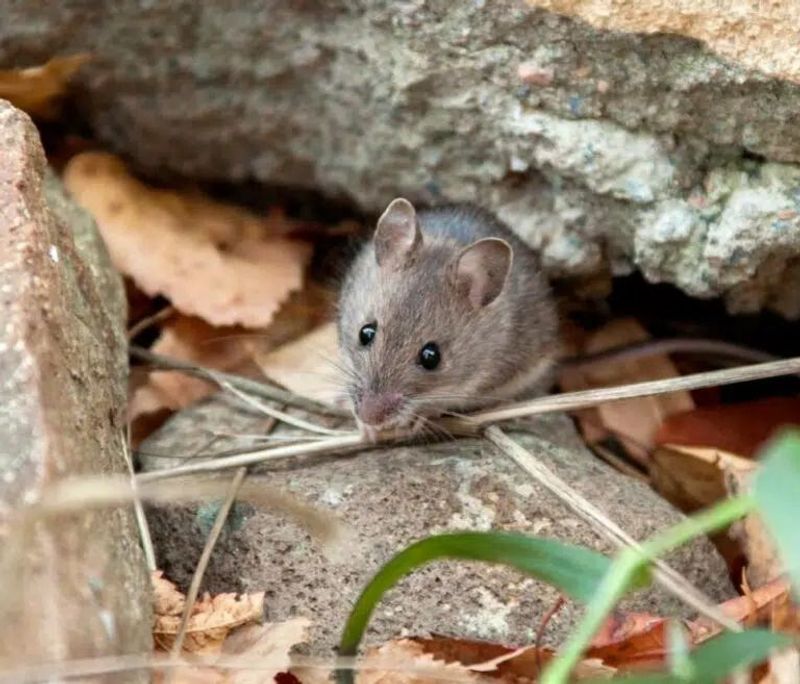
A snake sighting sometimes starts with a completely different pest problem.
Mice, voles, and other small animals can turn a yard into a reliable feeding stop. When prey stays plentiful, predators have a reason to keep checking the same area.
Look for the food chain before blaming the snake.
Spilled birdseed, pet food left outdoors, fallen fruit, unsecured chicken feed, and accessible compost can support rodents. Small holes near sheds, chewed containers, droppings, and narrow lawn runways add more clues.
Garter snakes also eat slugs, worms, and other small prey, so damp garden beds can offer plenty of hunting opportunities even without a mouse problem.
That can actually work in your favor.
Many Oregon snakes provide quiet pest control without disturbing plants or asking for anything from the homeowner.
Still, reducing rodent attractants can make repeated snake visits less likely when that is your goal.
Sweep up birdseed. Store feed in sturdy containers. Pick up fallen fruit, and keep compost managed rather than turning it into an open buffet.
Avoid creating another problem with careless poison use around wildlife and pets.
A snake moving through the tomatoes may not be interested in you, the patio, or the house.
It may simply have discovered that your yard accidentally opened a very dependable lunch counter.
5. Most Sightings Involve Harmless Species
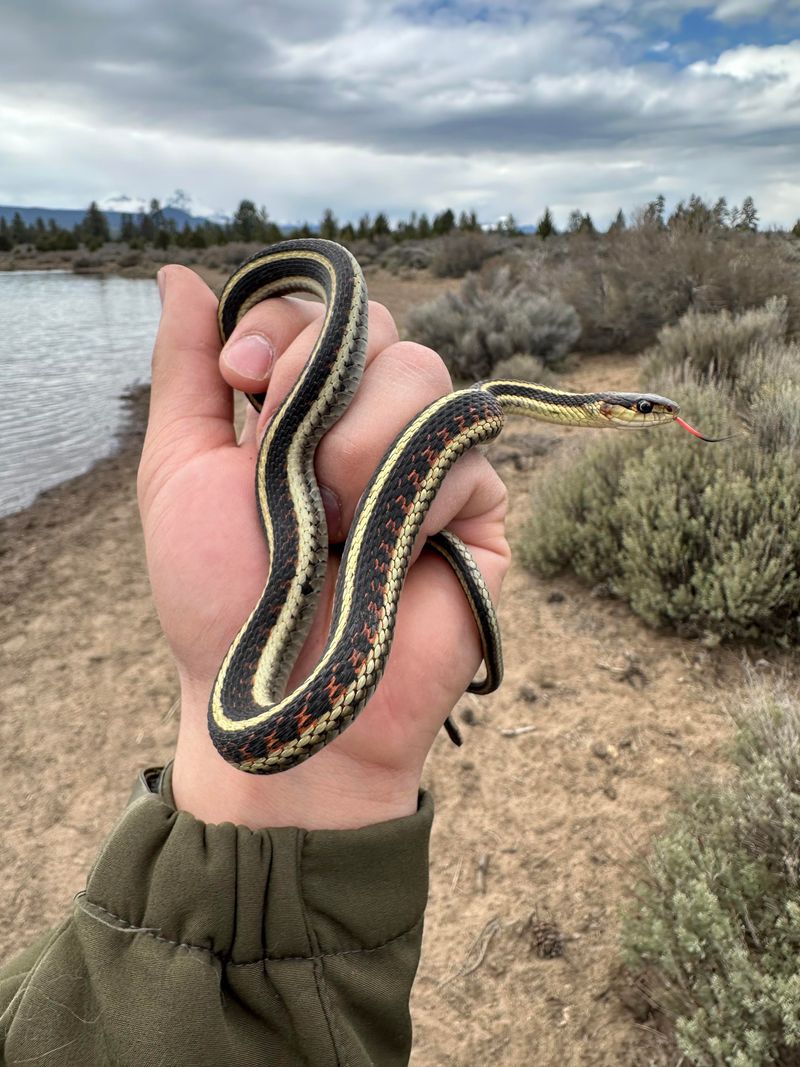
The quickest way to turn a harmless encounter stressful is to assume every snake is the dangerous one.
Oregon has several native snake species, and garter snakes are among those commonly encountered around gardens and residential areas.
They are generally slender and often show lengthwise stripes, though colors and patterns vary.
Other nonvenomous Oregon snakes include rubber boas, racers, and gopher snakes. These animals usually want distance from people and can play useful roles in the local food web.
The western rattlesnake deserves a different level of caution.
It is Oregon’s only native venomous snake considered dangerous to people and is more associated with parts of Southern and Eastern Oregon than typical urban gardens west of the Cascades.
Do not rely on one feature, such as head shape, for identification. Distance is the smarter rule when the species is unclear.
Never reach toward, corner, or attempt to pick up an unfamiliar snake.
Give it an open escape route and keep children and pets away until it moves on.
A photo taken safely from a distance can help with later identification.
Most backyard sightings do not need a dramatic response.
The snake usually has somewhere else to be.
Your job is simply to avoid turning a brief wildlife cameo into an unnecessary meet-and-greet.
6. Trails Through Tall Grass Are A Clue
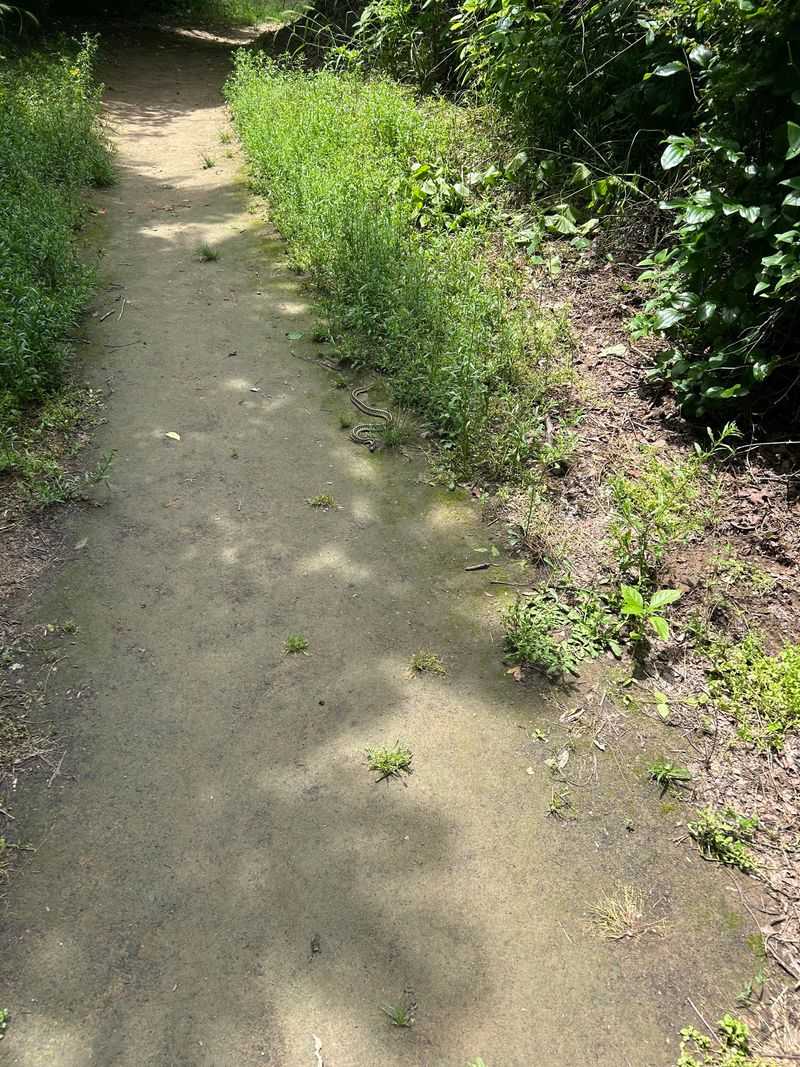
A narrow line pressed through tall grass can make the edge of a yard look oddly organized.
Repeated animal movement sometimes creates those little corridors, especially along fences, garden borders, sheds, and transitions between lawn and dense vegetation.
Snakes may use covered edges because they offer protection while moving between shelter, warmth, and feeding areas.
Look for other clues before assigning every winding trail to a snake.
Voles also create narrow runways through grass and thatch, and their paths are far more common in many yards. Clipped vegetation, small droppings, and burrow openings point more strongly toward rodents.
Soft dirt or dust may occasionally show a smooth, winding mark without footprints. That can suggest something slid across the surface, though a single mark still does not prove a snake is living nearby.
Keep high-use areas easy to see.
Mow tall grass near walkways, trim thick vegetation along structures, and open up cluttered routes to compost bins, sheds, or gates.
You do not need to manicure every wildlife-friendly corner.
Focus on the places where hidden movement could surprise someone.
A clear edge also makes rodent signs easier to notice, which helps you understand the whole yard rather than one mysterious track.
Not every squiggle is a snake highway.
Sometimes the grass is simply keeping lousy records, so read more than one clue before issuing a traffic report.
7. Removing Shelter Reduces Future Visits
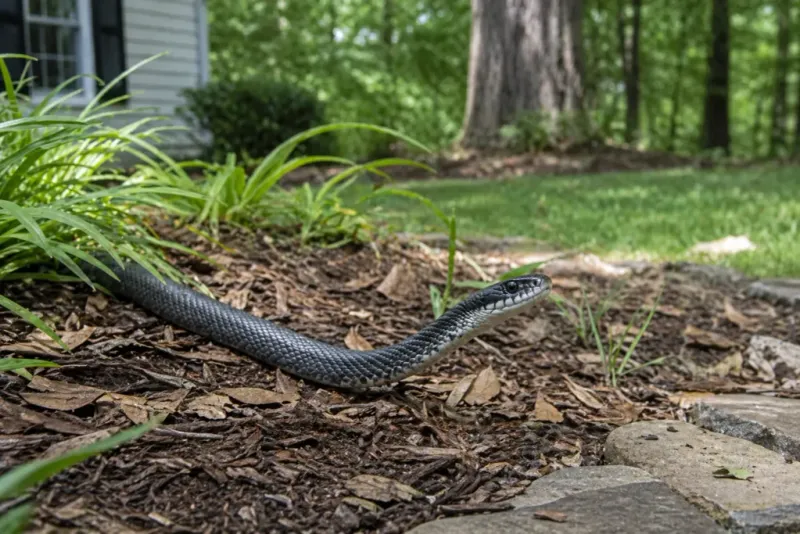
The strongest clue may be the yard itself, especially when it offers everything a snake needs within a few steps.
Shelter, prey, water, and warm basking surfaces can turn one corner into an appealing stop.
Changing those conditions works better than relying on gimmicks.
Raise firewood off the ground. Clear unused boards, pipes, and dense piles near the house. Trim heavy vegetation along foundations and keep frequently used paths open.
Rodent control matters too.
Clean up spilled seed, secure animal feed, manage compost, and remove fallen fruit that keeps small mammals returning.
Check gaps under sheds, decks, and other structures where practical. Exclusion around buildings can reduce hidden shelter, but avoid sealing an animal inside.
Skip the idea that every snake-friendly feature must vanish.
A garden can still support wildlife while keeping patios, doorways, play areas, and storage spaces easier to inspect.
When you spot a snake outdoors, give it room to leave rather than trying to handle it.
An unfamiliar snake in rattlesnake country deserves extra distance and caution.
The goal is fewer surprises, not a sterile yard.
A little cleanup can quietly change the invitation without turning your landscape into a fortress.
Snakes are excellent at reading habitat.
Remove the free lodging and buffet, and many will understand the hint without receiving a formal eviction notice.
8. Damp Corners With Frogs And Slugs Can Become Hunting Spots
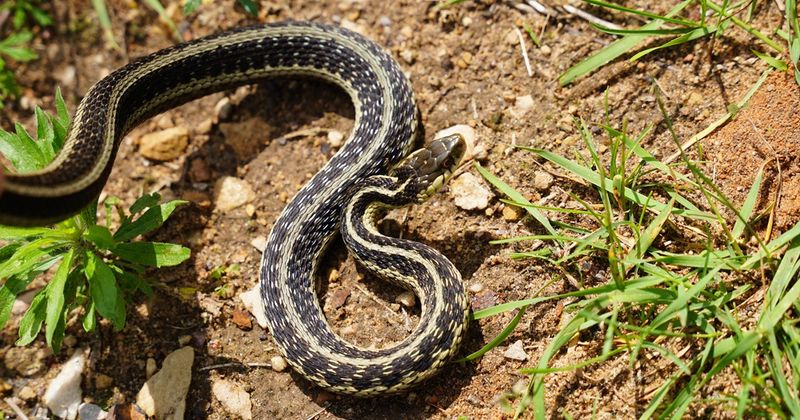
That wet corner beside the hose bib may be doing more than growing moss.
Damp places can attract slugs, worms, frogs, and other small animals that garter snakes may hunt. A leaky faucet, pond edge, irrigation ditch, compost area, or shady bed can therefore become a regular stopping point.
The clue is not water alone.
Pay attention when moisture, prey, and cover all meet in the same small space.
A thick patch of groundcover beside a dripping spigot offers concealment. Add slugs after an Oregon rain, and the area suddenly has both shelter and food.
Repeated snake sightings around that same damp spot can suggest a hunting route rather than random wandering.
You do not need to drain a healthy garden pond or dry out plants just to discourage snakes.
Start with accidental moisture instead.
Repair leaky fittings, empty containers that hold unnecessary water, and keep dense vegetation trimmed back around frequently used faucets and walkways.
Leave more natural damp habitat farther from the house when you enjoy having wildlife around.
That creates some separation between the places people use every day and the places small predators can hunt quietly.
Garter snakes can be especially useful around slug-heavy gardens, so their presence may come with a silver lining.
Your damp corner may look like a plumbing annoyance.
To a hungry snake, it can resemble a tiny Oregon seafood buffet, only the menu happens to crawl.