Missouri Curbs Fill With Bags Of A Free Soil Booster Every Fall
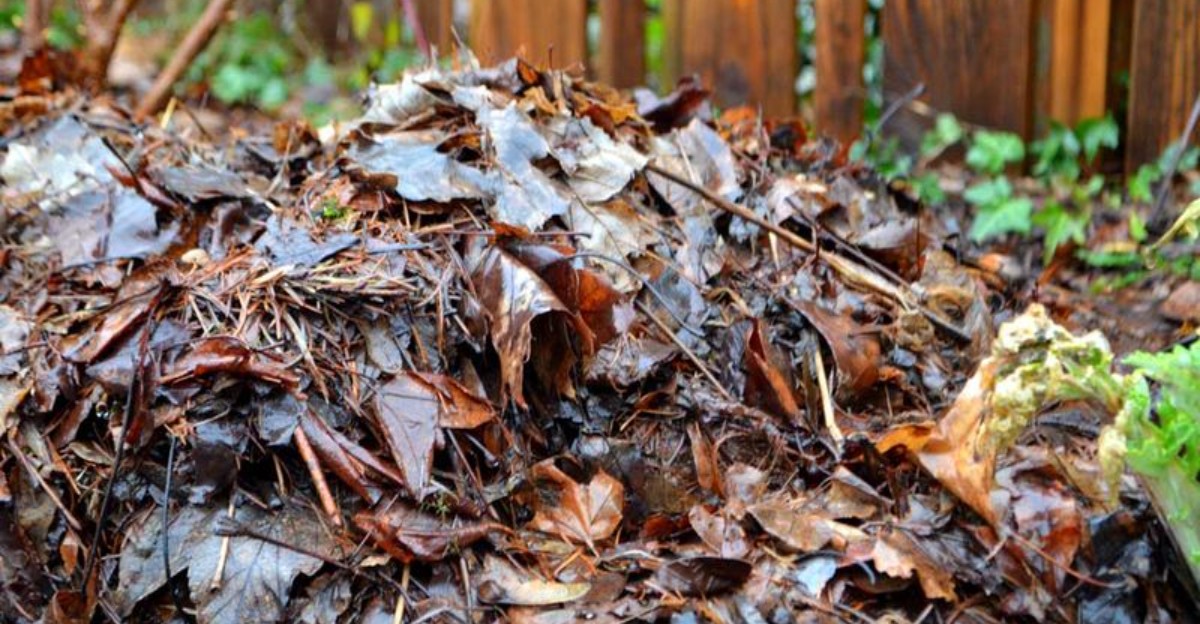
Every October, Missouri curbs fill with brown paper bags stuffed with a free soil booster for your garden. University experts say this material can feed earthworms, build soil, and cut your fertilizer needs over time.
The EPA counts yard trimmings as a large share of household waste across the whole country each year. Much of that pile comes straight from trees in our own yards during the busy autumn months.
Personally, I used to rake for hours and haul everything to the curb like a tidy neighbor. Then I learned a simple trick from Missouri extension gardeners, and my flower beds looked happier by spring.
You need only a mower, a rake, and one free afternoon to turn this curbside waste into gold. So why are so many of us still paying the city to haul our best soil food away?
Your Shade Trees Are Dropping A Free Layer Of Organic Matter
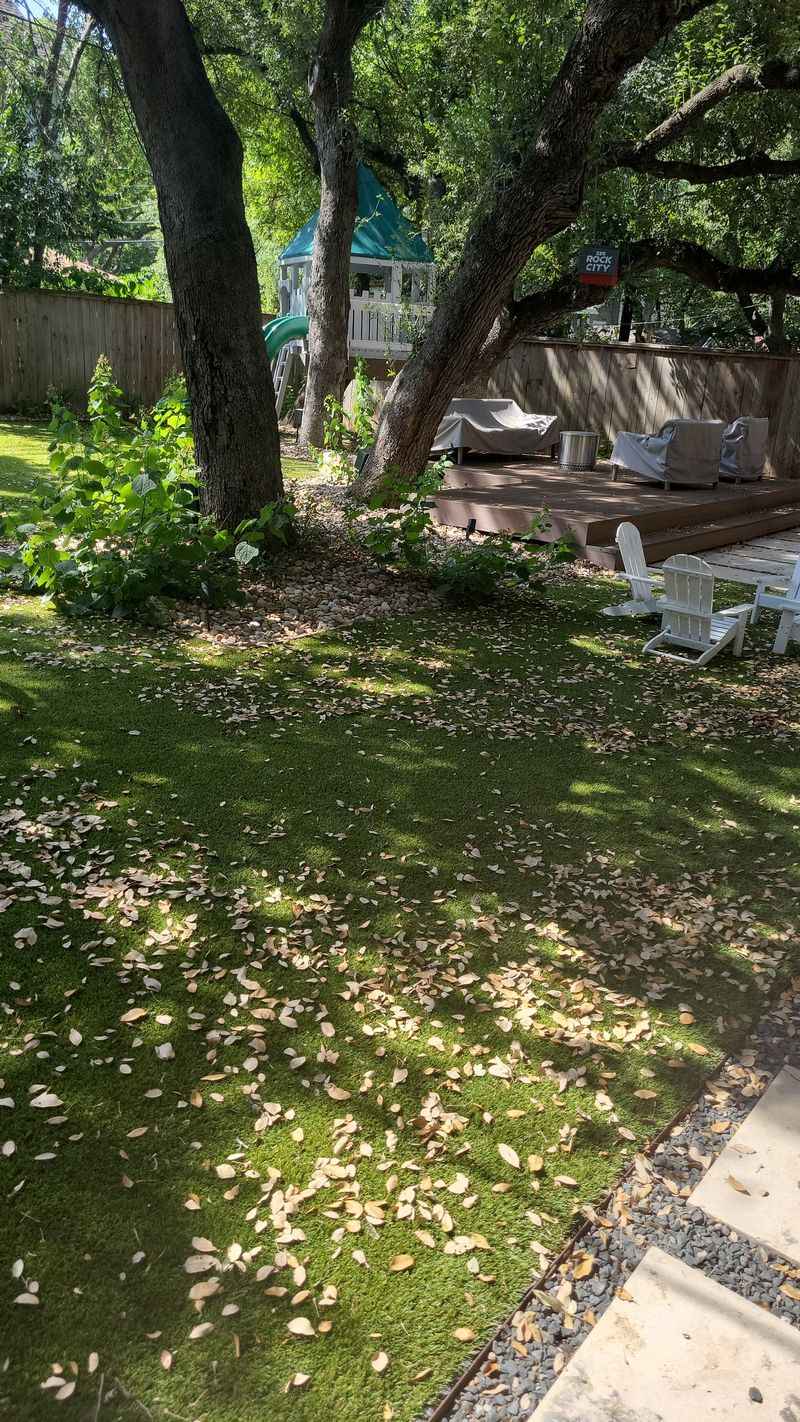
Oak, maple, and sycamore trees drop a thick layer of leaves across many Missouri lawns from October into November. That crunchy carpet is organic matter, the same stuff gardeners buy in bags at the store each spring.
Organic matter helps soil hold water, drain better, and stay loose enough for roots to spread out easily. Many Missouri yards sit on heavy clay, so that extra boost can make a real difference over time.
University of Missouri Extension encourages homeowners to keep leaves on their property instead of sending them away. Their gardening experts point out that fallen leaves are one of the easiest free resources a yard offers.
A single large shade tree can drop a surprising amount, often enough to fill many paper yard bags. I like to think of each bag as a sack of compost that nature mixed for free.
Forests have used this system for thousands of years, with no rakes, blowers, or curbside pickup trucks involved. Leaves fall, soften over winter, and slowly become the dark, spongy layer on the forest floor.
Your backyard can follow the same pattern with just a little help from you and your lawn mower. The trick is handling the leaves wisely so they feed the soil instead of causing new problems.
Before you grab another stack of paper bags this weekend, take a slow look at what is falling. That rustling pile under your favorite tree might be the most valuable thing your garden gets all year.
Summer Nutrients From Your Trees Can Head Back Into The Soil
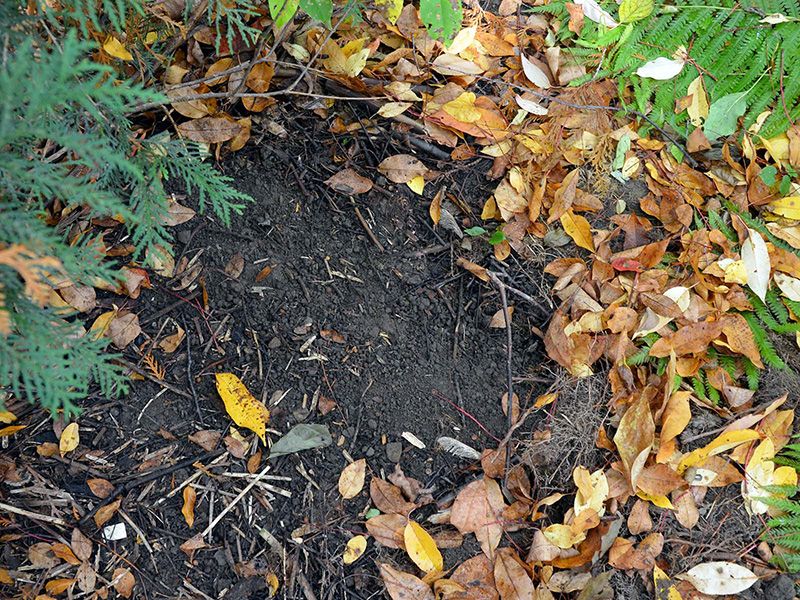
All summer long, tree roots pull minerals up from deep in the ground and send them into every leaf. When autumn arrives, a good share of those nutrients is still packed inside the leaves that fall.
Trees do pull some nutrients back into their branches before dropping leaves, so not everything stays behind. Still, fallen leaves carry useful amounts of potassium, calcium, magnesium, and smaller amounts of nitrogen and phosphorus.
Leaves also hold trace elements like iron and manganese that plants need in tiny but important doses. Deep roots can reach minerals that shallow garden plants and lawn grasses cannot easily get on their own.
Your Missouri Garden Changes Every Week. Your Plan Should Too.
Gardening in Missouri changes quickly throughout the season. Every Friday you’ll receive a simple weekly plan showing exactly what to plant, prune, fertilize, harvest, and protect so you never miss the right timing.
As leaves break down, soil microbes and earthworms slowly release those nutrients back into the top layer. It works like a slow-release fertilizer, feeding plants a little at a time instead of all at once.
Leaves are not a full replacement for fertilizer, and a soil test still gives you the clearest picture. Missouri residents can mail samples through their county extension office for a modest fee and helpful advice.
I believe the coolest part is the circle itself, from soil to tree to leaf and back again. Bagging leaves breaks that circle and ships those minerals off to a city compost site.
Keeping them at home means your trees and garden share the same pantry year after year after year. Your soil gets a steady snack, and you skip a few trips to the garden center next season.
Soggy Whole Mats Can Smother Your Grass
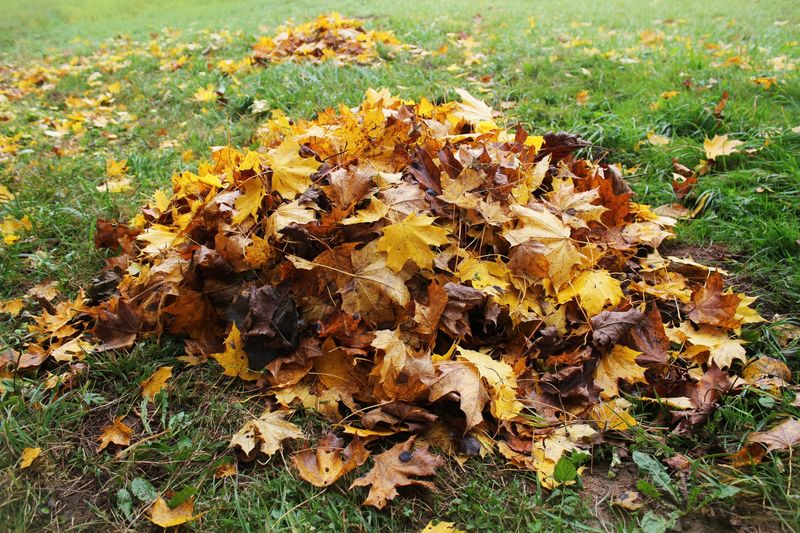
Nobody wants to spend April staring at a bare, yellow patch where a thick leaf pile sat all winter. That patch is the main reason some people feel they must rake every single leaf off the lawn.
Whole leaves, especially big flat ones like maple and sycamore, tend to stack together like wet paper plates. After a few cold rains, they press down into a heavy mat that blocks light and air.
Cool-season grasses like tall fescue keep growing through fall in Missouri, and they need sunlight to do it. A soggy blanket can weaken that grass and leave thin spots that weeds love to claim later.
Trapped moisture under a mat can also encourage fungal lawn diseases during the cold months. Turf experts at several universities point to matted leaves as one common cause of winter lawn trouble.
Whole leaves also break down slowly, sometimes sitting for a year or more before they fully soften. Oak leaves are tough and waxy, so they often hold their shape much longer than maple leaves.
One handy rule says that if grass blades cannot poke through the leaves, the layer is too thick. Another clue is a leaf layer that feels slick and heavy under your boots after a cold rain.
Leaves themselves are not the problem, and the fix is easier than hauling dozens of bags to the curb. Size is the real issue, and cutting those leaves smaller changes the whole picture for your yard.
A Quick Pass With Your Mower Speeds Up Breakdown
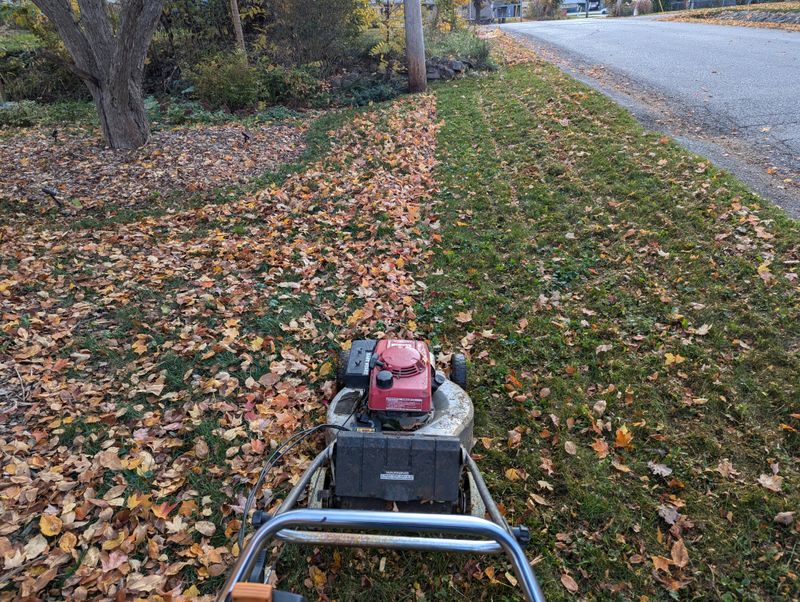
Your lawn mower might be the best leaf tool you own, and it is probably sitting in the garage now. Mulching leaves with a mower chops them into small flakes that slip down between grass blades.
Michigan State University turf researchers found that mulching leaves into lawns did not harm grass over several years. Some of their test plots even showed fewer dandelions after regular fall mulching with a mower.
Aim for pieces about the size of a dime, which tiny soil creatures can handle quickly and easily. A regular rotary mower works fine, though a mulching blade can make the job a bit faster.
Set the deck at its usual height, then make one or two passes over the leaf-covered lawn. Dry leaves shred much better than wet ones, so pick a sunny afternoon after the dew dries.
Mowing every week or so during peak leaf drop keeps the layer thin and much easier to handle. In most Missouri neighborhoods, the heaviest leaf drop arrives between late October and the middle of November.
Personally, I enjoy the sound of the mower crunching through a crisp layer on a cool fall day. It feels like cheating, because twenty minutes of mowing replaces hours of raking and bagging by hand.
If you see a thick layer of shreds hiding the grass, rake some away or mow again. Those extra clippings make a fine treat for garden beds, compost piles, or the base of shrubs.
Spread Shredded Layers Across Your Lawn Or Beds For Winter
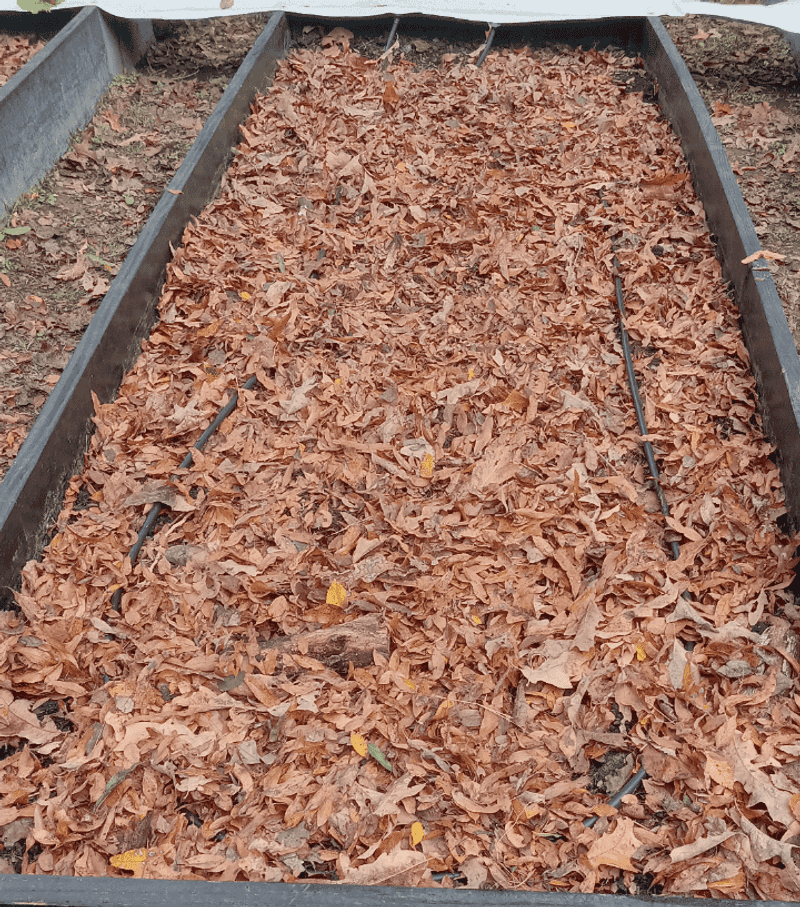
Once your leaves are chopped, you have a fluffy pile of mulch that rivals anything sold in bags. The question is where to put it, and both your lawn and your beds can use a share.
On the lawn, a light layer of shreds can stay right where it lands after you finish mowing. Worms pull those bits underground over the winter, and the grass gets a small boost of food.
In flower beds and around shrubs, a layer of two to three inches works well for most plants. Keep the mulch a few inches away from stems and tree trunks to reduce rot and hungry rodents.
Shredded leaves act like a cozy blanket, helping soil temperatures stay steadier during freezing and thawing cycles. Missouri winters often swing between mild and frigid, and that steady cover can protect shallow perennial roots.
Vegetable gardens love this treatment too, so spread a thick layer over empty beds after your harvest ends. By planting time, much of it will have softened into crumbly material you can mix into the soil.
Extra shreds can go into a simple wire bin or a corner pile to become leaf mold by next fall. Leaf mold is a dark, earthy material that holds moisture beautifully in pots and garden beds.
Avoid piling unshredded leaves deeply over small perennials, since thick wet layers can smother their crowns. A loose, chopped layer lets air and water move through, which keeps plants comfortable until warmer weather.
Richer Soil Will Be Waiting For Your Missouri Garden Next Spring
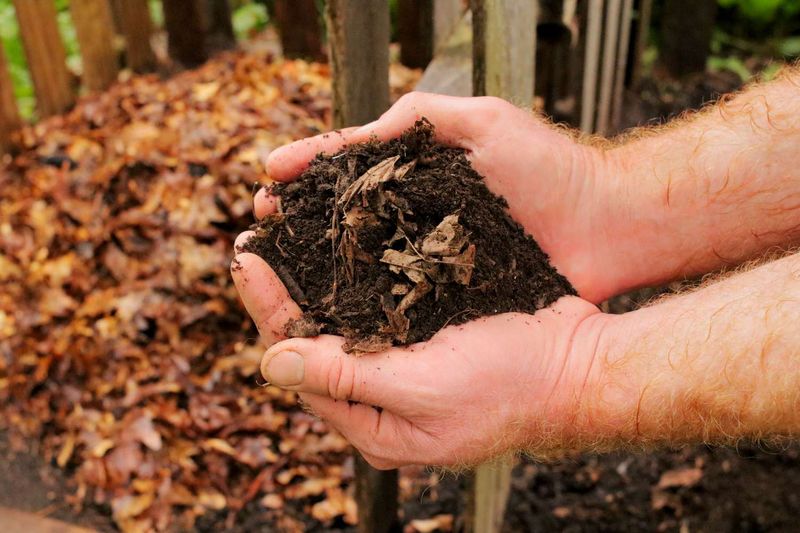
Come spring, your patience pays off in a way you can feel the moment your shovel hits dirt. Soil that soaked up a season of shredded leaves often turns darker, softer, and easier to dig.
Earthworms play a big role in that change, tunneling through the ground as they feast on the leaves. Their tunnels let rain soak in, and their castings add rich nutrients right where roots can reach them.
Heavy clay soil, common across much of Missouri, slowly becomes looser and crumblier with steady organic matter. Sandy spots benefit too, since the added material helps them hold water longer during dry summer stretches.
Changes like these build over years, so one fall of leaf mulching is a start rather than a miracle. Gardeners who stick with it for several seasons usually notice the biggest difference in their beds.
Missouri law bans yard waste from landfills, so many cities pay to collect and compost those bags. Each bag you skip can save fuel, labor, and a little local tax money.
I can’t imagine going back to dragging heavy bags down the driveway every weekend in late October. Watching tulips and tomatoes thrive in soil my own trees helped build feels far more rewarding.
So this month, leave the paper bags folded in the garage and let your mower handle the work. Your Missouri garden will thank you next spring with stronger plants, happier worms, and richer, healthier soil.