Should Arizona Gardeners Mulch Citrus Before Winter? What Frost Guidance Says
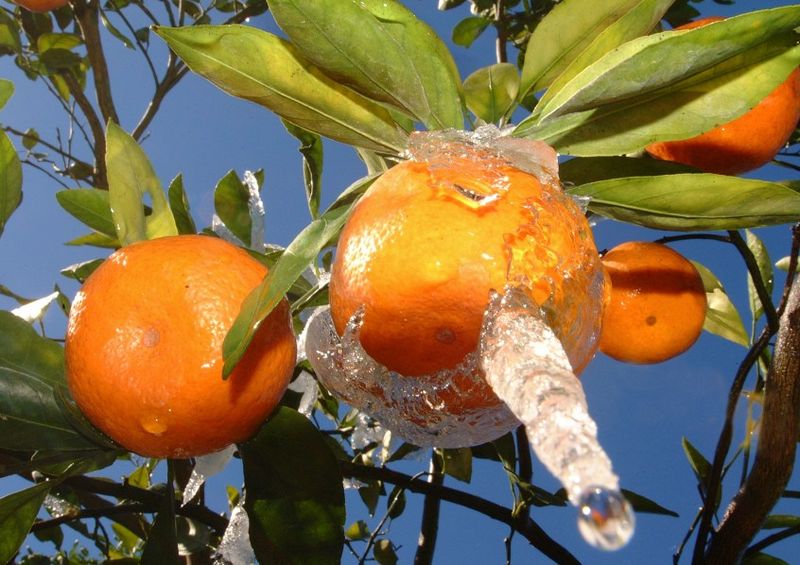
A pile of mulch around a citrus tree looks like a cozy winter blanket. In Arizona, though, local frost guidance points in a different direction.
The soil itself can do some of the warming work on a cold night, and mulch may get in the way. Here is what to do instead before the next cold snap.
Why fall mulch is not Arizona’s default frost fix

Many gardeners hear that mulch keeps roots warm and assume it belongs in every winter plan. For Arizona citrus, that is not what local guidance says.
University of Arizona frost guidance notes that mulch insulates the surface soil, but that same insulation keeps the ground from soaking up daytime warmth that could help a citrus tree through the night.
Frost protection depends partly on whether soil can collect heat in the afternoon and give it back after sunset. A thick layer of mulch works against that job.
So adding mulch in fall as a cold-snap shield is not a step Arizona Extension recommends.
That does not leave you with nothing to do. A better plan uses bare, moist soil, an honest look at which citrus you grow, and a cover ready for the nights when frost is forecast.
Arizona’s citrus cold-protection publication lays out these options. No single step guarantees a tree will come through unharmed, but together they give it a fair shot.
Bare, moist soil can release stored heat overnight
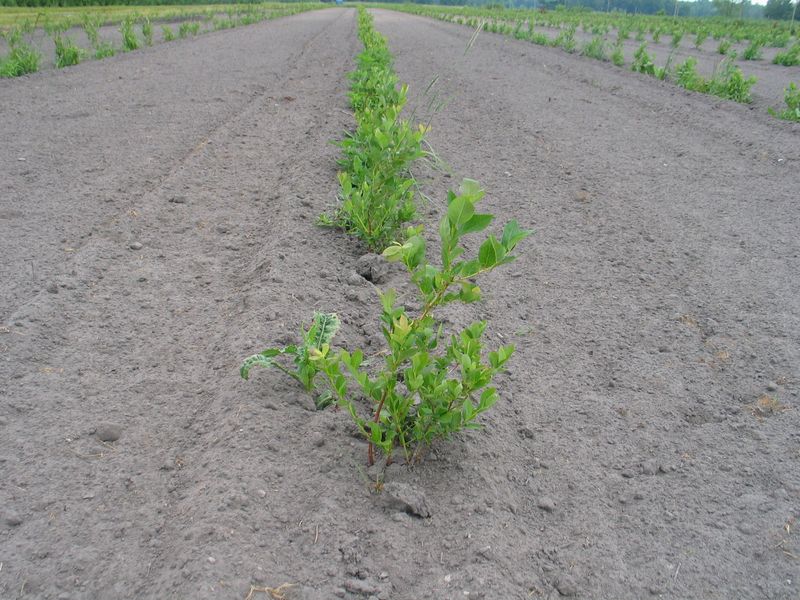
Picture a patio stone that stays warm long after the sun goes down. Soil behaves in a similar way.
It soaks up sunshine through the day and lets that warmth drift back into the air overnight, right where the lower branches of your tree are sitting.
Arizona guidance says moist soil releases stored heat better than dry soil, and that this works best when the ground is bare. Mulch is a fine insulator in general, but that is exactly the problem here.
It slows the heat going into the ground in the first place.
This is local frost advice, so it carries more weight than the general idea that mulch evens out soil temperatures. The goal is not to soak the ground or leave it soggy.
Soil that is simply not bone dry and has clear access to sunlight is the target.
Stored heat can soften a cold night, but it will not guarantee an undamaged tree. Think of it as one helpful layer in a larger plan.
Do shallow roots make mulch necessary?
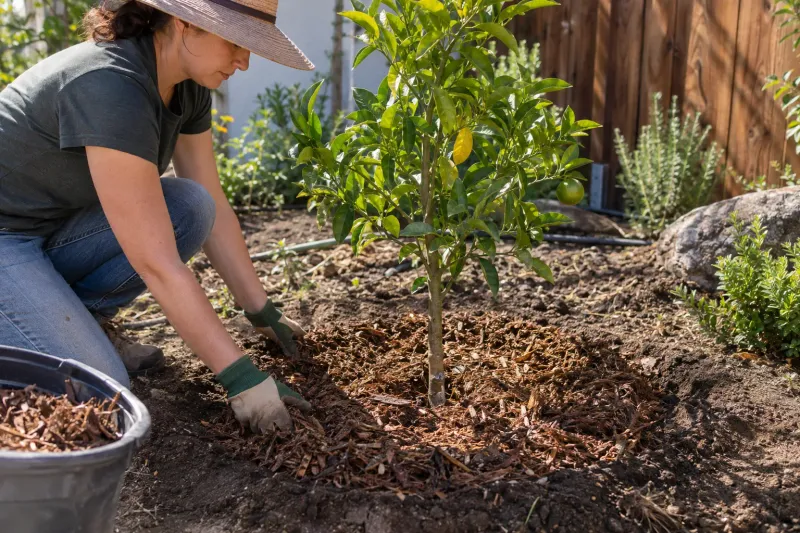
The shallow-root argument sounds convincing: roots near the surface must need a blanket. Research does show that citrus roots are often concentrated relatively near the surface, as in a peer-reviewed root-distribution study.
Depth still shifts with soil type, irrigation, and growing conditions, so your tree may differ from the textbook picture.
Even so, root depth by itself does not prove mulch is the answer. Citrus irrigation guidance from University of Florida IFAS talks about where roots sit and how to water them, not about mulch as a frost shield for Arizona.
Your Arizona Garden Changes Every Week. Your Plan Should Too.
Gardening in Arizona changes quickly throughout the season. Every Friday you’ll receive a simple weekly plan showing exactly what to plant, prune, fertilize, harvest, and protect so you never miss the right timing.
Arizona frost guidance points to soil that can take in sunlight and release warmth at night. A shallow root zone is a reason to care about that soil, not a reason to bury it.
Knowing where roots live helps you water sensibly, and that is a more useful takeaway than reaching for a bag of mulch.
Cold risk depends on the citrus variety
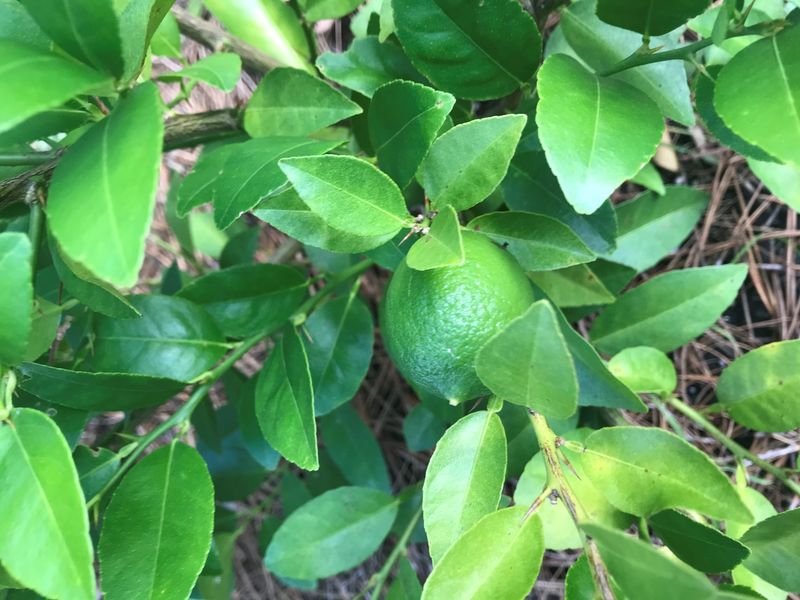
Not every citrus tree in your yard faces the same risk. Arizona guidance in the citrus cold-protection publication names lemons, limes, and citrons as especially cold-sensitive.
Kumquats and Satsuma mandarins fall on the more cold-tolerant side.
That ranking helps you decide where to focus your effort. If you have a Meyer lemon tucked in a spot that gets nipped by cold air, it deserves attention first on a frost-watch night.
A kumquat in the same yard may handle the chill better.
More tolerant does not mean immune. A young Satsuma or a tree that is already stressed can still be hurt, so keep a cover handy for every citrus tree you care about.
A quick walk around the yard in fall is worth the time. Make a list of what you grow, note which trees are youngest, and mark the ones in the lowest, coldest corners.
Keep citrus from becoming drought-stressed before frost
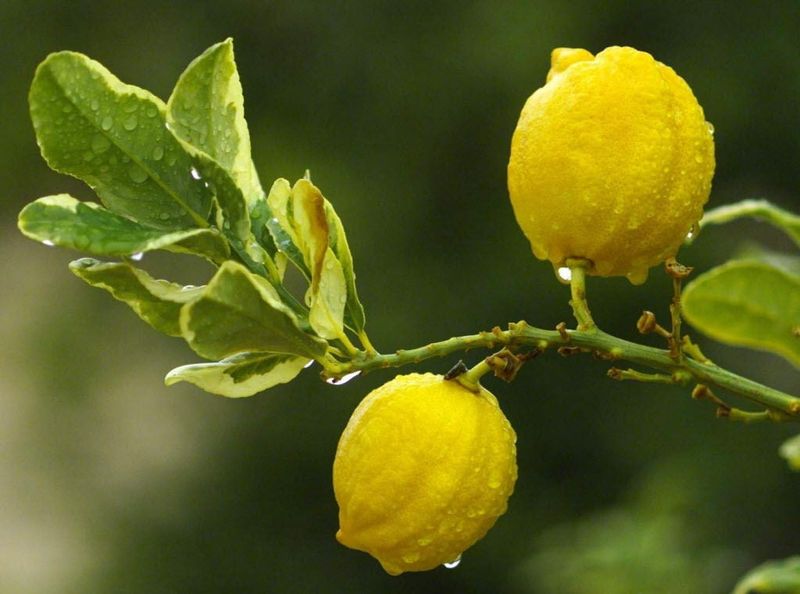
Going into a cold snap with a thirsty tree is a poor start. Arizona frost guidance advises keeping the tree from becoming drought-stressed before frost, and it ties that to the way moist soil holds and releases heat, as described on the University of Arizona frost page.
In practice, that means sticking with your normal winter irrigation schedule and checking the soil a few inches down. If it feels dry well below the surface, the tree needs a drink before the cold arrives.
If it is already damp, leave it alone.
Extra water is not a freeze cure. Piling on more does not prevent frost injury, and soggy ground brings its own trouble for citrus roots.
Running water during an actual freeze is a different matter. The guidance attaches specific duration limits to it, and continuous sprinkling needs uninterrupted water until temperatures rise.
Treat it as a technical method, not a casual tip.
Cover young trees when frost threatens
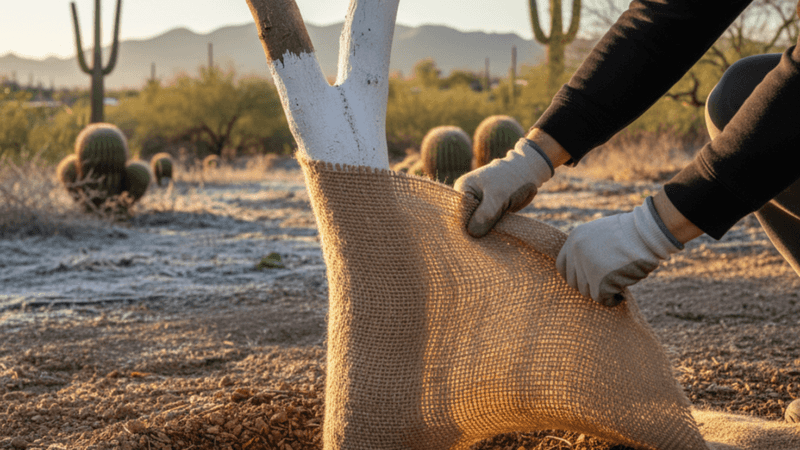
When a frost forecast shows up, young or vulnerable trees are the ones to protect first. Arizona frost guidance suggests loosely wrapping a young trunk with multiple layers of weatherproof paper or cloth.
For broader protection, the citrus cold-protection publication describes covering the whole tree down to the ground with cloth or paper. Reaching the ground matters because the cover traps heat rising from the soil.
Plastic is not the material to use for this method.
These are short-term responses for a cold night, not routine winter habits. Put the cover on in the evening before temperatures drop, and take it off when the weather warms so the tree is not stuck under it.
A cover lowers risk but does not remove it. Very cold nights can still cause damage, which is why variety, moisture, and bare soil all matter too.
Avoid added mulch beyond natural leaf litter
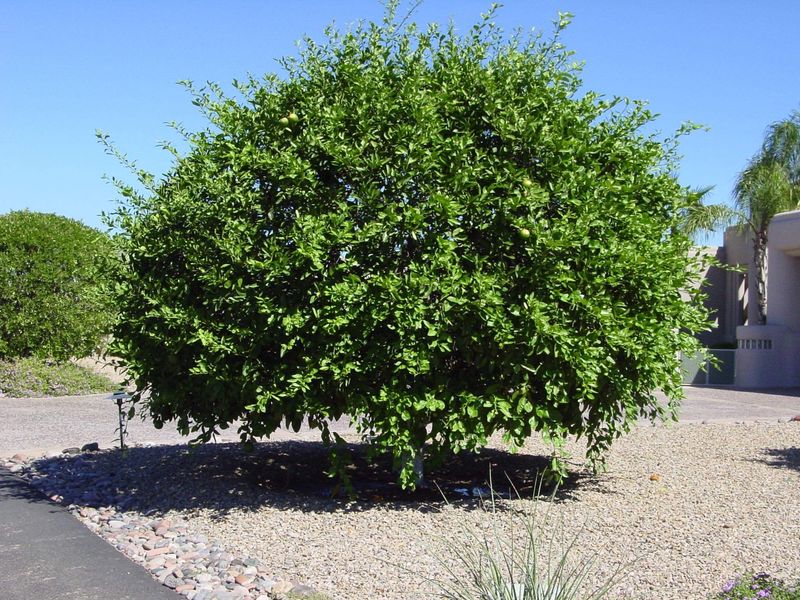
Maybe you want mulch for reasons that have nothing to do with frost. Arizona’s citrus irrigation publication generally does not recommend mulch beyond natural leaf litter, and it warns that heavy mulch can promote soil conditions linked to disease.
The homeowner citrus presentation from Arizona Extension does allow that mulch may be used to cool soil, but it also says mulch is not necessary. If summer heat is your concern, treat mulch as an optional choice, keep it thin, and keep it away from the trunk.
Do not bank mulch or soil against the trunk, and do not bury the graft union. The same homeowner presentation says to plant at or above grade and leave the bud union uncovered.
Mounding soil above the bud union is a separate, freeze-specific tactic for an expected freeze. It is not everyday care.
Use a frost plan, not a fall mulch blanket

Skip the fall mulch blanket and build a simple plan instead. Keep the soil bare and not drought-stressed, know which of your trees are most cold-sensitive, and keep cloth or paper covers ready for nights when frost is forecast.
None of it guarantees a perfect outcome.
A well-prepared yard just gives a tree better odds when the desert turns cold.