Turn Ohio’s Fallen Leaves Into Leaf Mold Instead Of Bagging Them This Fall
Rows of leaf bags lined up at the curb each fall hold more garden value than many Ohio homeowners realize.
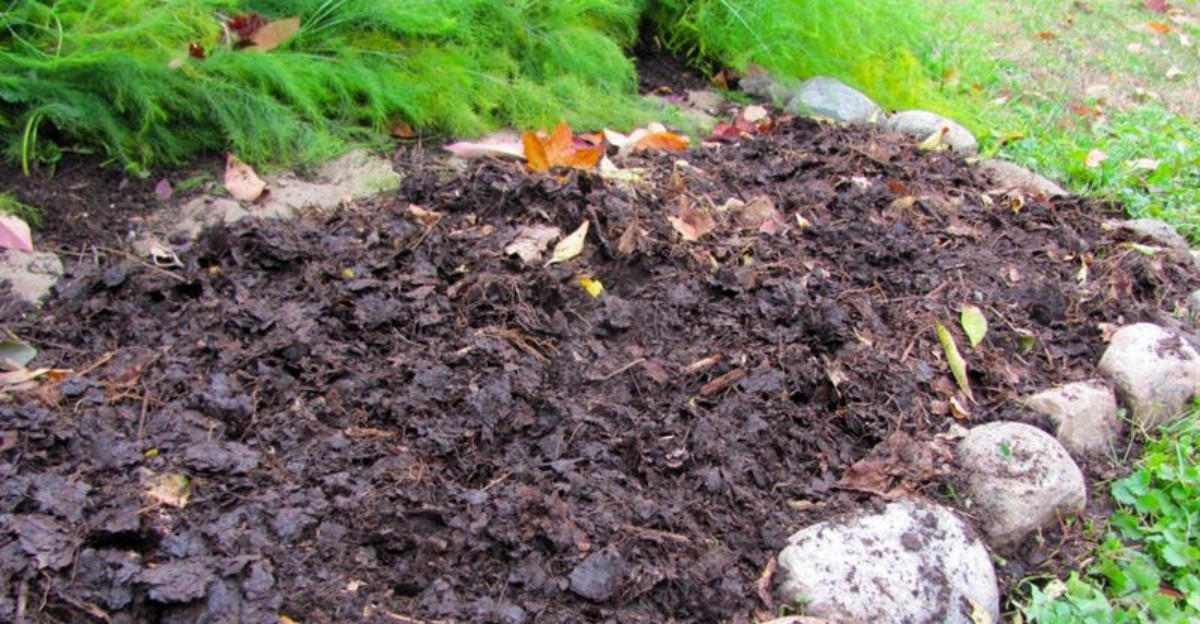
Left to break down on their own, those leaves can become a dark, crumbly material gardeners call leaf mold.
Unlike compost, leaf mold forms slowly through fungal activity rather than heat. It holds moisture well and improves soil structure, making it a favorite for vegetable beds and shady borders.
Shred the leaves with a mower first, since smaller pieces break down much faster than whole ones.
Simple wire bins, or even a pile in a back corner, work fine. Keeping the leaves damp helps, especially during dry stretches in late fall.
Patience is the main ingredient, but the payoff is free soil conditioner instead of another trip to the curb.
1. Raked Leaves Can Turn Into A Rich, Crumbly Soil Builder
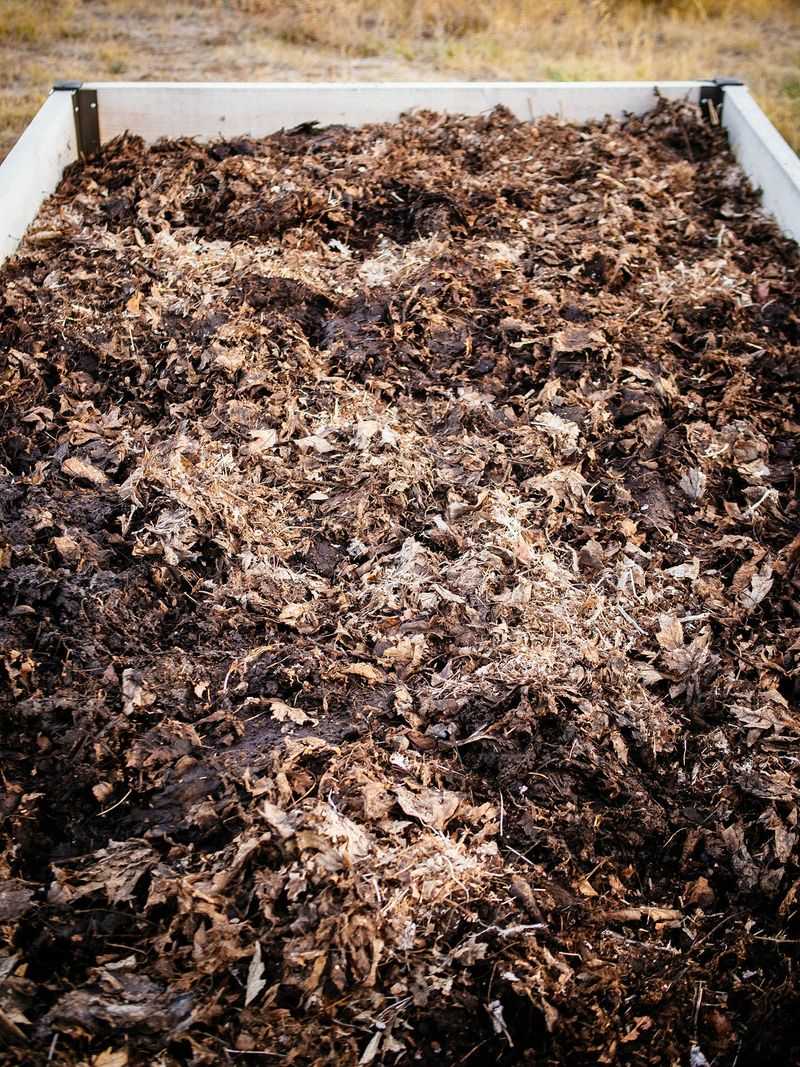
Those brown piles on your lawn are worth more than they look. Given time and moisture, raked leaves can slowly turn into a dark, earthy material gardeners call leaf mold.
Finished leaf mold looks a lot like the soft layer you find under trees in a quiet woodland.
It is not the same as regular compost, which usually mixes kitchen scraps, grass clippings, and other materials. Leaf mold is made from leaves alone, so it tends to be lower in nutrients but very good at improving soil texture.
Think of it more as a soil conditioner than a fertilizer.
Across Ohio, common yard trees like maples, oaks, and sycamores drop plenty of raw material each fall. Maple leaves usually soften faster, while thick oak leaves can take noticeably longer to break apart.
Mixing different leaf types in one pile is perfectly fine and can even help things along.
Gardeners use finished leaf mold as mulch, mix it into vegetable beds, or add it to potting mixes. Some people also spread it around shrubs and perennials to give the soil a softer surface.
Keeping leaves out of plastic bags also cuts down on curbside waste and saves you money on store-bought soil amendments.
Even a small pile can give you a useful batch, though how much you end up with depends on how many leaves you start with, since piles shrink a lot as they break down.
2. Fungi Handle The Breakdown Rather Than Heat
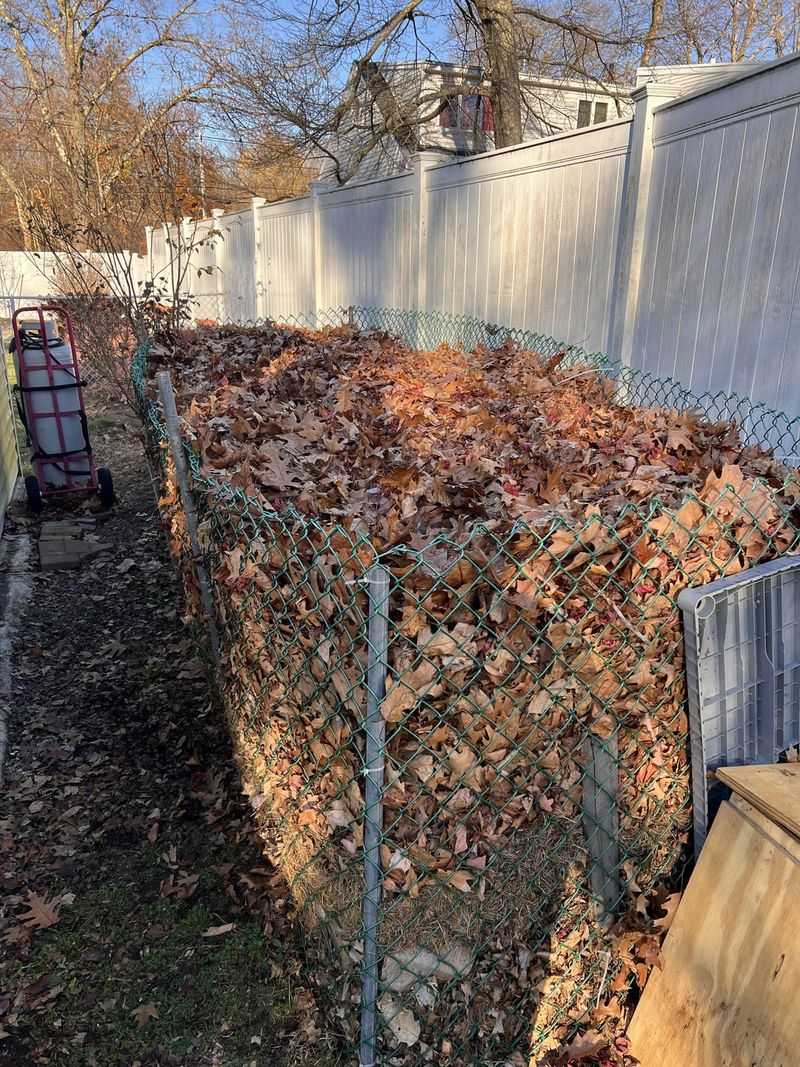
Forget the steaming compost pile you might picture. Leaf mold forms in a cool, slow way that relies mostly on fungi instead of heat.
Regular hot compost depends heavily on bacteria that can warm a pile quickly when it has a good mix of greens and browns.
Leaves alone are high in carbon and low in nitrogen, so they rarely heat up much. Fungi are well suited to this job because they can break down tough leaf materials like lignin that bacteria struggle with.
If you dig into an older pile, you may spot thin white threads running between damp leaves.
Those threads are fungal growth, and seeing them is usually a good sign the process is moving along. They tend to show up in the moist, shaded middle of a pile rather than on the dry top layer.
Your Ohio Garden Changes Every Week. Your Plan Should Too.
Gardening in Ohio changes quickly throughout the season. Every Friday you’ll receive a simple weekly plan showing exactly what to plant, prune, fertilize, harvest, and protect so you never miss the right timing.
Earthworms and other small soil creatures pitch in too, especially where the pile touches bare ground.
Because the work is cool and slow, you do not need to turn the pile often or balance ingredients. Ohio winters will slow activity way down when the pile freezes, and the breakdown picks up again as temperatures warm in spring.
Patience is really the main ingredient here. Let the fungi set the pace, and keep the conditions comfortable for them by holding onto moisture.
3. Running Leaves Through A Mower First Shortens The Wait
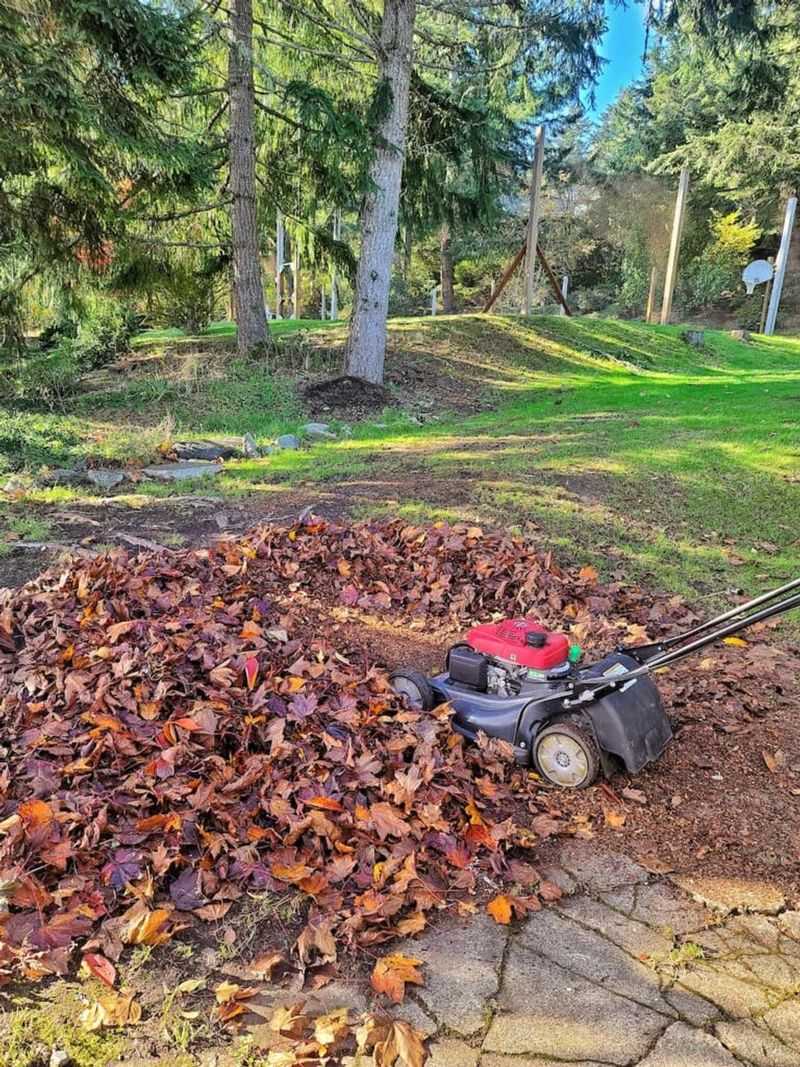
Whole leaves are slow. Chopped leaves are a different story, and your lawn mower can handle the chopping in a single afternoon.
Smaller pieces give fungi and soil life more surfaces to work on, which usually speeds up the breakdown.
Shredded leaves also pack down less into flat, soggy mats. Whole maple leaves in particular can stick together in layers that shed water and slow things down.
A mower with a bagging attachment makes the job easy.
Run over the leaves on the lawn, then empty the bag right onto your pile. If you lack a bagger, you can mow the leaves into rows and rake up the chopped bits afterward.
Dry leaves usually shred more cleanly than wet ones, so pick a dry day when you can.
In much of Ohio, leaf drop peaks from mid-October into November, though timing shifts with the tree species, the year, and how far north you live. Plan to mow a few times as leaves keep falling rather than waiting for every last one.
Keep safety in mind while you work. Clear away sticks and stones, wear eye protection, and keep hands away from the mower deck.
String trimmers inside a trash can work too, but a mower is often quicker for big yards.
4. A Simple Wire Ring Or Open Pile Works Fine
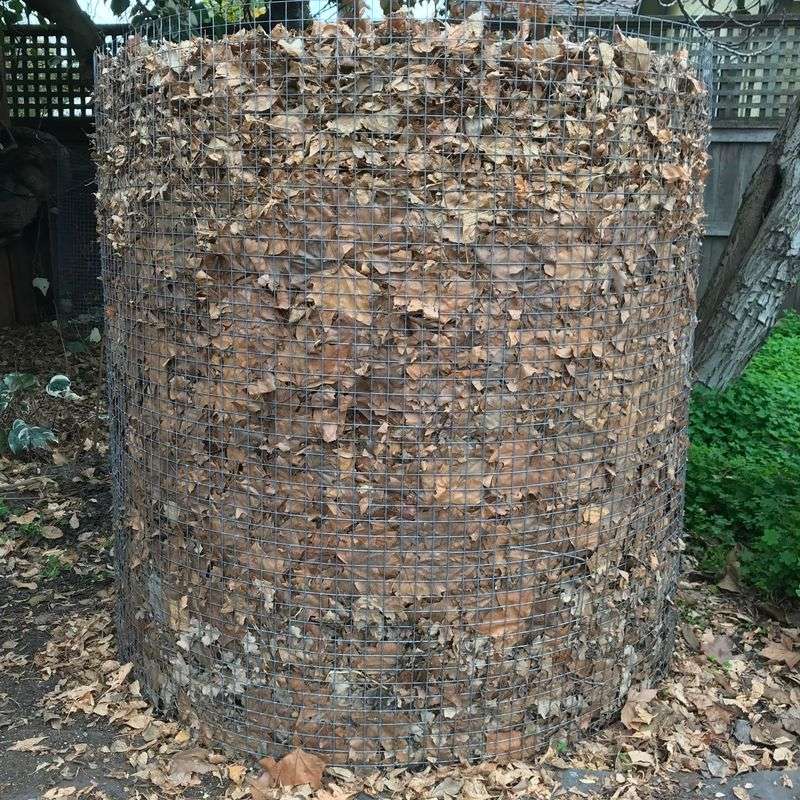
Fancy bins are optional. A loose ring of wire fencing or even a plain pile in a corner can turn leaves into leaf mold just fine.
Wire rings are popular because they keep leaves from blowing around the yard.
Many gardeners use a length of chicken wire or welded wire fencing, bend it into a circle, and fasten the ends together. Some sources suggest a ring at least three feet across and three feet tall so the pile holds moisture well.
Got no fencing on hand? A simple heap works too, though windy days might scatter the top layer.
Pick a spot with some shade if possible, since full sun can dry the pile out faster. Setting it directly on soil also lets worms move in from below.
Plastic leaf bags are another option for small yards.
Fill them with moist, shredded leaves, poke a few small holes for air, and tuck them somewhere out of the way. Bagged leaves can be slower or turn sour if they get too soggy, so check them once in a while.
Here in Ohio, some towns have yard waste rules about where piles can sit, so it helps to check with your city or HOA first. Keeping the pile neat and away from the house makes it easier for neighbors to accept.
5. Keeping The Pile Damp Like A Wrung-Out Sponge Matters
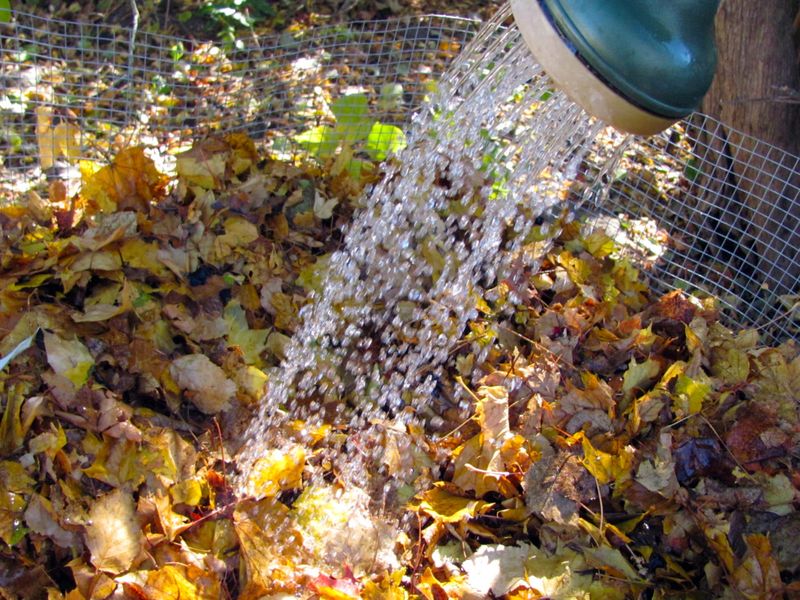
Dry leaves just sit there. Without enough moisture, the fungi doing the real work slow way down, and your pile can stay crunchy for a very long time.
Aim for leaves that feel damp but not dripping, a lot like a sponge you just squeezed out.
Grab a handful from the middle of the pile now and then. If it feels dry and crackly, give it a good soaking with the hose and mix the water in a bit.
Ohio fall rains and winter snow often take care of a lot of the watering for you.
Dry spells still happen, though, especially in late summer or early fall, and a stretch of dry weather can stall progress. Checking every few weeks during warm, dry periods is usually enough.
Wetting leaves as you build the pile helps right from the start.
Too much water can be a problem too. A soggy, packed pile may lack air and develop a sour smell, so fluffing it with a garden fork can help it recover.
Some gardeners lay a tarp or piece of cardboard loosely on top to hold moisture in. That trick can be handy in sunny spots, but leave some airflow so the pile does not turn slimy.
6. Expect Usable Leaf Mold In About Six Months To Two Years
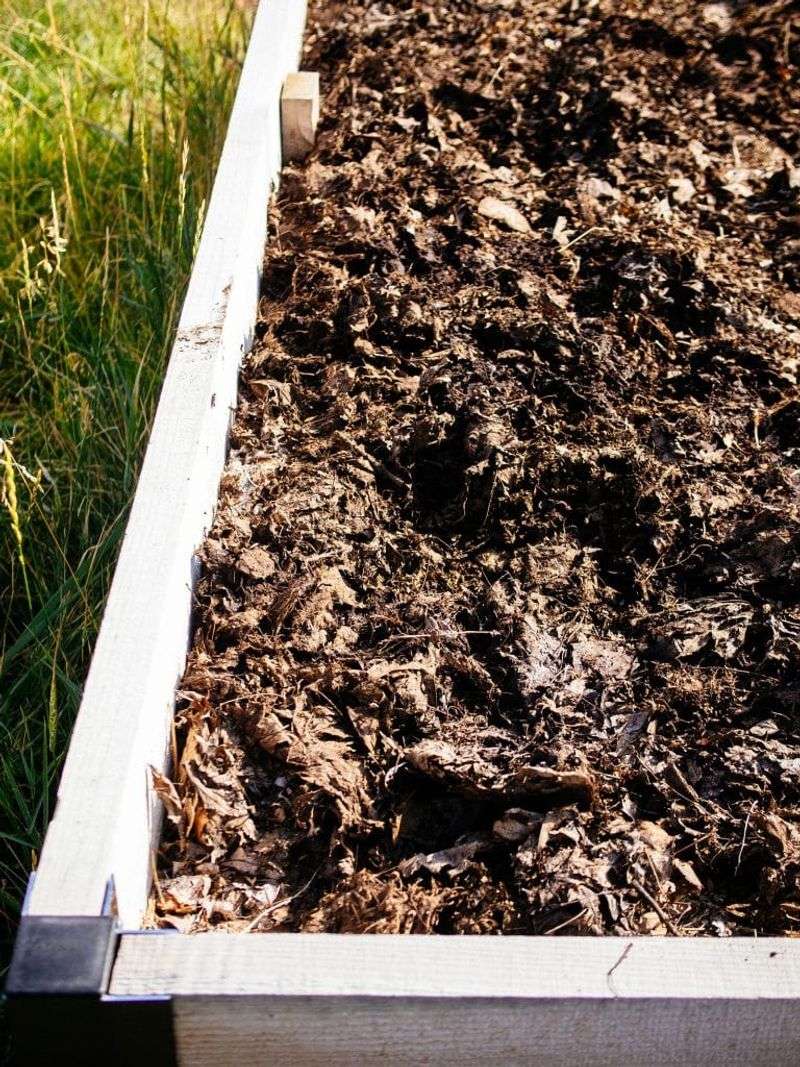
Leaf mold rewards patience more than effort. Depending on your leaves and how you care for the pile, you might have something usable in as little as six months, or it may take two years or more.
Shredded, moist leaves tend to land on the faster end of that range.
Whole leaves, dry piles, and tough types like oak usually sit near the slower end. Shade and cold weather can stretch things out as well.
Winter matters here.
Across Ohio, cold months slow fungal activity, and northern areas near Lake Erie often stay cold longer than southern counties along the Ohio River. That means a pile started in fall may show more change after the following summer than it did over winter.
Partly broken-down leaves are still useful. Many gardeners spread this rougher material as mulch while the rest keeps working.
Fully finished leaf mold is dark, crumbly, and has an earthy smell with few recognizable leaf pieces left.
Starting a new pile each fall gives you a steady rhythm, with one batch ready while the next one is just beginning. Labeling piles by year can save some guesswork later.
Keep in mind that a big heap shrinks quite a bit, so the finished amount may look small compared to what you raked.
7. Finished Leaf Mold Helps Garden Soil Hold Moisture
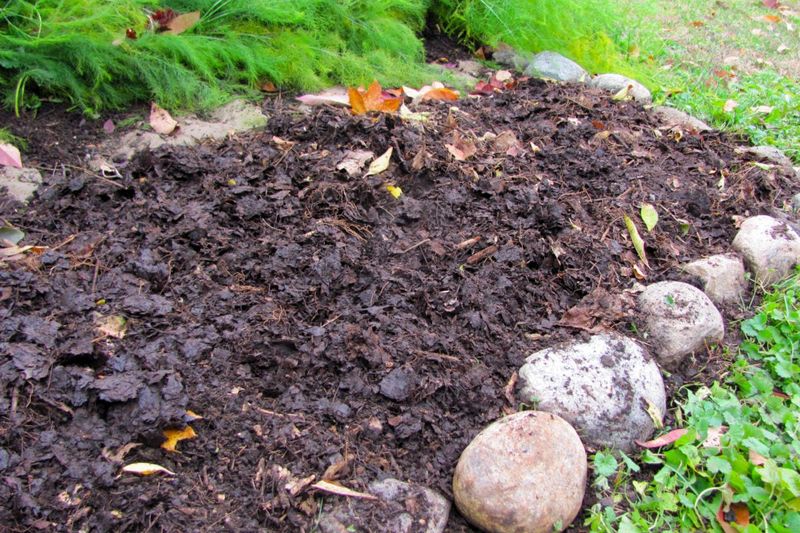
Heavy clay or sandy soil? Either way, finished leaf mold can make a noticeable difference in how your garden handles water.
Leaf mold can hold a good amount of moisture, which may help sandy soils stay damp a little longer between waterings.
In heavier clay, which is common in many parts of Ohio, mixing in organic matter like leaf mold can improve soil structure over time. Results still depend on how much you add and how your soil drains to begin with.
Spreading a layer on top as mulch is one easy way to use it.
A couple of inches around vegetables, perennials, or shrubs can help slow evaporation and keep the soil surface from crusting. Keep it pulled back a little from stems and tree trunks.
Another option is working it into planting beds in spring before you sow seeds or set out transplants.
Since leaf mold is fairly low in nutrients, it does not replace fertilizer when plants need feeding. A soil test through your county Extension office can tell you what your garden actually needs.
Gardeners also add sifted leaf mold to homemade potting mixes or seed-starting blends. Used this way, a pile of last fall’s leaves can quietly support the garden for years to come.