Should California Gardeners Prune Lavender In Late Fall Or Wait Until Spring?
A bare, woody stem on this fragrant shrub rarely sprouts again. One bad cut can leave a permanent gap in an otherwise tidy mound.
I learned that the hard way with a scraggly plant that never filled back in. The timing of the cut matters just as much as where it lands.
You may have heard the fall crowd and the spring crowd argue about it for years. In California, the answer shifts a little depending on whether you garden near the foggy coast, in the hot valleys, or up where real frost shows up.
Personally, I think the best time is neither one of those two choices. The plant itself gives you a clear signal, and most of us walk right past it every summer. So which season do your purple blooms actually prefer, and what happens if you guess wrong?
That Late Fall Haircut on Your Lavender Comes With a Catch
Fresh cuts send a wake-up call to a shrub. When you trim lavender hard in late fall, the plant often pushes out soft new shoots right when nights turn chilly.
Those tender tips have little time to harden before cold weather arrives. In frost-prone parts of California, like the Sierra foothills or high desert, one cold snap can brown them quickly.
Fresh wounds also linger open during the wet season. Winter rain plus cool air gives fungal problems a better chance to settle into cut stems, especially in heavy soil.
Does that mean a fall trim is off-limits for everyone? Not quite. Along the mild coast, frost is rare and a light tidy-up usually causes little trouble.
The real risk comes from heavy cutting late in the year. A hard prune in November asks the plant to regrow when it would rather rest.
I treat late fall as a hands-off season for big cuts. Snipping off a few old flower stalks is fine, but the serious shaping can wait.
Your lavender spends winter quietly building strength in its roots. Leaving its leafy cover in place helps shield the inner stems from cold and drying winds.
Faded Lavender Flower Spikes Tell You When to Grab the Shears
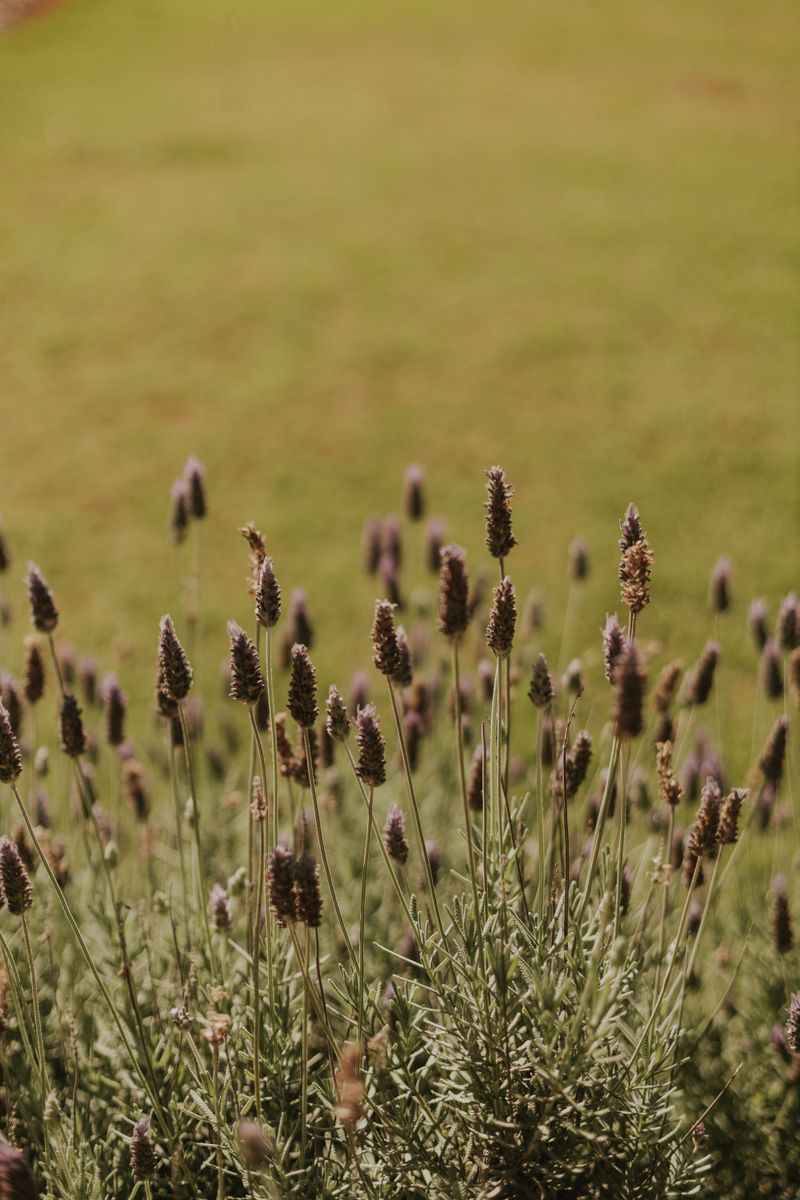
Watch the blooms instead of the calendar. Once the main flush of flowers fades, usually in mid to late summer, your plant is ready for its most important trim of the year.
In much of California, that window falls around July through early September. Cutting then gives the shrub several warm weeks to put out fresh leafy growth before winter.
That new foliage hardens up nicely by the time cooler weather arrives. It also forms a neat, rounded cushion that looks good all season.
So between late fall and spring, which one wins? Spring is the safer of the two for a heavy cut, but right after summer bloom beats both.
My routine is simple. I gather a handful of stems like a ponytail and cut just above the leafy part, removing the spent stalks plus a little foliage.
A bonus comes with this timing. Some types, especially Spanish and French lavender, may reward you with a second round of flowers later in the season.
Save those cut stems too. Bundled and hung upside down in a dry spot, they make lovely sachets for drawers and closets.
Spring Pruning Works Best When Green Lavender Shoots Appear
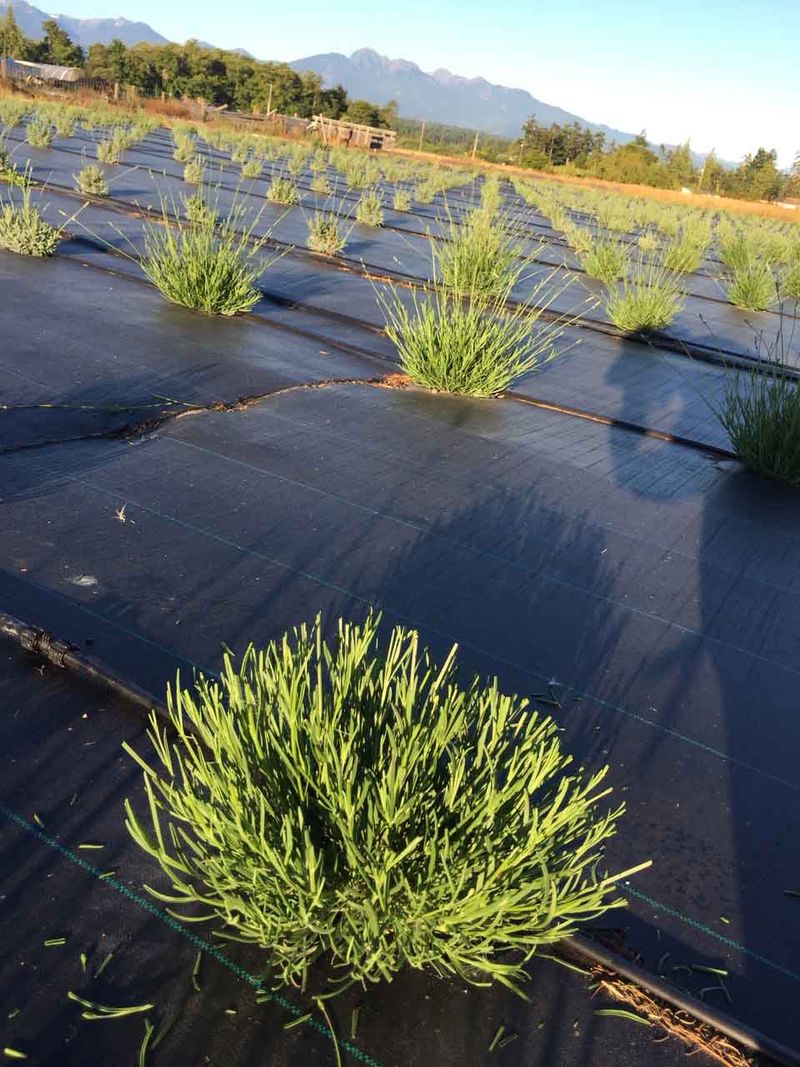
Missed the summer window? You still have a good backup plan.
Early spring is a far better choice than late fall for anyone who needs to tidy up or shape a plant. Wait until you see fresh green shoots sprouting along the stems, which signals the shrub is awake and growing.
Those little shoots act like a map. They show you exactly where live growth is, so you can cut just above them with confidence.
In warm Southern California spots, that may happen in February. In colder inland or mountain areas, it may be closer to April, once frost danger passes.
Keep this spring trim on the lighter side. Remove frost-browned tips, broken pieces, and any stems that flop out of shape.
Hold back on heavy cuts if flower buds are already forming. English lavender blooms on new spring growth, and chopping too much at the wrong moment can mean fewer flowers in early summer.
I like to think of spring as a quick touch-up rather than a full makeover. A few minutes with clean shears gets the plant looking sharp for the season ahead.
Bare Woody Lavender Stems Rarely Bounce Back After Cutting
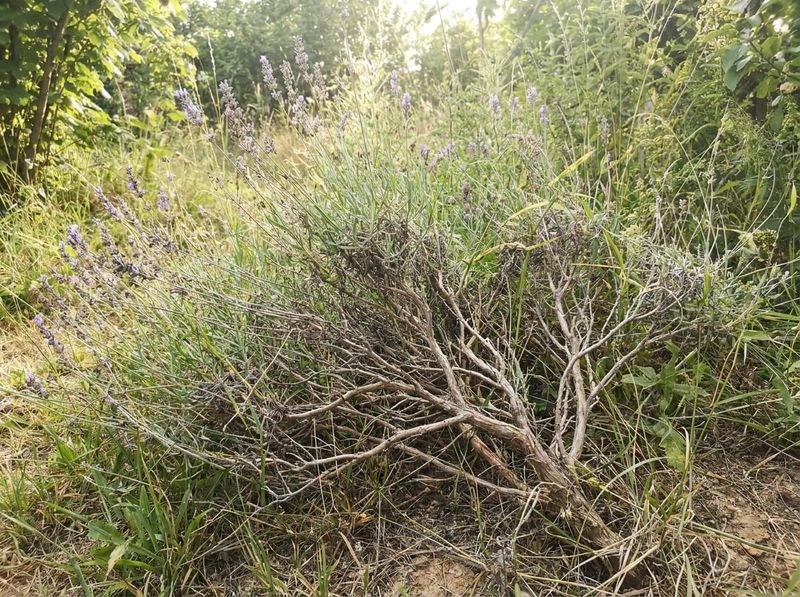
Here is the rule I wish I had learned sooner. Lavender rarely sprouts new growth from old, bare wood that has no leaves on it.
Many shrubs bounce back from a hard cut, so this surprises plenty of people. Lavender is a small woody shrub, and its older stems usually lose the ability to form new buds.
Cut below the green into that gray, twiggy base, and you may end up with a bald patch. Sometimes the whole stem simply stays bare.
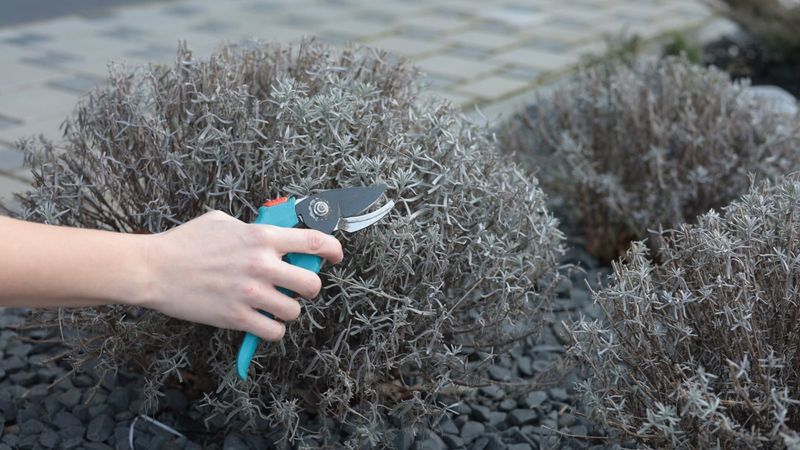
The fix is easy. Leave at least a couple of inches of leafy growth on every stem you trim.
Before cutting, look closely at the stem. Find where the green leaves stop and the bare wood begins, then make your cut well above that line.
Got an old, leggy plant already? Small, gradual trims over a couple of seasons can help, but plants past about five to ten years old often decline anyway.
In that case, taking softwood cuttings in spring or early summer is a smart move. You can root a fresh young plant and replace the tired one without spending a dime.
English, Spanish, and French Lavender Each Like a Different Trim
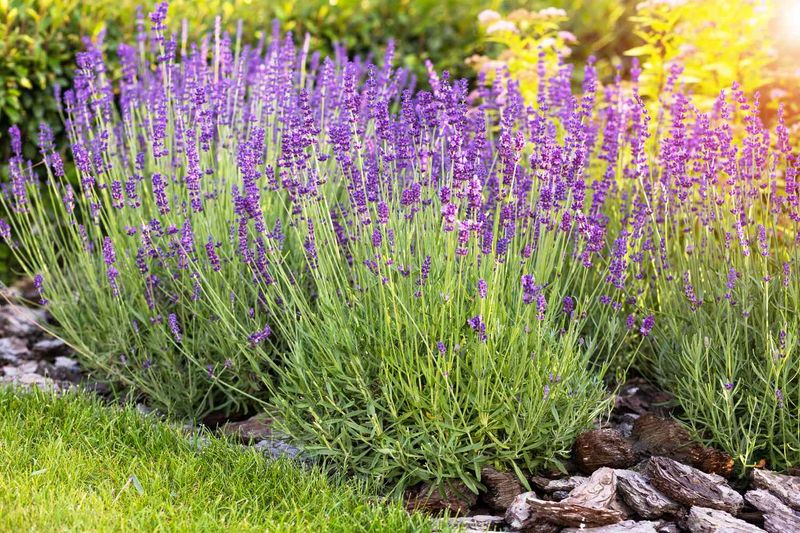
Not all lavenders share the same personality. Knowing which one you own can change how boldly you prune.
English lavender, Lavandula angustifolia, is the tough, tidy type. It handles a fairly firm post-bloom trim, often about one-third to one-half of its height, as long as green leaves remain.
Lavandin, a hybrid called Lavandula x intermedia, grows bigger with long flower wands. Varieties like Grosso and Provence respond well to a similar summer cut that leaves a rounded mound.
Spanish lavender, Lavandula stoechas, wears those cute rabbit-ear petals on top. It blooms early and repeatedly in mild California climates, so lighter, frequent trimming suits it better than one big chop.
French lavender, Lavandula dentata, has toothy, frilly leaves and can bloom for much of the year near the coast. It also prefers gentle trims rather than heavy pruning.
Fun fact: the name lavender likely traces back to the Latin word lavare, meaning to wash. Romans reportedly scented bath water with it.
Not sure what you have? Check the plant tag, or snap a photo and ask at your local nursery.
A Split, Floppy Lavender Mound Usually Means Missed Trims
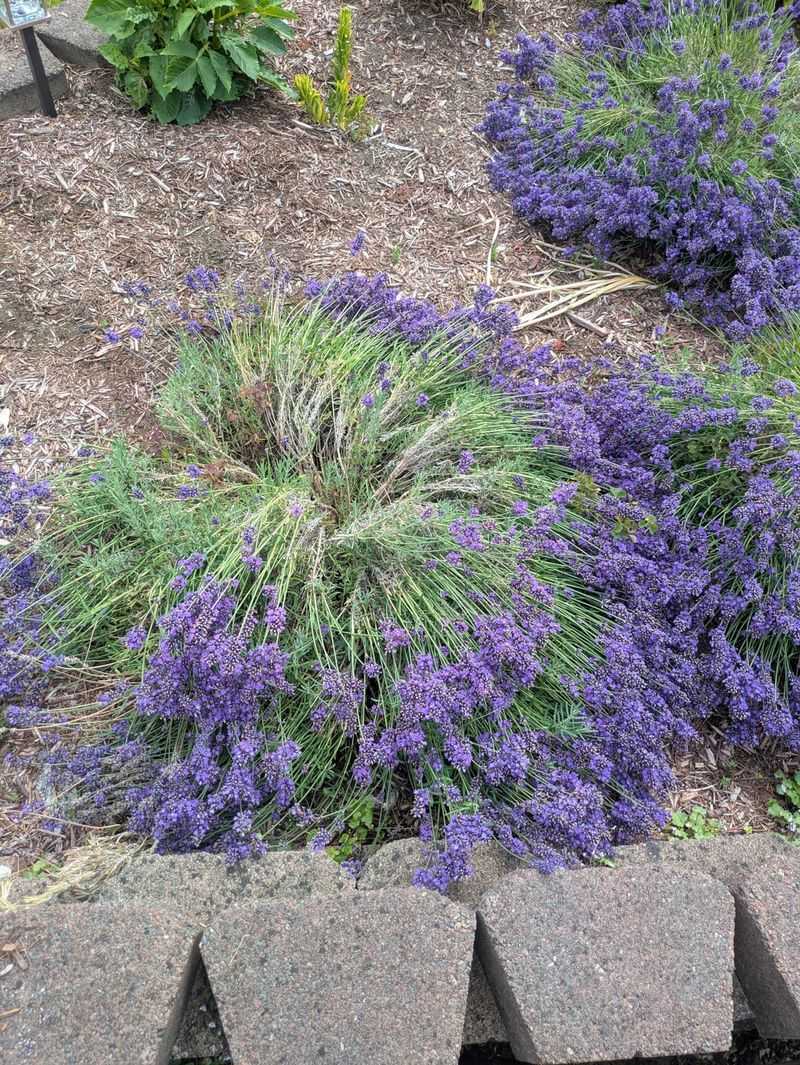
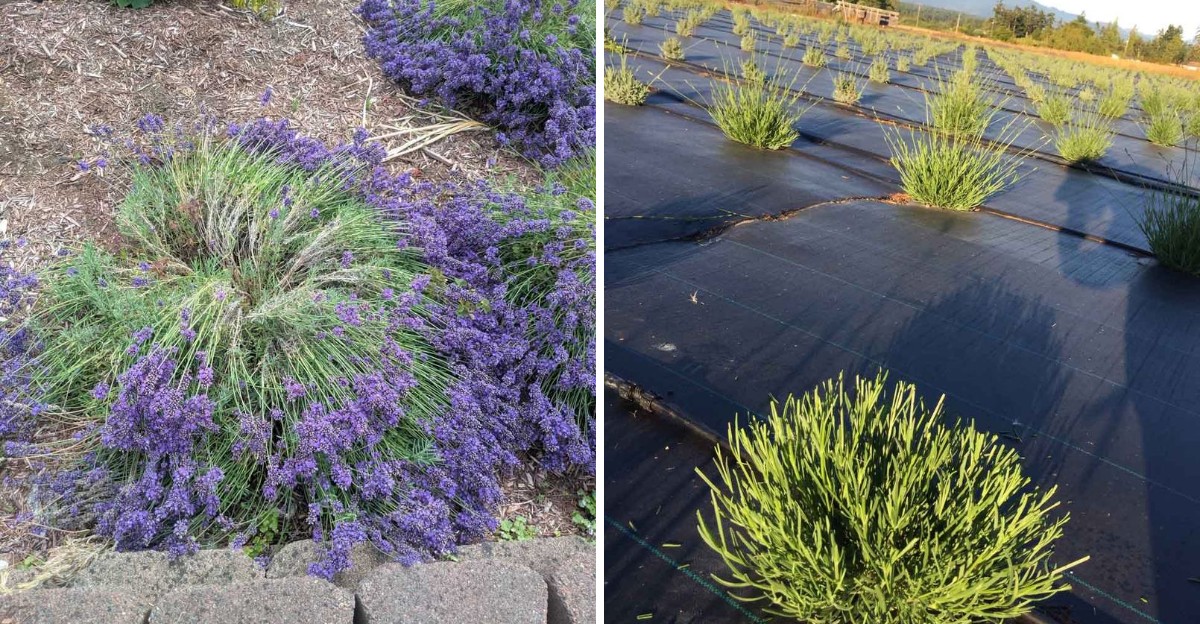
Ever seen a lavender plant that looks like it got sat on? The center flops open, stems sprawl outward, and the middle turns into a nest of gray twigs.
That sad shape usually comes from years of skipped pruning. Without regular trims, lavender stretches upward, gets woody fast, and grows heavy at the top.
Once the stems get long and top-heavy, rain or wind can pull them apart. After that, the split center rarely fills back in on its own.
Yearly trimming keeps the plant compact and dense. Each cut encourages branching from leafy parts, which builds a thick, rounded mound.
Start this habit early. Young plants trimmed lightly during their first year or two develop a sturdy, bushy frame that holds up much better over time.
I like shaping mine into a soft dome, a bit like a scoop of ice cream. That rounded form sheds rain well and keeps air moving through the branches.
Good airflow matters more than it sounds. Dense, damp centers can invite rot, while a well-shaped plant stays drier and healthier through the cooler months.
Sunny Spots and Dry Soil Keep Your Lavender Thriving Year-Round
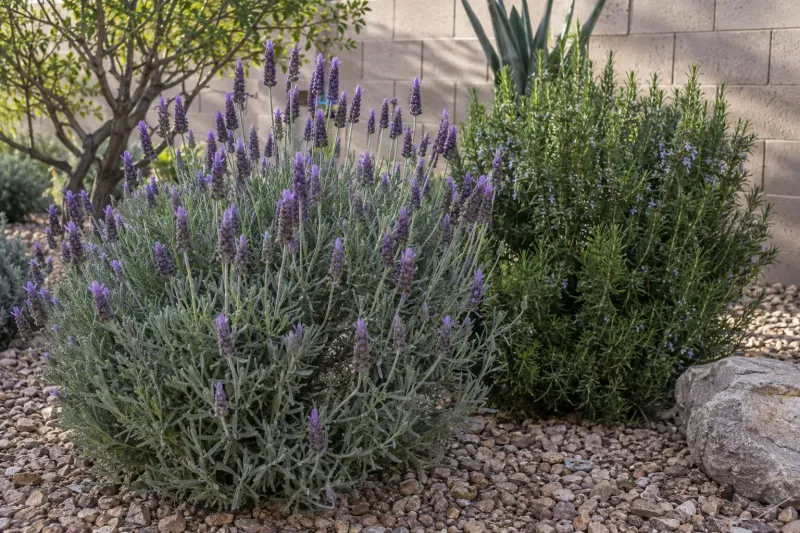
Pruning gets plenty of attention, but soil and water decide much of the story. Lavender comes from the dry, rocky hillsides of the Mediterranean region, and much of California has a similar climate.
Give it full sun, at least six to eight hours a day. Shady spots lead to weak, stretched stems and fewer blooms.
Drainage matters most of all. Heavy clay that stays soggy is a common reason lavender struggles, since wet roots invite root rot.
Try planting on a small mound or slope, or mix in gravel to help water drain away. Skip rich compost and heavy fertilizer, because lean soil keeps the plant tighter and more fragrant.
Watering is where many of us go wrong. Once established, lavender usually needs only occasional deep watering in summer, and winter rain often covers the rest.
Put it all together for an easy yearly rhythm. Trim right after summer bloom, do a light touch-up in spring if needed, and save late fall for rest.
Bees and butterflies will thank you. A well-cared-for lavender patch keeps buzzing with pollinators for many seasons.