What To Do If A Copperhead Bites You While Clearing Leaves In South Carolina
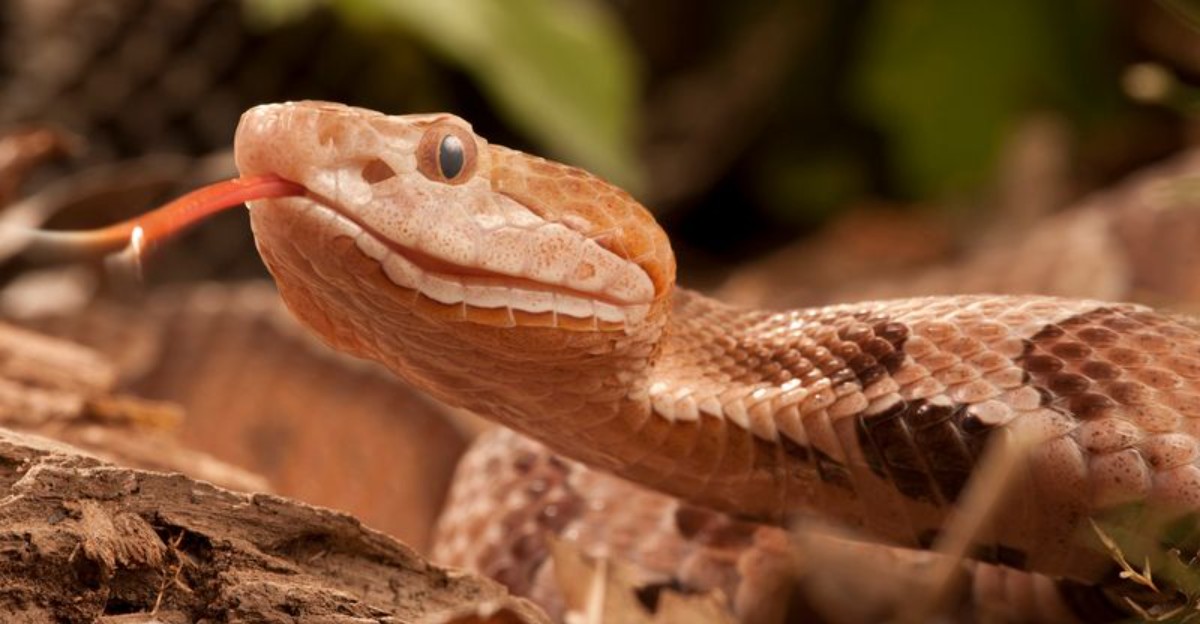
Some venomous babies in the Southeast are born with a sulfur-yellow tail tip they wiggle like a worm to trick hungry frogs. They arrive in late summer and early fall, right when the oak leaves start piling up. Not going to lie, that detail made me look at my rake differently.
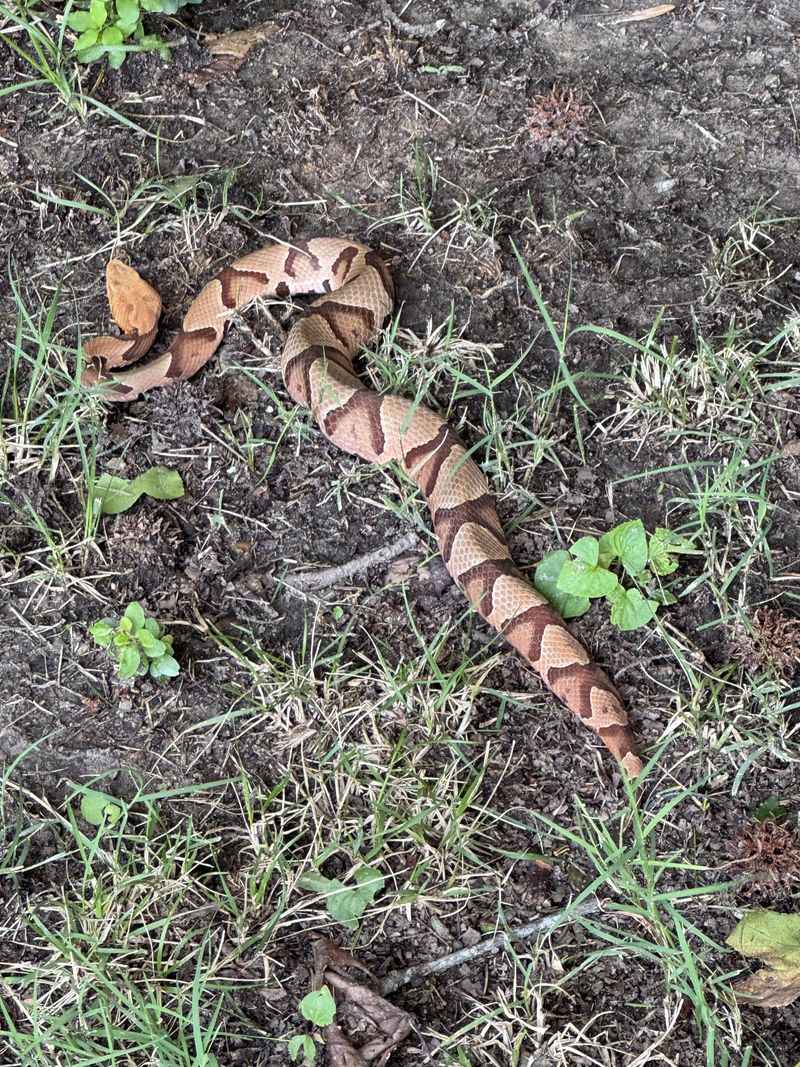
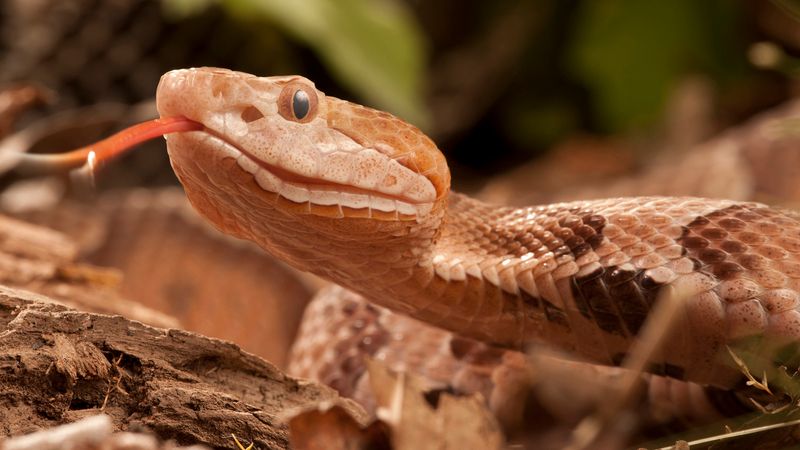
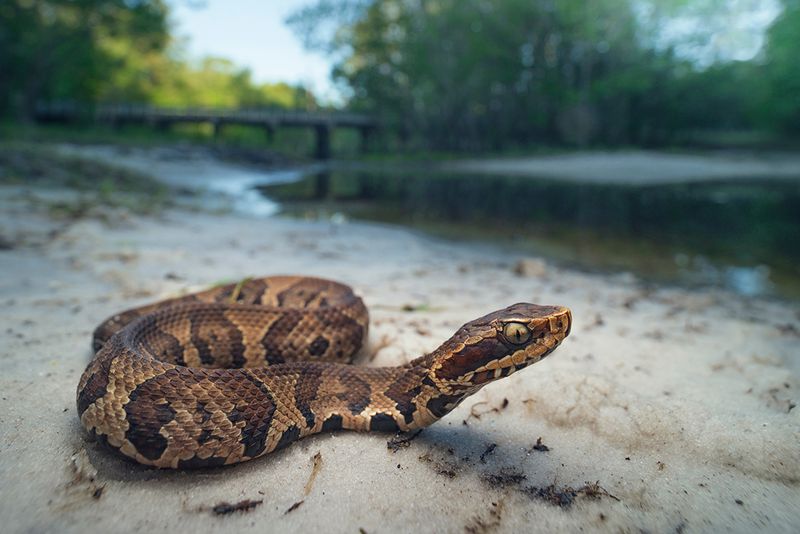
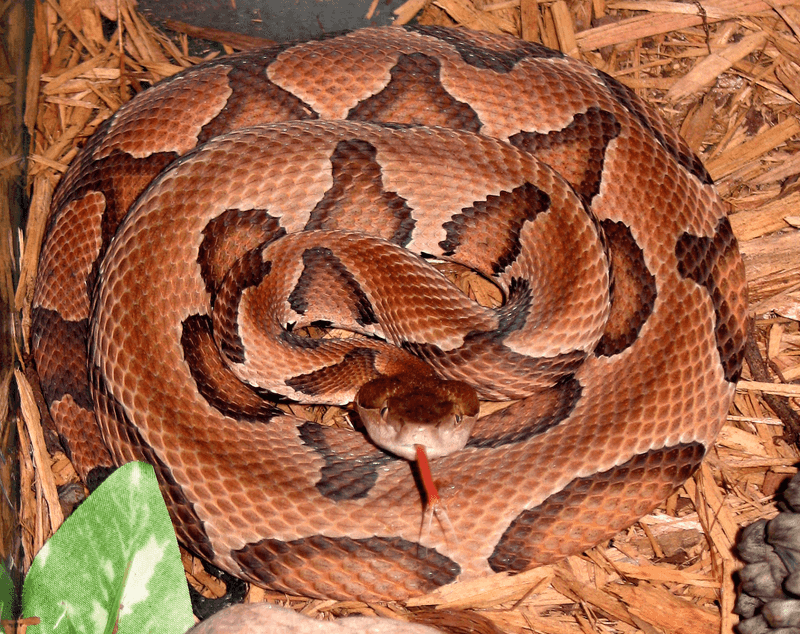
Their skin is patterned in tan and chestnut bands that match fallen leaves almost perfectly. Most bites happen when a hand or foot lands on one resting quietly under the litter. Even a careful gardener can miss one.
Every fall, I spend whole weekends clearing leaves in my South Carolina yard. I used to work barehanded and in sneakers, but those days are over.
So what should you do in the first few minutes after a sharp sting in the leaf pile? The answer is simpler than the old campfire stories suggest.
That Coppery Snake In The Leaf Pile Wasn’t Out To Get You
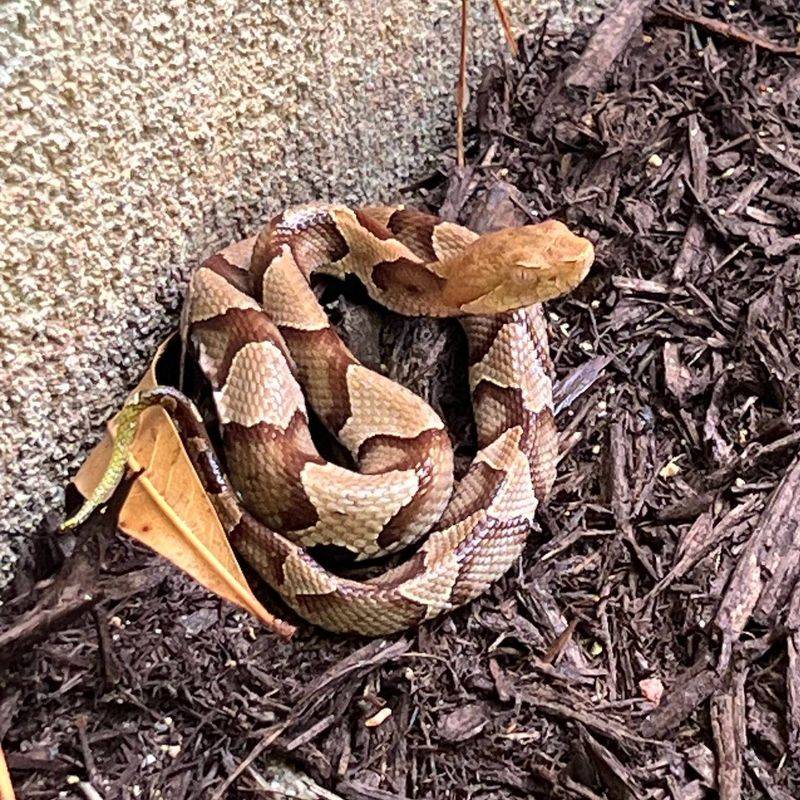
Copperheads are the most common venomous snake across South Carolina, and they show up everywhere from mountain ridges to coastal suburbs. Their hourglass-shaped bands look like scattered oak and hickory leaves. Honestly, that camouflage is impressive, even if it makes my knees wobble.
Fall is a busy season for them. Females give birth to live young from about August through October, and the newborns already carry working venom. Adults also bask on warm afternoons before heading to winter shelters under logs, rocks, and deep leaf litter.
Here’s what most folks get wrong. These snakes are not chasing anyone. They rely on staying still, and many will freeze instead of fleeing when a rake comes close. A bite usually happens because a hand grabs a pile or a boot lands right on top of one.
Wildlife experts note that copperhead venom is the mildest among our pit vipers, and bites rarely threaten a healthy adult’s life. Still, the venom damages tissue and can cause serious pain and swelling. Treat every bite as a medical emergency, even when the snake looks small.
Knowing that helps you stay calm, which matters more than you might expect during the next few minutes.
Call 911 And Get To An Emergency Room Fast
Drop the rake and back away from the leaf pile first. A second bite is the last thing you need, and the snake will usually stay put or slip off on its own.
Next, call 911 or have someone drive you to the nearest emergency room right away. Medical guidance from the CDC and state health experts agrees on this point. Please skip driving yourself, since dizziness, nausea, or a sudden drop in blood pressure can hit without much warning.
Waiting to see if symptoms show up is a gamble. Some bites are dry, meaning little or no venom was injected, but nobody can tell that at home. Doctors usually watch snakebite patients for at least eight hours, and sometimes longer, because swelling can build slowly.
While help is on the way, call the Palmetto Poison Center at 1-800-222-1222. Specialists answer around the clock, and they can guide you and even talk with the hospital team about your care. Save that number in your phone today so you aren’t searching for it with a throbbing hand.
One more tip from my own playbook: tell someone you’re doing yard work alone. A quick text before you start costs nothing.
Keep The Bitten Arm Or Leg Still And Lose The Rings
Swelling from a pit viper bite can move fast, and a wedding ring can turn into a real problem within an hour. Slide off rings, watches, bracelets, and even tight gloves on the bitten side as soon as you can. Trust me, cutting a swollen ring off later is no fun.
Sit down and try to stay calm. Keep the bitten arm or leg still and in a comfortable, relaxed position, roughly at the level of your heart. Moving around or walking long distances can make things feel worse, so let someone else fetch the car keys.
Gently wash the wound with soap and water if it’s handy. Then cover it loosely with a clean, dry bandage. Loose is the key word here.
Grab a pen or marker next. Draw a line at the edge of the swelling and write the time beside it, then repeat every 15 minutes or so. Emergency doctors love this simple record because it shows how quickly the venom is spreading through the tissue.
Snap a photo of the snake only if you can do it from a safe distance. Doctors treat the symptoms, not the species, so a picture is a bonus rather than a must.
Skip The Tourniquet, Ice, And Snakebite Suction Kits
Old Westerns have a lot to answer for. Cutting an X over the fang marks and sucking out venom looks heroic on screen, but it causes extra tissue damage and invites infection. Doctors and wildlife experts agree it does nothing helpful.
Tourniquets are another hard pass. Tying off a limb traps venom in one spot, which can make local tissue injury much worse and may even cost function in fingers or toes. Tight wraps and pressure bandages fall into the same category for pit viper bites.
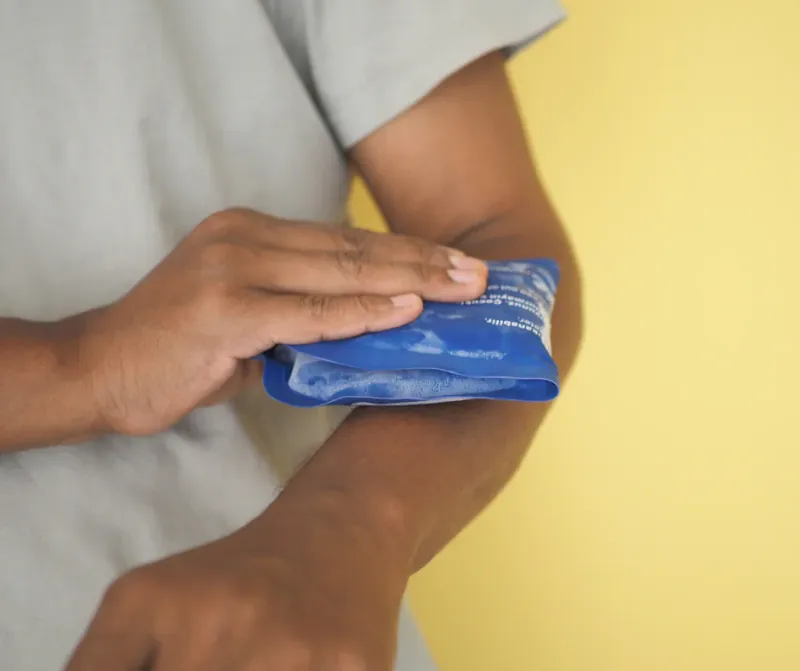
Ice feels like it should help a hot, swollen bite. Sadly, cold packs and soaking the limb in icy water can harm already stressed tissue. Electric shock remedies and pump-style snakebite kits from the camping aisle also fail to remove meaningful amounts of venom.
Watch what goes in your body, too. Skip aspirin, ibuprofen, and naproxen, since they can affect bleeding, and venom may already be doing that. Caffeinated drinks can wait as well.
Not going to lie, I owned one of those suction kits for years. It now lives in the trash, and my phone with the poison center number does the real work. Lesson learned.
Swelling And Bruising Around The Fang Marks Tell A Story
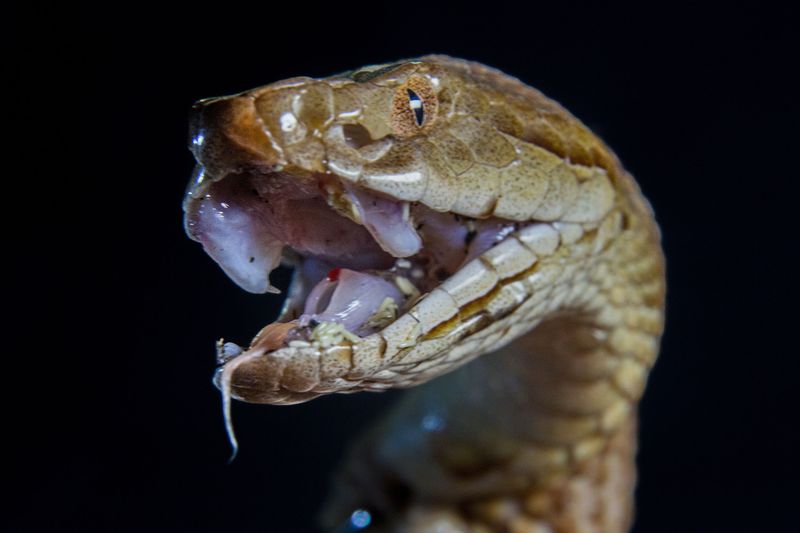
Pain usually shows up first, and it shows up fast. Most people describe a burning or throbbing ache within minutes of the bite. You’ll often spot one or two small puncture wounds, though sometimes only a scratch is visible.
Swelling tends to spread outward from the bite over the next few hours. Redness, bruising, and a purplish color around the area are common. Blood-filled blisters may form too, which looks alarming but is a typical reaction to copperhead venom.
Some symptoms reach beyond the bite itself. Nausea, vomiting, sweating, weakness, dizziness, and a strange metallic or rubbery taste in the mouth can all happen. Tingling around the lips or face is another sign worth reporting to the medical team.
Hands take the brunt of many fall bites, since gardeners scoop leaves without looking. Finger and hand swelling can be dramatic because there’s so little extra room under the skin. Ankle bites happen to folks wearing sandals or low shoes in the yard.
A rare allergic reaction to venom can cause hives, wheezing, or throat tightness. That calls for 911 immediately. Kids and older adults may also react more strongly, so watch them closely.
Copperhead Antivenom At The Hospital Works Better Than You’d Expect
Antivenom has come a long way since the days of horse-serum reactions. Hospitals today mostly use CroFab, which is approved for copperhead bites, and some also carry Anavip. They’re given through an IV and work by binding up venom before it causes more harm.
Not every patient needs a dose. Doctors look at how fast swelling is spreading, blood test results, and how you feel overall. Mild bites may only require observation, pain control, and elevation once you’re settled in a hospital bed.
Research on copperhead bites has shown that people who receive antivenom often regain normal limb function faster than those who don’t. That finding changed how many emergency physicians approach these cases. Treatment works best when started early, which is one more reason to skip the wait-and-see plan.
Expect blood draws every few hours. Clotting tests and platelet counts help the team track how the venom is behaving. Don’t be surprised by an overnight stay.
Smaller rural hospitals in South Carolina may stock limited supplies, and some patients get transferred to larger centers. Calling 911 lets paramedics route you to the right place. Ask your doctor about a tetanus booster, too, since snake fangs aren’t exactly sterile.
Healing A Swollen Hand After A Copperhead Bite Takes Patience
Leaving the hospital is a milestone, but healing often takes longer than people expect. Studies of copperhead bite patients found that many still had pain, stiffness, or trouble with daily tasks two to four weeks later. Some needed even more time.
Follow-up visits matter. Doctors may recheck your blood a few days after discharge, especially if you received antivenom, since clotting problems can sometimes return. Watch for unusual bruising, bleeding gums, nosebleeds, or blood in your urine, and call right away if any show up.
Keep the limb raised when you rest, and ease back into gripping, walking, and bending. A physical or occupational therapist can be a huge help after a hand bite. I’d rather do boring finger exercises for a month than lose grip strength for a season.
Signs of infection deserve attention too. Increasing redness, warmth, pus, or fever after the first few days are reasons to call your doctor.
Give yourself grace on the yard work. The leaves will still be there next weekend, and a neighbor or teenager with a leaf blower can handle the rest. Your garden can wait while your body does the slow, steady work of repair.
Leather Gloves And A Long Rake Make Fall Leaf Cleanup Safer
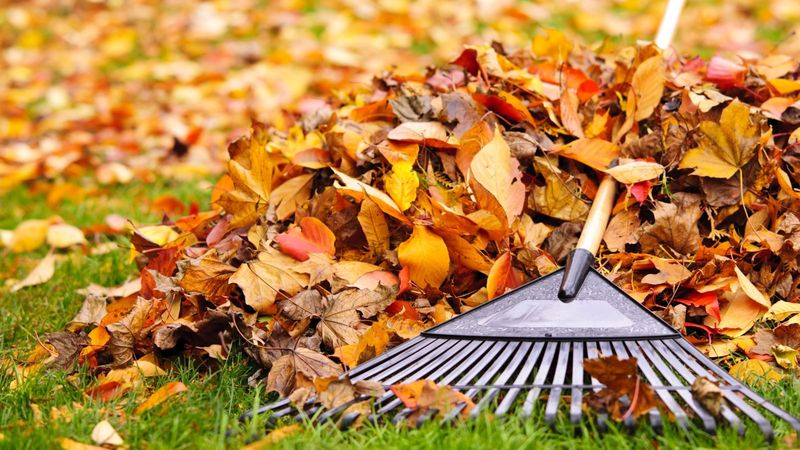
My favorite fall upgrade cost about twenty dollars: a pair of thick leather work gloves. Pair them with sturdy boots and long pants, and you’ve covered the spots where most yard bites land.
Tool choice matters as much as clothing. A long-handled rake or leaf blower keeps your hands far from the pile, and a quick tap on the leaves before scooping gives any hidden snake a chance to move. Use a flashlight or wait for daylight, since copperheads often hunt on warm evenings in early fall.
Clutter invites trouble. Woodpiles, rock stacks, and old boards attract mice, and mice attract snakes, so keep firewood raised off the ground and away from the house. Shred or bag leaves instead of letting deep piles sit against foundations and fences for weeks.
Leave any snake you spot alone and give it plenty of room. Many bites happen when people try to catch or harm one, and a wildlife removal pro can relocate a copperhead that settles too close to your porch. Harmless lookalikes, like young rat snakes and corn snakes, also help control rodents.
Above all, save the Palmetto Poison Center number before you rake. Being prepared is the best garden tool you own.