Should You Bag Your Florida Grass Clippings In September Or Leave Them On The Lawn
Bag it or leave it? Florida homeowners have been guessing wrong on this one for years.
Grass clippings aren’t trash, they’re a decision. Toss them every time and you might be hauling away exactly what your lawn needs to handle September’s mood swings between downpours and dry spells.
Leave them down without a second thought, and you could be setting up a different mess entirely.
Mowing frequency changes the answer. So does how thick those clippings land once they hit the ground.
Get either piece wrong and the choice backfires on you fast.
Next time you finish a pass, look down before you decide. The bag isn’t the real question here.
1. Leave Clippings Behind To Feed Your Lawn
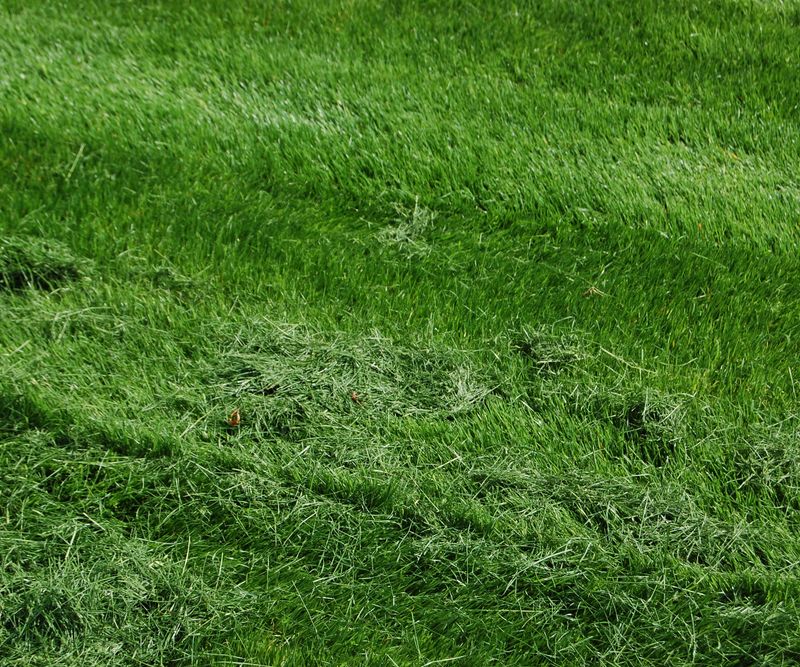
Think of those tiny green flecks as free fertilizer that never needed a trip to the garden center. As clippings break down, they hand nitrogen, phosphorus, and potassium right back to the soil.
University research suggests recycled clippings can supply roughly one-third of the nitrogen your turf uses in a year. That is a real chunk off your fertilizer budget, especially in a state where lawns grow hard for nine or ten months.
There is a second bonus that matters during Florida’s warm stretch. Fine clippings shade the soil surface slightly, helping it hold moisture between storms and irrigation cycles.
Grass blades are mostly water, somewhere around 80 percent, so they shrink fast and vanish within days. You will rarely see them a week later if your blades are sharp and you mow on schedule.
In many Florida communities, September falls within seasonal fertilizer restriction periods, so returning clippings can provide nutrients without relying on added fertilizer. Returning clippings gives your turf a mild nutrient boost without breaking local rules.
The habit costs nothing and saves you the stooping, hauling, and bag-swapping routine. Fewer trips to the curb, fewer paper bags, and a lawn that quietly feeds itself.
Give it a try on one section first. Most homeowners notice deeper color within two or three cuts.
2. Bag The Clumps That Smother Grass Below
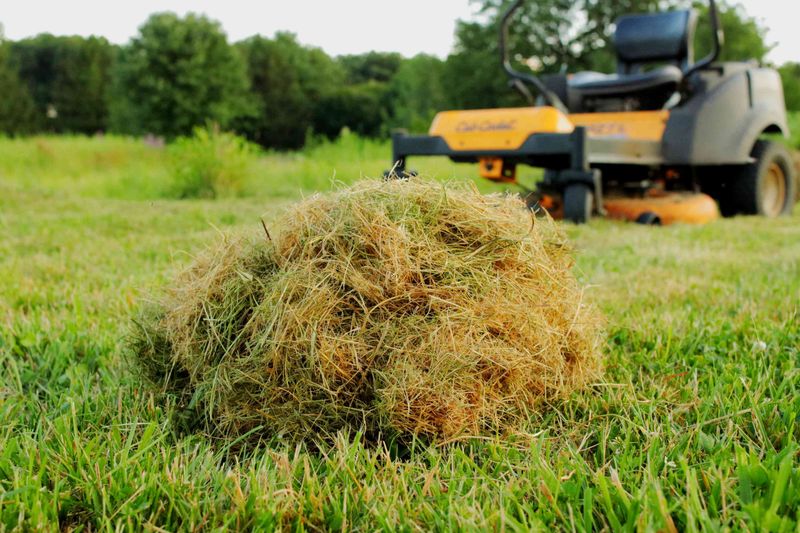
Ever walked across your yard after mowing and felt a squishy green pancake under your heel? That pile is the signal to grab the bagger.
Wet, heavy clumps behave nothing like scattered clippings. Instead of breaking down, they sit there like a wet towel, blocking sunlight and airflow from the blades underneath.
Give those spots a few humid days and you may find pale, yellowed patches hiding below. In Florida’s moisture, those shaded pockets also become cozy homes for fungus.
The same problem shows up when a lawn gets away from you. Miss a couple of weeks in September, and the clippings you produce will be long, stringy, and slow to shrink.
A simple fix works well here: rake or blow the clumps apart if they are light, or bag them if the pile is thick. You can also make a second pass over the area with the mower to chop the material finer.
Your Florida Garden Changes Every Week. Your Plan Should Too.
Gardening in Florida changes quickly throughout the season. Every Friday you’ll receive a simple weekly plan showing exactly what to plant, prune, fertilize, harvest, and protect so you never miss the right timing.
Some homeowners mow a bit higher first, wait two or three days, then trim again at normal height. Two gentle cuts beat one drastic scalping every time.
Keep an eye on the edges of your discharge path, since clumps love to gather there. A quick walk-through after mowing catches trouble before it settles in.
3. Return Nutrients Without Creating Thatch Problems
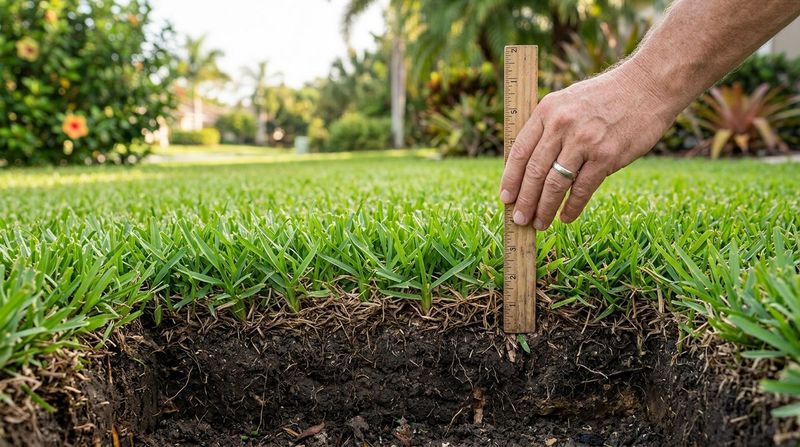
Here is a myth that refuses to fade: clippings cause thatch. Turf specialists have long explained that grass clippings are not the main cause of thatch buildup.
Thatch is built from tough, slow-rotting plant parts like stems, roots, stolons, and rhizomes. Leaf blades are soft and watery, so they decompose far too quickly to pile up.
A thin thatch layer, under about half an inch, actually does your lawn favors. It cushions the soil, buffers temperature swings, and slows evaporation during dry spells.
Trouble starts when thatch gets thick, and the usual culprits are heavy nitrogen feeding, compacted soil, and skipped mowings. Clippings sit far down that list, if they appear at all.
Aggressive growers like some St. Augustine and Bermuda varieties can build spongy layers on their own. If your mower wheels sink and the turf feels bouncy, pull a small plug and measure the brown layer between soil and green blades.
Should it run past an inch, look into vertical mowing or core aeration rather than blaming your clippings. Spring or early summer suits that work better than the soggy tail of the wet season.
Regular mowing remains the best protection. Trim often, keep blades sharp, go easy on fertilizer, and recycled clippings will stay a benefit instead of a burden.
4. Watch September Rain Change The Clipping Decision
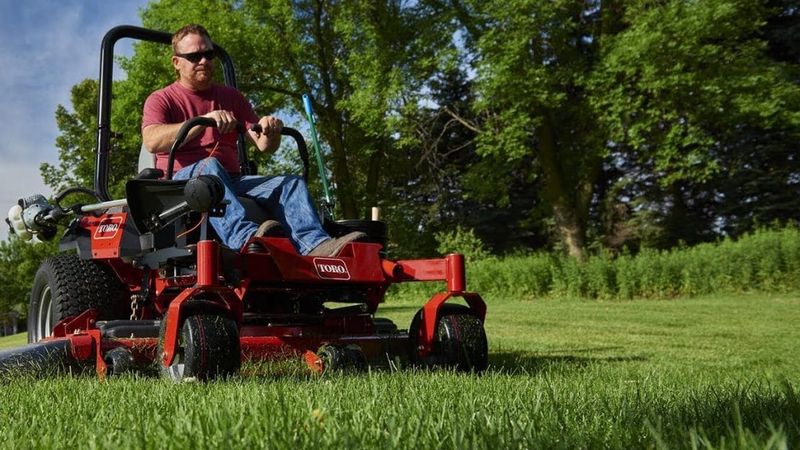
September in Florida is the wet season’s grand finale, and the sky rarely asks permission. Afternoon downpours can drop an inch before your iced tea melts.
Saturated turf changes everything about mowing. Wheels rut the soft ground, blades tear instead of slicing, and clippings glue themselves into gummy ribbons inside the deck.
Those soggy ribbons drop out in lumps rather than spreading evenly. Add warm nights and high humidity, and you have handed fungal problems an open invitation.
Waiting helps more than you would think. Let the surface dry for several hours after rain, or mow in the late morning once dew has burned off and before the storm clouds gather.
Should the grass have shot up while you waited out three rainy days, raise the deck for that first pass. Then bag or scatter anything that lands in heavy rows.
Soggy soil also limits oxygen around roots, so heavy equipment on a flooded yard adds stress your turf does not need. Give low, wet corners extra time.
A practical rule for the month: dry blades, mulch them. Wet and stringy, bag them.
Checking the radar before you fuel up sounds silly, yet it saves an hour of scraping clumps out of your mower housing.
5. Remove Diseased Blades Before They Spread Trouble
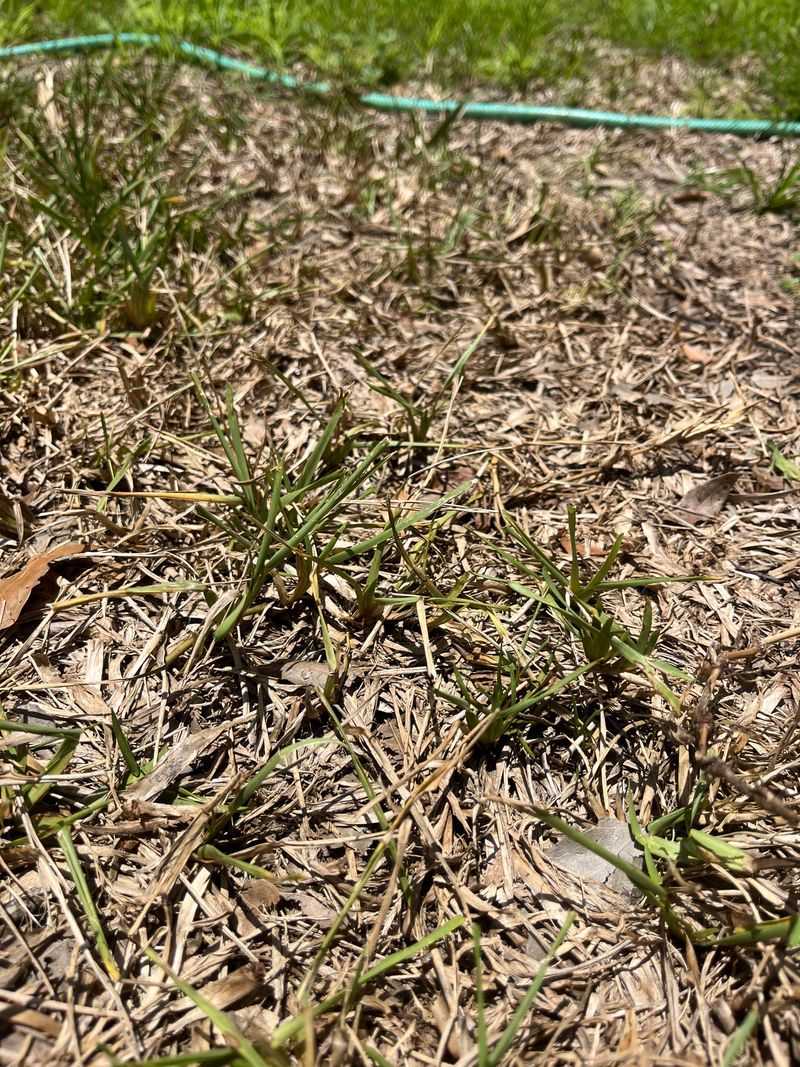
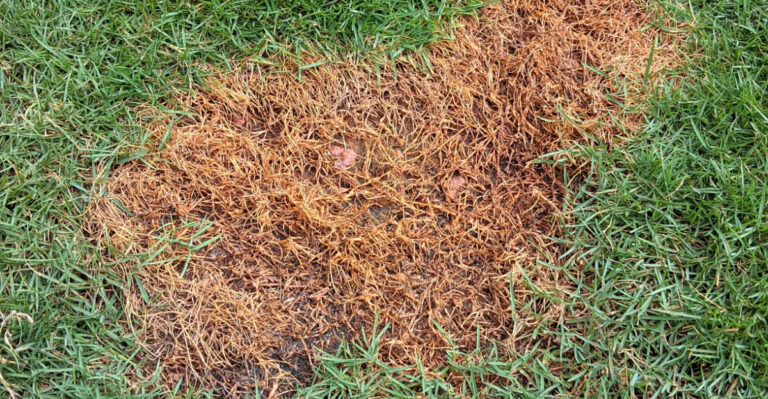
Brown rings, greasy edges, orange dust on your shoes. Any of those signs means the bagger earns its keep this week.
Fungal spores ride on clipped blades, so spreading infected material across healthy turf works like handing out free tickets. Gray leaf spot, large patch, and dollar spot all travel this way in Florida’s humid months.
Bag the clippings from troubled zones and send them to yard waste rather than a compost pile or a fresh section of lawn. Backyard compost piles may not always reach the temperatures needed to reduce certain turf disease risks, so diseased clippings are better handled through local yard-waste options when available.
Order matters too. Mow the healthy areas first, then finish with the affected patches so you are not tracking spores across the whole property.
Afterward, rinse the deck and undercarriage with a hose and let everything dry in the sun. A stiff brush knocks loose the packed green residue that hides spores.
Timing plays a role as well. Mowing in the morning, once the dew lifts, means less moisture clinging to blades and less material sticking inside the housing.
Once the turf recovers and the patches green back up, you can return to mulching. Treat bagging as a temporary tool, not a permanent routine.
6. Match Your Mowing Habit To Grass Growth
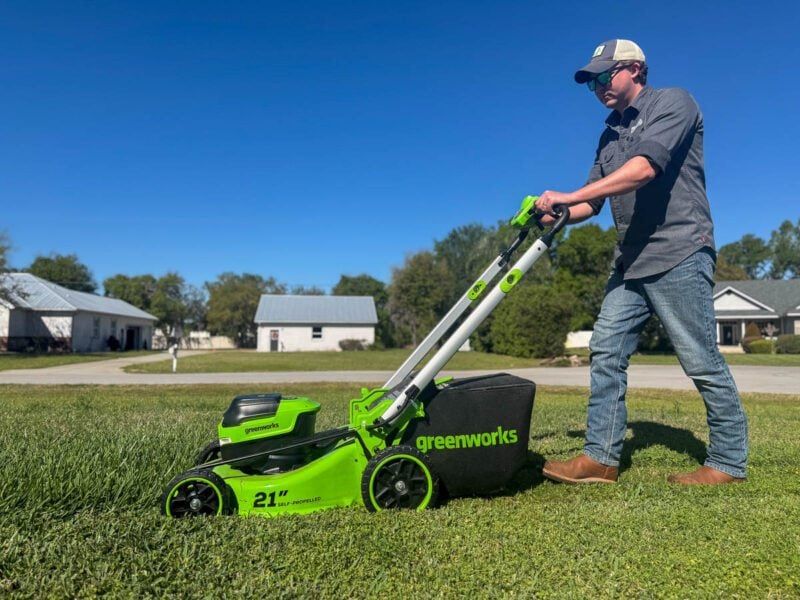
Turf pros repeat one number more than any other: one-third. Remove no more than a third of the blade height in a single pass, and your lawn handles mowing like a haircut instead of a shock.
September growth in Florida runs fast thanks to warmth and rainfall. That often means weekly mowing, sometimes every five or six days for vigorous varieties.
Stretch the schedule to two or three weeks and the math turns against you. Cutting a nine-inch lawn back to four inches removes far more than a third and leaves behind a mountain of clippings.
Scalping like that stresses roots, opens space for weeds, and thins the canopy right when you want density heading into fall. The pile of long clippings then needs bagging, which doubles your work.
Steady trimming keeps clippings short enough to disappear on their own. Short pieces slip between standing blades and reach the soil, where microbes finish the job within days.
Set a recurring reminder on your phone during the wet season. Adjust by eye, not the calendar, since growth slows once cooler, drier weeks arrive in late October.
Mow often, mulch freely, and the bagging question mostly answers itself. Skip mowings, and you will be hauling bags.
7. Keep St. Augustine From Getting Buried After Cuts
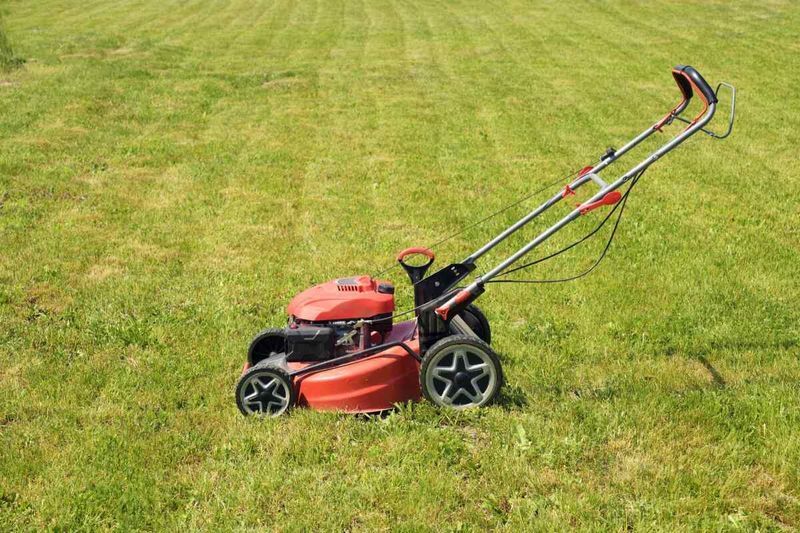
St. Augustine rules Florida yards, and it has opinions about mowing. Those broad, flat blades and creeping stolons build a thick carpet that handles mulched clippings nicely, as long as you mow at a sensible height.
For many standard St. Augustine types like Floratam and Palmetto, a mowing height around 3.5 to 4 inches is commonly recommended, depending on conditions. That height supports deeper roots, shades out weed seeds, and gives clippings plenty of room to filter down.
Dwarf varieties such as Seville or Captiva prefer the 2 to 2.5 inch range. Cutting any type too short exposes stolons to sun and leaves clippings sitting on top like a blanket.
Good news for St. Augustine owners: the clippings rot quickly and release nitrogen fast, which is one reason these lawns green up so well with simple mulching.
Bagging becomes worthwhile mainly when the lawn is badly overgrown or fighting gray leaf spot. Otherwise, let the pieces fall.
Here is a quirky detail about this grass. It spreads by above-ground runners rather than seed, so a healthy mowing routine literally helps it knit itself together across bare spots.
Walk the yard after cutting and look for green mats resting on the canopy. If you can still see soil color through the blades, you are in good shape.
8. Use The Right Mower Setting For Cleaner Results
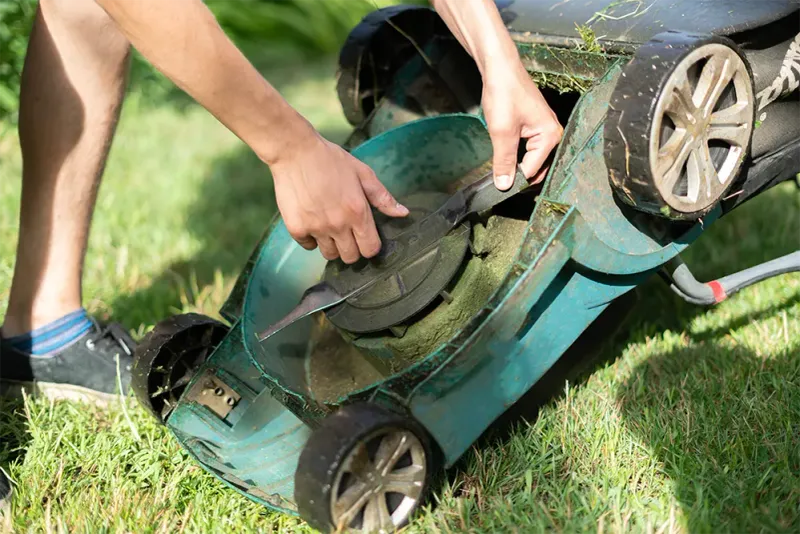
Your mower has more to say about this debate than you might expect. Swapping to a mulching blade and closing off the side discharge chops clippings into confetti-sized bits that slip out of sight fast.
Mulching blades carry extra curve and cutting surface, so grass gets circulated inside the deck and cut several times before it drops. Standard blades toss material out after one slice.
Blade sharpness matters just as much. A dull edge tears blade tips, leaving frayed white ends that lose moisture and invite disease during humid weeks.
Sharpen every 20 to 25 hours of use, or roughly two to three times across a Florida growing season. Sandy soil dulls steel faster than most homeowners realize.
Technique helps too. Run the engine at full throttle and walk slower than usual, giving the blade time to process each pass instead of shoving out clumps.
Overlapping your passes by a few inches spreads the load evenly. In tall grass, cutting at a higher setting first and then lowering works far better than forcing one deep cut.
Clean under the deck when you finish. Packed grass blocks airflow, which ruins the lifting action that makes mulching work in the first place.
9. Turn Yard Waste Into A Lawn Advantage
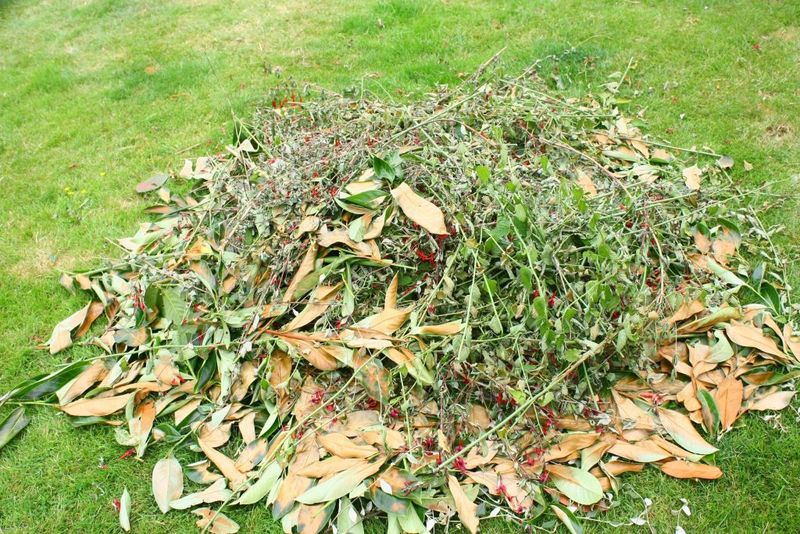
Landfills across the state receive a surprising amount of grass every year, and much of it could have stayed home. Clippings are one of the few yard materials that give back the moment you stop hauling them away.
Leaving them in place trims your fertilizer spending and shortens your chore list at the same time. Fewer bags, fewer trips, more weekend.
When bagging is unavoidable, clippings shine in a compost pile. Mix them with dry browns like shredded leaves or cardboard, keep the ratio around one part green to two parts brown, and turn it weekly so it does not turn sour.
Finished compost works beautifully as a topdressing for garden beds or thin lawn patches. You can also spread a thin layer of fresh clippings around shrubs as a quick mulch.
One habit deserves attention in Florida especially: sweep clippings off driveways and sidewalks back onto the grass. Washed into a storm drain, they carry nutrients into waterways and feed algae blooms, and they clog inlets during heavy rain.
A leaf blower handles that cleanup in two minutes. Small step, real payoff for local lakes and canals.
Treat clippings as a resource rather than trash, and your lawn, wallet, and neighborhood water all come out ahead.