The Strange-Looking Native Texas Flowering Shrub Pollinators Can’t Resist
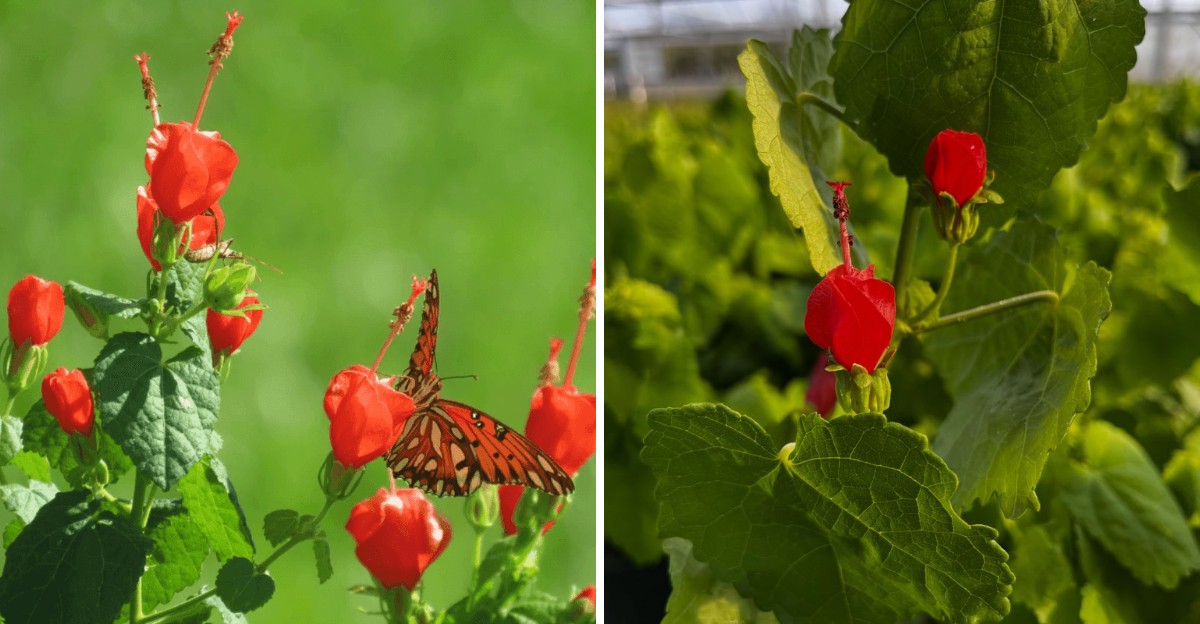
There is a native Texas shrub that produces flowers unlike almost anything else in the residential garden.
They’re twisted, partially closed, and structurally odd in a way that makes most people stop and look twice before they’re sure about what they’re seeing. It does not look like a typical garden flower.
It looks like something the plant world decided to do differently, and it works. Pollinators have a completely different reaction than first time human observers.
Hummingbirds find it first. Then butterflies. Then a steady rotation of native bees that return to it repeatedly through the long Texas bloom season.
For its size and its modest reputation among mainstream gardeners, the wildlife activity it generates is genuinely remarkable. And almost nobody outside the native plant community is growing it.
Plant Turk’s Cap For Unusual Texas-Native Flowers
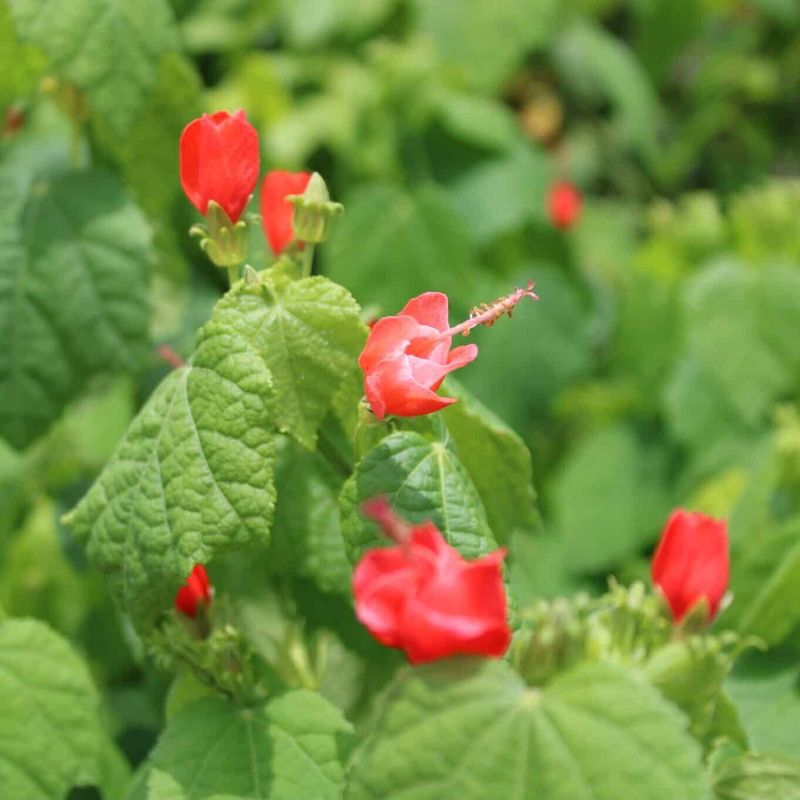
Picture a flower that looks like it forgot to bloom all the way. That’s the charm of Turk’s cap, known by its scientific name Malvaviscus arboreus var. drummondii.
Its bright red petals stay wrapped in a swirl, twisting around a little stalk that pokes out from the center.
People say it looks like a tiny Turkish hat, which is exactly how the plant earned its fun name.
This shrub grows wild across much of Texas, so it already knows how to survive here. You’ll find it in woodlands, along creeks, and in shady corners where other plants struggle to shine.
The flowers show up from late spring all the way into fall, giving your garden a long stretch of color. Each bloom is small, only about an inch or two, but a healthy plant carries dozens at once.
Besides the flowers, Turk’s cap grows soft green leaves that feel a bit like felt. The whole shrub reaches about three to five feet tall, though it can grow taller in rich soil.
Later in the season, the flowers turn into small red fruits that look like little apples. Birds enjoy snacking on them, and some folks even use them to make jelly.
What really sets this plant apart is how different it looks from typical garden shrubs. Instead of flat, open blooms, you get those quirky twisted spirals that catch everyone’s eye.
If you want something that starts conversations and stands out from the usual roses and hydrangeas, this native beauty delivers. It brings personality, color, and a true Texas story to your yard.
Why Pollinators Are Drawn To Turk’s Cap
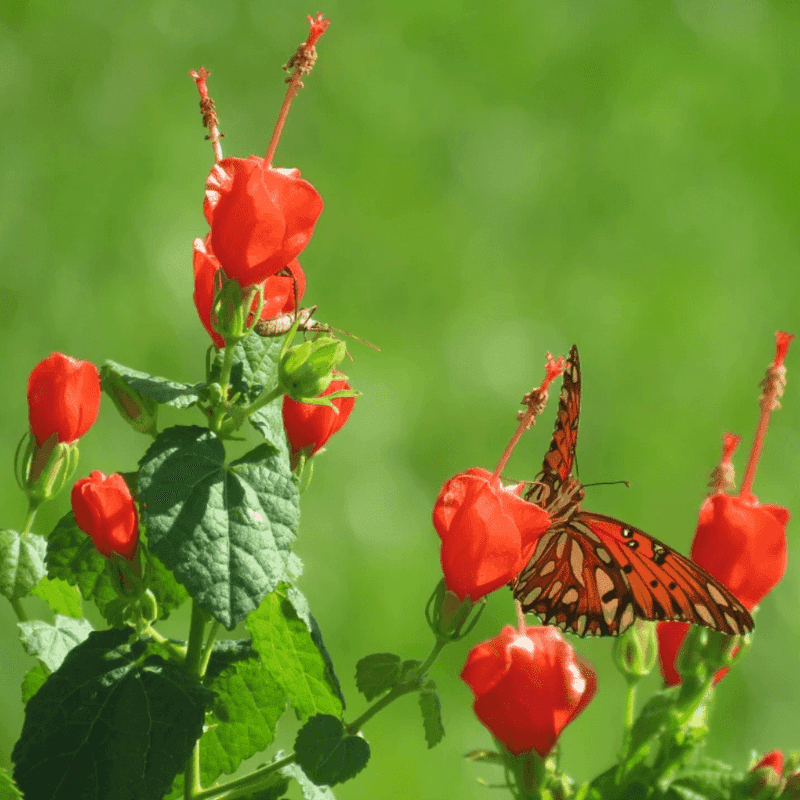
Watch a Turk’s cap shrub on a warm afternoon and you’ll rarely see it sitting still. Something is almost always buzzing, fluttering, or zipping around those red blooms.
Hummingbirds treat this plant like a favorite restaurant. The twisted flower shape hides sweet nectar deep inside, and their long beaks are built perfectly to reach it.
Because the blooms last for months, the buffet stays open a long time. That steady supply of food helps hummingbirds fuel up during their busy travel seasons.
Your Texas Garden Changes Every Week. Your Plan Should Too.
Gardening in Texas changes quickly throughout the season. Every Friday you’ll receive a simple weekly plan showing exactly what to plant, prune, fertilize, harvest, and protect so you never miss the right timing.
Bees also can’t stay away. They crawl right into the flowers, gathering nectar and pollen while helping the plant make its little red fruits.
Butterflies join the party too, sipping from the blooms with their curled tongues. On a good day, you might spot several kinds of winged visitors sharing the same shrub.
All this activity matters more than you might think. Pollinators move pollen from flower to flower, which helps countless plants, including the fruits and vegetables people eat.
By planting Turk’s cap, you’re basically setting out a welcome sign for helpful creatures. You give them food, and in return they keep your whole garden buzzing with life.
Here’s a neat detail: the red color acts like a signal flag for hummingbirds, since they’re strongly drawn to red. The plant practically advertises itself.
If you’ve ever wished your yard felt more alive, this shrub is an easy way to make it happen. Set up a chair nearby, and you’ll have front-row seats to nature’s busiest show, all season long.
Give Turk’s Cap The Right Growing Conditions
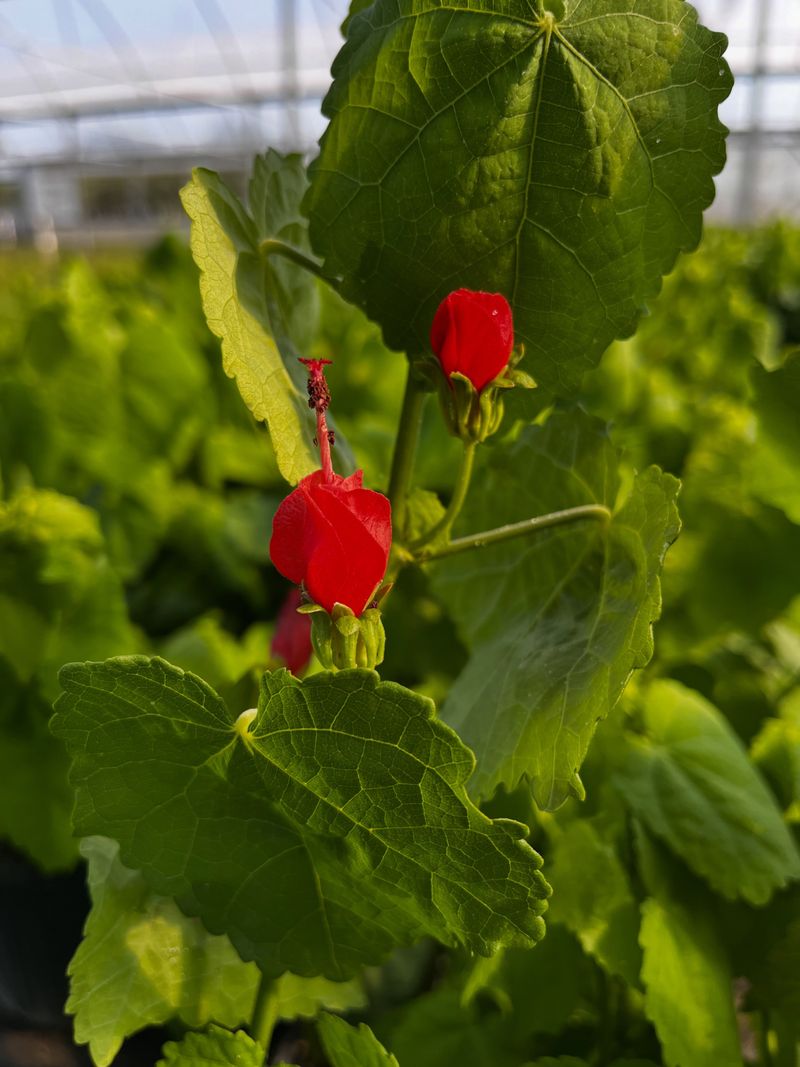
One of the best things about Turk’s cap is how forgiving it is about where you plant it. This shrub happily grows in full sun, deep shade, and everything in between.
That flexibility makes it a lifesaver for tricky spots. Got a shady corner under a tree where nothing seems to bloom? Turk’s cap will likely thrive there.
In full sun, it tends to grow bushier and produce even more flowers. In shade, it stretches a bit taller and keeps blooming when other plants quit.
Soil isn’t a big worry either. Turk’s cap tolerates clay, sandy ground, and rocky patches, though it does best in soil that drains well.
Adding a little compost when you plant gives it a helpful boost. Rich soil leads to lush leaves and a steady show of those signature twisted blooms.
Watering matters most during the first year, while the roots settle in. Give young plants a deep drink about once or twice a week, especially in dry spells.
Once established, Turk’s cap becomes remarkably self-sufficient. Its roots reach deep, so it can find moisture even when rain is scarce.
A layer of mulch around the base helps a lot. Mulch keeps the soil cool, holds in moisture, and cuts down on weeds fighting for space.
Spacing counts too, so give each plant a few feet of room to spread out. Crowded shrubs get less airflow, which can invite trouble.
With just a little care up front, you’ll have a plant that mostly takes care of itself. That’s a fair trade for months of color and constant visitors.
How Turk’s Cap Handles Texas Heat
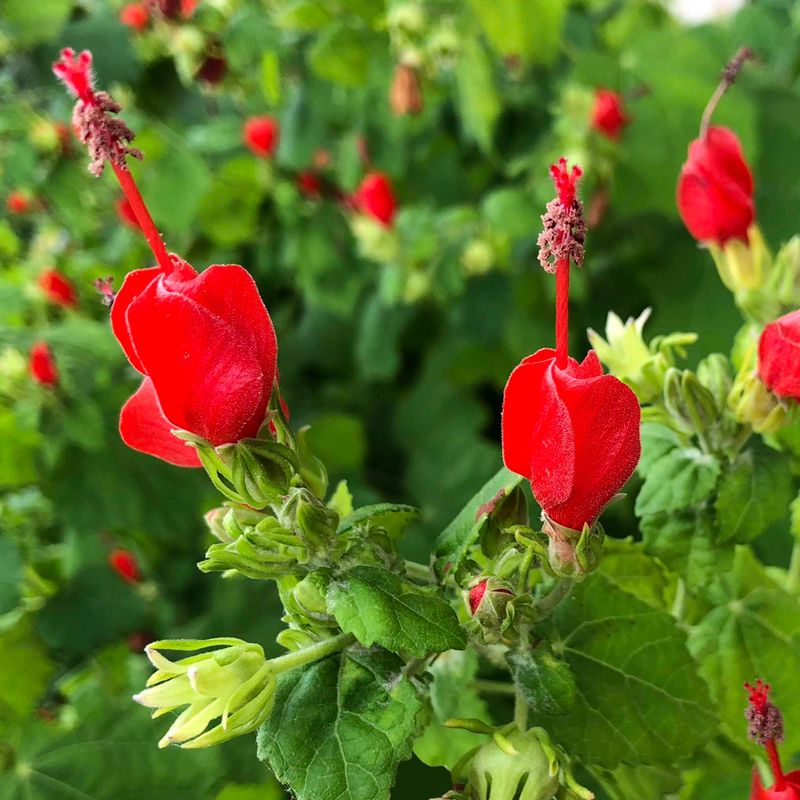
Texas summers can be brutal, and plenty of pretty plants wilt the moment the temperature climbs. Turk’s cap simply shrugs it off and keeps going.
This shrub is a true native, which means it evolved right here through countless scorching seasons. Heat that flattens other flowers barely fazes it.
While your garden bakes in July and August, Turk’s cap often keeps pushing out fresh blooms. That reliability makes it a hero of the hot months.
Its deep roots deserve a lot of the credit. They dig far into the ground, reaching moisture that stays hidden below the dry surface.
Because it needs so little extra water once established, it’s a smart choice during droughts and watering limits. You save water and still enjoy color.
Cold weather doesn’t stop it for long either. In many parts of Texas, the top may fade back in winter, but the roots stay alive underground.
When spring warmth returns, the plant sends up fresh growth and starts the whole show over again. That yearly comeback means you plant it once and enjoy it for years.
In the warmest southern regions, Turk’s cap may stay green nearly all year. Farther north, treat it like a plant that rests in winter and wakes up in spring.
If you’ve been frustrated by plants that can’t handle real Texas weather, this one feels like a relief. It thrives where fussier picks flop.
Tough, dependable, and beautiful is a rare combination. Turk’s cap manages all three without asking much from you, which is exactly why so many longtime gardeners swear by it.
Use Turk’s Cap In Shady And Wildlife-Friendly Gardens
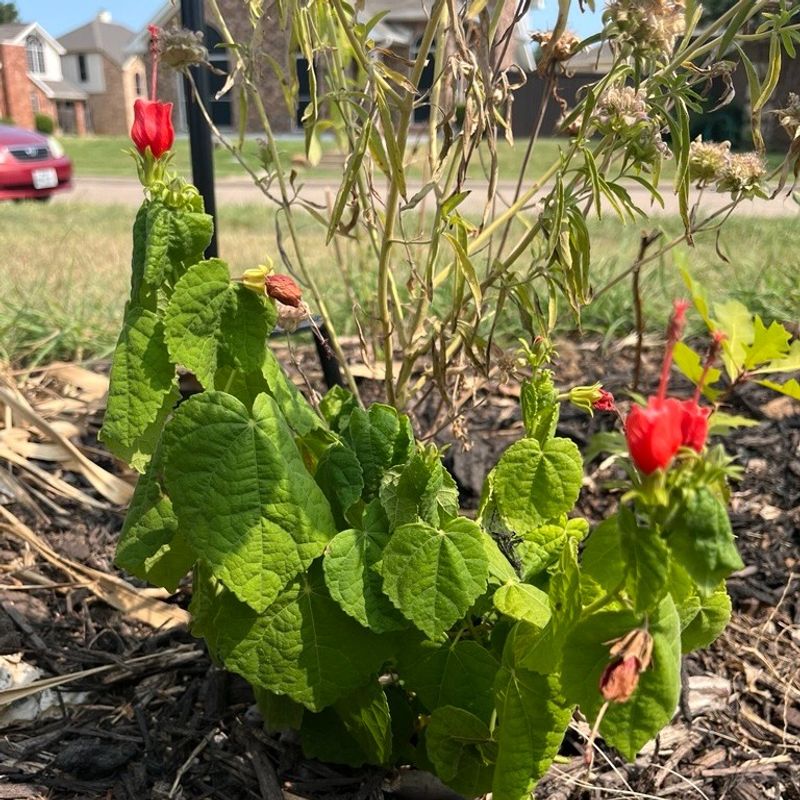
Every yard has that one problem spot where the sun barely reaches. Turk’s cap loves exactly those places, making it a go-to fix for shady gardens.
Under trees, along fences, and in dim corners, this shrub fills space with green leaves and cheerful red blooms. Few flowering plants perform so well without full sun.
Woodland gardens are a natural match. Turk’s cap blends right in among ferns, native grasses, and other shade-loving plants for a soft, wild look.
It also works beautifully as a border plant. Line a walkway or the edge of a bed, and you get color plus a steady stream of pollinators.
For anyone building a wildlife-friendly yard, this shrub is a cornerstone. It feeds hummingbirds, bees, and butterflies, while its berries later become bird snacks.
Try grouping several plants together for a bigger impact. A cluster creates a mini habitat that buzzes with activity from spring through fall.
Mix it with other Texas natives like salvia, coneflower, and lantana. Together they form a garden that supports local wildlife and needs very little fuss.
Turk’s cap even fits into containers on a shady patio. Just use a large pot with good drainage and water a bit more often than plants in the ground.
Because it spreads gently over time, it can fill in bare areas naturally. If it wanders too far, a quick trim keeps it tidy.
Whether you want a lush hideaway, a lively border, or a haven for creatures, this plant delivers. It turns forgotten corners into some of the most alive parts of your garden.
Why Turk’s Cap Deserves More Texas Garden Space
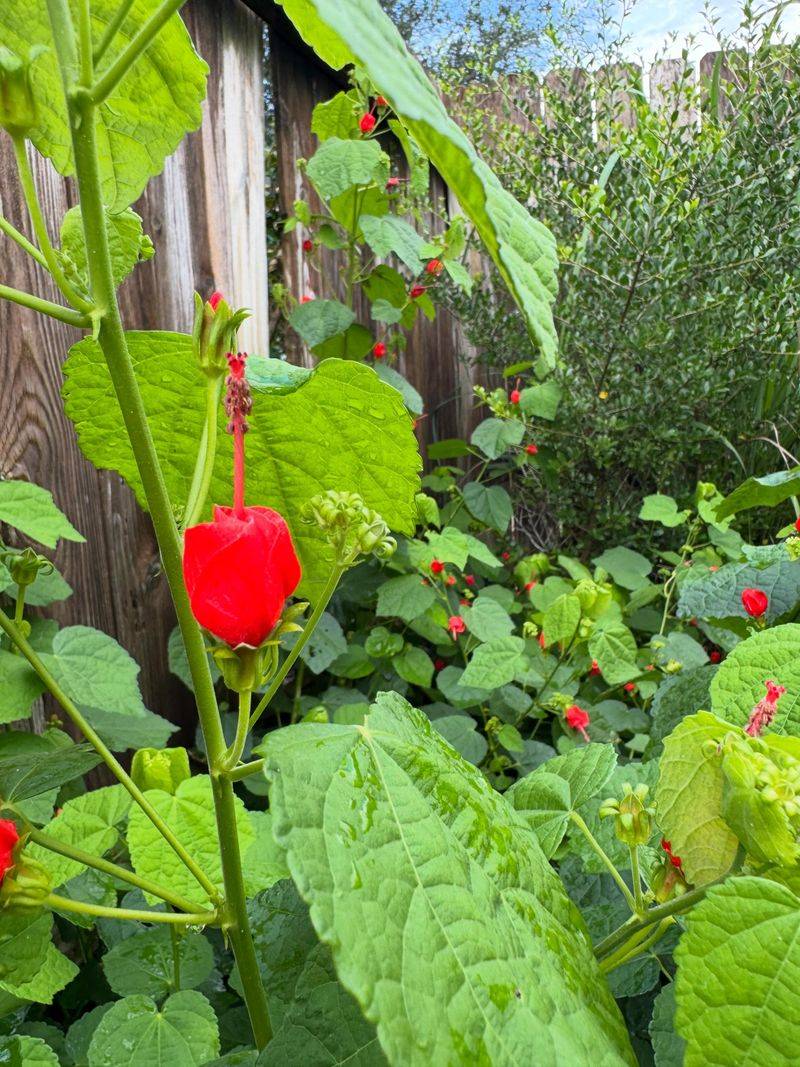
After learning all this, it’s easy to wonder why Turk’s cap isn’t in every Texas yard already. This native gem checks nearly every box a gardener could want.
Start with those one-of-a-kind flowers. The twisted red spirals give your garden a look you simply can’t get from ordinary store-bought shrubs.
Then there’s the wildlife value. Hummingbirds, bees, and butterflies flock to it, turning your yard into a busy, living scene all season long.
Low maintenance might be its biggest selling point. Once it settles in, it handles heat, shrugs off drought, and asks for almost no attention.
Compare that to many popular ornamental shrubs. Those often need constant watering, special soil, and pest control just to look decent.
Turk’s cap skips most of that drama. It grows tough because it belongs here, adapted over ages to Texas soil and weather.
Choosing native plants like this also helps the bigger picture. Natives support local insects and birds far better than imported varieties ever could.
You’ll spend less money and less time, too. Fewer chemicals, less watering, and no fussing add up to an easier, greener garden.
Here’s a fun bonus: the little red fruits are edible and taste mildly sweet, and some people brew them into tea or jelly.
If you’re ready to try something different, this shrub is a rewarding place to begin. It’s beautiful, useful, and proudly Texan through and through.
Give Turk’s cap a corner of your yard this season. Chances are, you’ll wonder how your garden ever managed without it, and so will the hummingbirds.