Should You Cut Back New England Aster Before Transplanting It In Missouri This Fall?

The purple daisies blooming in your yard this fall may be feeding monarchs that are flying to Mexico. I love that one late flower in Missouri can fuel butterflies traveling well over a thousand miles south.
Those same stems often stretch four to six feet tall by October, which makes them tricky to dig. You need a plan for all that height before you push a shovel into the ground beside them.
Few people notice that the center of an older clump turns woody and stops blooming after a few years. That tired middle is often the real reason gardeners decide to dig up and move the whole plant.
I believe fall moving feels a little nervous, because you are uprooting something that still looks busy with bees. So should those tall stems stay or go before the shovel comes out in Missouri this month?
A Shorter Plant Settles Into New Ground Faster
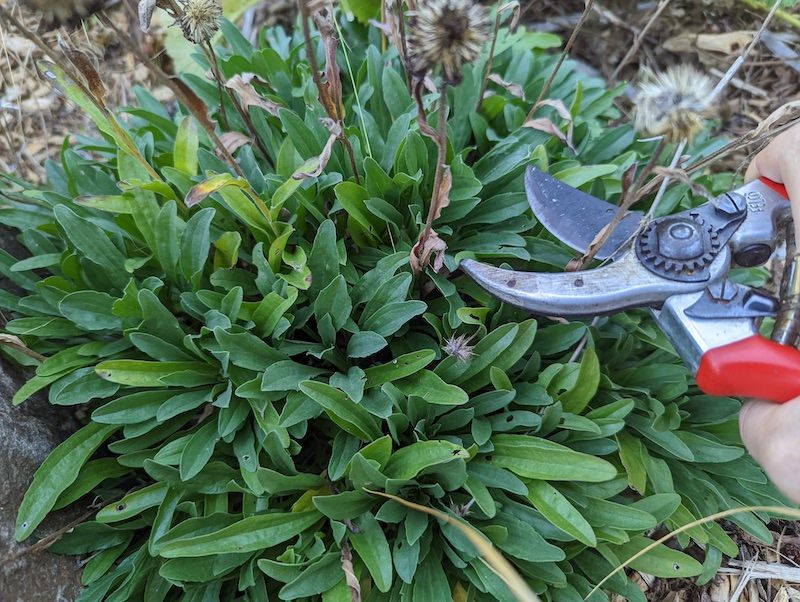
Yes, you should cut back New England aster before or right after you move it this fall. Most extension guides suggest trimming perennials when transplanting, because a damaged root system often struggles to support tall leafy stems.
Shovel cuts remove some of the fine feeder roots that pull water from the soil into the plant. Tall stems keep losing moisture through their leaves, so the remaining roots struggle to keep up with demand.
A shorter plant asks much less from those roots, which lets them focus on growing into new soil. Wind also has less to grab, so the clump is less likely to rock loose in its fresh planting hole.
Missouri gardeners often face gusty fall storms, and a six foot aster can act like a sail. Trimming it down keeps the root ball steady while new roots knit into the surrounding ground over several weeks.
There is one honest catch worth knowing before you start digging up your favorite purple patch this October. Some extension services suggest moving fall bloomers like asters in early spring, when growth is just starting.
Fall moves can still work well, especially when the plant is cut back and the roots get steady care. Native asters are tough plants, and a trimmed clump has the best chance of handling the change smoothly.
Think of trimming as giving your aster a lighter backpack for the short but tiring trip across your yard. The plant spends less energy holding up stems and more energy anchoring itself before winter cold arrives.
Ideal Stem Height Before Digging Begins
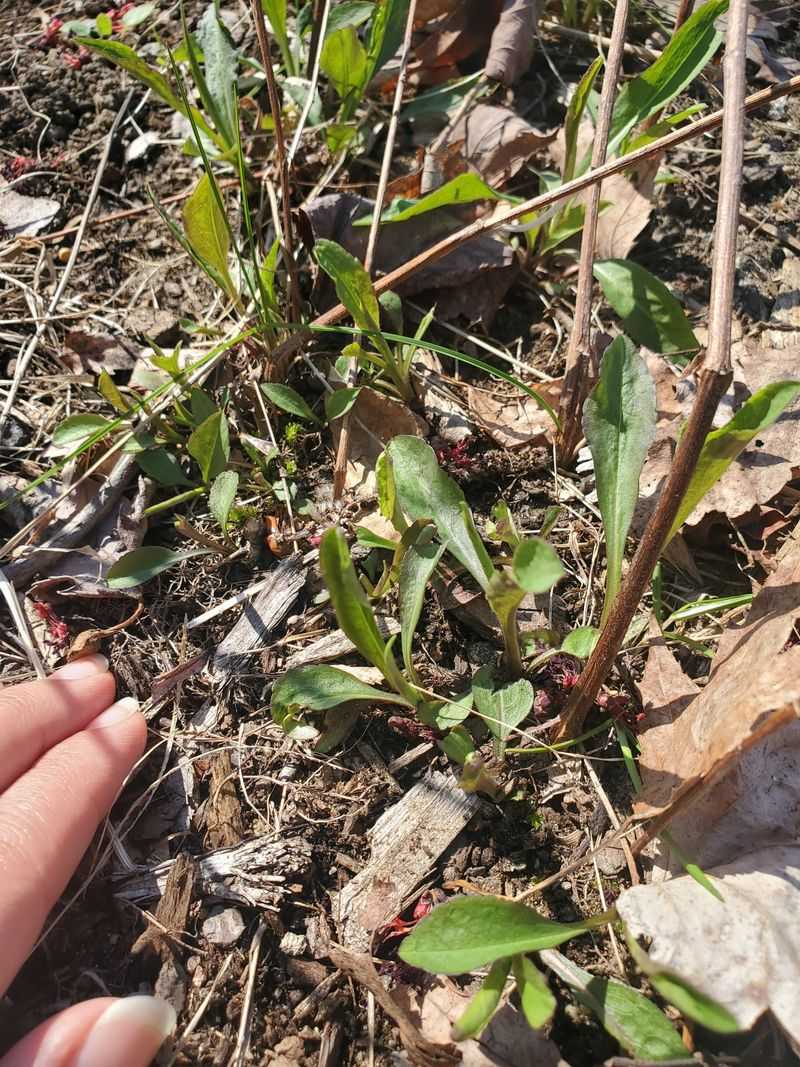
A pair of clean hand pruners and about five minutes is all the prep this job really requires. Most gardeners trim New England aster stems down to roughly four to six inches above the soil line.
That short stubble shows you exactly where the clump sits, so you can dig around its outer edge. It also keeps tall floppy stems from tangling in your arms and blocking your view of the roots.
Cutting lower than two inches is not a great idea, because the crown buds sit close to the surface. Those small buds are where next year’s shoots will form, so you want to protect them from damage.
Your Missouri Garden Changes Every Week. Your Plan Should Too.
Gardening in Missouri changes quickly throughout the season. Every Friday you’ll receive a simple weekly plan showing exactly what to plant, prune, fertilize, harvest, and protect so you never miss the right timing.
If your plant is still covered in blooms, you might feel sad snipping off all that color. One trick is to bring the cut stems indoors, since New England aster flowers last nicely in a vase.
Some gardeners like to leave a few seed heads in a nearby spot for goldfinches and other small birds. You can toss trimmed stems with fluffy seeds near a wild corner, letting nature handle the rest.
Look over the leaves before you compost them, since asters sometimes carry powdery mildew by late fall. Bag any spotted or white dusted foliage instead, which helps reduce disease on the plant next year.
Wipe your pruner blades with a household disinfectant between plants to avoid spreading mildew spores around the garden. Sharp, clean cuts heal faster than ragged tears, and they make the whole transplant go more smoothly.
Late October Timing In Missouri Soil

October soil in Missouri often stays warmer than the air, and that hidden warmth helps roots keep growing. Roots can keep stretching until the soil drops near forty degrees, even after the leaves turn brown.
Extension experts generally suggest moving perennials at least four to six weeks before the ground freezes hard. In much of Missouri, the soil rarely freezes deeply before December, so October still leaves workable time.
Northern counties near Iowa cool down sooner, so gardeners there should aim for early or mid October. Folks in the Bootheel and southern Ozarks can usually wait until late October or even early November.
A good signal is when most of the purple blooms have faded and the plant starts looking tired. Moving it after flowering means the aster is no longer spending energy on petals, nectar, and seed.
Pick a cloudy, mild day for the job, because bright sun and wind dry out exposed roots quickly. Soil should feel moist but not soggy, since wet clay sticks to shovels and squeezes out air pockets.
Many Missouri yards sit on heavy clay, which holds water well but can turn sticky after fall rains. Waiting a day or two after a soaking storm makes digging easier and protects the soil structure.
If November sneaks up on you, it is fine to wait and move the clump next spring. Asters are patient plants, and a few extra months in their old spot rarely cause any harm.
Root Ball Size For A Mature Clump
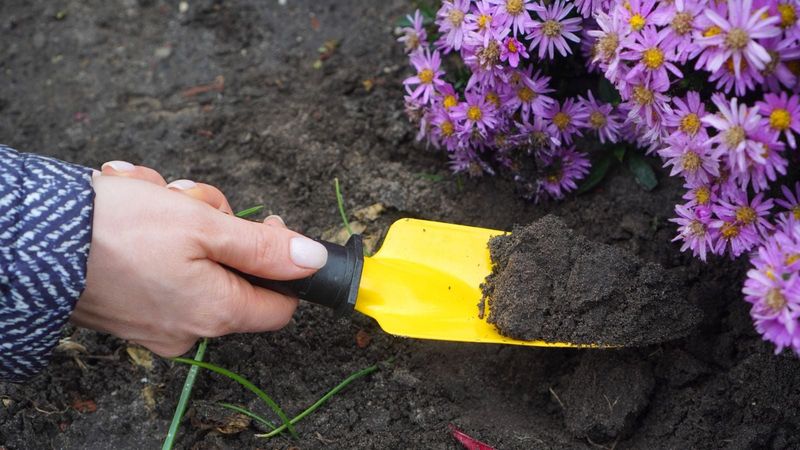
Dig too close, and you will slice through the very roots your aster needs to survive the winter. A good rule is to start digging about six inches outside the edge of the stem cluster.
Most feeding roots of a mature New England aster sit within the top ten inches of soil. Push your spade straight down all the way around, then gently pry the clump upward from underneath.
An older plant can weigh more than you expect, especially when wet Missouri clay clings to every root. Slide the clump onto a tarp so you can drag it instead of lifting the full weight.
This is also a perfect moment to divide, since crowded asters often bloom poorly in their woody centers. Use a sharp spade or old bread knife to split the clump into pieces with several healthy shoots.
Toss the tough, worn out middle section and replant the younger outer pieces, which grow with more energy. Each division should be about the size of a large grapefruit or bigger, with plenty of roots attached.
Dig the new hole twice as wide as the root ball but only as deep as before. Setting the crown too deep can lead to rot, while setting it too high lets roots dry out.
Fill around the roots with the original soil, firming it gently with your hands to remove large air pockets. Skip heavy fertilizer now, because asters in Missouri rarely need extra feeding to settle in before winter.
Watering Through The First Cold Weeks

Cool weather tricks plenty of gardeners into forgetting the hose, but a freshly moved aster still gets thirsty. Water the clump deeply right after planting, soaking the soil until it settles snugly around the roots.
After that, plan on giving the plant about one inch of water each week until the ground freezes. Fall rain in Missouri often covers part of that need, so check the soil before reaching for the hose.
Push a finger two inches into the soil near the crown to test how moist it feels. Water when it feels dry, and hold off when it feels cool and damp against your skin.
Heavy clay soils hold water a long time, so overwatering can be just as harmful as letting roots dry. Soggy soil squeezes out oxygen, and roots need air to grow and spread into their new home.
Morning is the best time to water, because the soil can soak up moisture before chilly nights arrive. Watering early also lets the soil surface dry a bit before evening, which helps reduce rot around the crown.
Once the ground cools, spread two to three inches of shredded leaves or straw around the base. Mulch holds steady moisture and helps prevent frost heaving, which can push new transplants right out of the soil.
Keep the mulch an inch or two away from the stems so the crown does not stay too wet. Warm, dry spells in late fall happen in Missouri, so keep an eye on things through December.
Spring Regrowth From A Freshly Moved Clump

Patience pays off big time with a transplanted aster, even if the spot looks bare all winter long. Fresh green shoots usually poke through the soil in Missouri sometime around April as the ground warms.
Mark the planting spot with a small stake so you do not accidentally dig into it while cleaning beds. Early spring weeds can hide those tiny rosettes of leaves, and a stake keeps them easy to find.
Rake back the winter mulch gradually once nights stay above freezing, letting sunlight reach the new growth. Clear any old stubble left from fall, since new stems will grow up from the crown buds below.
The first season after a move may bring slightly shorter stems and fewer flowers than you saw before. Roots are still filling in, and most clumps return to full size by the second or third year.
Many Missouri gardeners pinch the stem tips back by a few inches in late May or June. Pinching makes the plant bushier and sturdier, so it flops less when those heavy fall blooms open.
Most experts suggest finishing any pinching by early July, which gives flower buds plenty of time to form. Water during dry summer spells, because a young clump has a smaller root system than an established plant.
By next fall, your moved aster should be buzzing with bees and hosting monarchs passing through on migration. That bright purple show is a fine reward for a little careful trimming and digging this October.