Should You Keep Your Old Florida Tomato Plant Or Start Fresh This September?
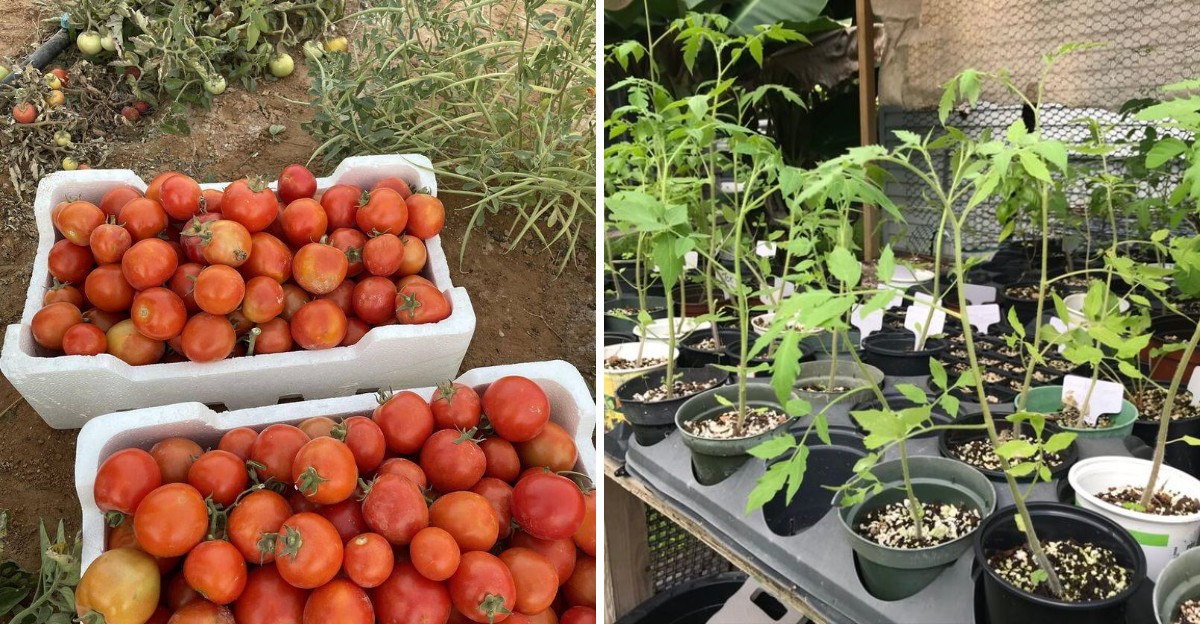
A tomato vine leaning sideways out of its cage, three green fruits hanging on near the top, a pile of crispy brown leaves scattered at the base. That plant survived a whole Florida summer. That alone deserves some respect.
September changes the question though. Keep pruning this same vine, or pull it and start over with something fresh?
Both answers can be right, depending on what is actually happening underneath all that tangled growth.
Most gardeners just guess here, going with gut feeling instead of actually checking anything.
That guess matters more than people realize. Florida’s fall tomato window only opens once a year, and a wrong call now can cost you the whole thing.
So how do you actually judge an old vine honestly instead of hoping for the best? A few checks separate a plant worth saving from one working against you already.
1. Older Plants Often Carry Hidden Disease
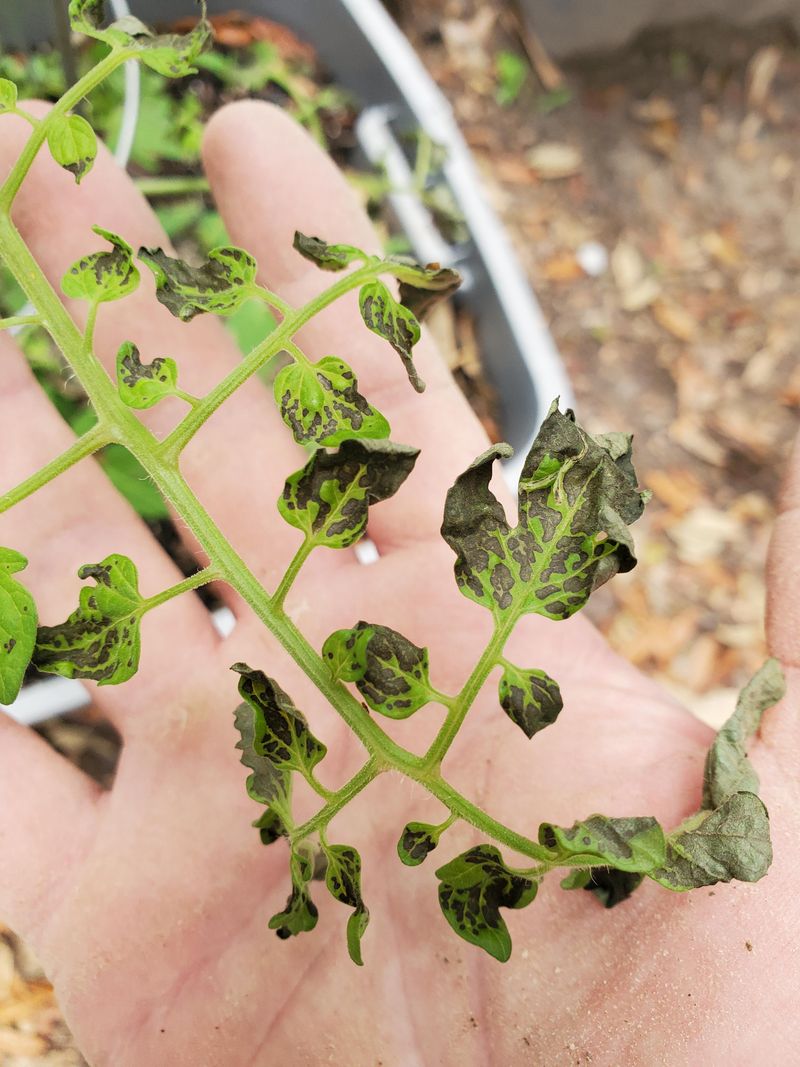
Peel back the lower leaves of any vine that made it through July in Florida, and the story usually shows up in yellow blotches scattered across the foliage.
Early blight, bacterial spot, and target spot all love a combination of heat and humidity, and they tend to start low before climbing upward.
Plenty of trouble stays completely invisible from the outside though.
Fusarium and Verticillium wilt live quietly in the soil, clogging up the plant’s water-carrying tissue from the inside out.
A vine can look perfectly fine at noon, droop by three in the afternoon, then bounce back overnight like nothing happened. That flicker is not weather being weird. That is a warning sign.
Root-knot nematodes are practically a Florida specialty at this point. These microscopic worms feed on roots and leave behind swollen galls that block water and nutrients from moving properly.
Sandy soil across much of the state suits them perfectly well.
Viruses add another layer to this whole picture too. Tomato yellow leaf curl virus, spread by whiteflies, causes cupped, crinkled leaves alongside stunted growth.
Once a plant picks this up, it stays infected permanently, and no spray reverses that outcome.
Holding onto that plant just gives whiteflies a steady buffet and a launch pad aimed straight at whatever you plant nearby.
Give any older vine an honest inspection before committing to anything. Check leaf undersides, the stem right near the soil line, and any fruit showing dark, sunken patches.
Streaked stems, mottled leaves, or a daily afternoon droop all point toward the same conclusion.
Here is one more clue worth weighing carefully. Count how often you sprayed, pinched, or picked off damaged leaves this past summer.
A plant needing constant triage in August rarely turns around and cruises smoothly through October instead.
2. Fresh Transplants Skip A Season Of Stress
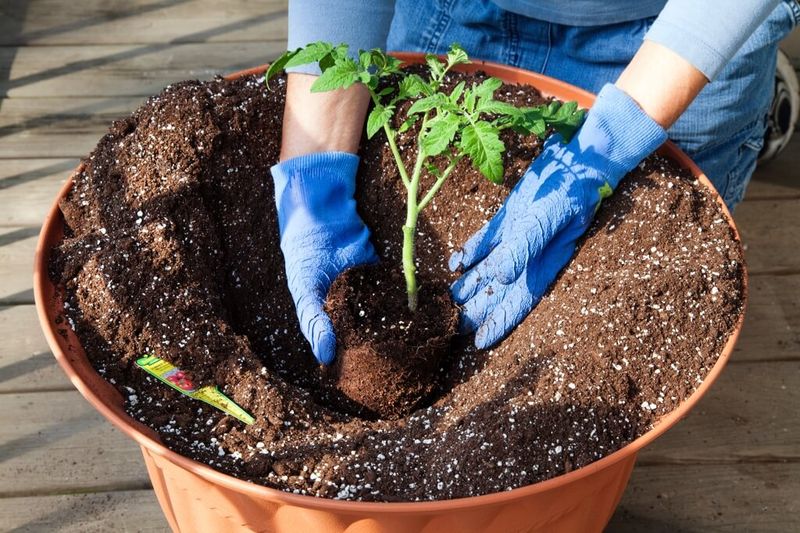
Starting over carries a quiet kind of advantage most gardeners underestimate. A new transplant begins with none of summer’s accumulated baggage weighing it down.
No spore-covered lower leaves. No whitefly colony hiding underneath, multiplying. No stem cankers just waiting for the next rainy stretch to spread further.
Your Florida Garden Changes Every Week. Your Plan Should Too.
Gardening in Florida changes quickly throughout the season. Every Friday you’ll receive a simple weekly plan showing exactly what to plant, prune, fertilize, harvest, and protect so you never miss the right timing.
Transplants sold at Florida garden centers in late summer typically grow in clean, soilless mix from the start.
Root systems stay compact and pale, nothing tangled or compromised yet. Set one into fresh ground or a clean container, and it spends its energy on actual growth instead of fighting off infections it never had a chance to avoid.
Variety choice becomes the second real payoff here.
UF IFAS recommends cultivars carrying resistance codes right on the tag, things like V, F, N, and TSWV, covering Verticillium, Fusarium, nematodes, and tomato spotted wilt respectively.
Heat-tolerant types like Solar Fire, Phoenix, and Amelia have long been solid picks for Florida gardens specifically. Your old vine, meanwhile, stays locked into whatever tolerance it already started with.
Sanitation matters just as much as picking the right seedling too. Pull the old plant completely, roots and all, bag it up, and keep it far away from the compost pile.
Wipe down cages and stakes with a diluted bleach solution before reusing them. Rotate to a different bed if space allows, since soilborne problems tend to linger wherever tomatoes, peppers, or eggplant grew previously.
Cost stays modest through all of this. A four-inch transplant runs just a few dollars, far less than an entire wasted season spent watering and feeding a plant that was never going to bounce back anyway.
Slow-release fertilizer, fresh mulch, and steady moisture through the first two weeks handle most of the rest. Clean starts are a little boring. Boring happens to be exactly what fall tomatoes need most.
3. Indeterminate Varieties Can Sometimes Be Renewed
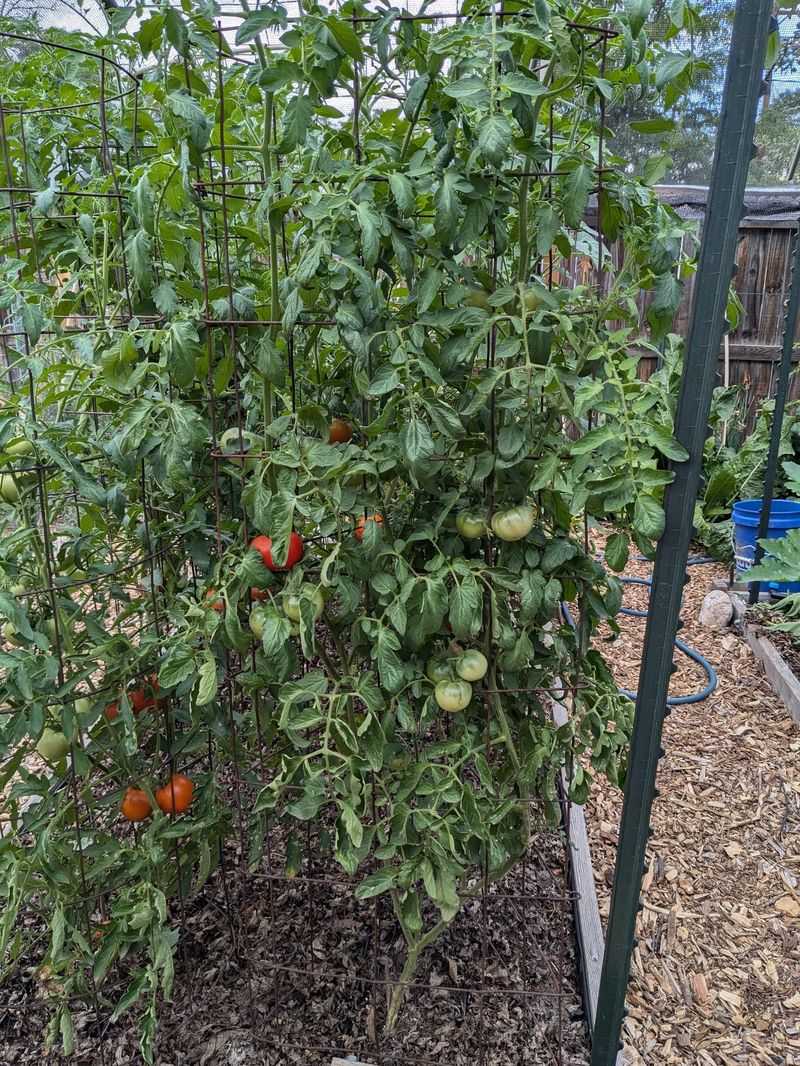
Cherry tomatoes tend to be the usual survivors in this whole equation.
Everglades, Sweet 100, Sungold, and similar indeterminate types keep pushing new growth from the vine tips as long as the roots underneath still hold up reasonably well.
Determinate varieties work completely differently, setting most of their fruit in one single burst before coasting for the rest of the season.
Cutting one of those back rarely produces any kind of second act worth the effort.
Rejuvenation pruning is the actual technique that makes renewal possible here. In late August or early September, cut the vine back by a third to half, removing every yellowed, spotted, or crispy leaf along the way.
Leave healthy green stems standing, along with several strong growing points intact. Use sharp pruners, and wipe the blades with alcohol between cuts to avoid spreading anything.
Feeding follows right after that haircut. Side-dress with a balanced fertilizer, water it in thoroughly, then refresh mulch to help hold moisture in sandy soil through the coming weeks.
New shoots should show up within one to two weeks if the roots underneath are genuinely sound.
One rule really deserves respect here. Prune only a plant that already looks genuinely healthy overall.
Mottled, cupped, or streaked foliage means that pruning just hands a sick vine a fresh batch of tender new leaves for whiteflies to colonize all over again.
Timing runs fairly tight throughout this whole process. A pruned plant needs roughly six to eight weeks before meaningful flowering resumes, and blossoms tend to set poorly whenever nights stay uncomfortably warm.
Central and south Florida usually cooperate reasonably well through October and November. North Florida gardeners face frost sooner though, getting less return on this particular gamble, so leaning toward a fresh replant usually makes more sense for that region.
4. Check Roots Before Deciding Either Way
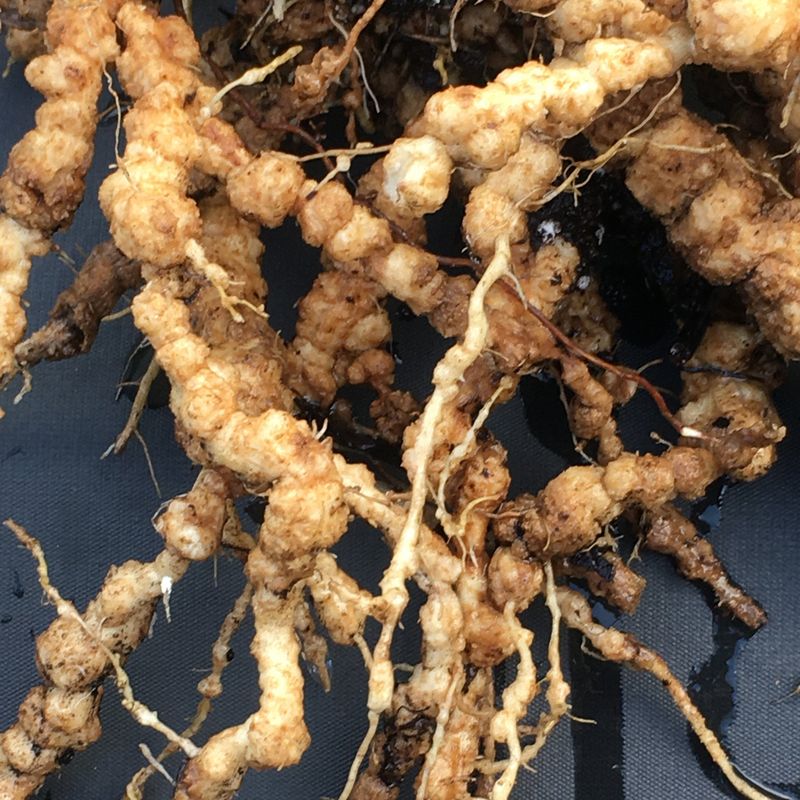
Top growth lies more often than gardeners assume. A vine can look completely lush up top while the roots underneath sit knotted, browning, or barely functioning at all.
Before deciding anything else, dig first and actually look.
Use a hand trowel to expose roots six to eight inches out from the main stem, or slide a container plant partly out of its pot for a quick look.
Healthy tomato roots feel firm, look pale, and spread out widely through the surrounding soil. Trouble shows up as swollen beads and lumps scattered along the roots, the classic signature of root-knot nematodes, extremely common across Florida’s sandy soils.
Mushy, dark roots suggest rot from poor drainage or an unusually wet summer stretch.
Roots circling tightly in a dense mat mean a potted plant has simply outgrown its container, capping how much fruit it can realistically support no matter how carefully you prune afterward.
One more quick test helps confirm things further.
Slice a lower stem lengthwise with a knife. Brown streaks running through the inside tissue suggest Fusarium or Verticillium wilt at work. Clean, greenish-white tissue inside is a genuinely reassuring sign instead.
Let whatever you find drive the actual decision.
Galled or rotted roots mean it is time to replace the plant, ideally moving tomatoes to a different spot entirely or into a container filled with fresh mix. Firm, spreading roots paired with clean stem tissue make pruning a much more worthwhile bet to try.
Nematode-infested beds deserve some extra thought beyond just this one plant.
UF IFAS suggests soil solarization, crop rotation, or container growing rather than replanting tomatoes straight back into the same compromised ground. Marigold cover crops help in some situations too, though results do swing depending on species and timing involved.
5. Second Season Fruit Rarely Matches The First
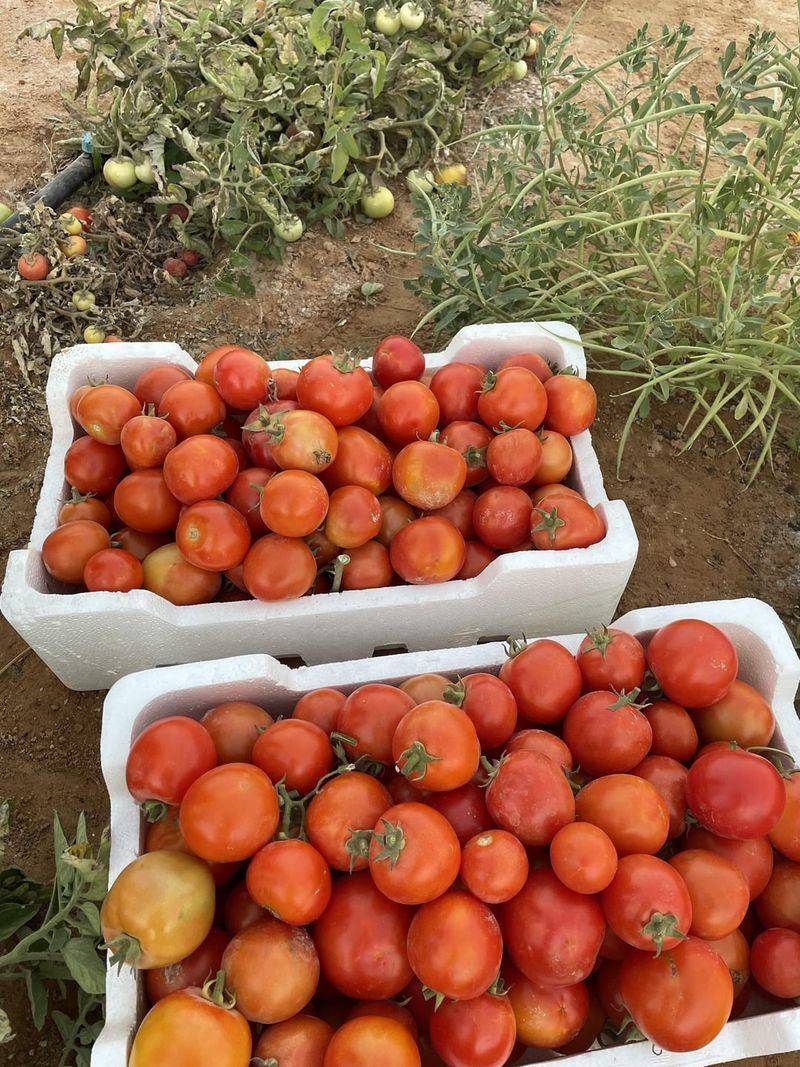
Set your expectations honestly before falling completely in love with the idea of a free fall harvest.
A rejuvenated vine almost always produces less than it managed back in spring, and the fruit itself often runs noticeably smaller too.
Reasons for that decline stack up fairly quickly once you look closer.
Roots are older now and may already be partly damaged from the summer’s stress. Stored energy already went toward producing that first summer crop.
Leaf surface drops sharply after a hard prune too, so photosynthesis slows down considerably until fresh new growth manages to fill back in.
Gardeners tracking their beds closely often report somewhere around half to two-thirds of the original yield coming from a carried-over plant, though results swing pretty widely depending on variety, soil, and overall care given.
Cherry types tend to perform best in this scenario since they set fruit fast and forgive rough handling more easily than larger varieties.
Quality shifts noticeably as well throughout this second act.
Fall fruit coming from an older vine can turn thick-skinned and crack after heavy rain, especially whenever watering has been uneven throughout the growing period.
Blossom end rot tends to appear when calcium uptake stumbles in soil that swings between bone dry and fully soaked too often.
None of that makes renewal a pointless exercise though. Free tomatoes are still free tomatoes at the end of the day.
A healthy vine handing you a bowl of cherries every week has genuinely earned its spot on the trellis. A gardener with room for six plants total might keep two survivors around and add four fresh ones alongside them, hedging that bet rather nicely.
Space really comes down to the actual math here.
If that old vine is occupying your sunniest four square feet of garden space, it is worth asking honestly whether a young plant would put that same patch to better use instead.
6. New Plants Fruit Faster In Cooler Weather
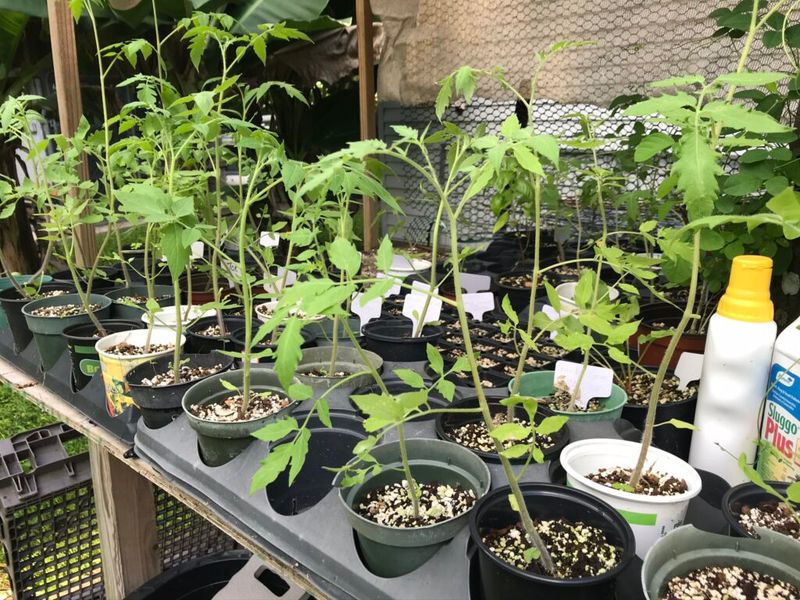
Timing might be the strongest argument overall for planting something completely new.
Tomato flowers stop setting fruit reliably once nights stay very warm and days keep pushing past 90 degrees, which describes most of a typical Florida summer stretch.
Cooler air changes that whole equation fast.
As October rolls in and nights slide down into the 60s and low 70s, pollen starts working properly again and blossoms actually turn into tomatoes reliably. A transplant set out in early September ends up flowering right as that switch flips over.
Days to harvest matter quite a bit here too.
Most Florida-suited varieties ripen roughly 70 to 85 days from transplant, so a September planting points toward November and December picking across central and south Florida specifically.
North Florida gardeners should count backward from their average first frost date and plant earlier instead, often sometime in August.
A renewed old plant runs on a noticeably slower clock by comparison.
It has to push out new stems first, then flower, then finally fruit, and it begins that whole sequence while working with tired roots from the start. A young seedling, meanwhile, pours everything it has into growth from day one without any of that baggage.
Protect that early head start once you commit to a fresh transplant.
Shade cloth for the first week eases transplant shock during hot afternoons still lingering in September. Water at the base rather than overhead so foliage stays dry and fungal spores stay grounded rather than spreading.
Mulch with straw or leaves to steady soil moisture in sandy ground throughout establishment.
Watch closely for whiteflies and hornworms early on too, since tender new plants tend to attract both rather quickly. A weekly five-minute look underneath the leaves beats a full rescue mission somewhere down the road.
7. When In Doubt Start Clean
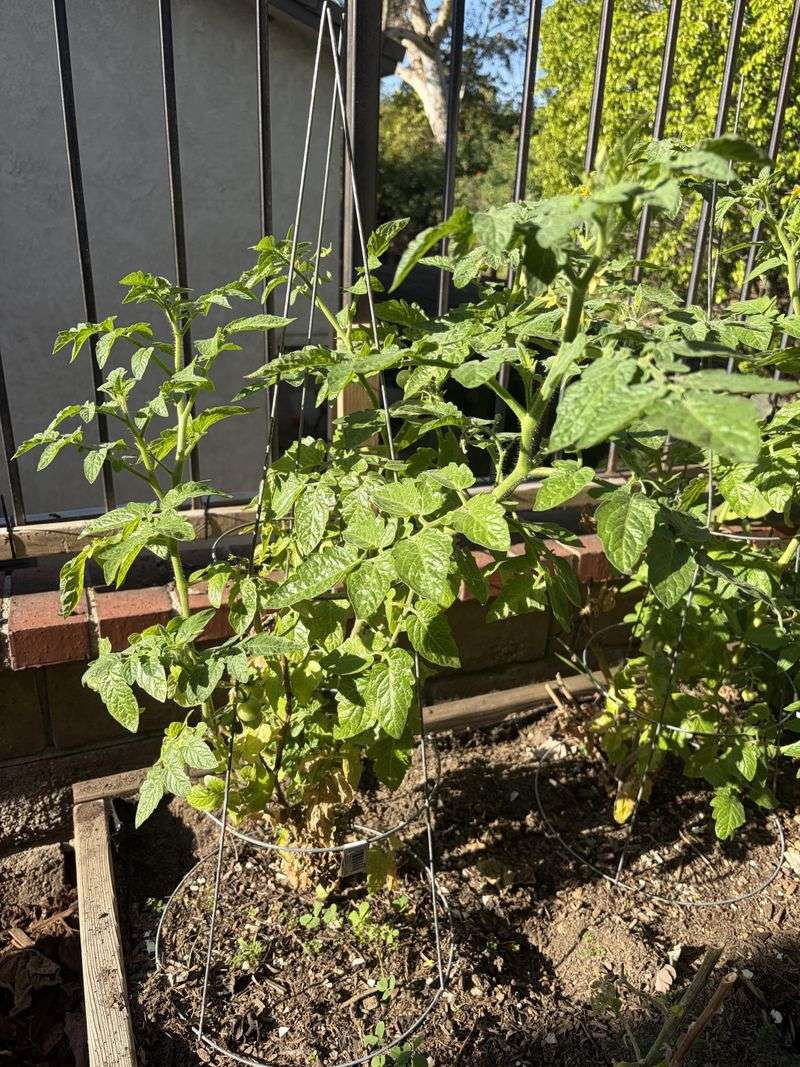
Here is a simple rule for anyone who cannot confidently read a plant’s health on their own. Replace it.
Uncertainty usually means something is already a little off, and a clearer second opinion is not coming anytime soon.
Run through a fast checklist instead of agonizing over the decision endlessly.
Is the variety indeterminate? Are the roots firm and completely free of galls? Is the foliage clear of mottling, cupping, and spotting? Is the inner stem tissue clean when sliced open?
Four yeses earn that plant a hard prune and a good feeding session. Even a single no tilts the whole decision toward a fresh transplant instead.
Keeping a questionable vine around risks more than just one disappointing harvest down the line.
Infected plants act as ongoing reservoirs, feeding whiteflies and spreading spores toward healthy neighbors nearby, including peppers and eggplant from that same plant family.
A nice compromise works well for anyone genuinely curious about the outcome either way.
Keep the old vine tucked in a far corner or a separate container, plant fresh transplants in your best bed instead, then compare results honestly through November.
You learn your garden’s actual patterns this way and lose almost nothing in the process.
Clean-up habits pay real dividends regardless of whichever choice you ultimately make.
Clear out old plant debris from the bed completely, rotate where tomatoes grow season to season, refresh container mix every year, and sanitize cages and stakes between uses.
Every single step here lowers next season’s disease pressure just a little further.
Florida’s fall window stays generous, but it is not endless by any means.
Betting that window on a worn-out vine is a genuine gamble. Betting it on a healthy seedling instead is much closer to a sure thing.