10 Holiday Plants Beyond Poinsettias Worth Growing In North Carolina
Poinsettias get all the credit, but they are not the only plants that make a home feel festive.
Some bloom right on cue, some smell like the season, and a few come back year after year. North Carolina homes suit a surprising number of them, since winters are mild and indoor light is decent.
Amaryllis opens in bold red within weeks. Paperwhites fill a room with scent. Others offer berries, evergreen branches, or leaves that look lovely with a bit of ribbon. Each one has its own needs, and a few are unsafe for pets, so check before you buy.
Choosing well keeps them healthy long after the decorations come down. For anyone tired of the same red plant on the same table, ten worthy alternatives are ready to take its place.
1. Christmas Cactus Blooms Year After Year
Ask around at a holiday gathering, and someone will probably mention a Christmas cactus that once belonged to a grandmother.
Schlumbergera is famous for living a very long time, and many families keep the same plant for decades. Pieces get snipped, rooted, and passed along, so one plant can end up blooming in a dozen homes.
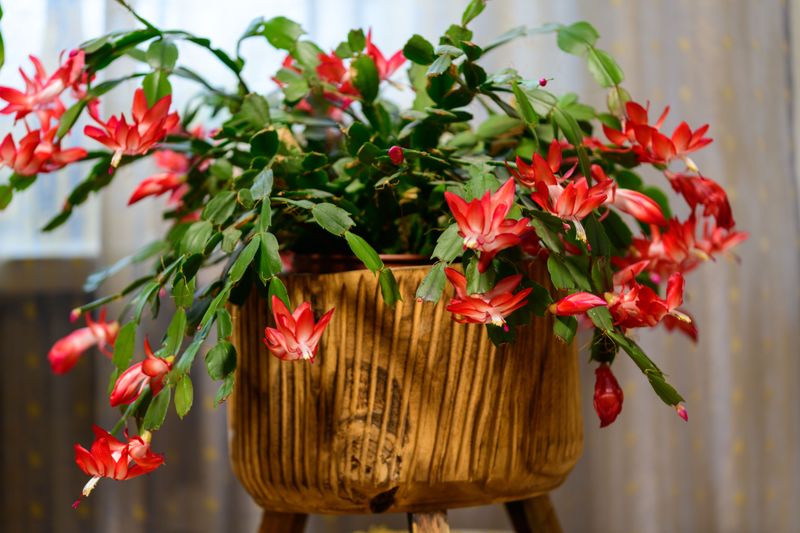
Its arching stems look like chains of flat green links. In late fall, the tips burst with flowers in pink, red, white, orange, or purple. Best of all, it reblooms every year with simple care, so you are not buying a new plant each December.
Bright, indirect light keeps it happy. A spot near an east window works well, while hot afternoon sun can scorch the stems. Water when the top inch of soil feels dry, and make sure the pot drains well, since soggy roots cause trouble fast.
Here is the secret to getting buds. In fall, the plant needs cool nights, around 50 to 60°F, plus long stretches of darkness, about 12 to 14 hours each night. A spare bedroom or porch that stays unlit at night does the trick.
Once buds appear, leave the plant alone. Moving it or changing its light can make the buds drop before they open. Find it a good home and let it settle in.
North Carolina makes this easy. The plant can spend summer outdoors in a shady spot under a tree or on a covered porch, soaking up humid air. Bring it inside in early fall before frost, and the cooler nights will help set buds right in time for the holidays.
2. Amaryllis Brings Huge, Bold Flowers
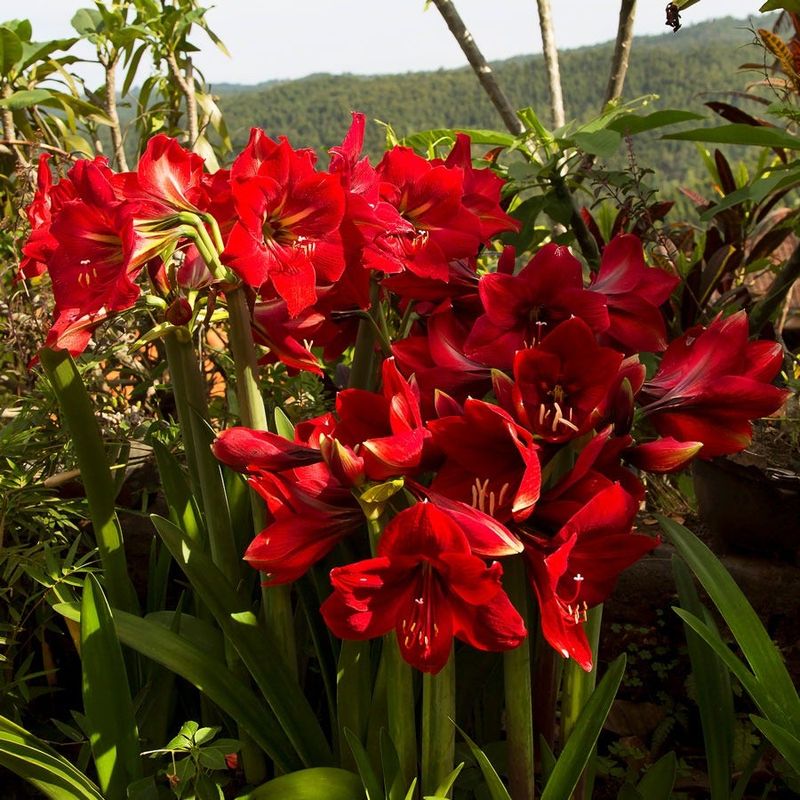
Few plants put on a show quite like amaryllis. A plain, round bulb sends up a thick stalk, and then, almost overnight, giant trumpet-shaped flowers open at the top. Some blooms stretch wider than your hand.
Hippeastrum comes in deep red, crisp white, soft pink, and striped patterns that look like candy canes. Bulbs planted in pots usually bloom about six to ten weeks later. Plant one in late October or early November, and you will likely see flowers around Christmas.
Getting started takes only a few minutes. Choose a pot just a little wider than the bulb, and plant it so the top third stays above the soil.
Your North Carolina Garden Changes Every Week. Your Plan Should Too.
Gardening in North Carolina changes quickly throughout the season. Every Friday you’ll receive a simple weekly plan showing exactly what to plant, prune, fertilize, harvest, and protect so you never miss the right timing.
Give it one good watering, then water sparingly until you see green growth, since too much moisture early on can rot the bulb.
When the stalk begins to rise, move the pot into bright light. Turn it a little every few days so the stalk grows straight instead of leaning toward the window. A thin stake can help support heavy blooms.
Pet owners should take care. Amaryllis bulbs are toxic, so keep the pot where curious cats and dogs cannot chew on it.
After the flowers fade, cut off the old stalk but keep the leaves growing. They feed the bulb so it can bloom again in future years. In North Carolina, amaryllis grows happily in pots anywhere in the state.
In warmer coastal areas, some hardy types can even be planted outdoors in protected spots with good drainage and a thick layer of mulch.
3. Paperwhites Fill The House With Fragrance
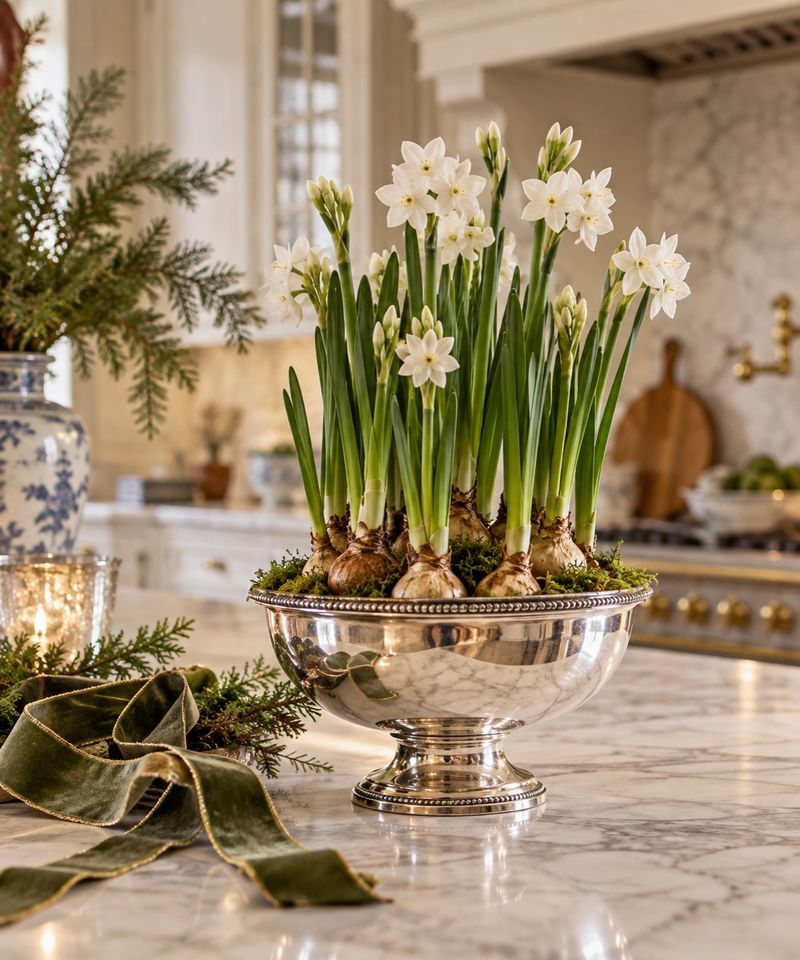
Walk into a room with paperwhites in bloom, and your nose will know before your eyes do. These small white flowers carry a strong, sweet scent that can fill an entire house. Some people adore it, and a few find it a bit too much, but nobody can ignore it.
Narcissus papyraceus is a relative of the daffodil, yet it skips one big step. Most daffodils need weeks of cold before they bloom, but paperwhites do not. That means you can grow them indoors with almost no effort at all.
Grab a shallow bowl without drainage holes and add a few inches of pebbles or decorative stones. Nestle the bulbs on top, pointed ends up, packed close together. Pour in water until it sits just below the base of the bulbs, because bulbs sitting in water can rot.
Roots will reach down into the water within days. Set the bowl in bright light, and in about four to six weeks you will have clusters of starry, fragrant blooms. Cooler rooms help keep the stems shorter and sturdier.
Planning a longer show is simple. Start a new batch every couple of weeks, and the flowers will keep coming one after another. Keep the bowls away from pets, since paperwhites are toxic if eaten.
Many North Carolina gardeners love staggered plantings, with blooms opening from Thanksgiving through New Year’s. Bulbs are easy to find at local garden centers in fall, and they make a cheerful hostess gift wrapped in a pretty glass bowl.
4. Florist Cyclamen Thrives In Cool Rooms
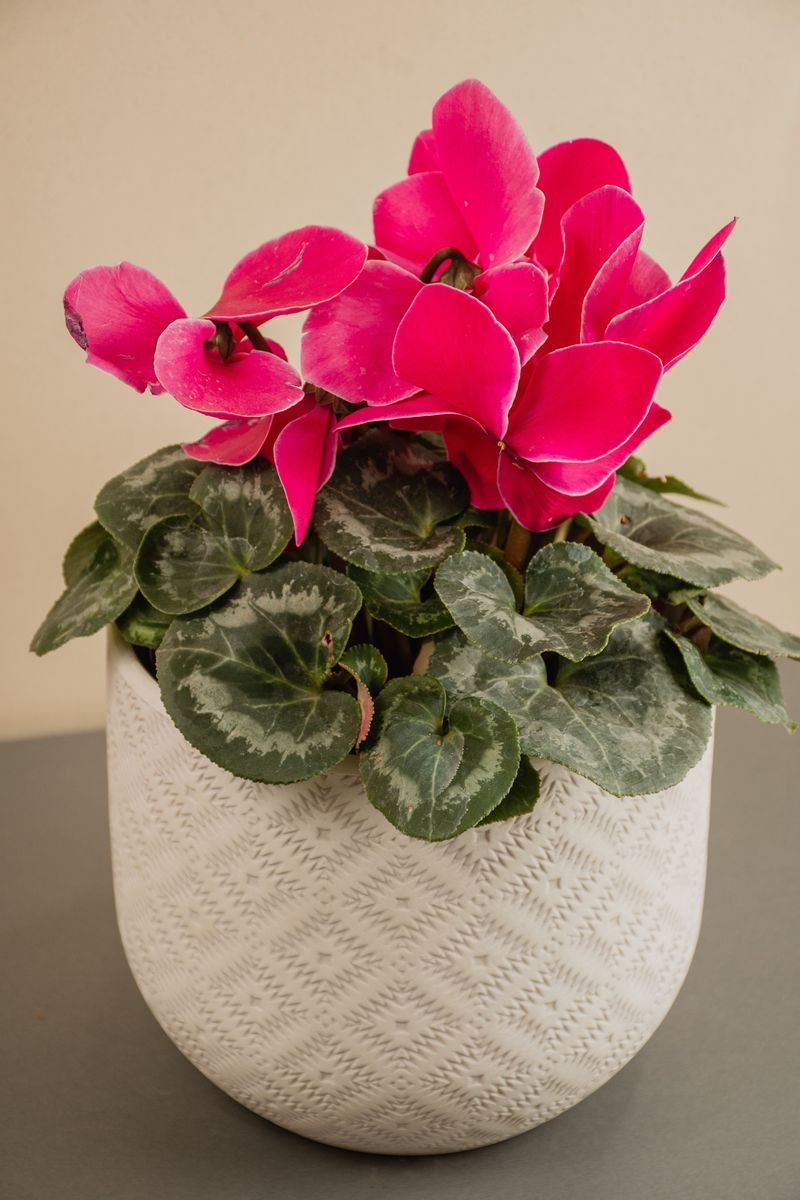
Got a chilly room that most houseplants hate? Florist cyclamen might be the perfect match. While many indoor plants sulk in the cold, this one actually prefers cooler air.
Cyclamen persicum has a look all its own. Its flowers sweep backward like tiny butterflies or shooting stars, held high above heart-shaped leaves. Many leaves have lovely silver marbling, so the plant looks pretty even without blooms.
Colors range from bright red to soft pink and snowy white. With good care, the flowers keep coming for weeks throughout the holiday season. That long show makes it a smart pick for a front hall or guest room.
Temperature matters most. Aim for a cool room, ideally around 50 to 65°F, with bright, indirect light. Warm rooms near heaters cause the leaves to yellow and the flowers to fade fast.
Watering takes a little care too. Wait until the soil surface feels dry, then set the pot in a saucer of water for about 15 minutes so it soaks up moisture from the bottom.
Pour off any extra, and avoid wetting the crown, the center spot where stems meet the tuber, since it can rot easily.
Keep pets away from this one. The tubers are toxic, so place the pot on a high shelf if you have curious animals.
North Carolina shoppers will spot cyclamen in garden centers and grocery stores from late fall through winter. Pick a plant with plenty of unopened buds tucked under the leaves, and you will enjoy fresh flowers for a long time.
5. Norfolk Island Pine Makes A Living Christmas Tree
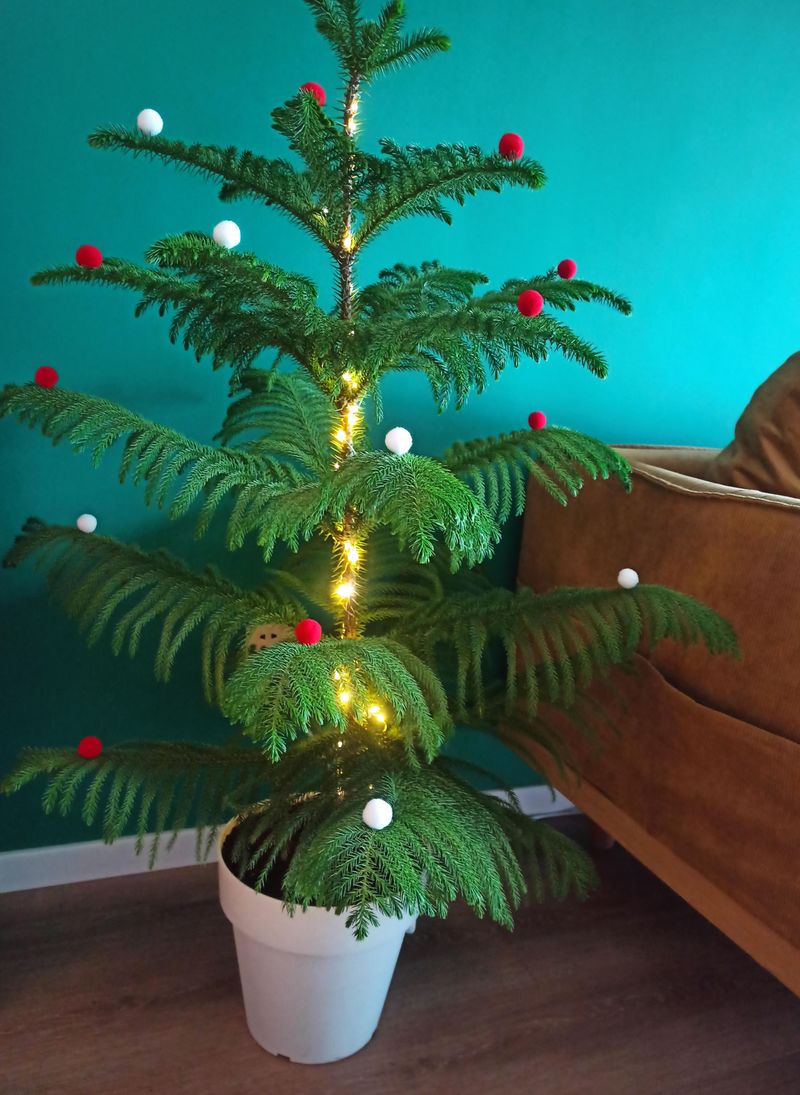
Imagine a Christmas tree that never drops needles all over your floor and keeps growing for years after the holidays. Norfolk Island pine makes that dream real. Its soft, feathery needles and neat, layered branches give it a classic tree shape in a small pot.
Araucaria heterophylla is not a true pine at all. It comes from Norfolk Island, a tiny spot in the South Pacific, where it can grow into a towering tree. Indoors, though, it grows slowly and stays a manageable size for a long time.
During the holidays, dress it up with lightweight ornaments, small bows, or a strand of mini lights. Skip anything heavy, since the branches are soft and can bend. Once January rolls around, simply remove the decorations and enjoy it as a houseplant.
Light is key. Place it in bright, indirect light, and turn the pot a quarter turn every week so it grows evenly instead of leaning. Water when the top inch of soil is dry, and let extra water drain away.
Heated homes can get very dry in winter, which may cause brown tips or dropping lower branches. Raise the humidity with a pebble tray or a small humidifier nearby. Keep the tree away from cold drafts by doors, too.
In North Carolina, your tree can spend summer outdoors in a shady spot, where warm, humid air gives it a boost.
Just bring it back inside before cold weather arrives, since frost will badly damage it. With that routine, the same little tree can join your celebrations for many years.
6. Rosemary Trees Smell As Good As They Look

Brush your hand across a rosemary tree, and a fresh, piney scent drifts into the air. That alone makes it a holiday treat. Add its cute cone shape, and you have a gift that looks festive and smells amazing.
Garden centers often trim rosemary into little Christmas tree forms each winter. The plant, now known by the botanical name Salvia rosmarinus, has needle-like leaves that fit the holiday look perfectly.
Even better, you can snip sprigs for roast chicken, potatoes, or homemade bread. Indoors, rosemary craves sunshine. Give it the brightest window you have, ideally one facing south. Low light makes it weak and leggy, so more sun is always better.
Watering takes balance. Water when the top inch of soil is dry, but never let the pot dry out completely, because rosemary in a small pot can go from thirsty to crispy fast. At the same time, soggy soil causes root problems, so good drainage is a must.
Fresh air helps too. Indoor rosemary sometimes gets powdery mildew, a white dusty coating on the leaves. A spot with good airflow, or even a small fan running nearby, helps prevent it.
Come spring, your little tree can move outdoors. Plant it in a sunny, well-drained spot, and it may grow into a big, bushy shrub. In North Carolina, rosemary often grows year round outdoors in the Coastal Plain and much of the Piedmont.
Gardeners in the Mountains may want to keep it in a pot and bring it in during the coldest months.
7. Yuletide Camellia Blooms Right On Time
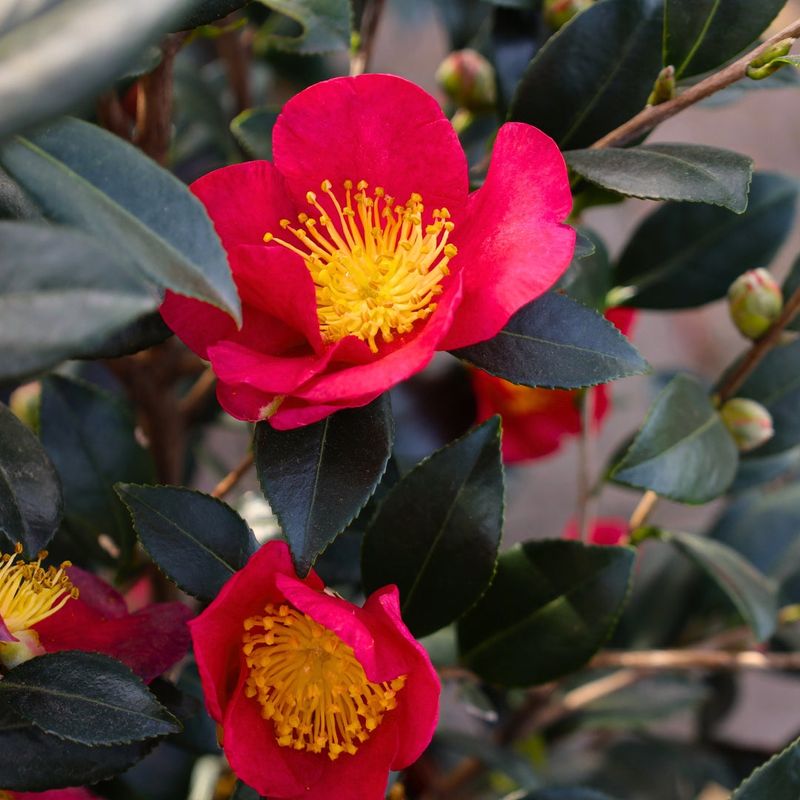
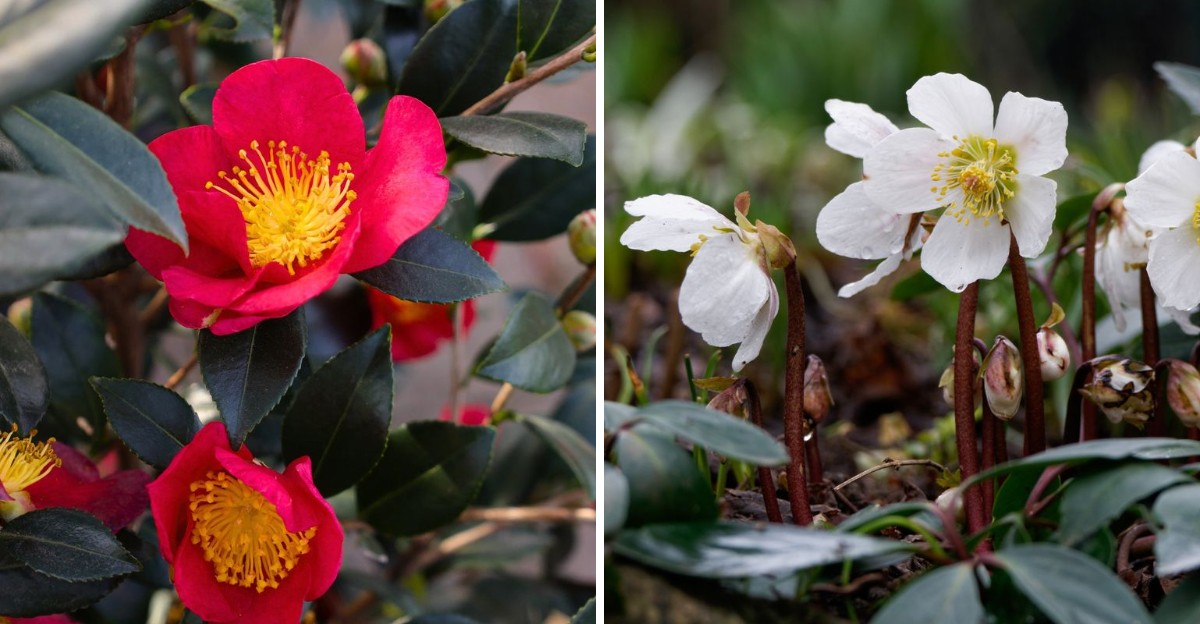
Some plants seem to own a calendar. Yuletide camellia lives up to its name by blooming from late fall into early winter, often right around the holidays. When much of the garden is resting, it bursts into color.
Camellia sasanqua ‘Yuletide’ is a compact evergreen shrub. Its flowers are bright red and single, with a ring of golden yellow stamens in the center. Paired with glossy, deep green leaves, the whole plant looks like it was dressed for a party.
That festive look works indoors too. Cut a few branches, set them in a vase or tuck them into a centerpiece, and you have instant holiday decor straight from your yard. Bees and other pollinators also visit the open flowers on mild winter days.
Planting it right sets you up for years of blooms. Choose a spot with part shade to sun, with moist, well-drained, acidic soil. Sasanquas handle more sun than many other camellias, though some afternoon shade helps in very hot areas.
Mulch makes a big difference. A layer of pine bark or pine straw keeps roots cool, holds moisture, and adds acidity as it breaks down. Water deeply during dry spells, especially the first couple of years.
Pruning should happen only right after flowering ends. Trim later in the year, and you may cut off next season’s buds.
North Carolina is camellia country, and sasanquas thrive in the Piedmont and Coastal Plain, where mild winters and acidic soils suit them beautifully.
8. American Holly Provides Classic Holiday Greenery
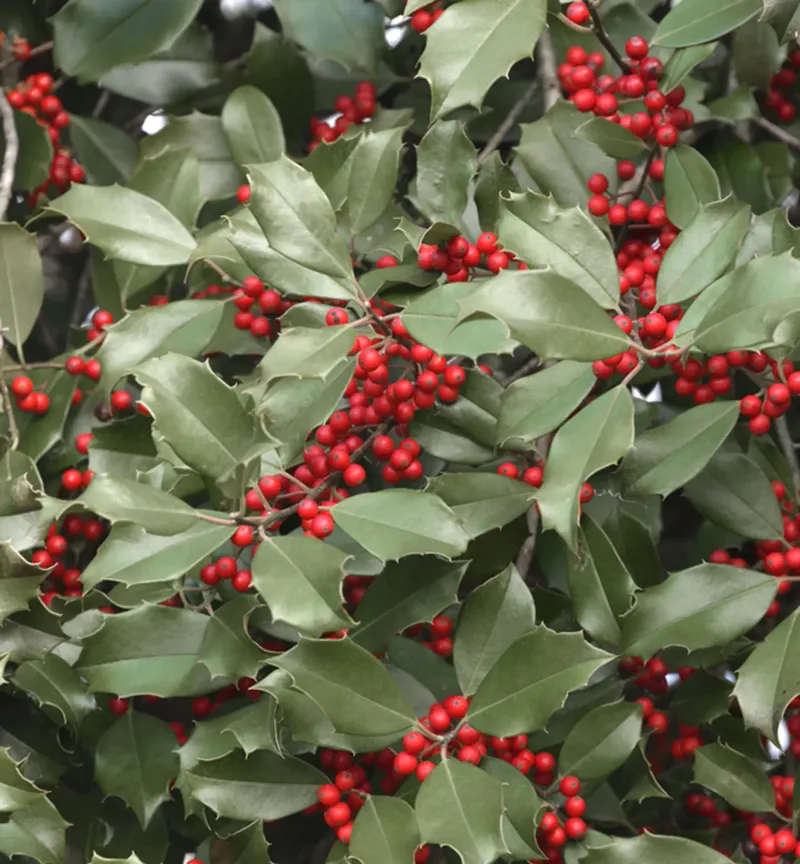
Long before store-bought wreaths, families walked into the woods to gather holly. American holly still carries that old-fashioned charm, and it happens to be a native tree in North Carolina.
Its spiny, glossy leaves and bright red berries are the very picture of the season. Ilex opaca grows into a handsome, pyramid-shaped evergreen tree.
Only female plants produce berries, which ripen in fall and often hang on into winter. Birds such as cedar waxwings, robins, and mockingbirds rely on them as food during the cold months.
Planting is fairly simple. Choose a site with sun to part shade and well-drained, slightly acidic soil. More sun usually means fuller growth and more berries.
Berries need a partner, though. Plant a male holly nearby so bees can carry pollen to the female flowers in spring. Without a male in the area, a female tree may stay berry-free.
December is a great time for light pruning. Snip a few branches to shape the tree, then use those cuttings for wreaths, mantels, and table arrangements. You get free decorations and a tidier tree at the same time.
Safety matters with those cheerful berries. They are toxic if eaten, so keep cut branches out of reach of young children and pets. Wear gloves while working too, since the leaf spines are sharp.
American holly grows naturally across the state, from mountain slopes to coastal forests. That deep local history means it handles North Carolina weather well.
9. Moth Orchids Make Elegant Holiday Gifts
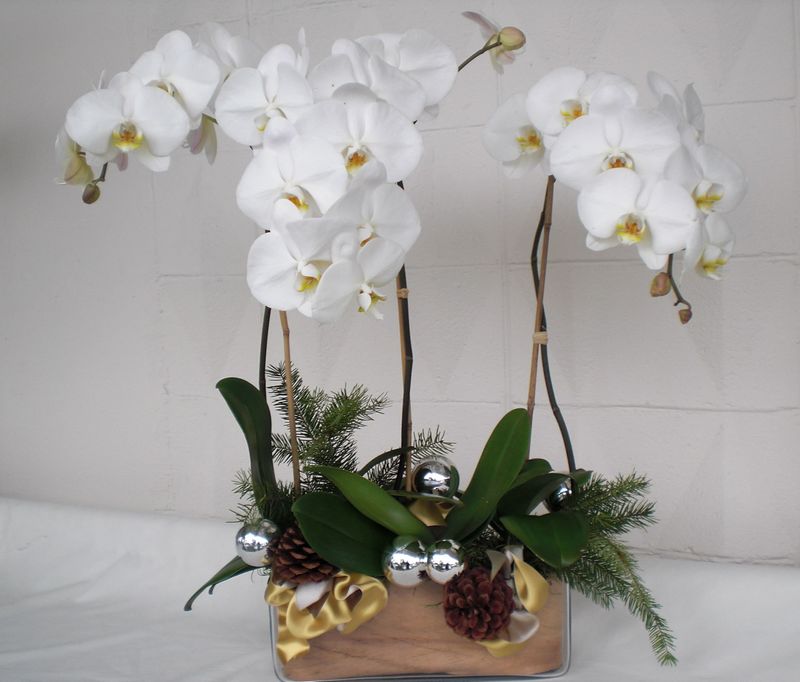
Cut flowers fade in a week, but a moth orchid can keep blooming well past Valentine’s Day. That staying power makes it one of the classiest gifts you can give. Its flowers often last for months, so the recipient thinks of you long after the wrapping paper is gone.
Phalaenopsis gets its common name from the flowers, which look a bit like moths in flight.
Long, arching sprays hold blooms in white, pink, purple, and fancy patterns with spots or stripes. Many people think orchids are fussy, yet this type is one of the easiest houseplants around.
Bright, indirect light is ideal. An east window works nicely, and a sheer curtain helps on sunnier sides of the house. Leaves that turn dark green may need more light, while yellowish leaves can mean too much sun.
Watering is where most people slip up. Wait until the bark or moss potting mix is nearly dry, then water well and let the extra drain out completely. Never let the pot sit in standing water.
Keep water out of the crown, the spot where leaves meet in the center, because trapped water can cause rot. Watering in the morning helps any splashes dry quickly.
Placement matters in winter too. Keep the plant away from cold drafts near doors and from heat vents that blast dry air. North Carolina homes usually stay at temperatures moth orchids love.
A slight drop in nighttime temperature in fall often helps trigger new flower spikes, so reblooming is very doable.
10. Christmas Rose Can Bloom In The Garden In Winter
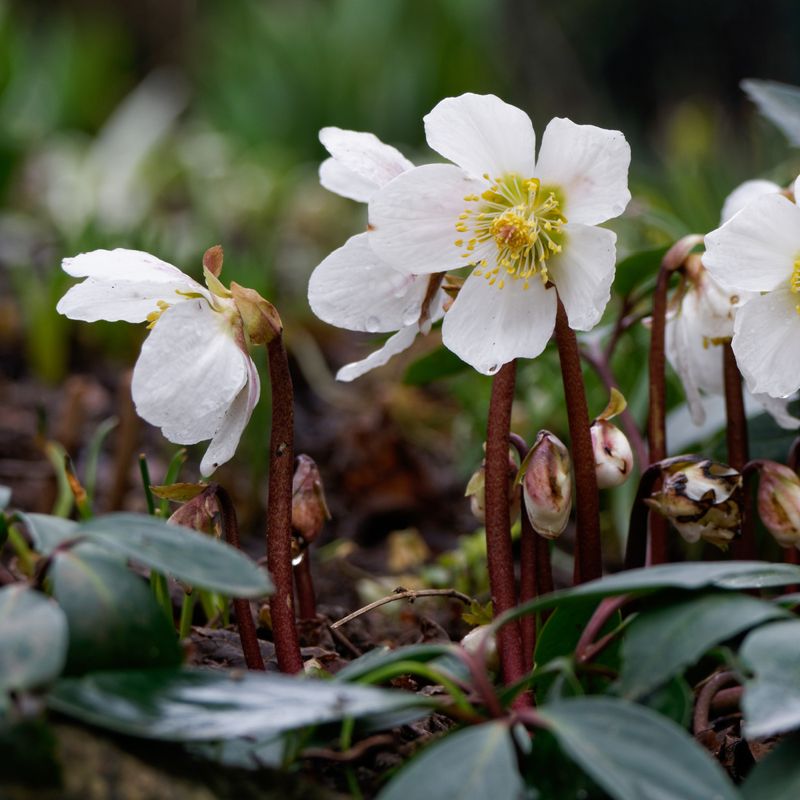
Flowers in the garden in January sound almost too good to be true. Christmas rose makes it happen. While most plants rest, this tough perennial opens white, cup-shaped blooms that can sometimes peek out from under a light dusting of snow.
Despite the name, Helleborus niger is not a rose at all. It belongs to the buttercup family. Its flowers often age to a soft pink or green, so they stay attractive for weeks.
The leaves earn praise too. They stay green all year, giving shady beds some life even in winter. Deer usually leave it alone because the plant is toxic, which is great news for gardeners tired of nibbled shrubs.
Shade is its friend. Plant it in part to full shade in rich, well-drained soil with plenty of organic matter. A spot under tall trees, where it gets some winter sun after the leaves drop, often works well.
Shredded leaves make an excellent mulch, keeping roots cool and adding nutrients as they break down. In late winter, trim off old, tattered leaves so the new flowers and fresh foliage really shine.
Always wear gloves when handling it. The sap can irritate skin, and all parts are toxic if eaten. In North Carolina, Christmas rose performs best in the cooler Mountains and Piedmont.
Hot, humid summers near the coast can stress it. Gardeners in warmer areas often have better luck with Lenten rose, a close cousin that blooms in late winter and handles heat more easily.