9 Little-Known Tips That Make Hydrangeas Bloom Like Crazy
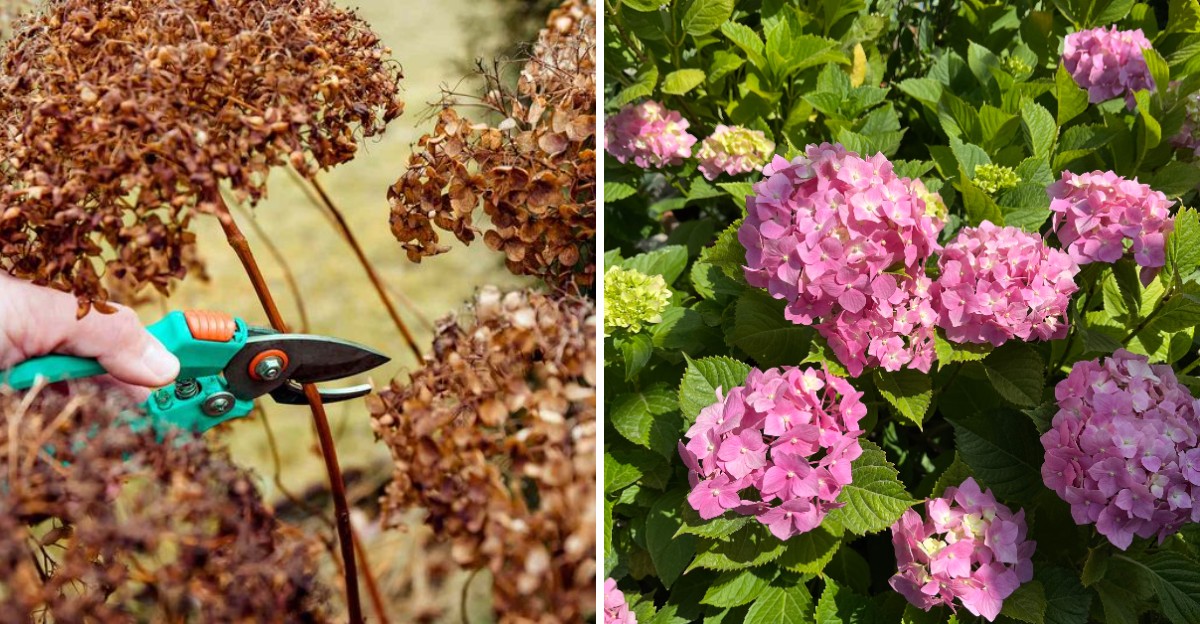
The flowers you hope to see next July may already be tucked inside the stems by late August. On many big, mophead-style shrubs, a single snip in September can erase a whole summer of color before it starts.
I learned that the hard way. My bush grew huge, leafy, and gorgeous, yet it gave me about four blossoms all season. Meanwhile, the yard next door looked like a florist shop.
A little digging through university extension guides gave me answers I wish I had years ago. Light, fertilizer, winter cold, and even the type of shrub you own all shape the show. Some of the best fixes take less work, not more.
Gardeners far and wide keep finding the same few habits behind bushes bursting with blooms. So what are the flower-packed yards doing that the rest of us miss?
1. Those Plump Hydrangea Buds Might Be Hiding on Last Year’s Stems
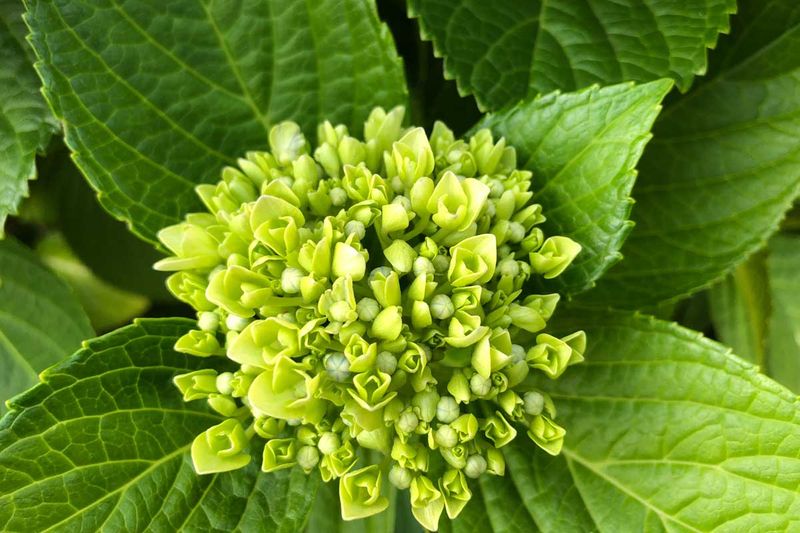
My first big hydrangea lesson had nothing to do with fertilizer or water. It came down to one question: which kind of hydrangea do I own?
Bigleaf hydrangeas, the classic blue and pink mopheads, form next year’s flower buds in late summer and fall. Oakleaf and mountain hydrangeas do the same. Those buds sit on the old stems all winter, waiting for warm weather.
Panicle hydrangeas, like the cone-shaped Limelight, work differently. So do smooth hydrangeas, such as the famous Annabelle. These types grow flowers on brand-new stems that sprout in spring.
Why does this matter so much? University extension experts point to it as a top reason hydrangeas skip a year of flowers. If your shrub blooms on old wood, anything that harms those stems also harms the blooms.
You can usually tell the type by the leaves and flowers. Big, glossy leaves with round or flat flower clusters point to bigleaf.
Leaves shaped like oak leaves are a giveaway too. Cone-shaped clusters often mean panicle.
Check the plant tag if you still have it. Once you know your type, every other tip on this list makes far more sense, and you stop guessing in the dark.
2. Too Much Nitrogen Gives You a Giant Leafy Hydrangea With Few Flowers
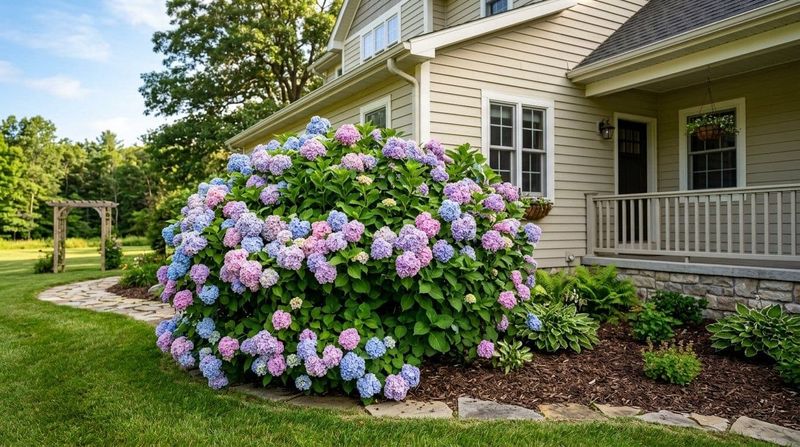
Lush and leafy sounds great until you realize there are hardly any flowers. A hydrangea fed too much nitrogen often turns into a big green blob.
Nitrogen fuels leaf and stem growth. When a shrub gets heaps of it, the plant pours energy into foliage instead of blooms.
Lawn fertilizer is a sneaky source, especially if your hydrangeas sit near grass that gets fed often. So should you buy a bloom booster loaded with phosphorus? Not so fast.
Extension specialists note that many yards already have plenty of phosphorus, and extra amounts rarely help. A soil test tells you what your ground actually needs.
For most hydrangeas, a light hand works best. A balanced, slow-release fertilizer applied in spring is plenty for many gardens. Some bigleaf types benefit from a second light feeding in early summer.
Skip feeding late in the season. Fertilizing in late summer can push tender new growth that struggles when cold weather arrives.
I cut my fertilizer in half one year, mostly out of laziness. The next summer brought more flower clusters than I had seen in ages.
Sometimes the smartest move is simply stepping back and letting the shrub settle into a rhythm.
3. Prune Bigleaf and Oakleaf Hydrangeas Right After Their Flowers Fade
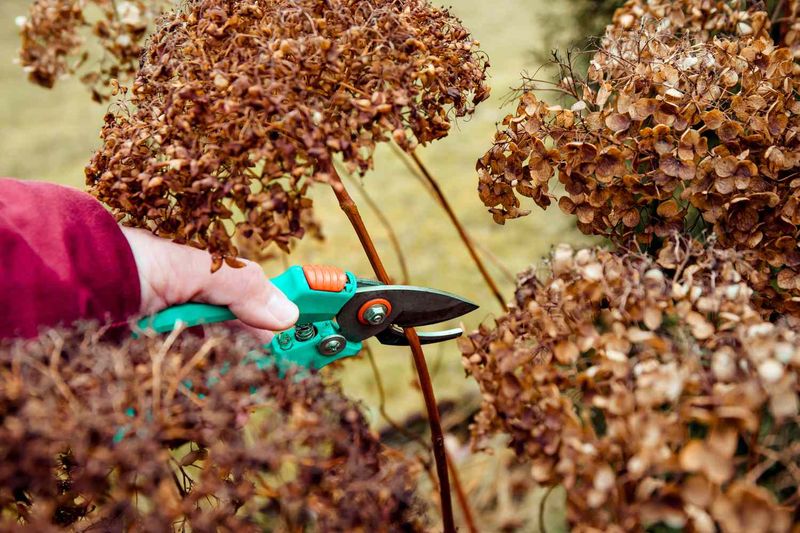
Grab the pruners in July, not October. That simple timing shift made the biggest difference in my garden.
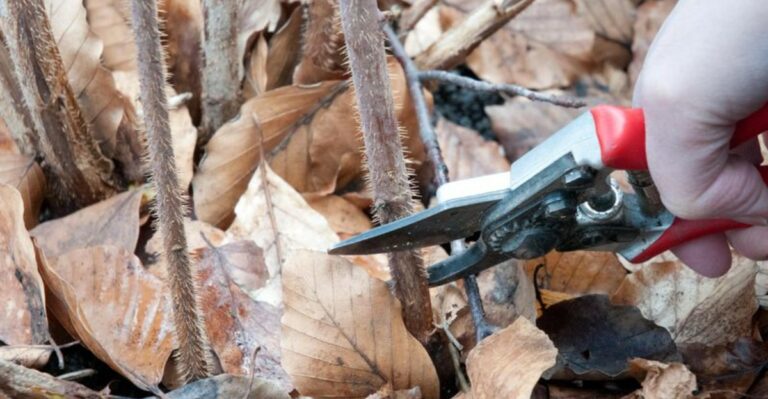
For bigleaf and oakleaf hydrangeas, the best window for pruning is soon after the flowers fade in summer. Many extension services suggest finishing by early August. After that, the shrub starts setting buds for next year, and a late trim snips them right off.
Fall and early spring cuts are the usual culprits behind a leafy, flowerless bush. I once trimmed mine into a neat little dome in March. It looked tidy and gave me no flowers that June.
Panicle and smooth hydrangeas play by friendlier rules. Since they bloom on new growth, you can cut them back in late winter or early spring before leaves appear. Smooth hydrangeas like Annabelle can even be cut down to about a foot tall.
Some gardeners prune panicle types a bit higher, leaving sturdy stems that hold up heavy blooms better. That trick helps prevent floppy branches after summer rain.
When in doubt with an old-wood type, prune less. Remove only spent flower heads and any brown, brittle stems. Your shrub will reward the restraint with a much fuller show.
4. Morning Sun and Afternoon Shade Keep Hydrangea Blossoms Coming
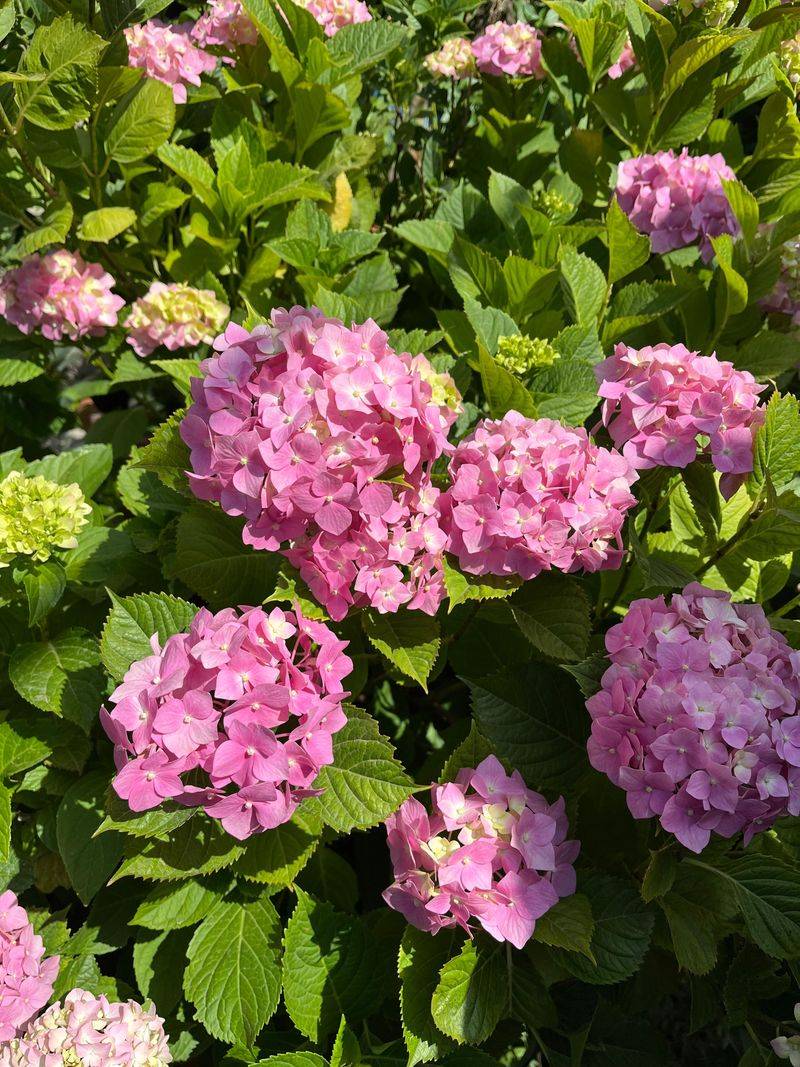
Deep shade sounds cozy, but it can starve a hydrangea of the energy it needs for flowers. I moved one sulking shrub just ten feet, and it finally bloomed.
Most bigleaf hydrangeas thrive with morning sun and afternoon shade. Gentle early light powers bud production.
Shade later in the day spares the leaves from wilting and scorching during the hottest hours. Location changes the math. In hot southern yards, that afternoon break is a big deal.
In cooler northern gardens, bigleaf types can often handle more sun, as long as the soil stays moist.
Panicle hydrangeas are the sun lovers of the family. They usually perform best with at least six hours of direct light, and many handle full sun with ease. Smooth hydrangeas fall somewhere in between and enjoy partial shade in warm regions.
Oakleaf hydrangeas are flexible too. They flower in partial shade, yet a bit more sun often brings richer fall leaf color.
Watch your yard for a full day before planting. Note where shadows land at noon and at three in the afternoon.
That small bit of homework can save you from years of wondering why the flowers are so sparse.
5. Bigleaf Hydrangea Buds Need Shelter From Hard Freezes and Late Frosts
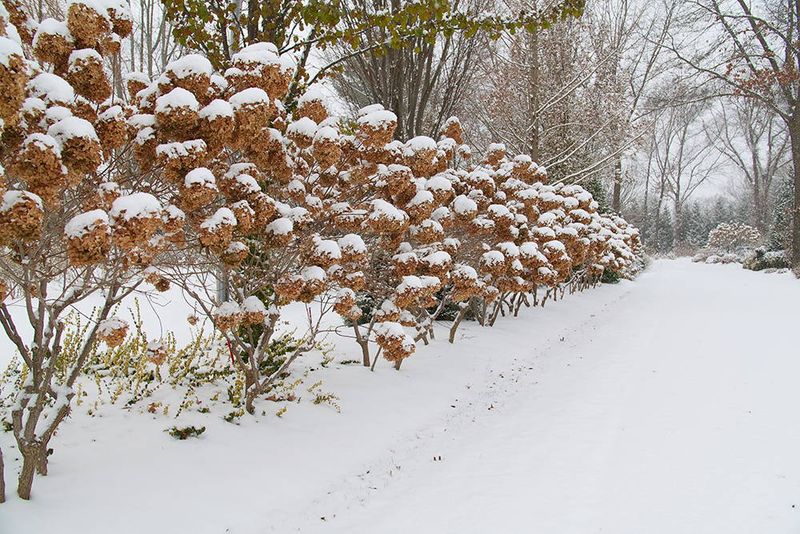
A single cold snap in April once wiped my bloom hopes for the whole summer. The shrub leafed out fine, yet the flower buds had turned brown and mushy.
Old-wood hydrangeas carry next year’s buds on their stems all winter. Bitter cold can harm those buds, especially in colder zones.
A warm spell followed by a sudden spring frost causes trouble too, because the buds start swelling early.
A few easy moves offer real protection. Leave the faded flower heads on through winter, since they shelter the buds just below. Spread a thick layer of mulch around the base after the ground starts to freeze.
In chilly regions, some gardeners build a simple cage of chicken wire around the shrub. They fill it with dry leaves or pine straw for extra insulation. Remove it gradually in spring once the worst cold passes.
Watch the forecast when new leaves appear. An old bedsheet or frost cloth draped over the shrub overnight can save the season’s flowers. Take it off in the morning.
Reblooming varieties like the Endless Summer series help as well. They flower on both old and new wood, so a rough winter rarely leaves you empty-handed.
6. Deep Watering and a Thick Mulch Blanket Keep Hydrangea Roots Happy
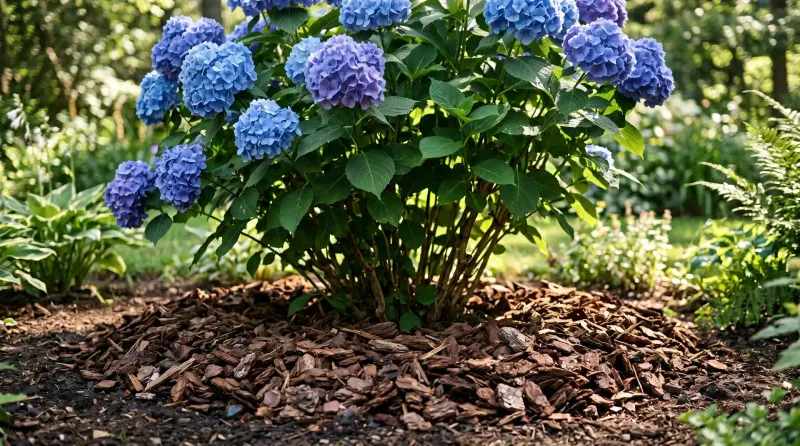
Hydrangea actually comes from Greek words meaning water vessel. The name fits, because these shrubs droop dramatically when the soil dries out.
Consistent moisture keeps buds developing and flowers lasting longer. Many extension guides suggest about one inch of water per week. Hot, windy spells may call for more.
Deep soaking beats frequent sprinkling. A slow drink from a soaker hose or drip line pushes water down to the roots. Watering in the morning lets leaves dry quickly and helps reduce leaf spot problems.
Try the finger test before you grab the hose. Push a finger about two inches into the soil near the base. If it feels dry, water. If it feels damp, wait a day.
Soggy ground causes its own headaches, so avoid low spots where water pools. Hydrangeas want moist soil that still drains well.
Mulch is the quiet hero here. A two to three inch layer of shredded bark or pine straw holds moisture and keeps roots cool. Keep it a few inches away from the stems to prevent rot.
One more surprise: wilting at 3 p.m. on a scorching day is often normal. If the leaves perk up by evening, the plant is fine.
7. Snipping Spent Hydrangea Flowers Pays Off on Reblooming Types
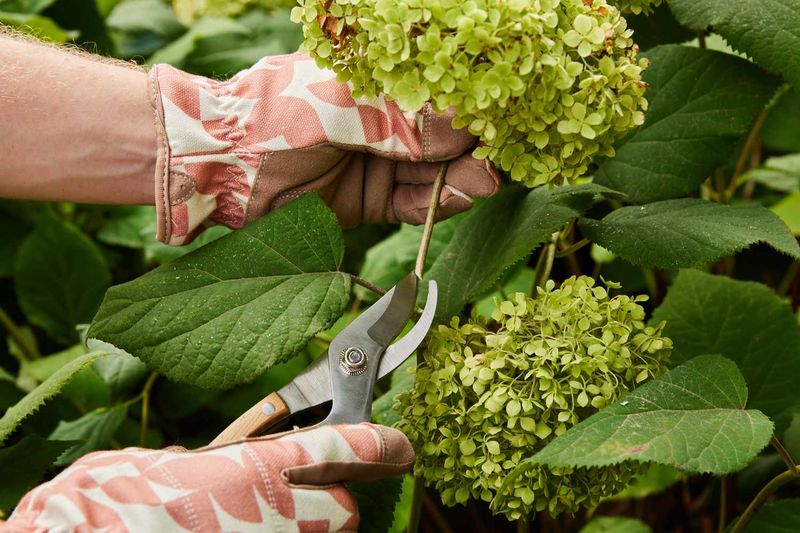
Reblooming hydrangeas changed the game for gardeners in tricky climates. Varieties like Endless Summer and Let’s Dance can flower on both old and new stems.
On these types, removing faded flowers during summer can nudge the plant toward another round of color. Cut the spent bloom just above the first set of healthy leaves. New flower buds often form on fresh growth that follows.
For regular bigleaf hydrangeas, snipping old flowers is mostly about looks. Those shrubs usually bloom once per season, no matter how tidy you keep them. Stop removing flowers by late summer so you avoid cutting into next year’s buds.
Older, crowded shrubs benefit from a different kind of snip. Removing one or two of the oldest, woodiest stems at ground level opens space for vigorous new shoots. Do this right after flowering on old-wood types.
That gradual thinning keeps the shrub fresh without sacrificing a full season of flowers. Spread the work over a few years for best results.
Fun bonus: those faded summer blooms make lovely dried arrangements. Cut them when the petals feel papery, then hang them upside down somewhere dry. They hold their soft vintage colors for months indoors.
8. Patience and the Right Planting Spot Help Young Hydrangeas Flower Fully
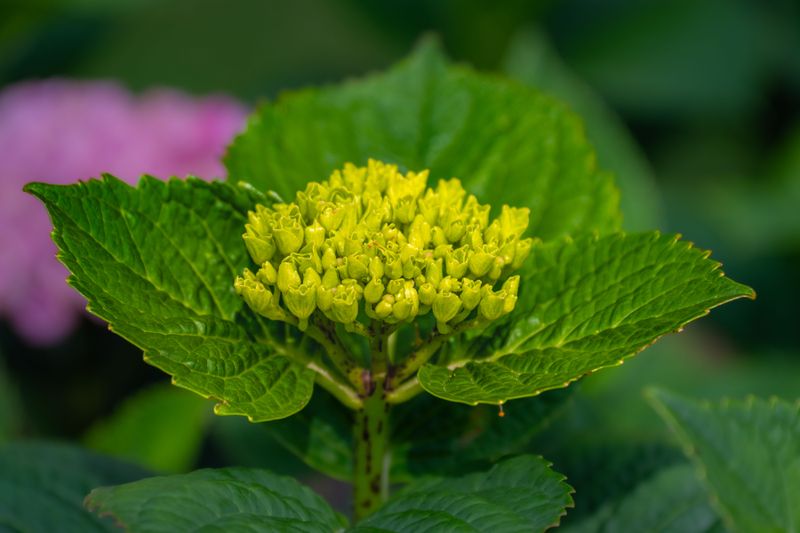
A brand-new hydrangea from the garden center often looks full of promise, then sits quietly for a season. That is perfectly normal.
Young shrubs spend their first year or two building roots, and strong roots support heavy flowering later.
Planting day matters more than most of us realize. Dig a hole about twice as wide as the root ball, but no deeper.
Set the top of the root ball level with the soil, or just a touch above it. Planting too deep can keep a shrub from thriving.
Loosen any circling roots gently with your fingers so they can spread outward. Water well after planting, then check the soil often through the first summer.
Mulch with two or three inches of shredded bark, and keep it a few inches away from the stem so the base stays healthy.
Resist the urge to move the shrub around every year. Each move sets the roots back and delays flowers.
Choosing a variety suited to your climate makes life easier too. Local nurseries and extension offices can point you toward hardy types that thrive nearby.
I waited patiently for my own young shrub, and the second summer finally rewarded me. Patience truly pays. A few extra weeks of care in the beginning can mean years of generous blooms.
9. Soil pH Can Paint Your Bigleaf Hydrangeas Blue or Pink
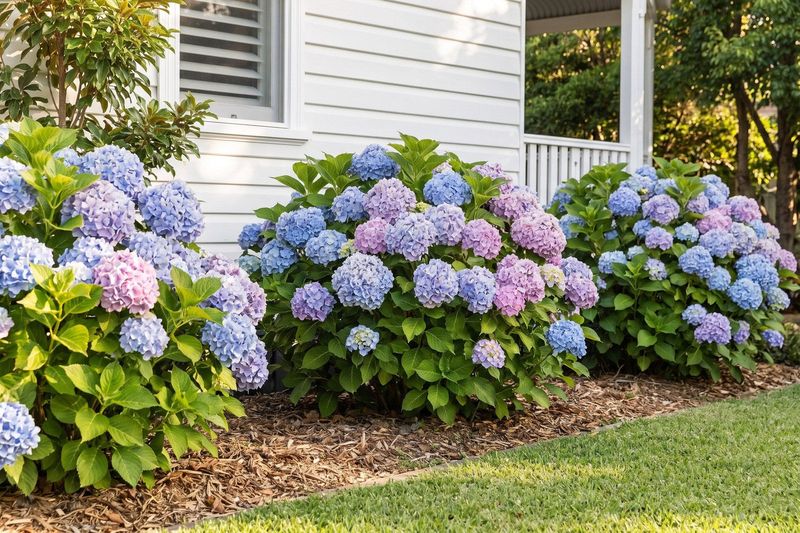
Few garden tricks feel as magical as watching a pink hydrangea turn blue. The secret is aluminum, and soil acidity controls how much the plant can absorb.
In acidic soil with a pH around 5.0 to 5.5, bigleaf hydrangeas take up aluminum and lean blue. Around 6.0 to 6.2 or higher, aluminum stays locked up and flowers lean pink. In between, you may get purple blooms, which I happen to love.
Start with a soil test from your local extension office. It costs little and reveals your pH along with nutrient levels. That one report guides everything else, including fertilizer choices.
To nudge toward blue, gardeners often add elemental sulfur or aluminum sulfate. For pink, garden lime raises the pH. Changes happen slowly, sometimes over a full season, so patience helps.
Only bigleaf and mountain hydrangeas respond this way. White varieties stay white, and panicle types follow their own color patterns as they age.
Healthy soil ties the whole plan together. Work compost into the bed each spring to improve structure and drainage.
Pair that with smart pruning, steady water, and the right light, and your hydrangeas finally have everything they need to bloom like crazy.