Tree Frogs Are Showing Up In California Gardens And Gardeners Are Thrilled
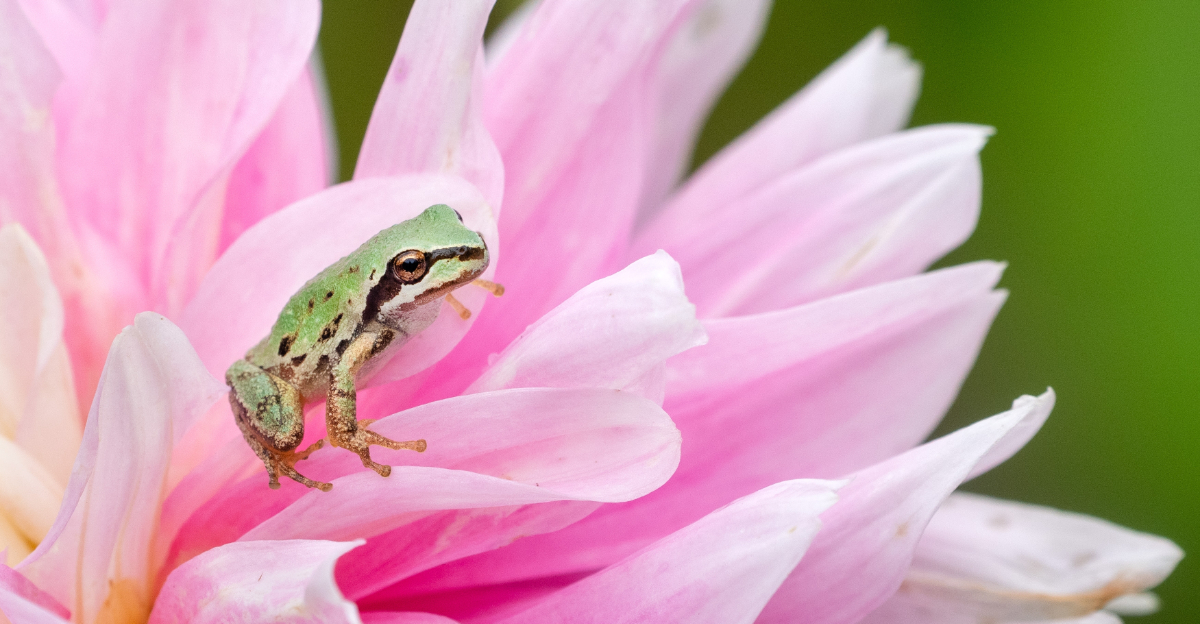
A tiny frog in the garden can feel like a surprise guest with a very loud voice. Across parts of California, gardeners are spotting tree frogs after mild weather or extra moisture.
They may be tucked near damp leaves or resting in a shady corner. Their visits can make a yard feel more alive.
They also hint that the garden has places for small wildlife to shelter. That is a big reason people get excited when these little frogs appear.
They are not just cute. They are part of a backyard world many gardeners hope to support. Still, their presence can raise questions. Why are they showing up now?
What do they need to stick around? A tree frog sighting may be small, but it can say a lot about the health and comfort of your garden space.
1. Pacific Treefrogs Are The Ones Gardeners Usually Hear
You have probably heard them before you ever saw one. That loud, rhythmic ribbiting sound filling the air on warm evenings?
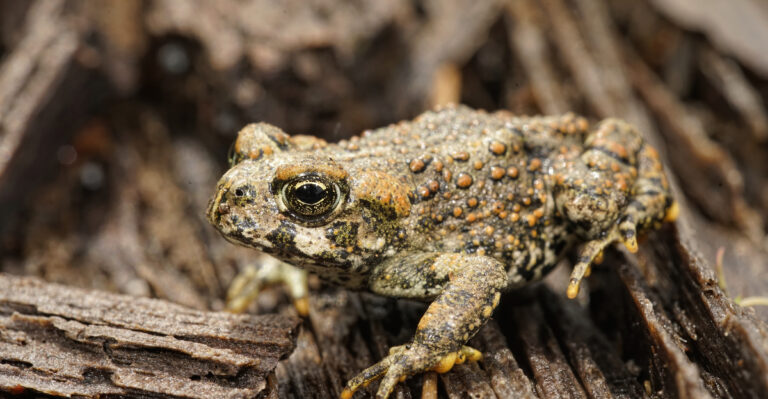
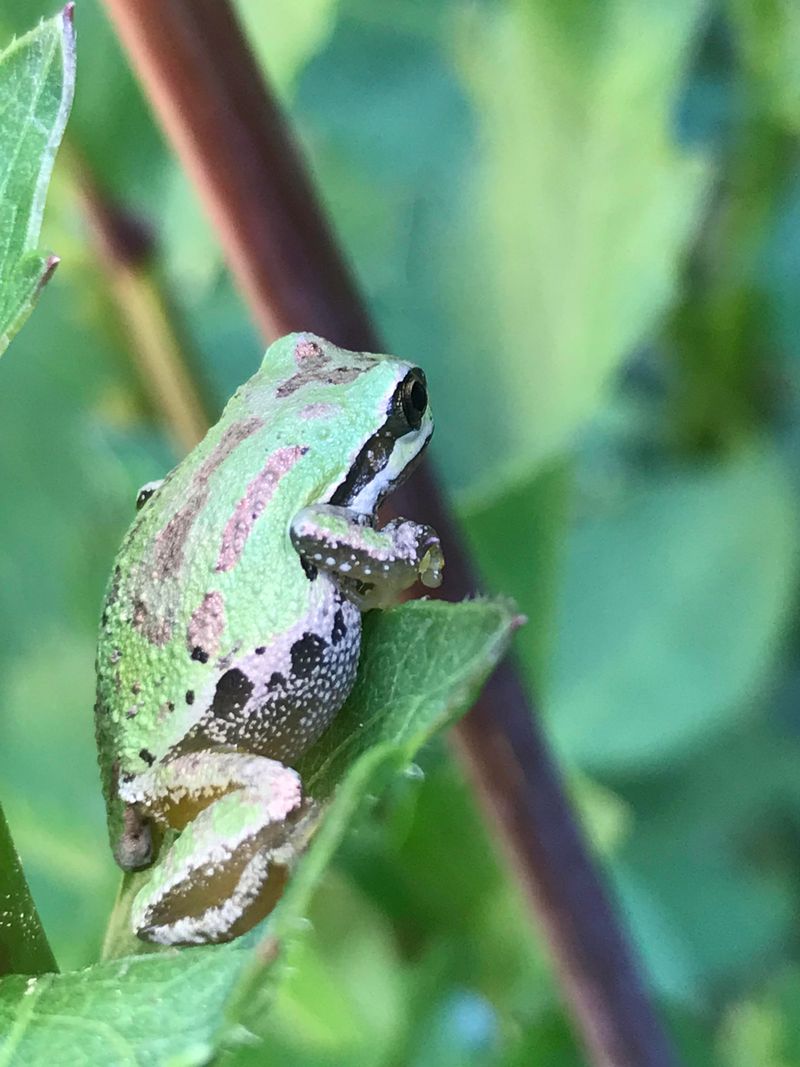
That is almost always the Pacific treefrog, also known as the Pacific chorus frog. It is the most common tree frog found in home gardens across the western United States, and it is remarkably small for how loud it can be.
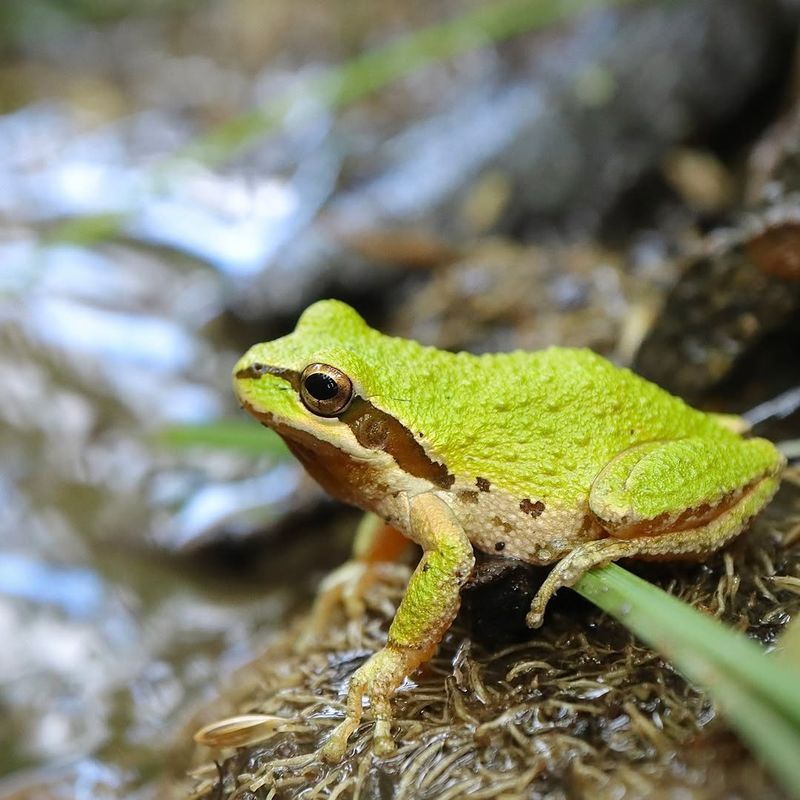
Most Pacific treefrogs are only about one to two inches long. They come in shades of green, brown, and even gray, and they can actually change their color slightly depending on their surroundings.
One of their most recognizable features is a dark stripe that runs from their nose through their eye, almost like a tiny mask.
Despite their small size, these frogs have a powerful voice. Males call loudly during breeding season, usually from late winter through spring.
But gardeners often hear them well into summer and fall too, especially after rain. They use their sticky toe pads to climb plants, fences, and even windows.
Finding one in your garden is not unusual anymore. As suburban areas expand, Pacific treefrogs have adapted well to living near humans.
They are harmless, helpful, and honestly pretty charming once you get used to their evening concerts.
Getting to know this species is the first step to appreciating what they bring to your outdoor space.
2. That Nighttime Chorus Means Your Yard Has Life
When the sun goes down and the frogs start calling, it is easy to think of it as background noise. But that nighttime chorus is actually telling you something important about your yard.
A garden that attracts tree frogs is one that supports a layered, living ecosystem. That is a big deal.
Tree frogs are picky about where they settle. They need clean air, clean water, and a good supply of insects.
If your yard has all of those things, you have done something right as a gardener. The sound of frogs at night is almost like a report card for your outdoor space, and it is giving you an A.
Many gardeners say hearing frogs for the first time in their yard feels like a milestone. It signals that the space has matured beyond just pretty plants.
Your California Garden Changes Every Week. Your Plan Should Too.
Gardening in California changes quickly throughout the season. Every Friday you’ll receive a simple weekly plan showing exactly what to plant, prune, fertilize, harvest, and protect so you never miss the right timing.
It has become a real habitat. Birds, beneficial insects, and other small creatures tend to follow when frogs are present.
The chorus also has a surprisingly calming effect on people. Studies have shown that natural sounds like frog calls can reduce stress and help people feel more connected to nature.
So that evening song is not just good for the garden. It is good for you too.
Letting that sound remind you that your yard is thriving is one of the quieter joys of gardening.
3. They Eat Tiny Insects Around The Garden
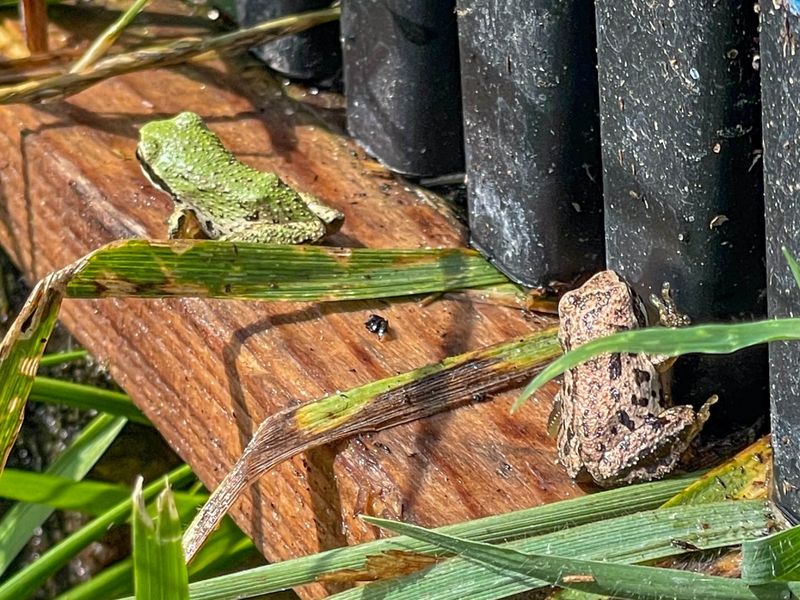
One of the best things about having tree frogs around is what they do for pest control. These little frogs are natural hunters, and they are surprisingly good at their job.
Every night, a single tree frog can eat dozens of small insects, including gnats, mosquitoes, aphids, and small beetles.
Gardeners who deal with annoying bug problems often notice a difference once frogs move in.
The insect population around plants tends to balance out naturally without any sprays or traps needed.
That is a huge benefit, especially for people growing vegetables or herbs they plan to eat.
Tree frogs hunt by sitting very still and waiting for prey to come close. Then they strike fast with their sticky tongue.
They are most active at night, which is when many garden pests are also on the move. So the timing works out perfectly for your plants.
What makes this even better is that tree frogs do not damage plants at all. They are not eating your leaves or digging up roots.
They are purely focused on the insects. Think of them as a free, all-natural pest management team that works the night shift.
Encouraging them to stay means fewer bugs bothering your garden without any extra effort on your part. That is a win that most gardeners are happy to welcome.
4. Moist Shade Gives Them A Safe Place To Hide
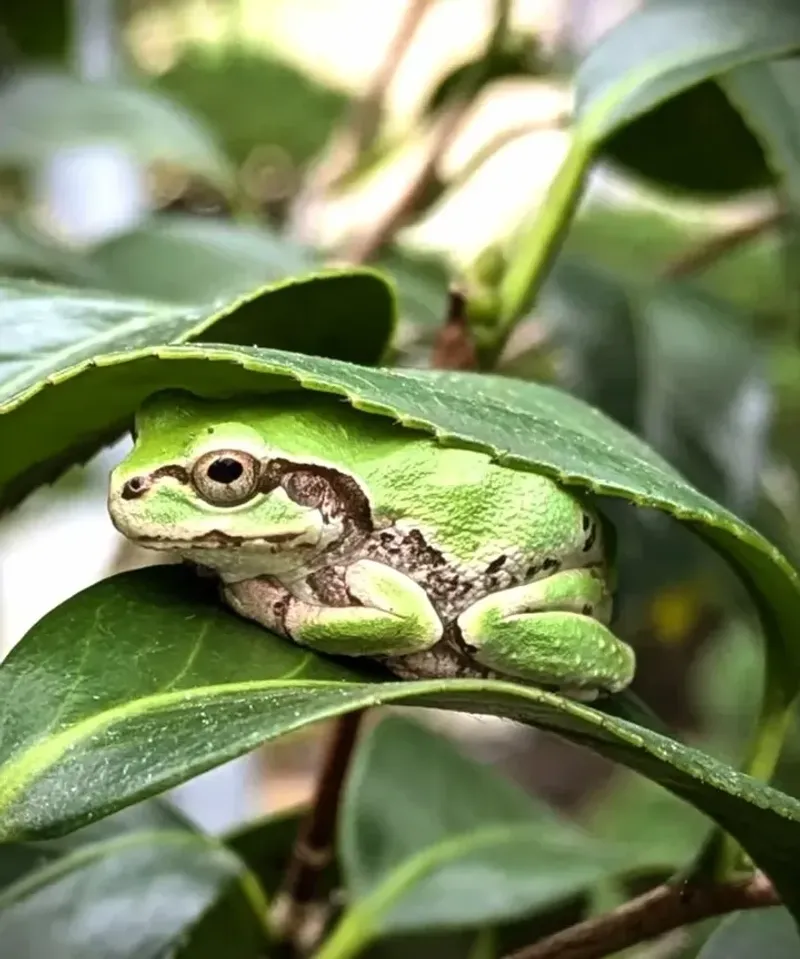
Tree frogs are not fans of direct sunlight or dry heat. During the hottest parts of the day, they look for cool, damp spots where they can rest without losing moisture through their thin skin.
Shaded garden areas with moist soil or damp leaves are exactly what they need to feel safe and comfortable.
Spots under large-leafed plants like hostas, elephant ears, or even sprawling squash vines are popular frog hideouts.
Dense shrubs, the undersides of pots, and areas near dripping irrigation systems also attract them.
Basically, anywhere that stays a little cooler and wetter than the rest of the yard works well.
If you want to make your garden more frog-friendly, adding shade plants is a great place to start. Ferns, ground covers, and dense perennials all create the kind of microhabitat tree frogs prefer.
Even a simple pot saucer kept full of water placed in a shaded corner can make a difference.
Frogs breathe partly through their skin, so moisture is not just a comfort preference. It is a survival need.
A garden that offers shaded, moist retreats gives tree frogs a reason to stay through the day and come back night after night.
Creating those small, sheltered spots costs almost nothing but can turn your garden into a reliable frog habitat over time.
5. Leaf Litter And Logs Can Help Them Stay
Not every garden needs to look perfectly manicured to be a good one. In fact, some of the messiest corners of a yard are often the most valuable to wildlife.
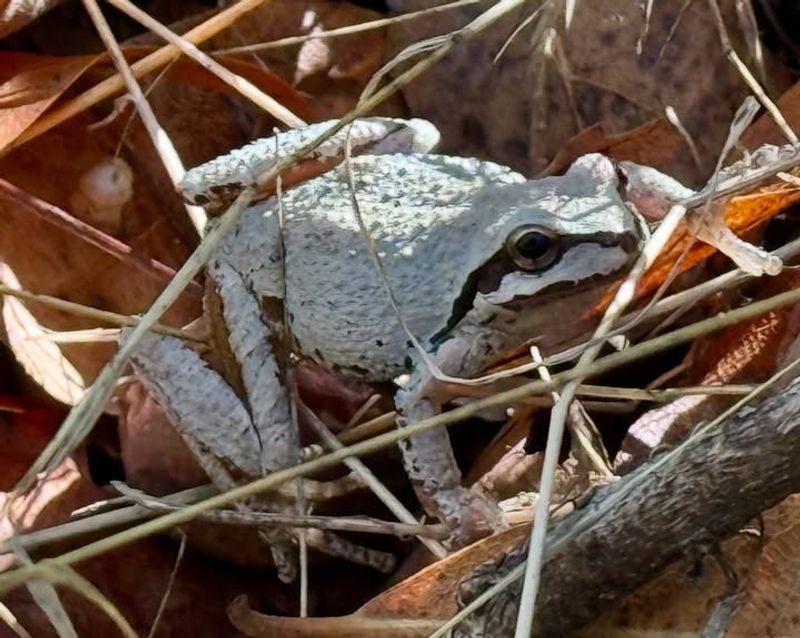
Leaf litter, fallen branches, and old logs create layered hiding spots that tree frogs absolutely love.
When leaves pile up under shrubs or in corners of a garden bed, they hold moisture and stay cooler than open soil. Frogs tuck themselves into these damp layers to rest during the day.
Small logs or pieces of bark on the ground serve a similar purpose, offering dark, humid spaces to shelter in.
You do not need a wild-looking yard to offer these features. A small pile of leaves tucked behind a planter, or a single mossy log placed near a shaded bed, is enough to make a difference.
Many gardeners are now intentionally leaving a few natural areas in their yards just to support frogs and other beneficial creatures.
Bonus: leaf litter also breaks down into rich compost over time, feeding your soil naturally. So keeping a little organized mess in your garden does double duty.
It supports tree frogs and improves your garden health at the same time. Rethinking what a tidy garden looks like might be one of the easiest ways to make your outdoor space more wildlife-friendly.
6. Pesticides Can Drive Them Away Fast
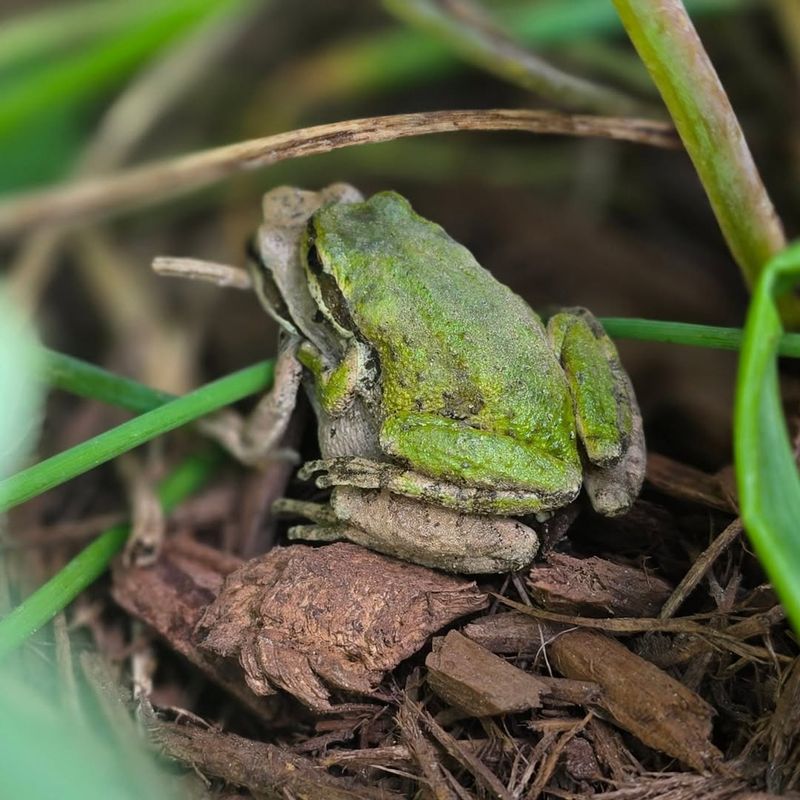
Tree frogs are sensitive creatures, and one of the fastest ways to lose them from your garden is by using pesticides.
Because frogs absorb substances directly through their skin, chemicals that seem harmless to humans can be very damaging to them. Even products labeled as safe for plants or pets can affect amphibians.
Insecticides are especially problematic. When you spray for bugs, you are also reducing the food supply tree frogs depend on.
Fewer insects mean less food, and frogs will move on to find a better hunting ground. Herbicides and fungicides can also affect the moisture and chemistry of the soil in ways that make the environment less hospitable for frogs.
Switching to organic or natural pest control methods makes a big difference. Neem oil, insecticidal soap, and companion planting are all effective tools that are far less harmful to amphibians.
Hand-picking pests, using row covers, and encouraging natural predators are other options that work without chemical side effects.
Gardeners who have made the switch to chemical-free gardening often report seeing more wildlife overall, not just frogs. Bees, butterflies, birds, and beneficial insects all benefit from a pesticide-free environment.
Choosing to garden without harsh chemicals is one of the most impactful steps you can take to keep tree frogs coming back season after season.
7. Small Water Features Make Gardens More Frog-Friendly
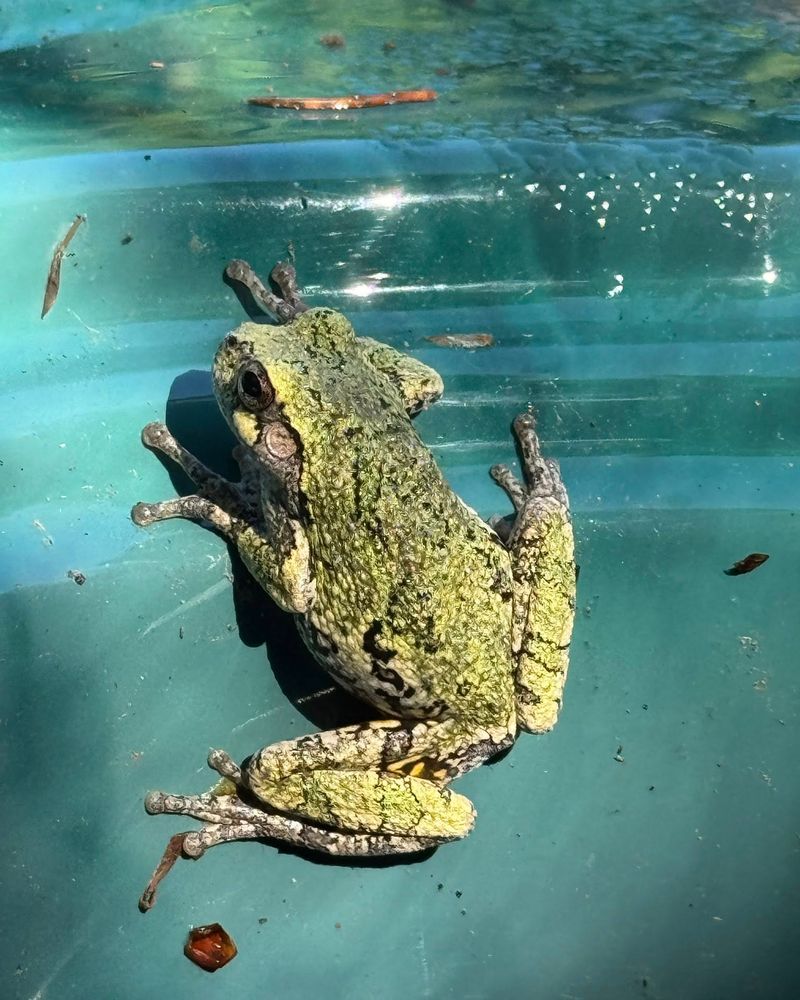
Water is one of the biggest draws for tree frogs, especially during breeding season. Even a very small water feature can turn an ordinary garden into a frog destination.
You do not need a large pond or a complicated setup to make it work. A simple container pond made from a half wine barrel or a large ceramic pot works beautifully.
Fill it with clean water, add a few aquatic plants like water lettuce or dwarf cattails, and place some flat rocks around the edge so frogs can easily get in and out.
That is really all it takes to get started. Tree frogs need water for laying eggs, but they also just like being near it.
The humidity that rises from a small pond or even a consistently full birdbath creates the kind of moist air that frogs thrive in.
Placing the water feature in a partly shaded spot keeps the water cooler and more appealing to them.
Avoid using pumps that create a lot of turbulence. Tree frogs prefer calm, still water for breeding.
Also skip the fish if you want frogs to use the feature for raising young, since fish tend to eat frog eggs and tadpoles. Keeping it simple is the best approach.
A calm, clean, shaded water source is one of the most effective ways to welcome tree frogs into your garden space.
8. They Need Cover More Than A Perfect Pond
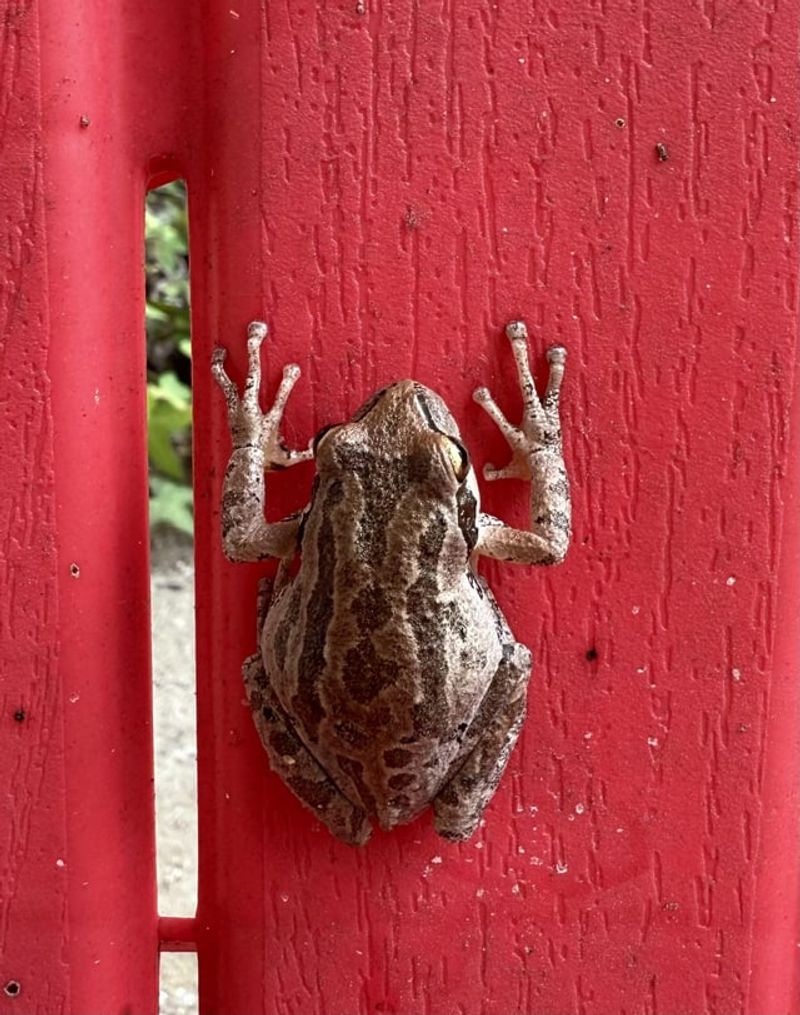
Here is something that surprises a lot of gardeners: tree frogs do not actually need a pond to move into your yard. While water is helpful, what they really prioritize is good cover.
Dense plants, shaded spots, and places to hide are more important to their daily survival than open water.
Think about how a tree frog spends its day. It is mostly resting, staying cool, and avoiding predators like birds and snakes.
To do all of that, it needs places to tuck in and disappear. A garden full of layered plants, ground covers, and sheltered corners offers exactly that kind of protection.
Tall grasses, low-growing shrubs, and climbing vines all add to the kind of coverage that frogs appreciate.
Even a densely planted container garden on a patio can attract them if there are enough hiding spots.
Frogs are not looking for perfection. They are looking for safety and shade.
Gardeners sometimes feel like they need to do a lot to attract wildlife. But with tree frogs, the approach is actually about doing less.
Leaving some areas a bit wild, skipping the heavy pruning in certain spots, and letting plants grow a little fuller can create the layered habitat frogs love.
Less control in the garden often means more life, and tree frogs are a perfect example of that rewarding trade-off.
9. A Tree Frog Visit Is A Good Garden Sign
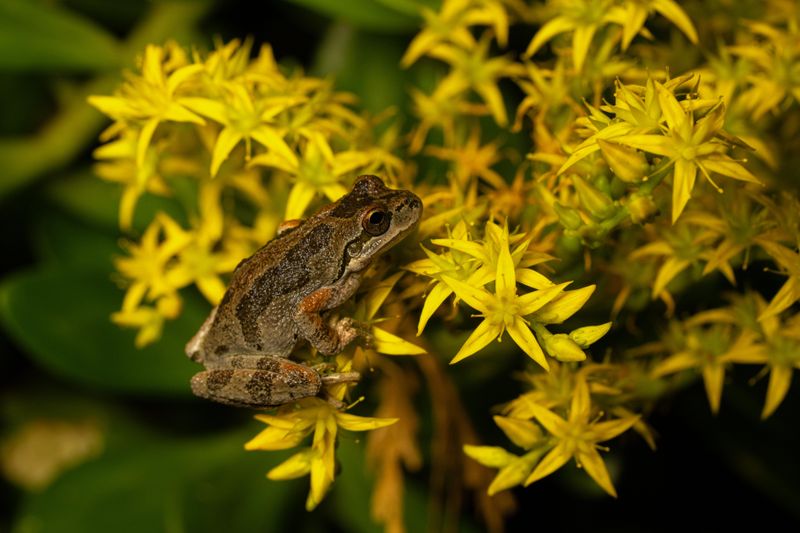
Spotting a tree frog in your garden is one of those moments that feels like a small gift. These creatures do not show up just anywhere.
They choose places where the conditions are right, which means your garden has earned their presence. That is worth taking a moment to appreciate.
A tree frog visit signals that your yard supports real biodiversity. It means there are enough insects to eat, enough moisture to stay comfortable, and enough shelter to feel safe.
Gardens that achieve all three of those things tend to be productive, healthy, and full of natural energy.
Many experienced gardeners treat frog sightings the way birders treat rare bird sightings. It becomes a point of pride.
Some people even start keeping informal notes on when frogs appear, what plants they favor, and how the population changes through the seasons. It adds a whole new layer of connection to the garden.
Sharing the news with neighbors or on local gardening groups often sparks real enthusiasm.
More and more people across the state are learning that wildlife-friendly gardening is both easy and rewarding. If a tree frog has found your garden, you are already doing something right.
Keep up the good habits, stay curious, and enjoy the company of one of nature’s most cheerful little visitors. Your garden is clearly a place worth calling home.