Georgia Gardeners Should Plant These 8 Fall Vegetables Right Now
Georgia gardens get a second act when summer starts looking tired.
By late August, tomato vines sag, squash leaves look exhausted, and empty rows sit there like they are waiting for better management. Then the state offers one of its best gardening gifts: a fall growing season.
Warm soil helps seeds sprout fast. Cooler nights arrive slowly. Vegetables that hated July suddenly perk up and start behaving like the garden was their idea all along.
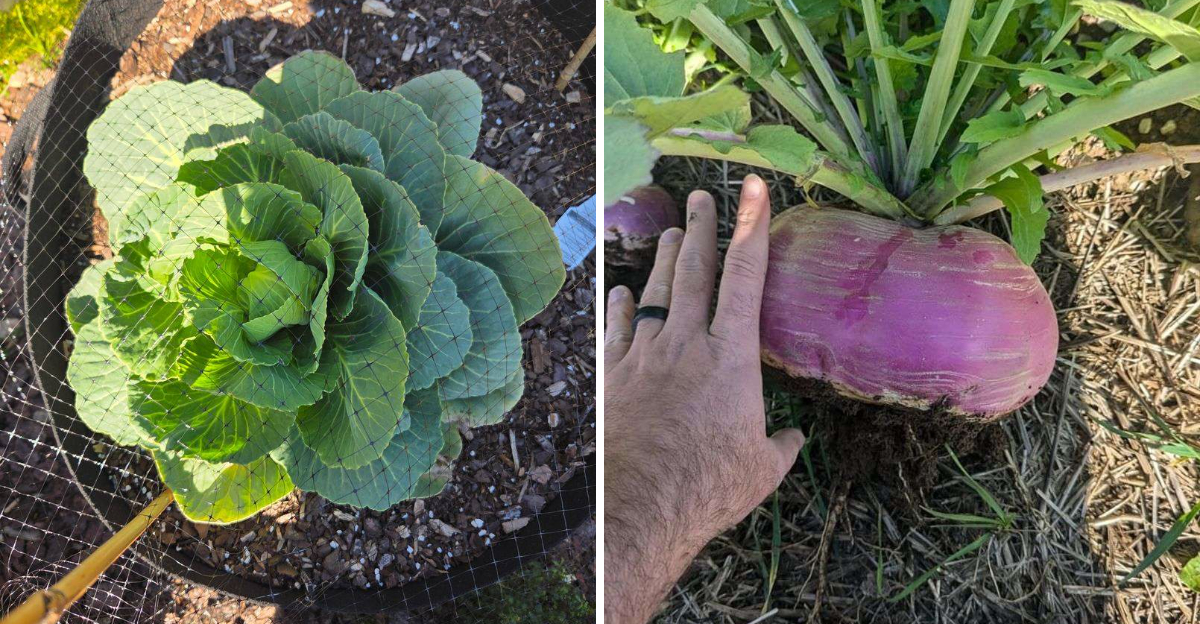
Collards, kale, broccoli, cabbage, carrots, lettuce, radishes, and turnips can turn a worn-out summer plot into fresh harvests that stretch deep into fall, and sometimes beyond.
The window does not stay open forever.
North Georgia gardeners need to move faster than gardeners near the coast, but everyone benefits from acting before those beds sit empty too long.
So what should you plant right now before the season slips away?
Start with cool-weather crops that love a warm launch and a crisp finish. Your tired garden may be much closer to a comeback than it looks.
1. Collards Start The Fall Garden
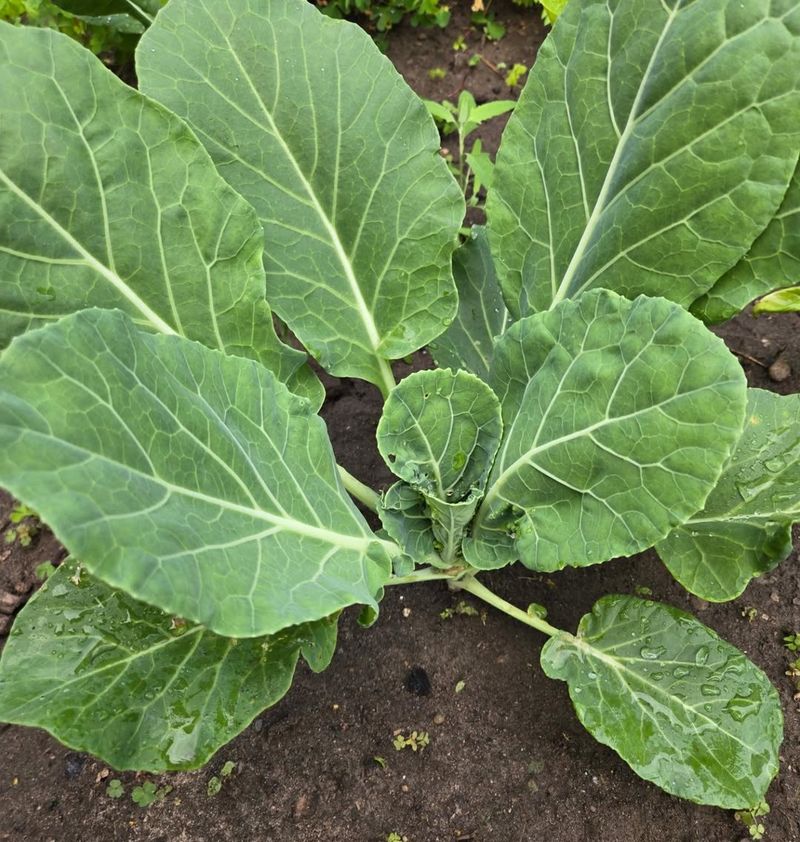
Collards know Georgia fall like they helped write the calendar.
They handle warm soil at planting time, cooler nights later, and the kind of long harvest window that makes a gardener feel wonderfully prepared. Start with transplants for a faster crop, or sow seeds directly while the soil still holds late-summer warmth.
Plant seeds about a quarter inch deep and keep the surface evenly moist until they sprout. Thin seedlings so mature plants have room to stretch, usually around 18 inches apart.
Crowded collards grow smaller leaves and invite more pest pressure, and nobody plants collards for a tiny handful.
Transplants give you a head start when the season feels short.
Water consistently during establishment, then feed lightly once plants begin active growth. Collards are tough, but steady moisture makes the leaves broader, sweeter, and more tender.
Harvest outer leaves as they size up instead of pulling the whole plant. That cut-and-come-again approach keeps the row producing for weeks.
A light frost can improve flavor, making the leaves sweeter and less sharp. That is collard magic with a cold-weather wink.
Plant them now, keep them steady, and your fall garden gets a green backbone that can carry meals long after summer crops have left the stage.
Give them morning sun, mulch the row lightly, and remove yellowing lower leaves so the patch stays tidy. Collards are generous, but they still like a clean seat at the fall table.
2. Kale Handles Cooler Nights
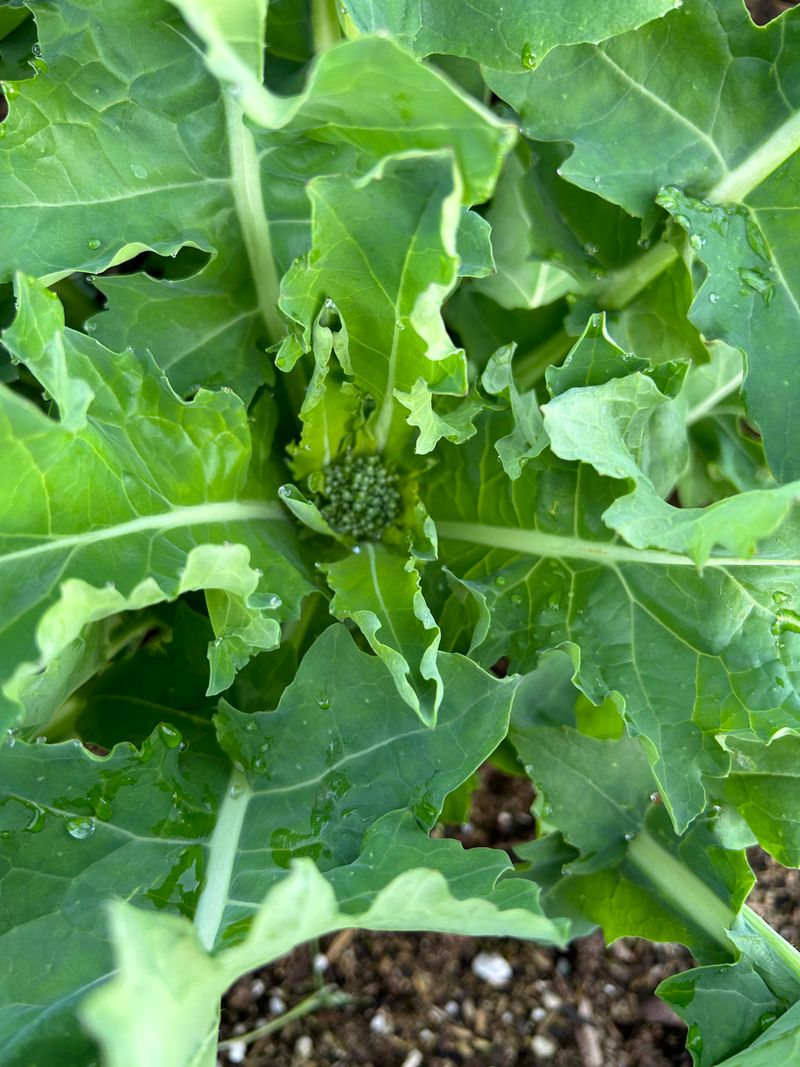
Kale enters the fall garden with very little drama.
That alone makes it valuable after a summer full of wilting vines and thirsty beds. Georgia gardeners can sow seed directly or set out transplants, but timing matters most in the northern part of the state where frost arrives earlier.
Choose varieties such as Lacinato, Red Russian, or Winterbor for dependable cool-season performance. Plant seeds about a quarter inch deep, or place transplants with enough room for strong airflow.
Kale can handle partial shade during the hot start of the season, especially while September sun still has something to prove.
Your Georgia Garden Changes Every Week. Your Plan Should Too.
Gardening in Georgia changes quickly throughout the season. Every Friday you’ll receive a simple weekly plan showing exactly what to plant, prune, fertilize, harvest, and protect so you never miss the right timing.
Keep the soil moist while young plants settle in.
Once the plants reach a usable size, harvest the lower outer leaves and leave the center growing point alone. That simple habit keeps new leaves coming instead of turning one harvest into the whole show.
A little nitrogen early helps leafy growth, but do not overdo it. Kale needs support, not a buffet line.
Watch for cabbage worms, aphids, and flea beetles. Small problems are easy to manage when caught early.
Cool weather improves the flavor, giving the leaves a sweeter, richer bite. Kale may not be flashy, but it keeps showing up, and Georgia fall gardens need that kind of reliable friend.
Tuck a few plants near pathways or porch beds where you can harvest quickly. Kale is more useful when it is easy to reach, because dinner greens should not require a full garden expedition.
3. Broccoli Needs A Timely Start
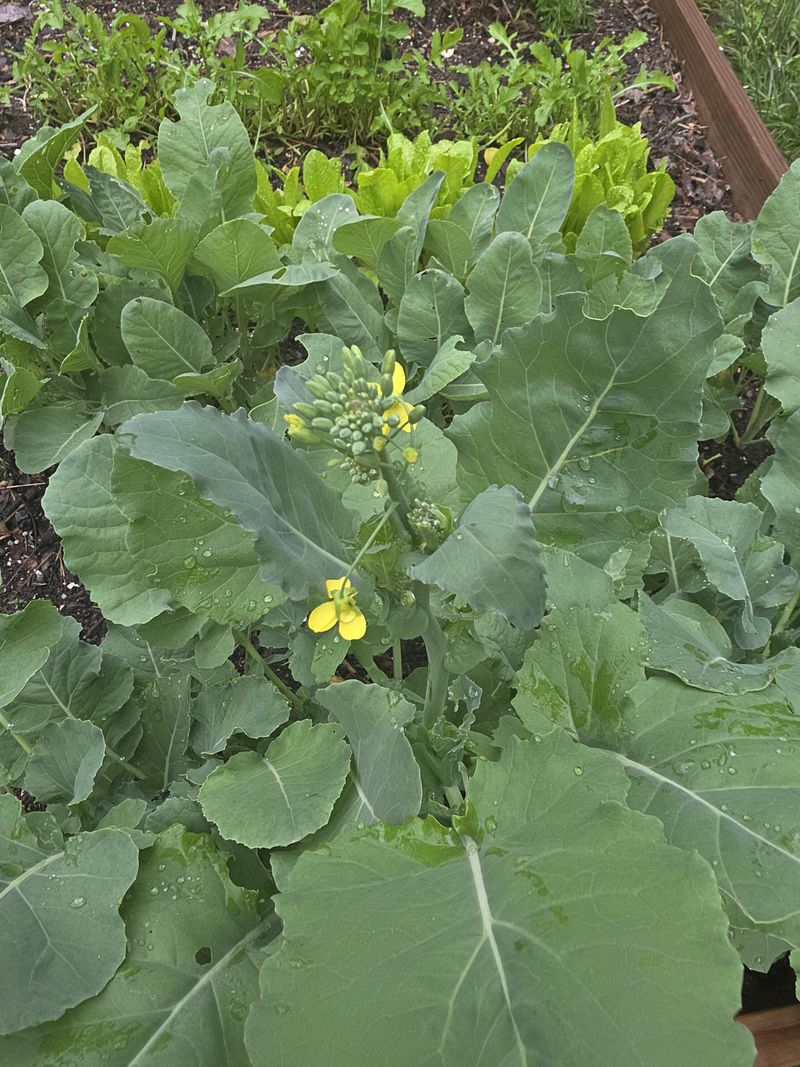
Broccoli rewards gardeners who respect the clock.
This crop needs a timely start in Georgia because heads take weeks to form, and the plants do not love being rushed by heat or surprised by a hard cold snap.
Transplants usually work better than direct seeding for fall, especially for gardeners who want sturdy heads before winter pressure builds.
Set plants out while the soil is still warm, giving each one about 18 to 24 inches of space. Broccoli needs room, airflow, and a steady root zone.
Crowded plants tend to produce smaller heads and more frustration, which is not the side dish anyone requested.
Prepare the bed with compost and balanced fertilizer before planting.
Broccoli is a hungry crop, but steady feeding beats heavy-handed feeding. Side-dress with nitrogen a few weeks after transplanting to support strong leaves and head formation.
Water deeply and consistently. Dry spells can lead to loose, disappointing heads, especially once the plant starts forming its main crown.
Keep an eye out for cabbage loopers and other caterpillars. Leaf checks turn into broccoli insurance fast.
Harvest the central head while the buds are tight. After that, leave the plant in place for side shoots.
That bonus harvest is broccoli saying, “Wait, I have one more trick.”
Mulch around each transplant once the soil is moist. Cooler roots help the plant settle in, and a stable bed gives those future heads a much better chance to tighten properly.
4. Cabbage Rewards Early Planning
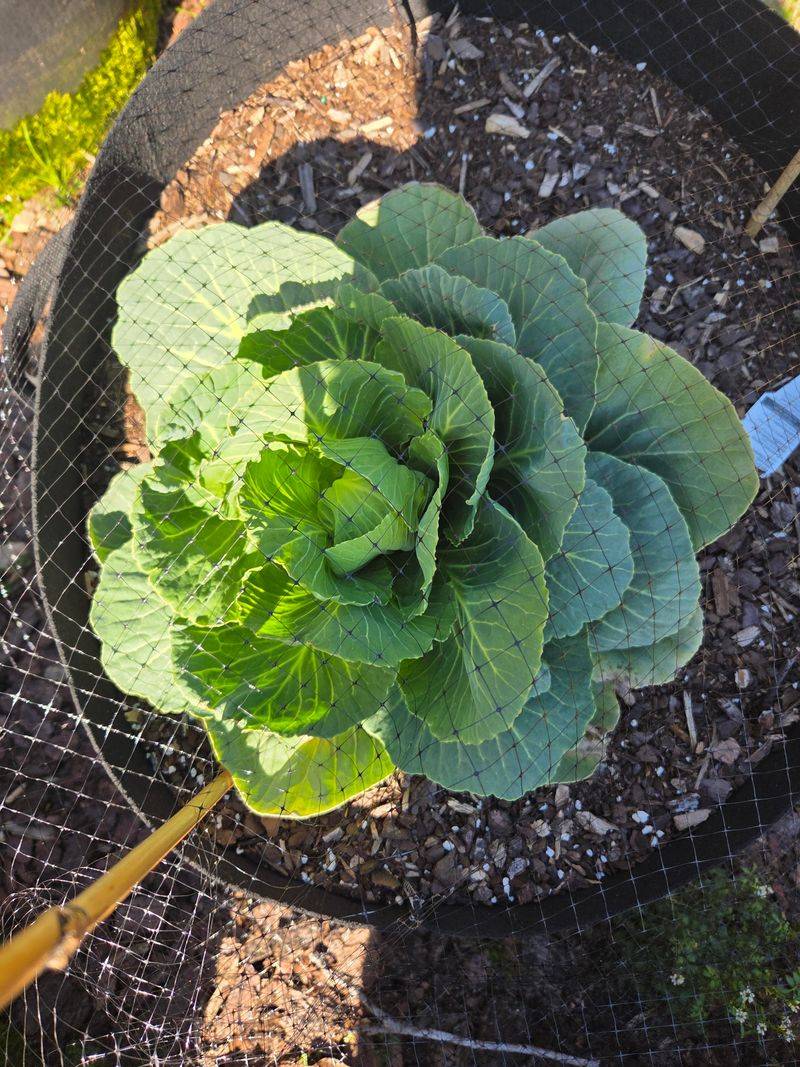
Cabbage is the fall crop for gardeners who enjoy a little patience with a big payoff.
Those firm, rounded heads do not happen overnight, which means Georgia gardeners need to plant early enough for steady development before cold weather slows everything down.
Transplants are usually the best choice because they give the season a useful head start.
Choose dependable fall varieties and give each plant enough space. Compact cabbage can sit closer together, while larger heading types need more elbow room. A crowded cabbage row turns into a leafy traffic jam, and the heads rarely appreciate it.
Work compost into the bed before planting.
Cabbage feeds heavily, especially while it builds the leaves that eventually wrap into a tight head. A balanced fertilizer at planting and a nitrogen side-dressing a few weeks later can keep growth moving.
Consistent moisture matters from start to finish. Uneven watering can cause heads to crack near harvest, which feels wildly unfair after weeks of careful growing.
Use row cover early when pest pressure is heavy, and check for caterpillars, aphids, and harlequin bugs.
Harvest when heads feel firm under gentle pressure. Cut the main head cleanly, but leave the stem in the ground.
Small side heads may sprout afterward, which makes cabbage feel like it brought leftovers to its own dinner.
Mulch helps keep that moisture steadier, especially during warm fall stretches. Cabbage may look tough, but it prefers a bed that does not swing from swamp to dust.
5. Carrots Like Prepared Soil
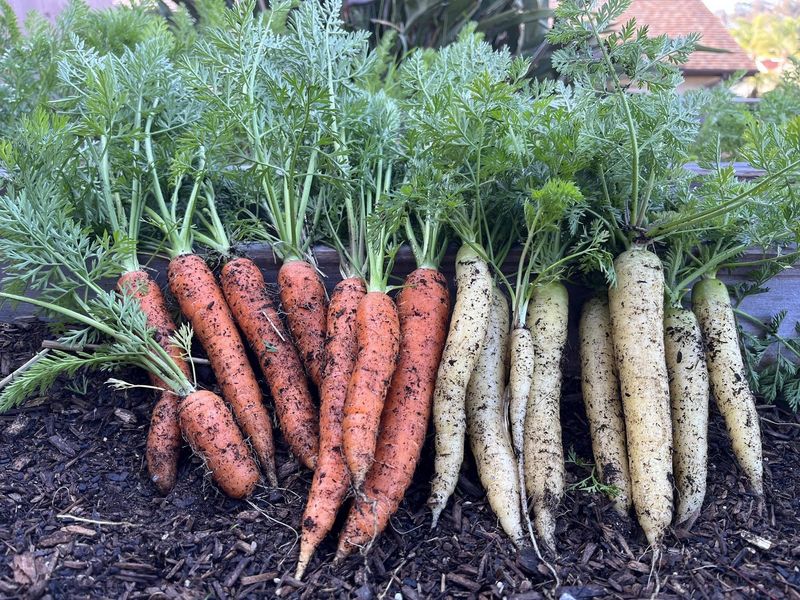
Carrots ask for the one thing Georgia soil does not always offer freely: looseness.
Hard clay, rocks, and compacted beds can twist roots into strange little garden sculptures. They may still taste good, but nobody dreams all summer about harvesting carrots shaped like confused octopus legs.
Prepare the bed before seed ever touches soil.
Work the ground at least 10 to 12 inches deep, removing rocks, sticks, and hard clumps. Add finished compost to improve texture, but skip fresh manure because it can cause roots to fork.
Sow seeds directly because carrots dislike transplanting. Plant them about a quarter inch deep, then keep the surface moist until germination.
That can take longer than impatient gardeners prefer, so do not let the bed dry out during the waiting period.
Thin seedlings once they reach a couple of inches tall.
This step feels painful, but crowded carrots stay small. Give each root a little breathing room, usually 2 to 3 inches apart.
Fall carrots often develop excellent sweetness as temperatures cool. Varieties such as Danvers, Nantes, and Chantenay can handle Georgia beds well.
Water consistently to prevent cracking and bitterness.
Loosen the soil gently before harvest so roots come up clean. A well-prepped carrot bed proves that the best harvest starts underground.
Mark the row well, because carrot seedlings are tiny and easy to mistake for weeds. A simple label can keep you from accidentally scraping them up while hoeing.
6. Lettuce Brings Quick Harvests
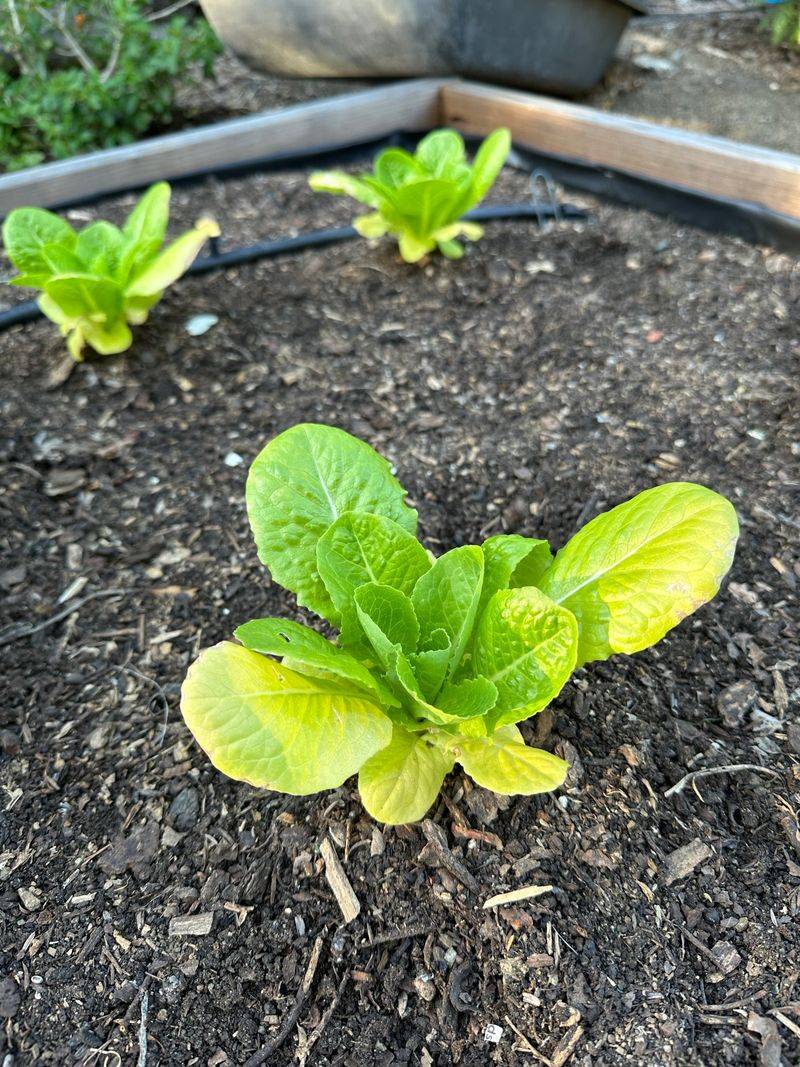
Lettuce is the quick win every tired fall garden needs.
After summer crops leave empty spaces, lettuce can move in fast and turn bare rows into salads in a surprisingly short time.
Loose-leaf varieties are especially useful because they grow quickly and forgive small mistakes better than fussier heading types.
The challenge is heat at the start.
Lettuce seed can struggle when soil stays too warm, so give it a little help. Start seeds indoors in a cool spot, use light shade cloth outside, or water the bed before sowing to lower the soil temperature slightly.
Plant seeds shallowly and keep the surface evenly moist.
Once seedlings appear, thin them for airflow and steady growth. Crowded lettuce can turn weak, stretched, and more prone to trouble.
Succession planting keeps the harvest useful. Sow a small patch every two to three weeks instead of planting one giant lettuce wave that overwhelms the kitchen at once.
Harvest outer leaves when they reach usable size, or cut full heads near the base once they mature.
Keep water steady, especially during warm spells. Lettuce has shallow roots and complains quickly when moisture swings too far.
This crop brings speed, freshness, and easy confidence back to the garden. After July’s drama, that kind of salad therapy feels earned.
Keep lettuce close to the kitchen door when possible. A quick harvest right before dinner makes this crop feel like the easiest win in the whole fall garden.
7. Radishes Fill Fast Gaps
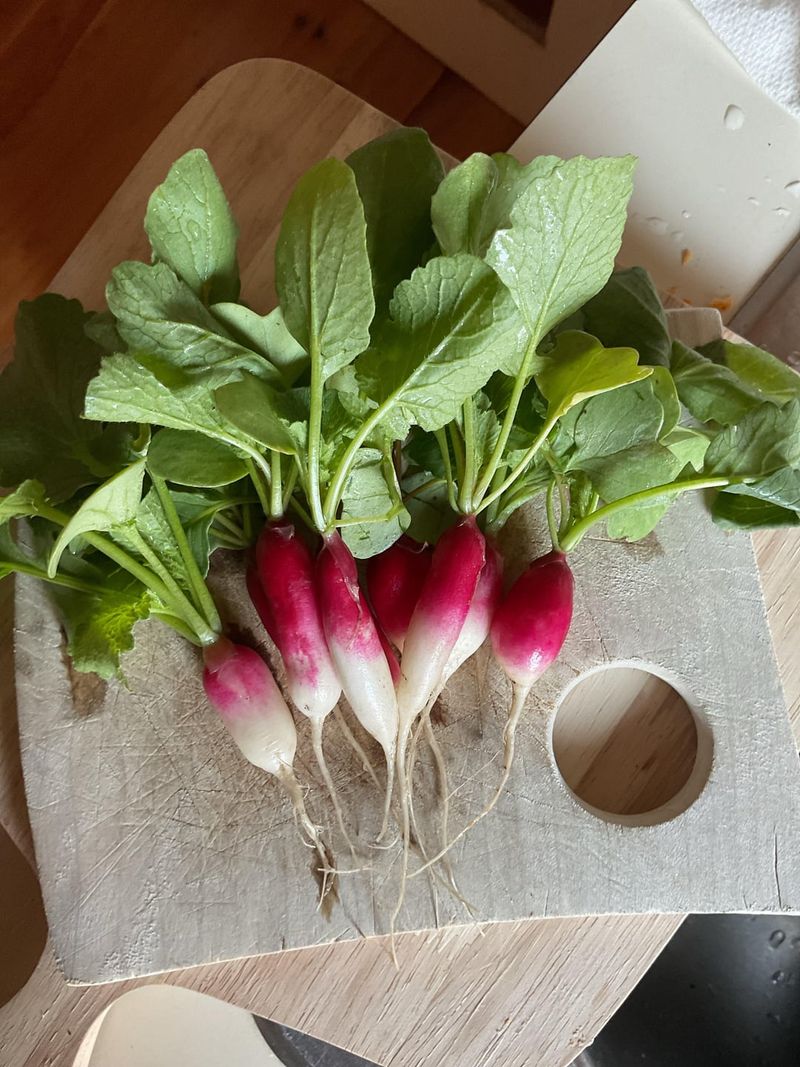
Radishes are the impatient gardener’s best fall friend.
They sprout fast, grow fast, and fill awkward little gaps between slower crops without asking for much space.
In a Georgia fall garden, that speed makes them perfect for empty corners left by beans, cucumbers, or tired summer herbs.
Sow seeds directly where they will grow.
Plant them about half an inch deep and thin seedlings to around 2 inches apart once they come up. Skipping the thinning step leads to leafy tops with weak roots, which is radish betrayal at high speed.
Keep soil moisture consistent during the short growing period.
Dry spells followed by heavy watering can make roots crack, turn pithy, or taste hotter than expected. Steady moisture produces crisp, mild radishes that actually deserve a spot on the table.
Cherry Belle, French Breakfast, and Watermelon radish all bring something different. Quick varieties can mature in less than a month, while larger specialty types need more time but add color and crunch.
Pull radishes as soon as they reach size.
Leaving them in the ground too long rarely improves anything. They get woody, sharp, and smug about it.
Use them in salads, quick pickles, tacos, or roasted vegetable trays.
A radish row is small, fast, and cheerful, which makes it the garden version of instant gratification.
They also help mark seeded rows while slower crops wake up nearby. Fast radishes make excellent garden companions, even when they are only visiting for a few weeks.
8. Turnips Make The Bed Work Harder
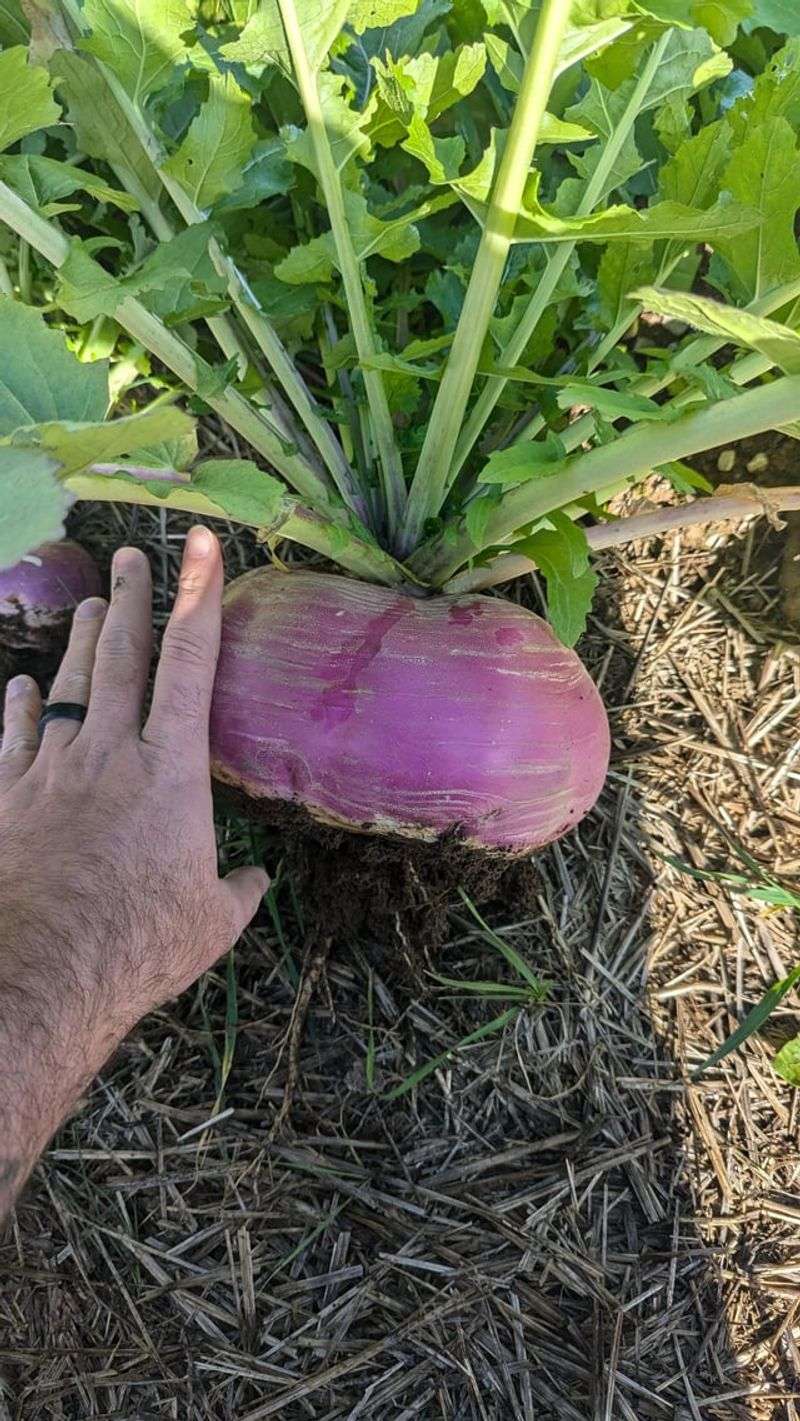
Turnips make a fall bed work twice as hard.
That is their charm. One planting gives you tender greens for cooking and roots for roasting, mashing, pickling, or slicing raw when harvested young.
Georgia gardeners with limited space should appreciate any crop willing to pull double duty without making a fuss.
Direct seed turnips from late summer into fall.
Plant seeds about a quarter inch deep in rows with enough space for easy thinning. Once seedlings grow a few inches tall, thin them to 4 to 6 inches apart so the roots have room to swell.
The thinnings are edible, which softens the emotional burden of removing perfectly good baby plants.
Turnip greens can be harvested early by snipping outer leaves while the root continues growing. Do not strip the plant bare. Leave enough foliage to keep feeding the root below.
Purple Top White Globe is the classic choice, but Hakurei turnips deserve attention too. Their small white roots are sweet, crisp, and good enough to eat raw.
Keep moisture steady to prevent tough texture and harsh flavor.
A light frost improves both greens and roots, giving them a sweeter finish. That is fall doing seasoning work for free.
Plant turnips now, and your garden gets greens above, roots below, and a very efficient use of space.
Use them after heavy feeders to keep the garden productive, but refresh the bed with compost first. Turnips work hard, and even workhorses appreciate decent soil.