7 Signs Your Virginia Trees Were Stressed by the Drought and Damaged by the Storm
A thirsty oak can hide its suffering for two or three years before the first bare branches show up. Virginia extension experts warn that drought damage often surfaces long after the rain finally comes back.
Roots do most of their struggling underground, where we gardeners rarely think to look during a dry spell. Then a strong storm rolls through, and those quiet weak spots suddenly become broken limbs on the lawn.
I have to admit that I once blamed a single windy night for a split maple in my yard. My arborist pointed to brittle wood and thin leaves, which told a much longer story of thirst.
You can learn to read those same clues across your own Virginia yard with a slow, careful walk. So what are your trees trying to tell you before the next big wind arrives?
1. Crispy Brown Edges On Maple And Dogwood Leaves
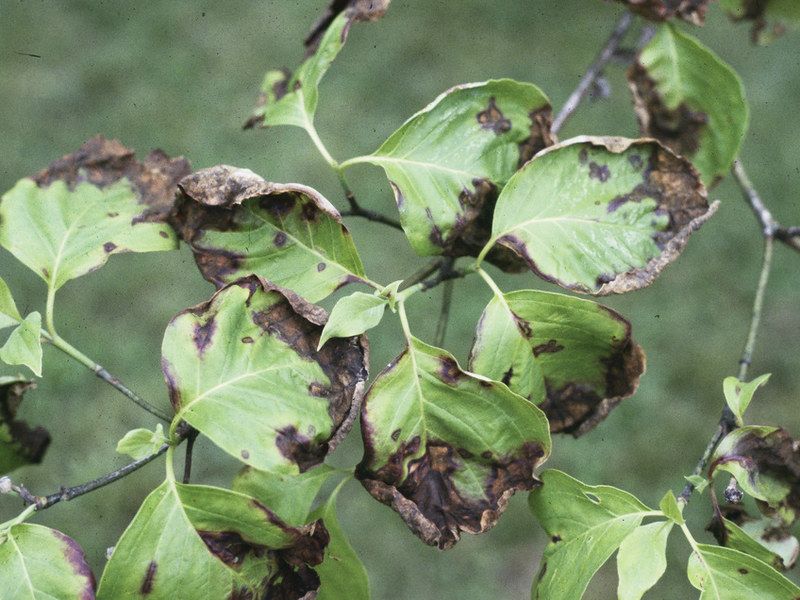
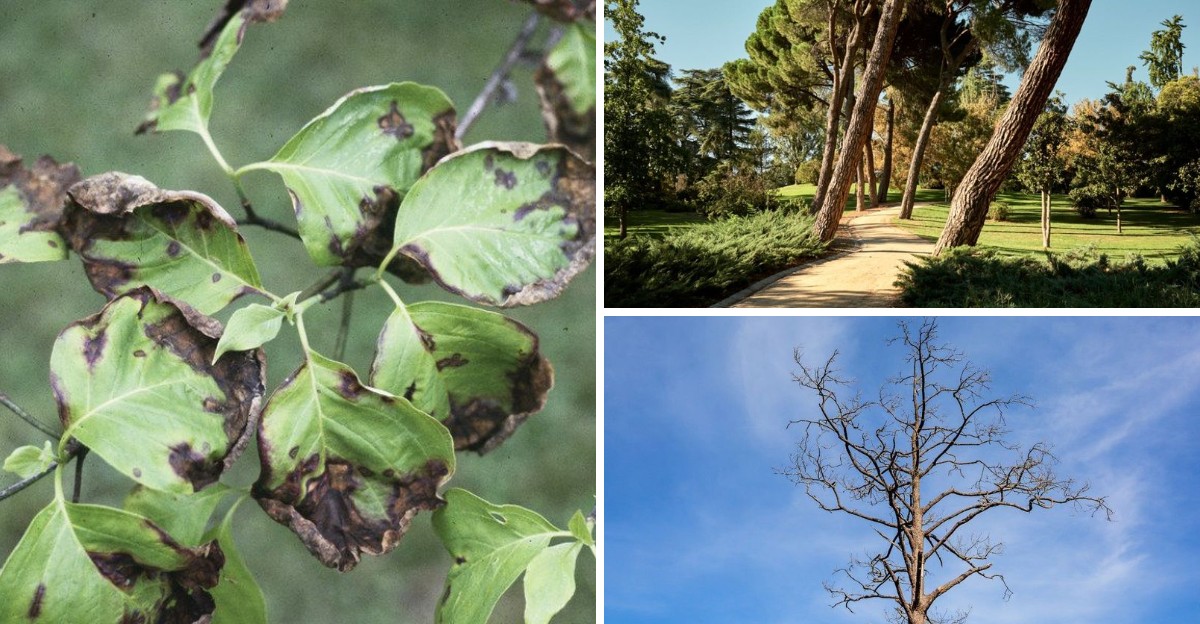
My dogwood looked like someone had toasted its leaf edges with a tiny kitchen torch last summer. Arborists call that pattern leaf scorch, and it shows up when roots cannot keep pace with thirsty leaves.
The browning usually starts along the margins and between the veins, farthest from the water supply. Dogwoods and Japanese maples often show it first because their thin leaves lose moisture very quickly in hot wind.
Evergreens tell the same story in their own way, with needle tips turning tan or rusty brown. Inner needles on pines may also yellow and drop early, which can look alarming but is sometimes normal.
Scorched brown leaves will not turn green again, so trimming them off rarely helps the tree recover. Your real job is getting water down to the roots that feed next year’s fresh set of leaves.
Virginia Cooperative Extension suggests deep, slow soaking instead of quick sprinkles that barely wet the surface. A soaker hose laid in rings under the canopy lets water sink about a foot into the soil.
Focus on the area under the outer branches, since many absorbing roots spread well past the drip line. Watering right against the trunk mostly wastes your effort and can encourage rot at the base.
If you ask me, a crunchy leaf is a polite early warning rather than a reason to panic. Trees that get steady deep watering through dry stretches often leaf out normally the following spring.
2. Tulip Poplars Dropping Yellow Leaves Before Fall
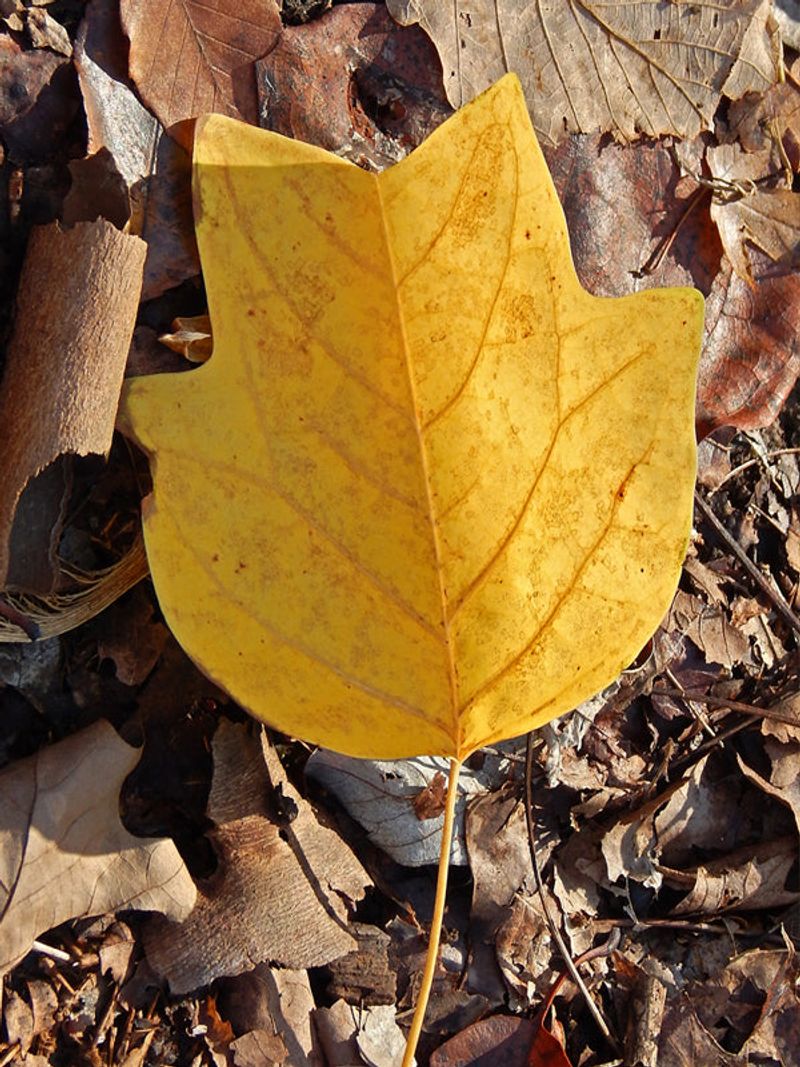
Tulip poplars are famous drama queens, tossing yellow leaves onto summer lawns at the first sign of thirst. I still remember raking a pile of them in August and wondering if autumn had shown up early.
Early leaf drop is a survival move, because fewer leaves means less water escaping into hot air. River birches and buckeyes use the same trick when the soil stays dry for several weeks.
Grab an old photo of your yard and compare this year’s canopy with how it looked before. A thinner crown lets more sky peek through, and leaves may also look noticeably smaller than usual.
Smaller leaves happen because the tree simply lacked enough water to expand them fully in early spring. That shrunken foliage makes less food, so the tree heads into winter with lower energy reserves.
Stored energy matters a lot, since trees use it to push out new leaves and fight off pests. Weak reserves can invite borers and root rot problems that show up a season or two later.
Before the ground freezes, give stressed trees a deep drink whenever the weather stays dry for a couple weeks. Skip the fertilizer for now, because it pushes growth that a thirsty root system cannot support.
Now that I think about it, my poplar bounced back nicely once I started watering it each dry week. Patience pays off, since recovery from a hard drought can take a few full growing seasons.
3. Bare Branch Tips Poking Out Of Oak Treetops
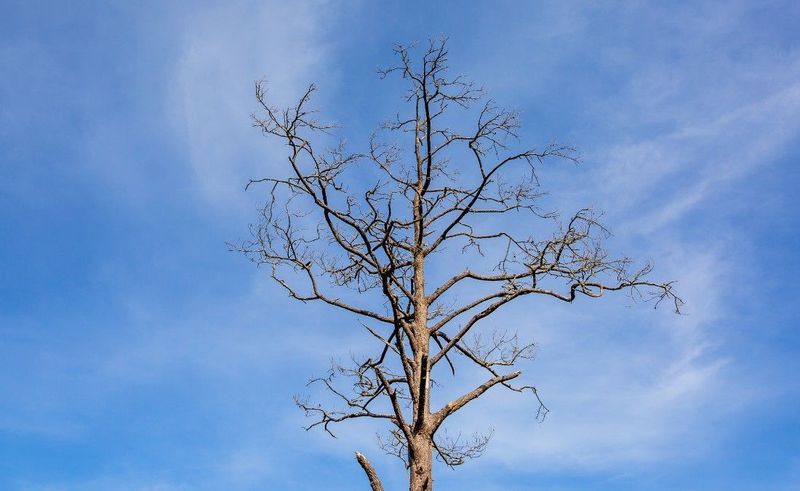
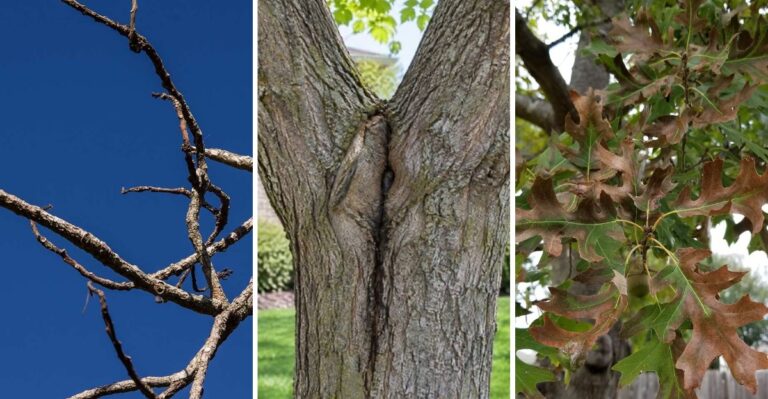
Leafless twigs sticking out of a green oak crown look a bit like antlers against the sky. Foresters call this symptom crown decline, and it often starts at the very top or outer edges.
A thirsty tree gives up its farthest twigs first, since pumping water that far takes the most effort. Saving the trunk and main limbs becomes the priority, even if the crown looks scraggly for a while.
Timing can be sneaky here, because this decline sometimes appears two or more years after the drought ends. Oaks are especially known for this delay, which makes the real cause easy for homeowners to overlook.
Try the scratch test on a suspicious twig by gently scraping the bark with your thumbnail. Green tissue underneath means it is still alive, while dry brown tissue means that twig is finished.
Brittle limbs from a declining crown snap easily, so they become a real hazard during storms. Late fall and winter are good times to check, since lifeless twigs often lack the plump buds healthy ones carry.
Small lifeless twigs within reach can come off with clean pruning cuts just outside the branch collar. Larger limbs high in the canopy belong to a certified arborist with proper climbing gear and training.
The way I see it, a few bare tips mean watch closely, while a thinning crown means call someone. Catching the problem early gives you more options and often saves the tree for many more years.
4. Split Bark And Stubby Shoots On Thirsty Trees
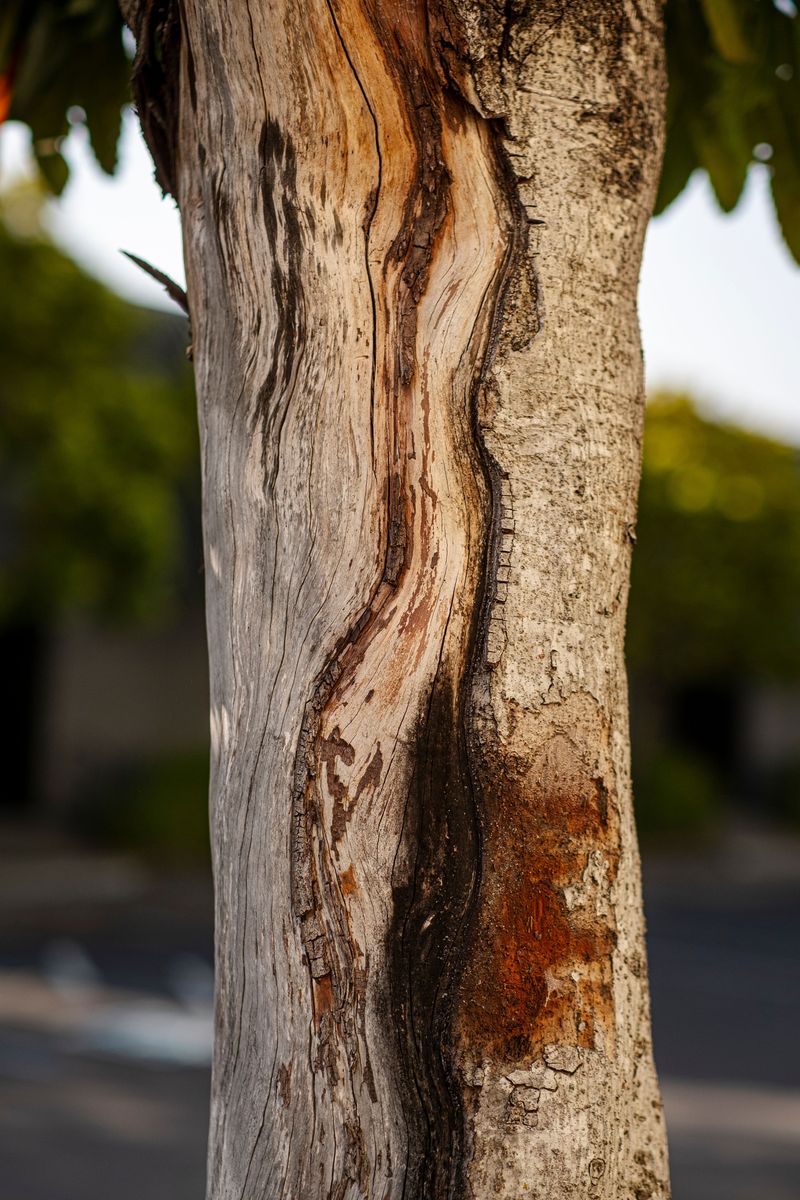
Bark that splits open in long vertical seams can make a tree look like it burst its jacket. Rapid swings between dry soil and sudden heavy rain can sometimes trigger cracks, though frost and sunscald cause them too.
Thin-barked trees like young maples and cherries seem most prone, especially on their sunny south and west sides. Any opening in the bark invites decay fungi and boring insects looking for an easy way inside.
Please skip the old habit of painting wounds with tar, since research shows it rarely helps healing. Trees seal injuries on their own by growing callus tissue, often called woundwood, around the edges.
Growth tells a quieter part of the story, and you can measure it with a simple tape. Each year a twig leaves a ring of bud scale scars marking where the previous season’s growth ended.
Compare the length between those rings over the past few years on several different branches around the tree. Noticeably shorter recent stretches suggest the tree lacked enough water to fuel normal shoot growth this year.
Mulch is your best friend here, spread two to three inches deep across a wide circle. Keep it a few inches away from the trunk so you avoid the dreaded volcano mulch look.
I’m still learning that shredded hardwood or pine straw works better than piling on fresh dyed chips. Good mulch holds moisture in the soil and slowly feeds it as the material breaks down.
5. Cracked Dry Soil Around Shallow Tree Roots
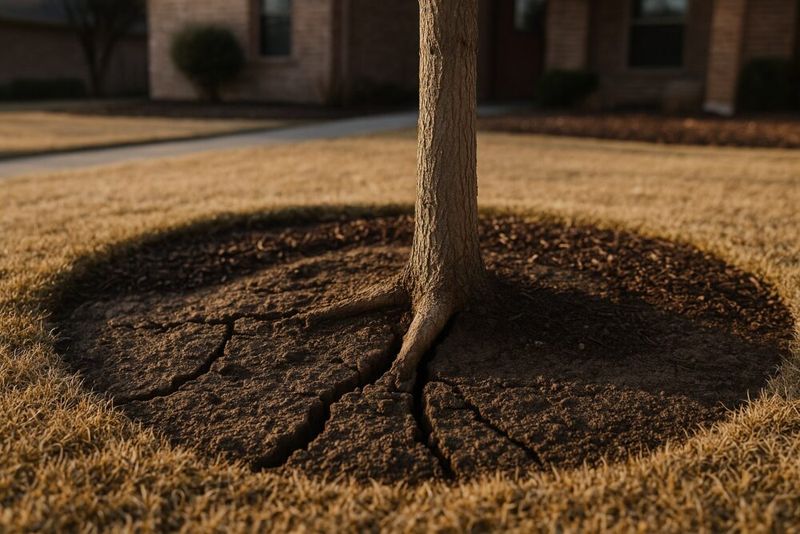
Most of a tree’s absorbing roots live in the top foot or so of soil, not deep underground. That shallow layer dries out first, so the tiny feeder roots take the hardest hit during drought.
Those hair-thin roots can shrivel and fail within weeks, leaving the tree with fewer ways to drink. Regrowing them takes energy, which is exactly what a stressed tree has in very short supply right now.
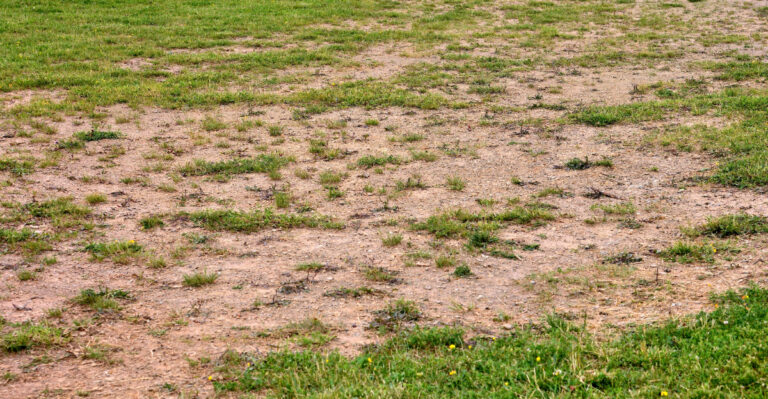
Clay soils, common across much of the Piedmont, often shrink and open wide cracks when they dry. Hard, crusty ground can shed the first heavy rain instead of soaking it up, which feels unfair.
You can check soil moisture yourself by pushing a long flathead screwdriver into the ground under the canopy. If it stops hard after a few inches, the soil is likely too dry or badly compacted.
Slow watering works far better on hard ground, so let a hose trickle for an hour or more. Move it around the drip line in several spots so moisture reaches roots on every side.
Arborists sometimes use a tool called an air spade, which blows away soil without tearing delicate roots. Paired with compost and mulch, that treatment can loosen compacted ground and help fresh new roots grow.
Don’t make my mistake of parking the riding mower or trailer under a thirsty tree all season. Heavy weight on dry soil crushes air pockets that roots need, and weak roots mean shaky anchoring.
6. Snapped Oak Limbs Dangling After A Windstorm
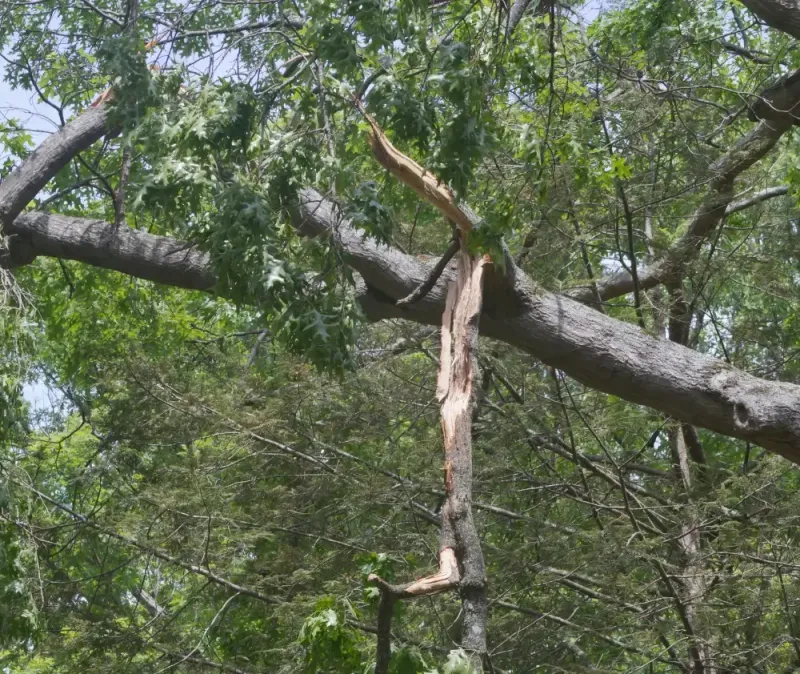
Tree workers have a grim nickname for broken limbs stuck in a canopy, and they call them widowmakers. One can hang quietly for days, then drop without warning when a light breeze finally nudges it.
Drought-weakened wood tends to be more brittle, so it may snap where a healthy branch would flex. Branches with lingering decay inside are even more likely to fail once storm winds start whipping around.
After any big storm, walk your yard and look up before you look down at the mess. Scan for limbs resting on other branches, along with fresh pale wood showing at freshly torn spots.
Weak V-shaped crotches and twin trunks often split under wind, because bark gets trapped between the stems. Bradford pears are notorious for this weakness, and they are also an invasive species worth replacing.
Keep kids and pets well away from any spot under a hanging branch until it comes down safely. Pulling on it with a rope or ladder is how many weekend cleanups turn into emergency room visits.
Look for an arborist certified by the International Society of Arboriculture who carries proper liability insurance coverage. Be wary of storm chasers knocking on doors and demanding cash up front after a bad blow.
My garden taught me that a jagged stub left behind after a break invites decay deep into the trunk. A clean cut just outside the branch collar lets the tree seal the wound much more effectively.
7. Leaning Trees With Heaving Soil Around The Trunk
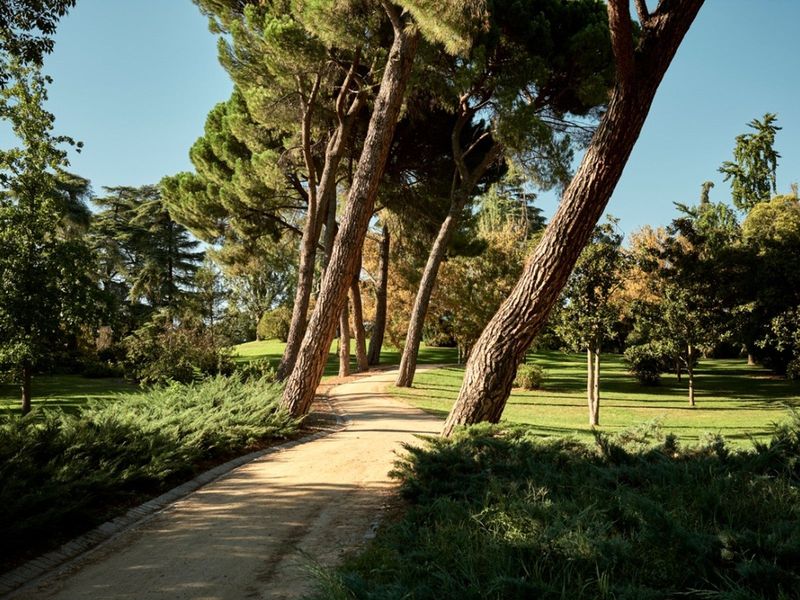
A tree that tilts after a storm is waving a big red flag, especially if the lean is new. Plenty of trees grow with a gentle natural lean toward light, and those are usually far less worrying.
Check the ground on the side opposite the lean for soil that looks raised or freshly cracked. That heaving means roots have torn or shifted, and the whole root plate may be lifting.
Soggy soil after heavy rain loses much of its grip, so storms on wet ground uproot trees more easily. Roots already thinned by a long drought have less hold to begin with, which raises that risk.
Hurricane remnants and strong thunderstorms bring this combination to Virginia often, especially from late summer into fall. Watch for freshly exposed roots or wide gaps in the soil right next to the trunk.
Small young trees that tipped slightly can sometimes be gently straightened and staked for one growing season. Use wide, soft straps rather than bare wire, and remove all the stakes within about a year.
Large trees with a fresh lean are a different story and need professional eyes right away. A certified arborist can judge whether the tree can safely stay or whether removal is the smarter choice.
I have learned to walk my yard after every big wind, coffee in hand, just looking at the trunks. Ten quiet minutes out there can spot trouble long before a tree ends up across the driveway.