The September Pest Virginia Homeowners Think Is Just A Wasp And Why It’s Causing Trouble
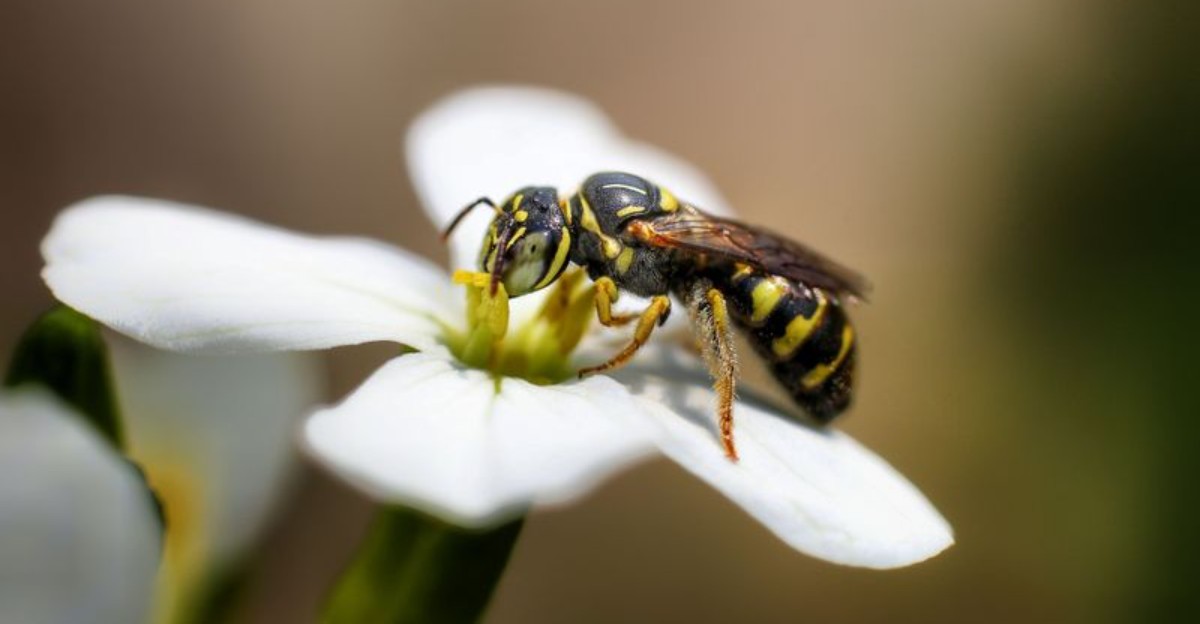
That little black-and-yellow visitor buzzing around your drink might not be the harmless backyard pest you think it is.
As September arrives, many Virginia homeowners start noticing more of these fast-moving flyers around patios, gardens, and outdoor gatherings. Their sudden appearance often catches people off guard because they seem to show up everywhere at once.
At first glance, they can look like just another wasp passing through. But late in the season, their behavior changes, their numbers grow, and they become much harder to ignore.
What seems like a small nuisance can quickly turn into a bigger backyard problem when these insects find food, shelter, or a hidden place to build a nest.
Knowing why they show up now and what attracts them can help you enjoy the final warm days of the year with fewer surprises.
The Tiny Flyer Everyone Gets Wrong In September
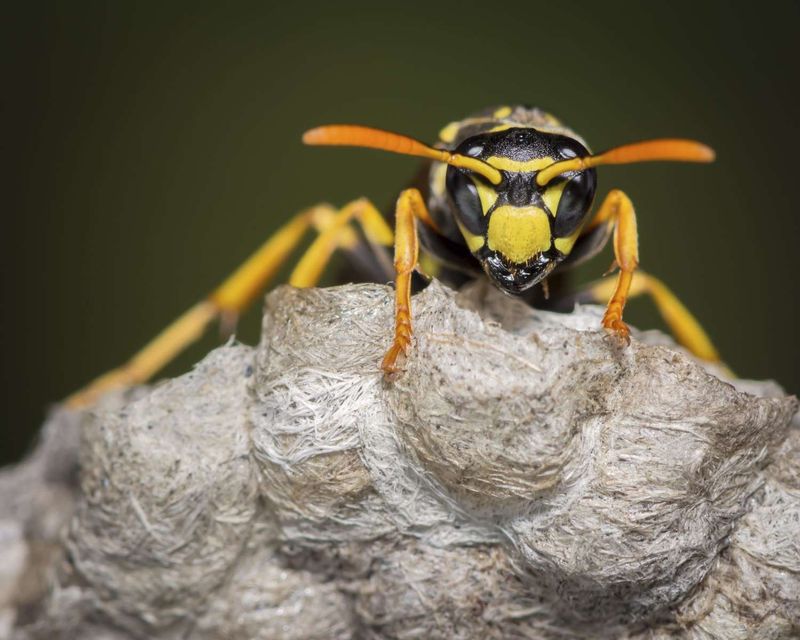
Picture a small, shiny insect darting near your soda can, and you might assume it is a regular wasp or even a bee. In reality, that little visitor is often a yellowjacket, one of the most misunderstood insects in Virginia yards.
Yellowjackets are social wasps, which means they live together in large colonies instead of flying solo. Their bright yellow-and-black stripes make people confuse them with bees, but there is an easy way to tell them apart.
Unlike fuzzy bees, yellowjackets have smooth, sleek bodies with almost no hair. When they rest, their wings fold neatly along their sides, giving them a slim, streamlined look.
What really sets them apart is their behavior around nests. Yellowjackets can become highly defensive when they feel their colony is threatened.
By late summer and early fall, yellowjacket colonies across the state reach their largest size, sometimes containing thousands of members. That population boom is why they suddenly become much easier to notice.
Getting the identification right matters because yellowjackets need a different approach than honeybees. Bees play an important role as pollinators, while yellowjackets also serve a purpose in nature but can become a concern when large colonies establish near homes.
So the next time you spot that quick little flyer, take a closer look before you swat. Knowing you have a yellowjacket, not just any wasp, is the first step toward handling it wisely and keeping everyone comfortable outdoors.
Why These “Wasps” Suddenly Take Over Yards
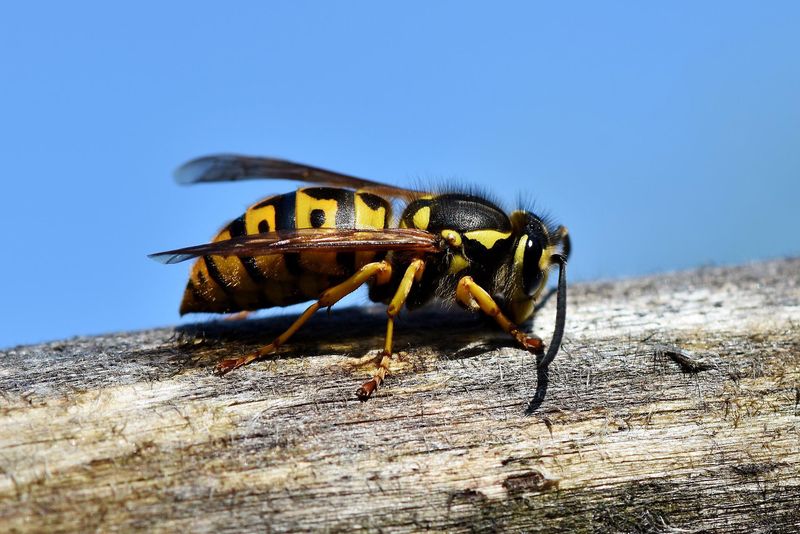
It can feel like yellowjackets appear out of nowhere the moment fall arrives. The truth is, they have been building up all season, and September is simply when their numbers hit the peak.
Back in spring, a single queen starts a brand-new colony. Over the following months, that colony grows steadily, and by August it can contain thousands of busy workers.
As the season shifts, the queen usually stops laying eggs, and the whole colony changes its habits. Earlier in the year, the wasps hunt protein-rich foods to feed their growing young.
Once the larvae are gone, the adult workers crave carbohydrates instead. They start hunting for sugary snacks like fruit, soda, and anything sweet they can find.
Your Virginia Garden Changes Every Week. Your Plan Should Too.
Gardening in Virginia changes quickly throughout the season. Every Friday you’ll receive a simple weekly plan showing exactly what to plant, prune, fertilize, harvest, and protect so you never miss the right timing.
At the same time, natural food sources in the environment begin to shrink. Fewer flowers and insects mean the workers must search harder and travel farther for a meal.
That combination turns them into determined scavengers who show up right where people gather. Outdoor dining spots, trash cans, and backyard gardens suddenly become popular hangouts.
Because so many workers are out foraging at once, you notice far more of them than you did earlier in summer. The colony has not moved closer to you; it has just grown larger and hungrier.
Understanding this seasonal surge helps you plan ahead. If you know September is prime yellowjacket time in Virginia, you can protect your food and reduce those unwanted encounters before they start.
The Hidden Nests That Create Big Problems
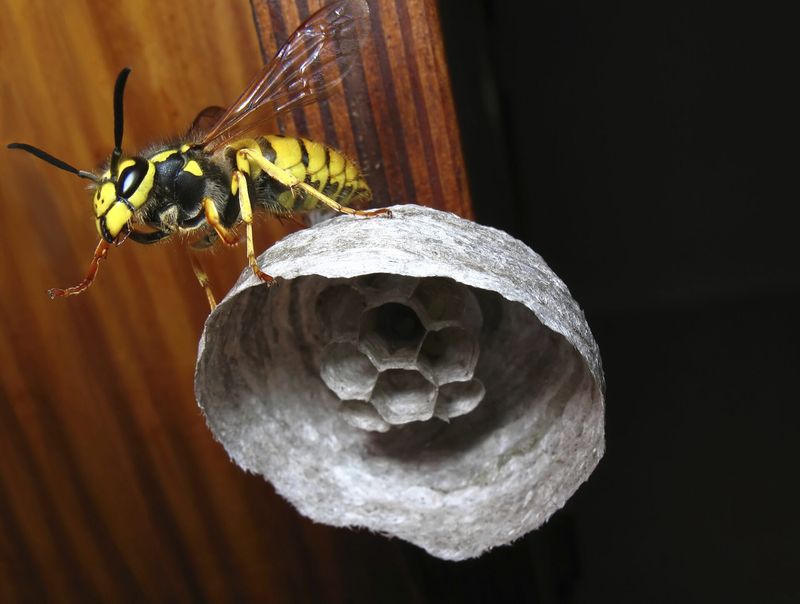
One of the sneakiest things about yellowjackets is where they choose to live. Their nests are often tucked away in spots you would never think to check, which is why they surprise so many homeowners.
A huge number of colonies build underground. They use soil cavities, abandoned rodent burrows, mulch beds, garden edges, and even the ground along sidewalks.
Because the nest entrance can be a small, plain hole, you might walk past it dozens of times without noticing. Then, seemingly overnight, the activity explodes as the colony reaches full size.
Yellowjackets do not stop at the ground, either. They also nest above it in protected spaces like wall voids, attics, soffits, eaves, sheds, crawlspaces, and under decks.
Some settle inside hollow trees or deep within thick shrubs. German yellowjackets are especially known for building large nests inside wall voids of Virginia homes.
A wall nest can grow large before anyone realizes it is there, especially when the colony remains hidden inside a structure. Sometimes the first clue is workers wandering into the living space through cracks and outlets.
The real danger comes during ordinary yard chores. Mowing the lawn, raking leaves, or digging in a flower bed can accidentally disturb a hidden ground nest.
When that happens, the colony reacts fast and defends itself with force. Before starting yard work in late summer, take a slow look around for steady insect traffic near holes or structures so you can avoid an unwelcome surprise.
The Reason They Keep Showing Up At Your Table
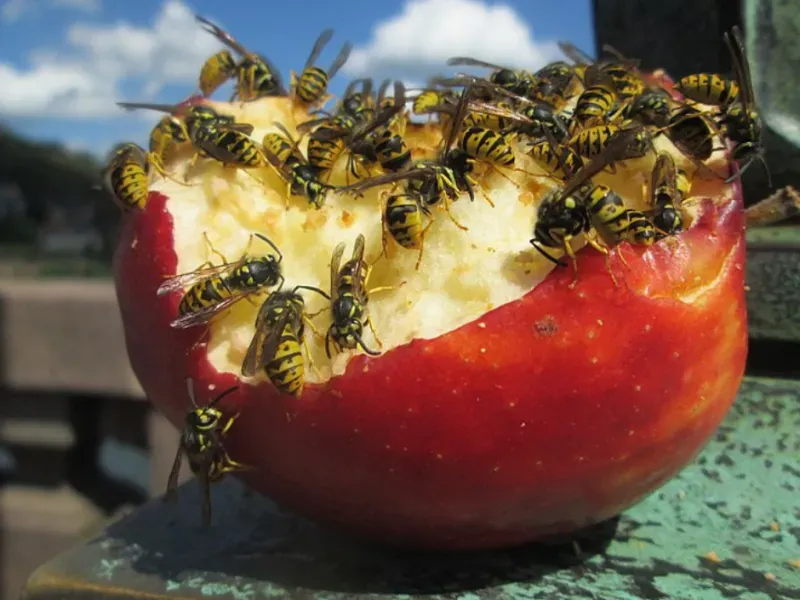
Ever notice how a backyard cookout can turn into a yellowjacket buffet in minutes? These wasps have a strong ability to detect the foods people often enjoy outdoors.
Sweet items top their wish list, especially in the fall. Sugary drinks like soda and juice, along with ripe or overripe fruit, act like magnets for hungry workers.
Any spilled candy, dropped ice cream, or sticky splash of lemonade will draw them in quickly. Once one wasp finds a good source, more tend to follow.
They also crave protein-rich foods, so your grilled meats are just as tempting. Barbecues, picnics, and even pet food left out on the porch can pull them close.
Garbage cans are another major attraction. Food scraps and strong smells drifting from the trash send out an open invitation to scavenging yellowjackets.
Remember that late-summer diet switch toward carbohydrates makes them especially pushy this time of year. A wasp that ignored your table in June may hover right over your plate in September.
The good news is you have real control here. Keeping drinks covered, wiping up spills fast, and clearing plates promptly makes your gathering far less appealing.
Tossing trash into cans with tight lids also cuts down the odors that lure them in. When you remove the easy meals, yellowjackets have little reason to crash your outdoor fun and are more likely to search elsewhere in the neighborhood.
Why A Yellowjacket Sting Is Not Like A Typical Wasp Encounter
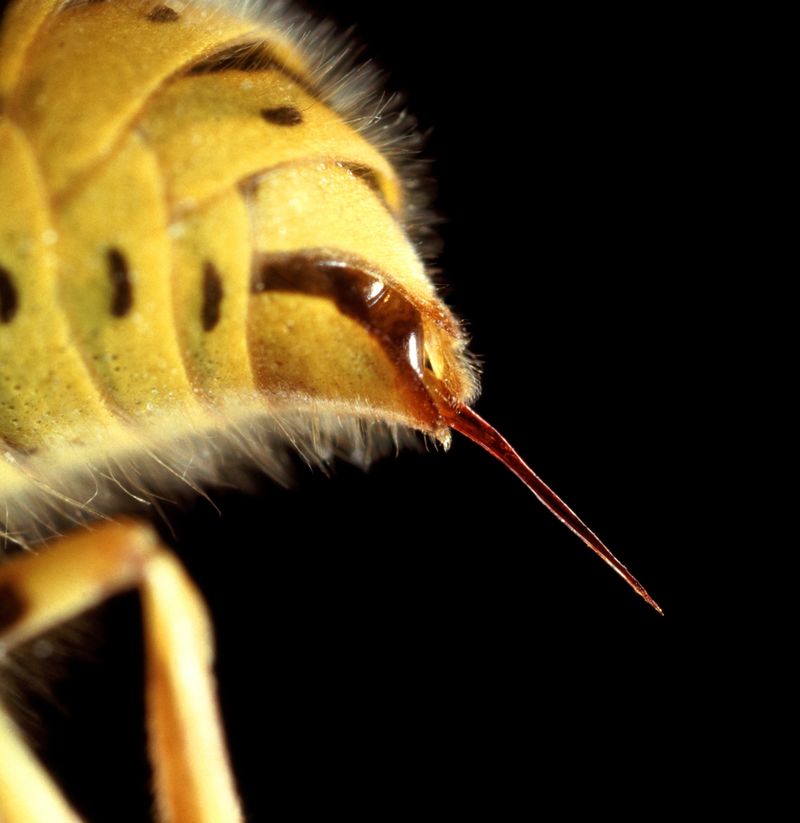
Getting stung by a yellowjacket is a very different experience than a run-in with a mild-mannered wasp. These insects are intensely protective, and they do not back down when their home feels threatened.
Honeybees sting once and lose their barbed stinger in the process. A yellowjacket, on the other hand, has a smooth stinger that lets it strike again and again in a single encounter.
That ability alone makes them more troublesome to tangle with. One angry yellowjacket can cause several painful stings before you even get away.
Things get even trickier because of a special chemical they release. When a yellowjacket stings, chemicals released with the venom can act as an alarm signal that alerts nearby nestmates.
That scent works like a signal flare to the rest of the colony. Nearby nestmates pick up the message and rush to help defend their nest as a group.
Imagine accidentally stepping on a ground nest or running a mower over one in your yard. That single mistake can unleash a swarm of defenders and result in many stings at once.
Many people experience only temporary pain and swelling from a sting, but some individuals can have serious allergic reactions. Multiple stings hit much harder, and they can cause severe reactions in anyone with sensitivities or allergies.
The safest move is to keep your distance from any active nest. If you spot heavy wasp traffic in one spot, avoid disturbing it and steer children and pets clear until the area is handled properly.
The Clues A Yellowjacket Nest Is Right Nearby
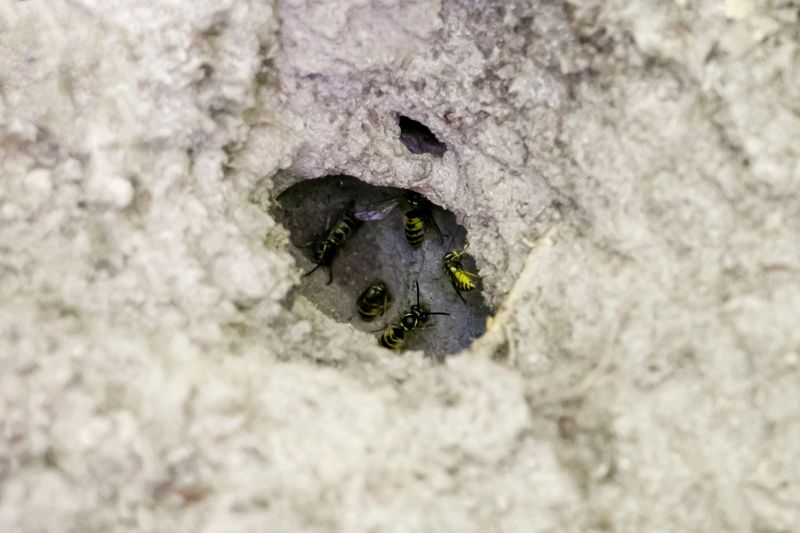
Spotting a nest early can save you a lot of grief, and yellowjackets leave behind plenty of hints. A little observation goes a long way for homeowners who want to stay ahead of trouble.
The clearest sign is a steady stream of wasps flying in and out of one exact spot. When you see this repeated traffic, a colony is almost certainly hidden close by.
Watch for insects zipping into a hole in the ground, often an old rodent burrow. They may also disappear into a crack in the foundation, a gap in the siding, or an opening under the eaves.
A consistent flight path is a big tell. If the wasps travel the same route to and from a single opening, they are heading straight for their nest.
Sounds can give them away too. A buzzing or humming coming from inside a wall or ceiling, especially in the morning and evening, may mean a nest is tucked within the structure.
Pay attention around trash cans and outdoor eating areas as well. Increased activity there, paired with focused flights toward one point, strongly hints at a nest nearby.
Once you notice these clues, resist the urge to poke around for a closer look. Simply mark the location in your mind and keep family members away from that zone.
Catching the signs early lets you plan a safe response, whether that means avoiding the area or calling a professional for help.
The Mistakes That Make Yellowjackets Stick Around
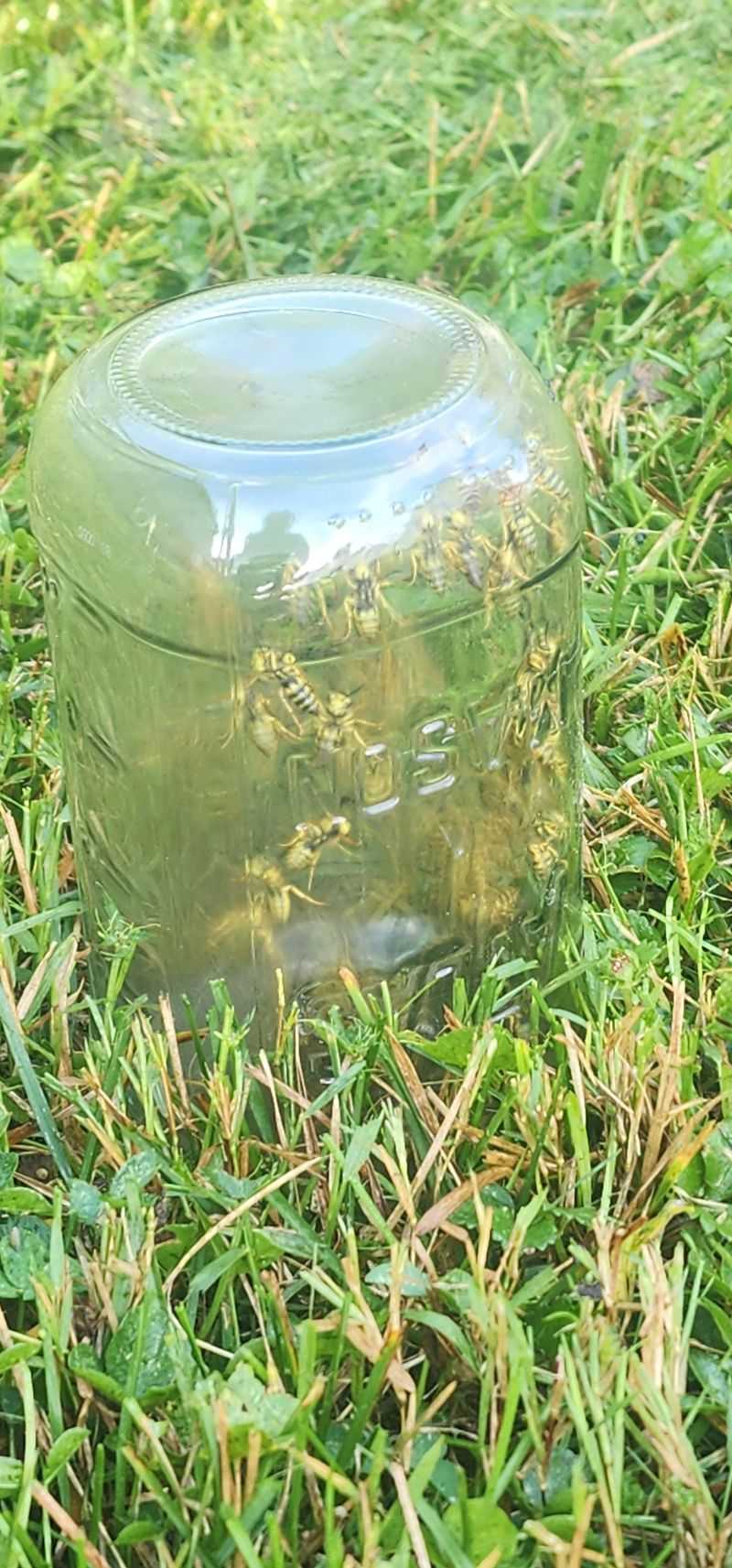
Sometimes homeowners accidentally roll out the welcome mat for yellowjackets without even realizing it. A few common habits can turn a mild wasp season into a real nuisance.
Leaving food and sugary drinks uncovered outside is one of the biggest slip-ups. Open snacks and half-empty cans practically call these scavengers straight to your yard.
Ignoring fallen fruit is another easy mistake. Ripe or rotting apples, pears, and other fruit under your trees give wasps a free, ongoing feast.
Disturbing a nest, even by accident, ranks among the riskiest errors. Swatting wildly or making fast, jerky movements only agitates them and can lead to multiple stings.
Trying to remove a large nest on your own usually backfires. Big underground or wall-void colonies get riled up fast, and the risk of being stung climbs sharply.
Sealing up a wall-void entrance while the nest is active creates its own problem. Trapped workers may chew through interior walls to escape, sending them right into your living space.
Many people also lean too heavily on store-bought traps. Traps might catch a handful of foraging workers, but they rarely wipe out an entire colony or fix a serious infestation.
The smarter path is to remove temptations and leave big nests to the pros. By avoiding these missteps, you keep the situation from growing worse and protect everyone at home.
A little caution now prevents a much bigger yellowjacket headache later in the season.
The Simple Yard Fixes That Help Keep Them Away
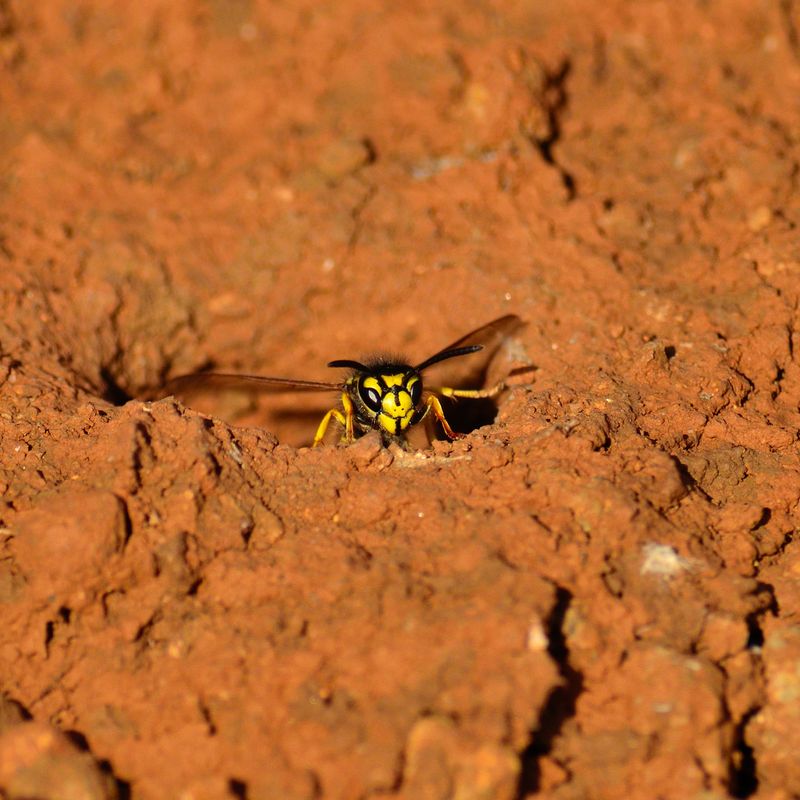
The best defense against yellowjackets is making your yard less inviting in the first place. A handful of simple fixes can keep these fall visitors from settling in around your home.
Start by cutting off their food supply. Keep all outdoor food and drinks covered during meals, and wipe up spills and crumbs as soon as they happen.
Trash management makes a huge difference too. Use cans with tight-fitting lids, empty them often, and pay special attention to bins kept outside.
Do not forget the fruit trees. Regularly gather and toss any fallen ripe or rotting fruit so it cannot become a wasp magnet in your garden.
Sealing your home helps keep them out of living spaces. Close cracks in the foundation and gaps around pipes, vents, windows, and doors using caulk, sealant, cement, or appropriate mesh materials.
That same sealing effort blocks other pests as a bonus. Trim plants and bushes so they sit at least two feet from exterior doors.
Keep lawns, gutters, and vents clear of debris and decaying organic matter, since messy spots attract nesting wasps. A quick inspection in early summer pays off nicely.
Addressing small nests early can prevent larger colonies from developing later, but homeowners should avoid disturbing nests without knowing how to handle them safely.
When a nest is large, hard to reach, or built inside a structure, call a professional pest control service in Virginia. Trained experts can handle removal safely, letting you enjoy your yard through September and beyond without the worry.