What To Do With Tennessee Roses In June After Their First Flush Of Blooms
That first flush is over, and your Tennessee roses are catching their breath. June is the moment most gardeners either set their plants up for a spectacular summer or accidentally let them coast into decline.
The difference comes down to what you do in the next few weeks. Tennessee’s heat and humidity are relentless, and roses coming off a big bloom cycle are more vulnerable than they look.
Your roses just gave everything they had this spring. Now they need you to meet them halfway.
Miss this window and the season quietly unravels. Post-flush care is not about doing more.
It is about doing the right things before the plant starts showing you what you missed. Get it right now and your roses will push out a second flush that rivals the first.
1. Remove Spent Blooms
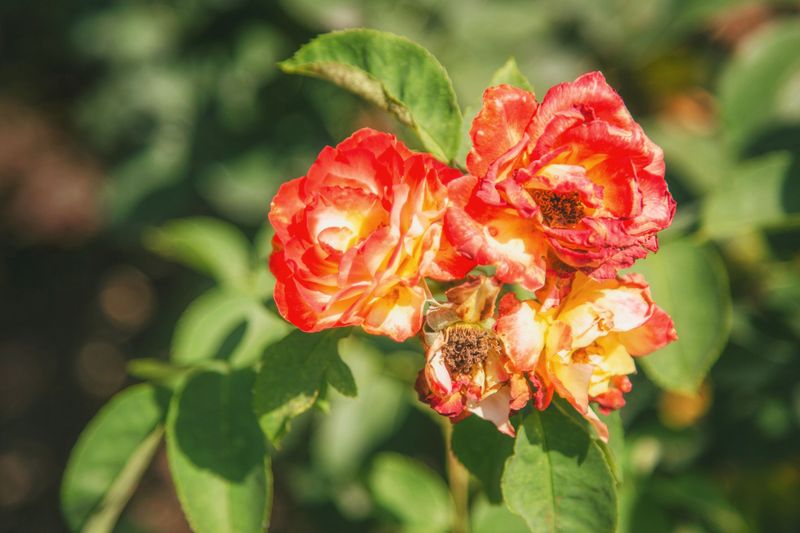
Brown, papery petals clinging to your rose canes are more than just ugly. They are actually slowing down your plant’s next round of blooms.
Removing spent blooms is the practice of cutting off faded flowers before they form rose hips. When a rose starts forming hips, it shifts energy away from making new flowers.
To do it properly, find the first set of five leaflets below the spent bloom. Cut at a 45-degree angle just above that leaf node.
Use clean, sharp pruners to make smooth cuts. Ragged cuts invite disease, and dull blades crush the stem tissue instead of slicing it cleanly.
After removing spent blooms, drop them into a bag and toss them out. Leaving old petals on the soil can harbor fungal spores that spread quickly in humid Tennessee summers.
Knowing what to do with Tennessee roses in June after their first flush of blooms starts right here. Removing spent blooms sends a clear signal to your plant: keep blooming.
Most modern roses will push out new buds within two to three weeks. Repeat-blooming varieties like Knock Out and hybrid teas respond especially well to this treatment.
Make this a consistent weekly habit throughout June and July. A few minutes with your pruners each week keeps the garden looking fresh and primes your roses for a stunning second flush of color.
2. Feed With Fertilizer
Roses are heavy feeders, and after that first spectacular bloom, they are running on empty. Think of fertilizing as refueling the engine for round two.
The best time to fertilize is right after removing spent blooms. Your plant is primed to grow, and fresh nutrients give it exactly what it needs to push new buds.
Choose a balanced rose fertilizer with a formula like 5-10-5 or 10-10-10. Phosphorus, the middle number, supports strong flower production specifically.
Granular fertilizers work well for slow, steady feeding. Scratch them lightly into the soil around the drip line, then water thoroughly to help nutrients soak in.
Liquid fertilizers work faster and are great when you want quicker results. Fish emulsion and liquid kelp are excellent organic options that feed without harsh chemical buildup.
Your Tennessee Garden Changes Every Week. Your Plan Should Too.
Gardening in Tennessee changes quickly throughout the season. Every Friday you’ll receive a simple weekly plan showing exactly what to plant, prune, fertilize, harvest, and protect so you never miss the right timing.
Avoid fertilizing during a heat wave above 90 degrees Fahrenheit. Feeding stressed plants can burn roots and cause more harm than good in peak summer heat.
Always read the label before applying. Over-fertilizing with nitrogen pushes leafy growth at the expense of blooms, which is the opposite of what you want right now.
Mid-June is the sweet spot for a second feeding in Tennessee. Consistent nutrition keeps your roses vigorous, disease-resistant, and ready to dazzle with a beautiful second flush of blooms in late summer.
3. Water Deeply

Shallow watering is one of the sneakiest ways to stress a rose plant. Roots chase moisture downward, and if water never reaches deep soil, roots stay near the surface where heat is brutal.
Deep watering means soaking the soil to a depth of at least 12 inches. This encourages roots to grow down where soil stays cooler and moisture lingers longer.
In Tennessee, June heat can dry out garden beds surprisingly fast. Established roses typically need about one inch of water per week, and possibly more during prolonged dry spells or extreme heat.
Water slowly at the base of each plant using a soaker hose or drip irrigation. Slow delivery allows water to penetrate deeply instead of running off the surface.
Early morning is the best time to water your roses. Soil absorbs moisture before midday heat arrives, and any accidental splash on leaves has time to dry before nightfall.
Wet foliage sitting overnight is an open invitation for fungal problems. Tennessee humidity already creates ideal conditions for disease, so keeping leaves dry is a smart defensive move.
Check soil moisture by pushing a finger two inches into the ground near the base. If it feels dry at that depth, your roses need a drink right away.
Consistent, deep watering produces stronger canes and bigger blooms. Skip this step, and your plants will struggle through summer instead of thriving beautifully into fall.
4. Mulch Around The Base
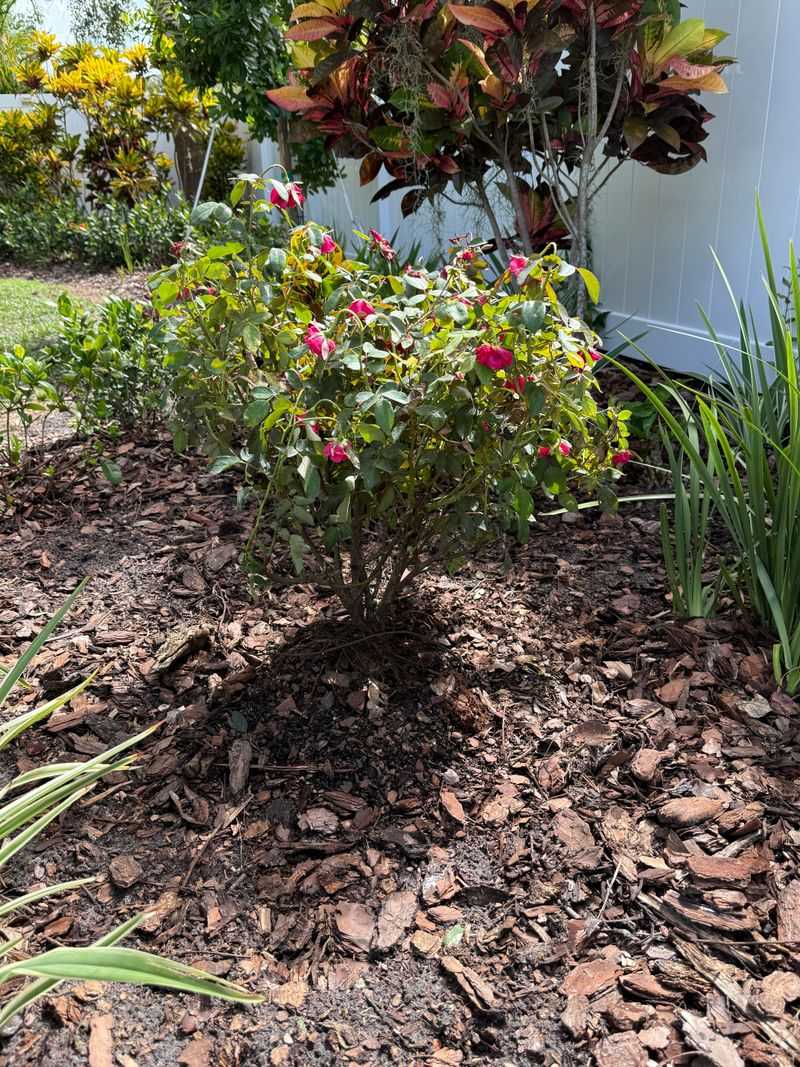
Mulch is one of the most underrated tools in a rose gardener’s arsenal. A good layer of mulch does three powerful things at once: it holds moisture in, regulates soil temperature, and suppresses weeds effectively.
Apply a 2 to 3 inch layer of organic mulch around each plant. Keep it a few inches away from the main cane to prevent rot at the base.
Shredded bark, pine straw, and wood chips are all solid choices for rose beds. Pine straw is especially popular in Tennessee because it is affordable, widely available, and breaks down slowly.
In June, soil temperatures in Tennessee can spike quickly under direct sun. A layer of mulch acts like a blanket, keeping roots cool and comfortable even on scorching afternoons.
Mulch also reduces how often you need to water. Covered soil loses moisture much more slowly than bare soil exposed to sun and wind.
As organic mulch breaks down over the season, it adds nutrients back into the ground. This slow decomposition improves soil structure and feeds beneficial microorganisms that support plant health.
Pull any weeds before spreading fresh mulch. Weeds compete aggressively for water and nutrients, and covering them early stops them from taking root again easily.
Refresh your mulch layer once or twice throughout summer as it breaks down. Staying ahead of mulch breakdown keeps your roses protected from Tennessee heat all the way through August.
5. Check For Black Spot And Powdery Mildew
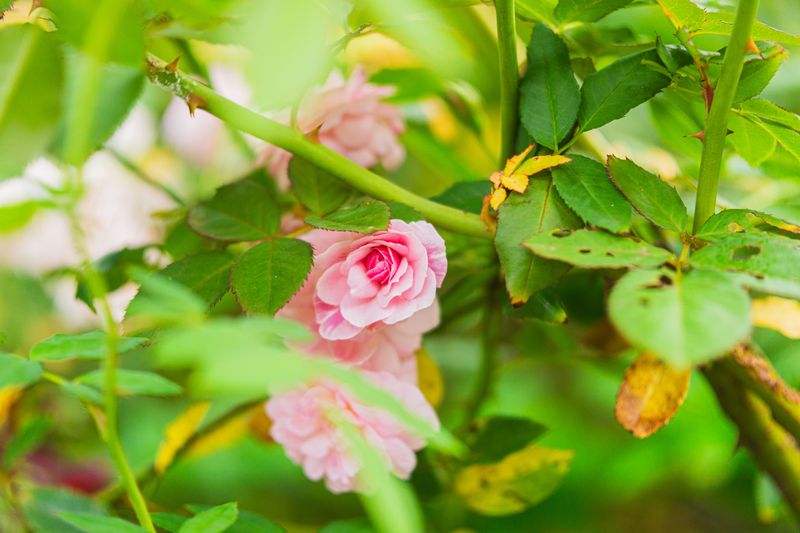
Black spot is the most common rose disease in the South, and Tennessee’s humid summers make it far more likely without preventive care. Catching it early is really the only way to stay ahead of it.
Look for circular black spots surrounded by yellow halos on the upper surface of leaves. Infected leaves usually drop early, leaving canes bare and plants looking ragged.
Powdery mildew shows up differently, as a white or grayish powder coating on new growth. It thrives when nights are cool and days are warm, which is a classic early-June pattern in Tennessee.
Remove any infected leaves immediately and dispose of them in a sealed bag. Never compost diseased foliage because the spores survive and spread right back into your garden.
Fungicidal sprays containing neem oil, copper, or sulfur are effective treatments for both diseases. Apply them early in the morning so leaves dry quickly and the spray has time to work.
Prevention is far easier than treatment once disease gets established. A regular spray schedule starting in late May can keep both black spot and mildew from gaining a foothold.
Spacing your plants for good air circulation also helps prevent disease. Crowded roses trap humidity between leaves, which is exactly the environment fungal spores love most.
Staying consistent with monitoring and treatment keeps your plants healthy enough to bloom again. Healthy foliage is the foundation of a strong second flush of roses in summer.
6. Inspect For Japanese Beetles
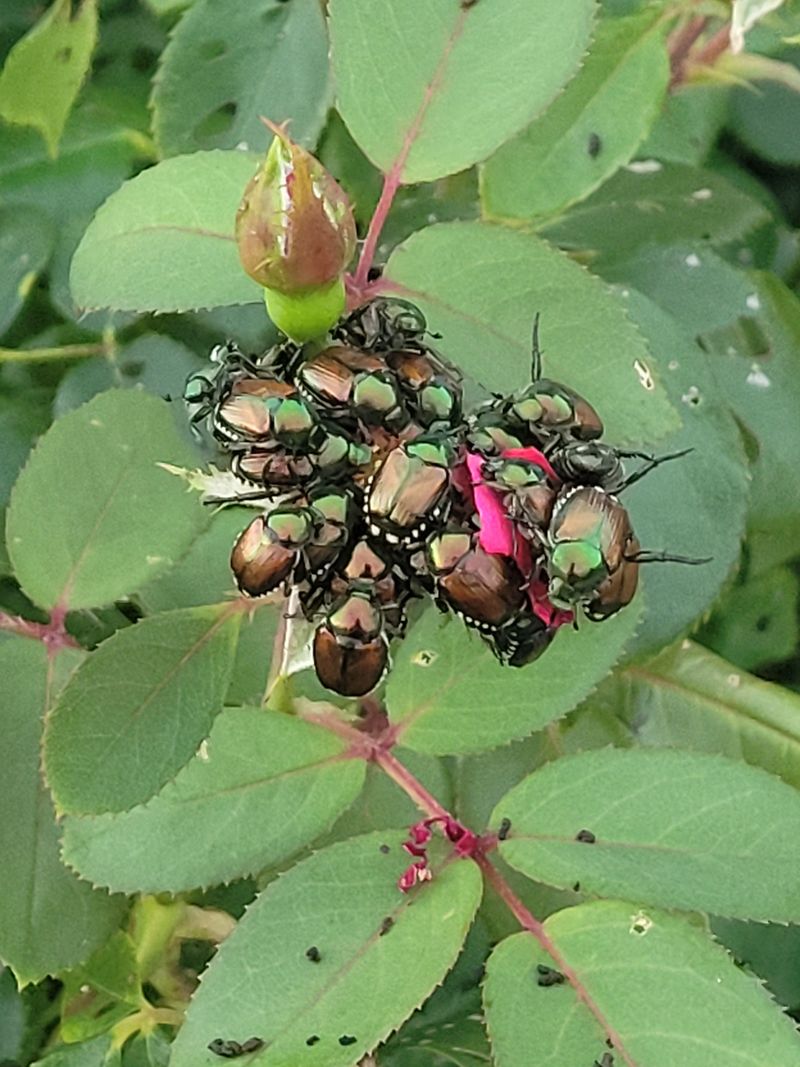
Japanese beetles are every rose gardener’s nightmare, and they show up right on schedule in June. These metallic green and copper insects skeletonize leaves and shred petals within days of arriving.
Check your plants daily during peak beetle season, which runs from late May through August in Tennessee. Early morning is the best time to catch them because they are sluggish in cooler temperatures.
Hand-picking is one of the most effective control methods for small infestations. Drop beetles into a bucket of soapy water, which stops them instantly without chemicals.
Avoid beetle traps sold at garden centers. Research shows those traps actually attract more beetles than they catch, drawing even more into your yard in the process.
Neem oil spray is a good organic option for deterring beetles. Apply it in the early morning or evening to avoid harming pollinators that visit your blooms during the day.
Spinosad and pyrethrin-based sprays offer stronger control for heavier infestations. Always follow label directions carefully and avoid spraying when bees are actively foraging.
Milky spore is a long-term biological control that targets Japanese beetle grubs in the soil. It takes a season or two to establish but reduces adult beetle populations noticeably over time.
Staying vigilant now protects your roses from serious damage before the second flush arrives. A few extra minutes of inspection each morning saves weeks of recovery later in the season.
7. Prune Lightly After Removing Spent Blooms
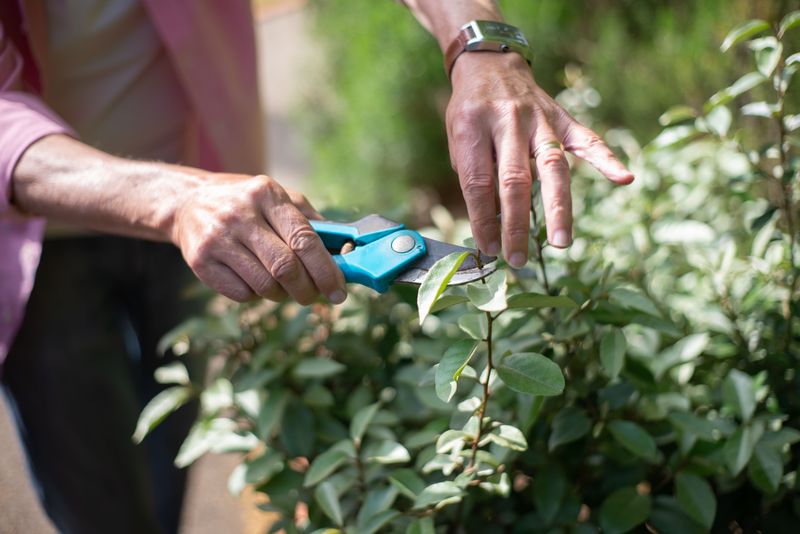
Light pruning after removing spent blooms is one of those small moves that pays off in a big way. It shapes the plant, improves airflow, and directs energy toward new growth instead of old wood.
After removing spent blooms, step back and look at the overall shape of each plant. Identify any crossing canes, weak spindly stems, or branches growing toward the center of the bush.
Remove those problem canes with clean cuts made just above an outward-facing bud. Cutting above an outward-facing bud encourages growth that opens up the center of the plant naturally.
Open centers allow better air movement through the foliage. Better airflow means leaves dry faster after rain, which dramatically reduces the risk of fungal disease taking hold.
June pruning should be light, not aggressive. Save heavy pruning for late winter when the plant is dormant and better equipped to handle significant cuts without stress.
Sharp, clean tools matter enormously during this process. Wipe blades with rubbing alcohol between plants to avoid accidentally spreading disease from one rose to another.
Knowing what to do with Tennessee roses in June includes understanding that less is more with summer pruning. A thoughtful, light trim sets the stage for a gorgeous second round of blooms ahead.
8. Avoid Overhead Watering
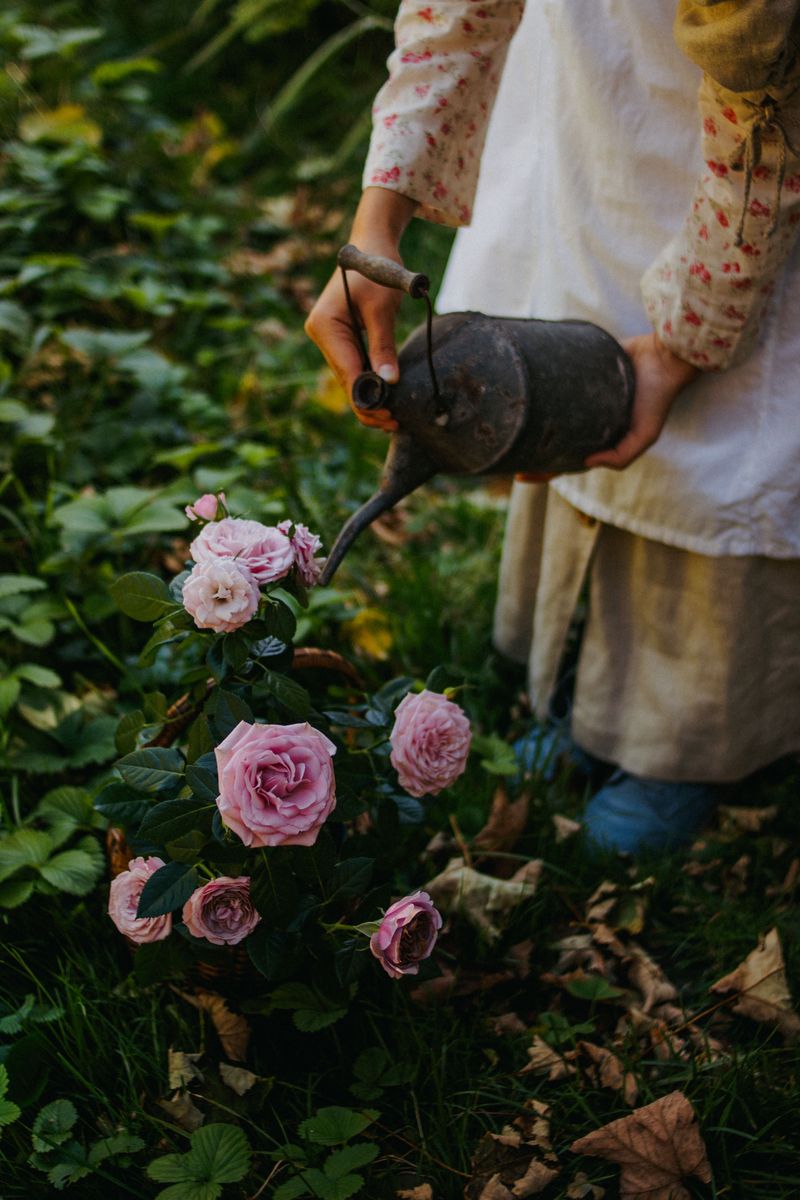
Sprinklers and overhead watering methods are convenient, but they are genuinely bad news for roses. Wet leaves in a humid Tennessee summer create ideal conditions for fungal disease to spread rapidly.
Black spot and powdery mildew both spread through water splashing from leaf to leaf. Every time a sprinkler hits your rose foliage, it potentially moves disease spores throughout the entire plant.
Switch to drip irrigation or soaker hoses if you have not already. These systems deliver water directly to the root zone where it belongs, keeping foliage completely dry.
If you must use a hose, attach a gentle wand and aim it at the soil only. Move slowly around the base of each plant and avoid any contact with leaves or canes.
Timing matters just as much as method when watering roses. Morning watering gives any accidental moisture on leaves time to evaporate before nightfall reduces airflow.
Evening watering is the worst option in a humid climate. Wet foliage sitting overnight in warm, still air is practically a written invitation for fungal problems to move in.
Drip systems also save water by reducing evaporation significantly. Water goes straight into the soil instead of spraying into hot summer air where a large percentage evaporates before reaching roots.
Changing your watering method is one of the simplest upgrades you can make for Tennessee roses in June. Dry leaves and moist roots are the winning combination for a healthy, consistently blooming garden all season long.