The Most Underrated Texas Native That Helps Keep Post-Storm Mosquitos Out Of Backyards
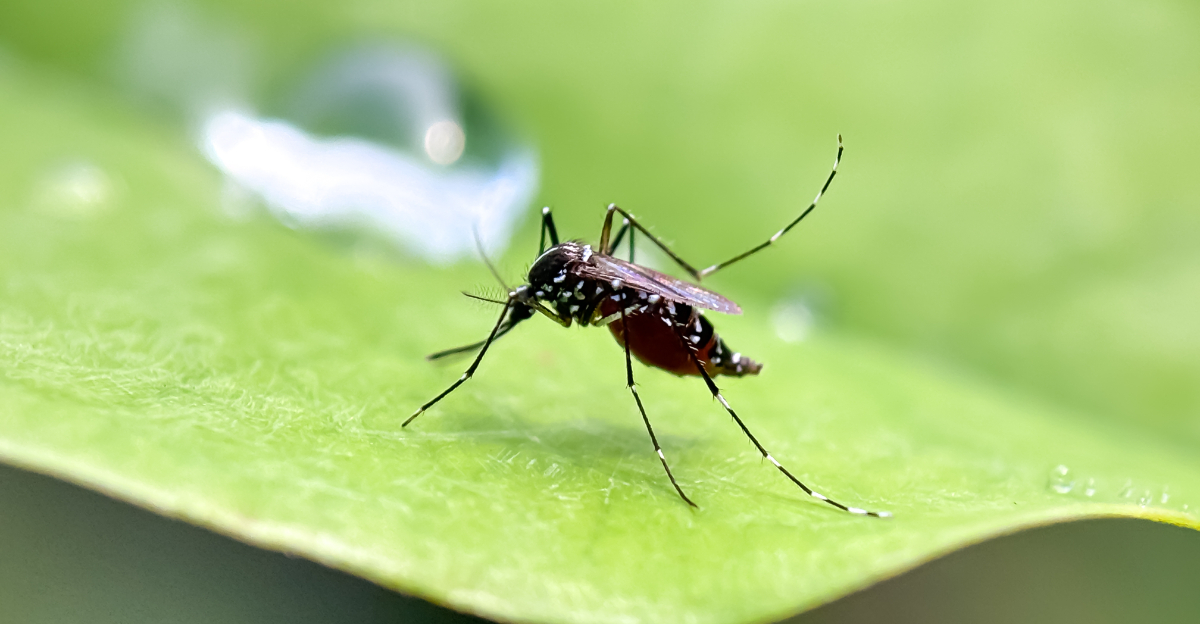
Standing water after a storm turns into a mosquito buffet within hours. Puddles become breeding grounds fast, and by evening the buzzing starts right at your ear.
Most homeowners reach straight for a spray can, but Texas woodlands hide a quieter fix. A native shrub grows wild along property lines and creek banks, easy to walk past without a second look.
Its leaves carry a natural compound that sends mosquitoes elsewhere, no chemicals involved. Crush a few and rub them on your skin, or plant the shrub near a patio, and the difference shows up the same evening.
The berries pull in cardinals and mockingbirds while the leaves keep bugs away, a rare two-for-one in the yard.
A Purple-Berried Shrub Growing Wild Across Texas Woodlands
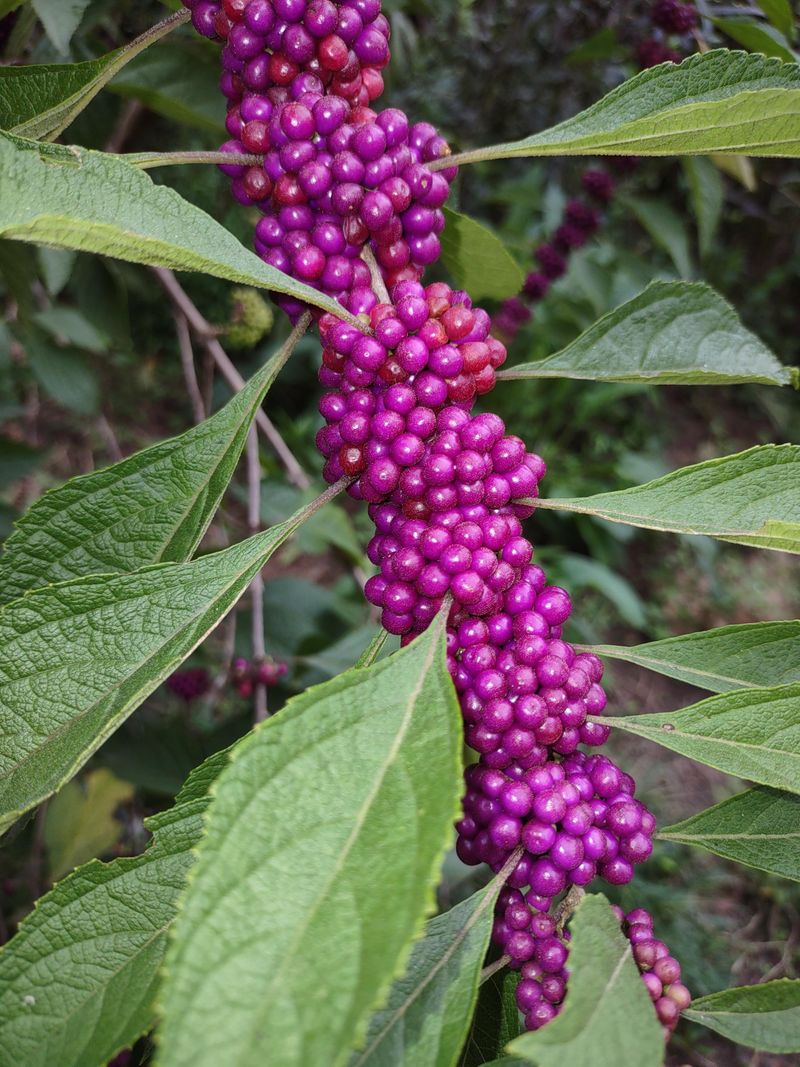
Picture a shrub dripping with the most electric purple berries you have ever seen. That is American Beautyberry, known scientifically as Callicarpa americana, and it is one of the most underrated Texas natives around.
This shrub grows wild across the eastern and central parts of the state. You will spot it along creek banks, forest edges, and shaded trails where the soil stays a little moist.
It can reach up to eight feet tall in ideal conditions, though most plants stay in the three-to-six-foot range. The arching branches carry big, soft leaves that feel almost velvety when you touch them.
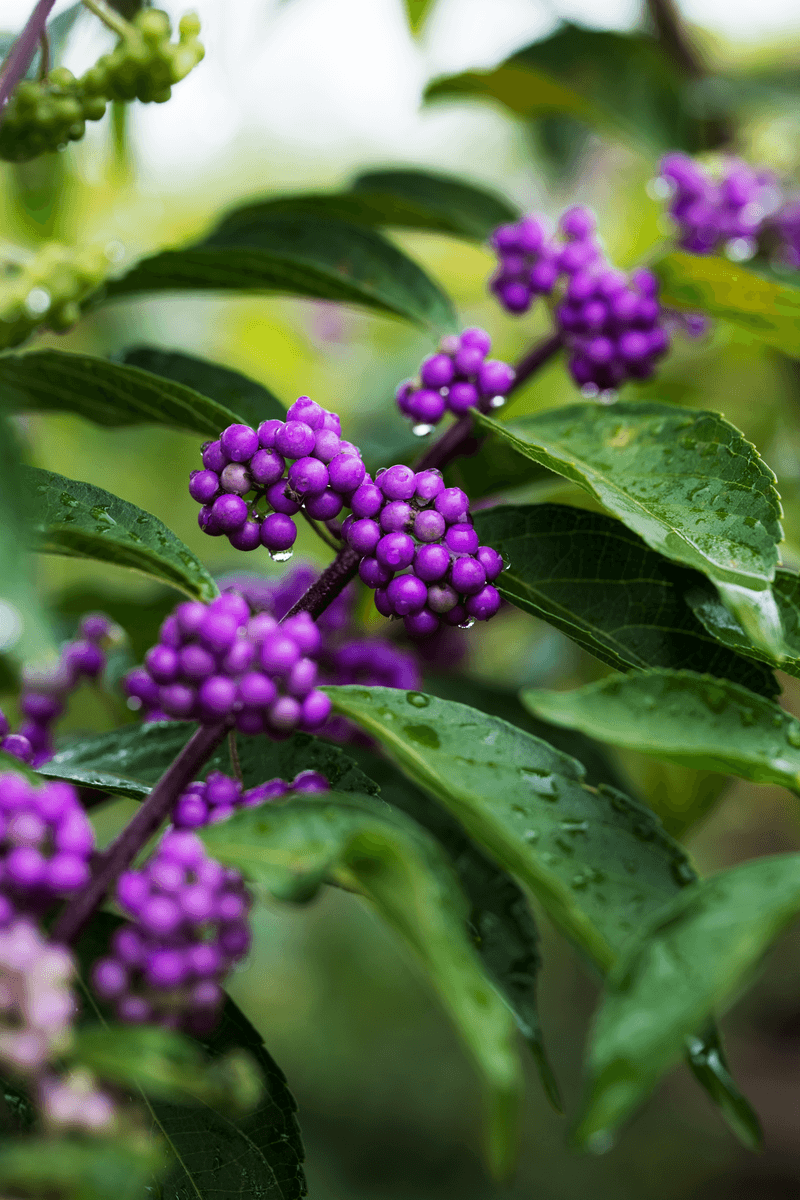
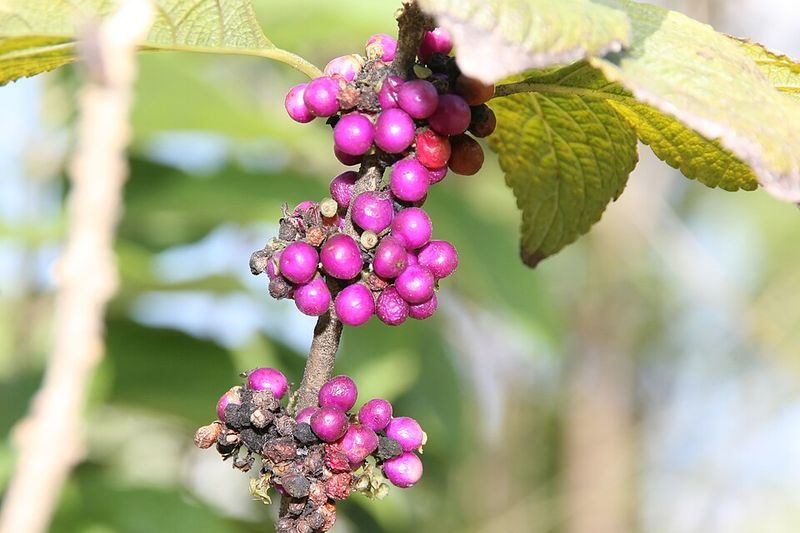
Come late summer, tight clusters of berries appear directly on the stems, not at the tips. The color is so vivid it almost looks fake, like someone painted each berry with neon purple paint.
Deer, birds, and foragers have known about this plant for a long time. Native communities across the South used the crushed leaves as a natural insect repellent long before commercial sprays existed.
Farmers in older generations would rub the bruised leaves on their horses and mules to keep flies away. That folk knowledge was not just superstition, and modern science has since supported it.
Most Texans pass this shrub on hikes without knowing what they are looking at. Once you recognize those purple clusters, you will never unsee them again.
Compounds In The Leaves That Mosquitoes Actively Avoid
Mosquitoes are picky about where they land, and American Beautyberry leaves give them a very good reason to stay away. Researchers at the USDA Agricultural Research Service confirmed this in a published study that surprised a lot of people.
The leaves contain natural compounds called callicarpenal and intermedeol. These are terpenoids, which are aromatic molecules that certain insects find deeply offensive.
In lab tests, these compounds performed close to DEET against mosquitoes, and matched DEET’s effectiveness against ticks. That is not a small claim, and the science held up under repeated testing.
When you crush a fresh leaf between your fingers, you release those oils immediately. The scent is earthy and slightly medicinal, not unpleasant to most people but absolutely off-putting to mosquitoes.
Rubbing a bruised leaf on your wrist or ankle provides short-term protection during outdoor activities. It will not last all evening, but it works well enough for a quick garden session after a post-storm mosquito surge.
Your Texas Garden Changes Every Week. Your Plan Should Too.
Gardening in Texas changes quickly throughout the season. Every Friday you’ll receive a simple weekly plan showing exactly what to plant, prune, fertilize, harvest, and protect so you never miss the right timing.
The compound callicarpenal also showed effectiveness against deer ticks and fire ants in separate studies. That makes this shrub a multi-pest solution, not just a one-trick plant.
Having several of these shrubs near your patio creates a low-level aromatic barrier in the surrounding air. Mosquitoes navigating by scent tend to redirect away from areas where those compounds are present and active.
Where This Shrub Thrives Best In Texas Landscapes
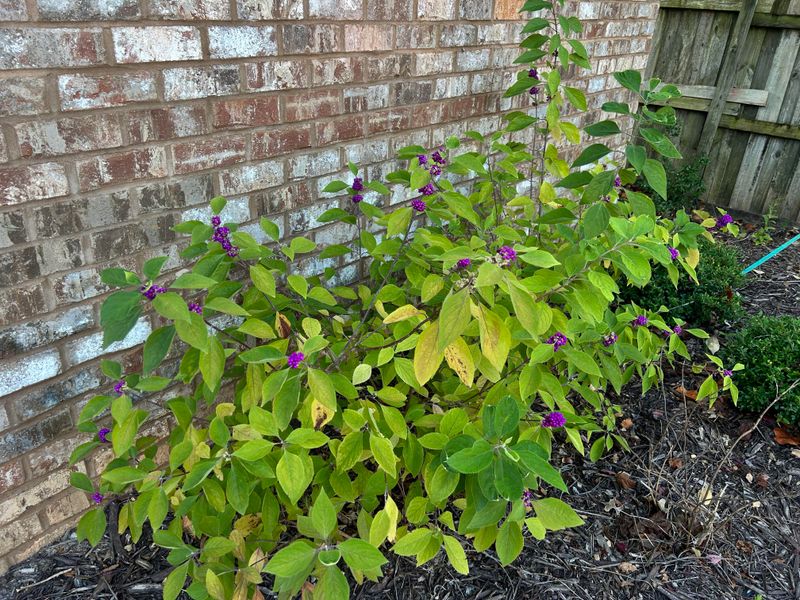
Not every plant works everywhere, but American Beautyberry is impressively flexible across the state. It grows best in partial shade, which makes it ideal for spots under oak trees or along fence lines that get afternoon shadow.
Full sun is possible if the soil stays consistently moist, but the leaves will scorch in harsh summer heat without some protection. A spot with morning sun and afternoon shade is the sweet spot most gardeners aim for.
The shrub prefers slightly acidic, well-draining soil with some organic matter mixed in. Sandy loam works well, and the plant tolerates clay soils reasonably well when drainage is decent.
East Texas gardeners have the easiest time growing it, since that region mirrors the humid woodland conditions where it naturally thrives. Central and South Texas growers can succeed too, but watering during dry stretches becomes more important.
After storms, low-lying areas in the backyard often collect runoff and stay damp for days. Planting American Beautyberry near those zones lets it soak up extra moisture while sitting right where mosquitoes are most likely to breed.
Spacing shrubs about five to six feet apart allows good air circulation and gives each plant room to spread naturally. Crowding them leads to poor berry production and can invite fungal problems in humid conditions.
Think of this shrub as a living border plant that does double duty. It looks stunning along property edges and quietly discourages mosquitoes from setting up camp nearby.
Planting And Care Tips For Strong Growth After Storms
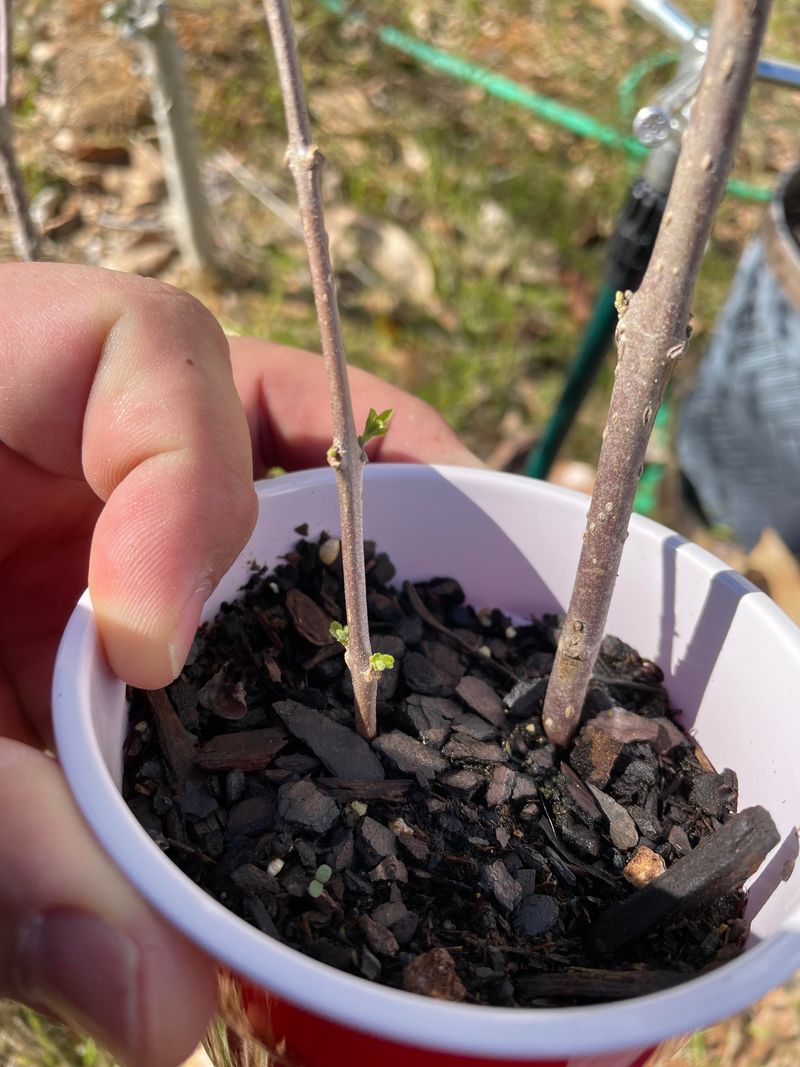
Storms can be rough on young plants, but American Beautyberry bounces back faster than most shrubs in the landscape. Its root system is resilient, and established plants handle wind and flooding well.
Plant new shrubs in fall or early spring when temperatures are mild and rain is more reliable. This gives roots time to anchor before summer heat arrives and stresses new growth.
Dig a hole twice as wide as the root ball but only as deep as the container. Setting the crown slightly above the soil line prevents crown rot, which can sneak in after heavy rain saturates the ground.
Mulching around the base with two to three inches of shredded wood chips helps regulate soil moisture. Keep the mulch a few inches away from the main stem to prevent moisture buildup against the bark.
Watering deeply once a week during the first growing season builds a strong root system fast. After establishment, the shrub is quite drought-tolerant and rarely needs supplemental watering except during extreme dry spells.
Hard pruning in late winter, cutting stems back to about a foot from the ground, encourages lush new growth and heavier berry production. Skipping this step results in a leggy, open plant that produces fewer clusters.
Fertilizing lightly with a balanced slow-release formula in early spring gives the plant a helpful seasonal boost. Heavy feeding is not necessary and can actually reduce berry set by pushing too much leafy growth instead.
Extra Benefits For Birds, Pollinators And Fall Color
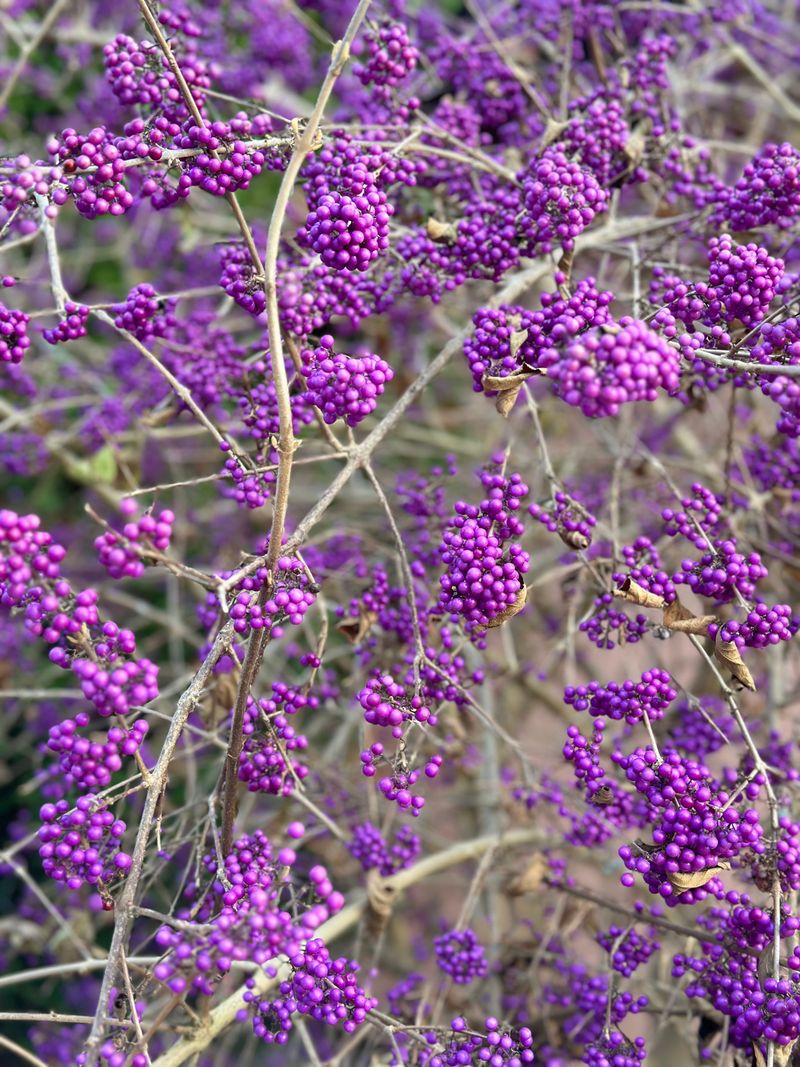
Beyond mosquito control, this shrub pulls serious weight in the backyard ecosystem. Over forty species of birds have been documented eating the berries, including mockingbirds, robins, catbirds, and bluebirds.
The berries ripen in late summer and persist well into fall, providing food exactly when migrating birds need high-energy fuel. Planting this shrub is essentially hanging out a welcome sign for some of the most beloved backyard visitors.
Small bees and native pollinators flock to the tiny pink flowers that appear in midsummer. The blooms are not showy, but they are packed with nectar and buzzing with activity on warm afternoons.
Butterflies also visit regularly, particularly swallowtails and hairstreaks that appreciate the accessible flower clusters. Adding this shrub near a butterfly garden creates a natural connecting point between feeding and resting zones.
As fall progresses, the leaves turn a soft yellow before dropping, adding a quiet seasonal color shift to the landscape. The berry clusters stay bright purple long after the foliage is gone, creating a striking winter silhouette.
That winter berry display is genuinely one of the most dramatic sights in a native garden. Bare stems covered in jewel-toned clusters catch the low winter sun and glow in a way that almost stops people in their tracks.
Mosquito control, bird habitat, pollinator support, and fall color from a single shrub is a remarkable return on a modest investment. Your backyard gets richer every season this plant is in the ground.
Building A Complete Mosquito-Control Strategy Around This Native
American Beautyberry works best when it is part of a layered approach rather than a standalone solution. Post-storm mosquito pressure can be intense, so combining plant power with a few smart habits makes a real difference.
Start by eliminating standing water within 48 hours of any storm. Even small containers, clogged gutters, or low spots in the lawn become breeding grounds faster than most people expect.
Plant American Beautyberry in clusters of three or more near outdoor seating areas to maximize the aromatic deterrent effect. A single shrub is helpful, but a grouping creates a broader scent zone that covers more ground.
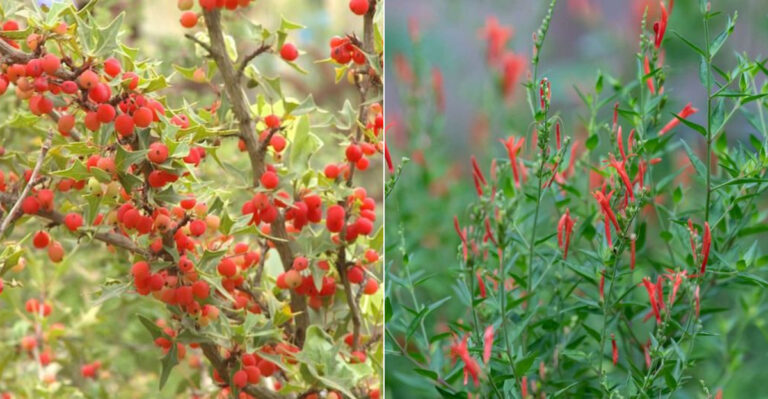
Pair it with other mosquito-unfriendly natives like lantana, horsemint, or cedar sage for a multi-layered repellent border. Each plant contributes different compounds, and together they create a more complex chemical barrier.
Crushing a few fresh leaves and placing them near entry points to a porch or screened area adds an extra layer of protection. This trick works especially well in the first few days after a storm when mosquito numbers peak sharply.
Installing a bat box nearby completes the strategy beautifully. Bats are natural mosquito predators and can help reduce populations near the yard.
Keeping post-storm mosquitoes at bay does not require harsh chemicals. American beautyberry delivers beauty, wildlife value, and natural protection from the same roots.