Why Marylanders Are Adding Marigolds to Their Gardens This Summer
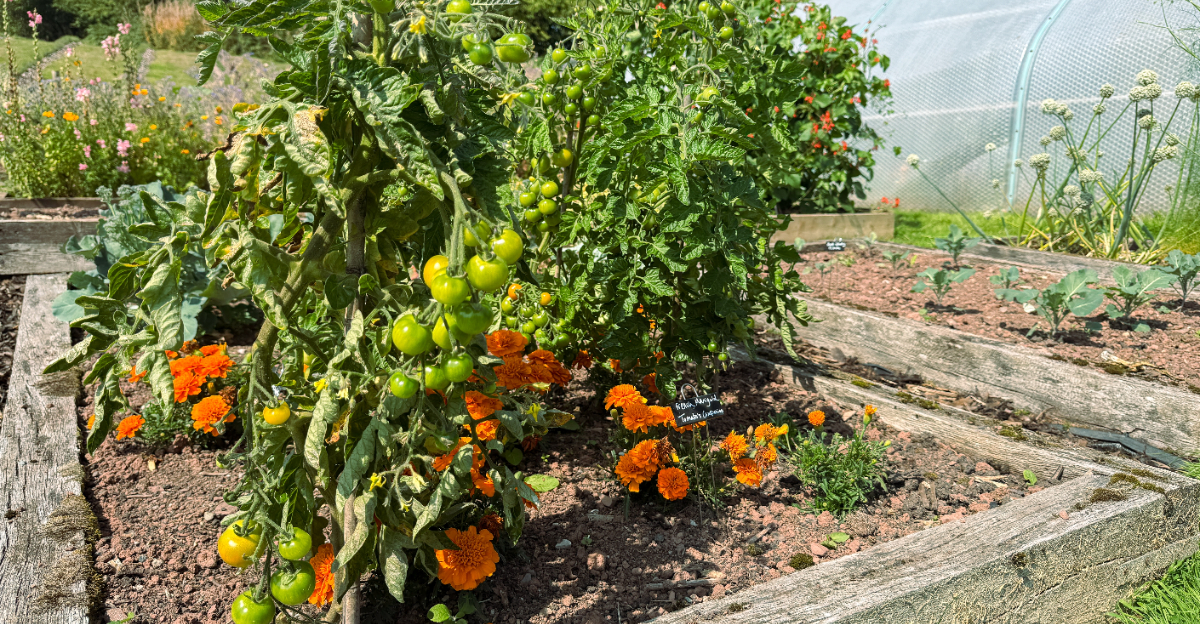
Something bright is taking over garden beds this summer. Marigolds have moved past the border-flower phase and become the plant everyone wants near their tomatoes, porches, and fence lines.
Their orange and gold blooms look cheerful enough on their own, but that’s only part of the story. These flowers pull double duty in ways most gardeners never expect, working quietly below the surface while putting on a show above it.
Maryland summers bring their own set of headaches: sticky humidity, unpredictable storms, and pests that show up right when your garden hits its stride. Marigolds shrug off most of it without missing a bloom.
So what makes this humble flower such a standout performer? Keep reading, because once you see the full list of benefits, you’ll be finding room for marigolds in every corner of your yard.
Marigolds Repel Common Garden Pests Naturally
Forget the chemical sprays and sticky traps. Marigolds have been quietly doing pest control for centuries, and gardeners are finally paying attention again.
The secret is in their roots and leaves. Marigolds release a compound called alpha-terthienyl, which repels nematodes living in the soil.
Nematodes are tiny worms that attack plant roots and cause serious damage. Planting marigolds nearby creates a natural barrier that keeps those pests away.
French marigolds, in particular, are a popular pick among gardeners looking for a natural pest deterrent. Gardeners in Maryland have been using them near squash and peppers with impressive results.
You do not need a huge number of plants to see a difference. Even a single row of marigolds along the edge of a bed can shift the balance in your favor.
Some gardeners plant marigolds as a sacrificial buffer, hoping to keep aphids focused on them instead of nearby crops. It sounds counterintuitive, but it works remarkably well in practice.
Beyond bugs, marigolds also deter rabbits and deer to some degree. The pungent smell is not exactly welcoming to furry visitors who would rather munch on your lettuce.
Choosing pest control that smells like sunshine and looks gorgeous in your garden is hard to beat. It is one of the simplest upgrades you can make to a summer garden.
Their Bright Blooms Thrive In Maryland Heat
Maryland summers are not for the faint of heart. Humidity climbs, temperatures soar, and plenty of flowers simply give up by mid-July.
Marigolds, though, seem to love every sweaty, blazing minute of it. They are native to warm regions of Mexico and Central America, so heat is basically their home turf.
While other flowers wilt and fade, marigolds keep pushing out fresh blooms all season long. That kind of reliability is genuinely rare in a summer garden.
They prefer full sun, which means at least six hours of direct light each day. Maryland gardens, especially in open yards, offer exactly that kind of exposure.
Even during dry spells, marigolds hold their own surprisingly well. Their drought tolerance means you are not running outside with a watering can every single morning.
Your Maryland Garden Changes Every Week. Your Plan Should Too.
Gardening in Maryland changes quickly throughout the season. Every Friday you’ll receive a simple weekly plan showing exactly what to plant, prune, fertilize, harvest, and protect so you never miss the right timing.
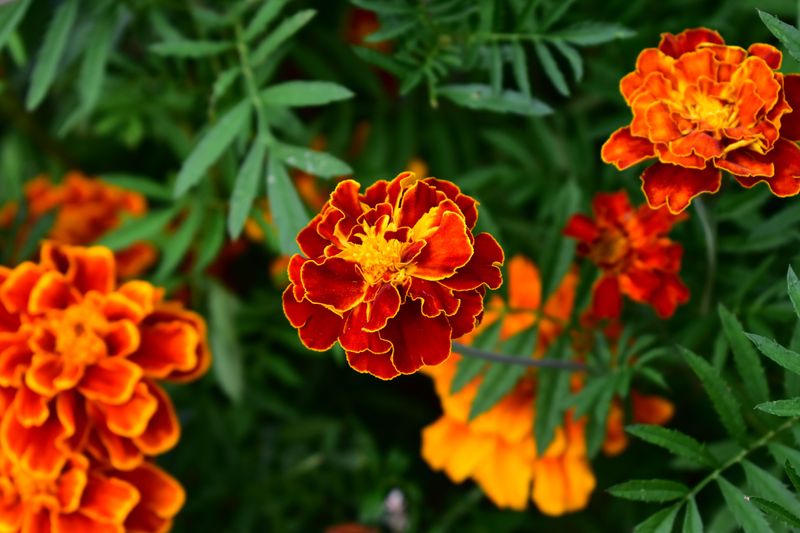
The blooms themselves come in warm shades of gold, orange, rust, and cream. Those colors pop against green foliage and create a visual punch that lasts from June through frost.
Gardeners looking to fill summer color gaps often turn to marigolds for a quick, reliable fix. Plant them once and watch them perform without much fuss or babysitting.
When the heat index hits triple digits, marigolds just keep blooming like champions. That kind of toughness earns serious respect in any Maryland garden.
They Attract Pollinators Throughout The Season
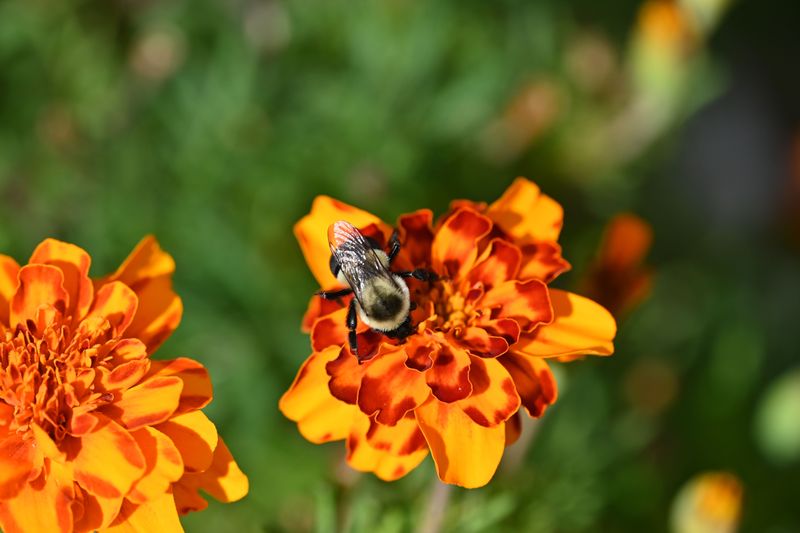
A garden without pollinators is just a collection of plants waiting to struggle. Bees, butterflies, and hoverflies are the real workforce behind a productive growing season.
Marigolds are like a neon welcome sign for those beneficial visitors. The open, flat flower heads make it easy for pollinators to land and feed without any acrobatics.
Honeybees are especially drawn to single-flowered marigold varieties. Those simpler blooms give bees quicker access to nectar and pollen than the dense, pom-pom types.
Butterflies visit marigolds too, drawn especially to the open, single-flowered types that offer easier access to nectar. Watching a swallowtail drift from bloom to bloom is one of those simple pleasures every summer garden should have.
When pollinators visit your marigolds, they do not stop there. They move on to your tomatoes, cucumbers, and squash, helping those plants produce better harvests.
Hoverflies, which look like tiny bees but are actually flies, also flock to marigolds. Their larvae eat aphids, so attracting them does double duty for your garden.
Planting marigolds near flowering vegetables can draw in more pollinators, which may support better fruit set over the season. More visits from bees and other pollinators generally means a stronger harvest by the end of summer.
The blooming season stretches from late spring through the first frost in Maryland. That long window means pollinators have a reliable food source for months at a stretch.
Supporting pollinators is one of the most impactful things a home gardener can do. Marigolds make that contribution colorful, easy, and deeply satisfying.
Marigolds Pair Well With Vegetable Beds
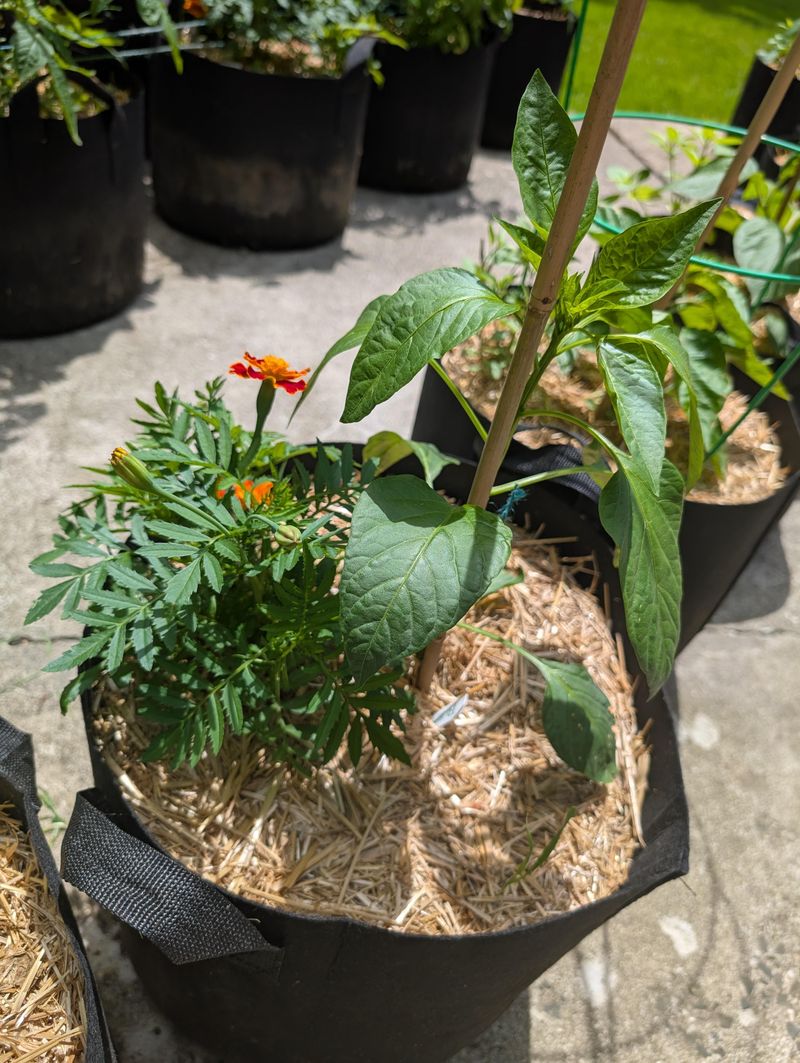
Companion planting is one of the oldest gardening tricks in the book. Pairing the right plants together creates a system where everyone benefits from the arrangement.
Marigolds are one of the most versatile companions a vegetable gardener can choose. They fit naturally alongside tomatoes, beans, squash, peppers, and even leafy greens.
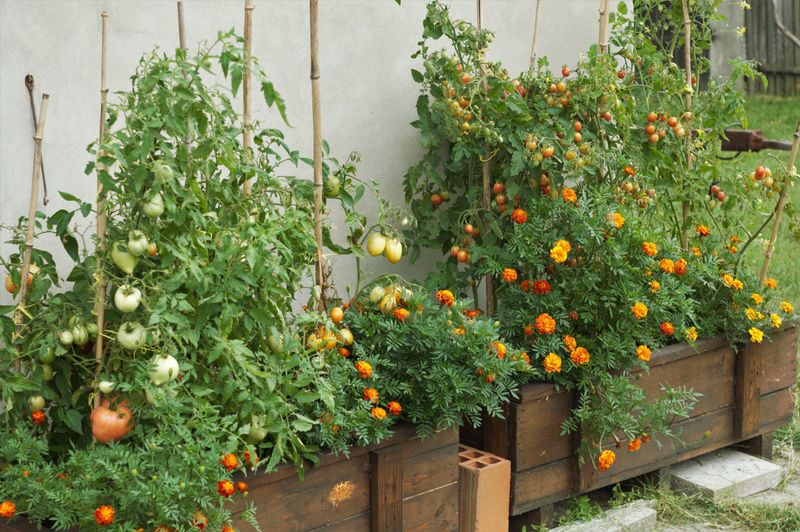
Tomatoes and marigolds are a classic pairing that generations of gardeners have trusted. Some gardeners believe marigolds help mask the scent of nearby tomato plants, making them a little harder for pests to find.
Squash bugs are a real headache for Maryland gardeners every summer. Some gardeners plant French marigolds nearby in hopes of easing squash bug pressure, though results tend to vary.
Bush beans paired with marigolds tend to have fewer aphid problems throughout the growing season. The combination creates a layered defense that works without any synthetic chemicals involved.
Even in raised beds with limited space, marigolds earn their spot easily. A border of compact marigolds around the edge of a bed adds both beauty and protection.
Their root systems also improve soil health over time. After the season ends, tilling marigold plants into the soil adds organic matter and continues pest suppression underground.
Gardeners who grow marigolds alongside their vegetables often notice fuller, healthier beds by the end of the season. It’s a small addition that can make a real difference over time.
Pairing marigolds with your vegetables is not just smart gardening. It is one of those decisions that makes the whole garden work better together as a team.
Low Maintenance Care Suits Busy Gardeners
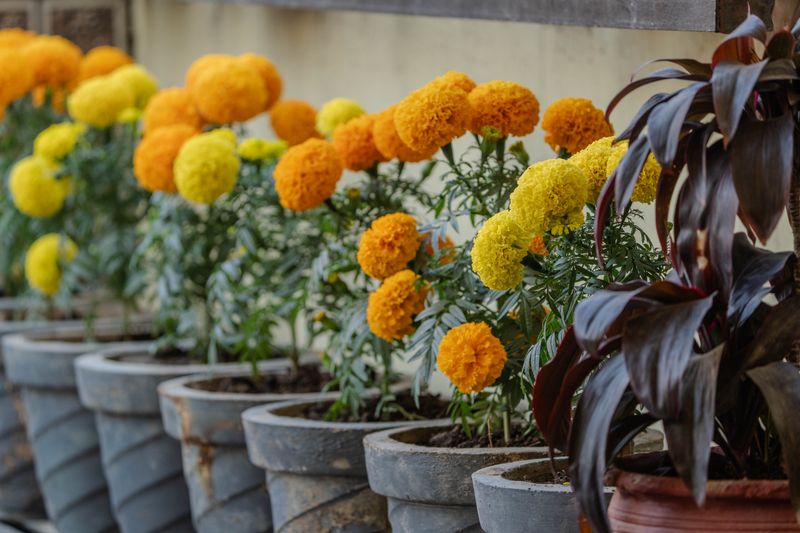
Not everyone has hours to spend weeding, pruning, and fussing over their plants. Most people want a beautiful garden without turning it into a second job.
Marigolds were practically designed for that kind of gardener. Once they are established, they ask for very little and give back an enormous amount in return.
Watering needs are minimal once the roots settle in. A deep watering once or twice a week is usually enough, even during the warmer stretches of a Maryland summer.
Removing spent blooms encourages the plant to keep producing fresh flowers. It only takes a few minutes per plant and makes a noticeable difference in bloom quantity over time.
Fertilizing is rarely necessary if you start with decent soil. Marigolds actually perform better in lean soil than in overly rich, nitrogen-heavy conditions that push leaves over blooms.
Marigolds generally hold up well on their own, which means less monitoring and fewer interventions throughout the season. You can plant them and mostly let them do their thing.
They grow well in containers, raised beds, or directly in the ground. That flexibility makes them easy to fit into whatever garden setup you already have going.
Starting from seed is inexpensive and surprisingly fast, with most varieties sprouting within a week. Transplants from a garden center work just as well if you prefer a head start.
Gardening should feel rewarding, not exhausting. Marigolds make it easy to have something gorgeous growing without sacrificing your entire weekend to make it happen.
Where And What To Plant Them Beside
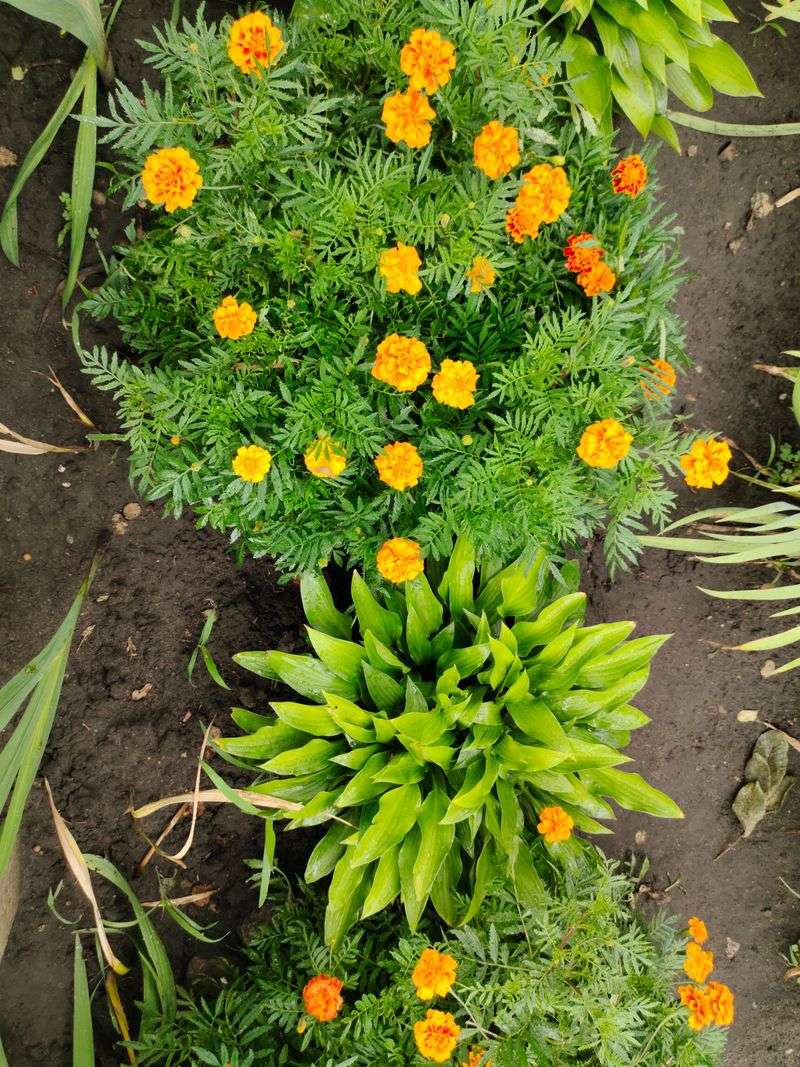
Placement matters more than most gardeners realize at first. Putting the right plant in the right spot can mean the difference between a struggling garden and a thriving one.
Along sunny borders and fence lines, marigolds create a bold, colorful edge that looks intentional and polished. They frame a yard beautifully without requiring a landscape designer.
Near the vegetable patch, position them at entry points and along the perimeter. This can make the surrounding area a little less inviting to some unwanted insects.
Lavender and marigolds planted together bring two strong, layered scents into one bed, which many gardeners find helps keep pests at bay.
Basil is another excellent neighbor for marigolds in a garden bed. The two plants share similar growing needs and together form a sensory wall that pests find deeply unappealing.
Bush beans tend to be a better match than pole beans when pairing with marigolds in tight spaces. The compact growth habit works well alongside marigold borders without competing for space.
In containers on a deck or balcony, marigolds pair well with trailing petunias and upright grasses. The combination gives height, texture, and color without overcrowding a single pot.
Near doorways and pathways, marigolds add color and a pleasant border, doing double duty as decoration for your outdoor space. They bring a cheerful pop of color right where you welcome guests.
Choosing where to plant your marigolds is the final step in making them work for you. Get the placement right, and these golden blooms will pull their weight all season long.