Start These California Fall Vegetables In July And Harvest Before The First Cold Snap
July may feel like peak summer chaos, but smart California gardeners know fall harvests start now.
While everyone else is busy sweating over tomatoes, this is the moment to think one season ahead.
The window can sneak by fast, especially in areas where fall arrives gently at first, then suddenly gets serious.
Starting the right vegetables now gives them time to grow before chilly nights slow everything down.
The trick is choosing crops that can handle the timing without making you babysit them through every heat spike.
A little planning now can mean fresh harvests later, right when the summer garden starts looking tired.
Fall vegetables do not wait for perfect weather or perfect motivation. They reward gardeners who move before the season slips away.
1. Broccoli Starts Now For Fall Heads
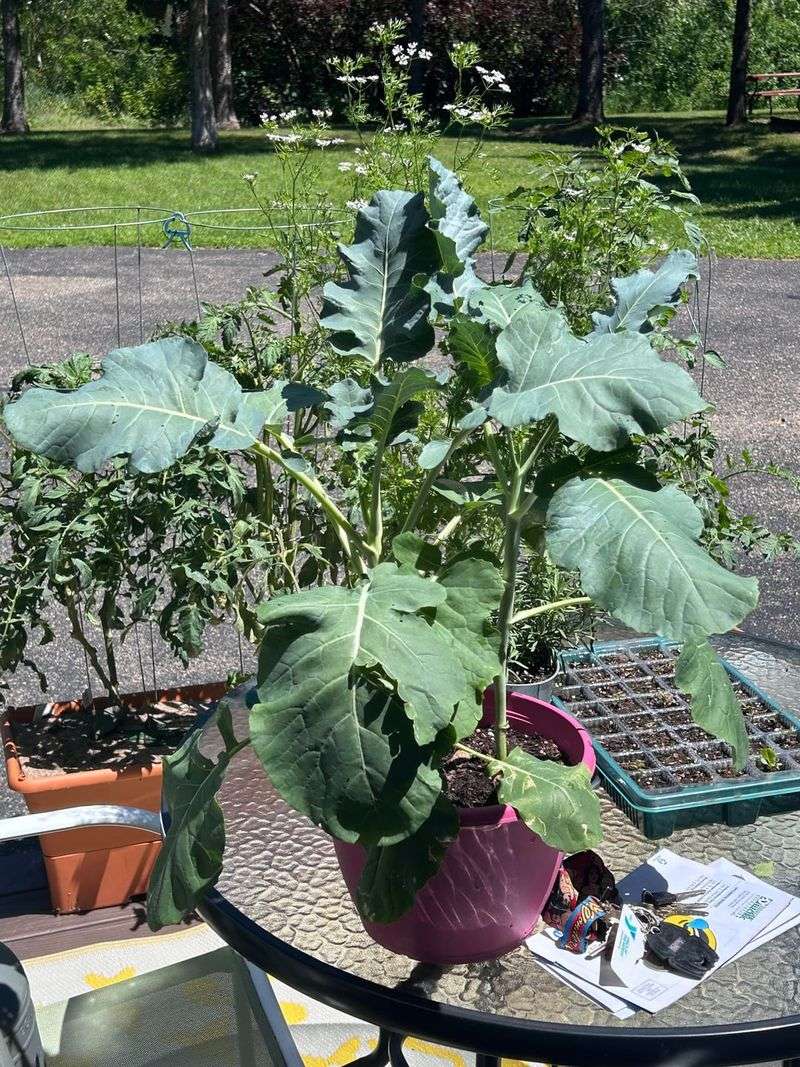
Few vegetables reward patient gardeners quite like broccoli. Starting seeds indoors in July gives the plant enough time to develop a solid root system before cooler nights arrive.
In California, that window between late summer heat and early fall cool is just right for broccoli to form its signature tight green heads.
Sow seeds about a quarter inch deep in small containers or seed trays. Keep the soil moist but not soggy.
Seedlings usually pop up within five to seven days. After about three to four weeks, transplant them into your garden bed where they will get at least six hours of sun each day.
Space plants about 18 inches apart so each one has room to spread out. Broccoli is a heavy feeder, so mix compost into the soil before planting.
Side-dress with a balanced fertilizer about three weeks after transplanting to keep growth moving along.
Watch for cabbage worms, which are small green caterpillars that blend right into the leaves. Pick them off by hand or use an organic spray like Bt to manage them safely.
Water consistently and mulch around the base to hold in moisture.
Harvest when heads are firm and tight, before the small buds begin to open into yellow flowers. Cut the main head and leave the plant in place.
Side shoots will keep forming, giving you weeks of additional harvests well into fall.
2. Kale Gets Better As Nights Cool
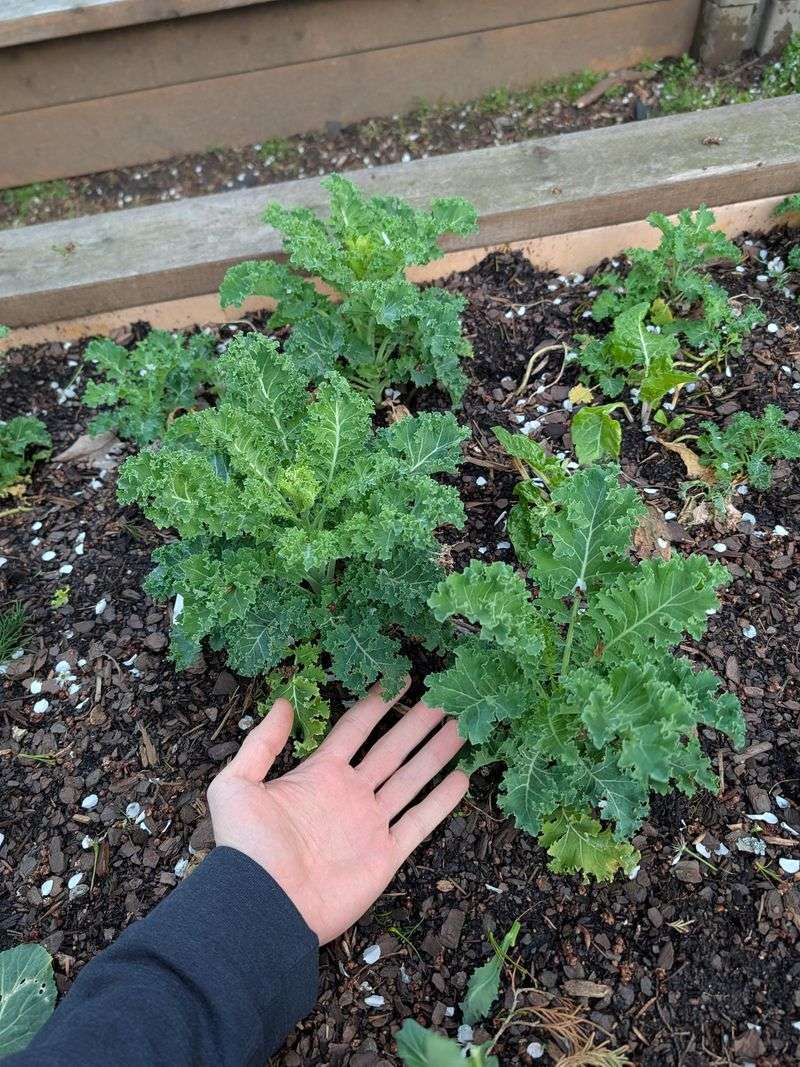
Here is something many gardeners do not know: kale actually tastes sweeter after a frost. The cold converts some of the plant’s starches into sugars, which gives the leaves a mellow, almost nutty flavor.
Starting kale in July sets you up to enjoy that flavor boost right when fall arrives.
Direct sow seeds into the garden in July, or start them in trays for transplanting. Kale germinates fast, usually within five days in warm soil.
Thin seedlings to about 12 to 18 inches apart once they are a few inches tall. Crowded plants compete for nutrients and do not produce as well.
Kale is not picky about soil, but it grows best in ground that has been amended with compost. Full sun is ideal, though it tolerates partial shade in the hottest inland areas.
Your California Garden Changes Every Week. Your Plan Should Too.
Gardening in California changes quickly throughout the season. Every Friday you’ll receive a simple weekly plan showing exactly what to plant, prune, fertilize, harvest, and protect so you never miss the right timing.
Water regularly and apply a balanced fertilizer every three to four weeks to keep leaves growing strong and dark green.
Lacinato kale, also called dinosaur kale, is a popular choice for California’s fall gardens. Red Russian kale is another great option with beautiful frilly leaves.
Both hold up well in cooler temps and keep producing long after other vegetables slow down.
Harvest outer leaves first, starting from the bottom of the plant. This approach lets the plant keep growing from the center.
A single plant can keep producing fresh leaves for months, making kale one of the best values in the fall garden.
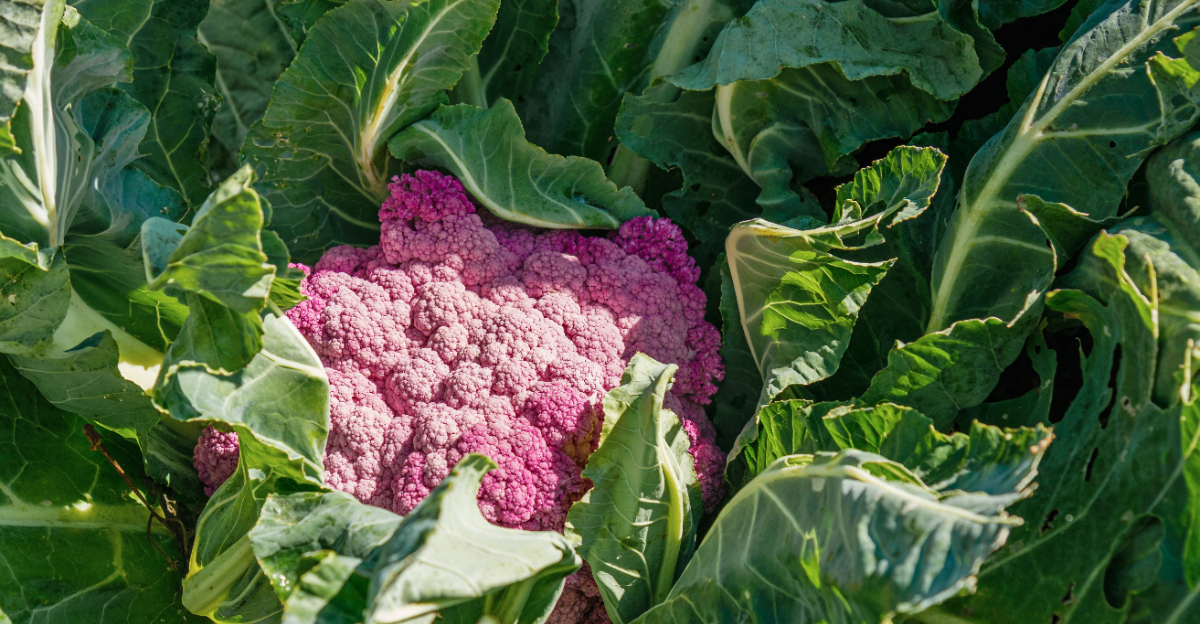
3. Cauliflower Needs A July Head Start
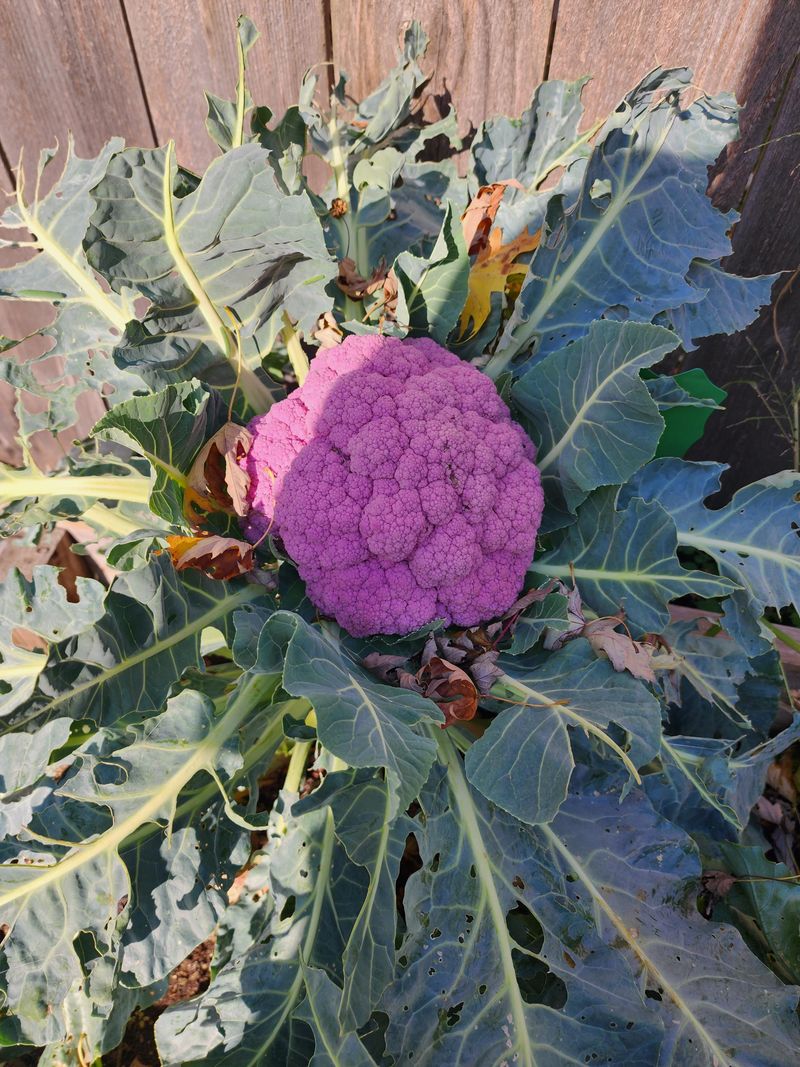
Cauliflower has a reputation for being finicky, but starting it at the right time makes all the difference.
July planting in California gives it the long growing period it needs to form a full, firm head before cold weather settles in.
Rush the timing and you end up with small, loose heads that never quite fill out.
Start seeds indoors in late June or early July. Use a good seed-starting mix and keep the trays in a warm spot with bright light.
Thin seedlings to one per cell once they sprout. After three to four weeks, harden them off by setting them outside in a shaded spot for a few days before transplanting.
Plant in full sun with well-draining, fertile soil. Space plants about 18 to 24 inches apart.
Cauliflower does not like to dry out, so water deeply and regularly. Mulching helps keep the root zone cool and moist during those still-warm August days.
Once the white head, called the curd, reaches a few inches across, fold the outer leaves over it and secure them with a rubber band. This step, called blanching, keeps the head white and tender by blocking sunlight.
Heads are ready to harvest in about 60 to 80 days from transplant. Cut them when they are firm and compact.
Northern California gardeners may find the cool fog helpful, while inland growers should watch soil moisture closely during warm spells.
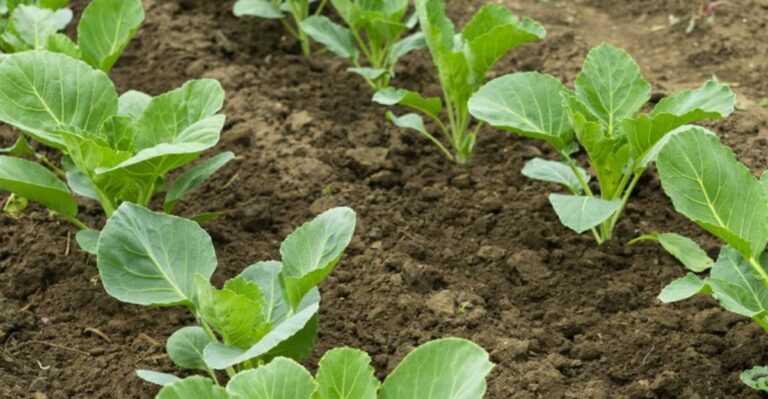
4. Cabbage Rewards An Early Start
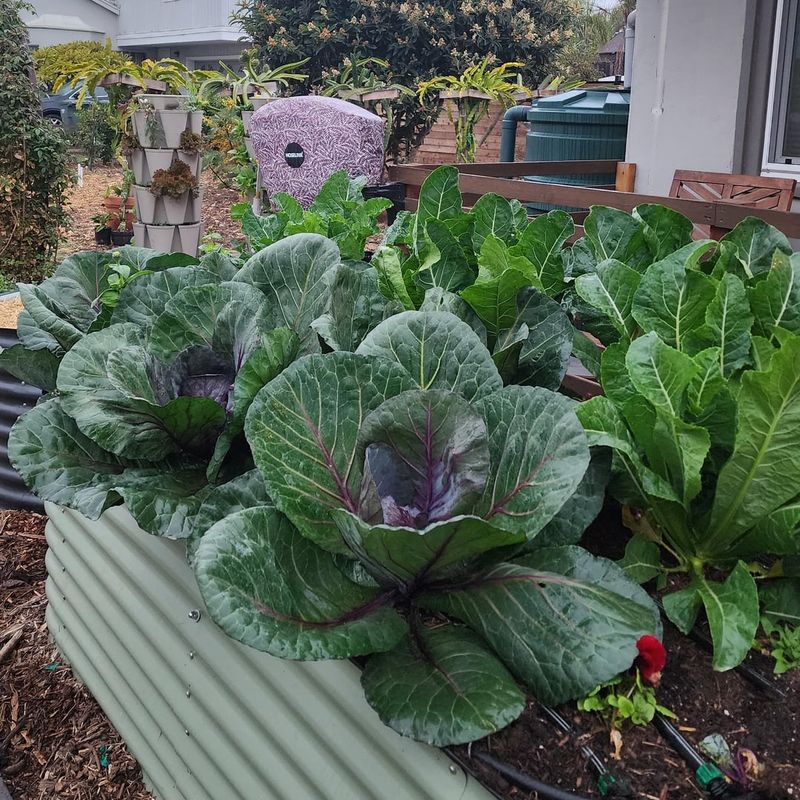
Cabbage is one of the most satisfying vegetables to grow because it looks impressive and delivers a generous harvest.
Getting seeds in the ground in July means heads will be ready to cut right around October or November, just as the weather turns crisp and cool.
Start seeds in trays or small pots indoors. Cabbage germinates quickly in warm soil, usually within four to seven days.
Once seedlings have two to three true leaves, they are ready to move into the garden. Harden them off first by placing them outside in a partially shaded spot for several days.
Choose a sunny bed with rich, well-drained soil. Add compost before planting to give the roots a nutrient boost right from the start.
Space plants about 12 to 18 inches apart depending on the variety. Compact types like Savoy or green cabbage work well in smaller beds.
Consistent watering is key. Uneven moisture causes heads to crack, which reduces your harvest.
Water at the base of the plant and avoid wetting the leaves to lower the risk of fungal issues.
Cabbage loopers and aphids are common pests in this region. A light spray of neem oil or insecticidal soap handles most infestations without harsh chemicals.
Heads are ready when they feel firm when you squeeze them gently. Cut at the base and store in a cool spot where they will keep for several weeks.
5. Swiss Chard Bridges Summer And Fall
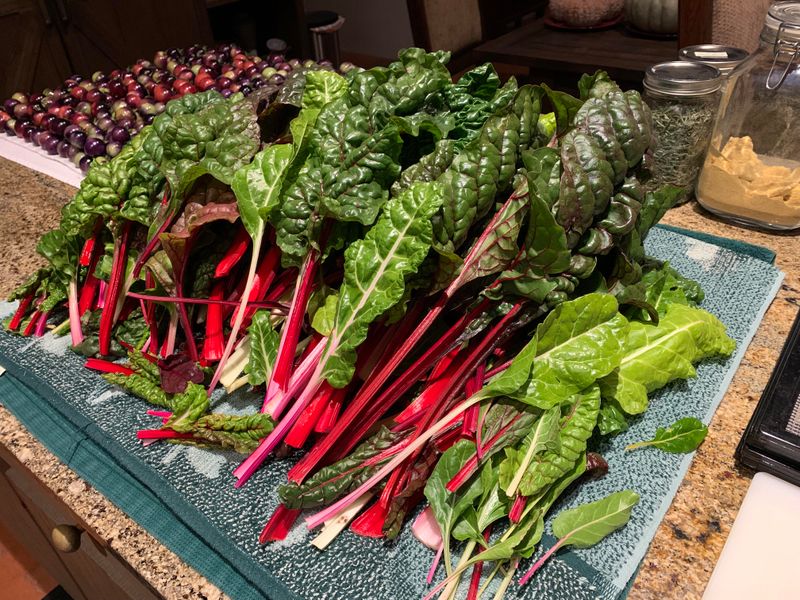
Swiss chard is the ultimate bridge crop. It handles summer heat without wilting and keeps on producing as temperatures drop into fall.
Starting it in July means you will have a steady supply of colorful, nutritious leaves from August all the way through November or even December in warmer parts of California.
Sow seeds directly into the garden about half an inch deep. Each chard seed is actually a cluster of seeds, so thin the seedlings to about 6 to 9 inches apart once they sprout.
This gives each plant enough space to develop big, bold leaves without crowding.
Chard is not demanding. It grows well in average soil as long as it drains well and receives consistent moisture.
Full sun works best, but it tolerates a few hours of afternoon shade in hotter regions. Mulching around the base helps keep roots cool and cuts down on how often you need to water.
Rainbow chard varieties like Bright Lights bring a burst of color to the garden with stems in red, yellow, orange, and white. Beyond looking great, these varieties are just as productive as standard green chard and hold up well in variable fall weather.
Pick outer leaves when they are about 8 to 10 inches long for the best texture and flavor. Younger leaves are tender and mild, while older ones have a stronger, earthier taste.
Regular harvesting encourages the plant to keep pushing out new growth all season long.
6. Collards Keep Producing In Cool Weather
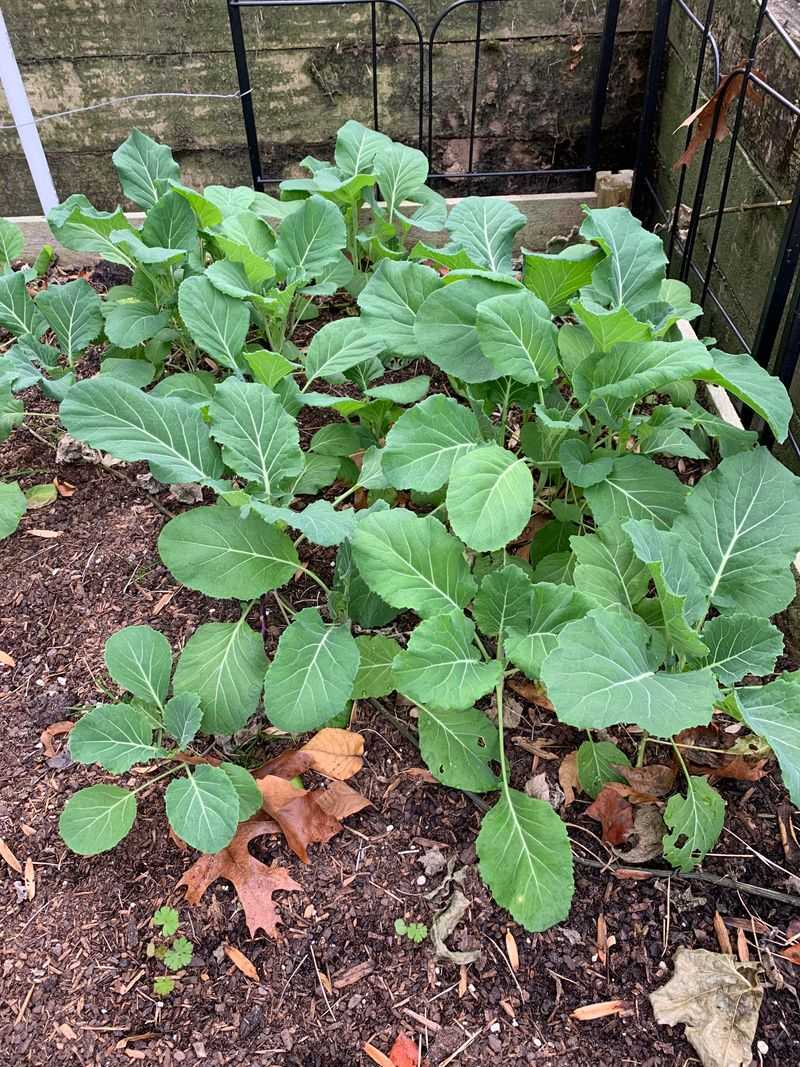
Collard greens have a long history in American kitchens, and for good reason. They are tough, productive, and absolutely love the kind of mild cool weather that California gets in fall and early winter.
Starting them in July gives the plants time to size up before the best growing conditions arrive.
Direct sow seeds in the garden or start them in small pots indoors. Collards germinate in about five to ten days.
Thin or transplant seedlings to stand about 18 inches apart. These are big plants that need space to grow their broad, paddle-shaped leaves.
They are not fussy about soil but do best with plenty of organic matter mixed in. Feed with a nitrogen-rich fertilizer every few weeks to encourage leafy growth.
Consistent watering keeps the leaves from turning tough and bitter. Deep watering once or twice a week works better than light daily sprinkles.
Collards are more cold-tolerant than most vegetables on this list. In Southern California and other warm zones, they may keep going all the way through winter.
In cooler northern regions, they hold up well into late fall and often bounce back after a light freeze.
Harvest by picking individual leaves from the bottom of the plant upward. Younger leaves near the top are more tender and mild.
Older bottom leaves have a stronger flavor that works well in long-cooked dishes like soups and stews. Either way, fresh collards from your own garden are hard to beat.
7. Beets Give Roots And Greens
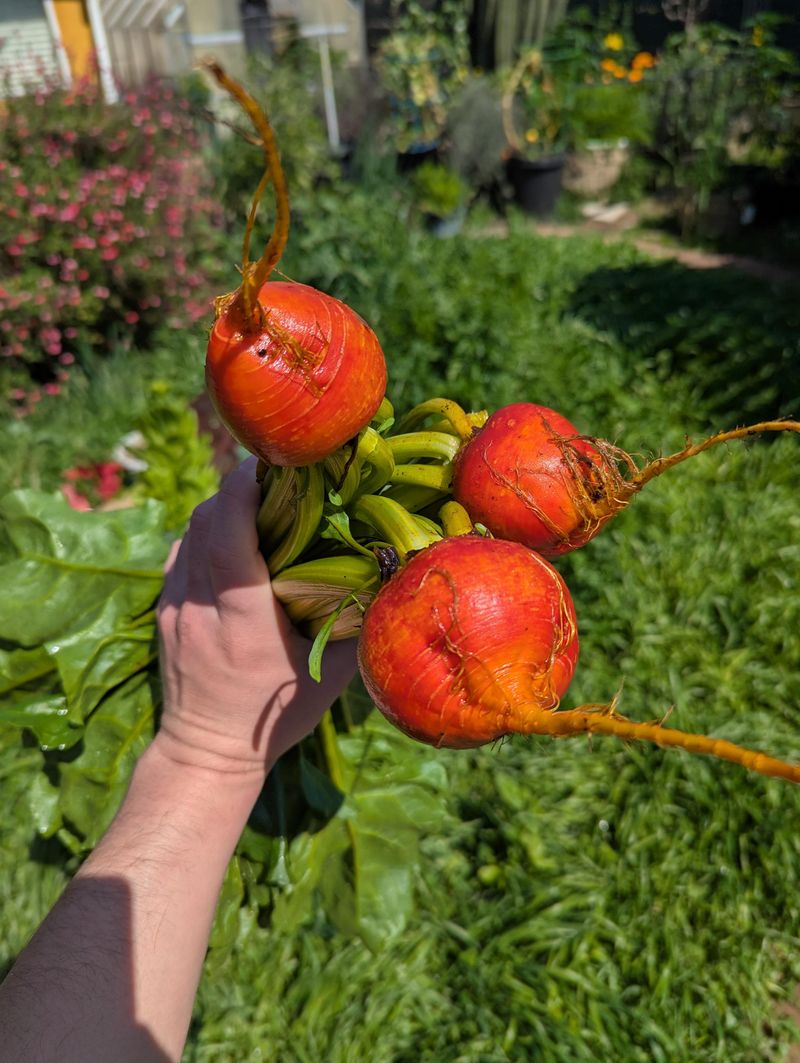
They are a two-for-one crop. You get the sweet, earthy roots that roast beautifully, and you also get the leafy green tops that work just like spinach in salads and sautes.
Starting them in July means both parts will be ready to harvest right when fall arrives and your appetite for warm, roasted vegetables kicks in.
Sow beet seeds directly into the garden since they do not transplant well. Plant them about half an inch deep and one inch apart in rows.
Each beet seed is actually a cluster of two or three seeds, so thin seedlings to about three inches apart once they sprout. Crowded beets produce small, misshapen roots.
Beets need loose, deep soil with no rocks or hard clumps to push through. Raised beds work especially well.
Work in compost before planting and make sure the soil drains well. Sandy loam is ideal. Heavy clay soil makes it hard for roots to expand properly.
Water evenly throughout the growing season. Dry spells followed by heavy watering cause the roots to crack.
A light layer of mulch helps maintain steady soil moisture between waterings.
Most beet varieties mature in 55 to 70 days. Check root size by gently brushing away a little soil near the base.
Roots are best harvested when they are about the size of a golf ball to a tennis ball. Chioggia and Detroit Dark Red are both excellent varieties for fall planting in California.
8. Carrots Need Moist Soil To Sprout
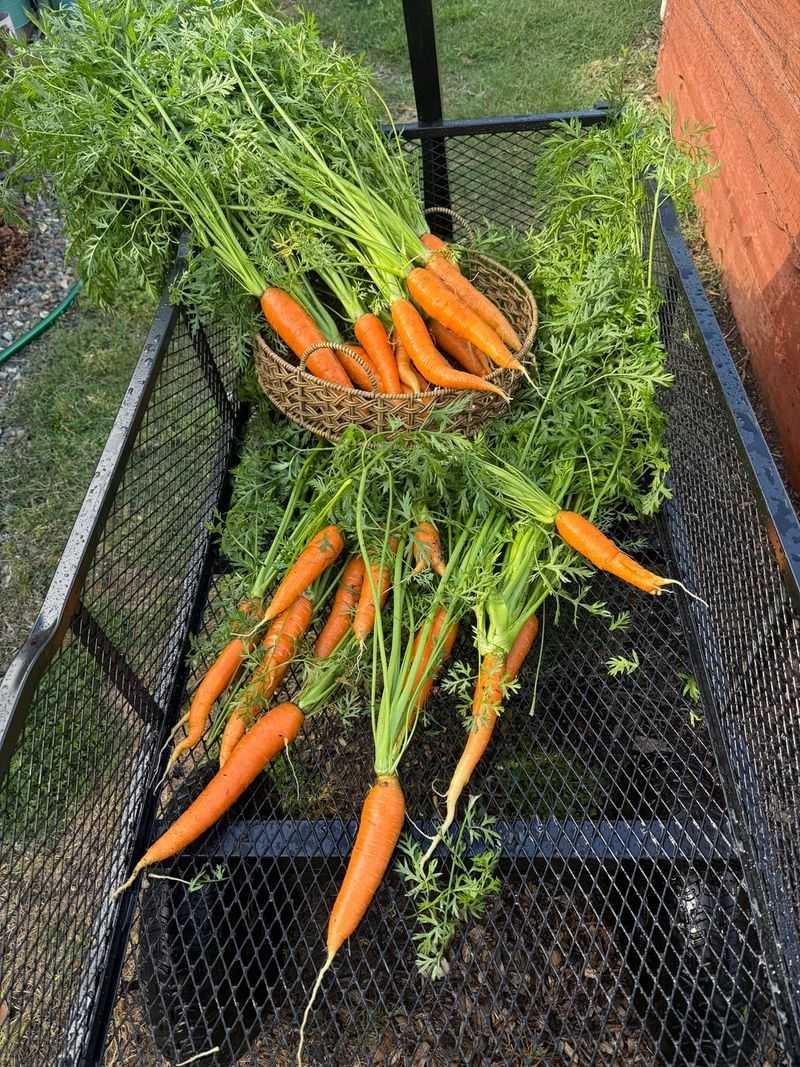
Carrots are worth the extra effort they take to germinate. Once they get going, they are low-maintenance and produce a deeply satisfying harvest of sweet, crunchy roots that store well.
The trick is getting them started right, and July is a smart time to sow in California for a fall crop.
Carrot seeds are tiny and slow to germinate, often taking 10 to 21 days. The biggest challenge is keeping the soil consistently moist during that whole window.
If the surface dries out even once, germination can fail. Lay a light piece of burlap or cardboard over the seeded area and water through it daily to hold moisture without washing seeds away.
Sow seeds directly into loose, deep, rock-free soil. Raised beds or deep containers work great.
Avoid heavy clay, which causes forked or stunted roots. Thin seedlings to about two inches apart once they reach two inches tall.
Crowded carrots produce thin, twisted roots that are hard to harvest.
Nantes and Danvers varieties do well in California’s fall gardens. Both are sweet, smooth, and mature in about 70 days.
Shorter varieties like Chantenay also work well in heavier soils where longer roots struggle.
Carrots actually get sweeter after cool nights begin. The cold triggers the plant to convert starch into sugar, which improves flavor.
Wait until roots are at least half an inch across before pulling. Loosen the soil with a fork before harvesting to avoid snapping the roots off at the top.
9. Turnips Grow Fast For Fall Harvests
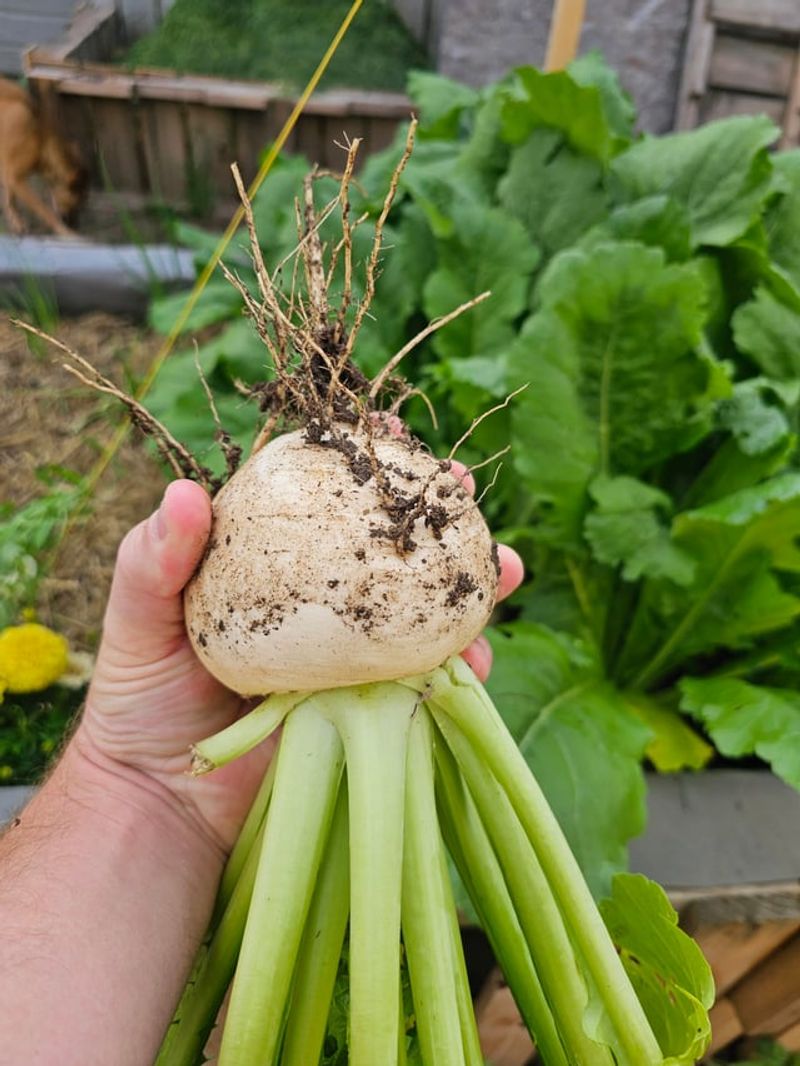
They might be the most underrated vegetable on this whole list. They grow fast, taste great roasted or mashed, and the greens are just as useful as the roots.
Starting them in July gives you a quick-turnaround crop that can be ready to harvest in as little as 45 to 60 days.
Direct sow seeds about a quarter inch deep in the garden. Turnips do not like to be transplanted, so sow where they will stay.
Thin seedlings to about four to six inches apart once they are two inches tall. Proper spacing is important because crowded turnips produce small, woody roots instead of the smooth, round ones you want.
Full sun and well-drained soil give the best results. Turnips are not heavy feeders, but they do benefit from a light application of balanced fertilizer at planting time.
Water consistently and evenly. Like beets, uneven watering causes roots to crack or turn tough.
Purple Top White Globe is the classic variety most gardeners in this region know. Hakurei is a Japanese variety with a mild, almost sweet flavor that is excellent eaten raw.
Both mature quickly and hold up well in fall conditions across most of California.
Harvest roots when they are two to three inches across for the best texture and taste. Smaller roots are tender and mild.
Larger ones can become pithy and strong-flavored. Pull the greens young and use them in stir-fries, soups, or sauteed with a little garlic for a simple and delicious side dish.