Skip Creeping Jenny In North Carolina Water Features And Plant This Native Trailer Instead
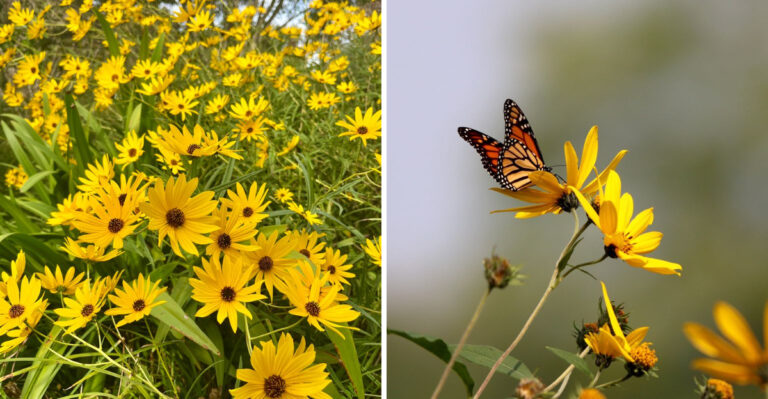
Golden ragwort offers North Carolina gardeners a native alternative to creeping jenny that performs beautifully around water features without the invasive spread concerns.
Creeping jenny can escape cultivation easily, especially near ponds or streams where its trailing stems root wherever they touch water or soil.
Golden ragwort provides similar trailing coverage while staying more contained and manageable over time.
Its cheerful yellow blooms in spring add seasonal color that creeping jenny’s foliage alone cannot match.
This native plant thrives in consistently moist conditions, making it a natural fit for pond edges or low lying wet areas.
Once established, golden ragwort requires little maintenance, spreading just enough to fill space without becoming a nuisance.
It also supports local pollinators, adding ecological value that creeping jenny simply doesn’t provide. Choosing this native trailer gives water features attractive coverage without the long term spreading headaches.
1. Lemon Bacopa Is The Native Trailer To Know
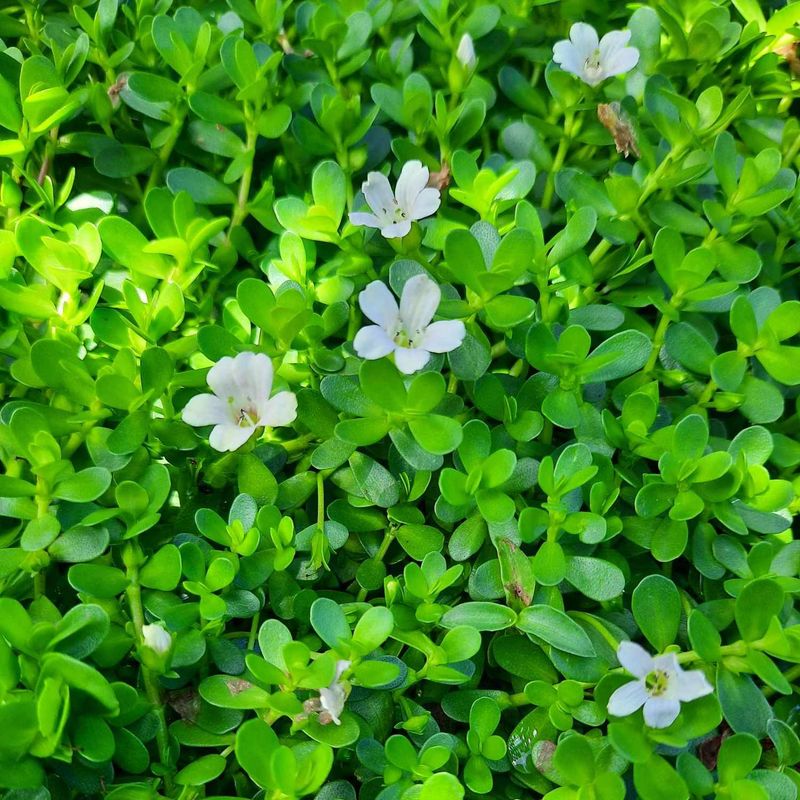
Picture a low, spreading plant that hugs the edge of your pond like it was born there, because in coastal North Carolina, it practically was.
Lemon Bacopa, known botanically as Bacopa caroliniana, is a perennial native trailer that grows naturally in the coastal regions of the state.
Its stems spread horizontally across moist ground, creating a soft green mat that sits roughly four inches to one foot tall and can stretch up to about forty inches wide.
That trailing growth habit makes it a natural fit for softening the hard edges around water features.
Pond margins, bog gardens, wet rocks, and the rims of water garden containers all benefit from the way Lemon Bacopa drapes and spreads without looking forced or out of place.
It fills gaps gracefully, giving your water garden that relaxed, naturalistic look that is so hard to fake with non-native plants.
Gardeners sometimes overlook native trailers because they assume flashier imported varieties offer more visual interest. Lemon Bacopa quietly proves that assumption wrong every single season.
It is worth being clear that this plant is primarily native to Coastal North Carolina rather than the entire state, so knowing your region matters when you choose it.
Still, for water gardeners in its native range, few plants offer this combination of natural beauty, ecological fit, and low-maintenance trailing growth right at the water’s edge.
2. Creeping Jenny Is Not Native To North Carolina
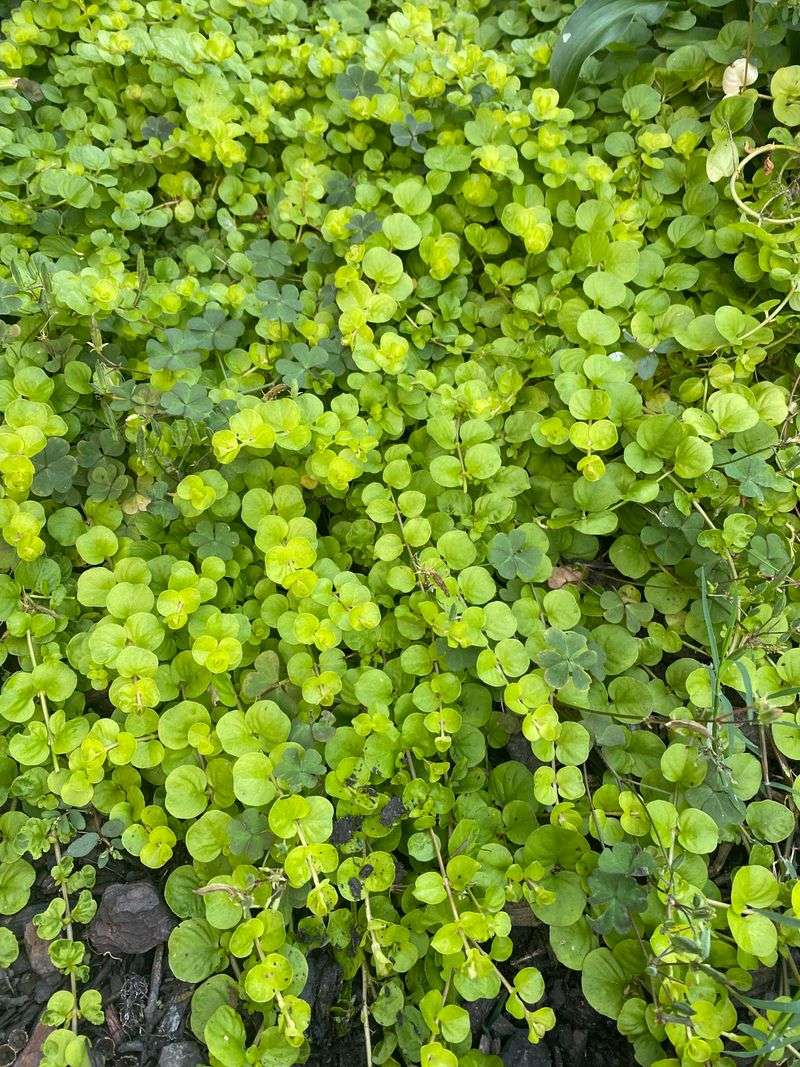
Creeping Jenny has a charming look, but its backstory tells a different tale. Lysimachia nummularia originates in Europe and temperate Asia, not the forests or wetlands of North Carolina.
It arrived in North America as an ornamental groundcover and eventually naturalized, meaning it moved beyond gardens and began growing on its own in wild spaces where it was never meant to be.
The way it spreads makes that naturalization easy to understand. Creeping Jenny roots wherever its stems touch soil, and it also spreads underground through rhizomes.
That combination gives it two separate pathways to expand its territory without much help from the gardener.
NC State describes its growth as rapid and warns that it can become difficult to control and can compete with native vegetation when conditions favor it. Choosing a non-native plant for a water feature is not just a matter of aesthetics.
Your North Carolina Garden Changes Every Week. Your Plan Should Too.
Gardening in North Carolina changes quickly throughout the season. Every Friday you’ll receive a simple weekly plan showing exactly what to plant, prune, fertilize, harvest, and protect so you never miss the right timing.
Water gardens connect to drainage, runoff, and nearby natural areas more directly than most garden beds do.
A plant that escapes easily near a pond can move into wetlands, stream banks, or other sensitive habitats with very little effort.
To be fair, Creeping Jenny is not officially classified as invasive everywhere across North Carolina, but its documented rapid spread and non-native origin are strong reasons to reconsider placing it right at the water’s edge.
Especially when a native alternative like Lemon Bacopa does the same visual job with far less risk.
3. Lemon Bacopa Naturally Belongs Around Water
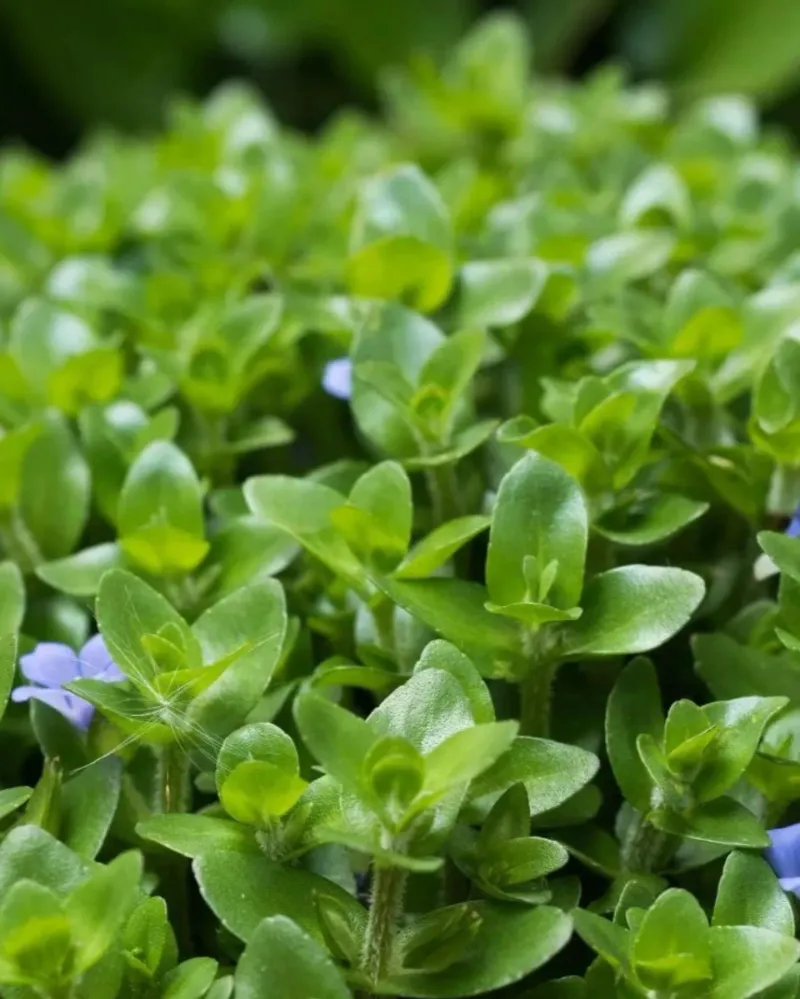
Some plants tolerate wet conditions. Lemon Bacopa actually craves them.
In the wild, this plant grows along shores, marshes, tidal mud flats, and wetlands where moisture is not just available but constant.
That natural habitat preference is exactly why it performs so reliably around water gardens, ponds, and bog areas rather than struggling the way many ornamental groundcovers do when their roots stay wet.
NC State recommends Lemon Bacopa specifically for ponds, water gardens, rain gardens, and riparian settings, which are the areas along the banks of streams and other waterways. That recommendation comes from observed performance, not guesswork.
Gardeners can place it right at the moist edge of a pond or bog and watch it settle in without the fussiness that comes with plants being asked to grow outside their comfort zone.
One of the more impressive qualities of this plant is its ability to grow fully submerged in shallow water.
Most trailing groundcovers would struggle badly in that situation, but Lemon Bacopa handles it because water is its natural environment.
That flexibility gives gardeners options for placement that simply do not exist with Creeping Jenny or other non-native trailers. Just keep in mind that this is a moisture-loving plant built for consistently wet conditions.
Placing it in a dry or occasionally watered bed because it looks succulent would be a mismatch worth avoiding for the best long-term results in your water garden.
4. Blue Flowers Add Color From Spring Through Summer
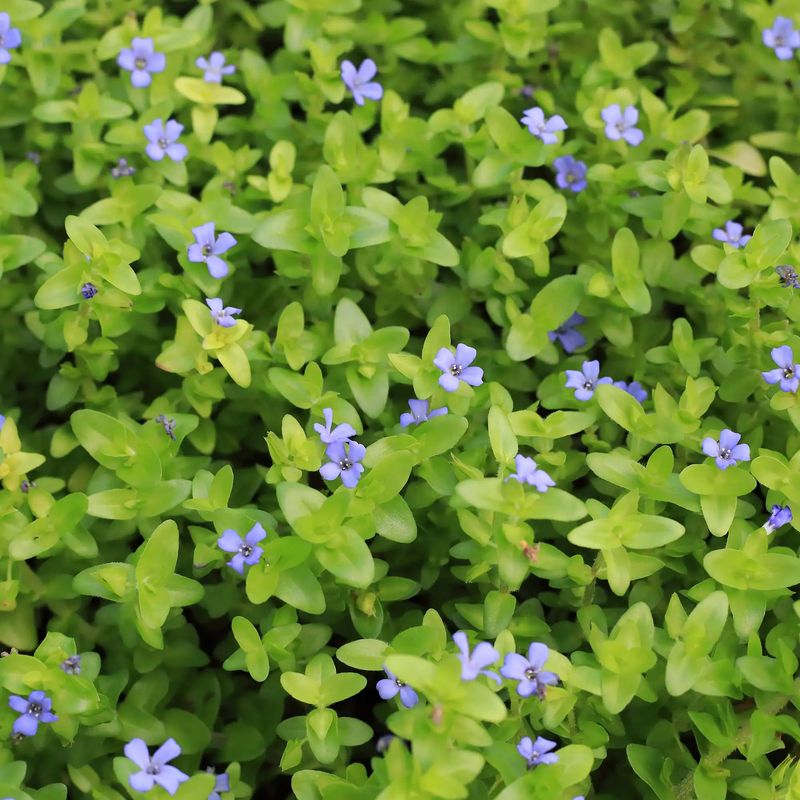
Not every water garden plant earns its place with flowers, but Lemon Bacopa certainly does.
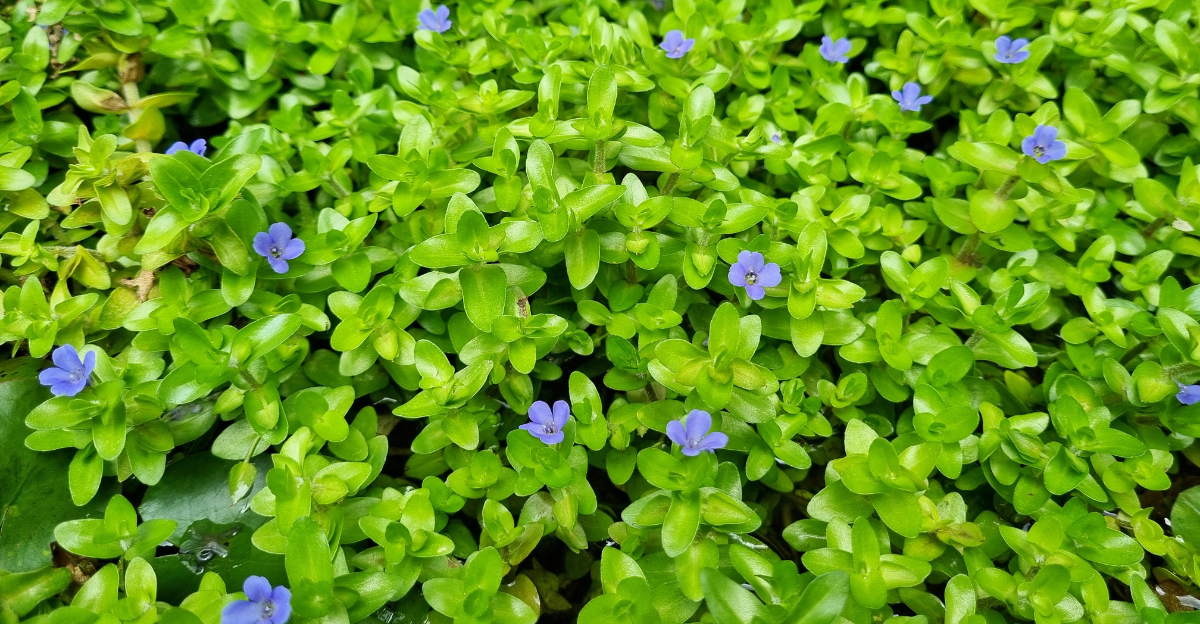
The small bright blue blooms appear from May through September according to NC State, giving you months of soft color right at the water’s edge during the peak of the growing season.
That is a long flowering window for a groundcover, and the color it delivers is genuinely lovely against the green of pond water and surrounding foliage.
Creeping Jenny produces yellow flowers and has round, coin-shaped leaves that give it a very different visual personality.
The two plants are not interchangeable in appearance, and swapping one for the other does bring a noticeable change in the color story of your water garden.
Lemon Bacopa’s blue flowers paired with its succulent green stems create a natural transition zone between open water and the surrounding garden plants, softening that boundary in a way that feels organic and intentional at the same time.
Beyond the visual appeal, those small flowers do practical work in the garden. They attract small pollinators looking for a reliable nectar source through the summer months.
Bees and other beneficial insects appreciate the consistent bloom cycle, and having pollinator activity near your water feature adds life and movement to the space in a way that purely foliage plants simply cannot match.
Blue is also a relatively rare flower color in the water garden palette, making Lemon Bacopa stand out as a genuinely distinctive and useful choice for gardeners who want beauty alongside ecological value.
5. The Foliage Has A Surprising Lemon Scent
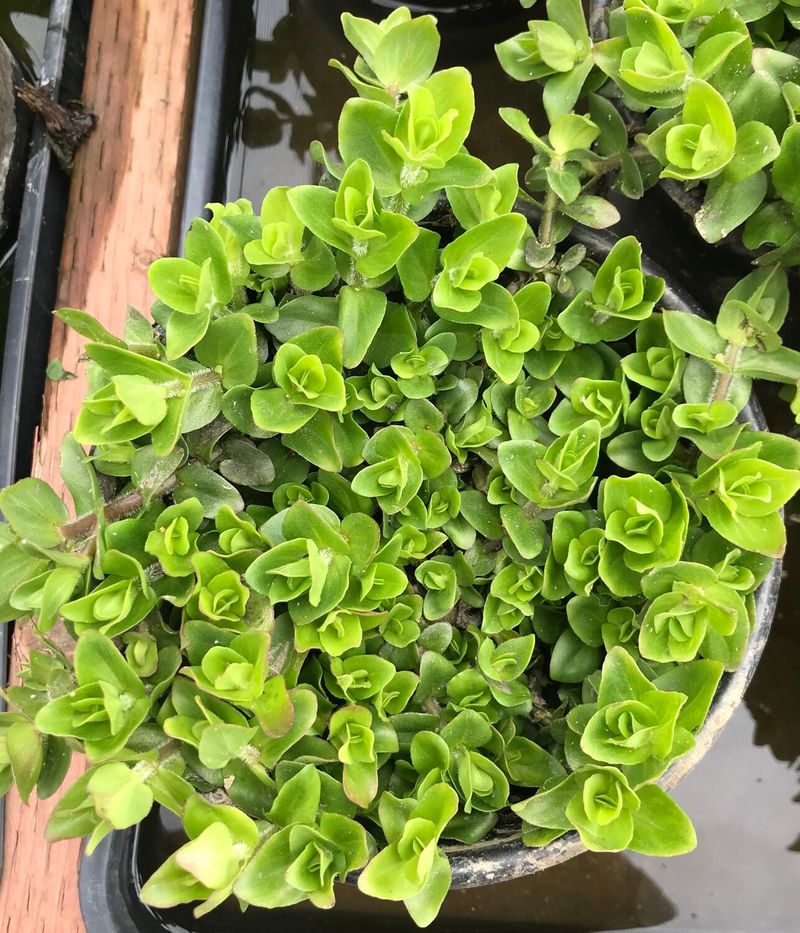
Here is something most people do not expect from a pond-edge groundcover.
Crush a leaf of Lemon Bacopa between your fingers and you get a fresh, clean lemon fragrance that has nothing to do with actual citrus.
That scent is where the common name comes from, and it turns a routine pond maintenance session into something a little more pleasant than expected.
The leaves themselves are small, thick, and succulent in texture, which gives the plant a tidy, compact appearance even as the stems trail outward.
That combination of interesting texture and unexpected fragrance makes Lemon Bacopa more than just a functional edge plant.
Gardeners who walk past the pond, reach in to adjust a planter, or simply brush against the foliage while working nearby get a small sensory reward that most ornamental groundcovers never provide.
One thing worth knowing before you shop: several different plants go by the name Bacopa, and not all of them are the same species.
Aquarium stores sell Bacopa varieties for underwater tanks, and herbal supplement products also carry the Bacopa name.
Lemon Bacopa for a North Carolina water garden is specifically Bacopa caroliniana, so confirming that botanical name before purchasing is genuinely important.
Picking up the wrong species could mean ending up with a plant that does not perform the way you expect or that does not suit your climate and growing conditions.
A quick check of the label saves a lot of frustration before the plant ever reaches your garden.
6. Moisture Is Essential For Healthy Growth
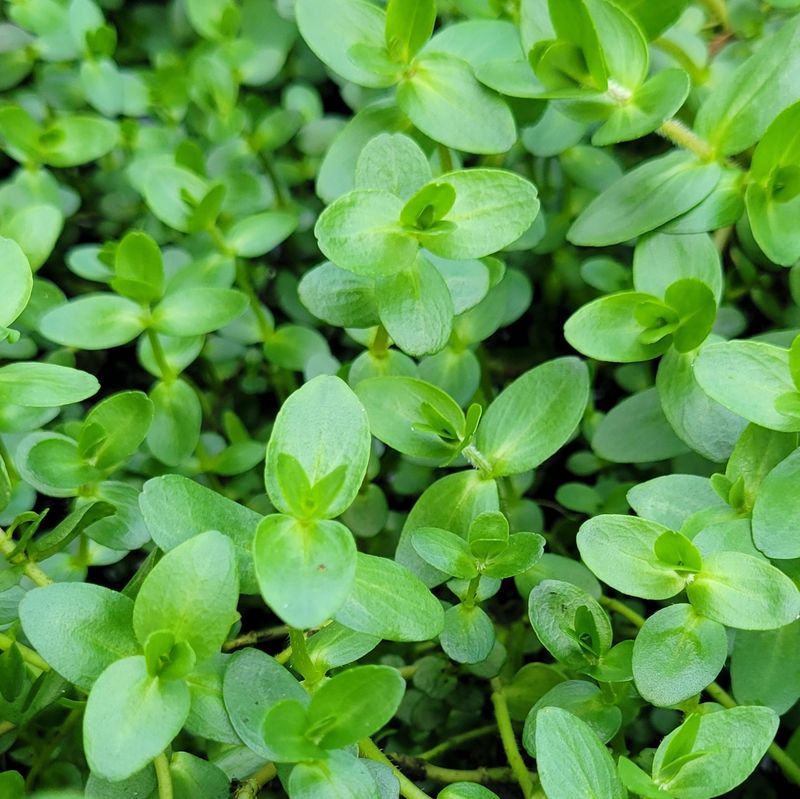
Lemon Bacopa is upfront about what it needs, and moisture tops the list. This plant tolerates wet soil and occasional flooding without complaint, but ask it to survive drought and the results will disappoint.
That honesty about its water requirements actually makes it easier to grow successfully because you know exactly where it belongs from the start: at the edge of a pond, in a bog garden, or anywhere the soil stays consistently moist through the growing season.
Sunlight is the other variable to think through carefully. Lemon Bacopa grows in full sun to partial shade, but intense sun exposure in summer can increase how quickly the soil around it dries out.
In spots with strong afternoon sun, keeping stems close to the water’s edge where moisture is more reliable gives the plant its best chance.
Partial shade can reduce moisture stress, especially during the hottest stretch of summer in North Carolina’s inland areas.
Newly planted specimens deserve extra attention until their roots establish a firm grip in the soil.
Checking moisture levels regularly during the first season is a smart habit that pays off later with a more vigorous, spreading plant.
One common mistake gardeners make is placing Lemon Bacopa in a dry rock garden or a mixed perennial bed simply because its thick, succulent-looking leaves suggest drought tolerance.
Those leaves store a small amount of moisture, but they are not a substitute for consistently wet growing conditions. Planting it in the right spot from day one makes all the difference for long-term success.
7. Creeping Stems Make Expansion Easy To Manage
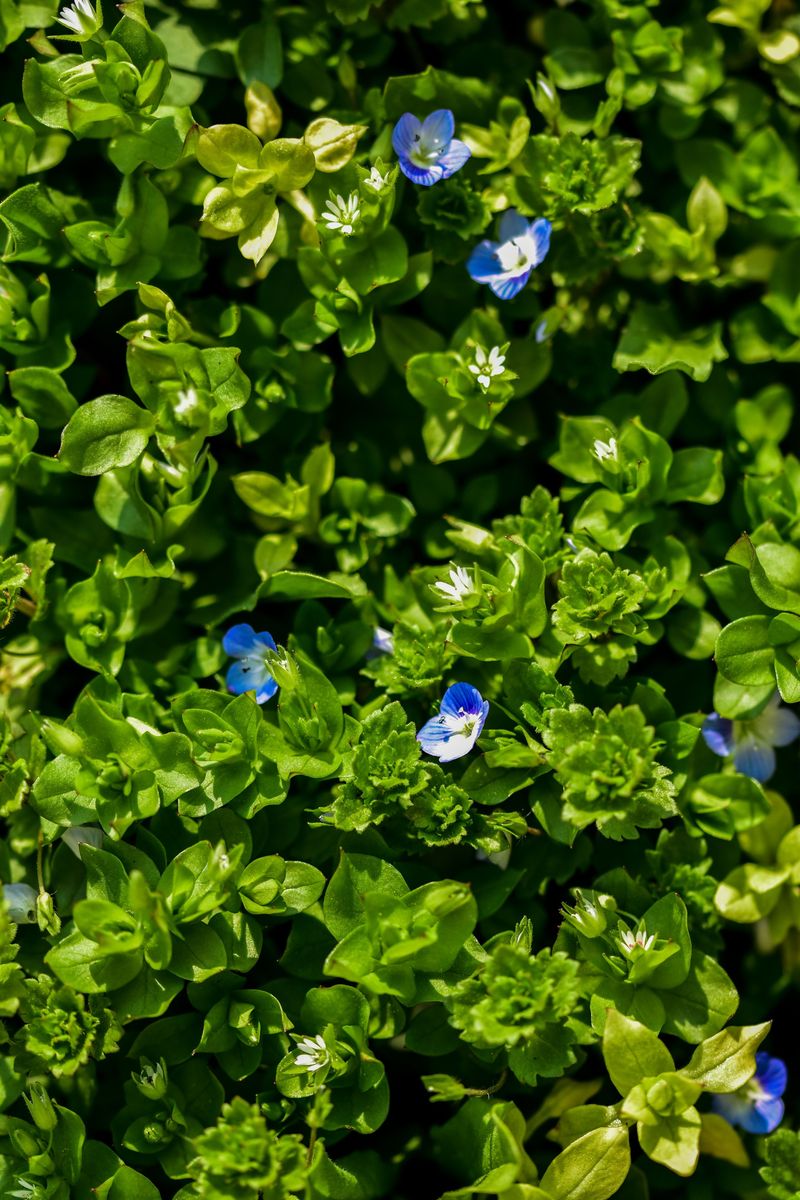
One of the practical pleasures of growing Lemon Bacopa is how cooperative its spreading habit tends to be.
The plant expands through creeping stems that root as they travel, and those same stems can be trimmed back or redirected whenever they move past the area you want covered.
Guiding stems around stones, along a curved pond margin, or toward a specific gap in your planting design is genuinely satisfying work that gives you real creative control over the final look.
Propagation is just as easy. Stem cuttings root readily, which means you can move pieces from one section of your water garden to another without buying additional plants.
Gardeners who start with a small patch often find that within a season or two they have enough material to fill several more feet of pond edge just from cuttings taken during routine trimming sessions.
That kind of natural generosity makes Lemon Bacopa a smart investment for anyone working with a larger water feature.
NC State lists Creeping Jenny’s growth rate as rapid, while Lemon Bacopa tends to spread at a more moderate pace that most gardeners find easier to work with over time. That said, native status is not a reason to stop paying attention.
Every creeping groundcover planted near a water feature benefits from regular observation to make sure it stays within its intended boundaries.
Checking in a few times each season and trimming growth that ventures too far keeps the planting looking intentional, tidy, and genuinely beautiful rather than chaotic or overwhelming to the surrounding garden space.
8. Match The Native Choice To Your Part Of North Carolina
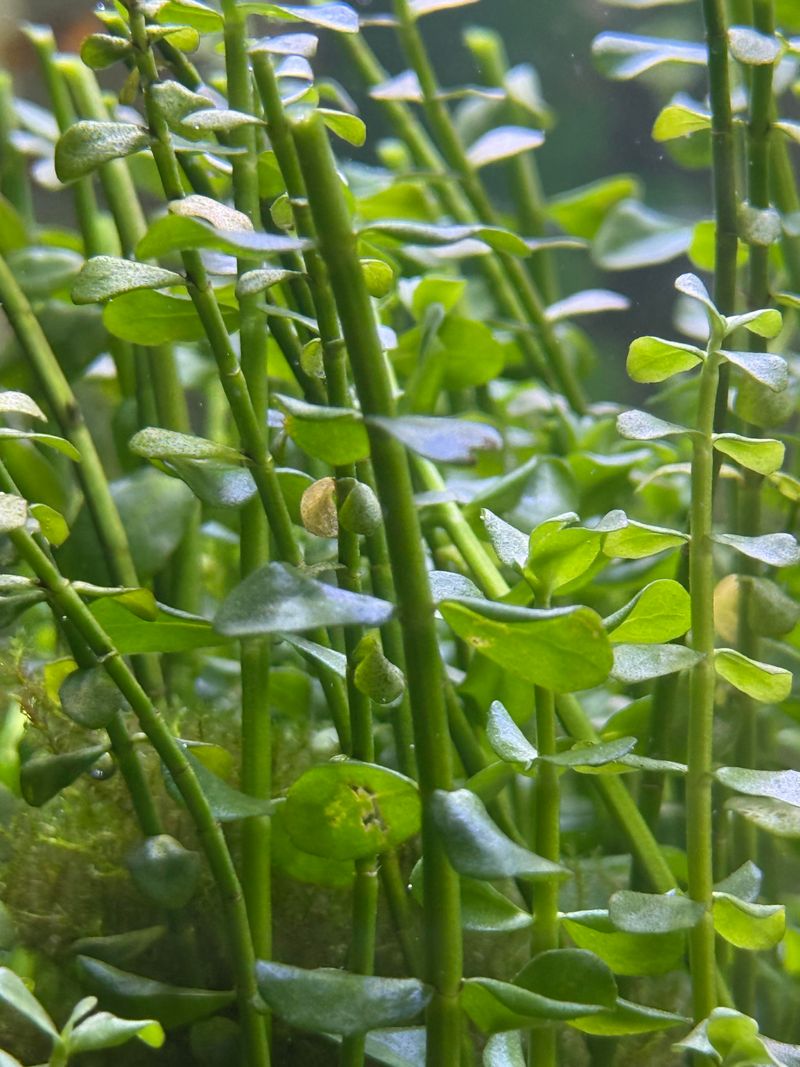
North Carolina stretches from the Atlantic coast to the Appalachian Mountains, and that geography matters enormously when choosing native plants.
Lemon Bacopa is the strongest Creeping Jenny alternative for water features in Coastal North Carolina because that is where NC State identifies it as a native species.
Planting it in its actual native range means the plant is already adapted to the local soil, moisture patterns, and climate conditions it will encounter in your garden.
Piedmont and mountain gardeners should resist the temptation to assume that any plant labeled a North Carolina native will naturally thrive in their specific region.
The state is ecologically diverse, and a coastal native may not have the cold hardiness or soil preferences needed to perform well in the Piedmont foothills or the Blue Ridge.
Choosing natives that actually occur in your region gives you a much stronger foundation for a healthy, long-lasting water garden planting.
For mountain gardeners looking for a creeping native suited to wet sites, American Water Pennywort, Hydrocotyle americana, is worth researching as an option associated with consistently moist pond and stream margins in that region.
Before purchasing any water garden plant, checking regional nativity, moisture requirements, sunlight tolerance, mature spread, and winter hardiness is the most reliable way to avoid surprises after planting.
Local native plant nurseries, NC State Extension resources, and regional native plant societies are all excellent starting points for building a water feature planting that genuinely belongs in your corner of North Carolina and supports the local ecosystem for years ahead.