The One Thing North Carolina Azaleas Need Before Fall Or Next Spring’s Blooms Come In Thin
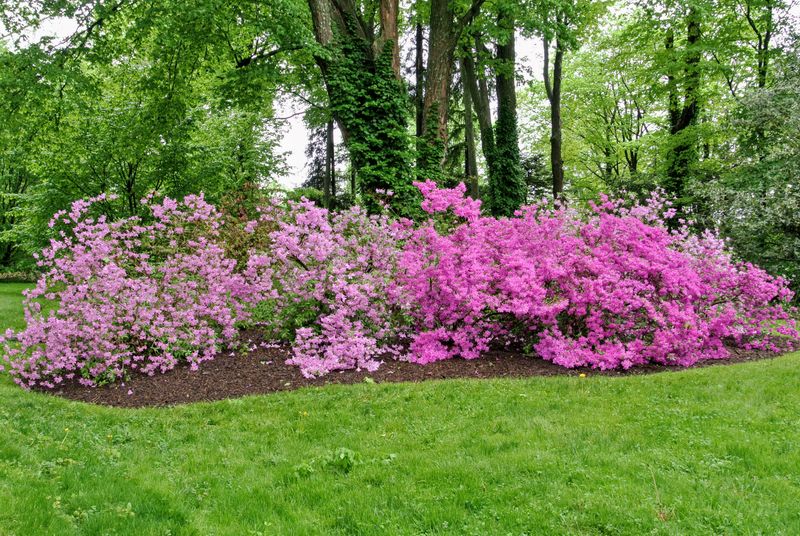
Your azaleas put on a show every April, but right now, in the sticky heat of late summer, they are quietly doing something most North Carolina gardeners never think about. Spring-flowering azaleas are forming next year’s flower buds while the days are still long and warm, and dry soil during that stretch can leave those buds weaker before the season even turns. The most useful thing you can do before fall arrives is simpler than you might expect: check the soil beneath the mulch and water slowly if the root zone is dry. That one habit will not guarantee a wall of color come April, but it gives your shrubs a real fighting chance.
Make A Moisture Check Your Late-Summer Priority
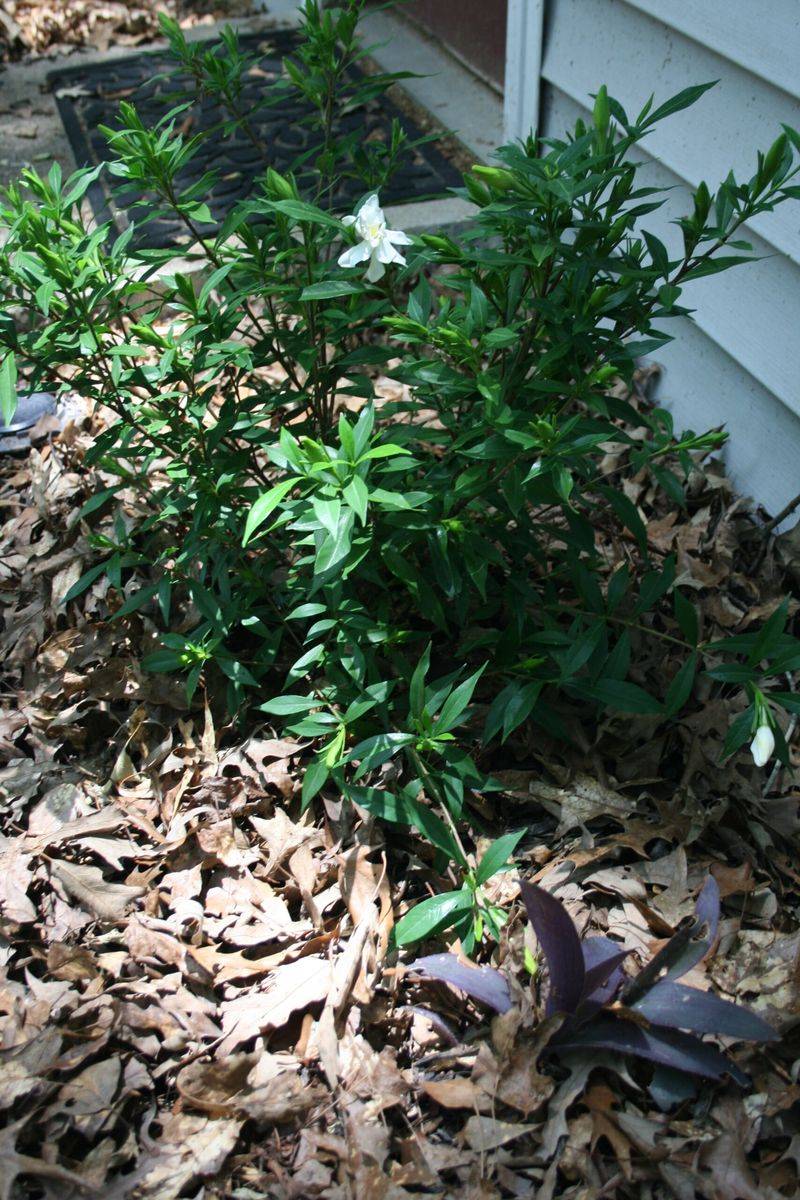
Pull back the mulch beneath one of your azaleas and press two fingers about two inches into the soil. If it feels dry and crumbly down there, your shrub is telling you something worth hearing. That simple test is genuinely the most useful late-summer step you can take for an established spring-flowering azalea, and it costs nothing but a few minutes.
The promise in this article’s title is directionally right but a little too tidy. Consistent moisture during late summer can help protect the flower buds your azalea is forming right now, as UGA Cooperative Extension guidance on selecting and growing azaleas makes clear. One watering event, though, does not flip a switch between a sparse spring and a spectacular one. Cultivar, light, soil acidity, drainage, winter weather, and several other factors all shape the final display.
What you are actually managing right now is risk. Azaleas have shallow roots that dry out faster than most landscape shrubs, and drought stress during bud formation can weaken the plant and reduce its capacity to push strong flowers the following April. The goal is reasonably steady soil moisture, not constantly wet ground. Soggy roots are just as damaging as bone-dry ones, so the target is moist and well-drained, not saturated.
When the moisture check shows dry soil, water slowly and thoroughly. Let the water move deep into the root zone rather than running off the surface. Keep the mulch in place between checks so it can do its job holding moisture in. That is the core of the whole approach, and everything else in this article builds on it.
Summer Sets The Stage For Spring Flowers
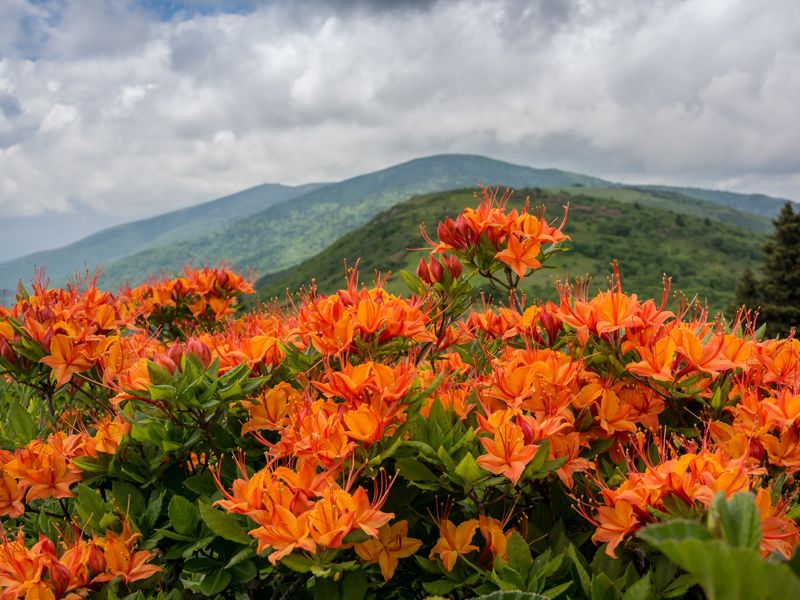
Here is where it gets interesting. Many spring-flowering azaleas (Rhododendron spp.) are not resting in summer. They are actually building the buds that will open next April, and that process happens during the warm weeks of mid-to-late summer, well before you ever see a hint of fall color on nearby trees.
UGA Extension’s azalea bulletin confirms that spring-blooming types form the following year’s flower buds during summer, which means any stress the plant experiences right now can carry forward into next spring’s display. Drought during bud formation does not necessarily kill a shrub, but it can leave the plant in a weakened state that shows up as thinner flowering months later. Protecting that process is the real reason late-summer moisture matters.
Your North Carolina Garden Changes Every Week. Your Plan Should Too.
Gardening in North Carolina changes quickly throughout the season. Every Friday you’ll receive a simple weekly plan showing exactly what to plant, prune, fertilize, harvest, and protect so you never miss the right timing.
Not every azalea follows this schedule, and that distinction is worth knowing before you adjust any care routine. Reblooming types such as the Encore series can flower in both spring and fall, which changes their timing. Later-flowering cultivars may set buds on a different schedule than the classic Kurume or Satsuki hybrids common across Piedmont yards. And native azaleas found across North Carolina, like the Piedmont azalea, Rhododendron canescens, tend to have a looser growth habit and different pruning needs than compact evergreen landscape hybrids.
If you are unsure what type grows in your yard, check when it bloomed last spring and look up the cultivar name on a tag or in your purchase records. Knowing the bloom type helps you time every other step correctly. For most established spring-flowering azaleas in North Carolina, late summer is the window that counts.
Check The Root Zone Before You Reach For The Hose
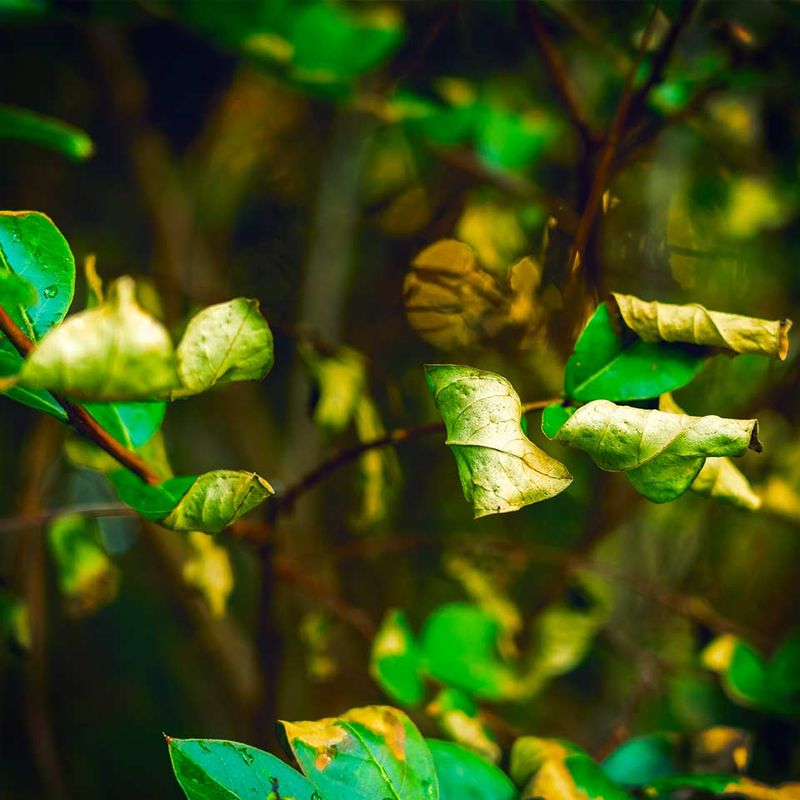
Azaleas are among the first shrubs in a North Carolina landscape to show drought stress, and the reason is structural. Their roots stay close to the surface, usually within the top 12 inches of soil, which means they have less access to the deeper moisture reserves that keep larger, deeper-rooted trees comfortable through a dry August.
Watch for these warning signs: leaves that shift from glossy green to a dull gray-green, foliage that curls inward along the edges, leaf-margin scorch that looks like brown crispy borders, wilting during the afternoon heat, and premature leaf drop. Any of those symptoms, especially in combination, suggest the root zone is running short. UGA Extension’s azalea guide lists these as classic drought-stress signals in azaleas, and they are worth recognizing before the damage becomes serious.
The practical check is straightforward. During dry periods, lift a section of mulch once a week and press two fingers about 2 inches into the soil. If it feels damp and cool, you can leave the hose coiled up. If it feels dry and loose, it is time to water.
Do not use a calendar or a fixed weekly schedule as your only guide, because recent rainfall, shade, plant size, slope, and drainage all change how fast your particular root zone dries out.
When the soil is dry, water slowly and thoroughly enough to wet the root zone to roughly 8 to 12 inches. UGA Extension notes that about 1 inch of water, or approximately 6 gallons over 10 square feet of bed, can saturate soil to that depth under average conditions. Apply it slowly so it soaks in rather than running off. One thorough session beats three quick sprinkles every time, and frequent shallow watering actually encourages roots to stay near the surface where they are most vulnerable to heat and drought.
Match The Watering Method To North Carolina Soil
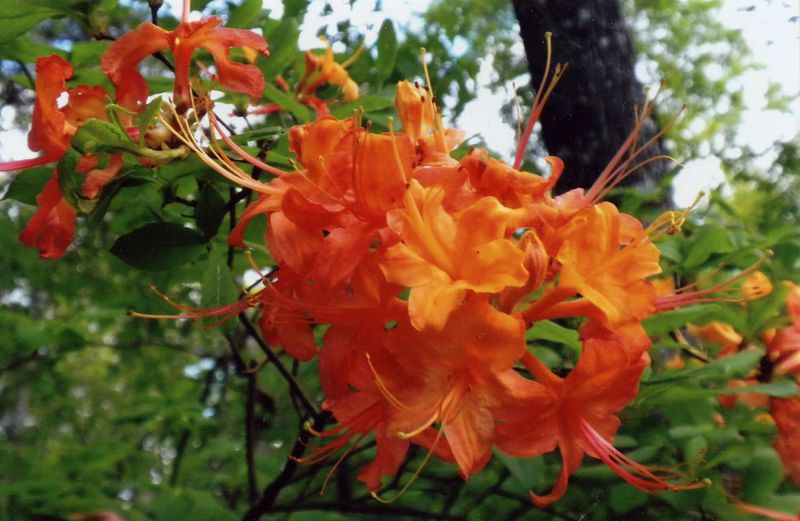
North Carolina’s soil does not behave the same way from one county to the next, and that matters a lot when you are trying to water an azalea correctly. Sandy soils common in the Coastal Plain drain quickly, which means water moves through the root zone faster and dry conditions can develop sooner after a rain. Clay soils typical of the Piedmont absorb water slowly and can produce runoff if you apply too much at once, giving the impression that the bed is well-watered when the moisture has actually sheeted off the surface.
On Piedmont clay, the fix is to apply water in two or three slow passes rather than one long flood. Run your soaker hose for 20 minutes, let it rest, then run it again. That approach gives the clay time to absorb each pass before the next one arrives. NC State Extension’s woody ornamentals guidance notes that soil texture directly affects how water moves through the landscape, and slow application on tight soils prevents the runoff that wastes water without ever reaching the roots.
A soaker hose or drip system is the best tool for this job in any region. Both deliver water at the soil surface rather than spraying the foliage, and wet leaves left overnight can encourage foliar disease. If overhead watering is your only option, morning is better than evening so the leaves have time to dry before dark.
Every yard still requires the same moisture check regardless of region. Sandy Coastal Plain soils may need more frequent attention during a dry stretch, but that is not a universal rule for every coastal yard. Drainage, shade, tree-root competition, slope, and mulch depth all influence how fast your specific bed dries. The finger test in the root zone remains the most reliable guide, no matter where in North Carolina you garden.
Use Mulch To Hold Moisture Without Changing Soil Chemistry Quickly
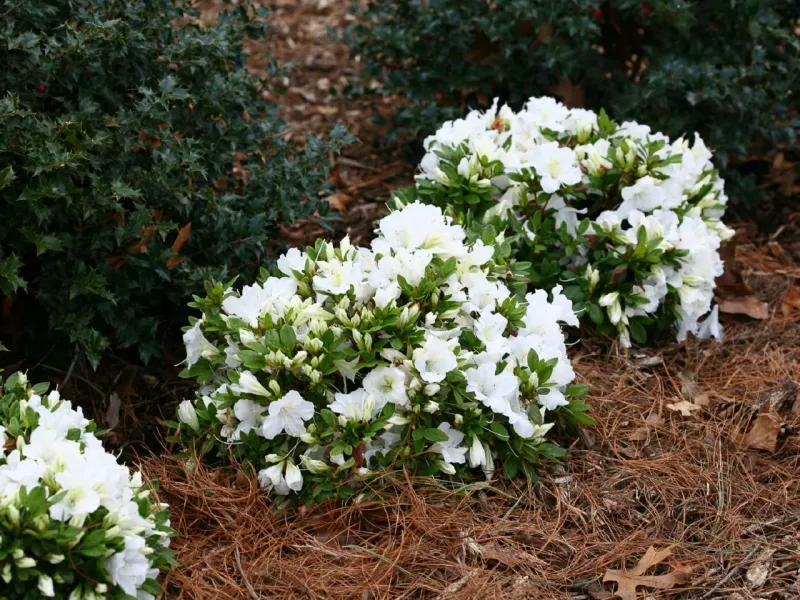
A good layer of mulch is one of the quietest allies an azalea has through a dry North Carolina summer. Spread 3 to 5 inches of pine straw, shredded bark, or another suitable organic material over the root zone, and you give the soil a buffer against the heat and evaporation that can dry out shallow roots in just a few days between rainstorms.
Mulch does three things at once: it slows moisture loss from the soil surface, it moderates root-zone temperature during the kind of muggy 95-degree afternoons that hit the Piedmont and Sandhills in August, and it suppresses the weeds that would otherwise compete for that same soil moisture. UGA Extension’s azalea bulletin recommends this mulch depth as a standard practice for established shrubs, and the payoff shows up in how much less often you need to reach for the hose.
Keep the mulch pulled back a few inches from the trunk and main stems. Piling it directly against the wood traps moisture against the bark and can create conditions for rot or pest problems over time.
One clarification worth making plainly: pine straw does not quickly acidify alkaline soil. It is a fine mulch choice for azaleas, and it breaks down gradually, but if your soil pH is too high for azaleas, mulch alone will not fix it. NC State Extension’s soils and plant nutrients chapter notes that pine needles lower pH only very slowly over many years. A soil test is the right starting point for any pH correction, and the results will tell you whether an amendment is actually needed and in what amount.
Skip Routine Late Fertilizer And Fall Pruning
Two of the most common late-season mistakes with azaleas are also the easiest to avoid once you understand what the plant is doing right now. Reaching for fertilizer in August or September feels productive, but for spring-flowering azaleas it can actually work against you.
Routine fertilizer applied after about July 1 is not the recommended approach, and for good reason. UGA Extension’s azalea guidance advises fertilizing just after flowering and avoiding late-season applications because they can reduce bud set and winter hardiness. Beyond that timing concern, NC State Extension warns that excess fertilizer can burn azalea foliage, trigger leaf drop, or in serious cases cause significant plant injury. Azaleas are genuinely sensitive to overfertilization, and many established shrubs growing in suitable soil with organic mulch do not need supplemental fertilizer at all.
The exception is a documented nutrient deficiency identified through a soil test. If a test shows a specific need, follow an appropriate recommendation and the product label carefully. Do not apply fertilizer by guesswork or by fixed cup measurements, because rates vary by product analysis, plant size, bed area, and soil conditions.
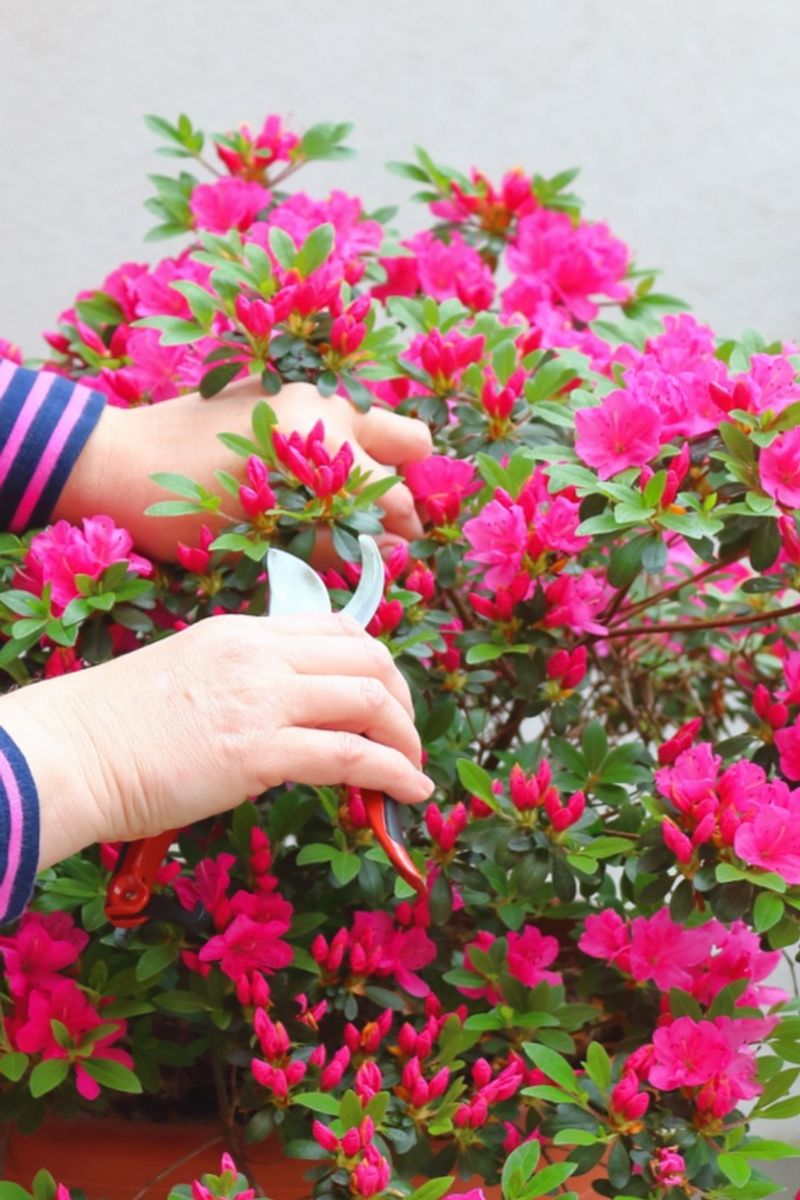
Fall pruning carries a different but equally real risk. Spring-flowering azaleas form their buds during summer, so by the time fall arrives those buds are already sitting on the stems, waiting for April. Running a hedge trimmer or shears through the shrub before winter can remove dozens of those buds before they ever open. UGA Extension’s pruning guide is clear that spring-blooming shrubs should be pruned after they finish flowering, not in fall or winter.
The right window for shaping is the few weeks immediately after bloom, before summer bud set begins. Dead or diseased wood is the one exception: remove it whenever you spot it, regardless of season.
Treat Moisture As One Part Of The Bloom Diagnosis
Steady soil moisture through late summer is a meaningful protective step, but it is not a cure for every reason an azalea might bloom thin. Before you assume drought was the culprit behind a disappointing April display, it helps to think through the other suspects.
Too much shade is one of the most common hidden causes of poor flowering. Azaleas prefer filtered light or morning sun with afternoon shade, and a shrub that has been gradually shaded out by a growing tree may bloom less each year regardless of how carefully you water it. Intense afternoon heat radiating off concrete or a south-facing wall can stress the plant in a different way. Soil pH that has drifted too high for azaleas, poor drainage that keeps roots wet, plant age, earlier pruning at the wrong time, and excessive nitrogen from lawn fertilizer drifting into the bed can all reduce flowering too.
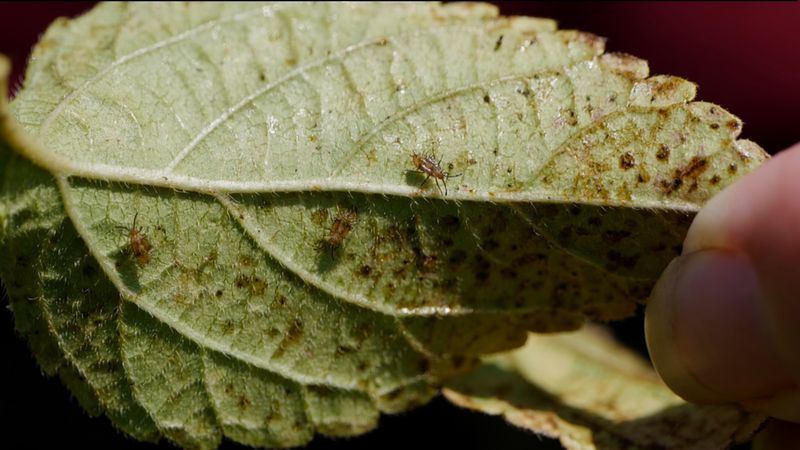
Pests deserve their own look. Flip over a few leaves and examine the undersides carefully. Azalea lace bug is a common landscape pest across North Carolina, and NC State Extension’s azalea lace bug resource describes the telltale signs: pale stippling on the upper leaf surface, shiny black specks (frass) on the undersides, and the small adults or nymphs themselves. A stressed, drought-weakened plant can be more vulnerable to lace bug pressure, but watering alone does not control an active infestation.
Identification and targeted management are separate steps.
Winter cold is another factor that stays outside your control even after you have done everything right. A late freeze in March or early April can damage or kill buds that formed perfectly the previous summer. Good late-summer care improves the plant’s overall condition and resilience, but it does not eliminate freeze risk. Some years the weather simply takes a toll, and recognizing that honestly keeps you from second-guessing sound care practices.
Follow A Simple Before-Fall Care Sequence
Putting it all together does not require a complicated schedule. For most established spring-flowering azaleas in North Carolina, the before-fall routine fits into a handful of straightforward steps that take less time than mowing the lawn.
Start with the moisture check. Lift the mulch, press two fingers into the soil, and water slowly and thoroughly if the root zone feels dry. Aim to wet the soil to roughly 8 to 12 inches, using a soaker hose or drip system at the soil surface when possible. Repeat the check during dry periods, adjusting frequency based on your soil type, recent rainfall, and what the ground actually tells you rather than a fixed calendar.
UGA Extension’s azalea bulletin and NC State Extension’s woody ornamentals chapter both support this soil-check approach over a blanket weekly watering rule.
Keep the mulch layer at 3 to 5 inches and pulled a few inches back from the stems. Skip any routine fertilizer application this late in the season unless a soil test has identified a specific deficiency and you are following an appropriate recommendation and product label. Put the pruning shears away until after next spring’s bloom for spring-flowering types. UGA Extension’s pruning guide confirms that cutting before winter removes buds that are already formed and waiting for April.
Remember that cultivar, available light, soil acidity, drainage, pests, disease, and winter weather all still have a say in how next spring looks. The goal of this whole sequence is to protect the buds your azalea is forming right now, not to promise a perfect outcome. Do your part with the soil, and then let the plant do what it has quietly been practicing all summer long.