The Pine Straw Mistake That Lets Weeds Come Back Fast In North Carolina Beds
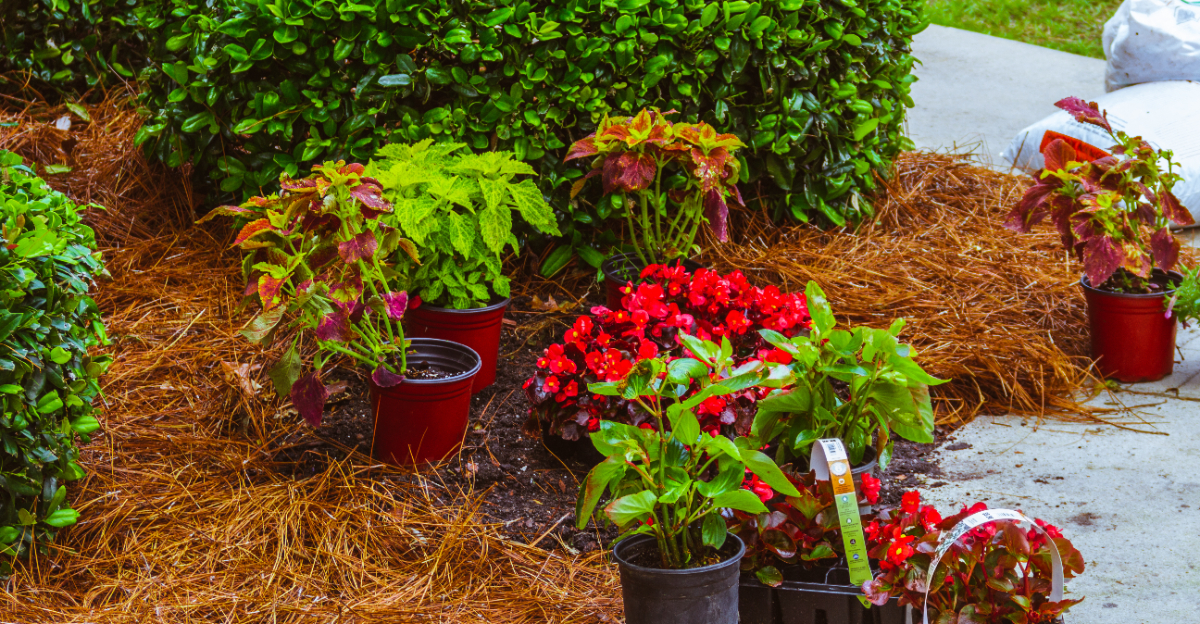
Pine straw is one of the most popular mulch choices in North Carolina, and for good reasons. It looks natural, breaks down slowly, and suits the acidic soil conditions that many plants in this state prefer.
The mistake that undermines all of those benefits is common enough to show up in a significant number of beds across the state every season, and it creates exactly the weed pressure the pine straw was applied to prevent.
The error is not about depth or timing in general terms.
It is one specific application habit that leaves a gap in coverage precisely where weed seeds are most likely to land and find the conditions they need to germinate before the pine straw does its job of stopping them.
1. Spreading Pine Straw Too Thin Lets Light Reach Weed Seeds
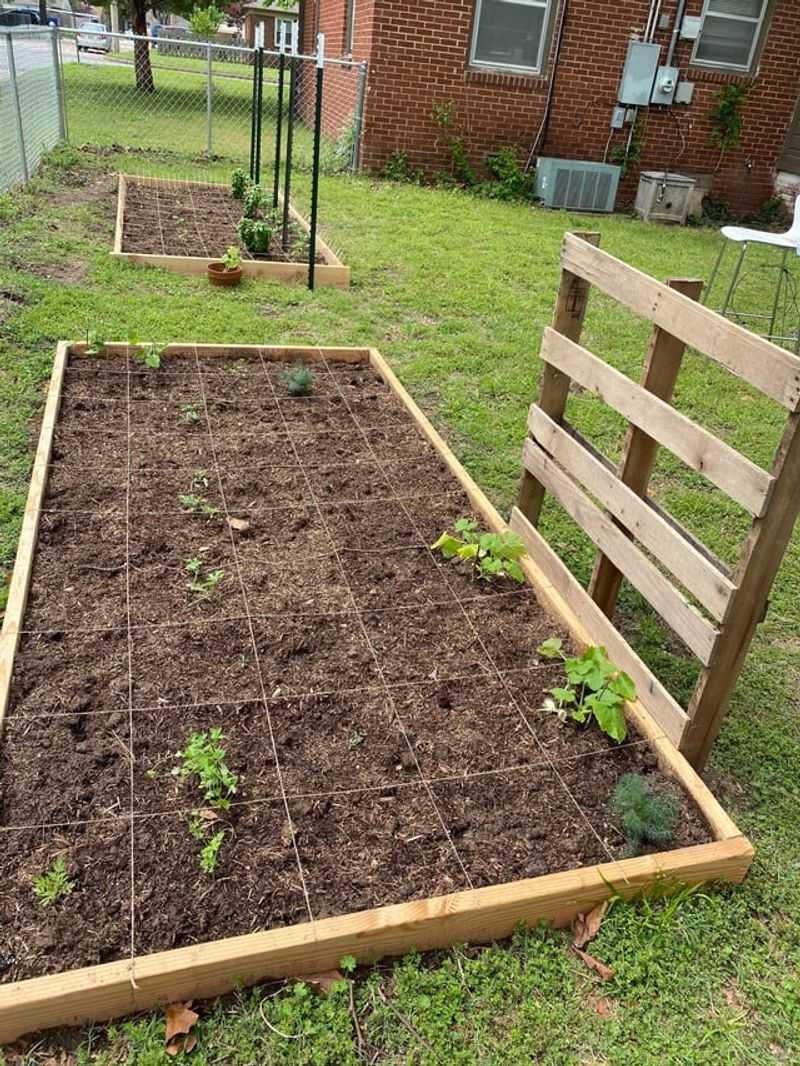
A thin layer of pine straw might look tidy right after you spread it, but it rarely does the job you need it to do. Weed seeds are sneaky.
They sit just below the soil surface waiting for one thing above all else, and that thing is light. When pine straw is spread too thin, sunlight slips right through to the soil and gives those seeds exactly the signal they need to start growing.
Most experts recommend laying pine straw at a depth of three to four inches for solid weed suppression. Anything less than that and you are basically giving weeds a welcome mat.
After a good rain in North Carolina, a thin layer can shift, compact, or wash to one side, making the problem even worse than it was before you started.
The warm, humid climate here in North Carolina means weed seeds stay active for a long stretch of the year. Spring and early summer are especially tough because soil temperatures are rising fast.
A properly thick layer of pine straw keeps that warmth from triggering germination by blocking the light those seeds depend on.
Next time you spread pine straw, grab a ruler or just use your finger as a guide. Push down gently and check how deep the layer actually is.
If you can feel bare soil with just a light press, you need more coverage. Adding an extra bale or two upfront saves you a lot of hand weeding later in the season.
2. Patchy Coverage Creates Weed Openings
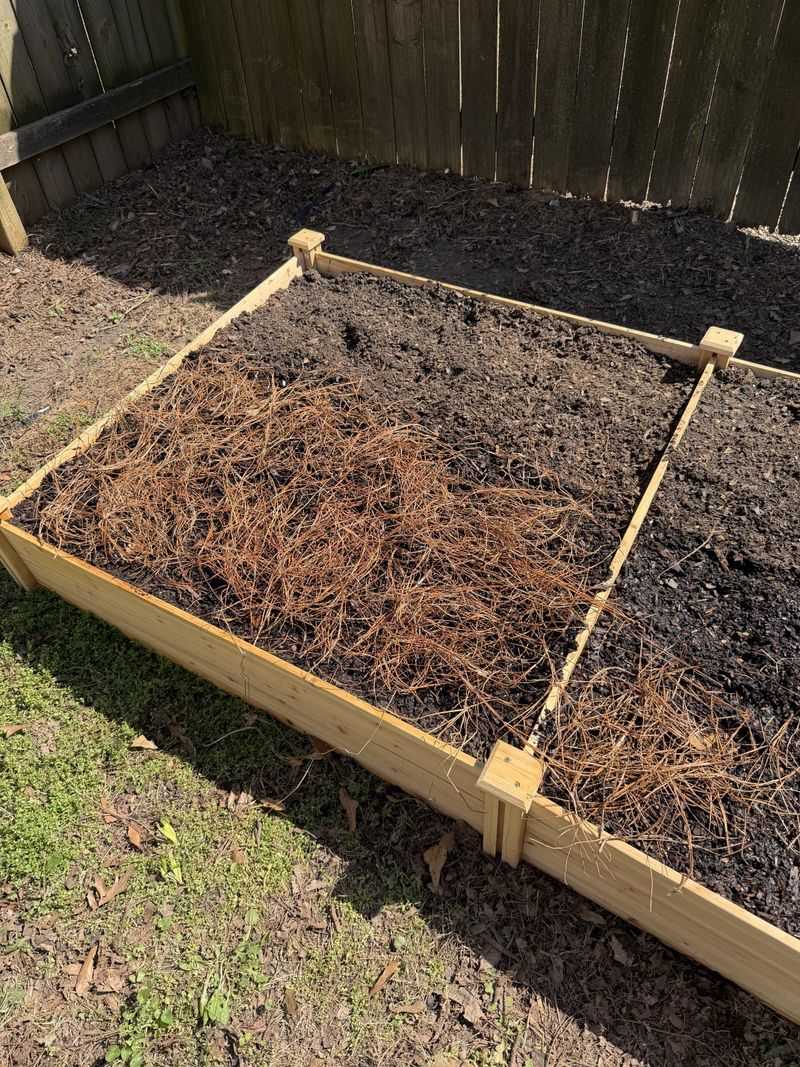
Picture your garden bed like a blanket on a cold night. If that blanket has holes in it, the cold gets right through.
Patchy pine straw works the same way. Wherever soil is left exposed, weeds find their opening and start pushing through fast, especially after a warm rain.
The spots that get missed most often are surprisingly predictable. Bed edges are a classic trouble zone because it is easy to stop short when you are tired of spreading.
The area around stepping stones tends to get thin coverage too, since it is awkward to tuck pine straw into tight spaces.
Plant bases are another common weak spot, where gardeners sometimes avoid getting too close and leave a ring of bare soil right around the crown.
Your North Carolina Garden Changes Every Week. Your Plan Should Too.
Gardening in North Carolina changes quickly throughout the season. Every Friday you’ll receive a simple weekly plan showing exactly what to plant, prune, fertilize, harvest, and protect so you never miss the right timing.
North Carolina beds that run along driveways, walkways, or fence lines are especially prone to patchy coverage. People tend to spread pine straw toward the center of the bed and forget to push it firmly into the borders.
That means the edges, which are the most visible part of your landscaping, end up being the first place weeds come back.
A good habit is to walk the entire perimeter of each bed after you finish spreading. Look for any spot where you can see dark soil peeking through.
Use your foot or a rake to nudge pine straw into gaps, especially along edges and around plants. Spending five extra minutes on this check can save you from pulling weeds along your whole front border just a few weeks later.
3. Pulling Weeds Without Re-Covering Soil Wastes The Work
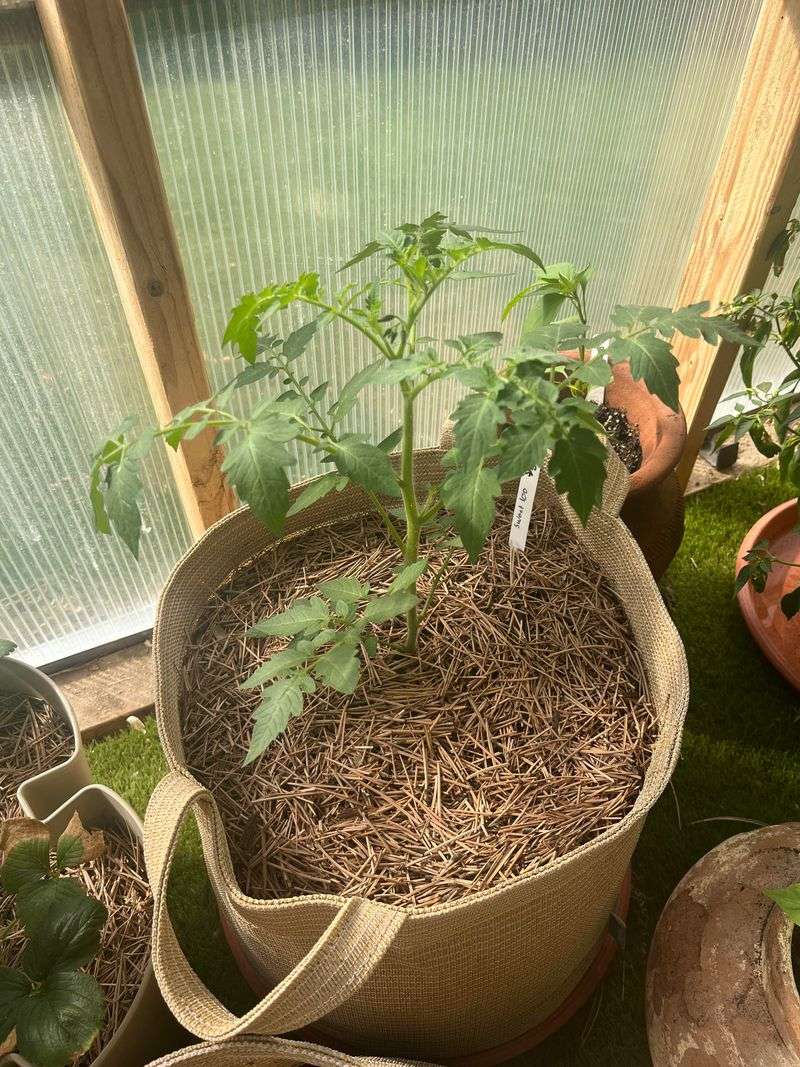
Pulling weeds feels great in the moment. You work through a bed, toss the unwanted plants into a bucket, and step back to admire the clean result.
But here is something most people find out the hard way: if you leave that freshly cleared soil exposed, new weeds can show up faster than the ones you just removed.
Bare soil is basically an open invitation. Every time you weed, you disturb the top layer of ground, and that actually brings dormant weed seeds closer to the surface where light can reach them.
North Carolina soil holds an enormous seed bank just waiting for a chance to sprout, and fresh disturbance gives those seeds a real head start.
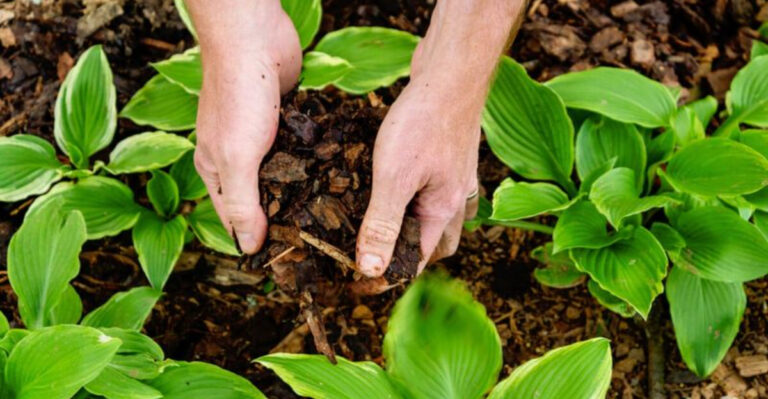
The fix is simple but easy to skip when you are tired from weeding. Right after you clear a section, smooth out the soil and lay fresh pine straw over it before you move on to the next spot.
Doing it in stages keeps the exposed soil covered as you go. You do not have to wait until the whole bed is weeded before you add mulch back in.
Keeping a bale or two nearby while you work makes this much easier. Break off sections and tuck them into place as you clear each area.
Within minutes, the soil is covered again and the weed window is closed. All that hard work pulling weeds actually sticks when you seal the bed right behind you, and your results last so much longer through the season.
4. Using Too Few Bales Leaves Beds Under-Covered
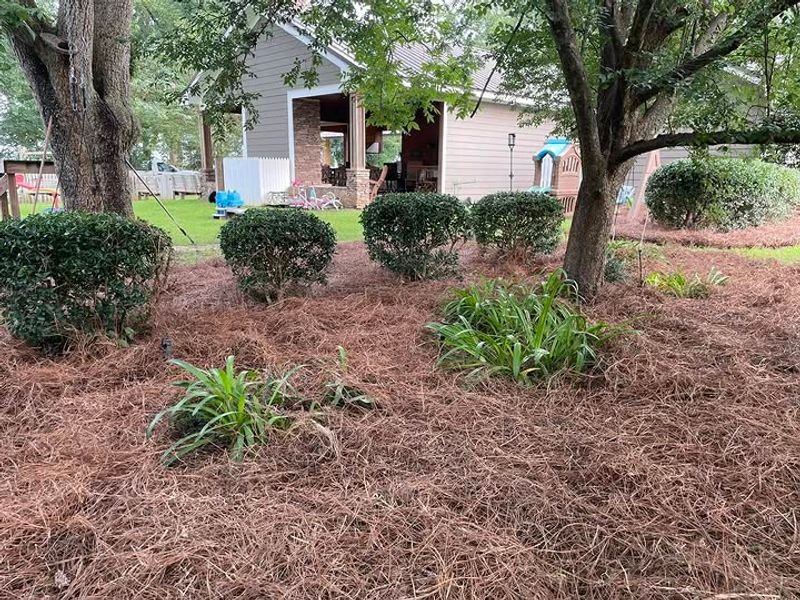
One of the most common surprises for North Carolina gardeners is how far a single pine straw bale actually goes, or more accurately, how far it does not go. A standard bale covers roughly 35 to 40 square feet at a proper three-inch depth.
That sounds like a decent amount until you look at a full shrub bed along the front of a house and realize you need five or six bales just to get started.
Underestimating the number of bales needed is an incredibly common mistake. Gardeners often buy what looks like plenty, spread it out, and end up with a layer so thin it barely changes the look of the bed.
That thin layer may appear neat for a week or two, but it will not hold back weeds once the soil warms up and rain falls in spring or early summer.
Measuring your beds before you buy makes a real difference. Walk the length and width of each bed, multiply those numbers together, and then divide by 35 to get a rough bale count.
It is always smarter to buy one extra bale than to come up short. Leftover pine straw stores fine if you keep it dry and off the ground.
North Carolina has a long growing season, which means weed pressure stays strong from early spring all the way through fall. Giving your beds proper coverage from the start means you are not constantly playing catch-up.
Buying enough bales upfront is one of the easiest ways to protect all the time you put into keeping your yard looking great.
5. Letting Pine Straw Slide Away From Edges Invites Weeds Back
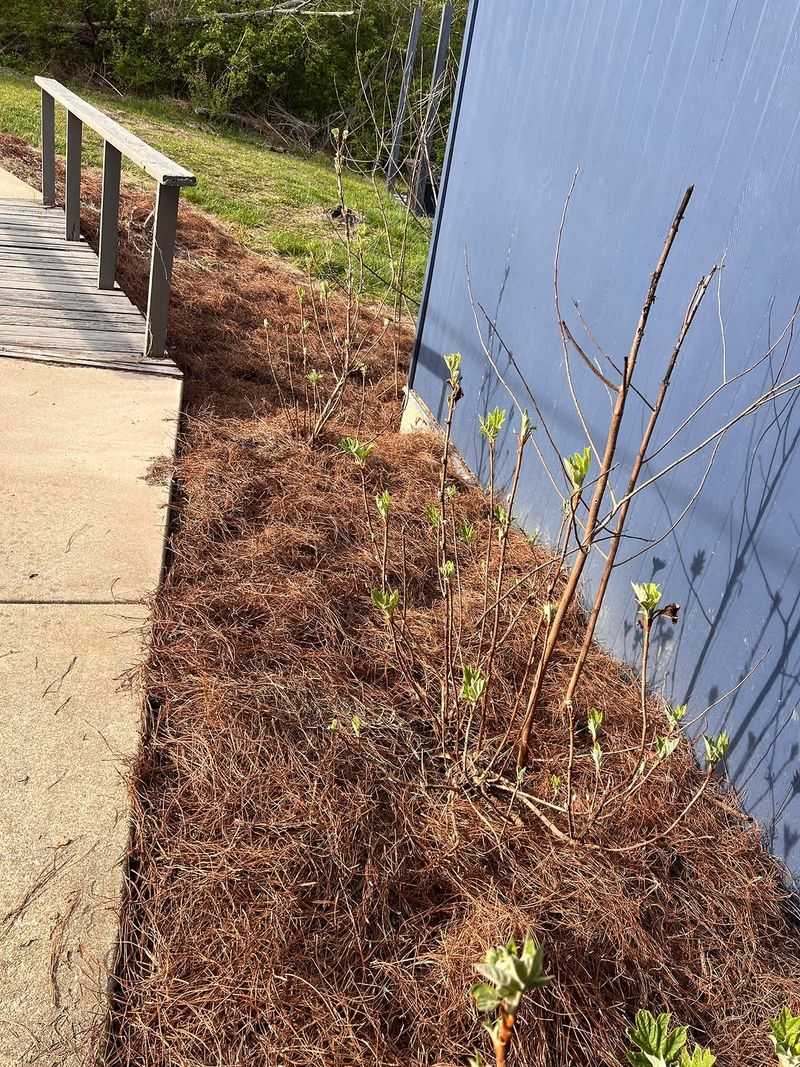
Bed edges are the first thing people notice when they pull into a driveway or walk up to a front door. They are also, unfortunately, the first place pine straw tends to disappear.
Rain washes it inward, wind blows it around, and foot traffic or lawn tools knock it out of place over time. Before long, that sharp edge you created at the start of the season has a bare strip of soil running right along the front of it.
Weeds absolutely love that strip. It is exposed, it gets full sun, and it often sits right next to a lawn that is already full of seeds ready to drift over.
Crabgrass, clover, and other common North Carolina lawn weeds can establish along a bed edge surprisingly fast once that soil is bare. By the time you notice them, they may already have a solid root system going.
Keeping edges filled requires a little maintenance throughout the season, not just at the beginning. After a heavy storm or after you mow and edge the lawn, take a quick look at your bed borders.
If you see soil showing along the front, push some pine straw back into place or tuck in a small handful from the interior of the bed.
Some gardeners find it helpful to create a slight raised border with edging material to help hold pine straw in place along the front of beds.
Even a simple plastic or metal edge strip can slow down the creep of pine straw outward onto the lawn and keep that boundary looking sharp and covered all season.
6. Forgetting To Fluff And Spread It Evenly Creates High And Low Spots
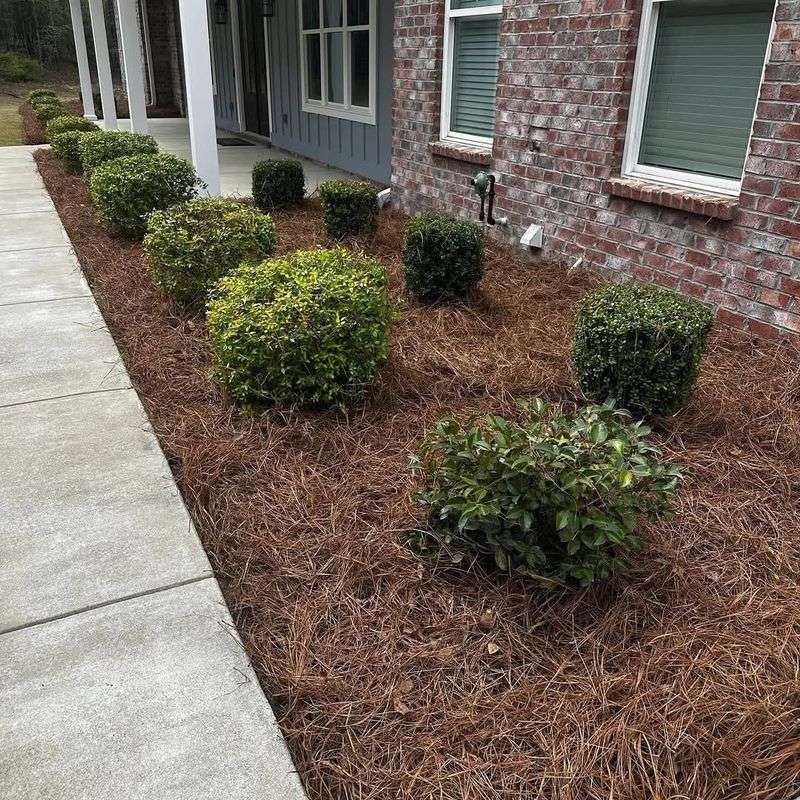
Pine straw bales come tightly packed, and that is great for transport but not great for your garden bed.
When gardeners drop clumps straight from the bale without breaking them apart, the result is a lumpy, uneven surface with high spots and low spots scattered all across the bed. Those low spots are exactly where weeds will push through first.
Fluffing pine straw before you spread it makes a noticeable difference in how evenly it covers the ground. Grab a section from the bale and shake it out so the needles separate and loosen up.
Then lay it down in overlapping passes, almost like combing it across the bed. This technique gives you a much more consistent depth across the entire surface, which means better weed suppression everywhere.
High spots create a different kind of problem. When pine straw piles up thick in one area, it can sit too close to plant stems or shrub crowns.
That trapped moisture creates a cozy environment for fungal issues, especially during North Carolina’s humid summers. An even layer avoids both the weed problem and the moisture problem at the same time.
A bow rake or a gloved hand works well for smoothing things out after you spread each section. Step back and take a look from a few feet away to spot any obvious high or low areas.
A few minutes of evening things out at the end makes the bed look polished and professional, and it means the pine straw will actually do its job of keeping those weeds from coming back through the season.
7. Piling Pine Straw Against Stems Creates A Different Problem
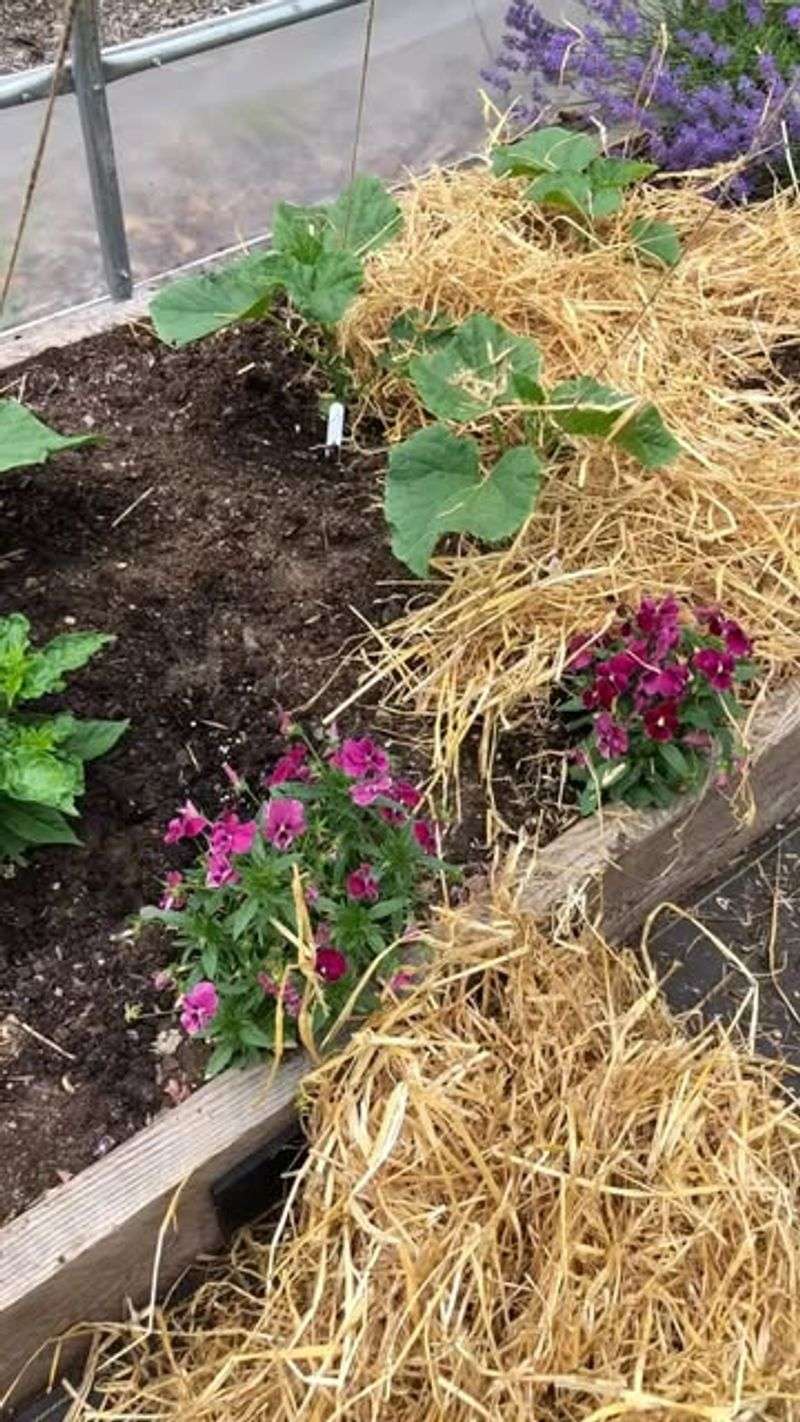
More is not always better when it comes to pine straw, and plant stems are where that truth really shows up.
It feels natural to want full coverage everywhere in a bed, so some gardeners end up piling pine straw right up against trunks, crowns, and tender plant stems.
The problem is that deep, tight coverage directly against a plant can trap moisture and warmth in a way that invites rot and fungal growth.
North Carolina summers are already warm and humid enough to stress plants without adding a thick mulch collar pressed right against the base. Bark and stems need some airflow to stay healthy.
When pine straw builds up against them, that air circulation gets cut off, and the damp environment that forms underneath can cause serious damage over time, especially on young shrubs and newly planted perennials.
The good news is that fixing this is completely straightforward. Pull pine straw back about two to three inches from any stem, trunk, or crown in the bed.
You do not need a wide gap, just enough space for air to move around the base of the plant. The soil right at the base can stay slightly exposed without giving weeds much of a foothold, since that small ring is far less of a problem than the rest of the bed.
Think of it as giving your plants a little breathing room inside an otherwise well-covered bed. The goal is to protect the soil broadly while keeping the mulch off the plant itself.
Getting this balance right keeps both the weeds and the moisture issues in check at the same time, which is a real win for your whole yard.
8. The Best Fix Is A Complete Even Layer After Every Cleanup

After all the weeding, edging, and seasonal cleanups are done, the single most effective thing you can do for your North Carolina beds is lay down a fresh, complete, even layer of pine straw.
Not a quick top-off in the thin spots, not a handful tossed near the edges, but a full, consistent refresh that covers every inch of soil from border to border.
Weeds come back fast when they get any opportunity at all. Small gaps, thin areas, bare edges, and exposed soil near plant bases all add up to a bed that looks okay for a couple of weeks and then turns into a weeding project again before the season is halfway through.
Addressing all of those weak spots at once, right after a cleanup, closes every opening at the same time.
A solid end-of-cleanup routine makes this easier to stick with. Pull any small weeds you see first, since young weeds are much simpler to remove than established ones.
Smooth the soil surface, tuck pine straw firmly into the edges, pull it back from plant stems, and then check depth across the whole bed before you call it finished. This routine takes maybe twenty extra minutes but saves hours of weeding later.
North Carolina beds typically benefit from a full refresh at least twice a year, once in early spring before the growing season kicks in and again in late fall after leaves are cleaned up.
Storms and heavy rains can also thin out coverage fast, so a quick check after big weather events helps you catch problems early.
Keeping up with the whole bed, not just the worst spots, is what makes pine straw actually work the way it should.