Florida Gardeners Should Check Their Trees For Old World Climbing Fern This Fall
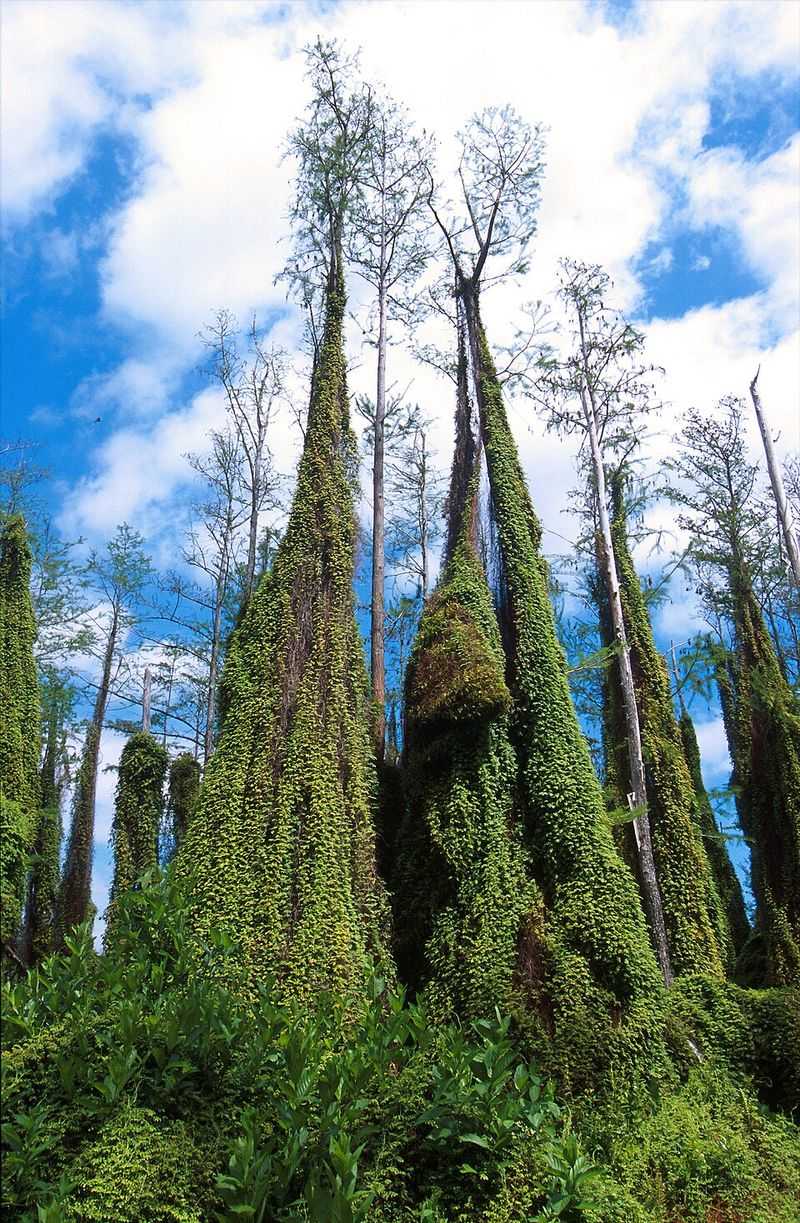
Picture a warm Florida afternoon, the air thick and sticky, and your favorite oak looking oddly fuzzy near the top. You squint, tilt your head, and wonder when that soft green lace started climbing so high without permission.
Some uninvited guests arrive quietly, wrapping themselves around trunks like a cozy sweater nobody asked to wear. They look pretty at first glance, with delicate leaves that seem to belong in a fancy garden catalog.
Underneath that charming look hides a fast grower that can cover branches and climb toward the sunny canopy. In central and south Florida, wetlands and backyards alike have been affected, and many homeowners miss the early signs.
Fall is a good time to look, because the fern’s tiny spores can drift on the breeze and start new plants. A quick walk around your yard with a cup of coffee could save your trees from a tangled future.
A Lacy Green Vine Spreading Up Trunks Toward The Canopy
Old World climbing fern was first recorded in Florida in the late 1950s, and it has since spread across swamps, pine flatwoods, and suburban backyards.
Scientists call it Lygodium microphyllum, and it comes from tropical parts of Africa, Asia, and Australia. In those faraway places, natural insects and diseases keep it in check, but Florida offers few of them.
Unlike most ferns that stay low near the ground, this one sends long, wiry stems climbing up trees. Each stem is actually a single giant leaf, which can stretch up to about ninety feet.
From a distance, the vine looks like soft green lace draped over bark, fences, shrubs, and palm trunks. Up close, you will notice it twisting around itself, creating ladders that help it reach higher and higher.
Those ladders matter, because the fern can act as ladder fuel, helping fire move from the ground into the treetops. Land managers in South Florida warn that burning pieces of vine can also start new spot fires.
Backyard gardeners often spot it first on cypress, wax myrtle, oak, or cabbage palm growing near damp areas. Ditches, pond edges, and shady fence lines are favorite starting points, so check those spots on your walk.
Catching the vine while it is still low on a trunk makes removal much easier and often less expensive. A quick look this week could spare your favorite shade tree from a long, slow struggle for sunlight.
Telltale Leaflet Shapes To Look For On Climbing Stems
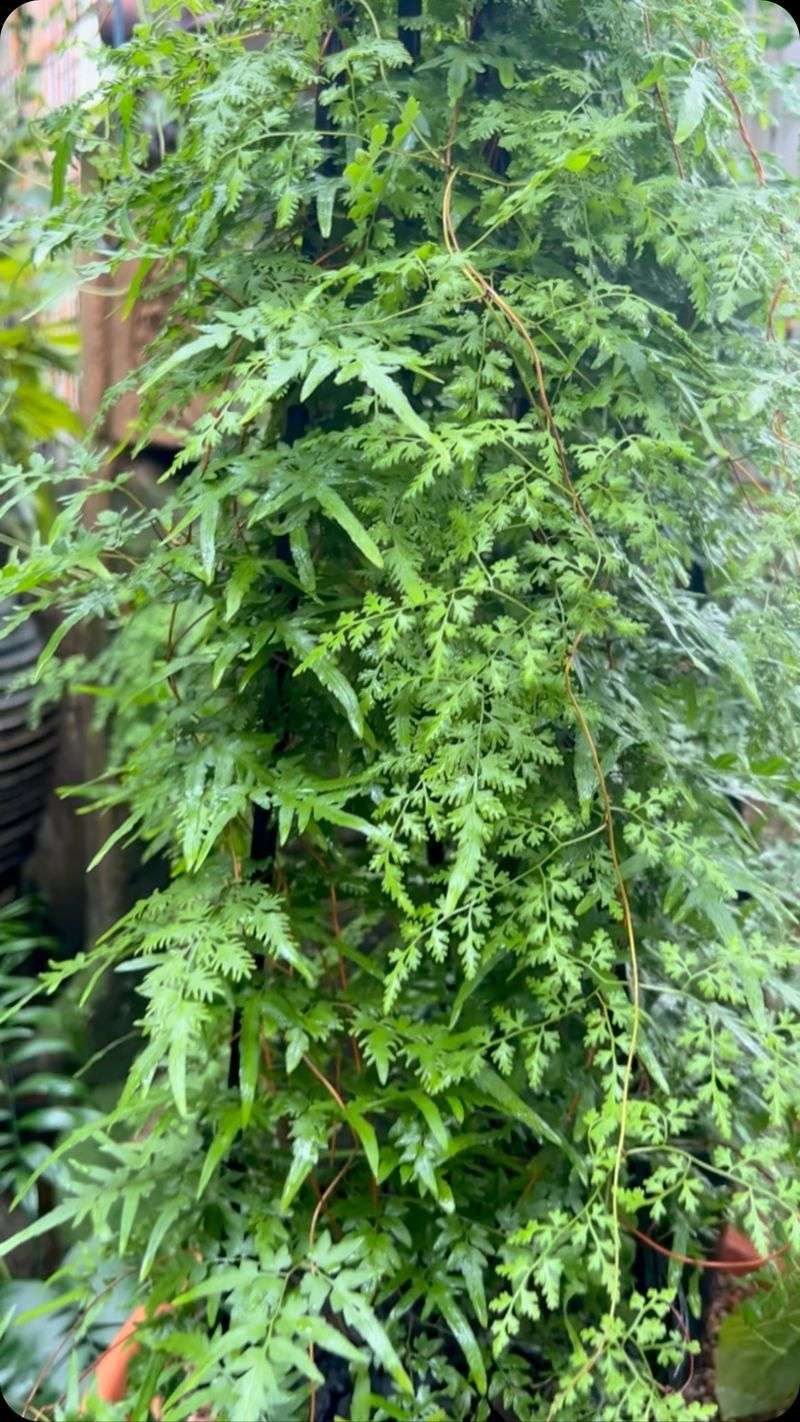
Think of yourself as a backyard detective, armed with nothing more than sharp eyes and a little patience. The clues you need are small, but once you learn them, the vine becomes surprisingly easy to recognize.
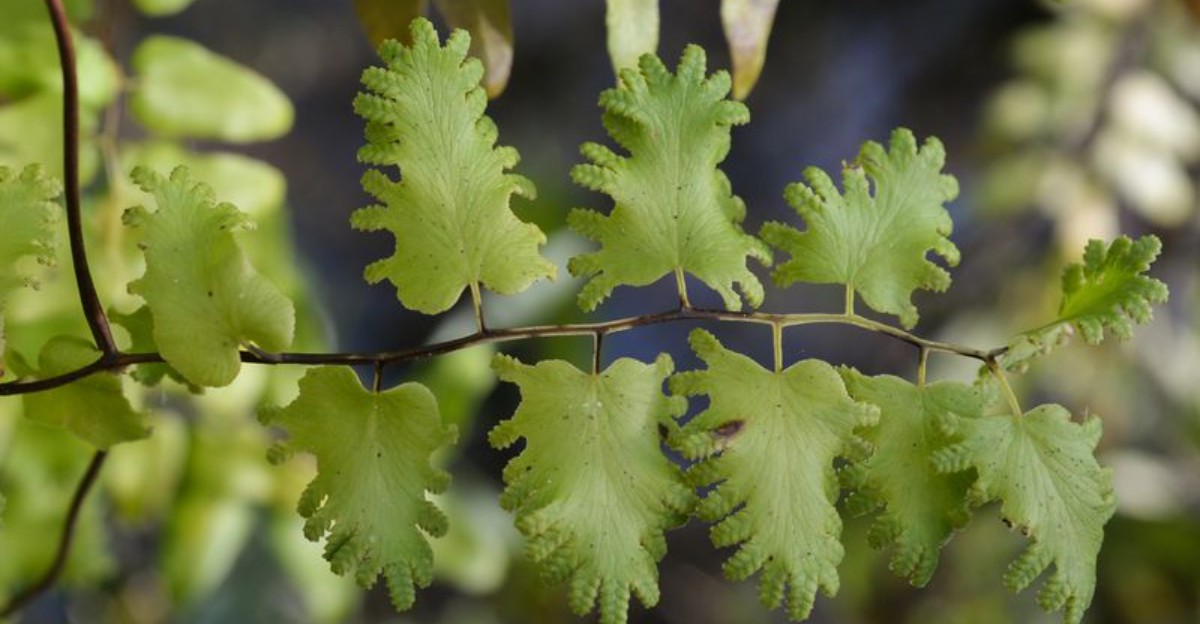
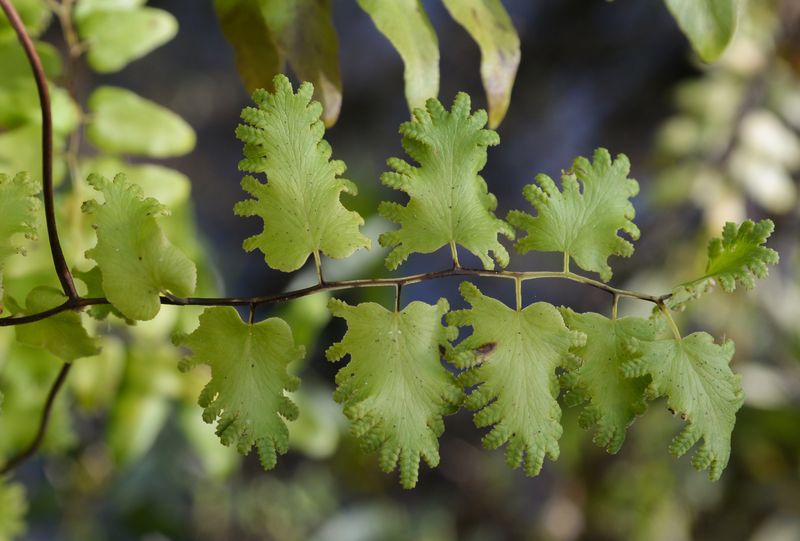
Start by looking at the leaflets, which are the tiny leaf-like pieces lined up along each wiry stem. Most are shaped like narrow triangles or little arrowheads, usually one to a few inches long and bright green.
Some leaflets have a small lobe near the base, making them look a bit like tiny mittens. Run a finger along the stem, and you will feel how thin and tough it is, almost like wire.
Your Florida Garden Changes Every Week. Your Plan Should Too.
Gardening in Florida changes quickly throughout the season. Every Friday you’ll receive a simple weekly plan showing exactly what to plant, prune, fertilize, harvest, and protect so you never miss the right timing.
Next, flip a few leaflets over and look closely at their edges and undersides for fuzzy brown fringes. Those fringes are the fertile leaflets, and they hold the spores that let this fern travel so far.
Florida also has a close cousin called Japanese climbing fern, which tends to grow farther north in the state. Its leaflets look more lacy and finely cut, but both plants are invasive and deserve the same quick attention.
Snapping a clear photo with your phone helps a lot, especially if you include a coin for size. County extension offices and reporting apps can help confirm what you found.
With a little practice, you can scan a trunk in under five minutes and move on to the next. Your neighbors might even start asking you for help once they see how quickly you spot it.
Dense Mats That Block Light From Reaching Host Branches
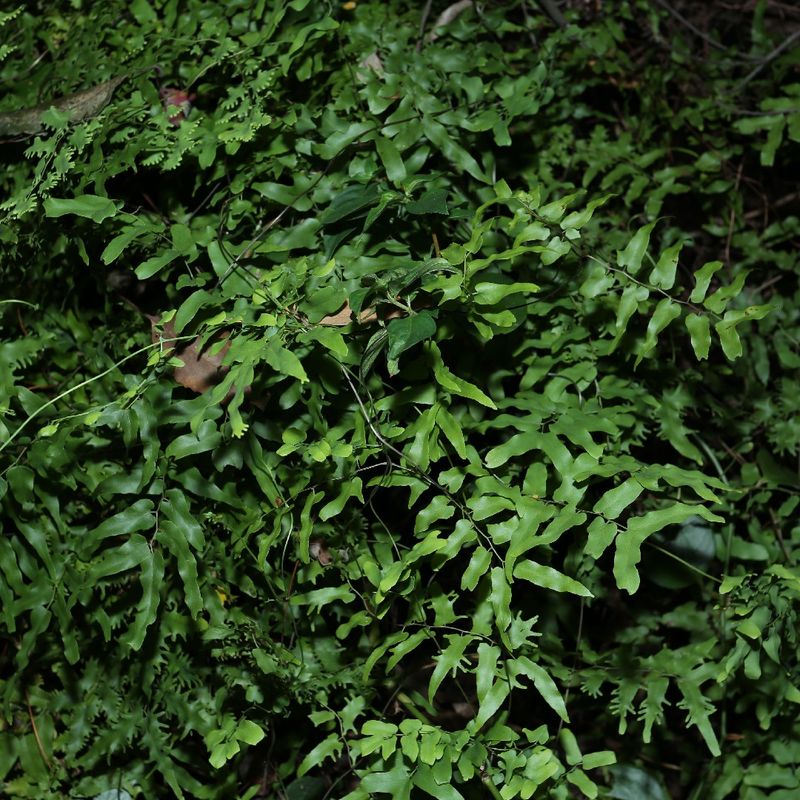
Imagine trying to eat lunch while someone slowly piles heavy blankets on top of you, one layer at a time. That is roughly what a tree experiences when climbing fern builds thick mats across its leaves and branches.
Trees make their food through photosynthesis, which means their leaves need plenty of direct sunlight every day. When the vine covers the canopy, those leaves sit in shade, and the tree slowly runs low on energy.
Researchers in the Everglades have documented thick mats stacked like layers of green carpet. Many tree islands have been covered by these blankets, leaving native birds and animals with fewer places to shelter.
Weight adds another problem, since a soaked mat after a fall rain shower can be surprisingly heavy. Branches may bend, crack, or snap under the load, especially when gusty tropical storms roll through in autumn.
Watch for warning signs like thinning leaves, yellow patches, or bare limbs hidden beneath the tangled green layer. A tree that looked healthy last year but seems tired and sparse now deserves a closer look today.
Shrubs and young saplings tend to struggle the fastest, since they have smaller energy reserves than mature oaks. Fruit trees, hedges, and ornamental palms near water features are worth checking first in many home landscapes.
Thin patches are far easier to manage than thick mats, so early action saves both time and money. Your trees will have a better chance to recover when the vine is removed early.
Why Fall Is A Good Time To Check For Spores
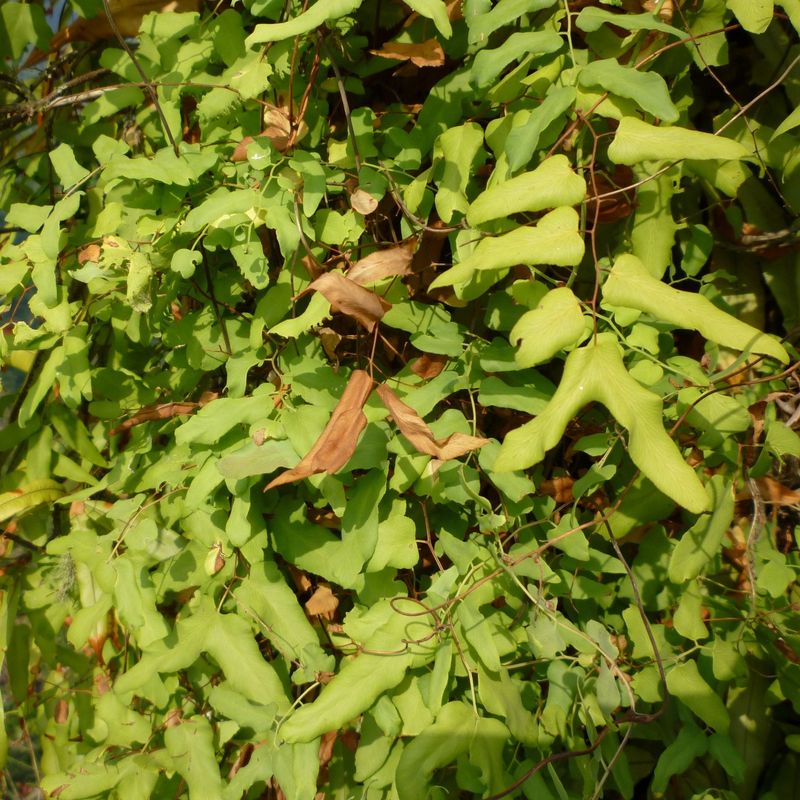
A single plant can release a very large number of spores, which are so tiny that they float like dust and can drift for miles across neighborhoods.
In Florida, spores can be released over much of the year, and steady fall breezes can carry them farther than humid summer air.
Removing vines before the spores mature reduces the number of new plants. Each spore that lands on damp soil can grow into a fresh fern, starting the whole cycle again.
In a surprising twist, a single spore can sometimes fertilize itself and start a brand new colony alone. That trick helps explain how the fern spread so quickly after escaping cultivation.
Look for brown, fuzzy edges on leaflets, because those fringes signal that spores are ready or almost ready. If you see lots of them, move faster and handle the vines gently to avoid shaking spores loose.
Bagging cut stems right away keeps spores contained, rather than letting them scatter across your lawn and beds. Avoid tossing vines into compost piles, because home compost rarely gets hot enough to stop spores.
Acting early in the fall gives you a head start before the breezy weeks of late fall arrive. Think of it as cleaning up before guests track mud through the house, only these guests are microscopic.
Safe Removal Steps For Trunks With Tight Vine Growth
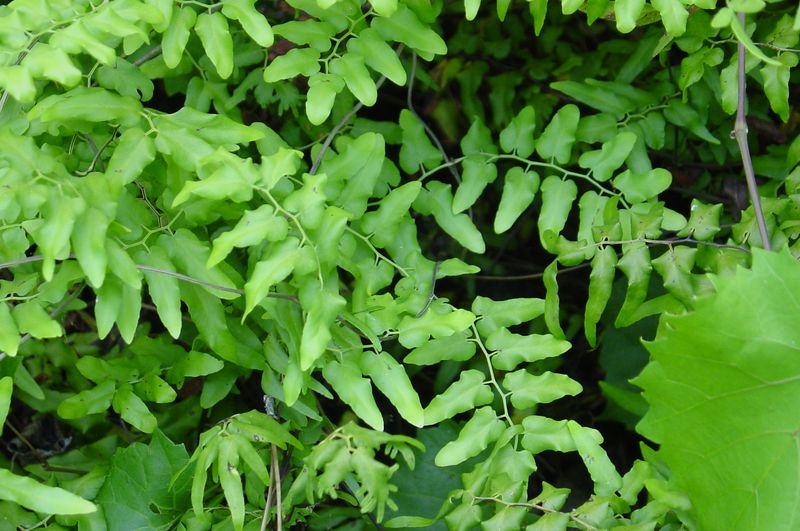
Pulling a vine down from a tall tree feels satisfying, but yanking hard can tear bark and spread spores. A slower, smarter approach protects your tree and keeps the fern from scattering new babies around your yard.
Gear up first with long sleeves, gloves, closed shoes, and safety glasses to guard against scratchy stems. Bring sharp pruning shears, a small hand saw, and several heavy trash bags for collecting every cut piece.
A common approach is to cut the vines around the trunk near waist height. The upper section loses its connection to the roots, so it slowly browns and loosens over several weeks.
Next, carefully peel the lower vines off the bark, working downward and keeping stems from snapping wildly. Dig out the underground rhizomes when possible, since the fern can regrow from those hidden roots below.
For stubborn patches, some homeowners use a herbicide labeled for climbing fern, following every label direction closely. Spraying near ponds or canals needs extra care, so ask your county extension office about water-safe choices.
Seal the trash bags tightly and set them out with household garbage instead of yard waste pickups. Wash your gloves, shoes, and tools afterward so stray spores do not hitchhike to another part of town.
Plan to check the same tree every few weeks, because missed bits of rhizome often send up fresh sprouts. Patience pays off, since regrowth usually shrinks with repeated follow-up.
Local Reporting Options For Florida Property Owners
Ever wonder whether one person reporting a weed really makes a difference across such a big, busy state? Reports help scientists build maps that show where the fern is spreading and where crews should focus.
One popular tool is EDDMapS, a free website and phone app run by the University of Georgia. You simply upload a photo, add the location, and experts review your sighting to confirm the plant.
EDDMapS is simple enough to use that it can become a fun family project on fall weekends. Even a few photos from your own yard can add useful information to the map.
Your county UF/IFAS Extension office is another friendly resource, with staff who answer plant questions every week. Many offices offer free plant identification, and some even host workshops on managing invasive vines at home.
Large infestations on conservation land or near public waterways can be reported to the Florida Fish and Wildlife Conservation Commission. Water management districts also track the fern, especially in South Florida where it covers huge wild areas.
Homeowner associations can join in too, sharing photos in newsletters so neighbors learn what to watch for. When a whole street works together, the fern has far fewer places to hide and quietly regroup.
Keep a simple notebook or phone album of each tree you check, including dates and what you found. Those records make future reports easier and help you notice regrowth long before it climbs out of reach.