Skip Thirsty Annuals In North Carolina Patio Beds And Plant These Heat-Tough Natives Instead
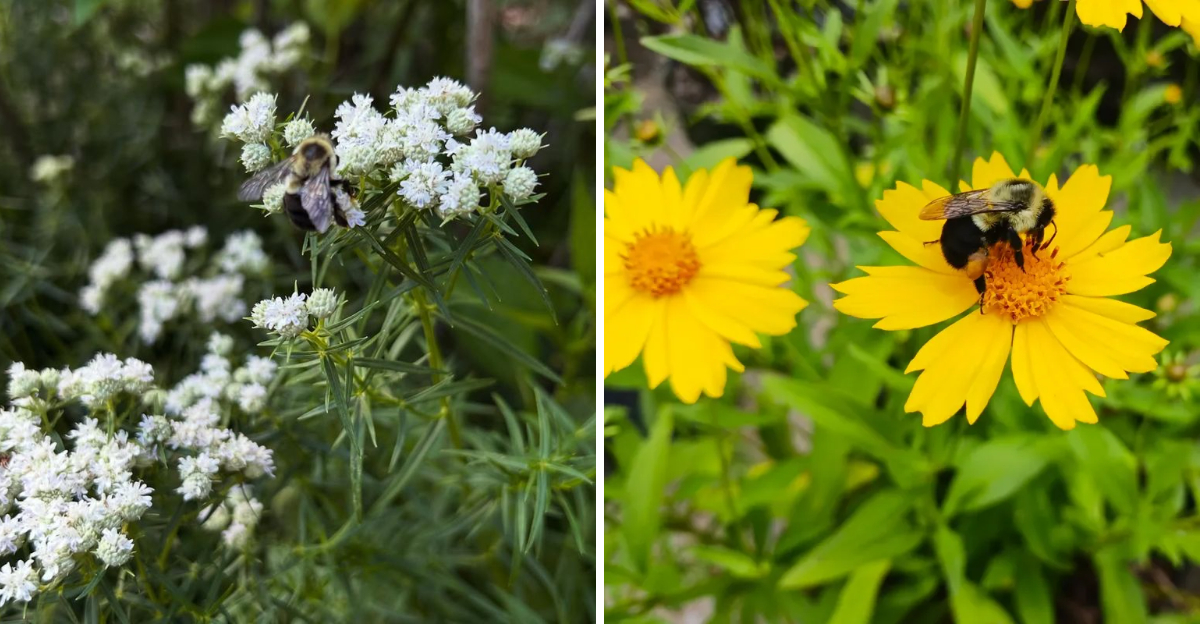
Patio beds in North Carolina July become a daily watering obligation when they are planted with thirsty annuals that were never built for Southern summer conditions.
Plants that looked vibrant in May quickly show their limitations once real summer heat arrives. They wilt dramatically and demand more watering effort than any patio planting should require during the hottest months.
Native plants built for North Carolina’s heat and humidity change that dynamic completely.
They look better as summer intensifies rather than worse, require a fraction of the water, and bring something to the patio that imported annuals never contribute to the surrounding garden ecosystem.
1. Butterfly Weed
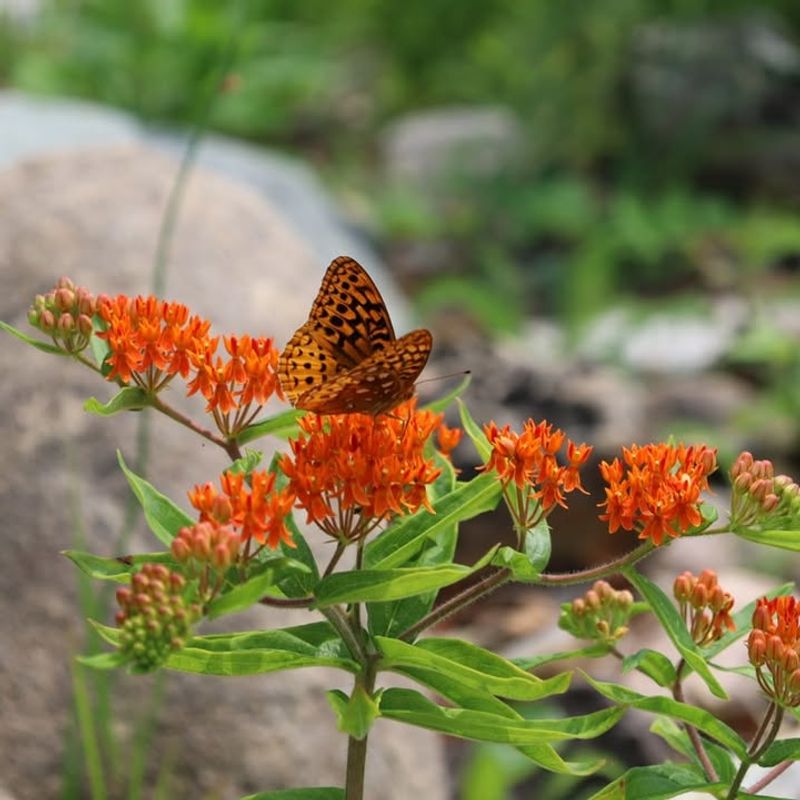
Few native plants make as bold a statement as Butterfly Weed, with its clusters of electric orange flowers blazing through the hottest weeks of summer.
This tough perennial belongs to the milkweed family, which means it does double duty in the garden by feeding monarch caterpillars and drawing in a crowd of adult butterflies looking for nectar.
Planting it near your patio seating area turns every morning coffee into a mini nature show. Butterfly Weed thrives in full sun and actually prefers soil that drains fast.
Rich, moist garden soil can cause root rot, so if your patio beds tend to hold water, work in some coarse sand or gravel before planting.
Once it settles in after the first season, it handles dry spells remarkably well without any extra help from the hose.
One thing to keep in mind is that Butterfly Weed grows a deep taproot over time, which is exactly what makes it so drought-tolerant.
That same root makes it tricky to move once established, so choose your spot carefully from the start.
Plan ahead, plant it where you want it to stay, and it will reward you with reliable orange color every summer for years.
It tends to emerge later in spring than most perennials, so mark its location and avoid accidentally digging it up while waiting for it to show.
Patience in the early weeks pays off enormously once those first bright blooms open up and the monarchs start arriving.
2. Purple Coneflower
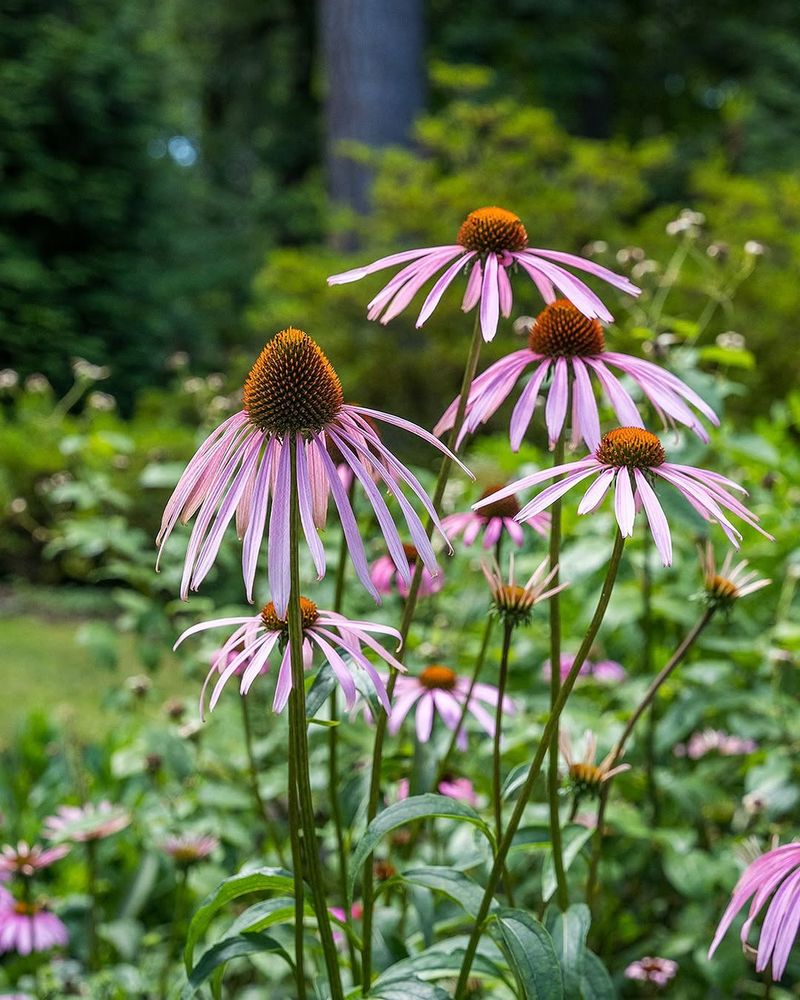
Purple Coneflower might just be the most reliable native perennial you can put in a North Carolina patio bed.
It handles the heavy heat and sticky humidity that flattens so many other plants without skipping a single bloom.
From early summer well into fall, those cheerful daisy-like flowers with raised coppery centers keep the color coming long after spring annuals have burned out and given up.
One of the best things about growing Purple Coneflower near outdoor seating is how much life it attracts.
Bumblebees work the flowers all day, goldfinches cling to the seedheads in late summer, and butterflies drift in from every direction.
You get a living, moving garden scene rather than a static display of color, which makes sitting outside far more entertaining.
Planting in a sunny to partly sunny spot with good drainage is the key to keeping this native happy.
It tolerates some shade, but flowering is much stronger with at least six hours of direct sun each day.
Your North Carolina Garden Changes Every Week. Your Plan Should Too.
Gardening in North Carolina changes quickly throughout the season. Every Friday you’ll receive a simple weekly plan showing exactly what to plant, prune, fertilize, harvest, and protect so you never miss the right timing.
Drought tolerance builds up steadily after the first growing season, so water regularly during the first summer to help the root system get established.
After that, rainfall alone handles most of what it needs through a typical North Carolina summer.
Avoid planting in low spots where water collects after rain, since soggy soil is the one condition Purple Coneflower genuinely struggles with.
Divide clumps every few years to keep plants vigorous, and leave some seedheads standing through winter to feed birds and allow natural self-seeding for a fuller bed next year.
3. Black Eyed Susan
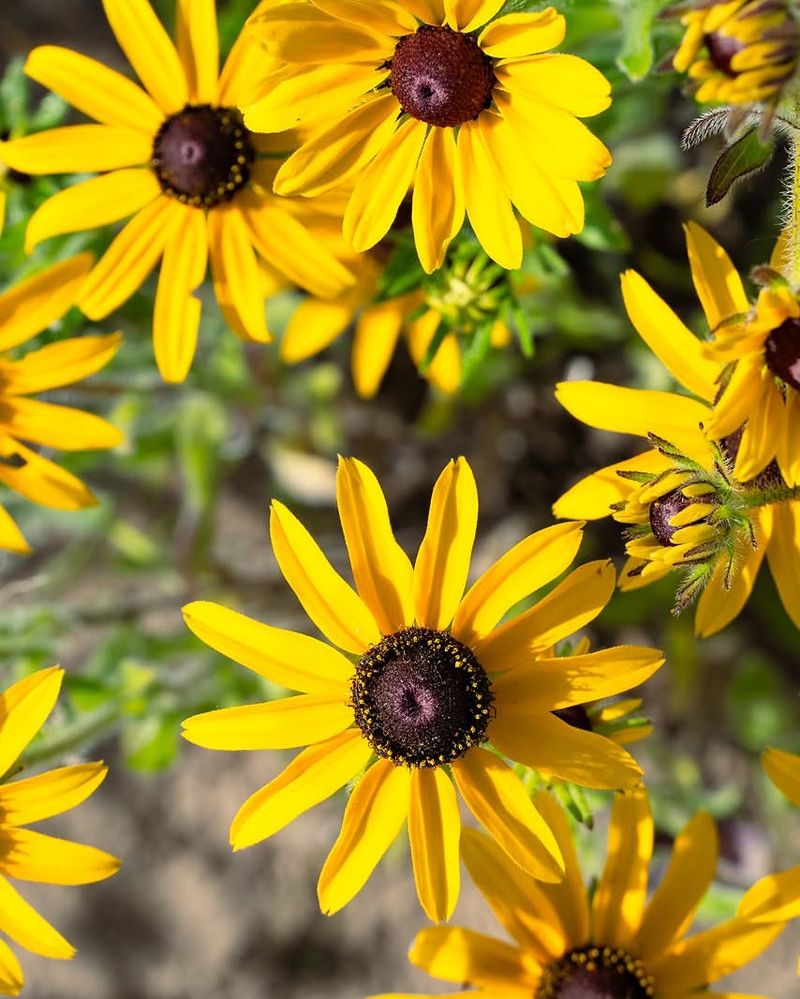
There is something almost cheerful and unstoppable about Black Eyed Susan.
Those bold yellow petals surrounding a dark chocolate-brown center have a sunny, no-fuss energy that fits perfectly in patio beds where you want color without constant maintenance.
While imported annuals need babying through North Carolina’s brutal July and August heat, Black Eyed Susan treats those same conditions like a normal Tuesday.
This native wildflower works beautifully in full sun but also performs surprisingly well in partial shade, which gives you more flexibility when positioning plants around a covered patio or near a fence line.
Once established after its first season, it builds strong drought tolerance and pulls through dry stretches that would leave petunias or impatiens completely wilted.
The flowers keep coming from midsummer all the way through early fall, giving you a long stretch of reliable color.
Black Eyed Susan also skips the need for constant replanting that drains your time and budget with annual beds.
It returns year after year, often spreading gently by self-seeding to fill in gaps and create a more natural, lush look over time.
That relaxed spreading habit is actually an asset in patio beds where you want a full, cottage-style display without buying new transplants every spring.
Pair it with Purple Coneflower or Butterfly Weed for a native combination that looks intentional and polished rather than accidental.
Good drainage and a sunny location are really the only firm requirements, and once those two boxes are checked, Black Eyed Susan handles the rest with very little input from you.
4. Downy Tickseed
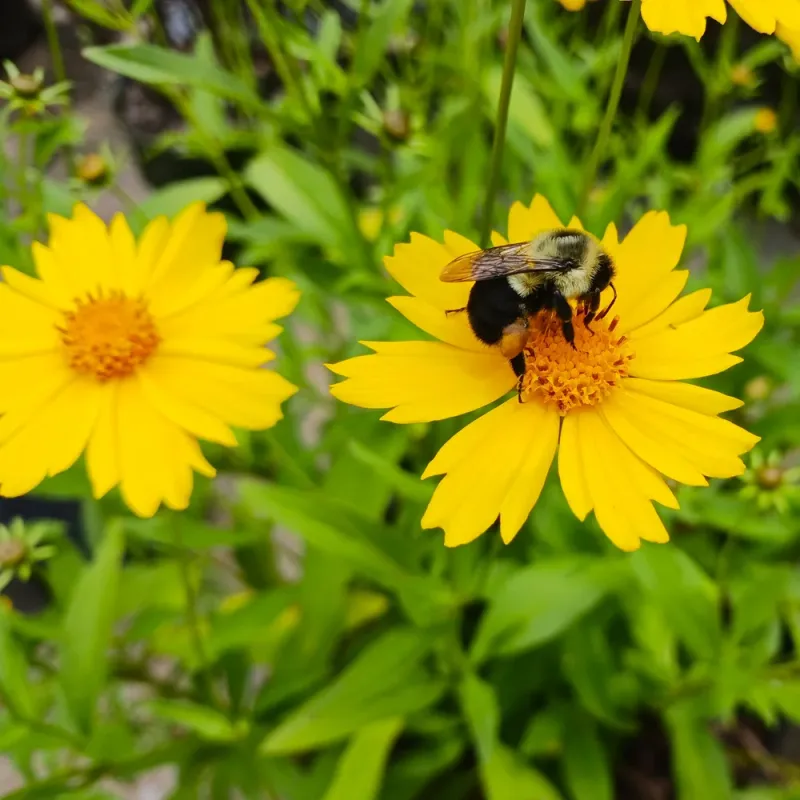
Downy Tickseed is the kind of plant that makes you wonder why anyone bothers with high-maintenance annuals in the first place.
This native wildflower is built for the exact conditions that stress most patio garden plants, thriving in heat, humidity, rocky soil, sandy soil, and long stretches without rain.
It is not just tolerant of tough conditions; it actually seems to prefer them, which makes it one of the most effortless choices for a sunny North Carolina patio bed.
The flowers are a warm, clear yellow with slightly fringed petals that give them a soft, almost delicate look despite how tough the plant itself is.
Bloom time stretches through much of the summer, providing consistent color during the weeks when the garden typically looks its most stressed and tired.
Because it stays relatively compact, Downy Tickseed works well in smaller patio beds or along the front edge of a border where you want low, cheerful color that does not block anything behind it.
Good drainage is the one non-negotiable requirement. Downy Tickseed roots do not appreciate sitting in wet soil, so avoid planting in areas that collect standing water after a heavy rain.
Sandy or gravelly soil is ideal, and you can improve drainage in heavier clay beds by mixing in coarse material before planting.
Full sun brings out the best flowering performance, though it tolerates a bit of afternoon shade without much complaint.
Once it settles in after the first season, the watering demands drop significantly, freeing you up to actually enjoy your patio instead of constantly tending it.
5. Spotted Beebalm
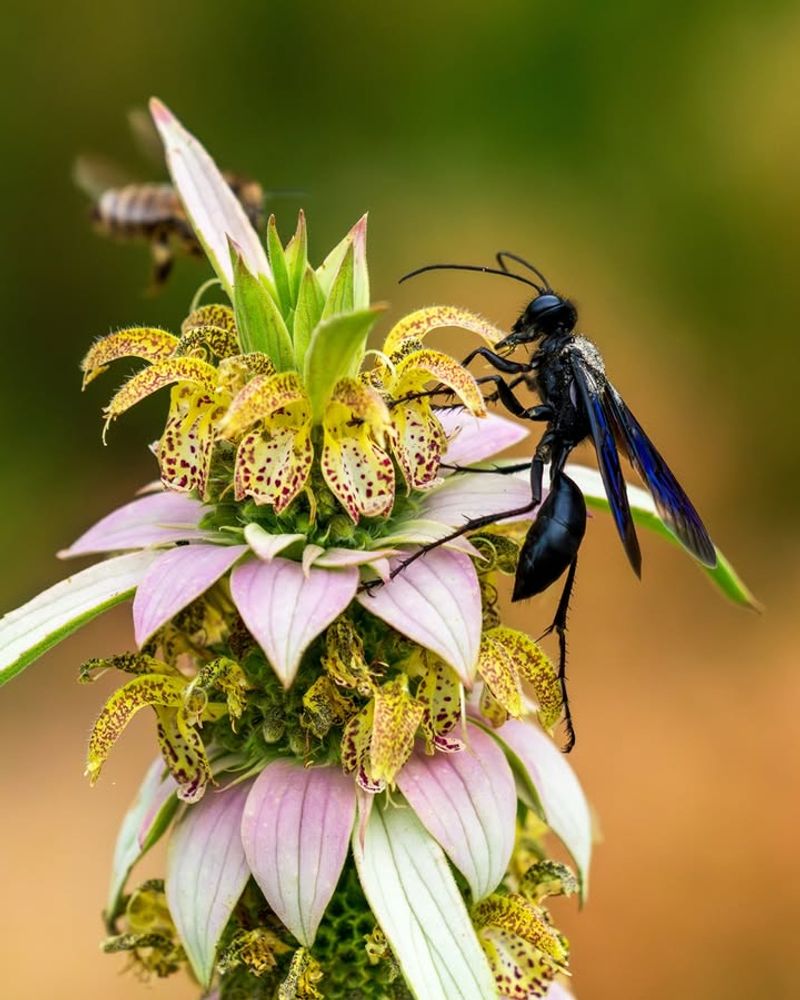
Spotted Beebalm brings a wildly different texture and energy to patio beds compared to most summer bloomers.
The flowers are unusual and intricate, with tubular blooms arranged in whorls along the stem that attract an impressive parade of visitors including bees, butterflies, hummingbirds, and native wasps.
If you love watching pollinators work a garden up close from a patio chair, this plant delivers that experience better than almost anything else you can grow.
It handles full sun to part shade, which opens up planting options in spots that get some afternoon shadow from a fence, pergola, or nearby tree.
Occasional dry spells are not a problem once the plant is established, though it does appreciate some moisture during the hottest stretches of summer.
Bloom time runs from summer well into fall, giving your patio beds color and pollinator activity during a long stretch of the season when many other plants start winding down.
Airflow is worth thinking about when placing Spotted Beebalm in the garden.
Like other plants in the mint family, it can develop powdery mildew on the leaves when crowded into a tight, humid spot with poor air circulation.
Spacing plants generously and avoiding dense planting right against walls or fences helps keep the foliage looking clean and healthy all season. The good news is that leaf spots rarely affect the plant’s overall performance or flowering.
A little planning at planting time goes a long way toward keeping Spotted Beebalm looking its best from the first bloom of summer straight through the final warm weeks of fall.
6. Narrowleaf Mountain Mint
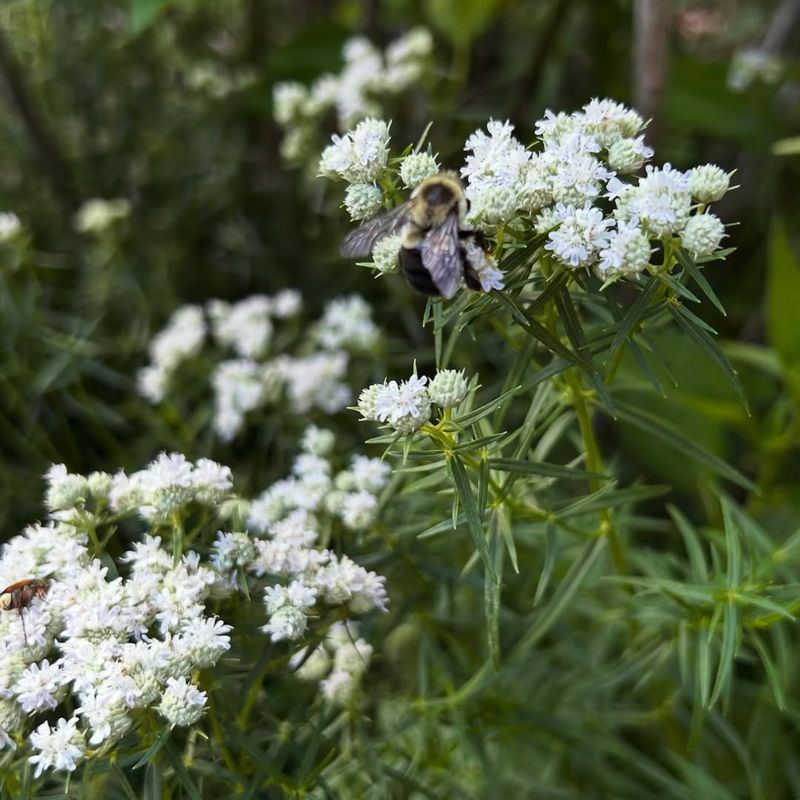
Walk past a patch of Narrowleaf Mountain Mint on a warm afternoon and you will immediately understand why pollinators go absolutely wild for it.
The tiny pale flowers might not look like much from a distance, but up close they are covered in bees, wasps, beetles, and butterflies working every inch of the plant.
Few natives attract such a diverse mix of beneficial insects, which makes this plant a powerhouse for anyone who wants a truly alive and buzzing patio garden.
It grows well in full sun to partial sun and handles a range of soil types without much fuss, from average garden soil to somewhat sandy or rocky ground.
Once established, it tolerates dry periods comfortably and keeps putting out fresh flower clusters through much of the summer.
The silvery-green foliage has a pleasant minty fragrance when brushed against, which adds a subtle sensory bonus to any seating area nearby.
One honest heads-up worth sharing is that Narrowleaf Mountain Mint spreads by underground runners over time.
That spreading habit is not a problem in every situation, but in a small, tightly designed patio bed it can become more aggressive than expected after a few seasons.
Planting it where hardscape like pavers, a wall, or a raised bed edge can contain the spread keeps things manageable.
Alternatively, use it intentionally in a larger bed where you want it to fill in and form a dense, pollinator-friendly mass.
Regular edging once or twice a season keeps the spread in check without much effort and lets you enjoy all the benefits without any surprises.
7. Grass Leaved Blazing Star
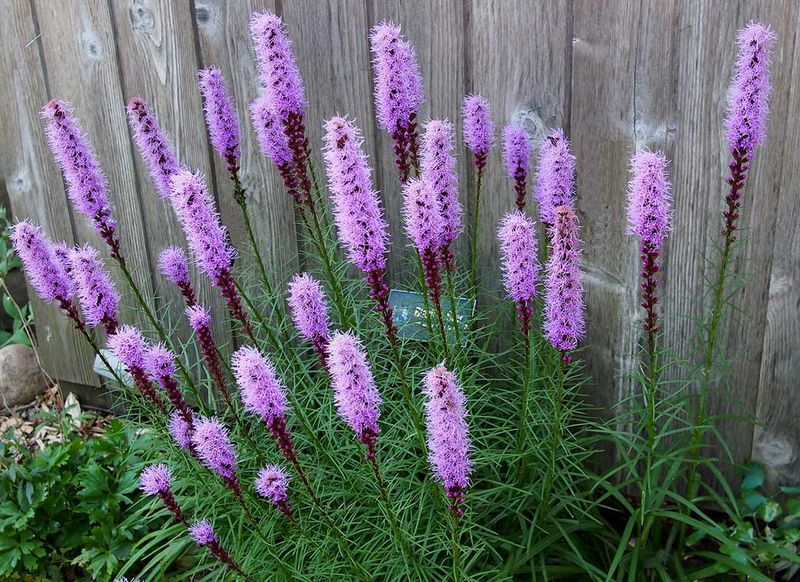
Most patio beds stay low and flat, which is exactly why Grass Leaved Blazing Star is such a smart addition.
Those tall, slender purple flower spikes shoot upward in late summer and create vertical drama that flat-growing annuals simply cannot offer.
The effect is striking, especially when the spikes catch a breeze and sway gently over lower plants. It adds a layer of dimension to the bed that makes the whole planting look more thoughtful and dynamic.
This native thrives in sandy to rocky, well-drained soil and wants as much sun as you can give it.
It is genuinely built for dry, lean conditions, which is why it performs so well in North Carolina patio beds where reflected heat from pavers and walls can push temperatures even higher than surrounding areas.
Rather than struggling under those conditions the way many annuals do, Grass Leaved Blazing Star seems to respond by flowering more freely and standing up straighter.
Drought tolerance is one of its strongest traits once the plant settles in after the first growing season.
During that first year, some supplemental watering during dry stretches helps the root system develop properly, but after that the plant largely takes care of itself through typical summer dry spells.
Avoid heavy clay or poorly draining soil, since wet roots are the fastest way to set this plant back.
Pair it with lower-growing natives like Downy Tickseed or Black Eyed Susan to create a layered planting that has both height and ground-level color, giving the whole bed a polished, intentional look from late spring through early fall.
8. Pink Muhly Grass
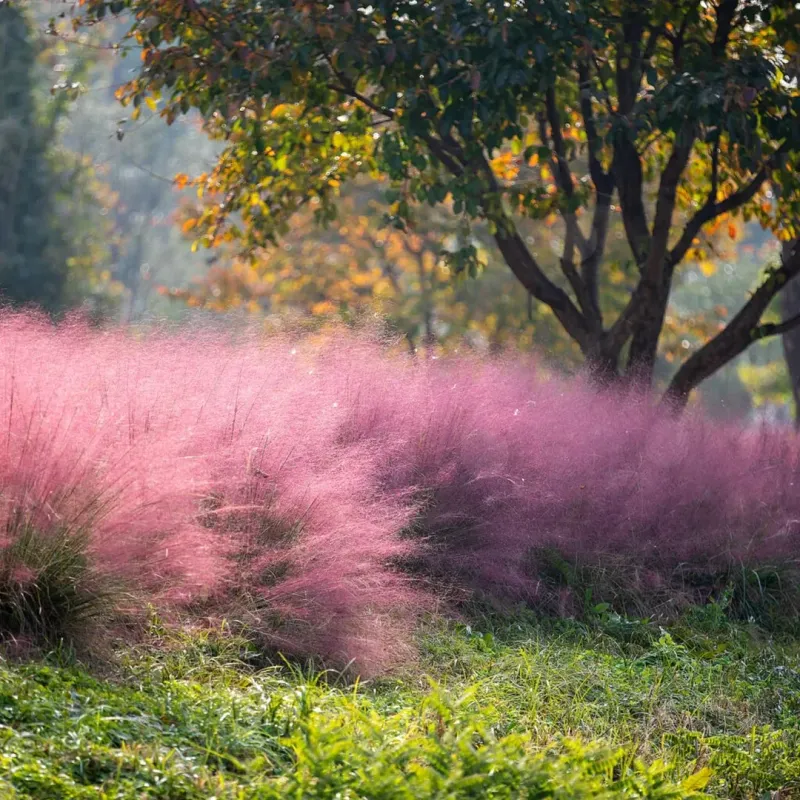
By the time October rolls around in North Carolina, most annual patio plantings look exhausted and ragged. Pink Muhly Grass, on the other hand, is just hitting its peak.
The plant spends the whole growing season as tidy, fine-textured green mounds that blend quietly into the bed, and then in fall it erupts into a cloud of soft, rosy-pink plumes that catch the light in a way that genuinely stops people in their tracks.
It is one of the most dramatic seasonal transformations in any native garden. Beyond the fall show, Pink Muhly Grass is remarkably easy to grow.
It tolerates heat, humidity, drought, poor soil, and even some salt, which makes it a strong performer in patio environments where conditions can be harsh.
Full sun and well-drained soil bring out the best plume display, so choose a spot that gets at least six hours of direct sun daily and drains freely after rain.
Avoid low-lying areas where water lingers, since consistently wet soil weakens the plant over time. Maintenance is refreshingly minimal.
Cut the clumps back close to the ground in late winter before new growth begins, and the plant bounces back vigorously each spring without any fertilizing or fussing.
It does not spread aggressively, so it stays where you put it and behaves well in a formal or semi-formal patio bed design.
Pair it with Butterfly Weed or Blazing Star for a native combination that covers the whole season from summer orange and purple right through to fall pink. The contrast in texture alone makes the planting look intentional and eye-catching.