Don’t Bring Your Ohio Mandevilla Inside Until You Do These Things
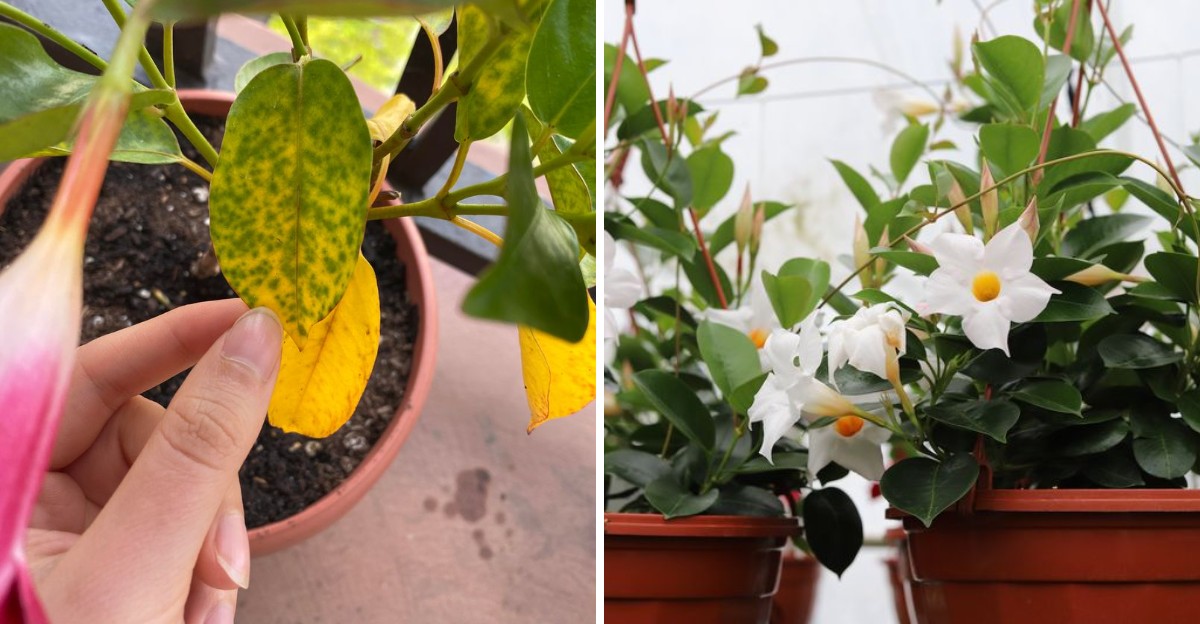
Ohio mandevilla growers know the calendar changes fast. Your vine can look perfectly happy on the porch one week, then need protection from the first cold nights the next.
Bring it inside too quickly, and you’ll hand your whole houseplant collection a nasty surprise.
That vine looks innocent on your porch, yet it doubles as a taxi for aphids, spider mites, and other freeloaders ready to jump ship onto every plant in your living room.
Before it crosses the threshold, give it a thorough hose-down and check every leaf, top and bottom, for hitchhikers.
Cut back the wild growth so it fits its new spot without a fight, and swap out the soil if it looks tired or compacted.
Skip the shower shock too. Ease it into lower light over a week rather than a sudden move from full sun to a dim corner.
Rush this process and you’ll watch leaves drop like confetti within days.
Handle it right, and this vine rewards you with color again come spring. Handle it wrong, and you’re starting from scratch.
1. Inspect Leaves And Stems For Hidden Pests
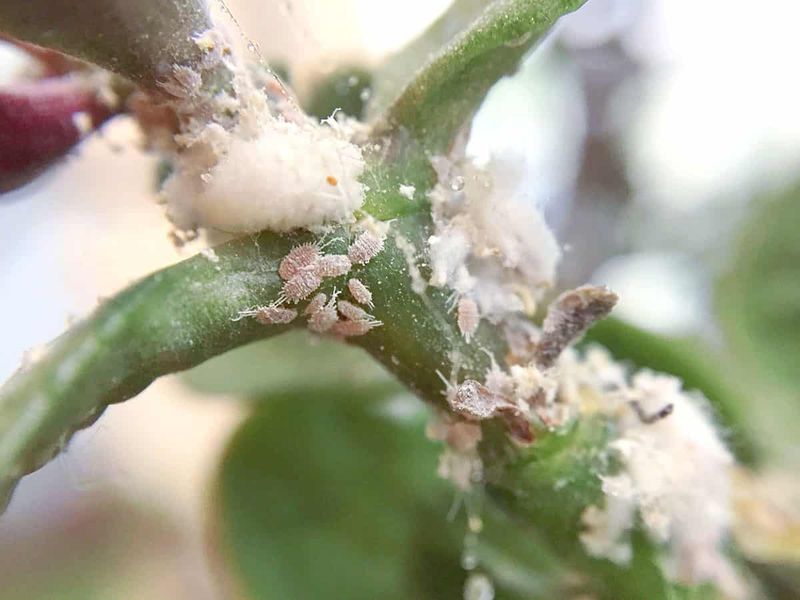
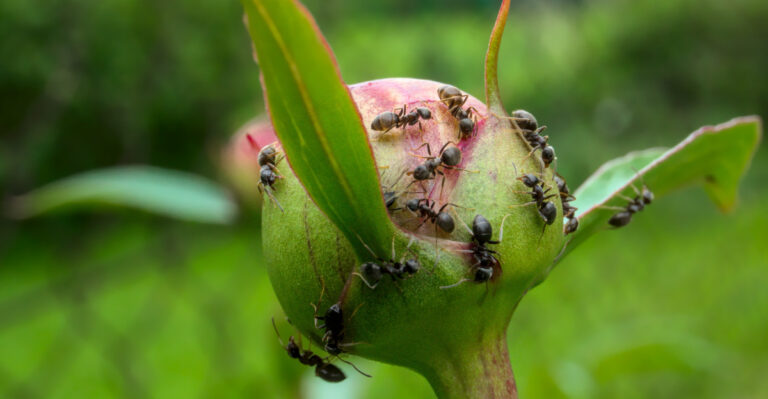
Tiny hitchhikers are the number one reason an indoor move goes sideways. Aphids, spider mites, and mealybugs love the warm, dry air inside your house.
Start by flipping leaves over and peeking into the leaf axils, those little pockets where a leaf meets the stem. Look for sticky spots, fine webbing, cottony white fluff, or clusters of soft green specks.
Once you spot trouble, a forceful spray of water from the hose knocks most of it loose. Rinse the tops and undersides of the foliage, then work along the stems where insects like to hide.
For stubborn populations, insecticidal soap or neem oil works well. Coat the plant evenly, wait about a week, and repeat so you catch any newly hatched eggs.
Plenty of experienced gardeners treat their mandevilla even when it looks spotless. Think of it as cheap insurance, because a small problem outdoors can multiply fast in a heated room with no predators around.
Give the plant a few days outside after treatment so it can dry and settle. A quick second inspection right before you carry it through the door is smart.
Isolating the vine in a spare room for two weeks adds one more layer of protection for your other houseplants.
2. Prune Long Vines Before The Indoor Move
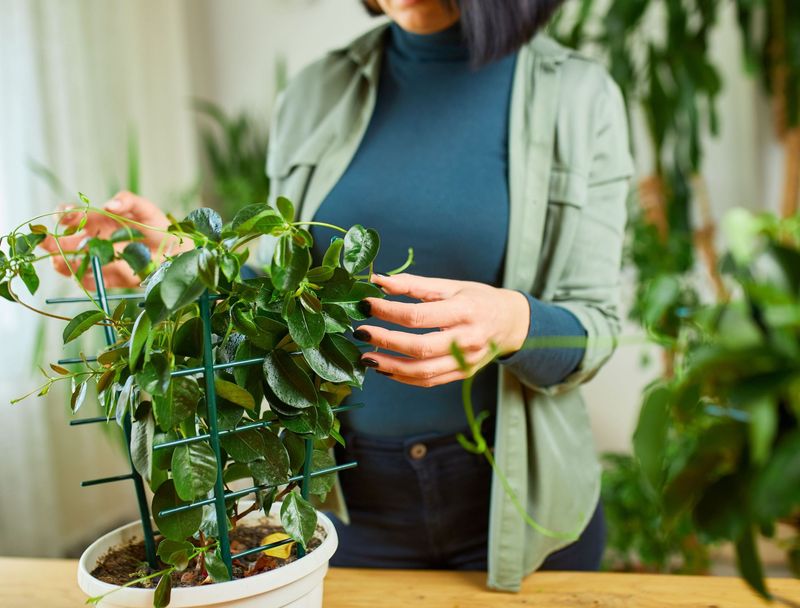
Ten feet of rambling vine looks glorious on a trellis and ridiculous in a living room. Trimming solves that problem before it starts.
Grab clean, sharp pruning shears and cut the vines back by up to half their length. Shorter stems mean fewer leaves for the plant to support while light levels drop, which cuts down on the mess you sweep up later.
If you plan to let your mandevilla rest fully, go bolder. Cutting the plant down to roughly 10 to 12 inches above the soil line puts it into a tidy, low-maintenance package that needs very little from you.
Your Ohio Garden Changes Every Week. Your Plan Should Too.
Gardening in Ohio changes quickly throughout the season. Every Friday you’ll receive a simple weekly plan showing exactly what to plant, prune, fertilize, harvest, and protect so you never miss the right timing.
Timing matters more than most people expect. For Ohio growers, late September or early October works nicely, and a dry morning is ideal so the cut surfaces can seal up before evening humidity settles in.
Wear gloves while you work. Mandevilla sap is milky and can irritate skin, so keep it off your hands and away from your face.
Pruning reduces the amount of foliage the plant has to support after the move and makes it easier to manage indoors. That fresh set of leaves adapts faster and holds on longer.
Save a few healthy cuttings if you feel adventurous, since they sometimes root in moist mix.
3. Clean The Pot And Remove Debris
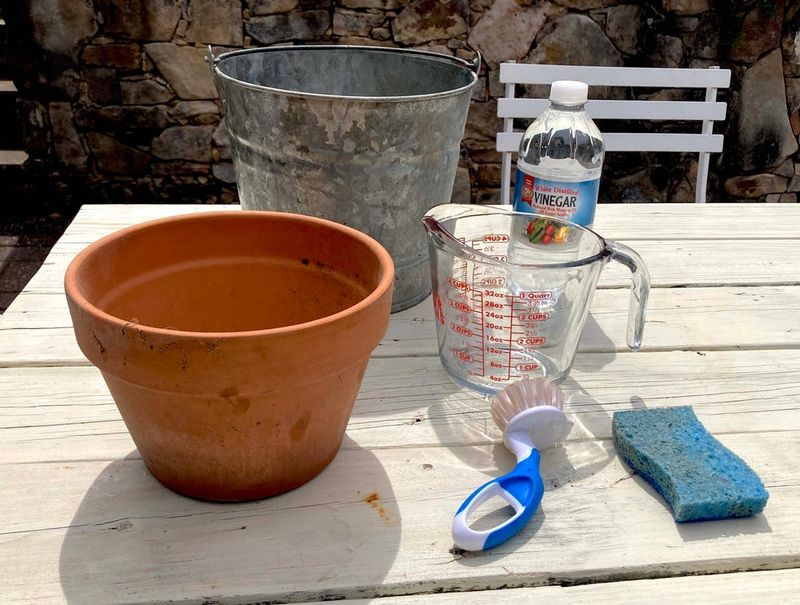
Here is the part almost everyone skips. The container itself can carry more surprises than the foliage does.
Fallen leaves, old blooms, and bits of mulch sitting on the soil surface make cozy shelters for slugs, pill bugs, earwigs, and fungus gnat larvae. Scoop all of that off and toss it in the compost pile, far from the house.
Next, scrub the outside of the pot and the saucer with soapy water. Mineral crust, algae, and spider egg sacs tuck into those rough surfaces, and a stiff brush handles them in a couple of minutes.
A thorough watering can help remove loose debris and reveal drainage problems, but avoid keeping the winter potting mix constantly wet. Let the water run through the drainage holes several times until it comes out clear.
A thorough wash of the whole plant, soil included, encourages unwanted guests to pack up and leave on their own. Do it outdoors so nothing relocates to your carpet.
Check the drainage holes too. Roots or compacted soil can block them, and soggy mix during winter invites root rot.
Let everything drain and dry for a day before moving inside. A clean start makes indoor care far simpler.
4. Choose The Brightest Indoor Location
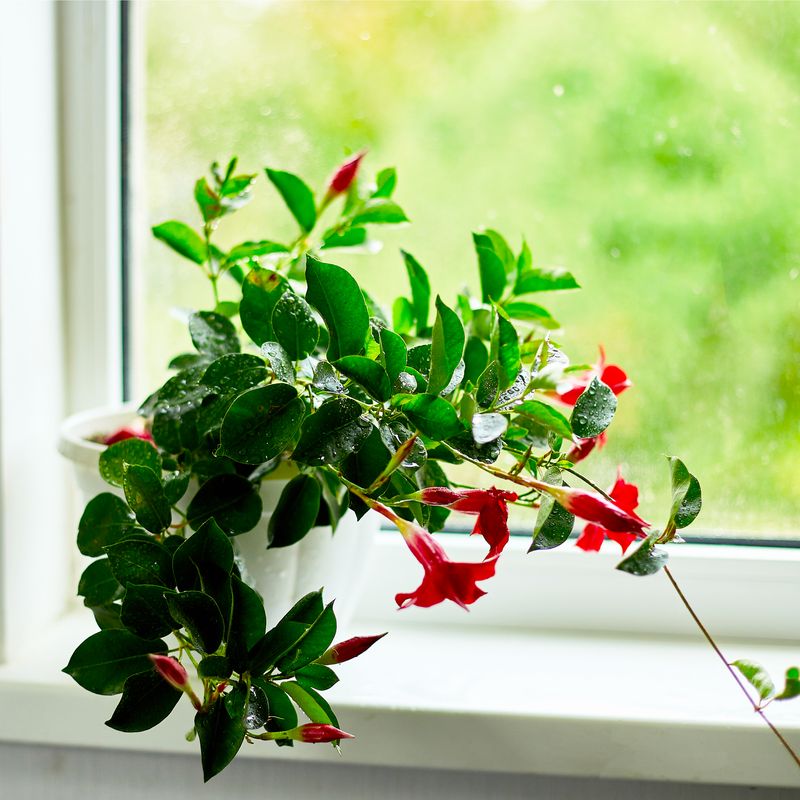
Ohio winters make light the biggest challenge for overwintered mandevillas. Sunshine is the currency these vines spend all summer, and indoors that budget shrinks dramatically, so placement becomes your biggest decision.
A south-facing window or a sliding patio door usually delivers the goods. Bright, indirect light for most of the day keeps the vine active and may even coax out a bloom or two in midwinter.
Measure with your eyes before you commit. Stand where the pot will go at noon and notice whether the spot feels genuinely bright or just sort of lit.
When your home leans dim, a simple shop light or a full-spectrum plant light bridges the gap. Hang it 12 to 18 inches above the foliage and run it about 12 hours a day on a cheap outlet timer.
Temperature deserves attention as well. Somewhere between 60 and 75 degrees Fahrenheit, roughly 15 to 24 Celsius, suits the plant nicely and matches what most households already keep.
Rotate the pot a quarter turn each week so every side gets its share of the window. Otherwise you end up with a lopsided vine leaning hard toward the glass.
Wipe dust from the leaves now and then with a damp cloth. Cleaner foliage soaks up more of that precious light.
5. Adjust Watering Before Growth Slows
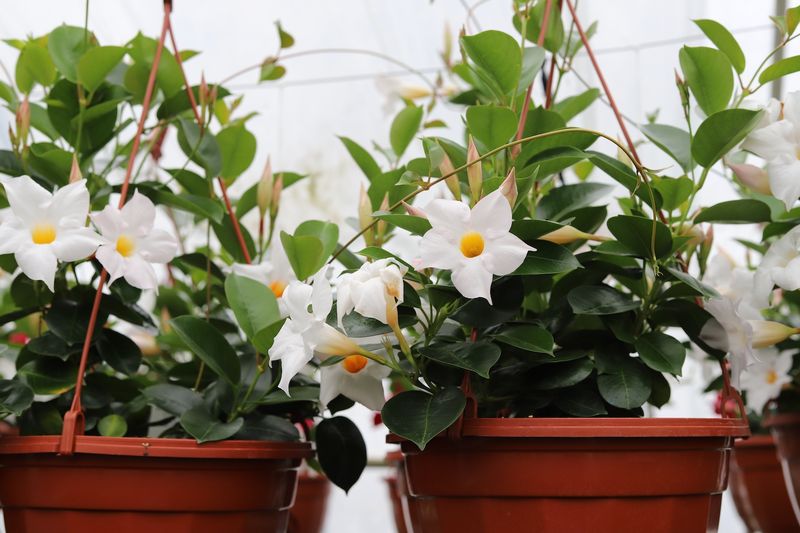
Old summer habits drown more overwintered plants than cold air ever bothers. Your watering can needs a new schedule.
Growth slows way down once days shorten, which means roots drink far less. Check the potting mix regularly and water only when the upper layer has dried, adjusting for light, temperature, and pot size.
For a mandevilla kept green and leafy as a houseplant, that often works out to roughly every 10 to 14 days. Your exact rhythm depends on pot size, room humidity, and how close the plant sits to a heat source.
Plants you have cut back for a full rest need even less. A small drink every few weeks, just enough that the soil never turns bone dry, keeps the roots alive without encouraging weak growth.
Always empty the saucer after watering. Roots sitting in standing water soften and rot, and that damage is hard to reverse.
Lukewarm water is gentler than ice-cold tap water on tropical roots. Let it sit out for an hour if your faucet runs frigid.
Yellowing lower leaves paired with soggy soil is your cue to back off. Crispy edges and limp stems usually mean the opposite, so read the plant rather than the calendar.
6. Expect Some Leaf Drop After Relocation
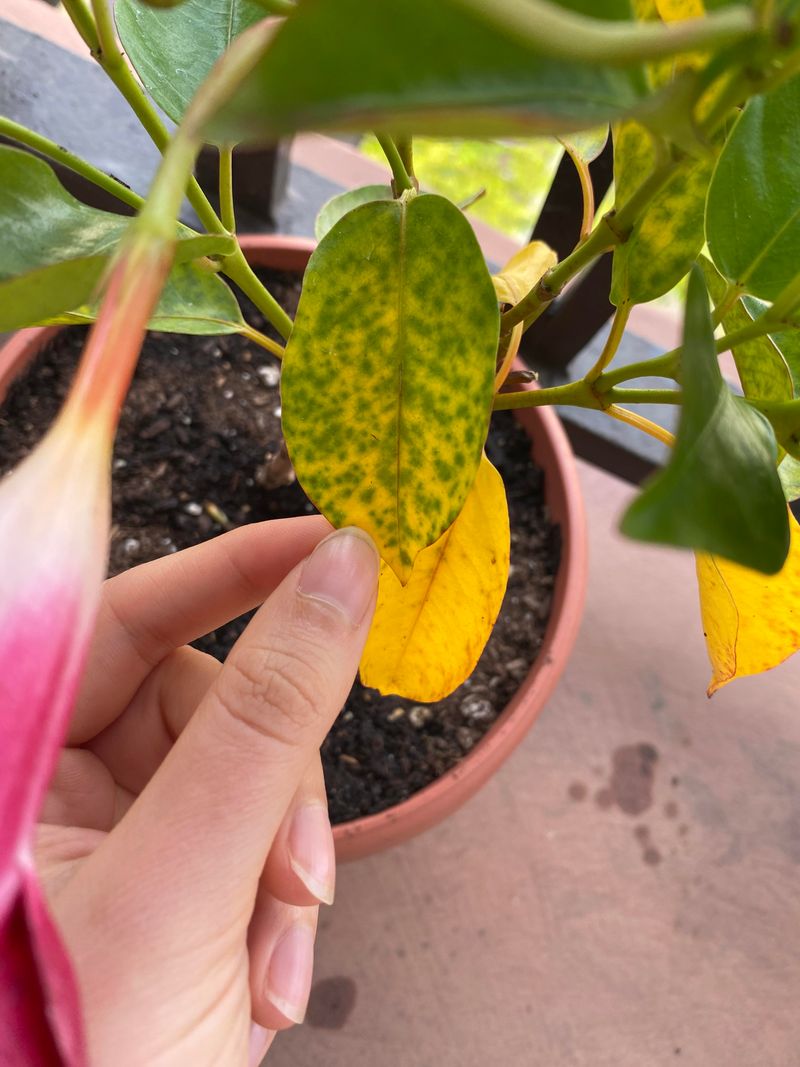
About a week after the move, leaves start letting go. Do not panic and start pouring on water or fertilizer.
Shedding foliage is how the plant balances its books. Outdoor leaves were built for blazing sun, and they simply cannot pay for themselves in a window, so the vine drops them.
Changes in humidity play a role too. Heated Ohio homes are much drier than a September patio, and the plant needs time to grow leaves suited to those indoor conditions.
Most gardeners see this settle down within three to four weeks. Sweep up what falls, since decaying leaves on the soil surface attract fungus gnats.
Patience pays off here. Look closely at the stem tips and leaf joints, and you will often spot small green buds already preparing the next round of growth.
You can ease the transition by grouping the pot with other plants or setting it on a tray of pebbles and water. That little pocket of extra moisture helps.
Resist the urge to repot or prune again in response. Adding more stress to an adjusting plant slows recovery instead of speeding it up.
A bare-looking vine in January often surprises people with a burst of shoots by March.
7. Keep Mandevilla Away From Drafty Spots
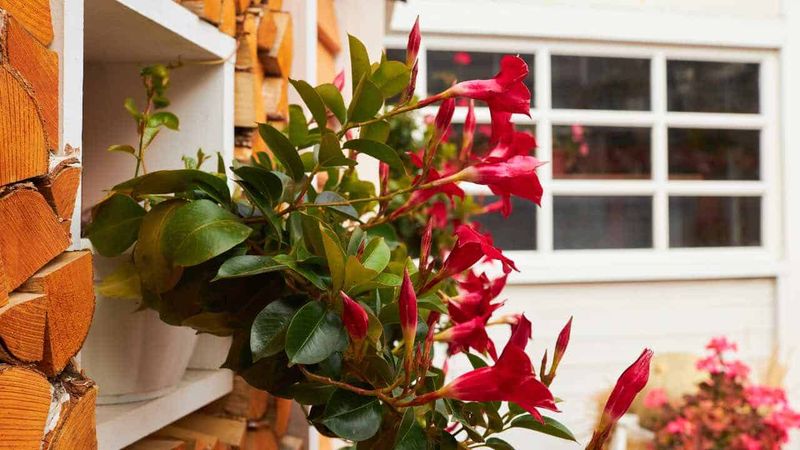
Picture standing in front of an open freezer, then turning around to face a blasting furnace vent. That is life for a plant parked in the wrong spot.
Both hot and cold air currents cause trouble. A radiator, a floor register, or a forced-air vent dries foliage quickly and pushes temperatures up and down all day long.
Cold drafts are just as rough. Poorly sealed windows, exterior doors that swing open in winter, and unheated entryways expose tender leaves to sudden chills.
The visible result is usually yellowing or browning leaves that make a healthy plant look shabby. Sometimes whole sections of stem lose their color and firmness.
Walk your home with a lit candle or a strip of tissue on a windy day to find the air movement you cannot feel. Wherever the flame flickers, choose a different shelf.
Leaving a few inches between the foliage and cold window glass helps a lot. Tucking a curtain between the plant and the pane on freezing nights adds cheap insulation.
Aim for steady conditions rather than perfect ones. Mandevillas handle a moderate room far better than a spot with constant swings, and consistency keeps the leaves looking fresh.
8. Skip Heavy Feeding During Winter Rest
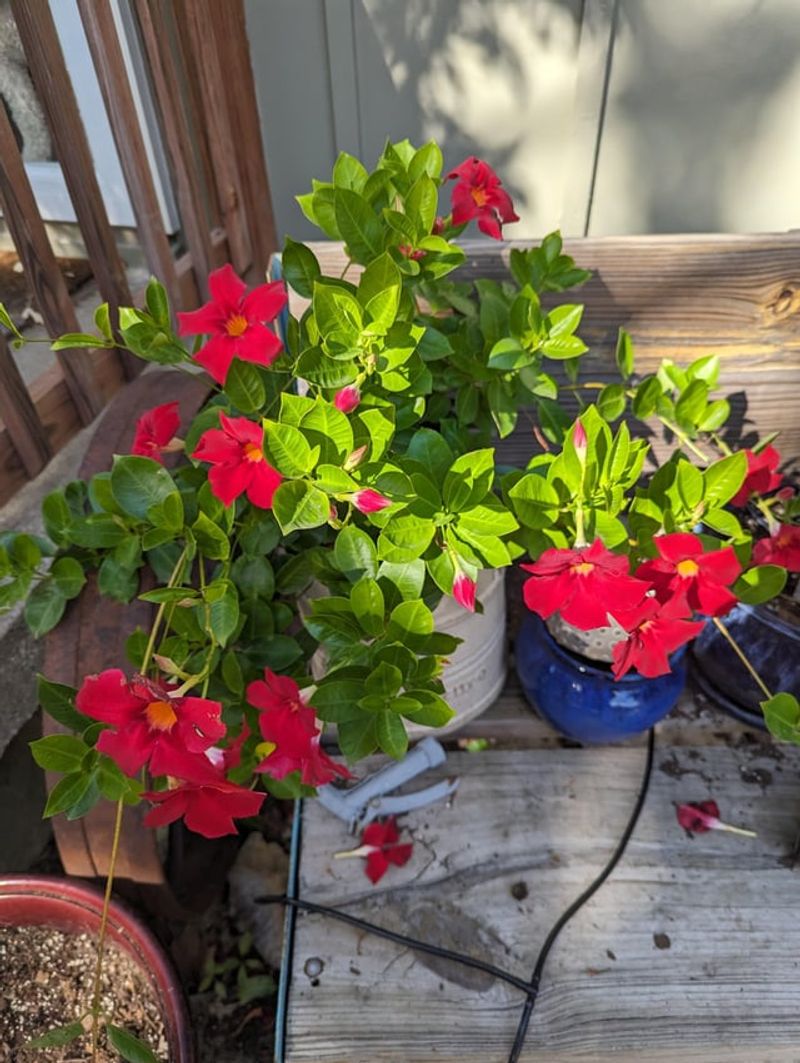
Put the fertilizer bottle in the cabinet and shut the door. Your mandevilla is on break, and it did not ask for a snack.
Feeding a resting plant pushes out pale, floppy new growth that has nowhere near enough light to support itself. Those weak shoots also attract pests and suffer in cool indoor air.
Hold off through Ohio’s darker fall and winter months. Roots are barely active, so unused fertilizer salts build up in the mix and can burn the fine feeder roots.
If you notice a white crust forming on the soil surface or around the pot rim, that is a sign of leftover minerals. Flushing the pot with plain water a few times clears it out.
Wait until late winter or early spring to start feeding again. Longer days and stronger sunlight are your green light.
When you do resume, begin with a diluted dose at roughly half the label strength. Ramp up gradually as the plant pushes real growth.
Fresh potting mix in spring supplies a modest nutrient boost on its own. Combine that with balanced liquid feed every couple of weeks once temperatures climb, and your vine will have plenty of fuel for the season ahead.
9. Prepare For A Strong Spring Comeback
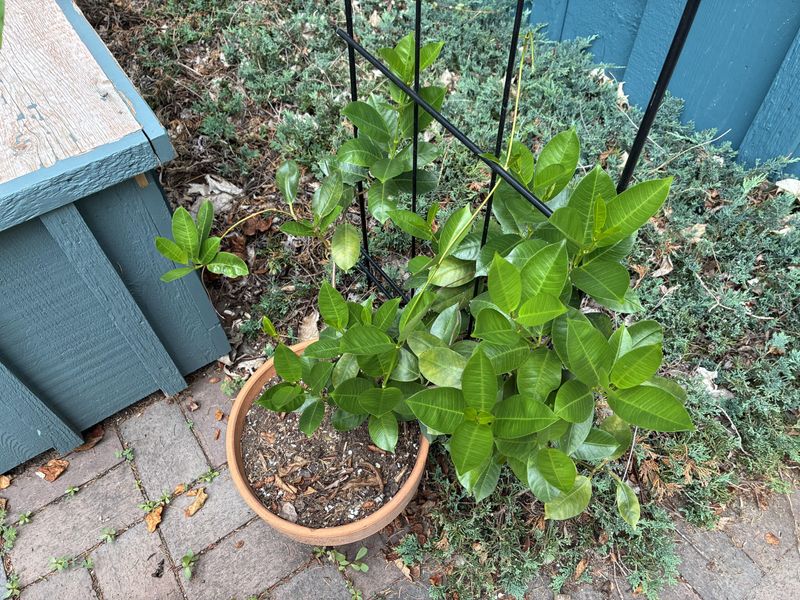
February is when the fun starts again. Days stretch out, light intensifies, and your sleepy vine begins to stir.
Move the pot to the warmest, brightest window you have. That nudge signals the plant that the rest period is wrapping up.
Increase watering slowly rather than all at once. Let the top inch dry between drinks, then shorten the gap as new leaves unfurl and the plant starts drinking faster.
Check whether the roots have filled the container. Circling roots or water running straight through the pot both suggest it is time for fresh mix and a slightly larger home.
A light shaping cut now removes any weak or leggy stems from winter. Mandevillas bloom on new growth, so trimming actually encourages more flowers later.
Start a diluted liquid feed once you see steady growth. Every two weeks is plenty in early spring.
For Ohio gardeners, hold your horses on the big move outside. Wait until nighttime temperatures are consistently warm and the risk of cold stress has passed before leaving the vine outdoors overnight.
Harden it off over a week or two, starting with an hour or two in dappled shade and building up. Skipping that step scorches tender leaves that spent months indoors.