The Native Ohio Berry That Wildlife Goes Crazy For In Summer
Most Ohio gardeners walk right past serviceberry at the nursery without a second look. No flashy tag, no oversized blooms demanding attention, nothing that says pick me.
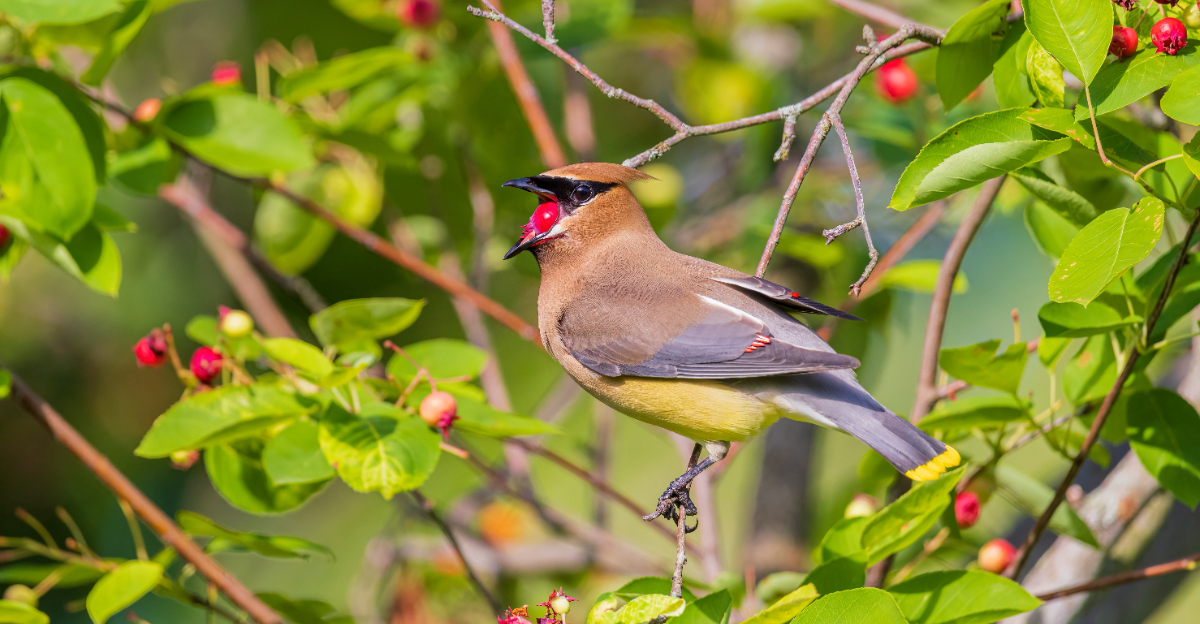
But wildlife has known about this plant for a very long time. The moment those fruits ripen in early summer, birds descend like it’s the best buffet in the neighborhood.
For them, it genuinely is. Serviceberry fruits at exactly the right moment, when natural food sources are still catching up and hungry wildlife needs something dependable.
That timing is everything. Beyond the berries, this native small tree brings real beauty across every season.
Early spring flowers, blazing fall color, and a branching structure that looks stunning even in winter. It earns loyal fans the longer you grow it, and once you plant one, you’ll find yourself watching it closer than almost anything else out there.
1. Meet Serviceberry, The Native Summer Berry Birds Love
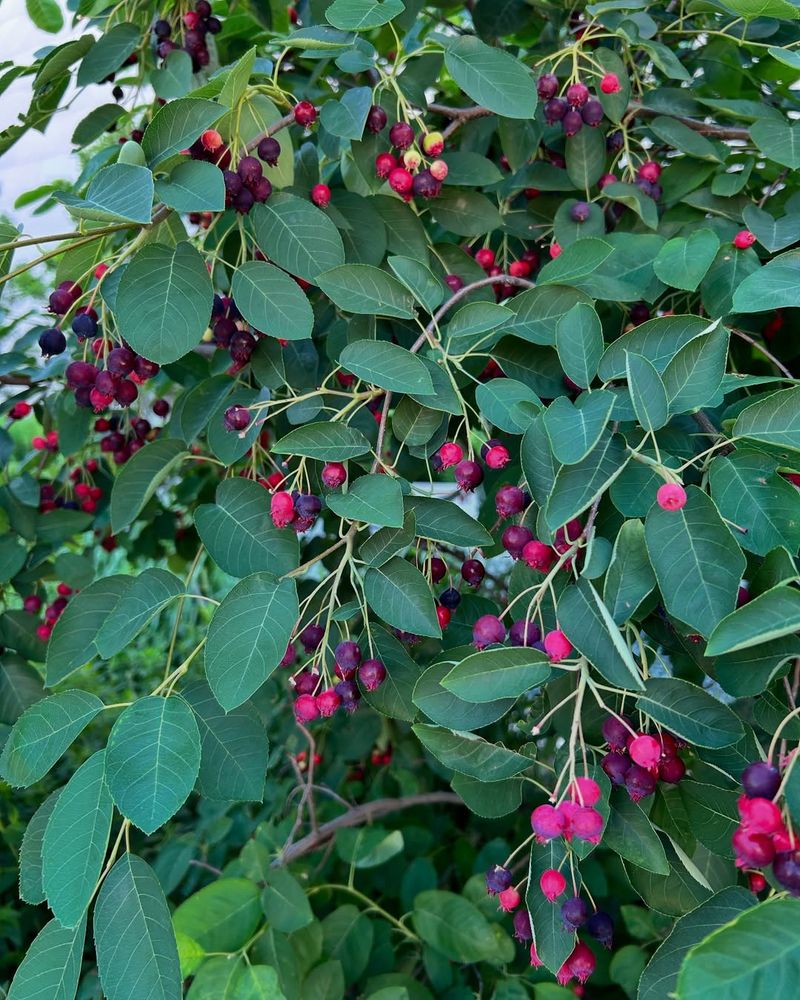
Walk past a serviceberry in early summer and you might catch a flash of wings before you spot the fruit. Serviceberry is a native small tree or large shrub that produces clusters of small, round berries that ripen from red to deep purple.
Birds notice them fast, and wildlife activity around a fruiting serviceberry can be lively and fun to watch.
Downy serviceberry, known botanically as Amelanchier arborea, is native to Ohio and much of the eastern United States. It grows naturally along woodland edges, slopes, and forest borders, which tells you a lot about where it feels most at home.
Several related species and cultivars are also available at native plant nurseries, so you may see a few options when shopping.
What makes serviceberry stand out is that it gives you more than one season of interest. Spring brings delicate white flowers that open early, often before many trees have leafed out.
Summer delivers the berries that birds love. Fall rounds out the year with warm foliage color.
Not many native plants pack that much seasonal value into a single planting. Serviceberry is not a flashy ornamental in the traditional sense.
Once you watch cedar waxwings work through a fruiting branch on a warm June morning, you will understand why gardeners love it.
2. Expect Berries To Ripen Fast In Early Summer
Timing is everything with serviceberry fruit. Berries typically ripen in late May through June across much of this state, making them one of the earliest native fruits available in the summer season.
That early window is part of what makes them so valuable to wildlife, because many other backyard fruits are still weeks away from ripening.
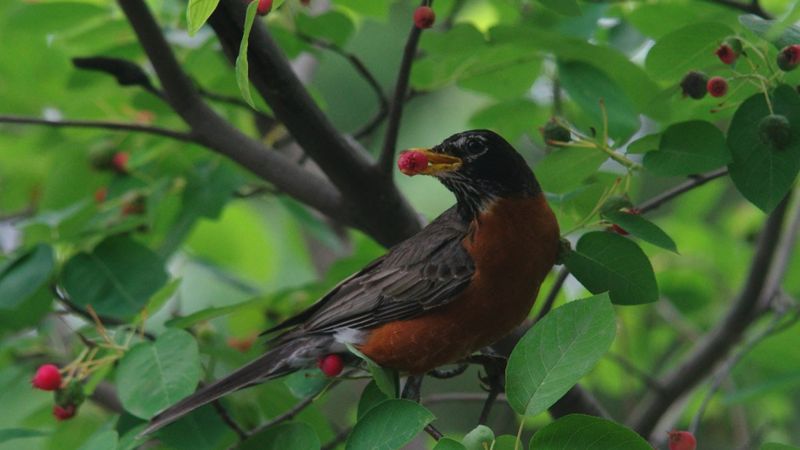
Birds, especially cedar waxwings, robins, and catbirds, can strip a loaded serviceberry in a matter of days once they discover the fruit. If you are hoping to taste a few berries yourself, you will need to check the plant often as the season progresses.
Ripe serviceberries are soft, dark purple to nearly black, and slightly sweet. They have been compared to mild blueberries by people who have eaten them.
Your Ohio Garden Changes Every Week. Your Plan Should Too.
Gardening in Ohio changes quickly throughout the season. Every Friday you’ll receive a simple weekly plan showing exactly what to plant, prune, fertilize, harvest, and protect so you never miss the right timing.
A few practical notes if you want to try them: harvest only fruit that is fully ripe, and make sure you have correctly identified the plant before eating anything.
Serviceberry fruit is considered edible when ripe and properly identified, but you should never eat fruit from an unknown plant.
Buying named plants from a reputable native nursery is the safest and most reliable way to know exactly what you have in your yard.
Do not count on a heavy personal harvest. Wildlife moves fast, and in most yards the birds will find the fruit before you do.
Think of any berries you manage to enjoy as a bonus rather than the main event.
3. Plant It Where Wildlife Can Find The Fruit
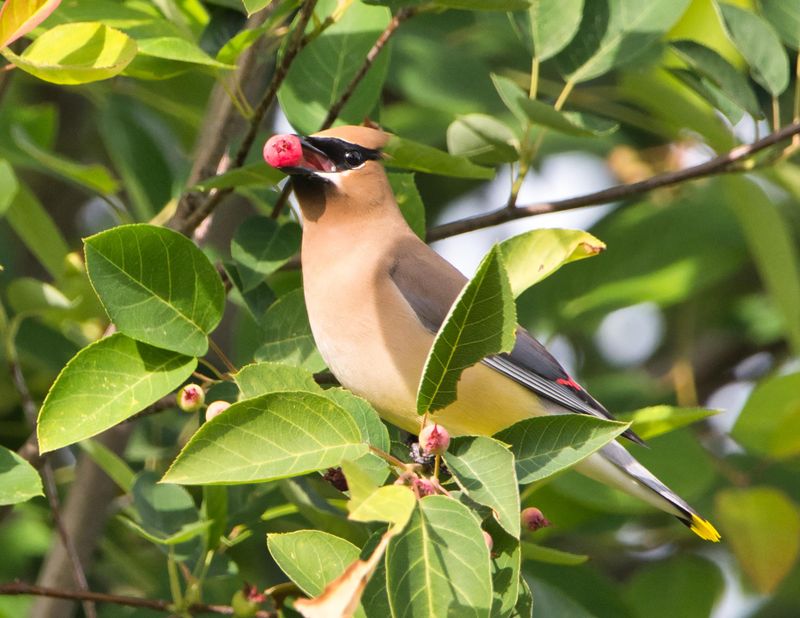
Placement matters when you are planting for wildlife. Serviceberry works especially well along natural borders, woodland edges, and mixed native shrub plantings where birds feel comfortable approaching and foraging.
A serviceberry tucked against a fence line, wooded corner, or naturalized area tends to get more wildlife activity.
That sheltered placement works better than a wide-open space with no nearby cover.
Birds are more likely to visit regularly when they have shrubs, trees, or dense plantings nearby where they can perch and watch for danger before flying in to feed.
Pairing serviceberry with native viburnums, native dogwoods, or other berry-producing shrubs can create a layered planting.
That kind of planting supports a wider variety of wildlife through the season..
Serviceberry is also a host plant for certain native butterflies and moths, which adds another layer of ecological value beyond the fruit alone.
The flowers attract early pollinators, and the overall structure of the plant provides nesting and perching opportunities for small birds.
You do not need a large property to make this work. Even in a modest backyard, a single serviceberry placed near existing shrubs or a garden border can become a reliable stop.
It can serve migrating and resident birds during the summer fruit season. Keep expectations realistic.
Serviceberry will not guarantee wildlife visits every day.
Planting it thoughtfully in a safe, sheltered location gives you the best chance of seeing real wildlife activity around the plant.
4. Give It Sun, Part Shade, And Well-Drained Soil
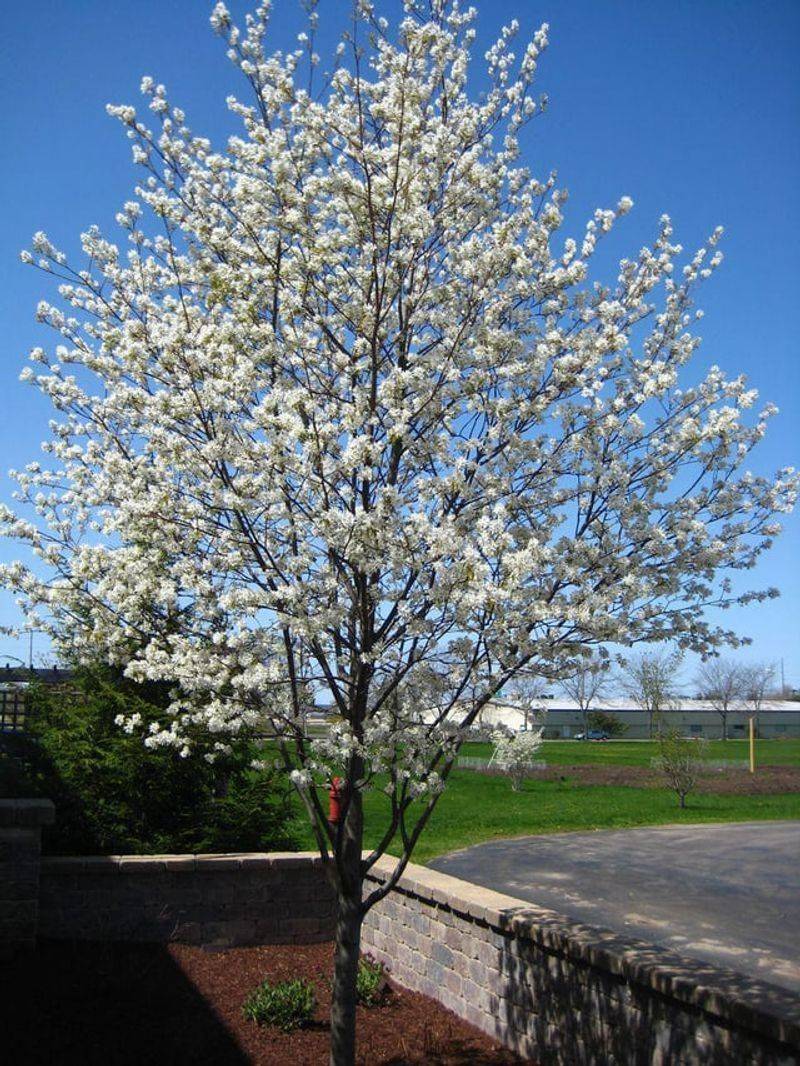
One of the reasons serviceberry works in so many different yard situations is its flexibility with light. Full sun to part shade both work, though plants grown with more direct sun tend to flower more heavily and produce more fruit.
If you are planting primarily for wildlife value and berry production, a spot that gets at least five to six hours of sun per day is a smart choice.
Soil drainage is where you need to pay closer attention. Serviceberry prefers well-drained soil and does not perform well in spots that stay consistently wet or waterlogged.
Many yards in this state have heavy clay soil, which can hold water after rain. If your site drains slowly, consider planting on a slight rise, amending the planting area with organic matter, or choosing a different location altogether.
Compacted, soggy spots near downspouts, low-lying areas, or spots where water pools after storms are not ideal. Serviceberry is adaptable in many ways, but poor drainage is one condition that can genuinely limit its health over time.
Once established, serviceberry is fairly low-maintenance. Young plants benefit from regular watering during dry spells in the first one to two growing seasons while roots are getting established.
After that, established plants are reasonably drought-tolerant in most well-drained sites. You do not need to fertilize heavily.
A layer of organic mulch kept away from the base of the trunk helps retain moisture and moderate soil temperature through summer heat.
5. Use It As A Small Tree Or Natural Shrub Border
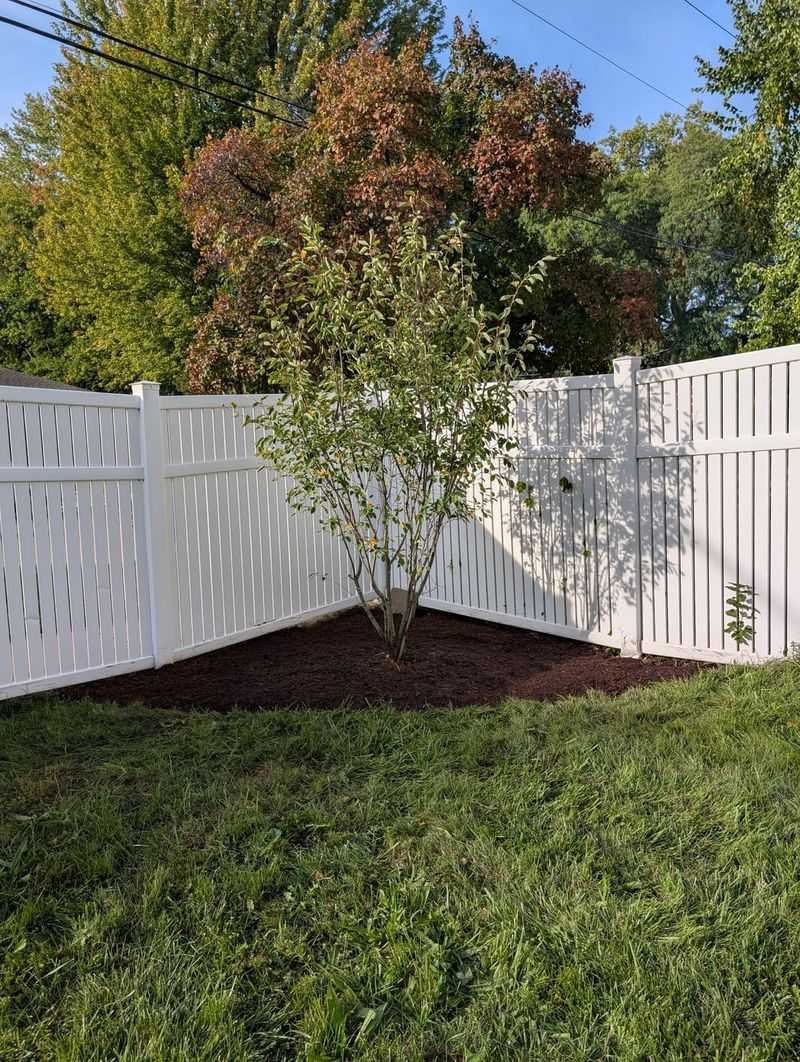
Serviceberry does not fit neatly into every landscaping role, and that is actually part of its charm. It is not a tight, clipped hedge like arborvitae or boxwood.
Its natural form is loose, open, and graceful.
That makes it a great fit for informal plantings, naturalized yards, and wildlife-friendly borders with a relaxed look. It can function as a multi-stemmed large shrub or be trained into a small single-trunk tree.
Downy serviceberry can reach 15 to 25 feet tall at maturity in good conditions.
Check the expected mature size of the specific plant or cultivar before you choose a location.
Give it enough room to spread naturally without crowding neighboring plants or structures. Planting it too close to a fence, a foundation, or a power line can create problems later as the plant matures.
A little planning at planting time saves a lot of effort down the road.
As a specimen plant, a serviceberry in full spring bloom or heavy with summer fruit can be a genuine focal point. In a mixed native border, it layers beautifully with shorter shrubs and perennials below.
For a loose privacy screen along a property edge, group serviceberry plants with appropriate spacing.
They can create a natural visual buffer that also feeds birds every summer. The flexibility of this plant is genuinely one of its strongest selling points for home landscapes.
6. Enjoy Spring Flowers Before The Summer Berries Arrive
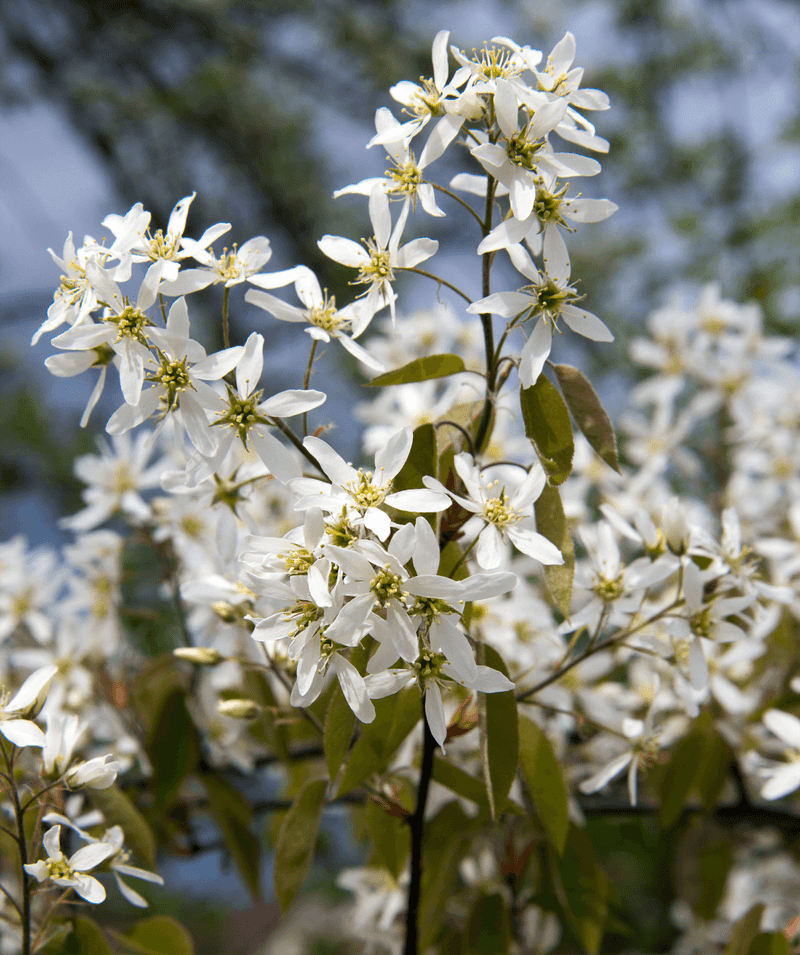
Before the summer berries ever appear, serviceberry puts on one of the earliest flower shows of the season. Clusters of small, delicate white flowers open in early spring, often in March or April depending on the year and location.
They tend to bloom while the branches are still mostly bare or just beginning to leaf out, which makes the display stand out clearly against the early-season landscape.
The flowers are not large or showy in the way that ornamental cherries or crabapples are, but there is something genuinely beautiful about their simplicity.
On a bright spring morning, a serviceberry in full bloom has a soft, almost cloud-like appearance that is easy to appreciate.
Early pollinators, including native bees, also visit the flowers, which adds ecological value to the spring display.
The bloom period is relatively brief, typically one to two weeks depending on weather conditions. A warm stretch of days can speed things along, while a cold snap can slow the flowers down.
Either way, the spring flower display is a preview of what the plant will offer through the rest of the season.
Thinking of serviceberry as a four-season plant helps you get the most out of it in the landscape. Flowers arrive first in spring, fruit follows in early summer, and the foliage carries the plant through the warm months before fall color takes over.
Each phase connects naturally to the next, giving you something worth watching from March through October in most parts of the state.
7. Let Fall Color Add One More Season Of Beauty
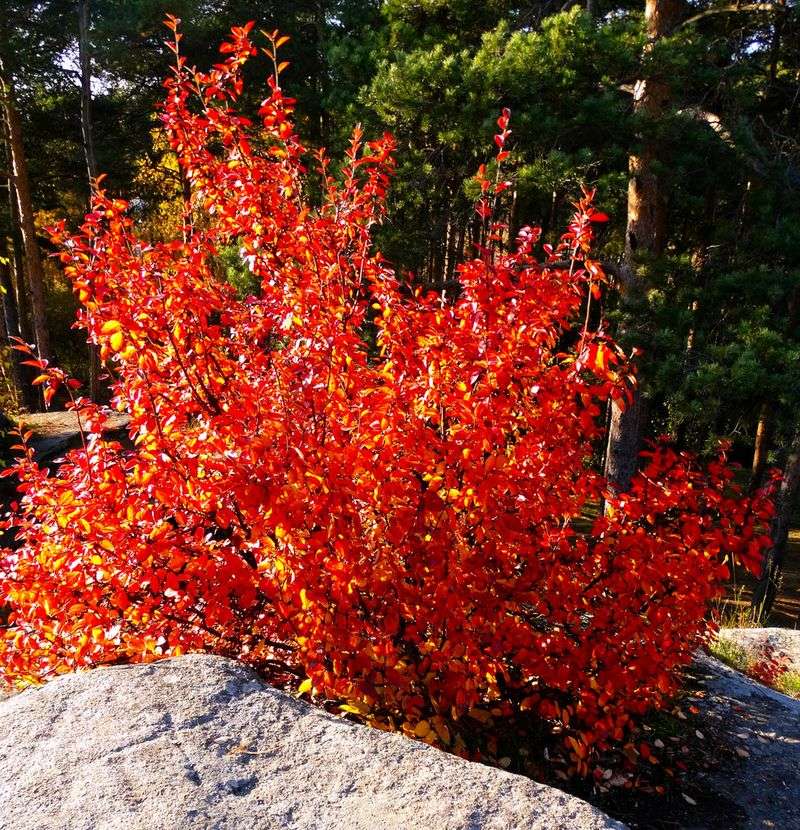
Most people discover serviceberry because of the summer berries or the spring flowers, but the fall foliage is worth paying attention to on its own.
As temperatures cool and days shorten, serviceberry leaves can shift into shades of orange, red, gold, and sometimes a warm reddish-purple.
The exact colors vary from plant to plant and year to year depending on weather, soil, and site conditions.
Do not expect a guaranteed fireworks display every fall. Some years bring richer color than others, and individual plants can differ noticeably even when grown side by side.
That kind of natural variation is part of what makes native plants feel like real living things rather than predictable ornamentals.
What you can count on is that serviceberry will offer some degree of warm fall interest in most years. Even in seasons when the color is more muted, the foliage tends to age gracefully rather than simply turning brown and dropping without notice.
In a mixed native planting, serviceberry fall color can complement other seasonal tones.
It pairs well with native viburnum reds, native witch hazel yellows, and bronze ornamental grasses.
By the time the leaves fall, serviceberry has completed a full seasonal cycle.
It starts with spring flowers, moves through summer fruit and wildlife activity, and finishes with autumn color. Very few native plants of this size offer that kind of layered, season-long value.
Serviceberry genuinely earns its place in a wildlife-friendly yard. It makes a strong case for itself from the very first spring it blooms.