Smells That Drive Texas Moles Away And Where To Apply Them
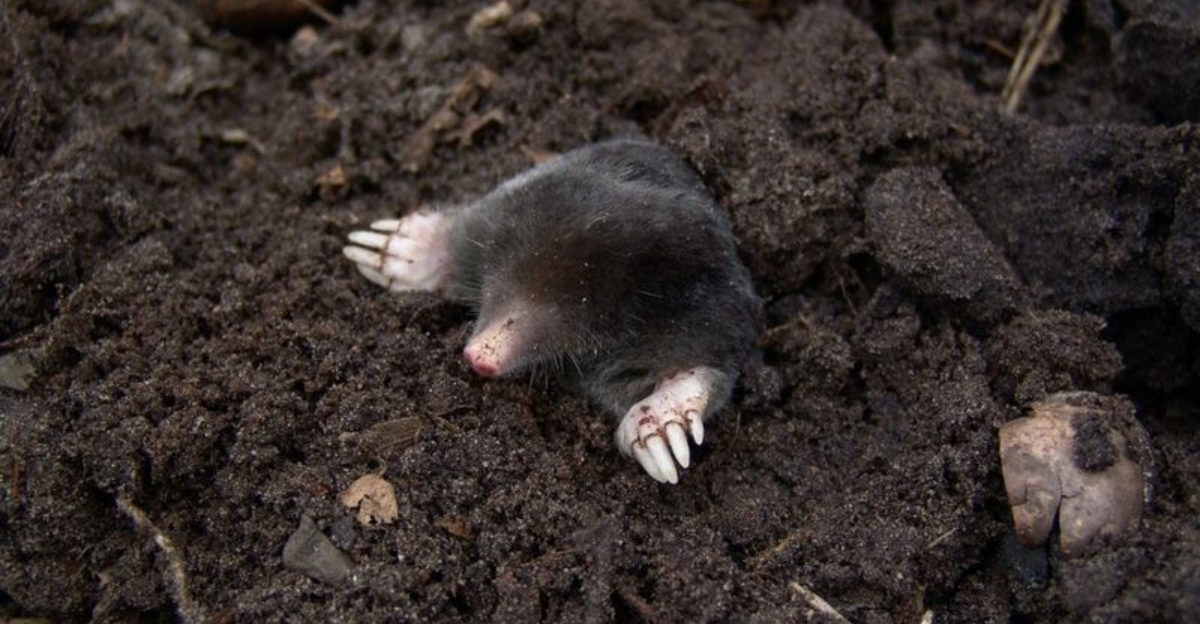
Moles are one of those yard problems that seem to multiply overnight. One morning you have a neat lawn and the next there are raised tunnels crisscrossing the yard like something is very busy just below the surface.
Traps work but require constant attention. Repellent products come and go with mixed results.
And moles, it turns out, are significantly harder to discourage than most homeowners expect. But smell is one of their genuine weaknesses.
Moles have highly developed sensory systems that make them extraordinarily sensitive to certain scents, and when those scents are present in their tunneling environment, they tend to redirect rather than push through.
The right smells, applied correctly and consistently in the right locations, can make a Texas yard significantly less hospitable to moles without the effort, expense, or frustration of more aggressive removal methods.
The key is knowing which smells actually work, which ones are garden myths, and where exactly to apply them for results that hold.
1. Castor Oil

Out of all the smell-based mole repellents out there, castor oil is the one that actually has some scientific backing. Researchers have found that castor oil can help repel eastern moles, which are the most common mole species found across Texas lawns.
That makes it stand out from the crowd of folk remedies that gardeners have tried for generations.
Castor oil works by soaking into the soil and making the environment unpleasant for moles. It does not harm the moles directly.
Instead, it seems to make the grubs and earthworms they eat taste bad, which encourages the moles to move somewhere else. Think of it like making your yard the least appealing restaurant on the block.
You can find castor oil mole repellent products at most garden centers and home improvement stores. Look for a product that is specifically labeled for mole control.
Follow the directions on the label carefully, because using too little may not get results, and using too much can waste product and money.
To apply it, mix the product with water according to label instructions and use a garden hose sprayer or watering can to spread it evenly across your lawn. Pay extra attention to areas where you see fresh mole activity, raised tunnels, or new mounds of soil.
After applying, water the product into the soil so it penetrates deeply enough to reach where moles are tunneling.
Reapply after heavy rain or as directed on the label. Castor oil repellents work best when used consistently over time. Patience is key, since moles may not leave immediately after the first treatment.
2. Peppermint Oil
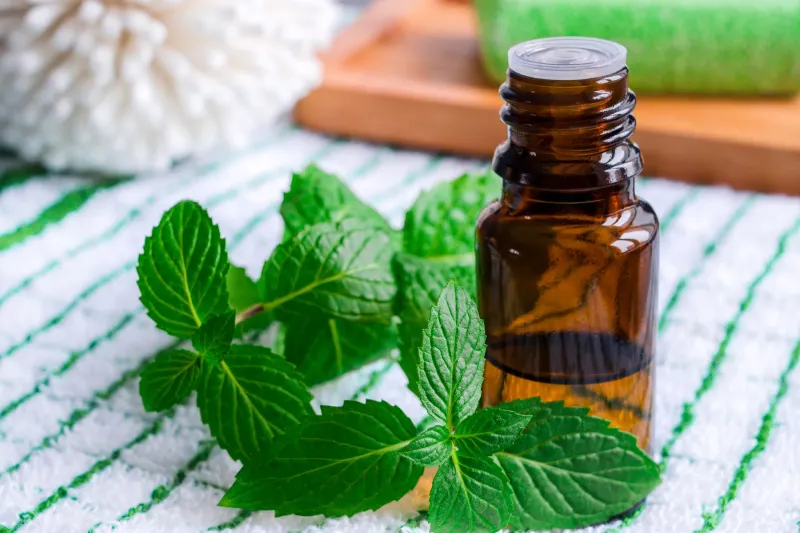
Walk past a peppermint plant on a hot Texas afternoon and you will understand why people think this smell might bother moles. The sharp, cool scent is intense enough to make your eyes water.
It is no surprise that gardeners started tucking peppermint oil near active tunnels, hoping the strong aroma would send moles running in the opposite direction.
Peppermint oil is often sold in small bottles and marketed as a natural pest deterrent. Some people soak cotton balls in peppermint oil and push them into mole tunnel openings.
Your Texas Garden Changes Every Week. Your Plan Should Too.
Gardening in Texas changes quickly throughout the season. Every Friday you’ll receive a simple weekly plan showing exactly what to plant, prune, fertilize, harvest, and protect so you never miss the right timing.
Others mix the oil with water and spray it around garden borders or across sections of lawn where they have spotted fresh digging activity.
The problem is that there is not good scientific evidence that peppermint oil reliably removes moles from your yard. While the scent is powerful to humans, moles rely heavily on their sense of smell to find food underground.
Researchers have not confirmed that peppermint oil is strong or long-lasting enough to actually change a mole’s behavior in a meaningful way.
Peppermint oil also breaks down quickly outdoors, especially under the Texas sun. Rain washes it away fast, and heat causes it to evaporate before it can soak into the soil where moles travel.
That means you would need to reapply it very frequently, which gets costly and time-consuming.
If you want to try peppermint oil, place it near the most active tunnel areas. Just keep your expectations realistic.
It may freshen up your yard, but do not count on it as your main strategy for dealing with a serious mole problem in Texas.
3. Garlic
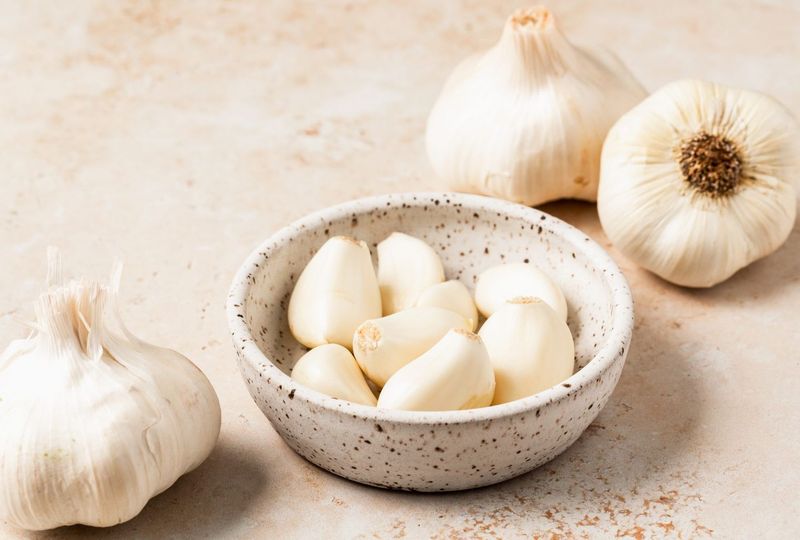
Garlic has been used in home gardens for centuries as a way to ward off all kinds of pests. The smell is sharp, pungent, and hard to ignore.
Many gardeners swear by it, tucking cloves into the soil or sprinkling garlic powder around the edges of flower beds and vegetable gardens. The idea is that the strong odor will irritate moles enough to make them choose a different yard.
People usually apply garlic in a few different ways. Some bury whole garlic cloves directly into mole tunnels or along garden borders.
Others crush fresh garlic and mix it with water to create a spray they apply to the lawn surface. Garlic powder is another popular option because it is easy to sprinkle and widely available in any grocery store.
Here is the honest truth, though. Research has not proven garlic to be an effective mole deterrent.
There are no well-designed scientific studies confirming that garlic reliably drives moles away from Texas lawns. Most of the support for garlic as a repellent comes from personal stories and gardening traditions rather than controlled experiments.
Garlic also breaks down quickly in the soil, especially during hot and humid Texas summers. Rain and irrigation wash it away fast, and the smell fades long before it has a chance to make a lasting impact on mole behavior underground.
Garlic is safe, affordable, and easy to find, so it is not a harmful thing to try. Just pair it with more proven methods if you are dealing with a serious mole problem. Using garlic alone is unlikely to give you the results you are hoping for in a Texas yard.
4. Hot Pepper Or Capsaicin
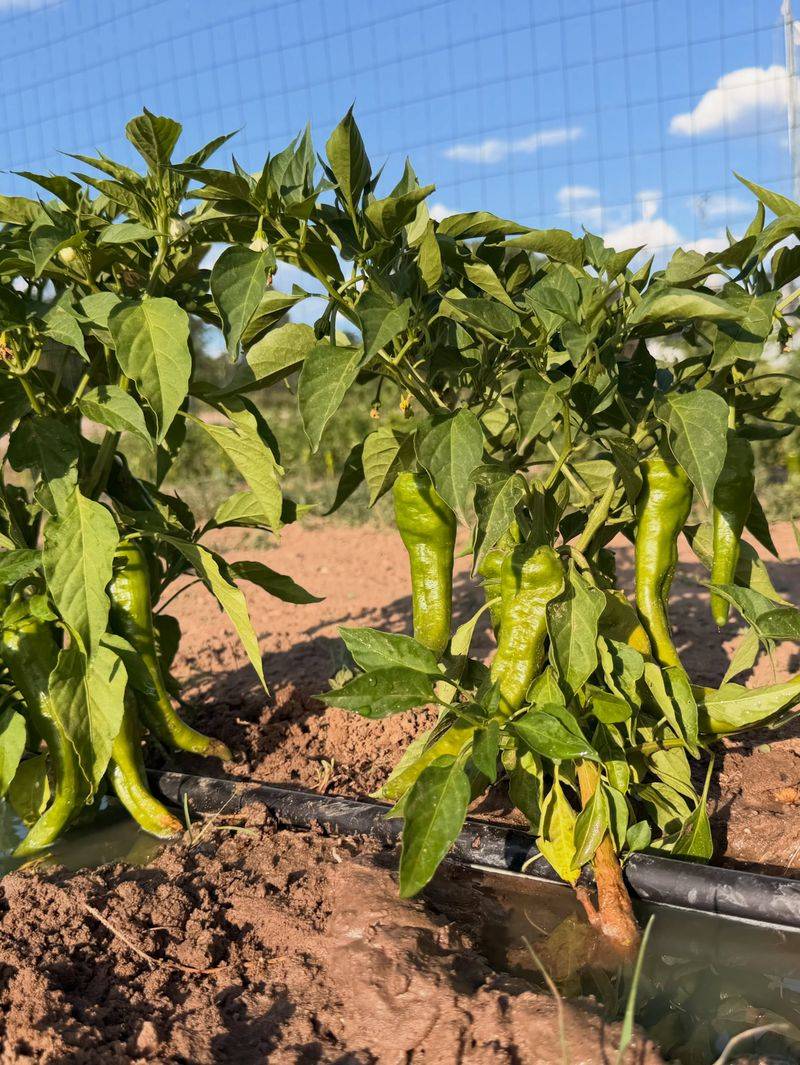
Anyone who has accidentally touched their eyes after handling hot peppers knows just how powerful capsaicin can be. Capsaicin is the compound that makes hot peppers burn.
It is also the active ingredient in many wildlife repellent products designed to discourage animals from digging, chewing, or nesting in unwanted areas. Some of these products are marketed specifically for use against burrowing animals like moles.
Capsaicin-based repellents come in several forms, including sprays, granules, and powders. Some gardeners skip the commercial products altogether and simply sprinkle cayenne pepper or crushed red pepper flakes around tunnel openings or along garden borders.
The hope is that the burning sensation will make moles uncomfortable enough to relocate to a different area.
One important thing to understand is that you should only use a product that is specifically labeled for the intended site and pest.
Using a product incorrectly or on a site it was not designed for can cause problems for your lawn, garden plants, beneficial insects, and even pets. Always read the label from start to finish before you open the container.
The scientific evidence for capsaicin as a mole repellent is limited. While some wildlife repellent products contain capsaicin and have been tested on various animals, results with moles specifically are not well-documented.
Moles spend most of their time underground, so surface applications may not reach them effectively.
Capsaicin also washes away quickly in rain or with irrigation, meaning you would need to reapply often to maintain any possible effect.
If you choose to try a capsaicin product, follow label directions exactly and apply it in the areas of your yard with the most visible mole activity.
5. Predator Urine

The idea behind predator urine is simple and actually makes some biological sense. Animals in the wild are wired to avoid areas where predators have been.
When a mole smells the scent of a fox, coyote, or other natural hunter, the theory is that its survival instincts kick in and it moves away from the area as quickly as possible. That is why predator urine products have found a place on garden center shelves across the country.
You can buy predator urine products online and in many farm supply or outdoor stores. They usually come in liquid form and are meant to be applied around the perimeter of the damaged area.
Some gardeners spray it around the outer edges of their lawn, while others apply it near tunnel openings or fresh mounds of soil. The goal is to create a scent barrier that signals danger to any mole passing through.
The reality, though, is that results are unreliable. Moles in suburban Texas yards may not have strong instinctive fear responses to predator smells because they have never encountered those predators in their environment.
A mole that has lived its whole life under a manicured lawn may simply not react to coyote urine the way a wild mole in an open field might.
There is another downside worth knowing. The strong animal odor in predator urine products can sometimes attract other unwanted animals, like stray dogs, raccoons, or curious neighborhood cats.
That can create a whole new set of problems in your yard. Use predator urine cautiously and combine it with other management strategies. Relying on it alone is unlikely to solve a mole problem in a Texas lawn.
6. Strong-Smelling Soap
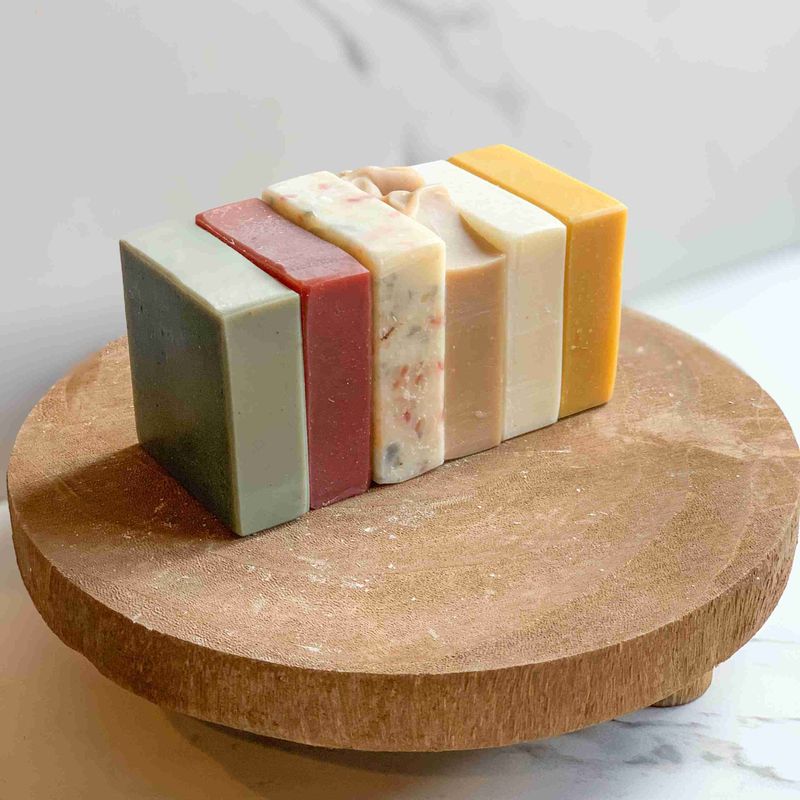
Bar soap might seem like an unlikely mole repellent, but it has been a popular folk remedy in gardening circles for a long time.
The idea is that the strong fragrance in heavily scented soaps, especially varieties with floral or musky scents, is offensive enough to moles that they will avoid areas where the smell is present.
It is a low-cost, easy-to-find option that many homeowners are willing to try before spending money on commercial products.
Gardeners typically cut bar soap into chunks or shavings and place the pieces near active mole tunnels or along garden borders.
Some people push small chunks directly into tunnel openings, while others scatter shavings across the surface of the lawn in areas where they have spotted fresh mole activity.
Irish Spring soap is one of the most commonly mentioned brands in gardening forums and neighborhood discussions.
Honest assessment time: there is very little evidence that soap provides dependable mole control. No serious scientific study has confirmed that soap reliably drives moles away from a yard.
Most of the enthusiasm for soap as a repellent comes from anecdotal reports rather than any kind of tested research.
Soap also breaks down fast, especially in Texas heat and rain. The scent fades quickly outdoors, and the chunks dissolve over time, meaning you would need to replace them regularly to maintain even a minimal effect.
Soap is harmless to try and costs almost nothing extra if you have a spare bar at home. But if moles are causing serious damage to your Texas lawn, soap alone will not cut it.
Pair it with more proven strategies, like castor oil, to give yourself a better chance of getting results.