Snake Plant Getting Too Tall in Michigan? Here’s the Right Way to Trim It
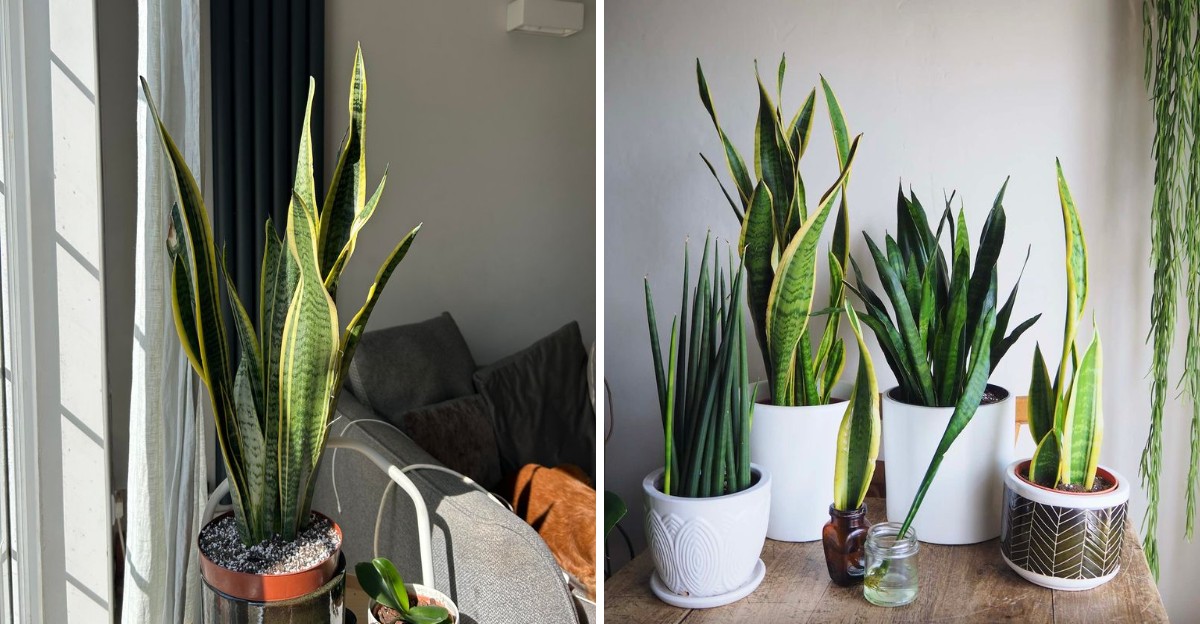
A single cut leaf from this houseplant will stop growing taller for good, yet the plant itself can keep pushing new spears toward your ceiling. I find that fact oddly satisfying, and a little sneaky.
The plant hails from dry parts of tropical Africa, where it stores water in thick, sword-shaped leaves. Those leaves grow from underground stems called rhizomes, which quietly spread and send up fresh shoots each year.
Here in Michigan, many of us keep it indoors year-round near a bright window. Give it decent light and a roomy pot, and it may outgrow its corner faster than you expected.
I know how frustrating it can be when a plant you love starts flopping into the curtains. The real question is where to cut, and why the obvious spot is usually the wrong one.
1. Those Tall Snake Plant Leaves Grow From a Hidden Source
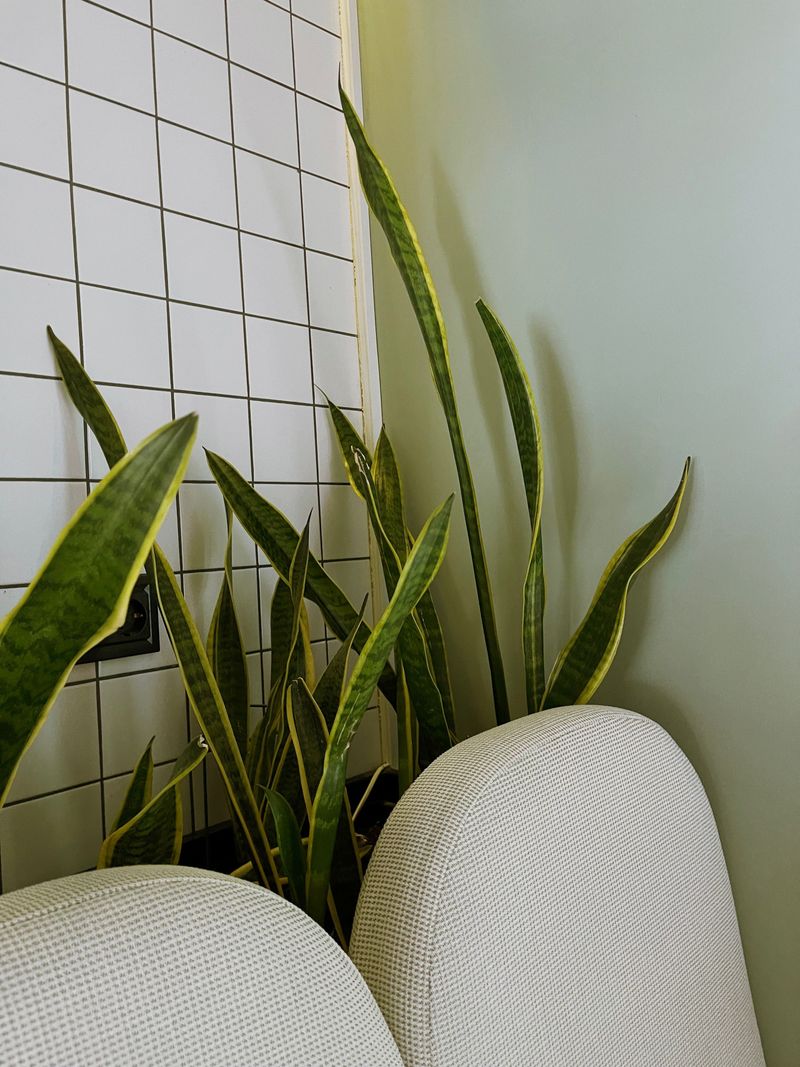
Every snake plant leaf starts its life underground. Thick stems called rhizomes creep through the potting mix and send up new spears, one after another.
That detail explains a lot about height. Each leaf grows from its base and keeps stretching until it reaches its mature length, then it stops. A taller plant usually means older leaves have hit full size and newer ones are catching up.
Common types like Dracaena trifasciata, once called Sansevieria, often reach 2 to 4 feet indoors. Some leaves can stretch even longer in bright light with plenty of root room.
Height alone is not a problem. Trouble starts when leaves lean, flop, or tip the pot over. I like to look closely before grabbing scissors.
Is the whole plant tall and sturdy, or are a few leaves pale, thin, and bending toward the window? Those are two different situations.
Thin, floppy leaves often point to low light. Michigan winters bring short, gray days, and a plant several feet from a north window may stretch and weaken.
Sturdy but towering leaves are simply mature growth. In that case, trimming is a style choice, not a rescue mission.
Knowing which situation you have helps you choose the right fix. Sometimes the answer is pruning, and sometimes it is moving the pot closer to the light.
2. Cut Snake Plant Leaves at the Soil Line, Not Halfway Up
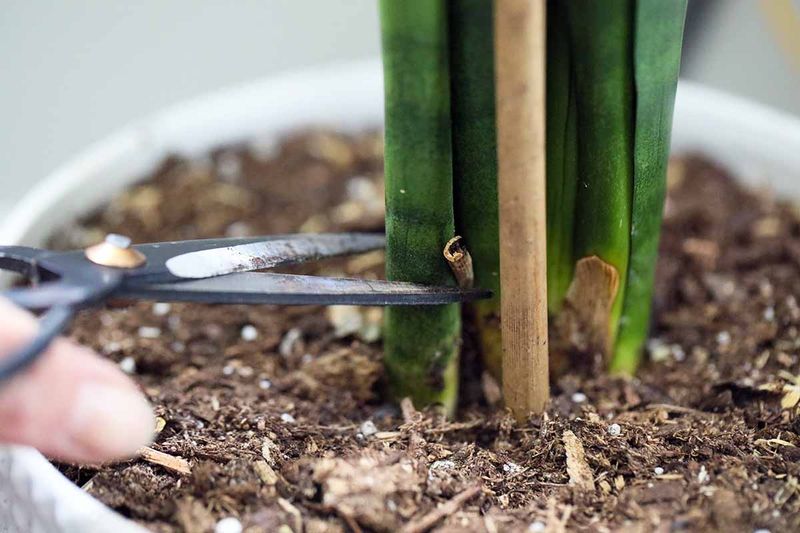
Honestly, the right answer surprises a lot of people. To lower a tall snake plant, remove the tallest leaves at their base, right near the soil.
Cutting a leaf halfway up seems easier, but it backfires. The cut leaf will not grow taller again, and the flat, scarred top stays brown and blunt for the rest of its life. It looks odd next to the plant’s natural pointed tips.
A base cut, on the other hand, leaves no stub. The rhizome stays healthy and can push up a fresh leaf nearby later.
Here is how I handle it. Choose the tallest or most awkward leaf, then follow it down to where it meets the soil.
Slide your blade in as low as you can and make one clean cut. Avoid tearing or twisting, since ragged tissue heals slowly.
Step back after each leaf. It is easy to get carried away, and the plant often looks balanced after removing just a few of the tallest spears.
A tall leaf with only a dry brown tip is a different case. Trim just the brown part, angling the cut to copy the leaf’s natural point, and leave the green section alone. That simple rule, base cuts for height and tip cuts for damage, covers most trimming jobs.
3. Sharp Clean Shears Make Snake Plant Trimming Easier
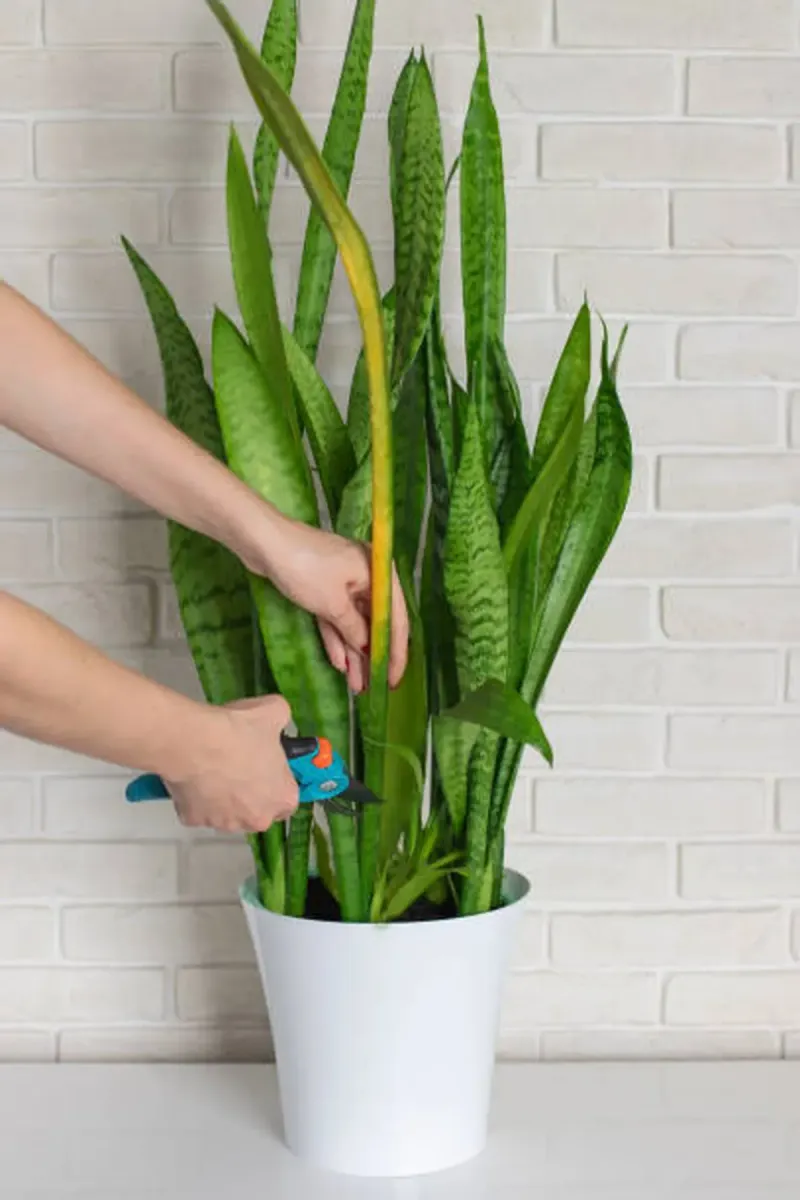
A dull blade crushes plant tissue instead of slicing it. Snake plant leaves are thick and fibrous, so the right tool matters more than you might expect.
Bypass pruners, a sharp kitchen knife, or a clean garden knife all work well. Scissors are fine for trimming brown tips, but they can struggle with the base of a wide, mature leaf.
Cleaning comes next. Wipe the blade with rubbing alcohol or a household disinfectant before you start, and again before moving to another plant. This simple habit helps reduce the spread of fungus and bacteria between pots.
Gloves are a smart choice too. Snake plants contain saponins, natural compounds that can irritate sensitive skin.
Those same compounds are why the ASPCA lists snake plants as toxic to cats and dogs. Eating the leaves can cause drooling, nausea, or vomiting in pets.
So gather your trimmings right away. Curious cats love chewing on fresh leaf scraps left on the floor.
I also like to spread newspaper around the pot before cutting. It catches soil and sap and makes cleanup quick.
Five minutes of prep saves a lot of trouble later. Clean tools, gloves, and a tidy workspace set you up for neat cuts that heal fast.
4. Spring Is Prime Time for Pruning Your Snake Plant
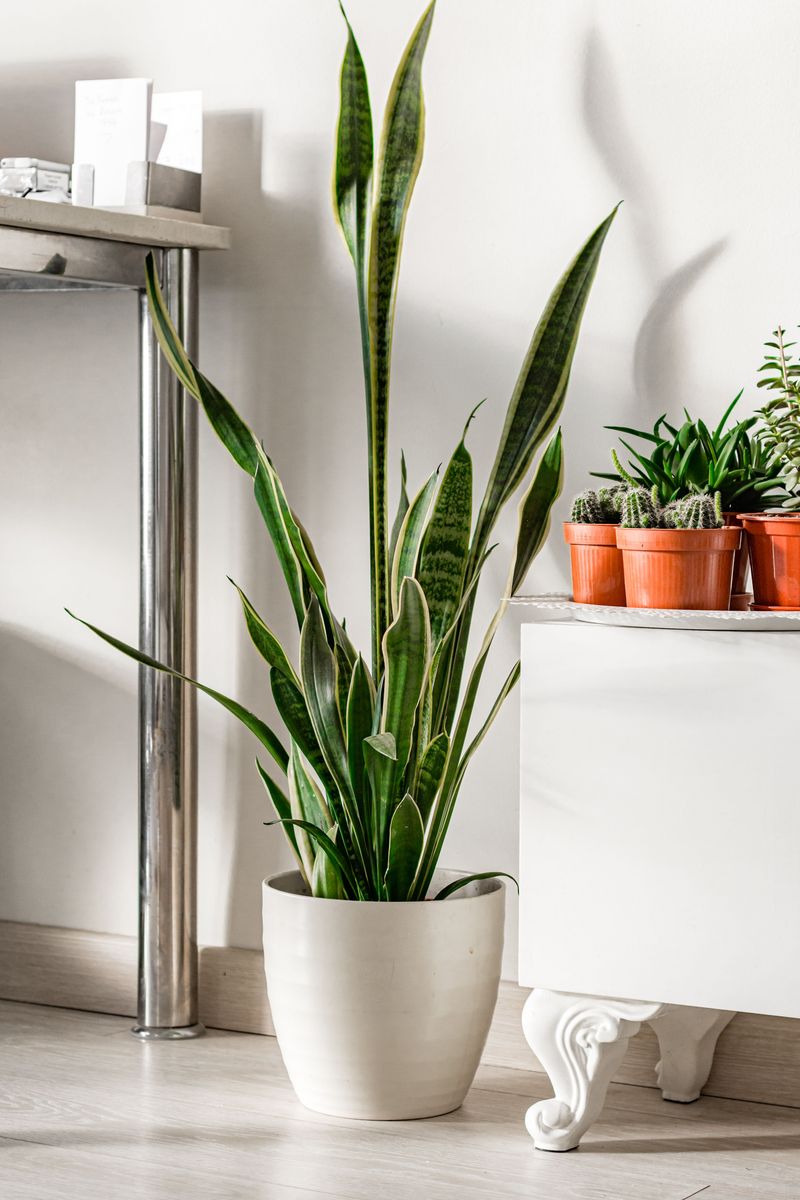
Timing can turn a good trim into a great one. Snake plants grow most actively in spring and summer, when days are longer and brighter.
That is when they bounce back fastest after pruning. New shoots are more likely to appear, and cut areas seal quickly in warm, active growth.
In Michigan, I aim for late spring or early summer. Window light improves a lot by May, and indoor heating stops drying the air so harshly.
Winter trimming is not a disaster. Removing one broken or badly leaning leaf is fine any time of year.
Still, heavy pruning during the darkest months is a different story. The plant grows very slowly then, so it recovers slowly, and you may stare at a gap for months.
Watch for a few clues that your plant is ready. Fresh pointed spears poking up from the soil mean it is in growth mode.
Summer is also a handy time for a bigger project. Many gardeners trim and repot or divide an overgrown snake plant in one session.
Planning ahead helps a lot. If you notice your plant towering in January, make a note and wait for brighter spring days to do the main work.
5. Leave Most of the Snake Plant Leaves in Place
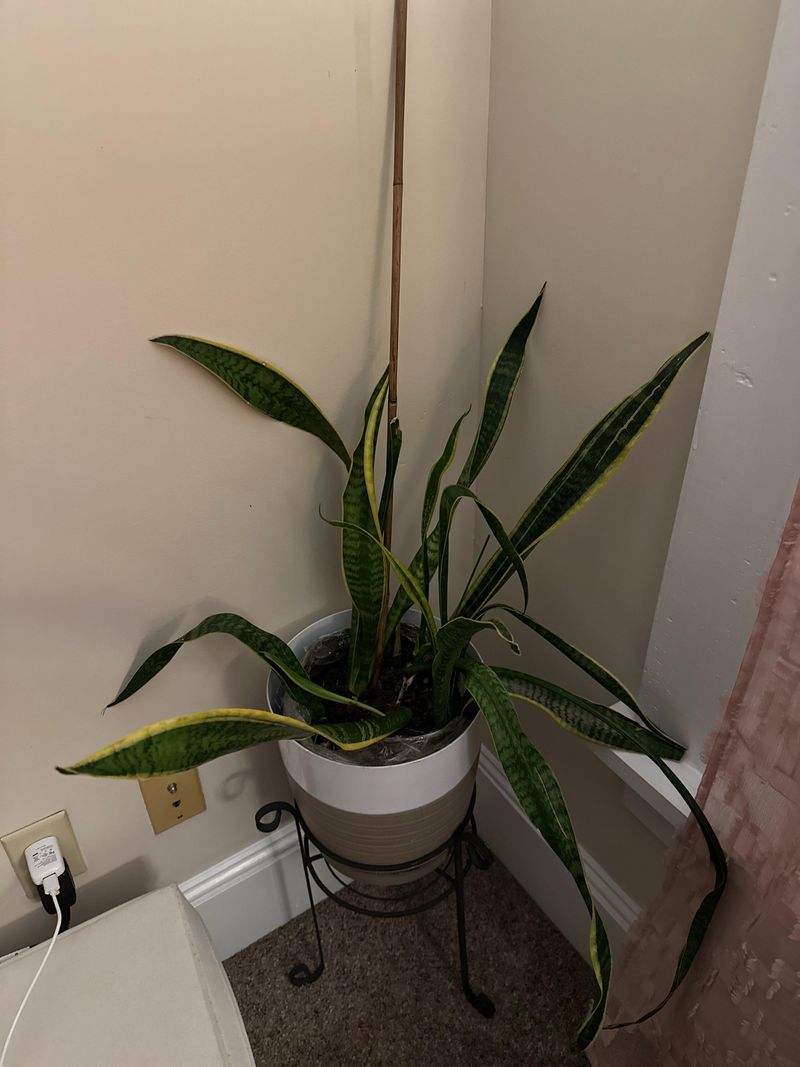
Restraint is a gardener’s quiet superpower. With snake plants, removing too much at once can slow them down more than you would like.
Those thick leaves do two big jobs. They make food through photosynthesis, and they store water for dry spells.
Take away too many and the plant has less energy for roots and new shoots. A common guideline is to remove no more than about a quarter to a third of the leaves in one session.
I usually start with the obvious offenders. Floppy, cracked, badly bent, or towering leaves go first.
Then I pause and look from across the room. Often, the plant already looks better, and the rest can stay.
If your plant still feels too big, spread the work out. Trim a few more leaves next season instead of all at once.
Another option is dividing the plant. Splitting the rhizomes into separate pots reduces crowding without stripping away healthy foliage.
A gentle approach also protects the look of the plant. Snake plants grow slowly, so a heavily cut pot may look sparse for a long time.
Patience pays off here. A light, careful trim keeps the plant strong and keeps your corner looking full and green.
6. Go Easy on Water After Trimming Snake Plant Leaves
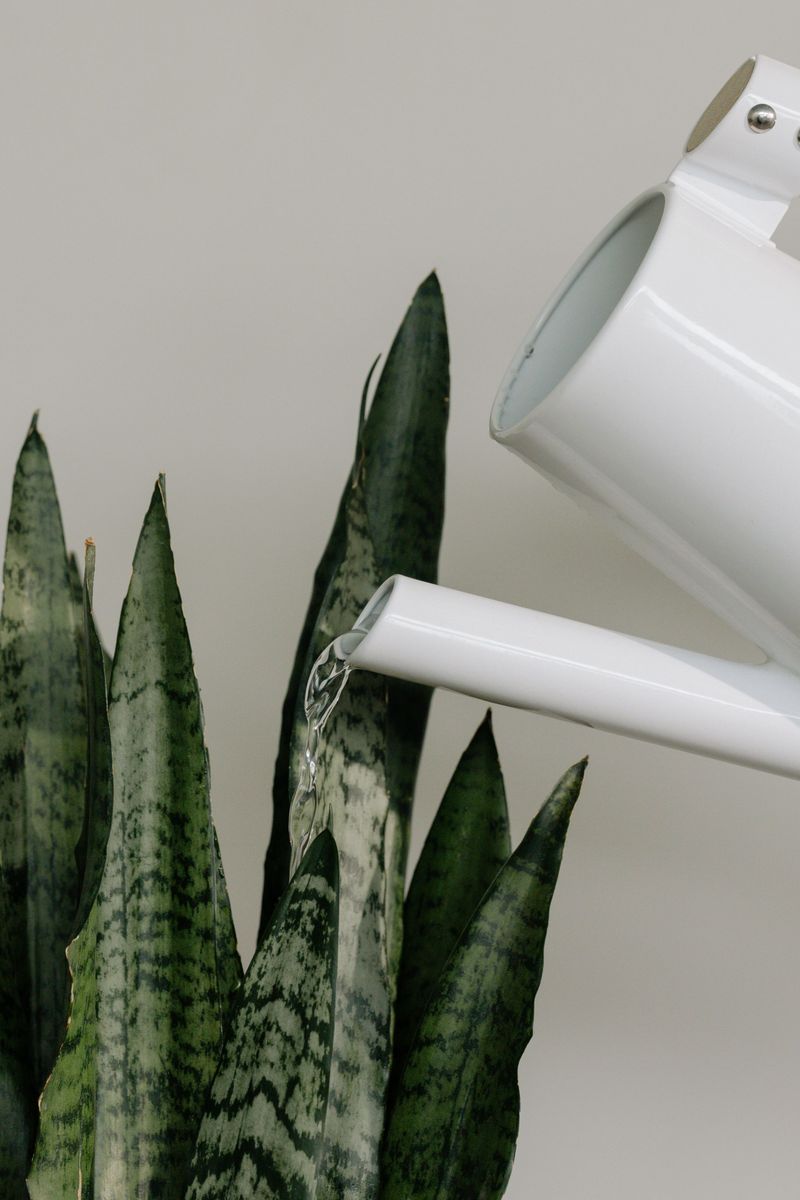
Rot, not pruning, causes most snake plant trouble. Soggy soil is the biggest threat to these desert-tough plants, especially right after a trim.
Fresh cuts need time to dry and seal over. I hold off on watering for several days after pruning, unless the soil was already bone dry.
When you do water, check first. Push a finger a couple inches into the mix, and water only if it feels dry.
Many university extension services recommend letting the soil dry out between waterings. In a Michigan winter, that may mean watering only every few weeks.
Drainage matters just as much. Use a pot with holes and a gritty mix, such as cactus or succulent soil. Empty saucers after watering too. Standing water around the roots invites rot.
Bright, indirect light helps cuts heal and keeps new growth sturdy. Good airflow helps the cut areas dry faster.
Hold off on fertilizer for a few weeks as well. Snake plants are light feeders, and a diluted houseplant fertilizer once or twice in spring and summer is usually enough.
Calm, steady care is the goal. Treat the plant a bit like a desert native, and it will reward you with healthy new spears.
7. Those Trimmed Snake Plant Leaves Can Become New Plants
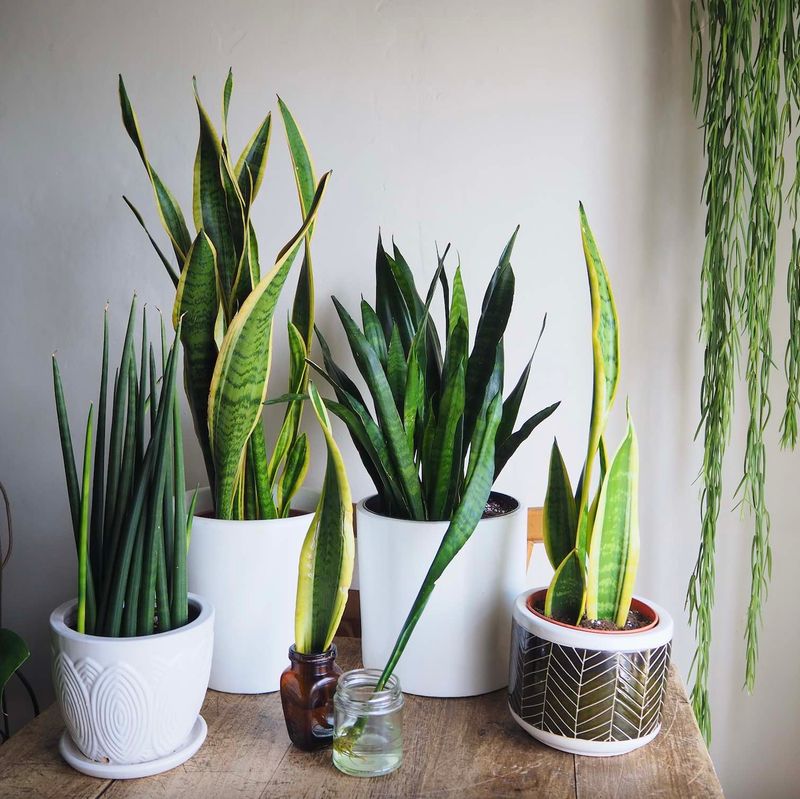
Free plants hiding in your trimmings? I love that part. Healthy leaves you remove can be propagated. Cut a long leaf into sections about 3 to 4 inches long.
Mark the bottom of each piece right away. Cuttings root only from the end that faced the soil, and pieces look alike once separated. A small notch or a marker dot works well.
Let the cut ends dry for a day or two until they form a callus. This step lowers the chance of rot.
Next, choose your method. Place pieces bottom-down in a jar of water, changing the water weekly, or press them into moist, well-draining mix.
Be patient. Roots may take several weeks, and new pups can take a few months, especially in cooler indoor temperatures.
One quirky fact surprises many people. Variegated types like the yellow-edged Laurentii often lose their yellow stripes when grown from leaf cuttings.
To keep that pattern, divide the rhizome instead. Each division keeps the parent plant’s look.
Rooted cuttings make sweet gifts for friends and neighbors. They are tough, low-care, and perfect for anyone just starting with houseplants, though pet owners should place them out of reach.
8. A Wider Pot and Brighter Window Keep Snake Plants Tidy
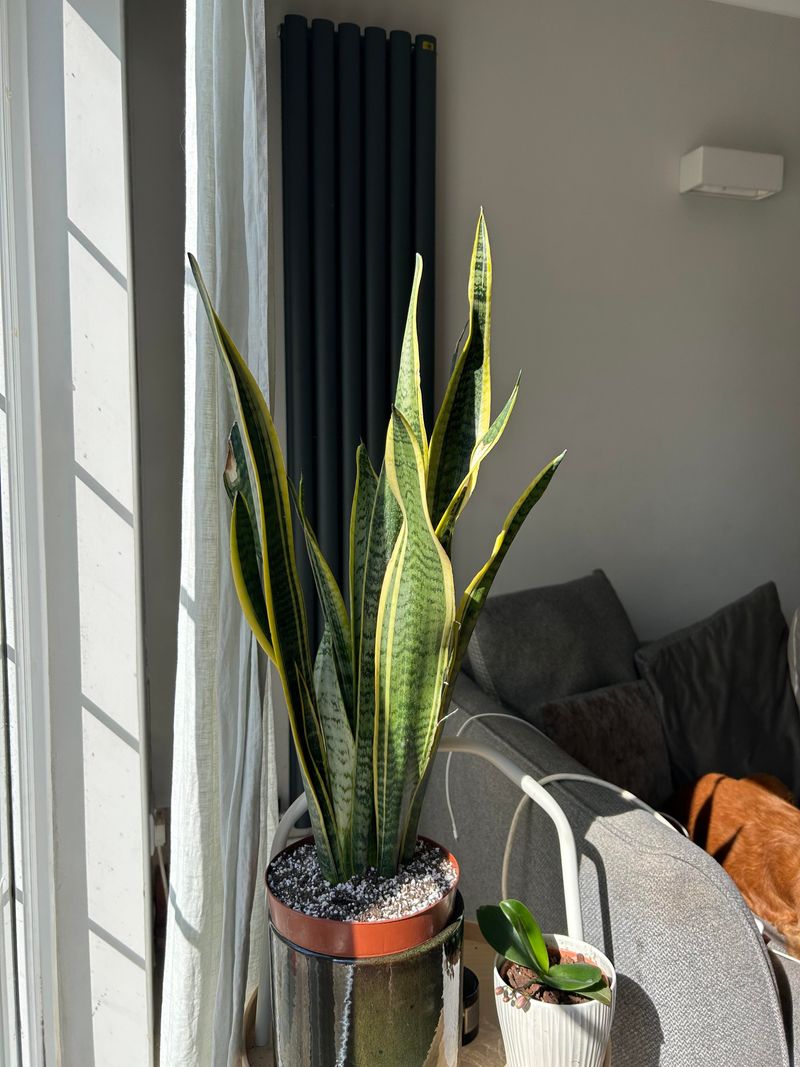
Prevention is the best long-term trim. A few simple setup changes can keep your snake plant sturdy and better balanced.
Light comes first. Snake plants tolerate shade, but they grow thicker, stronger leaves in bright, indirect light.
In Michigan, winter light drops sharply. Moving the pot closer to an east, west, or filtered south window from November through February helps prevent weak, leaning growth.
Turn the pot a quarter turn every few weeks too. Leaves then grow evenly instead of reaching toward one side.
Pot shape matters more than many people realize. A wider, heavier pot, such as terracotta or ceramic, resists tipping and gives rhizomes room to spread sideways.
Repotting every two to three years refreshes the soil. It also gives you a chance to divide crowded clumps.
Temperature deserves attention as well. Keep the plant away from cold drafts and windows below about 50 degrees, since chilled leaves can turn mushy.
Some growers prefer naturally shorter types. Bird’s nest snake plants, often called Hahnii, stay compact, usually under a foot tall.
My takeaway is simple. Good light, a stable pot, careful watering, and an occasional base cut keep a snake plant handsome for many years.