The One Thing North Carolina Black-Eyed Susans Need In August Or They’ll Fade Before Fall
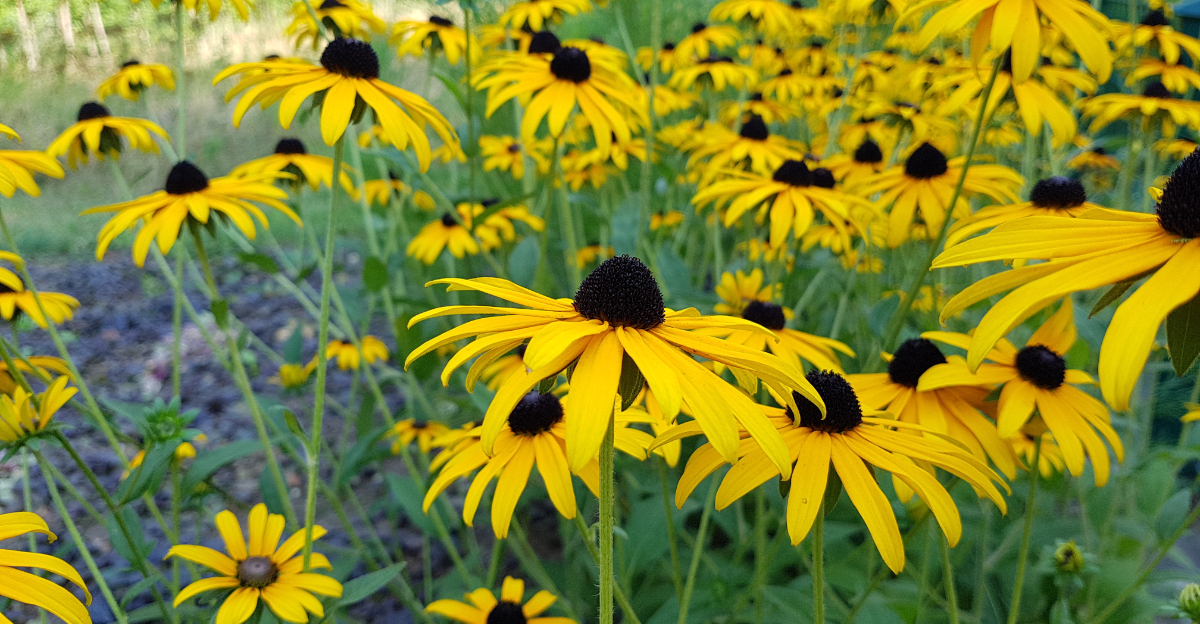
Black-eyed Susans are built for Southern summers and handle North Carolina heat with more composure than most perennials manage through August.
That toughness makes it easy to assume they need nothing and will simply carry themselves through to fall without any intervention.
The plants that finish the season still producing strong, vibrant blooms into September and October almost always had one specific thing done for them in August that the fading ones did not receive.
It is not a complicated task, and it does not require any products or significant time investment.
The timing is the whole point, and August is the month when doing it produces results that carry the plant through the exact stretch of the season when black-eyed susans are most worth having in a North Carolina garden.
1. Remove Spent Flowers Before The Plant Shifts Its Energy
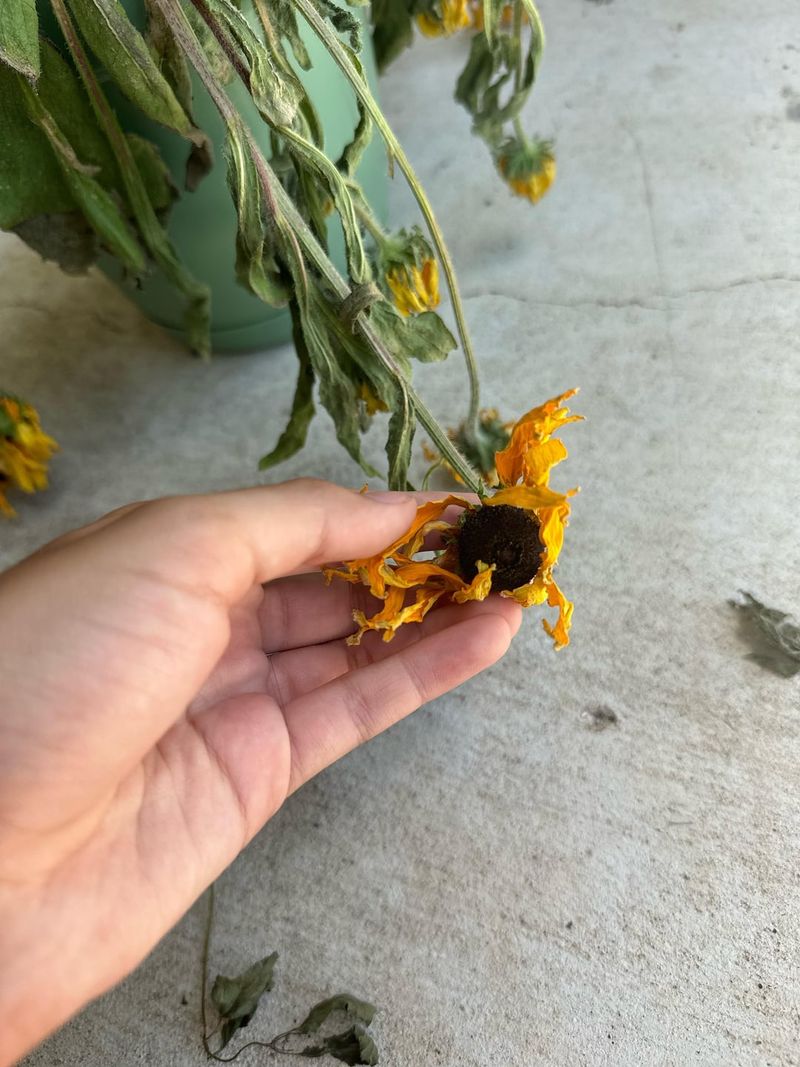
Most gardeners do not realize how quickly a plant can change its focus. The moment a black-eyed Susan flower fades and starts forming seeds, the plant redirects its energy away from making new blooms and toward ripening those seeds instead.
In August, that shift can happen surprisingly fast because of the warm North Carolina temperatures pushing the plant through its cycle.
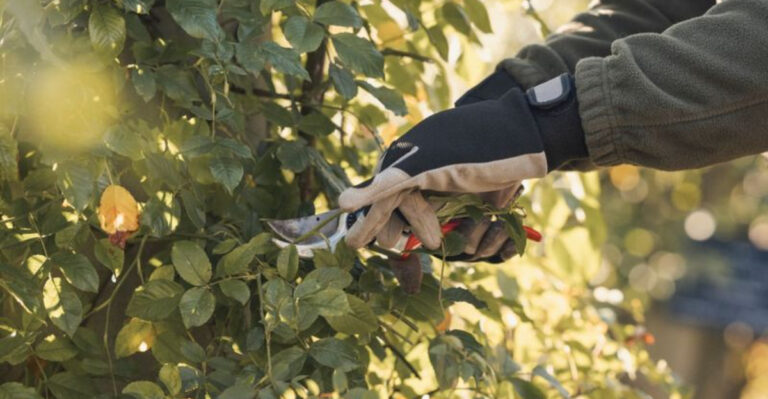
Removing spent flowers, a practice called deadheading, interrupts that process. When you snip off a faded bloom before the seed head fully forms, you are basically telling the plant that its job is not finished yet.
The plant responds by putting its resources back into producing more flowers, which can extend your bloom display well into September and even early October.
The results are honestly pretty impressive once you get into the habit. Gardeners who deadhead consistently through August often notice their clumps looking fuller and more colorful compared to plants that were simply left alone.
You do not need any fancy tools to get started, just a clean pair of garden scissors or small pruning shears and a few minutes every few days. Even a quick pass through the bed to pull off the most obvious faded blooms makes a real difference.
North Carolina summers are long and hard on flowers. Giving your black-eyed Susans a little extra care is an easy way to keep them healthy, extend their blooms, and enjoy more color in your garden until cooler fall weather arrives.
2. Cut Back To A Healthy Leaf Or Side Stem
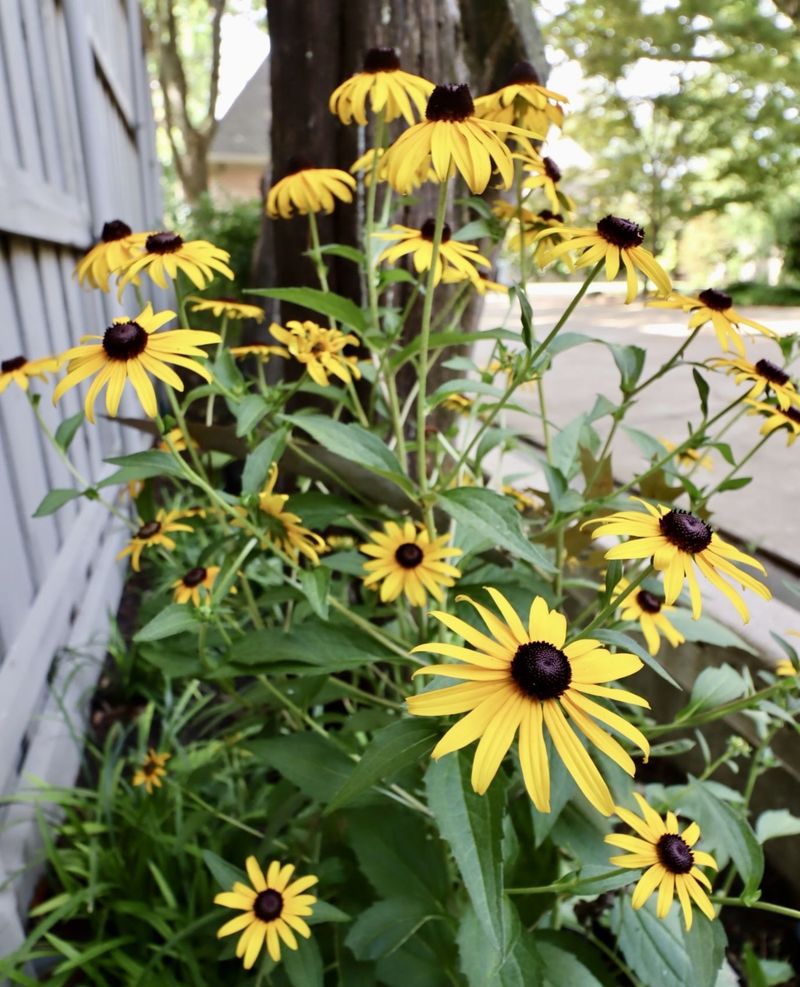
There is a right way and a less effective way to remove old black-eyed Susan blooms. Some people just pull off the brown petals and leave the bare stem standing, but that approach leaves an awkward stub that does not help the plant at all.
The better move is to trace the faded flower stem down to where a healthy leaf or a side stem branches off, and make your cut just above that point.
Cutting back to a leaf node or side stem does two things at once. First, it keeps the plant looking tidy rather than full of weird sticking-up sticks.
Second, it encourages the plant to push new growth from that branching point, which often leads to fresh flower buds forming on those new stems.
Your North Carolina Garden Changes Every Week. Your Plan Should Too.
Gardening in North Carolina changes quickly throughout the season. Every Friday you’ll receive a simple weekly plan showing exactly what to plant, prune, fertilize, harvest, and protect so you never miss the right timing.
It is a small detail, but it genuinely changes how productive and attractive the clump stays through the rest of summer.
Sharp, clean tools matter more than most people expect. Dull blades can crush the stem instead of making a clean cut, which stresses the plant and can invite fungal problems, something you really want to avoid in North Carolina’s humid August air.
Wipe your blades with a little rubbing alcohol between plants if you are working through a large bed, especially if any plants look like they might have a disease.
Once you get the hang of finding the right spot to cut, the whole process goes quickly and becomes almost second nature every time you walk through your garden.
3. Check Plants Every Few Days In August
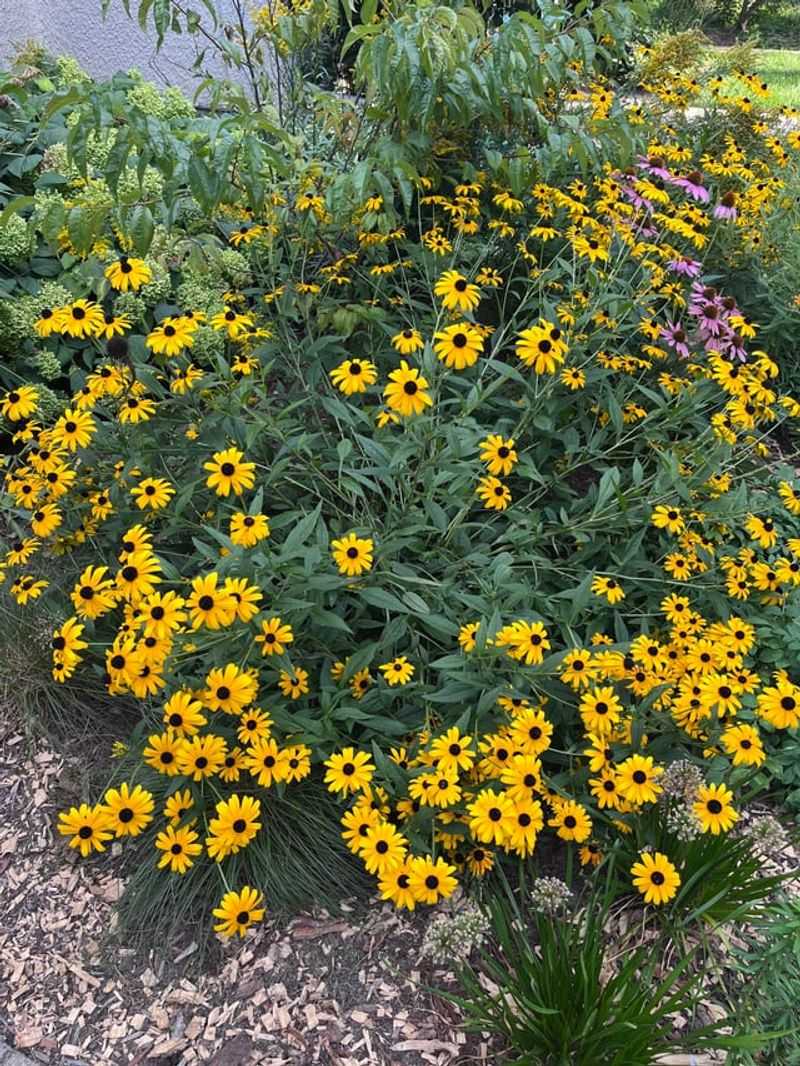
August in North Carolina is not gentle. Temperatures regularly climb into the upper 80s and 90s, and that heat pushes flowers through their bloom cycle faster than during cooler months.
A bloom that looks fresh on Monday can look completely faded and ready for removal by Thursday, which means waiting a full week between garden checks can let the plant slip into seed production mode before you even notice.
Checking your black-eyed Susans every two to three days during August is genuinely one of the most effective strategies for keeping the display going strong. It sounds like a lot, but each visit only takes a few minutes once you know what to look for.
Look for blooms where the petals are starting to droop, curl inward, or turn brown around the edges, those are the ones to remove before the seed head beneath them starts to swell and mature.
Think of these quick checks as a fun excuse to spend a few extra minutes outside in your garden.
You will start noticing things you might otherwise miss, like new buds forming, interesting insects visiting your flowers, or early signs of any pest or disease issues that are much easier to handle when caught early.
Frequent light maintenance almost always beats one big cleanup session, because the plant never gets a long enough window to fully switch into seed-setting mode.
Keeping that momentum going through August is the real secret to having a black-eyed Susan clump that still looks vibrant and colorful when September finally arrives.
4. Leave Some Late Seed Heads For Birds
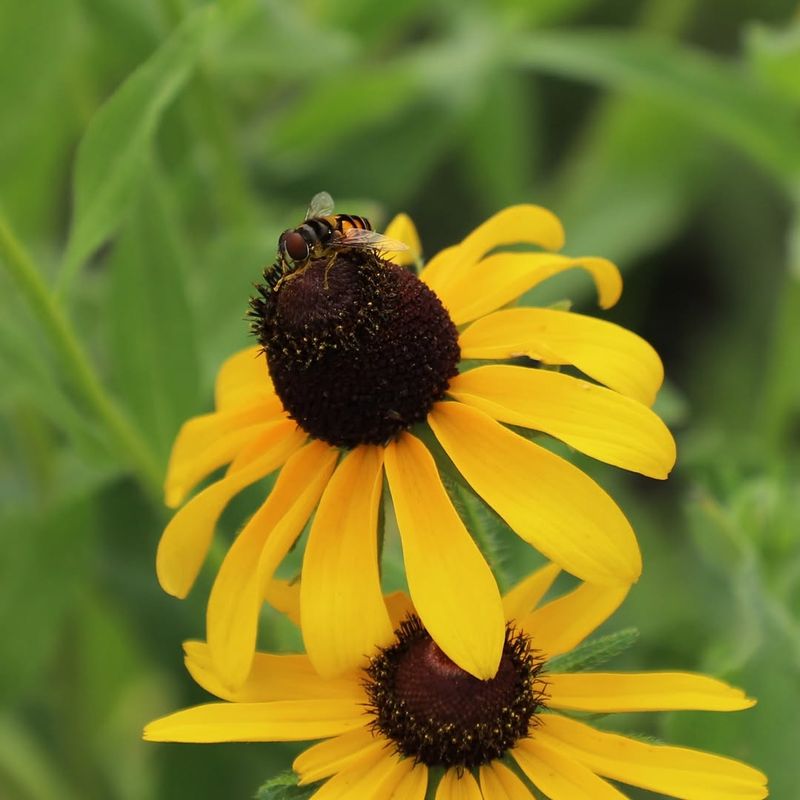
Deadheading through August is a smart strategy, but the goal is never to remove every single seed head your plants produce.
Nature has its own plan for those seeds, and if you leave some of them in place as the season winds down, you will be rewarded in ways that go beyond just more flowers.
Black-eyed Susan seeds are a favorite food source for several bird species, with American goldfinches being especially well known for visiting garden seed heads in late fall and early winter.
A good approach is to deadhead aggressively through most of August and into early September to push the plant toward more blooms, then ease up as the days start getting shorter and cooler.
Let the last round of flowers mature naturally into seed heads, and you will have a beautiful, wildlife-friendly display waiting for the birds when other food sources become harder to find.
Those dried seed heads also add wonderful texture and visual interest to the winter garden, standing tall and catching the light on frosty mornings.
Leaving seed heads also supports natural reseeding, which means you may find new black-eyed Susan seedlings popping up nearby next spring without planting a single thing.
North Carolina gardeners who manage their plants this way often end up with larger, more established clumps over time.
Balancing beautiful blooms with wildlife value is a rewarding way to garden. With very little extra effort, you can keep your garden looking its best while also supporting pollinators and the local ecosystem.
5. Water Deeply During Dry August Stretches

Deadheading works best when the plant underneath is healthy and well-hydrated.
Black-eyed Susans are known for being tough and drought-tolerant once established, but even these hardy plants can struggle during long dry spells, which are common in North Carolina during August.
A plant that is running short on moisture tends to fade faster and may not respond as well to deadheading because it simply does not have enough energy to push out new buds.
Deep watering is far more effective than frequent shallow watering for black-eyed Susans.
When you water deeply, you encourage the roots to grow downward into the soil where moisture stays more consistent, making the plant more resilient during hot, dry periods.
Aim to water at the base of the plant rather than overhead, since wetting the foliage in North Carolina’s humid conditions can encourage the powdery mildew and leaf spot issues that sometimes show up on black-eyed Susans in late summer.
A simple rule of thumb is to check the soil about two inches down with your finger. If it feels dry at that depth, it is time to water.
During a typical North Carolina August with no significant rainfall, that might mean watering once or twice a week depending on your soil type and how much mulch you have around the plants.
A two to three inch layer of mulch around the base does a fantastic job of holding moisture in and keeping the root zone cooler, which gives your plants the steady support they need to keep blooming beautifully through the end of summer.
6. Avoid Heavy Fertilizer In Late Summer
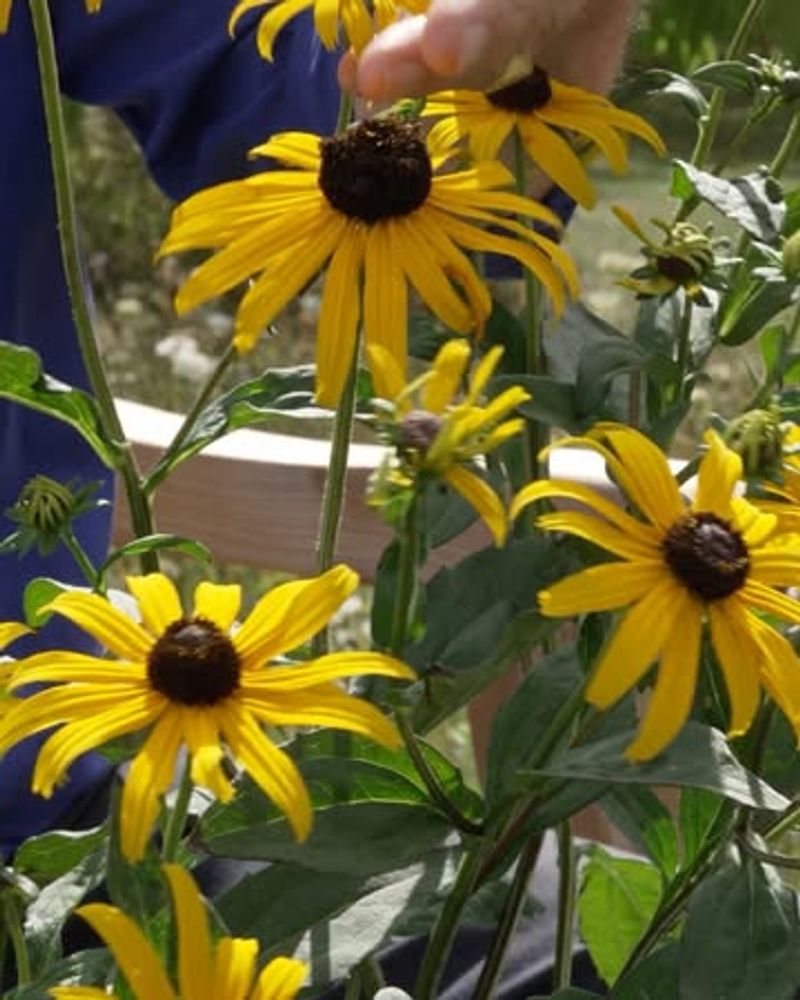
It might seem like giving your black-eyed Susans a big dose of fertilizer in August would push them toward more blooms, but it can actually backfire in a frustrating way.
High-nitrogen fertilizers encourage the plant to put its energy into producing lush, leafy green growth rather than flowers.
You end up with a bigger, bushier plant that looks impressive from a distance but produces far fewer of the bright yellow blooms you were hoping for.
NC State University Extension notes that black-eyed Susans actually perform best in soils with moderate fertility, not overly rich conditions.
If your plants are growing in reasonably healthy garden soil, they probably do not need any supplemental fertilizer at all during August.
These are native wildflowers that evolved in conditions that were not particularly nutrient-rich, so they are genuinely adapted to getting by without a lot of extra feeding.
Over-fertilizing can also make the stems grow tall and floppy, which causes the plant to lean or flop over under its own weight, especially after a summer rainstorm.
If you feel like your plants genuinely need a little support, a light application of a balanced, slow-release fertilizer in early summer before the main bloom period is a much smarter approach than heavy feeding in late summer.
By August, your goal is to work with what the plant already has rather than trying to push it harder.
Steady moisture, regular deadheading, and good sunlight will do far more for your bloom display than any bag of fertilizer ever could at this point in the season.
7. Give The Clump Enough Sun And Airflow
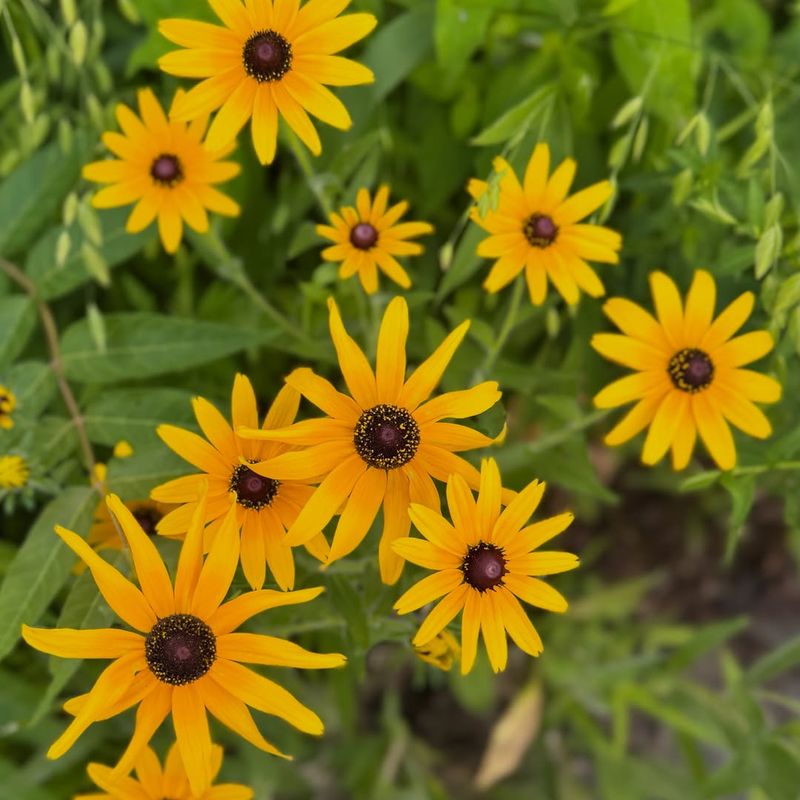
Sunshine is absolutely non-negotiable for black-eyed Susans. These plants are built for full sun, which generally means at least six hours of direct sunlight each day, and they bloom most powerfully when they get that consistently.
Plants growing in shadier spots, even if the shade is only partial, tend to produce fewer flowers, stretch toward the light in an awkward way, and fade noticeably earlier as summer progresses.
If your clump has been gradually losing sun because nearby shrubs or trees have filled in, that could explain why it is not performing the way it used to. Airflow is the other piece of the puzzle that gardeners sometimes overlook.
North Carolina summers bring serious humidity, and when black-eyed Susan clumps are crowded together or planted too close to other dense plants, the air around them becomes stagnant and moist.
That creates ideal conditions for powdery mildew and other fungal issues that can make the foliage look gray and messy by late August, which takes away from the whole display even if the flowers are still coming in.
Thinning out a crowded clump every few years by dividing it in early spring is one of the best long-term investments you can make for your plants.
Divisions spaced about 18 inches apart give each plant room to breathe, catch sunlight from all angles, and grow into a strong, full shape on its own.
Healthy airflow combined with full sun almost always produces the most impressive, longest-lasting bloom display, and it dramatically reduces the kind of late-summer disease pressure that makes plants look worn out well before fall.