Snow Buntings Are Back in Ohio Farm Fields – Where to Look
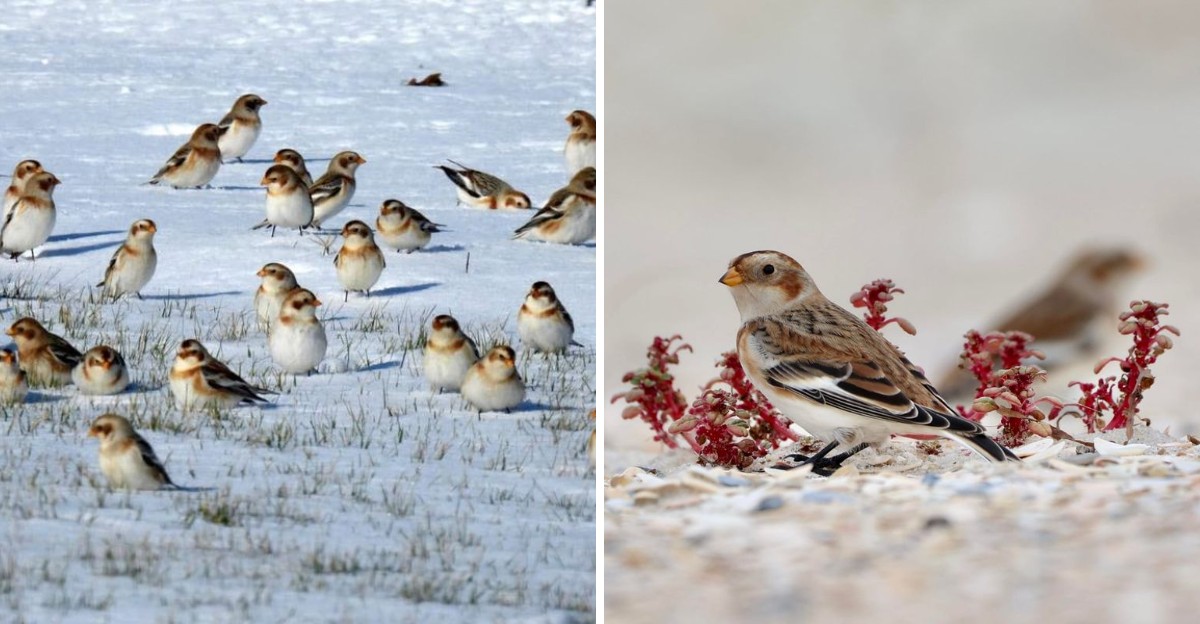
A bird that weighs about as much as a few quarters can sleep inside a snowbank and wake up just fine. I still find that hard to believe every winter.
These little travelers nest in the high Arctic, farther north than nearly any other songbird. When the tundra freezes over, flocks drift south into open country across Ohio.
Personally, I love how they move. A whole flock lifts off a bare field at once, flashing white wings like a sudden gust of snow.
Then they drop back down and seem to vanish into the dirt.
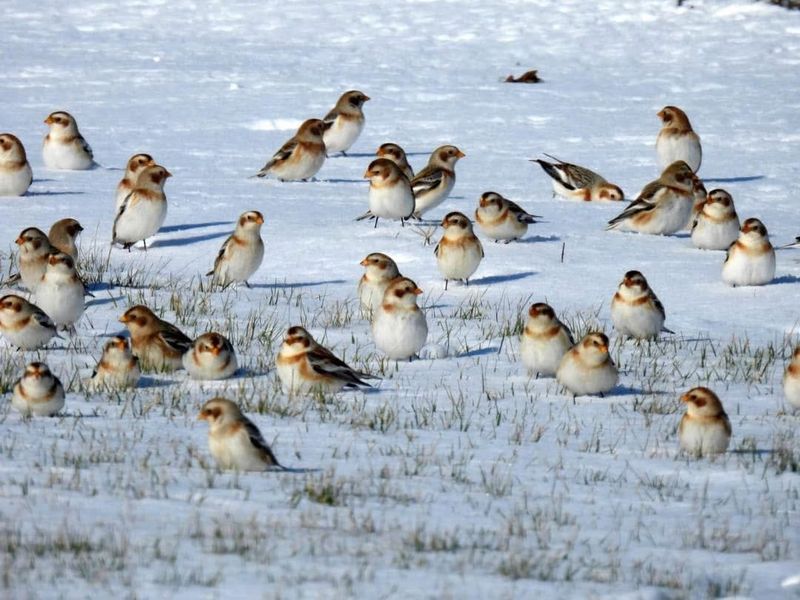
You could drive past hundreds of them on a gray January morning and never know. Their colors match corn stubble, frozen mud, and patchy snow almost perfectly.
Where should you point your binoculars first?
That Swirl Over the Cornfield Might Be a Flock of Snowflake Birds
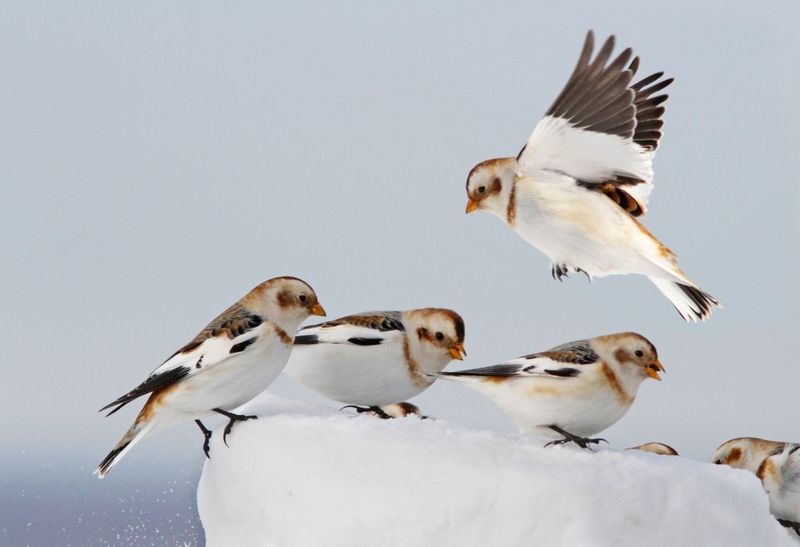
Farmers have a fun nickname for these birds. Many call them snowflakes, and once you see a flock take off, the name makes perfect sense.
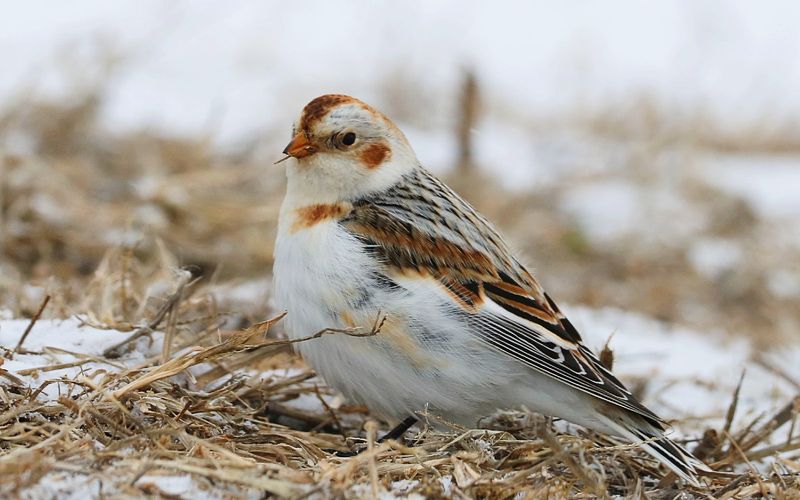
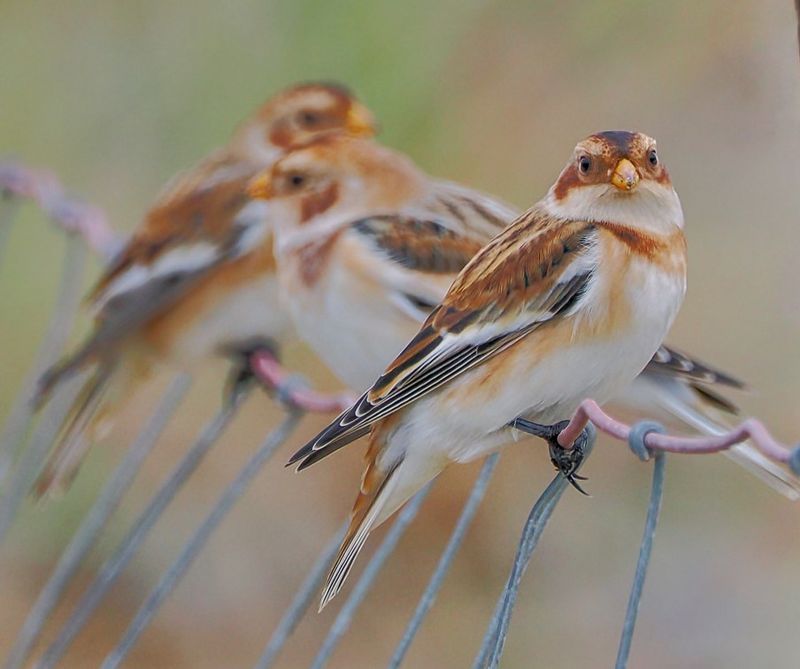
Snow Buntings are small, chunky songbirds about six to seven inches long. In winter, they wear a sandy brown and rusty coat on the head and back, with bright white bellies.
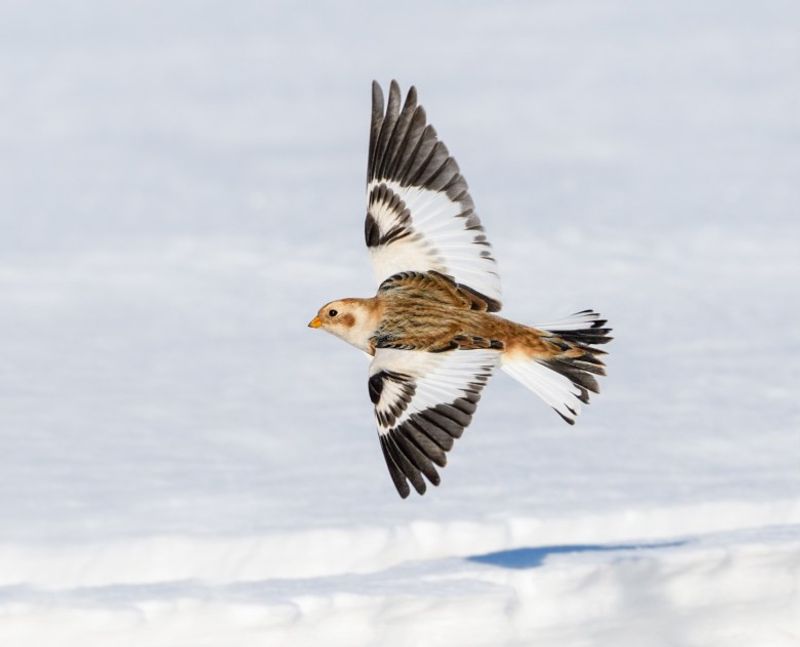
Their wings carry big white patches that flash when they fly.
On the ground, they look plain and easy to miss. In the air, they turn into a rolling cloud of white and brown that seems to tumble across the field.
The flock often circles once or twice before landing a short distance away.
I like to watch how they land. They tend to hit the ground running, shuffling along in a tight group as they search for food.
They walk and hop rather than perch high in trees.
Flocks in Ohio can range from a handful of birds to a few hundred. Sometimes they mix with Horned Larks and Lapland Longspurs, which share the same taste for bare, open ground.
So when you see a shimmer of white lift off a frozen field, slow down. That flurry might have wings.
Wide Open Farm Fields With Crop Stubble Are Your Best Bet
Flat, bare, and windy is exactly what these Arctic birds want. Snow Buntings avoid woods and thick brush, so skip the forest trails and head for the big open farmland.
Harvested corn and soybean fields are top spots. Leftover grain and weed seeds lie scattered between the stubble rows, making easy pickings.
Fields that have been spread with manure also draw flocks, since they hold seeds and stay partly clear of snow.
Western and northwestern Ohio, with its huge flat farm country, often has some of the best chances. Counties around the old Great Black Swamp region can be especially good.
Still, open farmland in most parts of the state can host a flock.
You need to scan slowly. Pull over safely on a quiet country road and look along the field edges and roadsides, where wind and plows often expose bare ground.
After a fresh snowfall, check the shoulders of rural roads. Plows scrape away snow there, and the birds gather to pick at grit and seeds.
Please stay on public roads and never walk into private fields without permission. Your car makes a handy bird blind anyway, since flocks often flush when people step out.
Wyandot County Grasslands And Other Ohio Hotspots Worth The Drive
Some places in Ohio seem to pull in winter field birds year after year. Birders keep coming back to them for good reason.
A large state wildlife area in Wyandot County is a favorite. Its wide grasslands and surrounding farm fields attract Snow Buntings, Horned Larks, and hawks in winter.
Driving the area roads slowly can pay off nicely.
Along Lake Erie, Headlands Beach State Park in Lake County is another classic stop. Buntings sometimes feed along the open beach and dunes, especially in late fall.
Lakeshore spots near Lorain and Cleveland can produce sightings too.
The Lake Erie islands are worth a look as well. On South Bass Island, flocks have been reported around open grassy areas, including near the airport.
Reclaimed strip mine grasslands in eastern Ohio, like The Wilds area, offer big open views that suit these birds. Huge flat spaces mean more chances.
Before you go, check eBird for recent reports. It is free, and local birders post sightings often, which can save you a lot of driving.
Personally, I treat every trip as a scavenger hunt. Even on quiet days, these spots usually offer hawks, larks, or other winter surprises.
December Through February Brings The Biggest Bunting Flocks
Timing can make or break your search. Snow Buntings usually start showing up in Ohio in late October and November, often first along the Lake Erie shoreline.
As winter deepens, more birds move inland into farm country. December through February is often the peak window for finding flocks in fields.
By March, most begin heading back north toward the Arctic.
Weather plays a big role. Heavy snow farther north can push more birds south into Ohio.
A mild winter may mean fewer and smaller flocks, since the birds do not need to travel as far.
I have learned to watch the forecast closely. The day after a snowstorm is often a great time to look.
Birds crowd onto any bare patches they can find, such as plowed roadsides, windswept hilltops, and manure-spread fields.
Morning tends to be a good time, when birds are busy feeding. Still, flocks forage all day in cold weather, so an afternoon drive can work too.
Numbers change from year to year. One winter might bring huge swirling flocks, while the next brings only a few.
That unpredictability is part of the fun.
Those Sandy Brown Feathers Hide Snow Buntings In Plain Sight
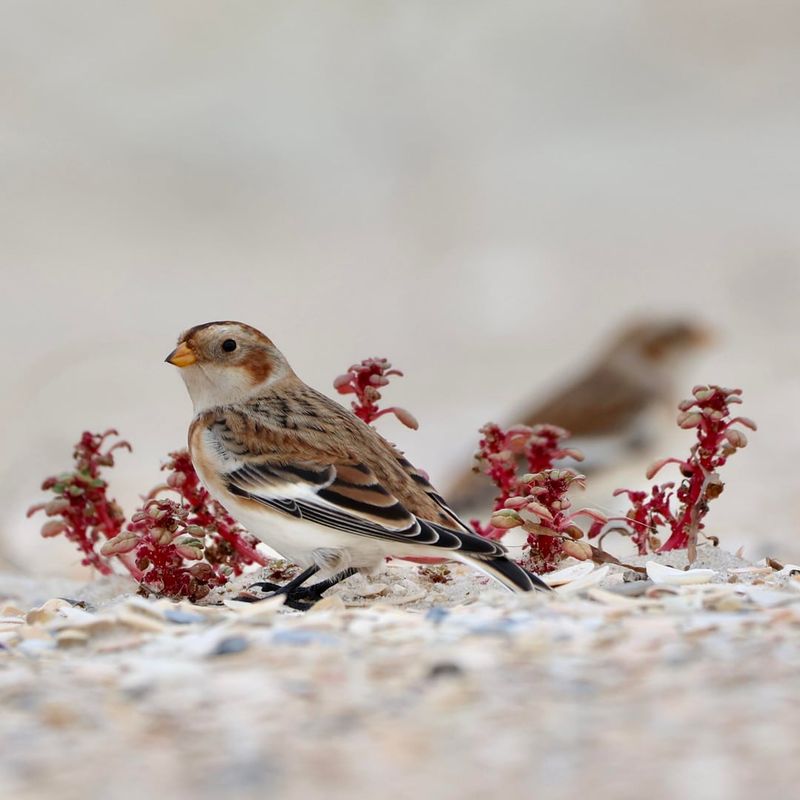
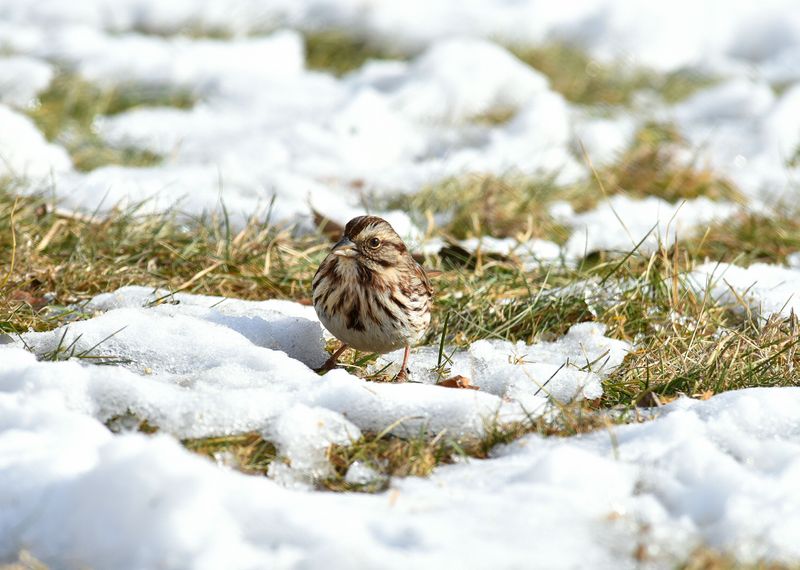
Camouflage is the secret weapon of this little bird. In winter, its rusty tan head and streaky brown back blend right into dirt, dried grass, and old cornstalks.
That makes spotting one on the ground tricky. Many people only notice a flock when it suddenly flies up, flashing all that white.
Here are a few tips that help me. Look for movement first, not color.
A field that seems empty may suddenly show small shapes creeping along the rows.
Bring binoculars, and consider a spotting scope if you have one. Scan the field slowly from one side to the other, then do it again.
Flocks often feed in a loose band and shift position as they go.
Listen too. Snow Buntings give soft buzzy calls and a musical rattle in flight.
Hearing them can tip you off before you see them.
Fun fact: males change color for summer without molting into new feathers. They rub off the brown feather tips against snow, revealing crisp black and white breeding plumage underneath.
Once you train your eyes, you might start seeing them everywhere. That moment feels like cracking a code.
Seed-Seeking Snow Buntings Have Clever Cold Weather Tricks
Survival in an Ohio winter takes serious skill. Snow Buntings bring plenty of it from their Arctic home.
Their diet shifts with the seasons. In summer, they feed on insects and spiders to raise their chicks.
In winter, they switch mostly to seeds from grasses and weeds, along with waste grain left after harvest.
You may see them scratching or pecking through thin snow to reach hidden seeds. Some reports say one bird can eat hundreds of weed seeds in a day.
That steady fuel helps keep them warm.
Their bodies are built for cold. Thick, dense feathers trap heat, and their legs are partly feathered too.
They often fluff up into little round balls on chilly mornings.
Here is a trick I love. On very cold nights, Snow Buntings may burrow into snow to rest.
Snow acts like a blanket, and those hollows stay warmer than the open air above.
Flocking helps as well. More eyes mean a better chance of spotting hawks and finding food.
When you see them hunched against the wind, give them a nod of respect. They handle weather that sends most of us indoors.
Give Snow Buntings Space And Share Your Sightings
Watching these birds is a treat, and a little care goes a long way. Every time a flock flushes, it burns energy it badly needs in the cold.
Stay in your car when you can. Vehicles bother birds less than people walking toward them.
If you get out, move slowly and keep your distance.
Respect farmers and landowners. Park well off busy roads, avoid blocking field lanes, and do not cross fences without permission.
Hoping to attract them at home? Honestly, it is unlikely unless you live next to big open farmland.
They rarely visit typical backyard feeders. If your property borders open fields, scattering millet or cracked corn on bare ground may draw a curious flock now and then.
One of the most useful things you can do is report what you find. Enter sightings on eBird or join a Christmas Bird Count or Great Backyard Bird Count in February.
Scientists use these records to track how populations are changing.
Studies suggest Snow Bunting numbers have declined over recent decades. Your notes can help researchers understand why.
So grab a thermos of cocoa and hit the back roads. A flurry of wings may be waiting.