New York Homeowners Are Learning To Remove This Invasive Vine From Their Yards Before It Takes Over
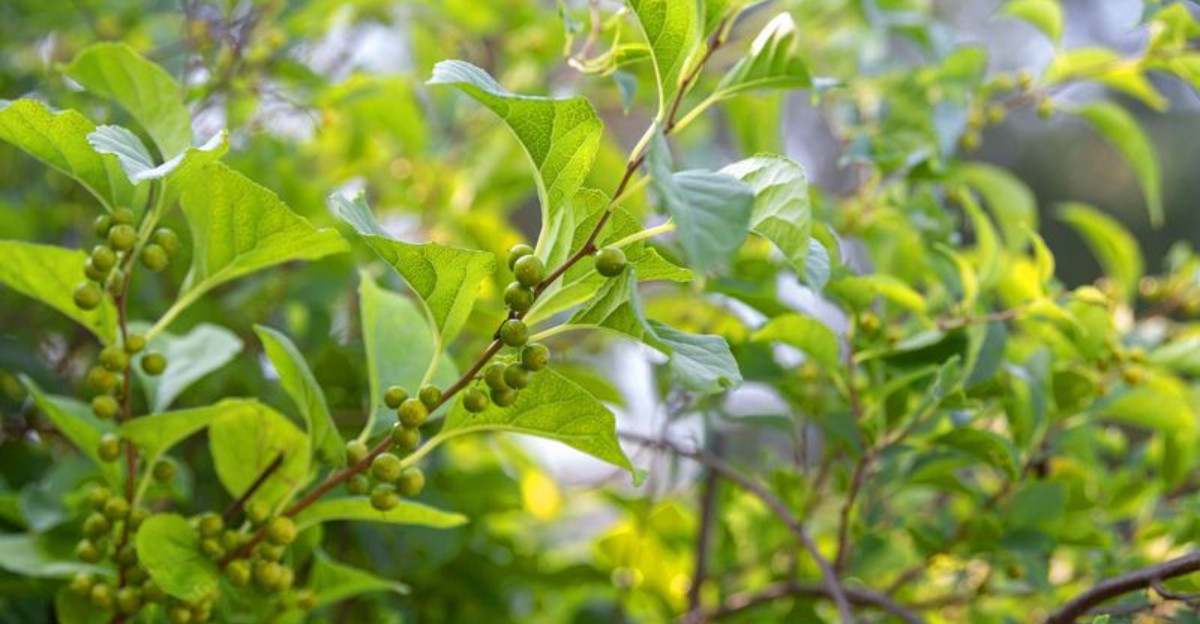
Something is wrapped around the trees in your neighborhood, and November is when it finally shows itself.
Across New York, leaves are dropping, and a tangle of thick, twisting vines is suddenly visible on fences, porches, and utility poles, studded with bright orange and red berries.
It doesn’t ask permission. It coils around mailboxes, drapes over toolsheds, and squeezes a quiet oak tighter every year.
Homeowners in New York are starting to notice the pattern: a few stray stems one summer, a fence draped in vines a season or two later, and eventually an entire tree wrapped from trunk to crown. This isn’t your average garden nuisance.
It climbs dozens of feet into the canopy, and it doesn’t care about property lines. If you’ve spotted a woody vine strangling a tree this fall, you’re not imagining things.
By the time most homeowners notice it, it’s already hard to stop easily. But right now, you can see exactly what you’re dealing with.
Oriental Bittersweet Is Showing Its Colors In New York Yards
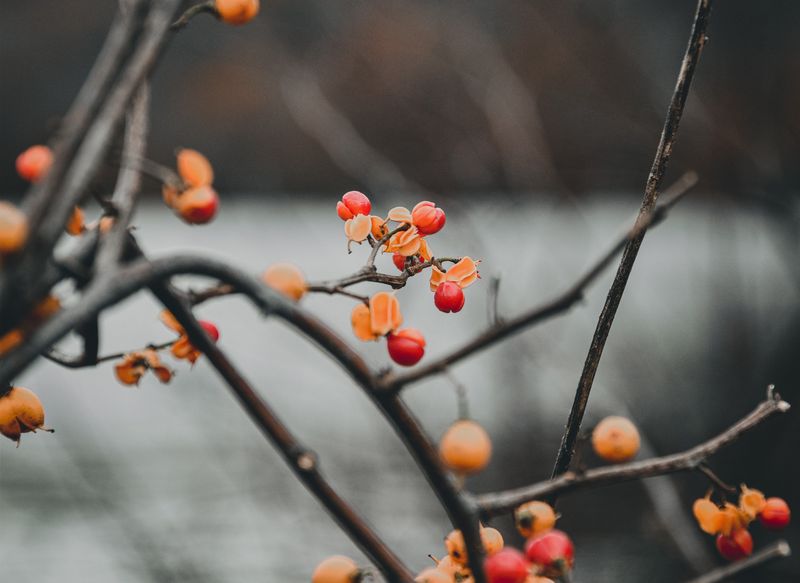
One crisp morning you step outside, and the bare branches are draped in glowing orange berries. Oriental bittersweet, a woody vine native to East Asia, is now established across much of New York.
Brought to the U.S. in the 1800s as an ornamental plant, it quickly escaped into the wild. Its colorful fruit made it popular for gardens and decorations before anyone understood the problems it would cause.
Today, oriental bittersweet has crept into neighborhoods, parks, and roadsides across the state, from Long Island and the Hudson Valley to upstate woodlands.
Homeowners often mistake it for a harmless native vine, or even admire the berries, until it is far too late. A single vine can climb into the top of a mature tree.
That is not an exaggeration: a mature vine can climb dozens of feet into the sky. Most people do not realize the problem until a favorite tree is wrapped from trunk to crown. By then, the vine has often developed an extensive root system.
Oriental bittersweet thrives along woodland edges, fence lines, roadsides, and overgrown corners. These are exactly the kinds of spaces found all around suburban and rural properties.
Spotting it early is the single most important thing you can do, and November makes that easier than any other month. The sooner you act, the less work you will face down the road.
More gardeners and local officials are starting to take notice. The state lists it as a prohibited invasive species, and it has officially made itself at home across New York.
How To Spot This Invasive Vine Right Now
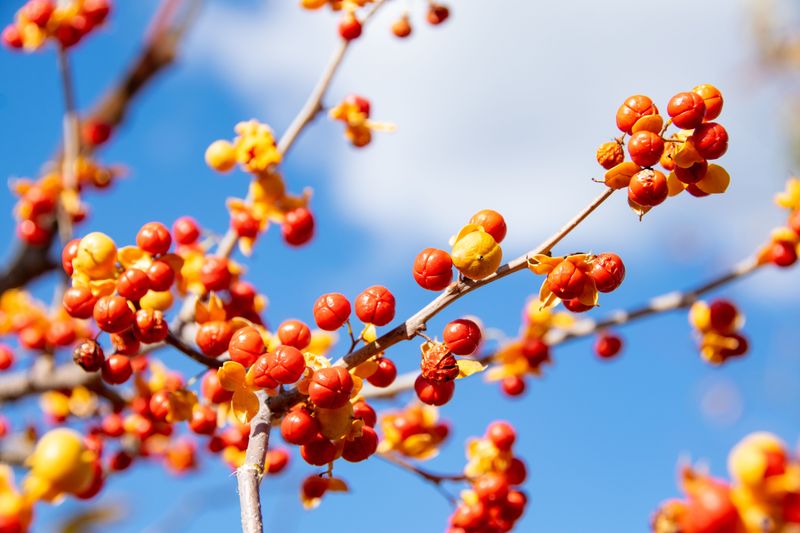
Bare branches and bright berries are the first thing you notice. With the leaves gone or turning yellow, the vine’s thick, twisting stems stand out against the sky.
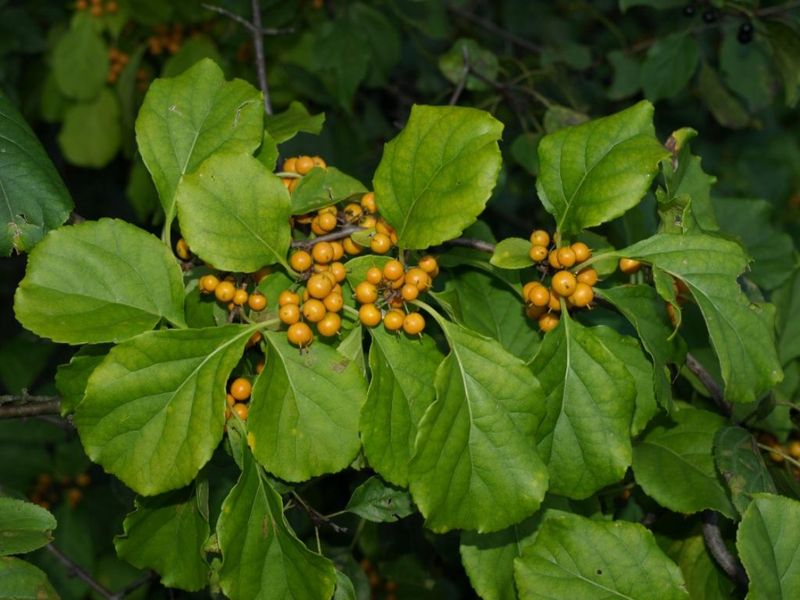
The leaves that remain are round to oval, glossy, and finely toothed. They turn a buttery yellow in fall and drop early, which makes the stems even easier to see.
In autumn, oriental bittersweet produces yellow capsules that split open to reveal bright red-orange berries. They grow in small clusters along the stems, tucked into the leaf joints.
Thick, woody stems form as the vine matures. They can become as wide as a few inches and are very tough to cut through by hand.
The vine climbs by twisting tightly around anything in its path. Trees, telephone poles, fences, and even porch railings are fair game.
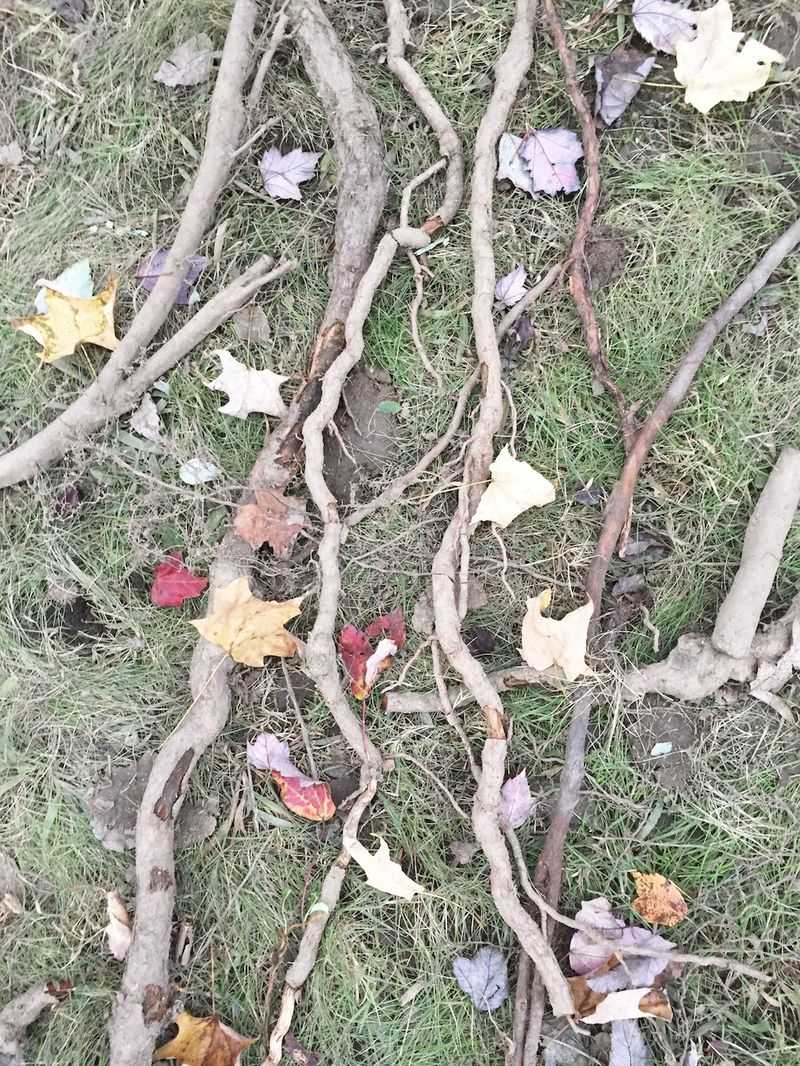
The roots offer another clue. Scratch the surface of a root and you’ll find a bright orange color, though native American bittersweet roots look similar, so use the berry placement to confirm.
Many homeowners confuse it with native American bittersweet. A simple trick is to check where the berries grow.
American bittersweet carries its fruit in clusters at the tips of the stems, while the invasive kind carries it along the stems.
Knowing exactly what you are looking at gives you a real advantage. Confident identification means faster action and a better chance of stopping the spread before it gets out of hand.
Why It Spreads So Fast Across New York
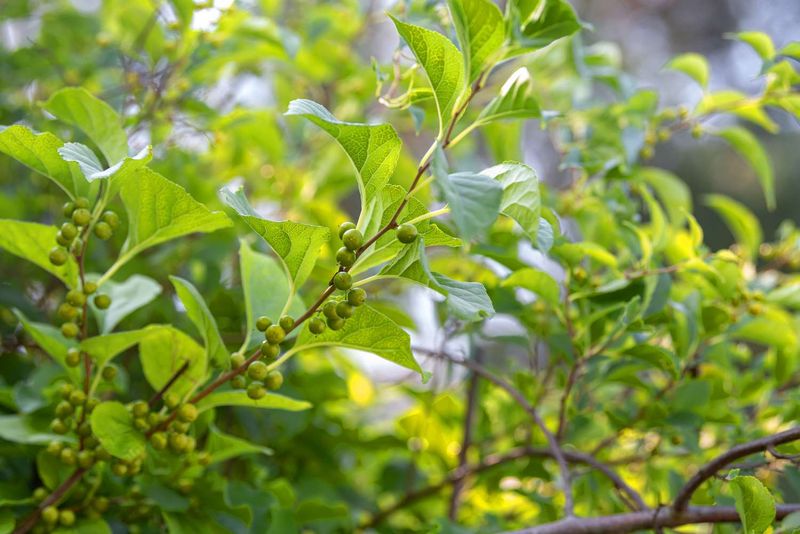
Birds are basically the delivery service for this relentless vine. Every autumn they feast on the berries and scatter the seeds across yards, woodlots, and roadsides.
The vine tolerates sun and shade, wet soil and dry. It has proven remarkably adaptable, and that flexibility lets it settle in almost anywhere.
Oriental bittersweet grows fastest between late spring and early fall, exactly when most homeowners are busy with other things. By the time most homeowners notice it, it’s already hard to stop.
Disturbance is another major factor in its rapid spread. Construction sites, storm-damaged areas, and freshly cleared land are prime starting points for new infestations.
Even a single plant left unchecked can produce hundreds of berries. Within a few growing seasons, one vine can turn into dozens of seedlings across a neighborhood.
The vine also spreads vegetatively, meaning it can regrow from root fragments left in the soil. Cutting or mowing without dealing with the roots often makes the problem worse, not better.
It can also cross with native American bittersweet, which puts the native species at risk of being edged out of the landscape.
Understanding why it spreads so aggressively helps you fight it smarter. Timing your removal to match its seasonal cycle is one of the most effective strategies available to homeowners today, and that cycle is turning in your favor right now.
The Damage It Causes To Trees, Structures, And Native Plants
Picture a hundred-year-old oak tree wrapped in thick, rope-like vines from the ground to the crown. That is not an exaggeration, oriental bittersweet can climb into the canopy of mature trees.
As the stems thicken, they squeeze the trunk and can restrict the flow of water and nutrients. The tree slowly weakens over time.
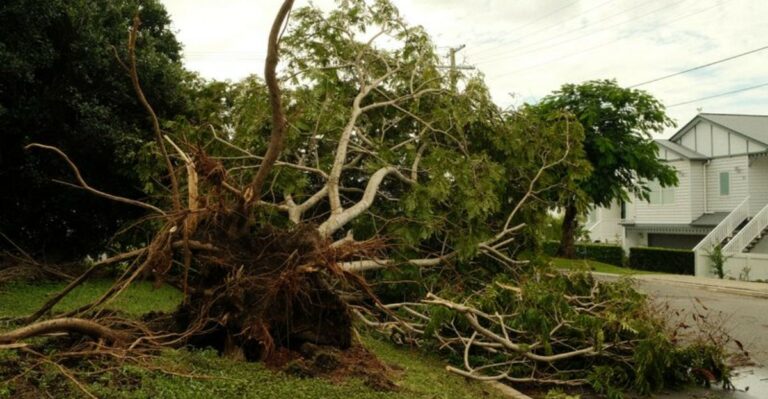
The extra weight is a danger too. Heavy vines loaded with ice or wet snow can bring down limbs, and sometimes entire trees, in winter storms.
Native plants fare just as poorly. Wildflowers, shrubs, and young saplings all get crowded and shaded out as the vine spreads across the ground and climbs upward.
Structures are not safe either. The vine creeps along fences, wraps around gutters, and pulls on sheds, trellises, and wooden decks with surprising force.
Power lines are a serious concern near heavy infestations. Utility crews spend considerable time and money keeping climbing vines away from poles and wires.
Local wildlife loses habitat when native plants disappear. Birds, pollinators, and small mammals all depend on the plants that invasive vines push out.
The economic toll on property values is real. A yard overtaken by invasive vines can look neglected, and that perception affects what buyers are willing to pay.
The damage goes far beyond aesthetics. Every season you wait, the cost of recovery, in money, time, and lost biodiversity, grows harder to reverse.
How To Remove Oriental Bittersweet This Month
Removing oriental bittersweet takes patience, but it can absolutely be done with the right approach. Starting with a clear plan makes the whole process far less overwhelming.
November through early spring is the ideal window. The leaves are down, the vine is dormant, and every stem and berry cluster is easy to see and follow.
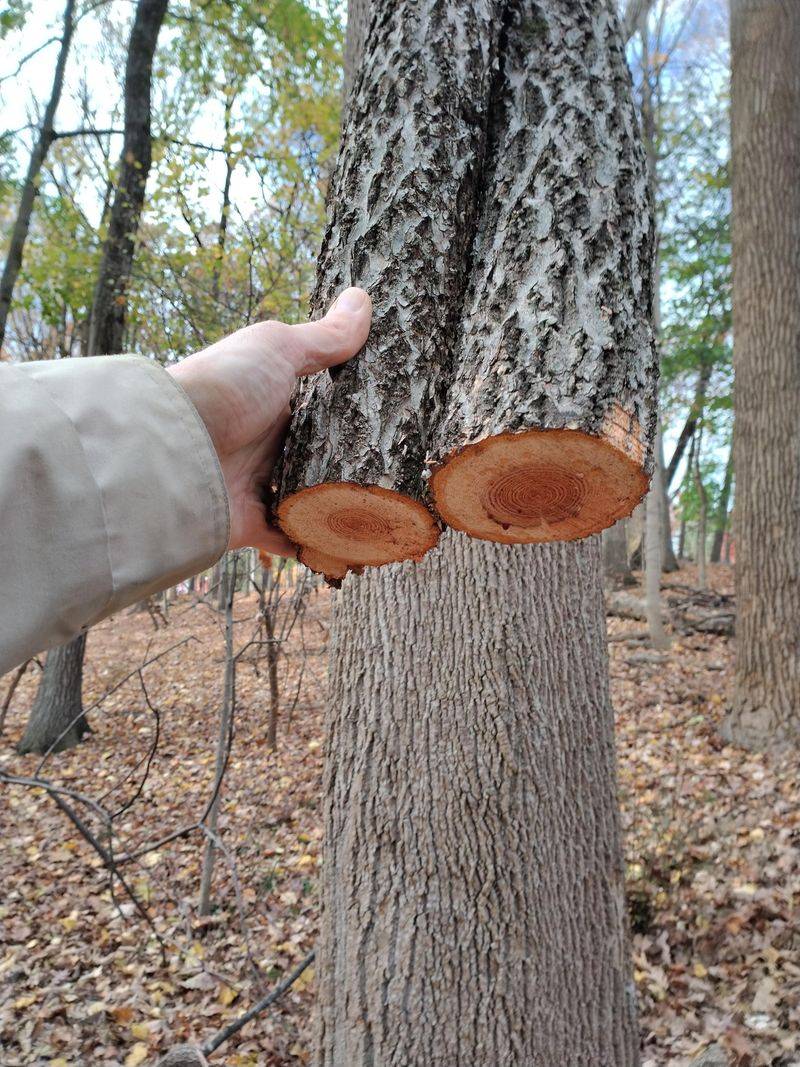
Cut the vines at the base first, as close to the ground as possible. Then make a second cut a few feet higher so the section in between is clearly severed from the roots.
Leave the upper vines in the trees. Pulling them down can damage the bark and branches, and the severed vines will wither and decay over time.
Digging out the roots is the most critical step. Leave even a small piece behind, and the plant will regrow. The orange color makes it easy to tell you’ve found the right ones.
For large infestations, repeated cutting over multiple seasons is often necessary. Consistency beats a single aggressive effort when dealing with extensive root systems.
Some homeowners use targeted herbicide on freshly cut stumps. Fall and dormant-season applications can work well on days above freezing, but always follow the label or hire a licensed applicator.
Always wear gloves, long sleeves, and eye protection during removal. Cut vines can snap back, and thick stems may need a pruning saw.
Bag and dispose of every berry in the trash. Avoid composting them, since the seeds stay viable and can sprout wherever they land.
Holiday season note: oriental bittersweet sometimes shows up in dried wreaths and fall arrangements. Skip it, and never toss old decorations into the yard.
Persistence is your greatest tool against this stubborn plant. Stay consistent, and you’ll make real, lasting progress.
Preventing Regrowth When Spring Arrives
Winning the first round against oriental bittersweet is satisfying, but the real victory is making sure it never comes back. Long-term prevention requires a shift in how you think about your yard.
After removal, plant native ground covers, shrubs, or ferns in the cleared area as soon as the ground allows. Bare soil is an open invitation for invasive species to return and claim the space.
Dense plantings of native shrubs and low perennials crowd out new seedlings before they can establish. A full canopy of desirable plants is your best natural barrier.
Inspect your property edges every spring before growth season begins. Catching a new seedling early means pulling one plant instead of fighting an entire patch.
Mulching cleared areas adds another layer of defense. A thick layer of wood chip mulch suppresses germination and keeps the soil from drying out in ways that stress your chosen plants.
Talk to your neighbors about what is growing along shared fence lines. Birds carry seeds across property boundaries, and a cooperative approach protects everyone on the block.
Report large infestations to your local Cornell Cooperative Extension office or regional PRISM. Many counties track invasive species and can offer free guidance or resources to homeowners.
Staying informed is one of the most powerful things you can do. As oriental bittersweet continues spreading through the region, early action by individual homeowners truly makes a community-wide difference.
Your yard is worth protecting, and so is the ecosystem around it. Keeping this strangling vine out for good starts with one consistent, informed step at a time.