Arizona Packrats Move Into Garages And Engine Bays As Nights Cool, So Block These Spots Now
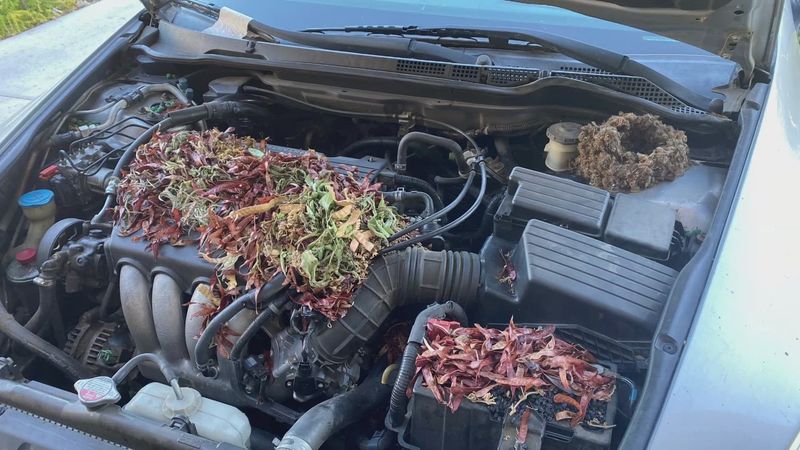
When desert nights finally start to cool, Arizona packrats go looking for a cozy new home, and your garage or car engine might be at the top of their list. These furry little collectors chew wires, haul in sticks and cactus bits, and can leave behind repair bills that sting worse than a cholla spine.
The good news is that a few simple fixes, done before winter settles in, can make your place far less inviting to them. Here are ten spots and habits worth checking this week.
1. Gaps Under the Garage Door
Picture a packrat at midnight, nose pressed to the bottom edge of your garage door. If it feels even a thin stream of warm air, that rat has found its doorway.
Packrats can squeeze through an opening about the size of a nickel. A cracked or flattened bottom seal, common after years of Arizona sun baking the rubber, leaves exactly that kind of gap at the corners.
Get down on the floor with the lights off during the day and look for slivers of daylight along the edge.
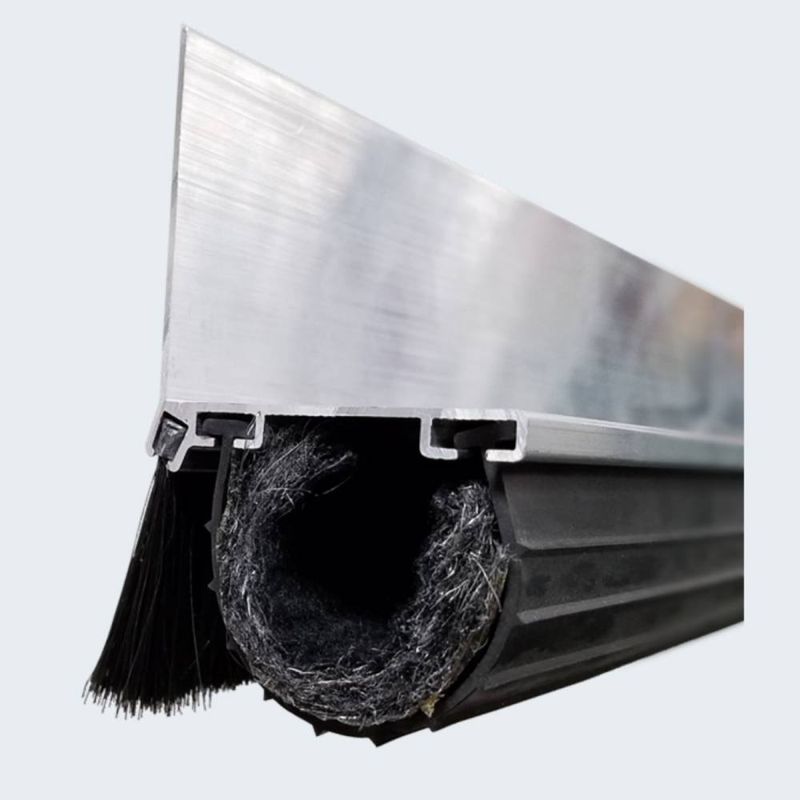
Replacing the bottom seal is usually an inexpensive weekend project. Pick a thick, flexible vinyl or rubber seal rated for high heat, since cheaper versions can harden and crack by the second summer.
Pay extra attention to the side corners, where the door meets the frame, because those small triangles of space are favorite entry points.
For added protection, some homeowners install brush-style side seals along the vertical tracks. They may help block rodents while still letting the door glide smoothly.
Check the seal again each fall when temperatures dip. A ten-minute inspection now can save you from discovering a nest of twigs and cactus pads behind your storage shelves in January.
2. Utility and Pipe Openings
Your plumber probably never thought about packrats when running that water line through the garage wall. Unfortunately, the rats think about those openings a lot.
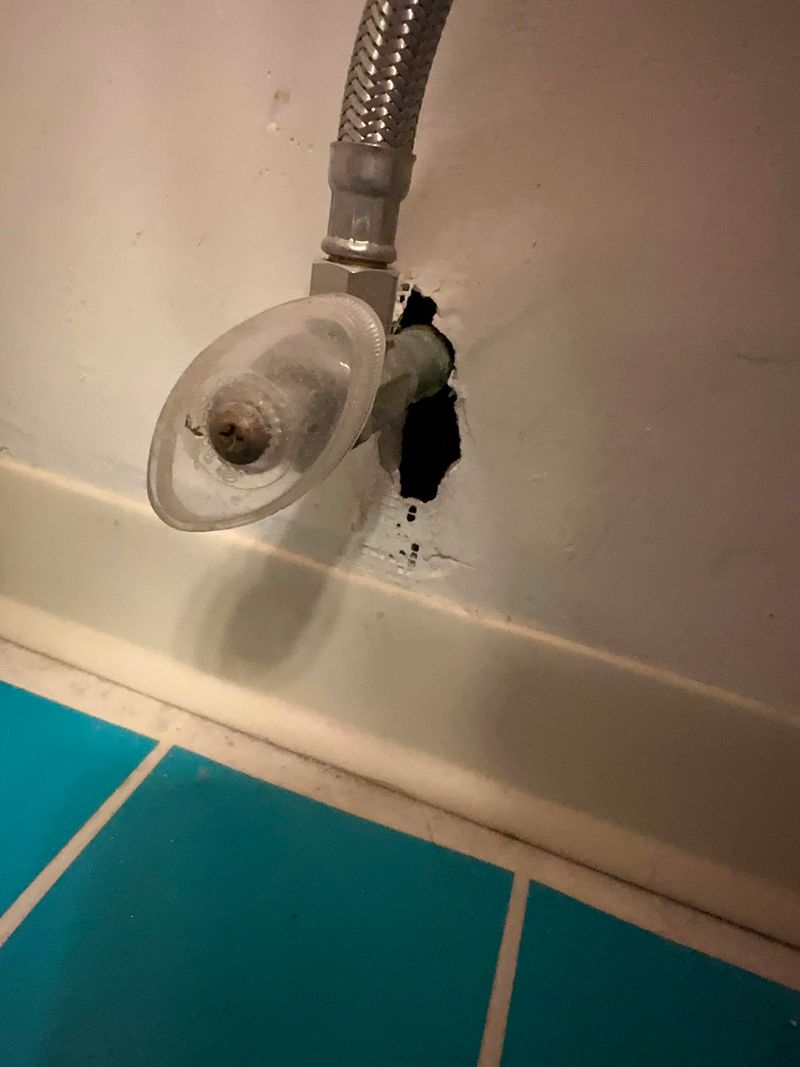
Walk around the outside of your garage and look closely wherever something passes through the stucco. Water pipes, AC refrigerant lines, cable wires, gas lines, and dryer vents all tend to leave rough holes that are a bit bigger than the pipe itself.
Over time, stucco can crack and widen those gaps even more.
Simple foam alone will not do the job, because rodents chew right through it. Instead, stuff the gap tightly with copper mesh or steel wool first, then seal over it with an exterior-grade caulk or patching compound.
Copper mesh is a nice choice in the desert since it holds up well to heat and monsoon moisture without rusting.
Do not forget the inside of the garage, too. Look behind water heaters, softeners, and laundry hookups, where openings often hide in shadowy corners.
Once everything is sealed, take a quick photo of each spot. Next fall, you can compare and catch any new cracks before a curious packrat finds them.
3. Clutter and Cardboard Boxes
Ask any pest pro in Tucson where they find packrat nests indoors, and the answer often sounds the same: behind the boxes nobody has opened in years.
Your Arizona Garden Changes Every Week. Your Plan Should Too.
Gardening in Arizona changes quickly throughout the season. Every Friday you’ll receive a simple weekly plan showing exactly what to plant, prune, fertilize, harvest, and protect so you never miss the right timing.
Packrats love hiding spots that stay dark and undisturbed. Stacks of cardboard, piles of old blankets, rolled-up rugs, and forgotten camping gear give them perfect cover.
Cardboard is also chewable, so they can shred it into nesting material right where they sit.
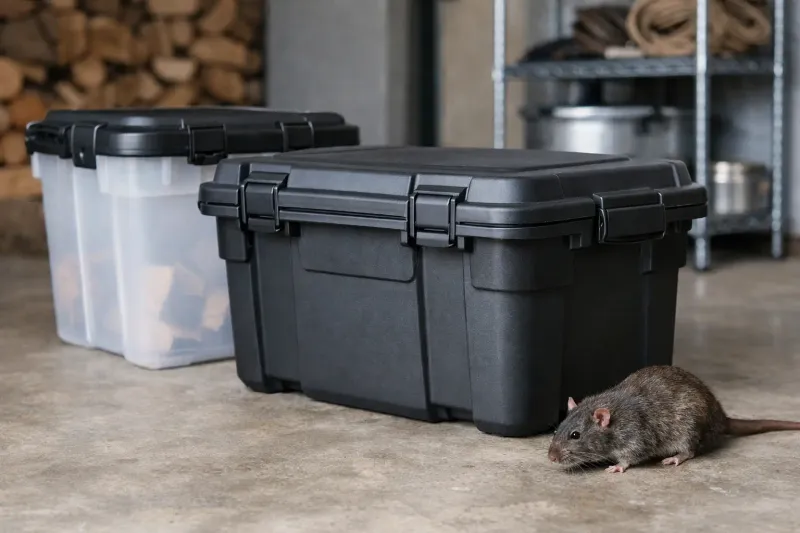
Start by sorting through the garage before the cool weather really sets in. Donate or toss what you no longer need, and move keepers into sturdy plastic bins with snap-tight lids.
Clear bins are especially handy because you can spot droppings or chewed items at a glance.
Store bins on metal shelving raised off the floor, leaving a small gap between shelves and walls. That open space makes it harder for a rodent to travel unseen along the edges of the room.
Here is a fun bit of trivia: packrats are famous for trading objects, sometimes dropping a pebble when they pick up a shiny screw. A tidy garage leaves them far fewer treasures to collect and far fewer places to stash them.
4. Pet Food and Birdseed Storage
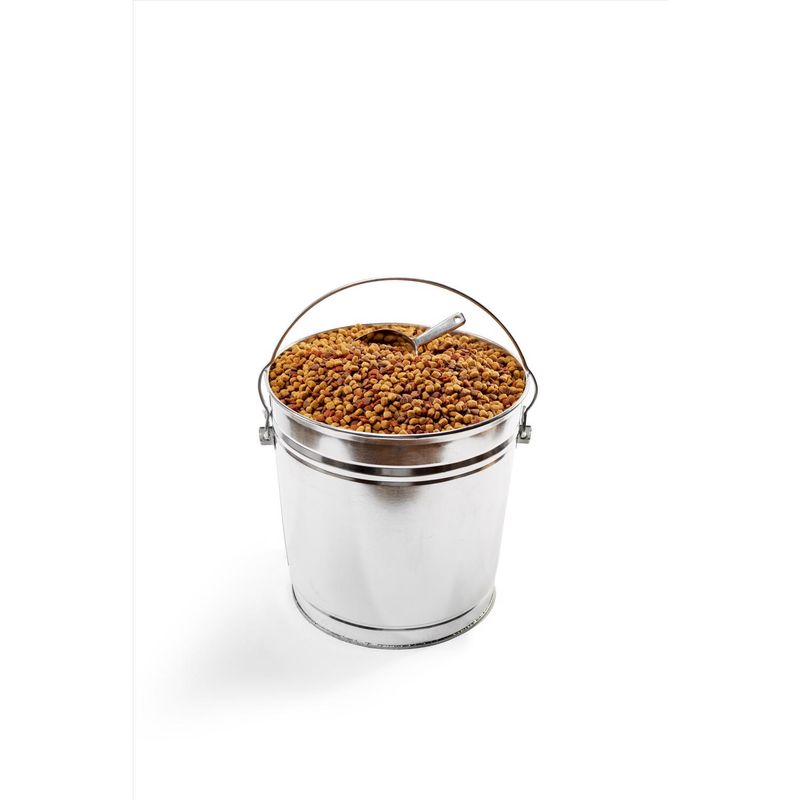
That big bag of kibble leaning against the garage wall might as well be a neon sign for every packrat on your block.
Food is one of the biggest reasons rodents settle near homes. Dog food, cat food, chicken feed, grass seed, and birdseed are all easy calories, and a paper or plastic bag offers almost no resistance to sharp teeth.
Once a packrat learns your garage has a steady snack bar, it is likely to stay.
Switch to metal containers with tight lids, such as galvanized cans. Heavy plastic bins can work, but determined rodents sometimes gnaw through the corners.
Keep scoops inside the container and sweep up spilled bits right away.
If you feed birds, consider filling feeders in the morning with only what birds will eat that day. Seed scattered under feeders at night can draw packrats right up to your walls.
Placing feeders farther from the house can also help.
Do not forget trash and recycling bins. Rinse food containers before tossing them, and keep lids closed tight.
Small changes like these make your garage much less tempting without changing how you care for your pets or backyard birds.
5. Your Car’s Engine Bay
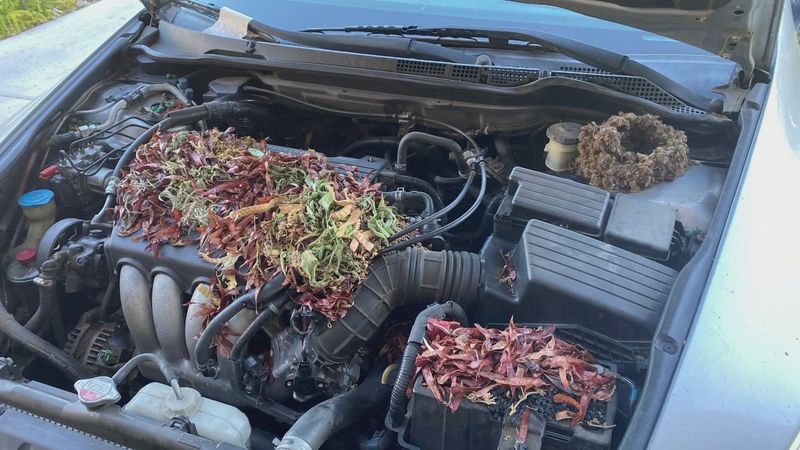
A mechanic in Mesa once joked that he could tell the season by how many chewed wire harnesses rolled into his shop. Cooler nights mean busy bays.
After a drive, your engine stays warm for hours, which feels wonderful to a chilly rodent. The tight spaces around the air filter box, battery, and firewall offer shelter from owls and coyotes too.
Some modern vehicles use soy-based wire coatings, which may make wiring even more appealing to chew.
Pop the hood at least once a week during fall and winter. Look for twigs, leaves, cactus pieces, shredded insulation, droppings, or chew marks on hoses and wires.
Also notice any musty smell when you start the car, or a dashboard warning light that appears out of nowhere.
Catching trouble early matters. Chewed wiring can cause stalls, sensor failures, fluid leaks, and even a fire risk, while a full harness replacement can cost thousands of dollars.
If you do find a nest, wear gloves and a mask to remove it, since droppings can carry germs. A quick check every few days turns a potential disaster into a minor chore.
6. Lights and Open Hoods at Night
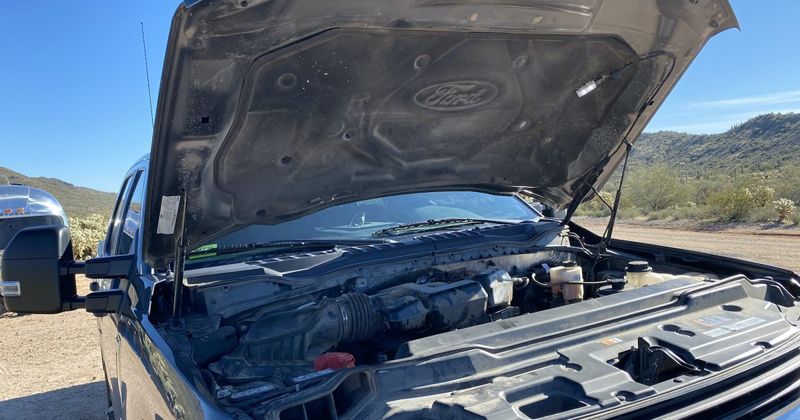
Darkness is a packrat’s best friend. Take it away, and the engine bay suddenly feels a lot less like home.
Since packrats are nocturnal and prefer to move where they cannot be seen, a little light can go a long way. Many Arizona drivers place an inexpensive LED work light under the engine area at night.
A light on a timer or motion sensor in the garage can also make the space feel exposed and less cozy.
Raising the hood overnight is another simple trick. An open hood lets in light and cooler air, so the engine loses its snug, cave-like feeling much faster.
It is a free option if you park in a secure garage.
Results can vary from neighborhood to neighborhood, and some persistent rats may get used to steady light. Switching up the setup now and then, such as moving the light or alternating with motion lights, may help keep them guessing.
Choose LED bulbs that stay cool and use very little power. That way your anti-rat glow costs pennies per night and adds no extra heat for unwanted guests to enjoy.
7. Peppermint and Pepper Scent Barriers

Strong smells we barely notice can feel overwhelming to a rodent’s sensitive nose. Many desert homeowners use that fact to their advantage.
Peppermint oil is one of the most popular natural options. Mix a teaspoon or so with water in a spray bottle, then mist around tires, garage corners, and along the door edge.
Some folks also soak cotton balls in peppermint and tuck them in a small mesh bag near, but not on, hot engine parts.
Cayenne pepper and garlic are other scents that may help discourage packrats. Sachets filled with these can sit on shelves or near where you park.
Coyote urine products are also sold as deterrents, since packrats naturally avoid predator signs.
Keep expectations realistic. Scents fade quickly in dry Arizona heat, so plan to refresh them every week or two.
They work best as one layer in a bigger plan that includes sealing gaps and cleaning up clutter.
Always keep sprays away from belts, electrical connectors, and hot exhaust parts. When in doubt, focus on the floor around the car rather than inside the engine compartment itself.
8. Prickly Pear and Plants Near Walls
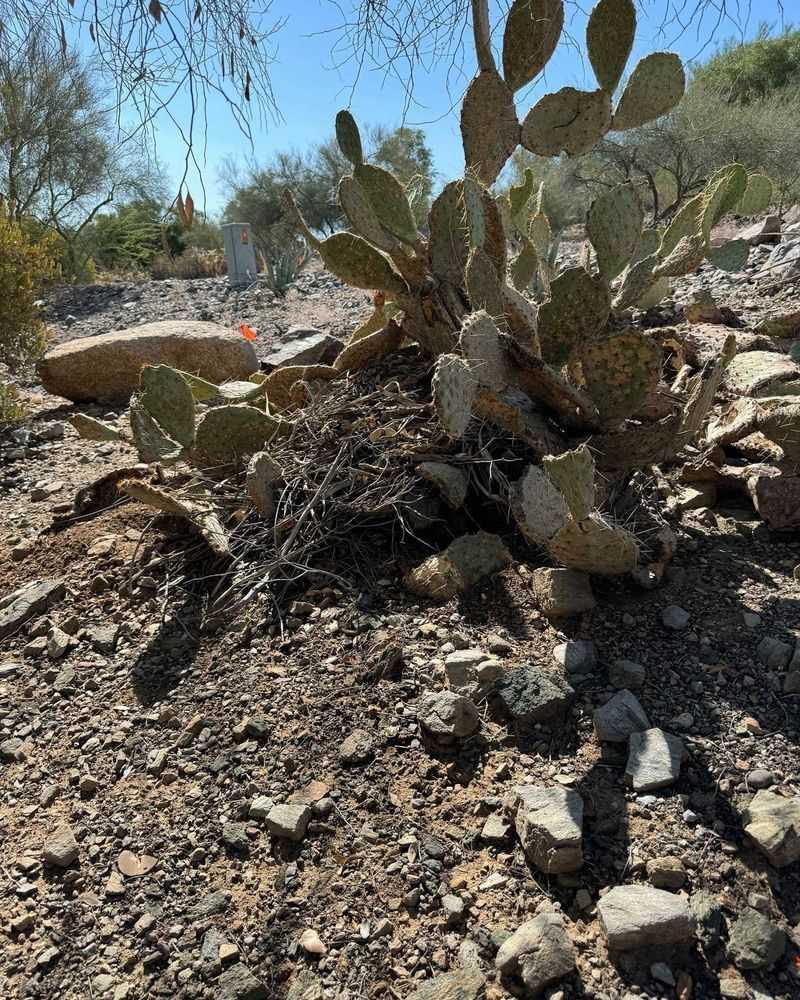
Here is a twist for desert gardeners: that gorgeous prickly pear by your garage may be feeding the very rats you want gone.
Packrats eat prickly pear pads and fruit, and they often build big stick nests right at the base of cholla and prickly pear. The spines protect them from predators, and the plant gives them water and food.
A cactus hugging your foundation creates a fully stocked rat camp just steps from your garage door.
You do not have to give up native plants. Simply place cactus and dense shrubs farther from the house.
Many landscapers suggest a clear gravel buffer of a few feet along walls, which removes hiding cover and makes rodents more visible to owls and hawks.
For plantings near the garage, choose open, upright natives like penstemon, desert marigold, or agave set with space around them. Trim back any bushy growth such as lantana or bougainvillea touching walls.
Fall, from October into November, is Arizona’s prime planting window. It is the perfect time to move or add natives with smarter placement, giving you a yard that welcomes pollinators while staying less inviting to packrats.
9. Yard Debris and Woodpiles
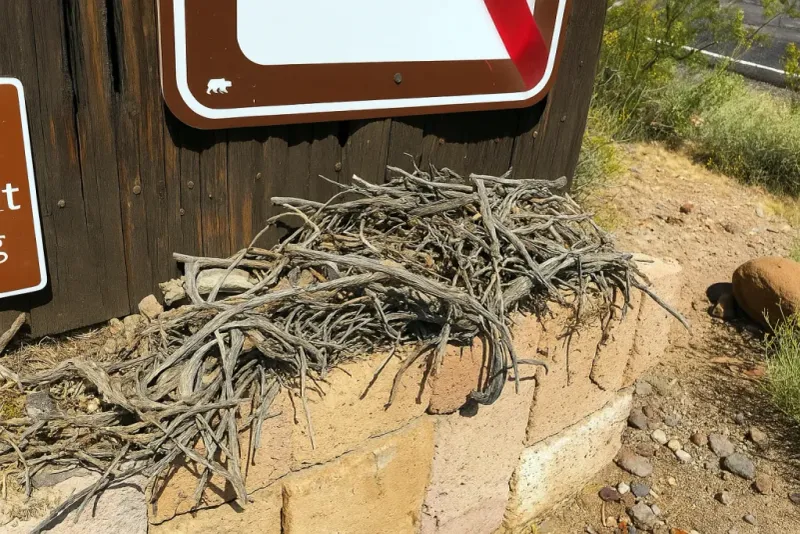
Some of the biggest packrat homes look like nothing more than a messy pile of sticks. Those piles, called middens, can be used by generations of rats for years.
Fallen palm fronds, mesquite pods, pruned branches, and stacked firewood all give packrats both building supplies and shelter. Mesquite pods double as food, so a yard full of them is like a pantry.
When those piles sit near the garage, the rats have a short commute to your car.
Rake up pods and fallen debris regularly, especially after monsoon storms knock branches loose. Bag or haul away pruning waste rather than stacking it behind a shed.
If you keep firewood for chilly evenings, store it on a raised rack at least a foot off the ground and well away from walls.
Before moving an old pile, wear thick gloves and boots. Packrat nests can shelter scorpions, black widows, and other critters you do not want to grab by surprise.
Fun fact: some ancient packrat middens in the Southwest are thousands of years old. Your goal is simply to make sure none get started in your own backyard.
10. Parking Spots and Car Covers
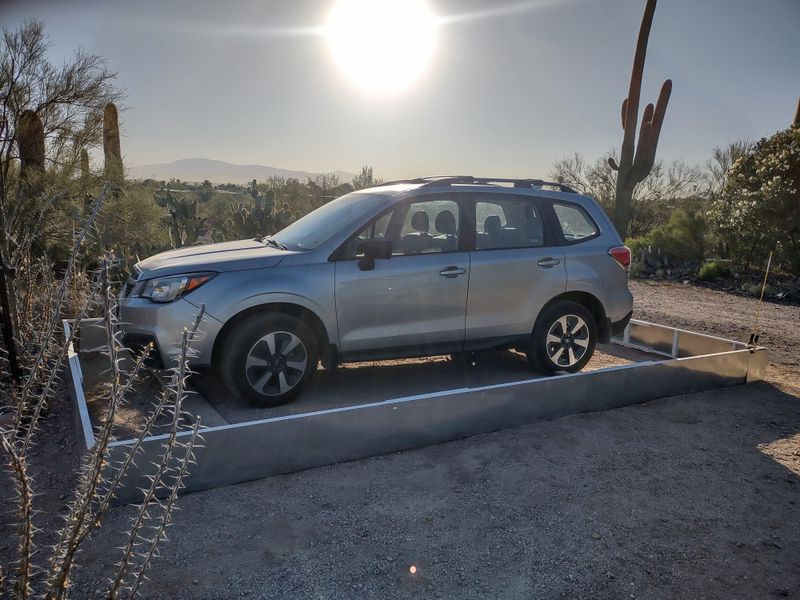
Where you park each night can matter almost as much as what you seal or spray. Think of it as choosing the least rat-friendly spot on your property.
Avoid parking next to trash cans, recycling bins, dense shrubs, or woodpiles. Those spots attract rodents and give them a quick path straight up into your wheel wells.
An open stretch of driveway with bright lighting is usually a smarter choice.
If you park outside, a fitted car cover can add a layer of protection by making it harder to reach the engine from above. Make sure it fits snugly near the bottom, and do not leave a cover bunched on the ground, since loose fabric can create a hiding space of its own.
Vehicles that sit unused for weeks, like a winter RV or a weekend truck, face the highest risk. Start them and drive them regularly when you can, and check under the hood before every trip.
If rats have already visited, consider a professional steam cleaning of the engine bay. Removing leftover scent trails may help keep the next packrat from following the same path inside.