These Are The Scorpion Species Texas Gardeners Are Finding In Their Yards Right Now
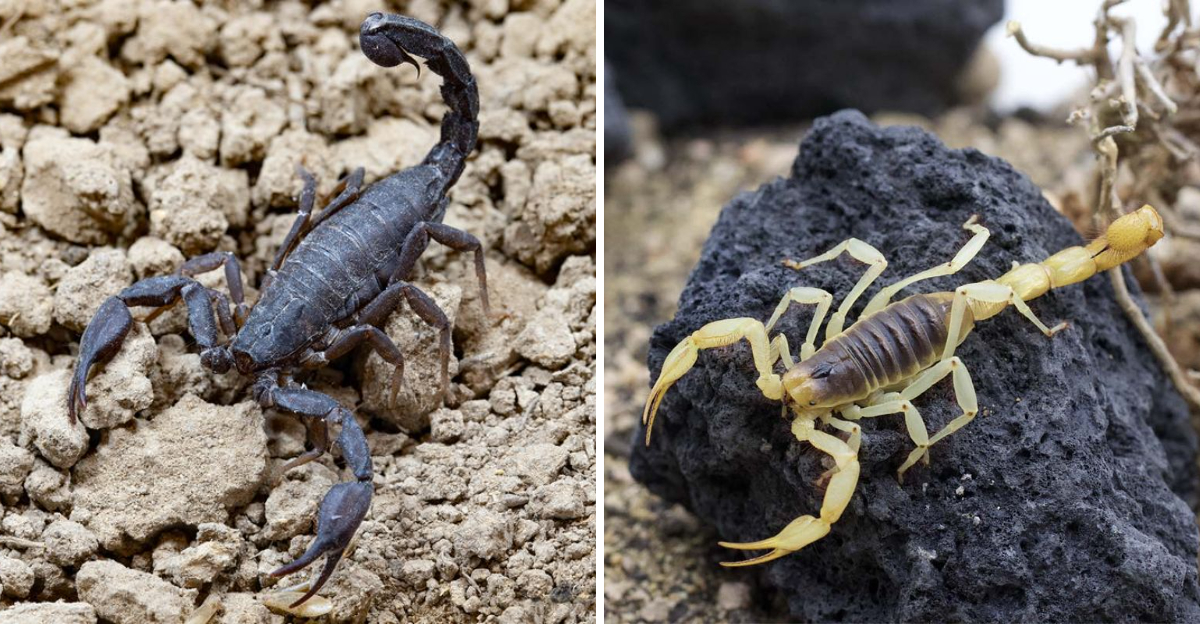
Most Texas gardeners have encountered a scorpion at some point, but not everyone stops to consider which species they are actually dealing with or what that identification means for their yard and their household.
Texas is home to more scorpion species than most residents realize, and the differences between them go well beyond appearance.
Some are a minor nuisance with a sting that fades in an hour. Others are a more serious concern, particularly for children, the elderly, or anyone with sensitivities.
The species showing up in Texas yards right now follow predictable patterns based on region, habitat, and season, and knowing which ones are most likely to be present in your specific area gives a much more useful picture than treating every scorpion sighting as the same level of threat.
Understanding what you are finding, where each species tends to shelter, and what draws them into residential yards is the most practical starting point for managing their presence around your home.
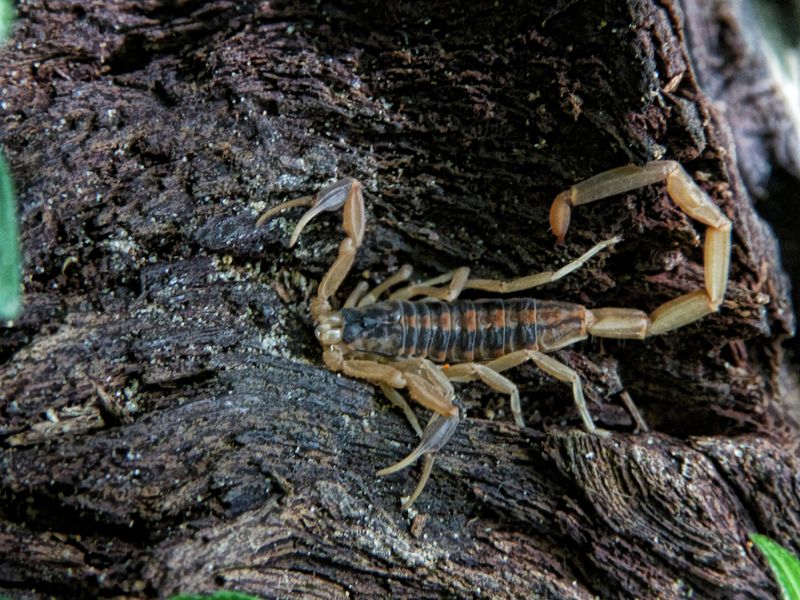
1. Striped Bark Scorpion (Centruroides Vittatus)
Walk outside at night with a black light, and you might be in for a surprise. The Striped Bark Scorpion glows a bright blue-green under ultraviolet light, making nighttime garden checks both eerie and oddly satisfying.
This scorpion is by far the most common species found in Texas yards, and it shows up in almost every region of the state.
Its light tan body with two dark stripes running down the back makes it easy to recognize once you know what to look for. Adults usually grow between two and three inches long.
You will often find them tucked under rocks, hiding in woodpiles, or resting beneath loose bark on trees.
Gardeners sometimes discover them in sheds, basements, and even inside shoes left near the door. They are climbers by nature, so checking high shelves and wall corners is a smart habit. They tend to be more active during warm months and after rain.
A sting from this scorpion is painful and may cause burning, numbness, or swelling around the area. Healthy adults usually recover without medical treatment, though children and elderly individuals should be watched carefully.
Wearing gloves while gardening and shaking out shoes before putting them on are two simple habits that go a long way.
Keeping your yard tidy is one of the best ways to reduce encounters. Clear away leaf piles, move firewood away from the house, and seal cracks around doors and windows.
The Striped Bark Scorpion is a survivor, but with a few smart steps, you can make your yard a little less welcoming to it.
2. Texas Cave Scorpion (Pseudouroctonus Reddelli)
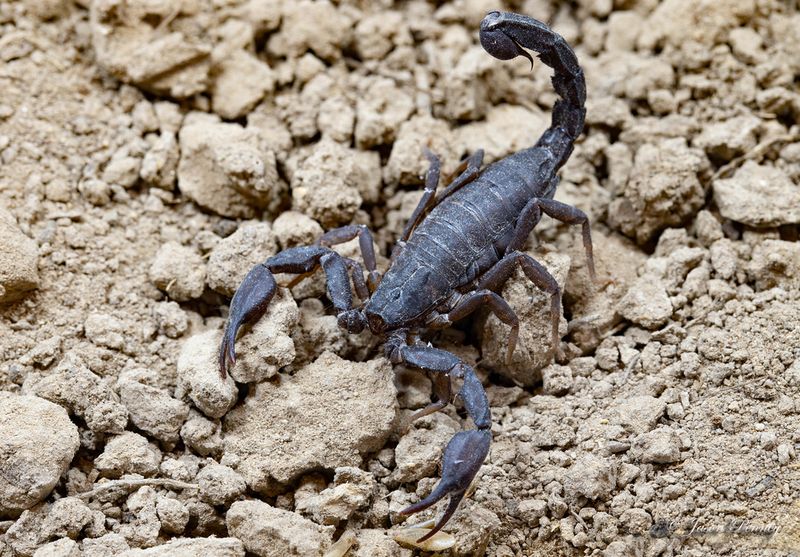
Most gardeners never expect to find a scorpion that looks like it crawled straight out of a cave. The Texas Cave Scorpion has a deep dark brown to nearly black body that makes it look far more menacing than it actually is.
Found mostly near caves, limestone outcrops, and shaded rocky hillsides, this species prefers cool and damp hiding spots.
Your Texas Garden Changes Every Week. Your Plan Should Too.
Gardening in Texas changes quickly throughout the season. Every Friday you’ll receive a simple weekly plan showing exactly what to plant, prune, fertilize, harvest, and protect so you never miss the right timing.
It does not usually wander far from natural rocky terrain, but yards near caves, creek beds, or wooded hillsides in Central Texas can occasionally see one show up.
If your property backs up to a natural area with limestone formations, keep an eye out for this darker-colored visitor. It tends to stay hidden during the day and becomes active after dark.
The Texas Cave Scorpion is smaller than the Striped Bark Scorpion and moves more slowly. Its pinch and sting are generally mild, often compared to a bee or wasp sting.
Most people experience brief pain and some local swelling, but serious reactions are uncommon in healthy individuals.
Because this scorpion loves moisture and shade, fixing leaky outdoor faucets and clearing damp debris near your foundation can help.
Rock walls, retaining stones, and stacked flagstone in garden beds are prime spots where this species might settle in. Checking those areas regularly is a good idea, especially in spring and summer.
One interesting fact is that this scorpion was actually discovered and described in relation to cave systems in Texas, which is how it got its memorable name.
Spotting one in your yard is unusual enough to be worth noting, and possibly even worth a photo from a safe distance.
3. Lesser Stripetail Scorpion (Chihuahuanus Coahuilae)
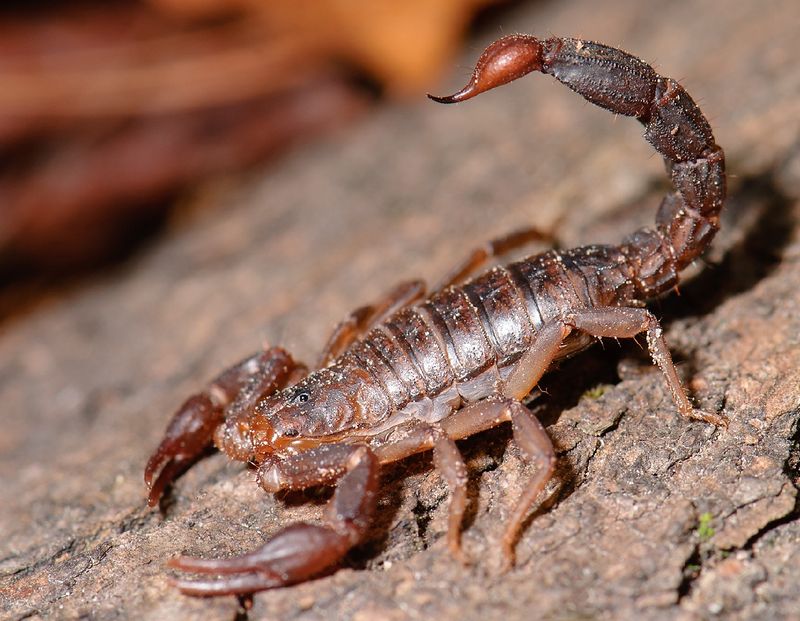
Smaller does not always mean easier to spot. The Lesser Stripetail Scorpion is one of those creatures that blends almost perfectly into the dry, rocky soils of West and South Texas.
Its pale tan body and the noticeable stripe running along its tail are the best clues for identification, but you have to be looking closely to catch them.
This species tends to favor dry, arid environments with rocky ground, gravel yards, and brush piles. Gardeners in El Paso, the Trans-Pecos region, and South Texas are most likely to encounter it.
It is not as widespread as the Striped Bark Scorpion, but in the right habitat, it can be surprisingly common.
Like most scorpions, it is nocturnal and spends the heat of the day sheltered under rocks, boards, or debris. At night, it comes out to hunt small insects and spiders.
Turning over stepping stones or garden borders after dark with a flashlight might reveal one waiting patiently beneath the surface.
A sting from the Lesser Stripetail Scorpion is painful and may cause sharp burning or tingling. However, it is not typically considered medically serious for most healthy people.
Reactions vary from person to person, so it is always wise to monitor any sting carefully and seek help if symptoms seem unusual or severe.
Reducing rock piles, keeping garden debris to a minimum, and using weather stripping around doors are practical ways to lower the chances of an unwanted meeting.
This scorpion is a natural pest controller, eating insects that damage plants, so it does play a helpful role in the garden ecosystem even if its presence feels unsettling.
4. Giant Hairy Scorpion (Hadrurus Arizonensis)
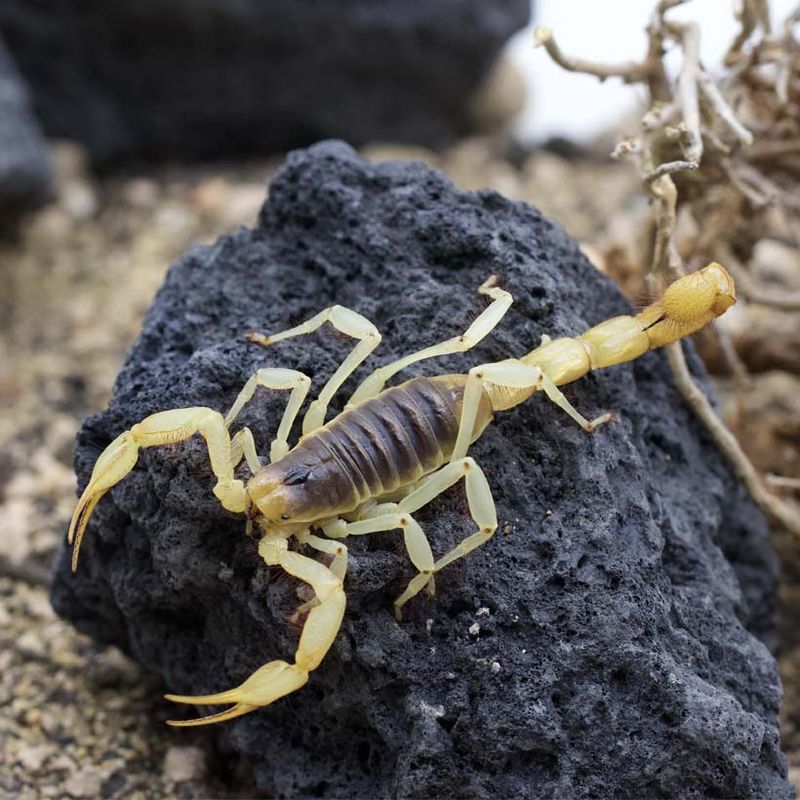
Seeing a six-inch scorpion in your yard for the first time is an experience most gardeners never forget.
The Giant Hairy Scorpion is the largest scorpion found in North America, and Texas gardeners in desert-like regions can occasionally come face to face with this impressive creature.
Despite its intimidating size, it is actually one of the less medically concerning species on this list.
Its yellowish-tan body with a darker upper section and the tiny hair-like bristles covering it give this scorpion a unique, almost prehistoric look.
Those bristles are actually sensory organs that help it detect vibrations in the ground, making it a highly effective nighttime hunter. It feeds on large insects, spiders, and even small lizards.
In Texas, this species is mostly found in the western desert regions, particularly in areas with loose sandy or gravelly soil.
It burrows into the ground to escape extreme heat, so gardens with soft, sandy soil near desert terrain are the most likely places to find one. Overturning large rocks in those areas might reveal a resting individual.
Even though its venom is not typically dangerous to humans, a sting from the Giant Hairy Scorpion is still painful and should not be ignored. The large claws it carries are actually a sign that it relies more on physical grip than venom to subdue prey.
Larger claws often mean milder venom in the scorpion world, which is a helpful thing to remember.
If you spot one in your yard, the best approach is to leave it alone and give it space. Relocating it with a container and a piece of cardboard is a safe option if you want it moved further away from your home or garden beds.
5. Coahuila Scorpion (Vaejovis Coahuilae)
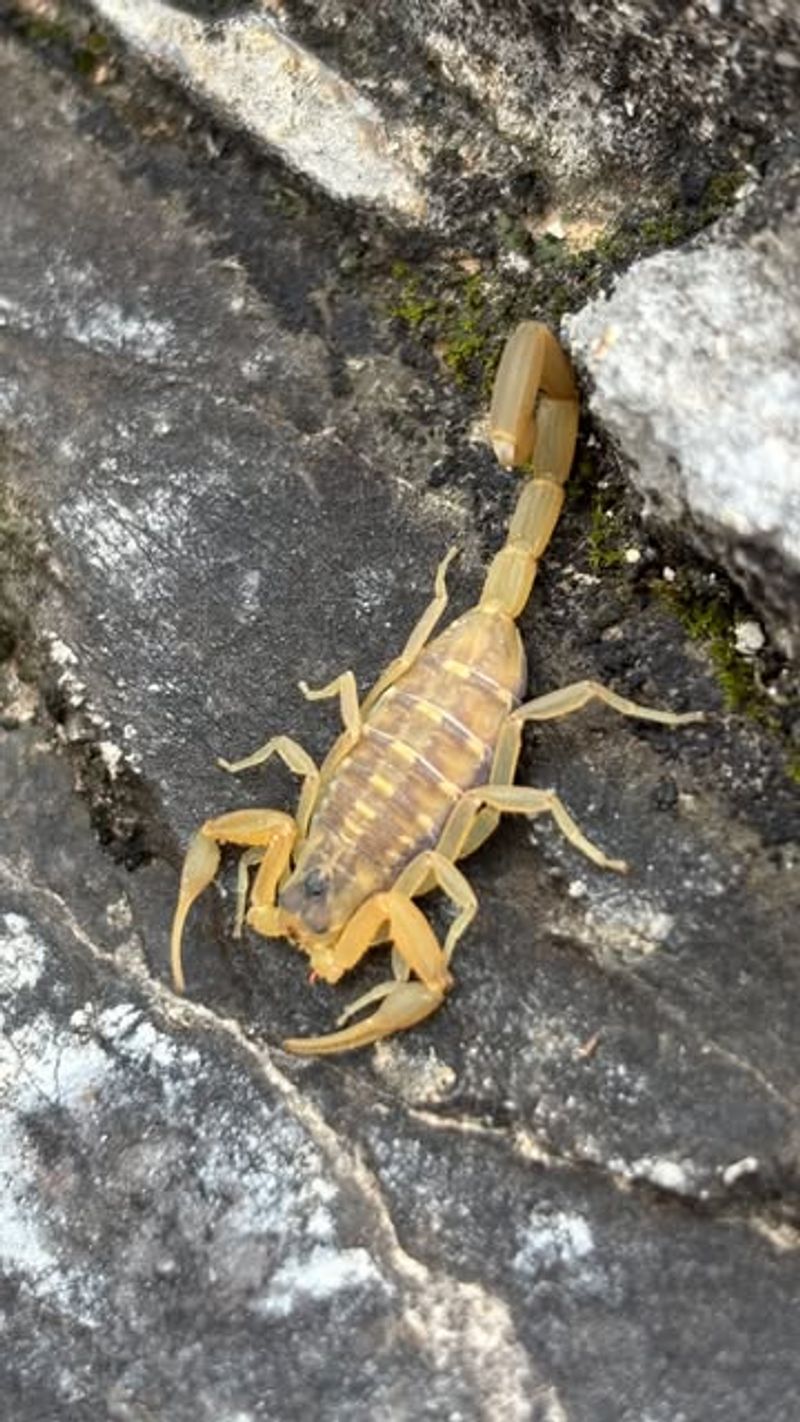
At first glance, you might mistake this one for a Striped Bark Scorpion and walk away thinking you already know what you found.
The Coahuila Scorpion, also called the Striped Scorpion, looks similar but lacks those two bold dark stripes that run down the bark scorpion’s back.
Its body is a lighter, more uniform pale tan, which makes it a little trickier to identify with confidence.
Found mainly in arid and semi-arid parts of Texas, this species prefers rocky slopes, gravel gardens, and dry open terrain.
It is more common in the western and southern parts of the state, though it can occasionally turn up in other areas with similar soil and climate conditions.
Gardeners who work with rock borders or dry landscape designs may be more likely to come across one.
Behaviorally, this scorpion is similar to many of its relatives. It hides during the day and hunts at night, feeding on insects and other small invertebrates.
It is not aggressive and will only sting if it feels directly threatened or trapped, such as when someone accidentally steps on it or reaches into a space where it is hiding.
The sting is not typically dangerous to healthy adults, but it can definitely be startling and painful. Swelling and burning around the sting site are the most common reactions.
Children, older adults, and people with allergies should always be watched carefully after any scorpion encounter.
Wearing gardening gloves every time you work with rocks, soil, or mulch is one of the easiest protective habits you can build.
Staying aware of your surroundings during evening garden sessions is just as important, especially in drier parts of Texas where this scorpion feels most at home.
6. Trans-Pecos Smooth Claw Scorpion
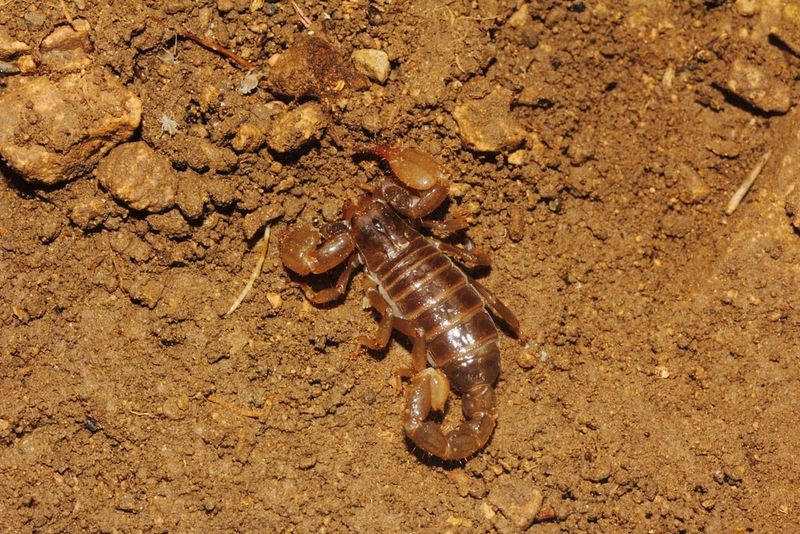
Out in the rugged, wide-open stretches of West Texas, the landscape feels like it belongs to creatures built for survival. The Trans-Pecos Smooth Claw Scorpion fits right in.
With its dark brown to reddish coloring and smooth, streamlined claws, this scorpion is well adapted to the rocky and dry conditions of the Trans-Pecos region.
It is one of the less commonly encountered species for most Texas gardeners, but those living in rural or rocky areas of far West Texas may spot one from time to time.
Unlike some of its more widespread relatives, this scorpion tends to stay close to its preferred habitat of rocky slopes, canyon edges, and dry brush land.
It does not often wander into heavily populated suburban yards, but properties that border wild terrain or sit near rocky outcrops can see occasional visits.
Evening walks through those areas with a black light can sometimes reveal its presence.
The smooth claw structure that gives this species its name sets it apart visually from other Texas scorpions. While it is not considered medically dangerous, its pinch can be surprisingly uncomfortable given the firmness of those claws.
A sting may cause local pain and mild swelling, similar to many other non-dangerous scorpion species found across the state.
Gardeners in far West Texas should take the same precautions they would with any scorpion. Wearing thick gloves, using a flashlight at night, and checking under rocks before placing your hands near them are habits that serve you well in scorpion country.
Keeping garden clutter to a minimum also helps reduce hiding spots that might attract this or any other scorpion species to your outdoor space.