When California Satsuma Mandarins Are Really Ripe Even If The Skin Is Still Green
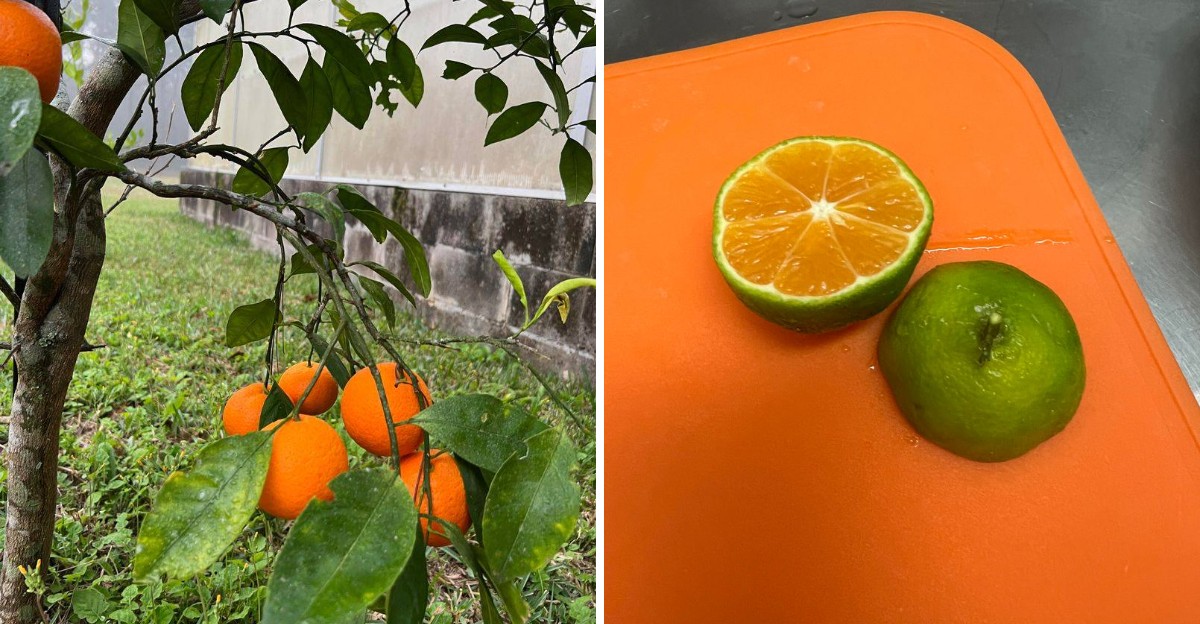
Plenty of perfectly orange fruit in grocery bins got its glow from a room of ethylene gas, not a chilly night on the tree. Packers use it to fade the green from the peel. The flavor inside stays exactly the same.
On the branch, the skin waits for cool nights before trading green for orange. Sugar inside builds on its own timetable, so a warm fall can produce juicy, sweet fruit wearing a lime costume.
Once picked, it won’t get any sweeter on your counter, which feels a bit unfair.
In many California yards, the first easy-peel harvest arrives this month, still blotchy green. My tree spent last fall looking like it had an identity crisis. I waited politely for orange. Then I peeled one on a whim and nearly toppled off the step stool.
That green fruit you’ve been side-eyeing all week might be the sweetest snack on your block.
That Green Mandarin Peel Is Waiting On The Weather
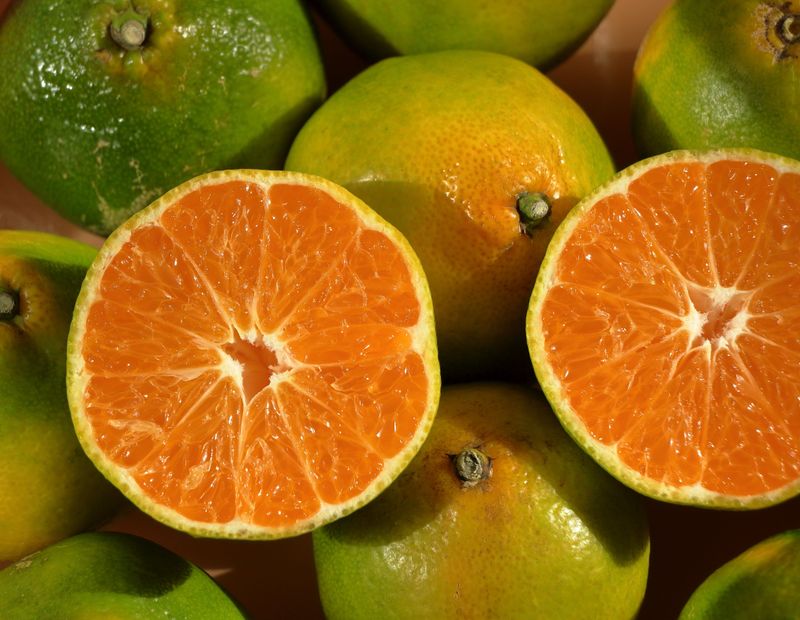
Citrus peel changes color for a reason that surprises a lot of people. Inside the skin, green chlorophyll sits on top of yellow and orange pigments called carotenoids.
As nights turn cool, the chlorophyll breaks down and the orange shows through. Research on citrus color points to cooler temperatures, often nights dipping below about 55 degrees, as a key trigger for this switch.
Meanwhile, the inside of the fruit follows its own schedule. Sugars climb and acids drop as the fruit matures, and that process depends more on accumulated warmth and time on the tree.
So a warm fall can create a funny situation. The pulp reaches sweet, juicy maturity while the peel stays green because the cold signal hasn’t arrived yet.
Personally, I find this one of the coolest quirks in the backyard orchard. The fruit isn’t confused or sick, it’s just responding to the weather it gets.
Satsumas are also known for coloring up a bit later than their internal ripeness in many spots. That’s why commercial growers in some regions harvest them with a greenish blush.
Once you understand the two clocks, green fruit stops looking like a warning sign. It starts looking like an invitation to check a little closer.
A Single Mandarin Taste Test Beats Any Color Chart
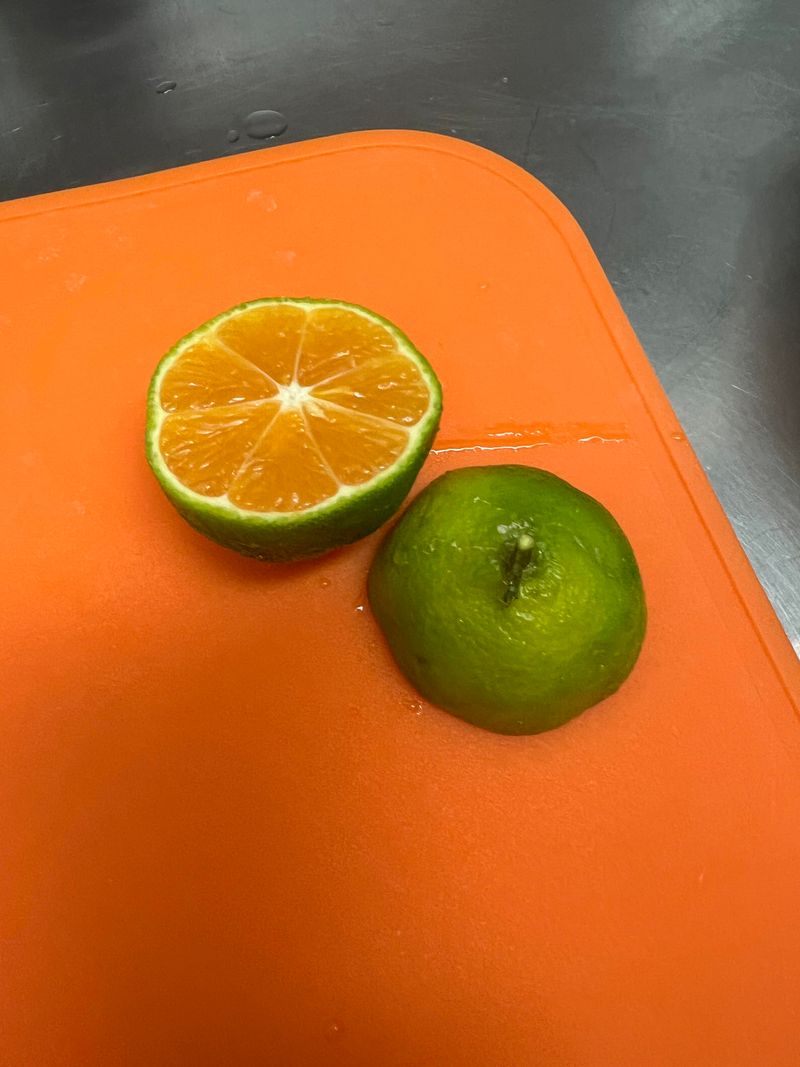
Grab one fruit, peel it, and eat a segment right there under the tree. That quick snack tells you more than any color guide ever could.
Citrus fruit is non-climacteric, which means it doesn’t keep getting sweeter after harvest. Whatever flavor the fruit has when you pick it is the flavor you get, so tasting is the real test.
Look for a good balance of sweetness and gentle tartness. If the segment tastes sharp and sour, the fruit needs more time on the tree.
Sample from different sides of the tree, too. Fruit on the sunny south side often matures earlier than fruit tucked inside the shady canopy.
I like to taste one or two fruits every week or so once the season starts. You’ll quickly learn how your own tree behaves from year to year.
Notice the inside color as well. Ripe Satsuma flesh is usually a deep orange even when the peel is still greenish.
Once a sample tastes great, go ahead and pick fruit of a similar size and position. Your taste buds just did the work a lab refractometer does for commercial growers.
Heavy, Puffy-Skinned Satsumas Have A Story To Tell
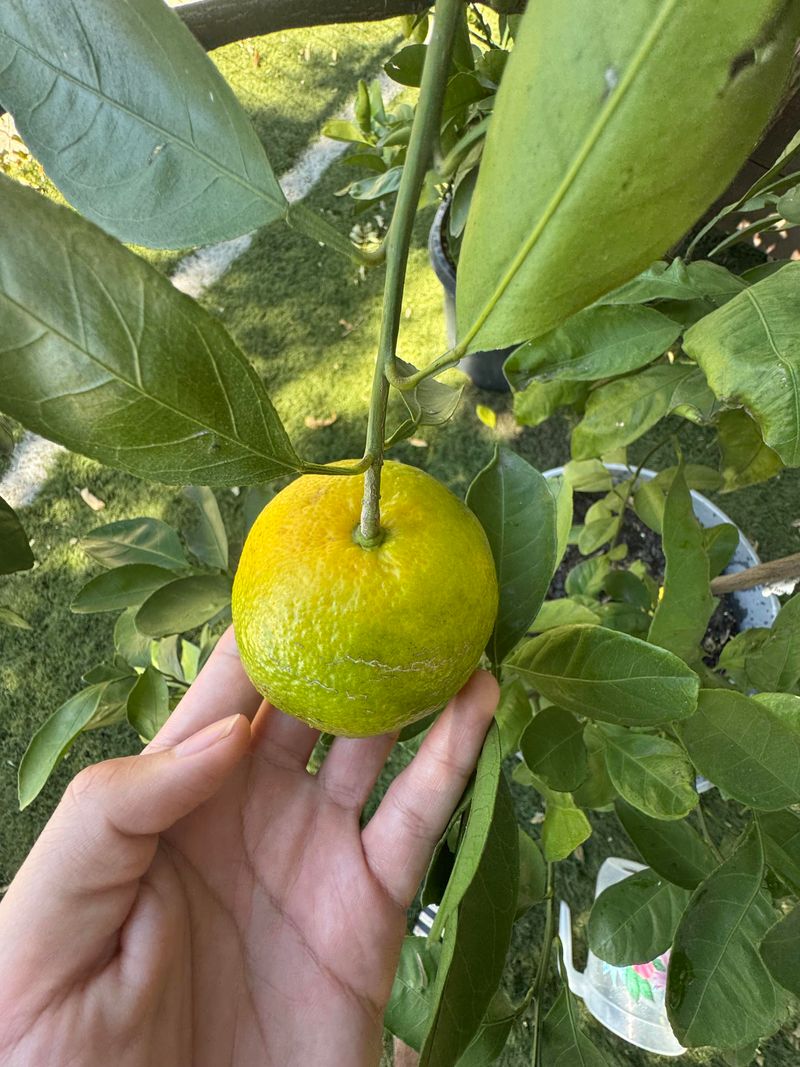
Satsumas are famous for their loose, easy-peel skin, and that trait gives you a handy clue. As the fruit matures, the peel often loosens slightly from the segments inside.
Cup a fruit in your palm and feel its weight. A mandarin that feels heavy for its size is usually full of juice.
Light, hollow-feeling fruit may be underdeveloped or starting to dry out. That’s worth noticing, especially late in the season.
Give the fruit a soft squeeze. A ripe Satsuma often has a little give, while an unripe one feels firm and tight.
Be careful with the puffiness, though. Fruit left hanging too long can turn puffy, with a big gap between peel and pulp and a drier texture.
So aim for a happy middle. You want a fruit that feels plump and heavy with a peel that’s starting to loosen, not a fruit that feels like a balloon.
These touch tests work best alongside a taste test. Together they help you pick more confidently, even when the color says wait.
California Satsuma Season Runs Earlier Than The Orange Color
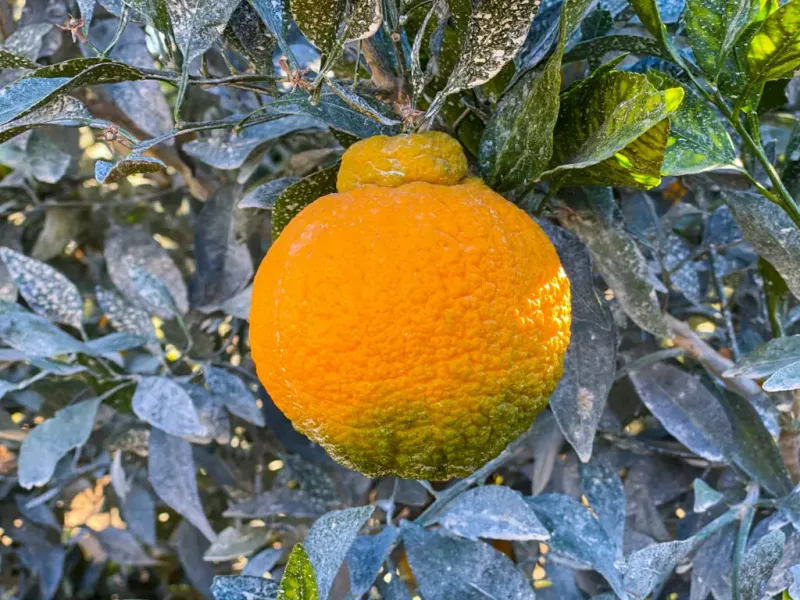
Satsumas are among the earliest mandarins to mature. In California, harvest often starts in late October or November and continues into January.
Early in that window, many areas still enjoy warm afternoons and mild nights. The fruit may already taste sweet while the peel shows plenty of green.
Regional differences matter a lot. Inland valleys, like parts of the Sacramento and San Joaquin Valleys and the Sierra foothills, get cold nights sooner and color up faster.
Coastal and Southern California gardens often stay milder. There, fruit can hold green tones longer, and gardeners sometimes notice very little color change at all.
Satsumas also handle cold better than most citrus, often tolerating temperatures into the mid to upper 20s once mature. That hardiness is one reason they’re popular in foothill gardens.
If frost threatens, harvest ripe fruit first. Frozen fruit can turn dry and lose quality, so a hard freeze forecast is a good reason to pick tasty fruit even if it’s green.
Keep a simple note each year about when your fruit tasted best. That record beats any general calendar for your exact spot.
Store Mandarins Sometimes Get An Orange Makeover
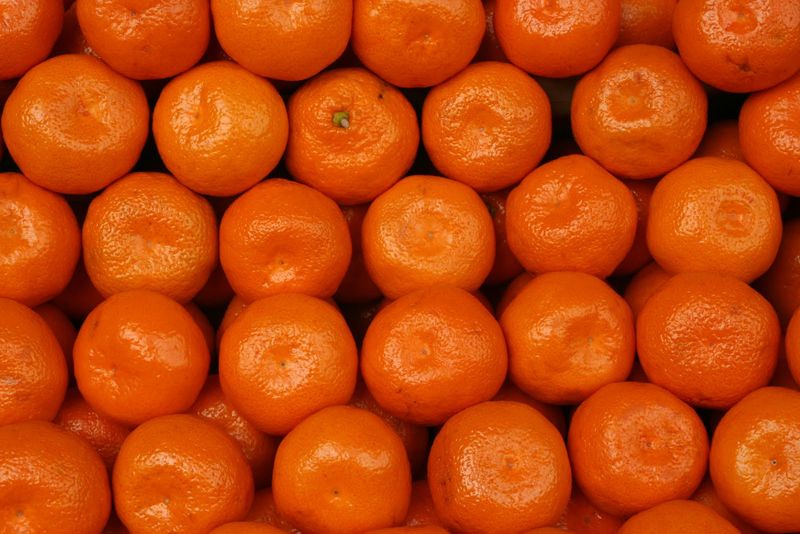
Ever wonder why supermarket mandarins look so perfectly orange? Some of that color comes from a packing house step called degreening.
Growers place harvested fruit in rooms with a tiny amount of ethylene gas, a natural plant hormone. It speeds up chlorophyll breakdown so the orange pigments show.
Degreening only changes the peel. It doesn’t add sugar, juice, or flavor to the fruit inside.
Shoppers tend to expect bright orange citrus, so the industry responds. In regions with warm falls, this step helps sweet fruit look the way buyers think ripe fruit should look.
For home gardeners, this is freeing news. You don’t need to treat your fruit or wait for perfect color before you enjoy it.
Fruit picked from your tree at peak flavor can easily beat store fruit that traveled for days. A green patch on your homegrown Satsuma takes nothing away from the taste.
So next time a neighbor teases you about your green mandarins, hand them one. A juicy bite usually wins the argument fast.
Snip Satsuma Stems Instead Of Yanking The Fruit
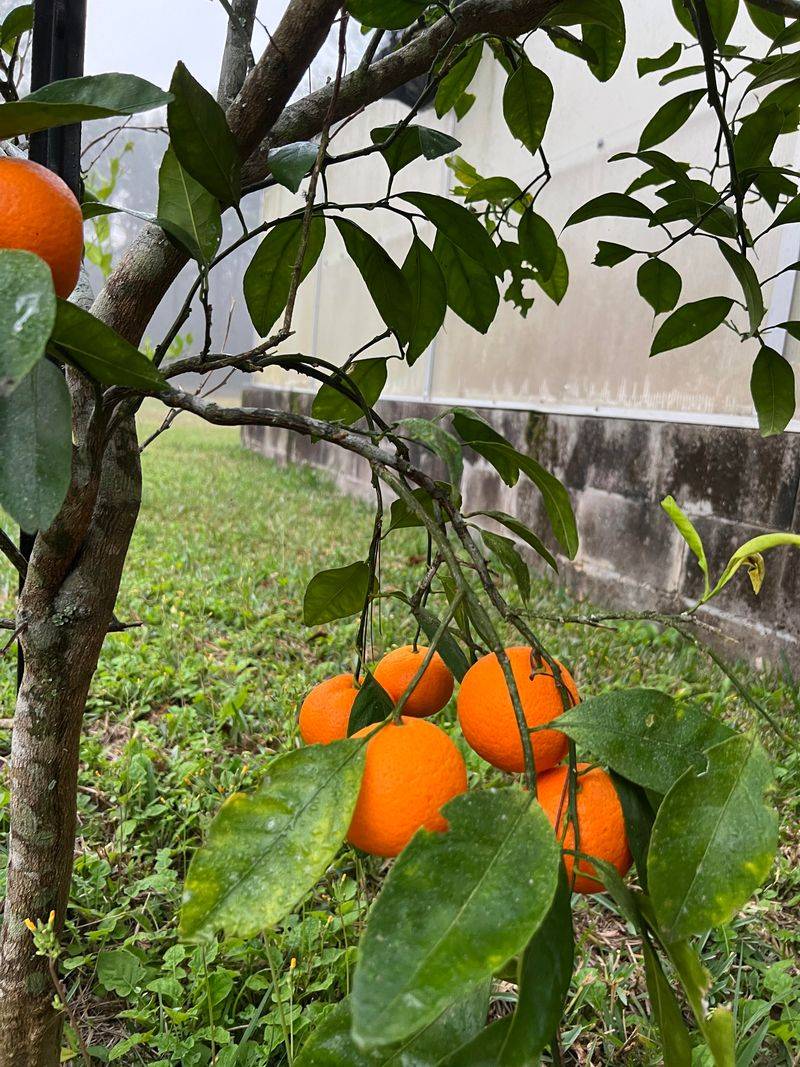
Satsumas have tender, loose skin, and that makes them easy to damage at harvest. Pulling hard can tear the peel near the stem.
A small pair of clippers solves the problem. Snip the stem just above the fruit, then trim it short so it won’t poke other mandarins in your basket.
Torn peel invites mold and shortens storage life. Clean cuts help your harvest last longer on the counter or in the fridge.
Since the fruit doesn’t ripen after picking, take only what tastes ready. Other fruit can hang on the tree and keep improving for a few more weeks.
Satsumas usually store well on the tree for a while, but not forever. Quality can slip if fruit hangs too long and turns puffy or dry.
At home, keep picked fruit in the refrigerator for the longest freshness. It typically stays good for a week or two, sometimes longer.
I like to harvest in small batches through the season. It spreads the treat over months and lets you catch each fruit at its sweetest moment.