These Georgia Vegetables Can Still Be Planted In October For A Cool-Season Harvest
October does not have to mean your vegetable planting season has closed, even when summer crops are slowing down. Cooler weather opens another useful planting window for the right choices.
The difference is choosing vegetables that can handle shorter days and falling temperatures.
Some crops actually perform better once intense heat is no longer controlling the garden. In Georgia, October can still offer enough growing time for several cool-season favorites.
Timing matters, though, because each vegetable needs enough time to establish before colder conditions arrive.
Check your local planting window before filling every open bed at once. Selecting crops that fit both your area and the season can keep fresh harvests coming.
Plant with October conditions in mind, and your vegetable garden can stay productive well beyond the summer season.
1. Leaf Lettuce Fits Into The Shorter Days Of October
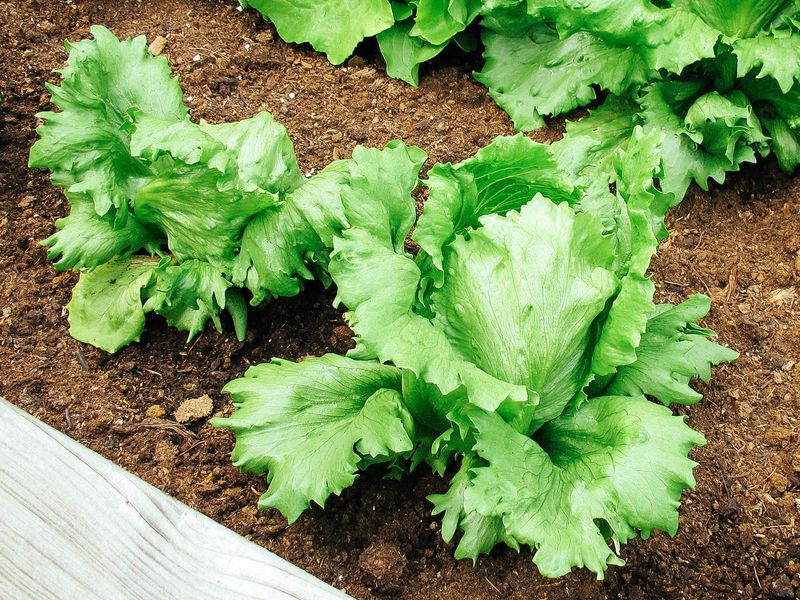
Lettuce hates Georgia summers, but October treats it well. Cooler air keeps the leaves tender instead of bitter, and germination happens fast in soil that still holds warmth.
Loose-leaf types are the smart pick this late. Varieties like Black Seed Simpson, Salad Bowl, and Red Sails mature in roughly 45 to 55 days, which usually beats the first hard freeze in most of the state.
Skip the big heading types now, since they simply need more time than October offers.
Sow seeds shallow, about an eighth of an inch deep, and keep the top layer of soil damp until sprouts appear. A light sprinkle every morning works better than one heavy soaking.
Thin the seedlings once they have a few true leaves. Crowded lettuce grows thin and floppy, and airflow between plants helps cut down on mildew during damp spells.
Harvesting works best a few leaves at a time from the outside of each plant. Left alone, the center keeps producing for several weeks.
Frost rarely bothers leaf lettuce much, though a hard freeze can damage the outer leaves. A row cover or an old bedsheet tossed over the bed on cold nights usually protects the crop.
Partial shade is no longer necessary in fall, so a spot with full sun gives faster growth and thicker leaves.
2. Radishes Offer One Of The Fastest Fall Harvests
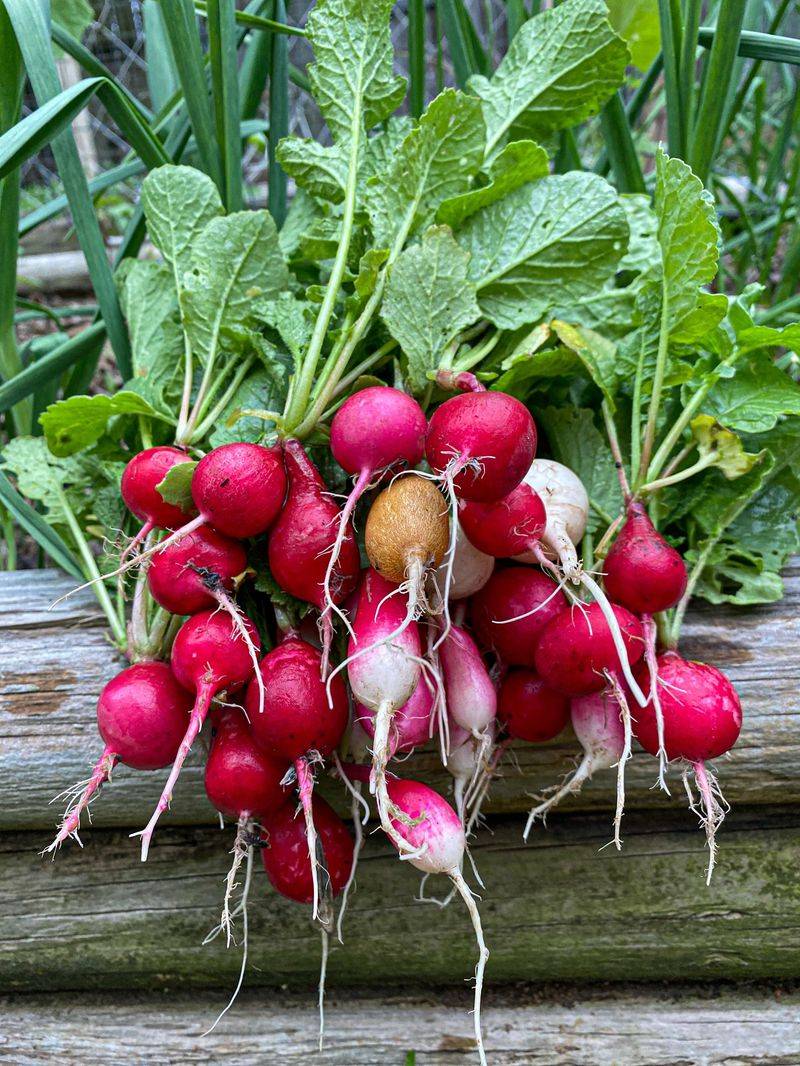
Few crops reward impatience like radishes. Some varieties go from seed to salad in about three to four weeks, which makes them a natural fit for an October planting.
Cherry Belle and Early Scarlet Globe are common choices for quick round roots. Longer types such as Daikon need more time and are better started earlier in fall.
Loose, crumble-friendly soil matters here more than fertilizer.
Rocks and heavy clay push roots sideways, so working in compost before sowing helps produce rounder, smoother radishes. Beds across the Georgia Piedmont often need that extra effort because of dense red clay.
Sow seeds a half inch deep and thin the sprouts to about two inches apart. Skipping that step leaves you with plenty of leaves and almost no bulb underneath.
Water steadily, since uneven moisture can make roots crack or turn sharp and woody.
Your Georgia Garden Changes Every Week. Your Plan Should Too.
Gardening in Georgia changes quickly throughout the season. Every Friday you’ll receive a simple weekly plan showing exactly what to plant, prune, fertilize, harvest, and protect so you never miss the right timing.
Pull them on the early side rather than waiting. Radishes left too long in the ground get pithy and lose their crisp bite.
The greens are edible too, and they cook down nicely with a little garlic if you are not tossing them in the compost pile.
Radishes also work well tucked between slower crops like cabbage. They finish and come out before the bigger plants need the space.
3. Collards Become A Strong Choice For Cooler Garden Beds
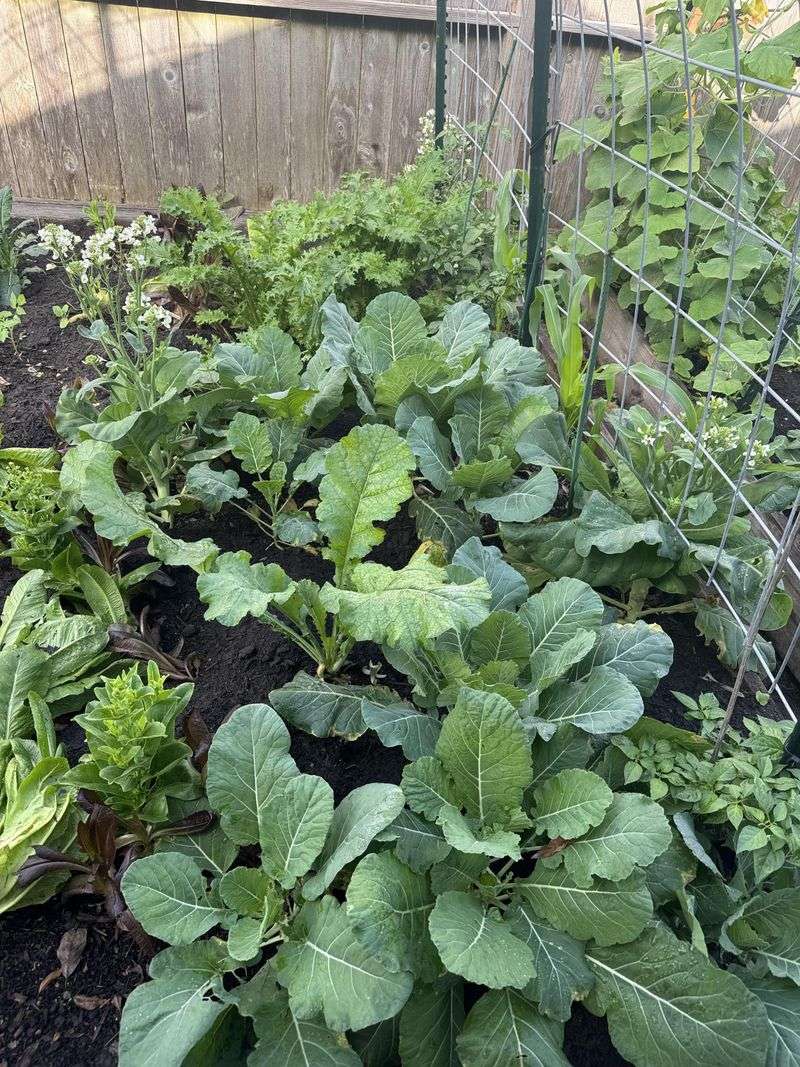
Collards handle cold better than almost anything else in a Southern garden. Frost actually improves the flavor, turning starches into sugars and softening that raw, cabbage-like edge.
Transplants are the faster route in October, though seed still works in warmer parts of the state. Georgia Southern and Vates are two dependable varieties long grown across the region.
Give each plant real room, roughly 18 to 24 inches apart.
Crowded collards stay small and stretch toward the light. Wide spacing lets those broad leaves fan out the way they should.
Feed them once with a nitrogen source about three weeks after planting. Leafy crops pull heavily on nitrogen, and pale leaves usually signal the soil is running short.
Cabbage worms remain the main nuisance well into fall, especially in mild years.
Check the undersides of leaves every few days and pick off what you find. A Bt spray works if the damage gets ahead of you, and it stays safe for pollinators when applied correctly.
Harvest from the bottom up, snapping off the lower leaves while the crown keeps producing. Handled that way, a single planting can supply greens through winter in much of the region.
Plants that survive into spring will bolt and flower, so plan to pull them once that starts.
4. Turnips Give Gardeners Greens Along With The Roots Below
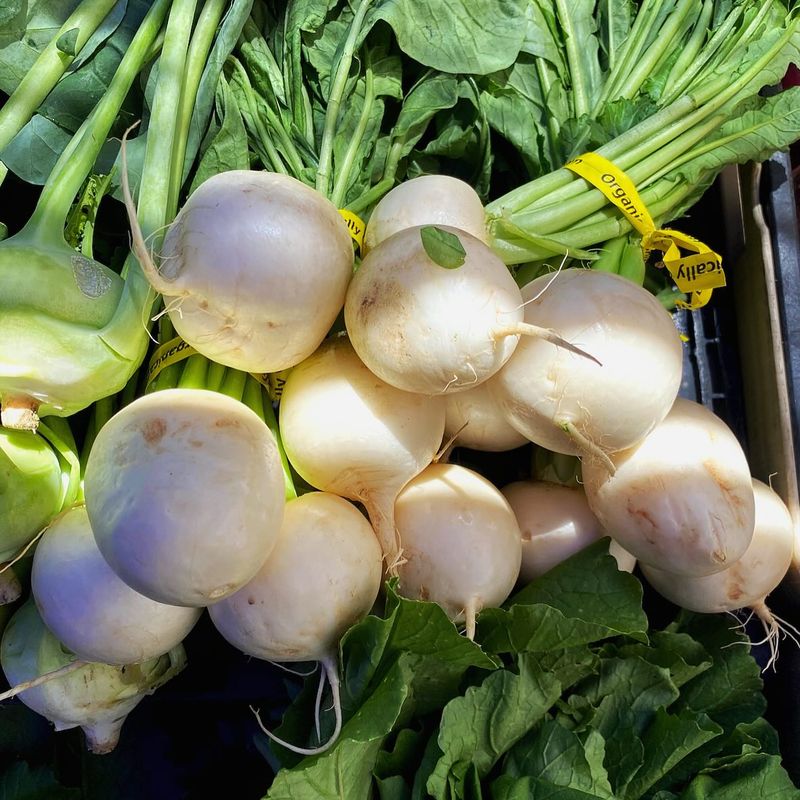
Two harvests from one seed packet is hard to beat. Turnips deliver tender greens in about a month and edible roots a few weeks after that.
Purple Top White Globe is the classic root variety, while Seven Top is grown mainly for its leaves. Both do well when sown directly into the bed.
Direct seeding beats transplanting with this crop.
Root vegetables resent having their taproots disturbed, and moved seedlings often end up stunted or oddly shaped. Scatter seeds thinly and cover them with about a half inch of soil.
Thinning is the step most people skip, and it costs them. Leave four to six inches between plants if you want roots worth cooking.
Cool nights sweeten the flavor considerably.
Turnips pulled after a light frost taste milder than those harvested during warm weather, which is one reason fall crops beat spring ones in Georgia gardens. Roots hold in the ground fairly well once mature.
Aim for roots around two to three inches wide. Bigger ones turn tough and a little bitter, though the greens stay usable longer.
Flea beetles sometimes pepper the young leaves with tiny holes. Light damage rarely hurts the harvest, but a floating row cover over new seedlings helps if the problem spreads.
5. Broccoli Transplants Need An Early October Start
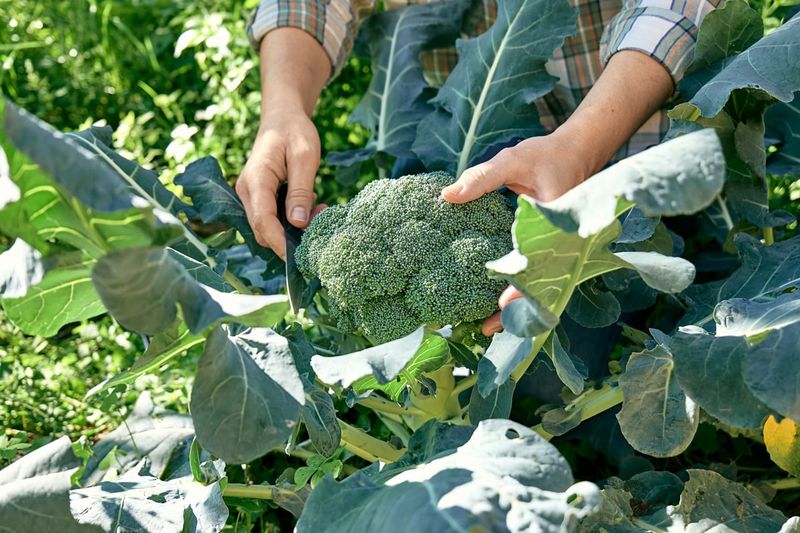
Wait too long with broccoli and you get leaves instead of heads. Setting out transplants during the first half of October gives the crop enough time in most parts of the state.
Seeds are not a realistic option this late. Nursery starts already have four to six weeks of growth behind them, and that head start decides whether you harvest anything.
Space plants 15 to 18 inches apart in a sunny bed.
Broccoli feeds hard, so mix compost into the soil beforehand and side-dress with fertilizer once plants settle in. Skimping on nutrients usually results in small, loose heads.
Keep water consistent, especially during dry October stretches.
Drought stress can trigger early flowering, and once yellow buds open the head is past its prime. Mulch helps hold moisture and keeps soil temperatures steadier.
Cut the main head while the buds are still tight and firm. A clean, slanted cut sheds rainwater and reduces rot in the remaining stalk.
Side shoots usually follow within a couple of weeks. Smaller than the crown, sure, but they extend the picking season nicely.
Broccoli tolerates light frost without much trouble. In north Georgia, a hard freeze in late November may end the run, so earlier planting pays off there.
6. Cabbage Is Worth Planting Where Fall Stays Mild Longer
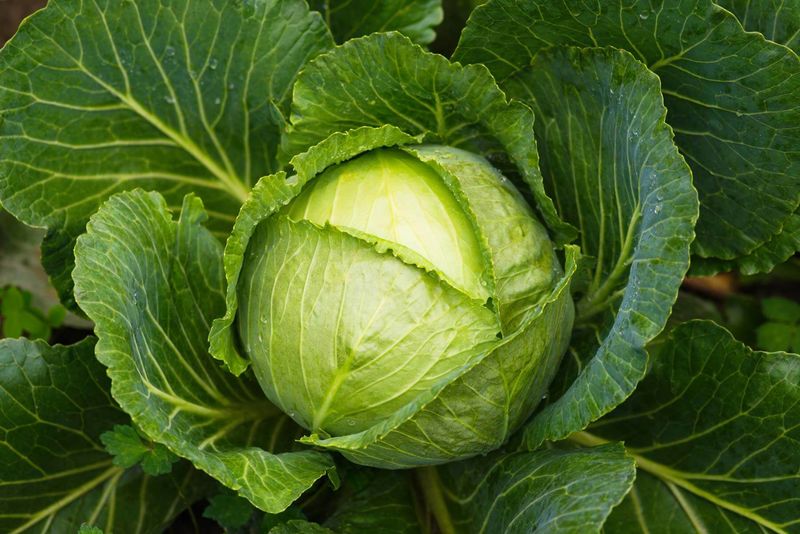
Cabbage rewards patience, and southern parts of the state have the longest fall runway for it. Coastal gardeners near Savannah or Valdosta can set transplants in October and still harvest solid heads.
Early-maturing varieties make the most sense now. Golden Acre and Early Jersey Wakefield finish faster than the big storage types.
Plant transplants 12 to 18 inches apart depending on the variety.
Tight spacing produces smaller heads, which some cooks actually prefer. Wider spacing gives fewer but heavier heads.
Consistent moisture keeps heads from splitting. Long dry spells followed by heavy rain often cause the outer leaves to crack open.
Watch for cabbage loopers and aphids through the warm early weeks.
Hand-picking works for small infestations, and a strong spray of water knocks aphids off the undersides of leaves. Row covers keep moths from laying eggs in the first place.
Firmness tells you when to cut. Squeeze the head gently, and if it feels solid rather than spongy, harvest it with a sharp knife.
Leaving the stump and outer leaves in place sometimes produces small secondary heads. They are modest in size but still good in slaw.
Gardeners in the mountains may find October too late for cabbage. Growth slows sharply once nights drop into the thirties.
7. Beets Need An Early Start To Make The October Window
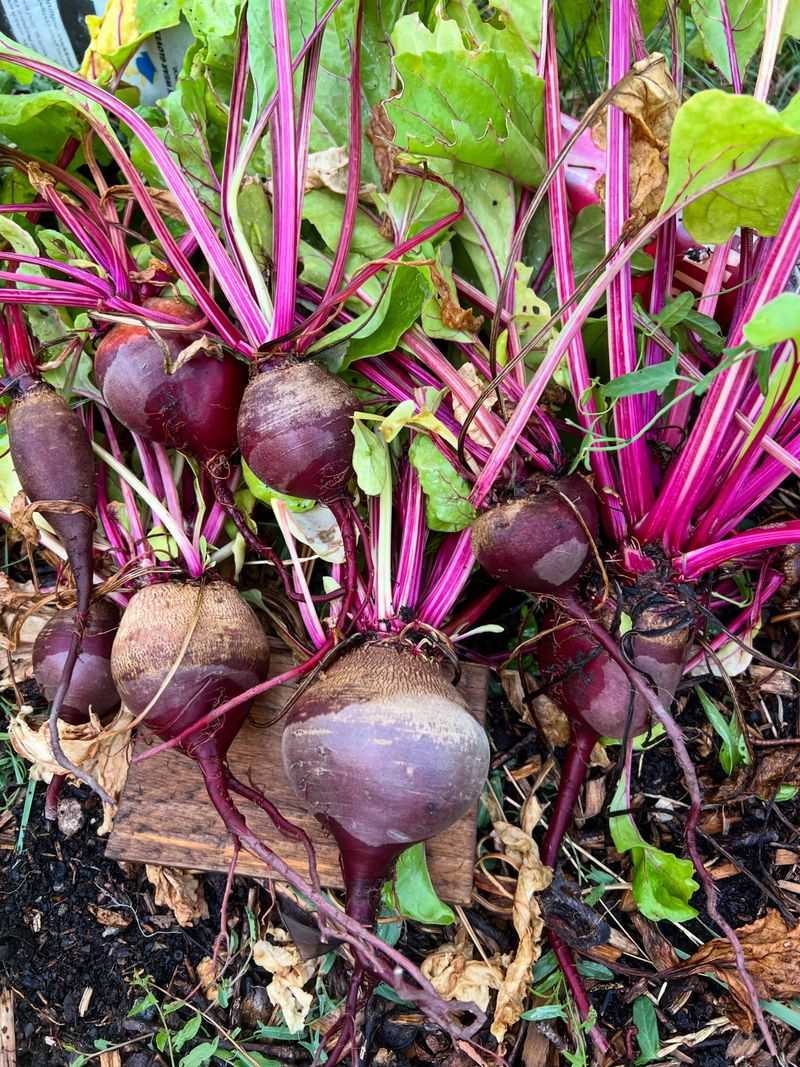
Beets sit right at the edge of the October calendar. Most varieties take 55 to 70 days, so sowing during the first week or two gives the best odds.
Detroit Dark Red and Early Wonder are dependable choices. Both handle cool weather and produce usable greens along the way.
Soak the seed for a few hours before planting if you want quicker sprouting.
Beet seeds are actually clusters, which means several seedlings often come up in one spot. Thin them to about three inches apart with scissors instead of pulling, since tugging disturbs nearby roots.
Loose soil is essential for round, smooth beets.
Compacted ground produces small, misshapen roots, a common frustration in the heavy clay found across much of Georgia. Adding compost and avoiding foot traffic in the bed helps considerably.
Keep the soil evenly damp during germination, which can take a week or longer in cooler weather.
Harvest when roots reach about two inches across. Larger beets develop woody rings and lose their sweetness.
The tops are worth eating too, and young leaves work raw in salads. Take only a couple of leaves per plant so the root keeps developing.
Cold nights actually concentrate sugars, which makes late fall beets taste noticeably better than spring ones.
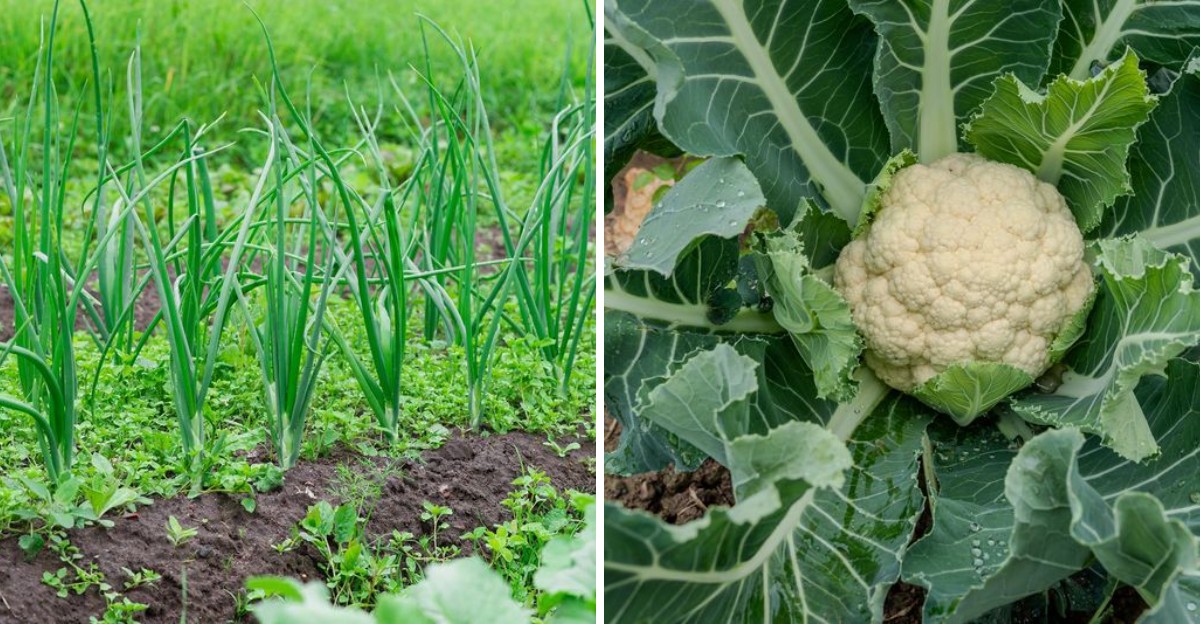
8. Onions Offer Another Option For The October Garden
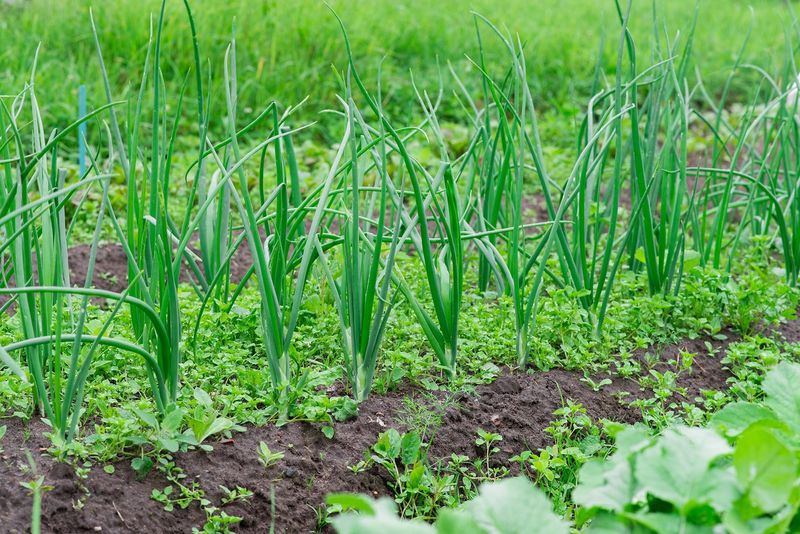
Onions play a long game. Sets or transplants planted in October will not be ready until spring, but they establish roots through the cool months and take off when the days lengthen.
Short-day varieties are the right fit here. Granex types, the same family behind Vidalia onions, bulb properly at southern latitudes.
Long-day northern varieties rarely form good bulbs this far south.
Set transplants about an inch deep and four inches apart in rows. Planting too deep delays bulbing and can lead to rot in soggy soil.
Green onions are a faster payoff if you plant sets closer together. Pull them young and use the tops like scallions.
Weeds compete hard with onions because the shallow roots cannot outrace them.
Hand-weed carefully or lay down a thin mulch, keeping it away from the base of each plant. Damaged necks invite disease during wet winter spells.
Nitrogen matters most in late winter and early spring as leaves multiply. Every leaf roughly corresponds to a ring in the finished bulb.
Bulbs are ready when the tops flop over, usually in May across most of Georgia. Curing them in a dry, shaded spot for a couple of weeks improves storage life considerably.
9. Cauliflower Transplants Belong At The Very Start Of October
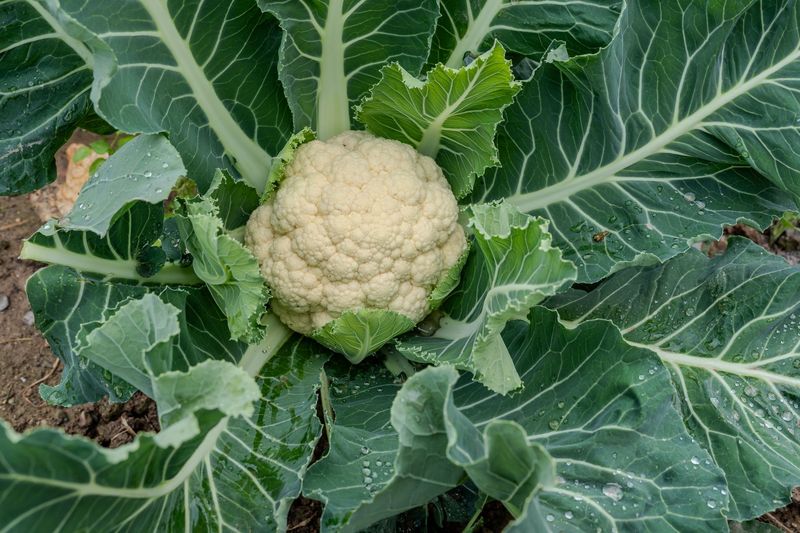
Cauliflower is the fussiest crop on this list, and timing leaves almost no room for delay. Transplants set out during the first week of October have the best shot at forming decent heads.
Snowball types and Early White varieties mature relatively quickly. Slower specialty kinds are better saved for a spring planting.
Steady growth is the whole secret with this vegetable.
Any real stress from drought, heat, or poor soil can cause tiny, gritty heads instead of solid white curds. Regular watering and rich soil make the difference.
Space plants 18 inches apart and mulch around them to hold moisture.
Some varieties need blanching to stay white. Once the head reaches about two inches wide, gather the outer leaves over it and tie them loosely with twine or a rubber band.
Self-blanching types skip that step, though their wrapper leaves sometimes need help in warm weather.
Check under the leaves every few days once heads start forming. Cauliflower can go from small to overmature in less than a week.
Cut while the curds are tight and smooth, leaving a few leaves attached for protection during transport.
Hard freezes can damage exposed heads, so keep a row cover handy through November. Gardeners in south Georgia usually get a longer, easier window than those farther north.