Can You Actually Divide Ohio Hostas In Summer
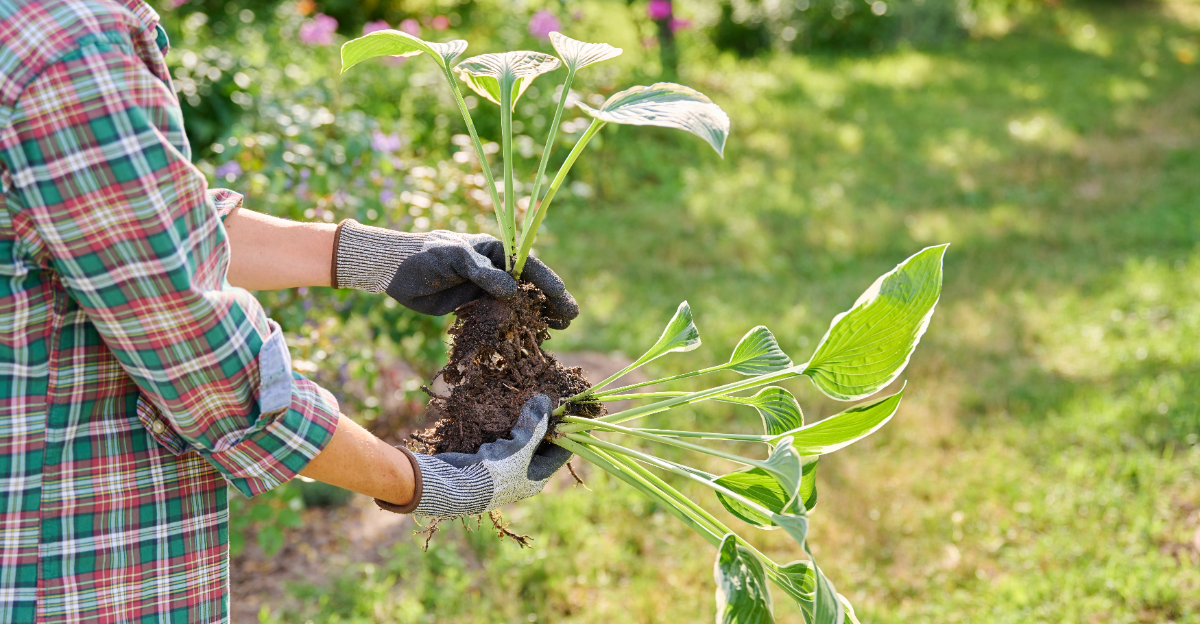
Hostas sprawl across Ohio yards like green umbrellas, shading everything from porch steps to shady side gardens. Their thick clumps look permanent, almost too sturdy to touch once July heat settles in.
Yet plenty of gardeners eye an overgrown patch mid-summer and wonder if splitting it now would help or backfire. The soil feels baked, the leaves droop by afternoon, and a shovel suddenly seems like a risky tool to pick up.
What actually happens beneath those leaves when roots get disturbed during peak temperatures? Timing, watering habits, and a few overlooked tricks separate a hosta that bounces back from one that sulks for weeks.
Before writing off summer entirely, it helps to understand what’s really at stake for your plant.
Yes, But Timing And Aftercare Make All The Difference
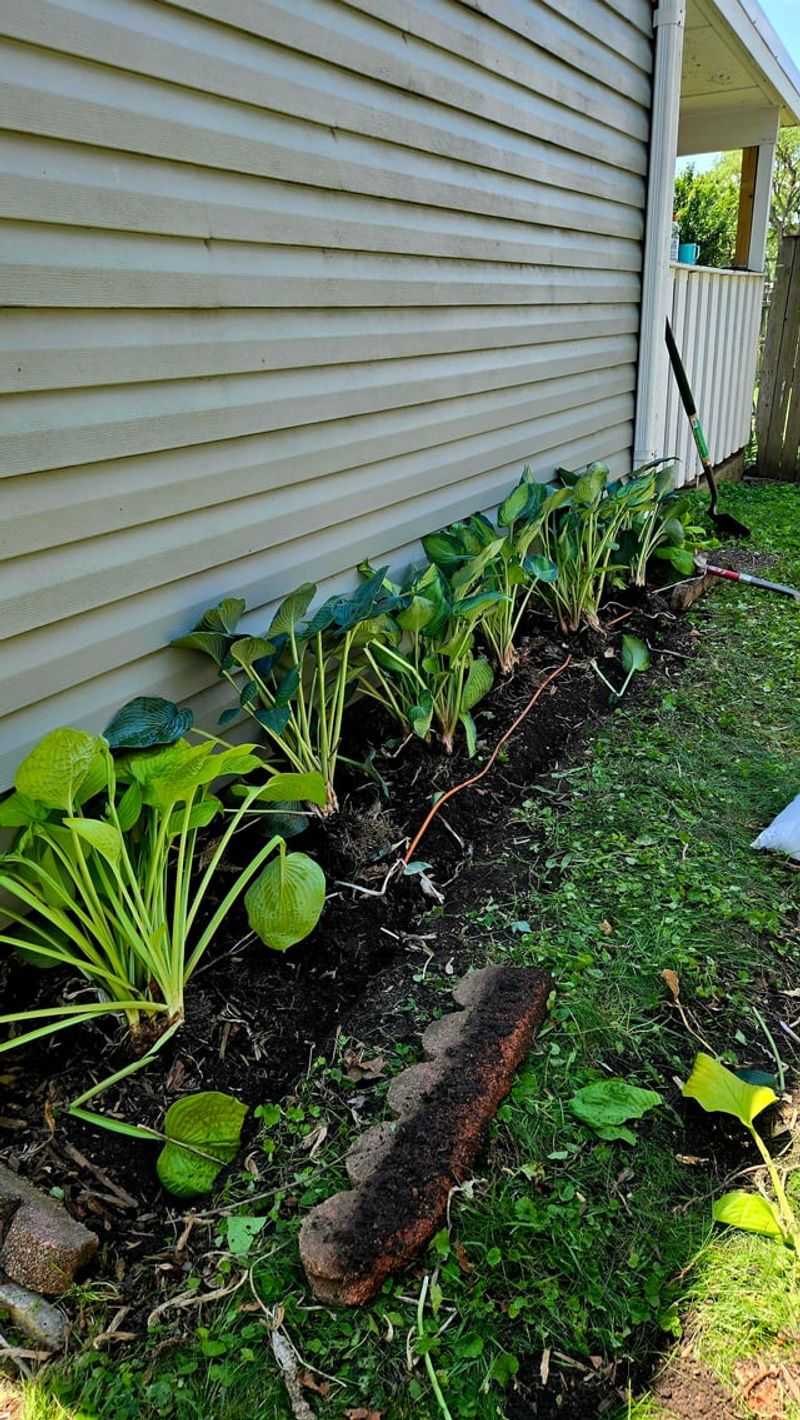
Splitting hostas in summer is possible, but the window is narrow. Timing separates a thriving division from a wilted mess.
The best summer moment is early morning, before the heat peaks. Cooler soil temperatures reduce shock for freshly cut roots.
Avoid dividing during a heat wave above 85 degrees Fahrenheit. Stressed roots need stable conditions to recover quickly.
Aftercare matters just as much as the actual cut. Hostas divided without proper follow-up care rarely bounce back before fall.
Water deeply right after replanting each division. Roots need immediate moisture to begin reestablishing in the new spot.
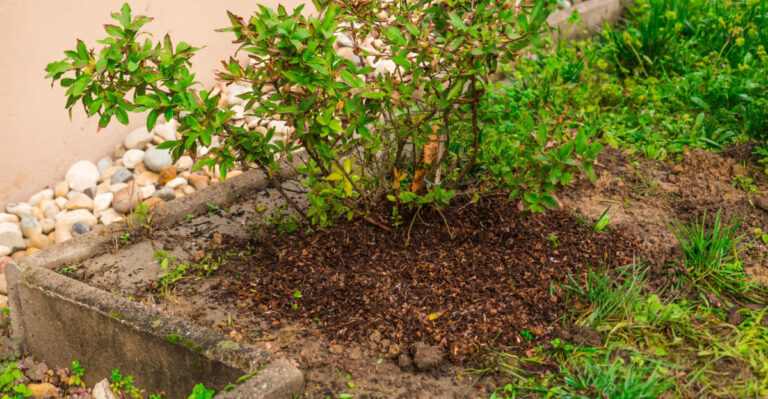
Mulch is your best friend during summer splits. A two-inch layer of wood chips keeps soil cool and moist around tender roots.
Shade cloth can protect divisions for the first two weeks. Direct afternoon sun on freshly divided hostas causes rapid leaf scorch.
Check the soil daily during the first week after dividing. If it feels dry an inch below the surface, water right away.
Fertilizing too soon after a summer division is a mistake many gardeners make. Wait at least three weeks before adding any nutrients to the soil.
Hostas are forgiving plants overall, but summer pushes their limits. Smart aftercare turns a risky summer split into a genuine gardening win.
The Real Impact Of Heat On A Freshly Divided Hosta
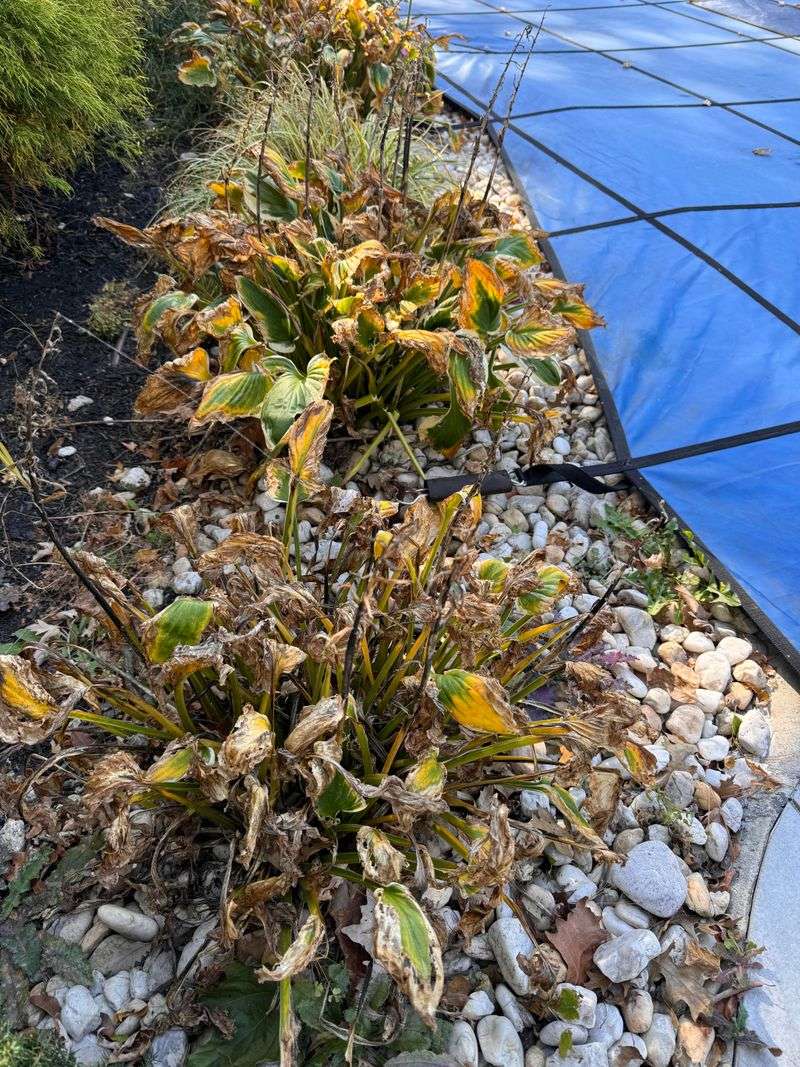
Heat is not just uncomfortable for hostas after dividing. It actively disrupts the plant’s ability to pull water through its roots.
When you cut a hosta, you sever many of its root hairs. Those tiny hairs are responsible for absorbing the moisture the leaves desperately need.
Summer sun causes leaves to lose water faster than damaged roots can replace it. The result is dramatic wilting within just a few hours.
Leaf scorch appears as brown, crispy edges that spread inward. Once scorching starts, the leaf rarely recovers fully even with better watering.
High soil temperatures above 80 degrees also slow root regeneration. Warm soil delays the healing process that lets new roots form and spread.
A divided hosta in full summer sun can look visibly wilted by afternoon. Many gardeners panic and assume the plant won’t recover.
Most of the time, the crown is still alive even when leaves look terrible. The crown holds energy reserves that fuel the plant’s recovery.
Your Ohio Garden Changes Every Week. Your Plan Should Too.
Gardening in Ohio changes quickly throughout the season. Every Friday you’ll receive a simple weekly plan showing exactly what to plant, prune, fertilize, harvest, and protect so you never miss the right timing.
Cutting back damaged leaves after a bad summer split actually helps. Less leaf surface means less water loss while roots rebuild themselves underground.
Understanding what heat does helps you plan smarter. Choose cloudy days or late afternoons when temperatures begin dropping for the safest results.
Protecting your newly divided hostas from heat is one of the most important steps. A little shade and cool water can mean the difference between survival and struggle.
Signs Your Hosta Can Handle A Summer Split
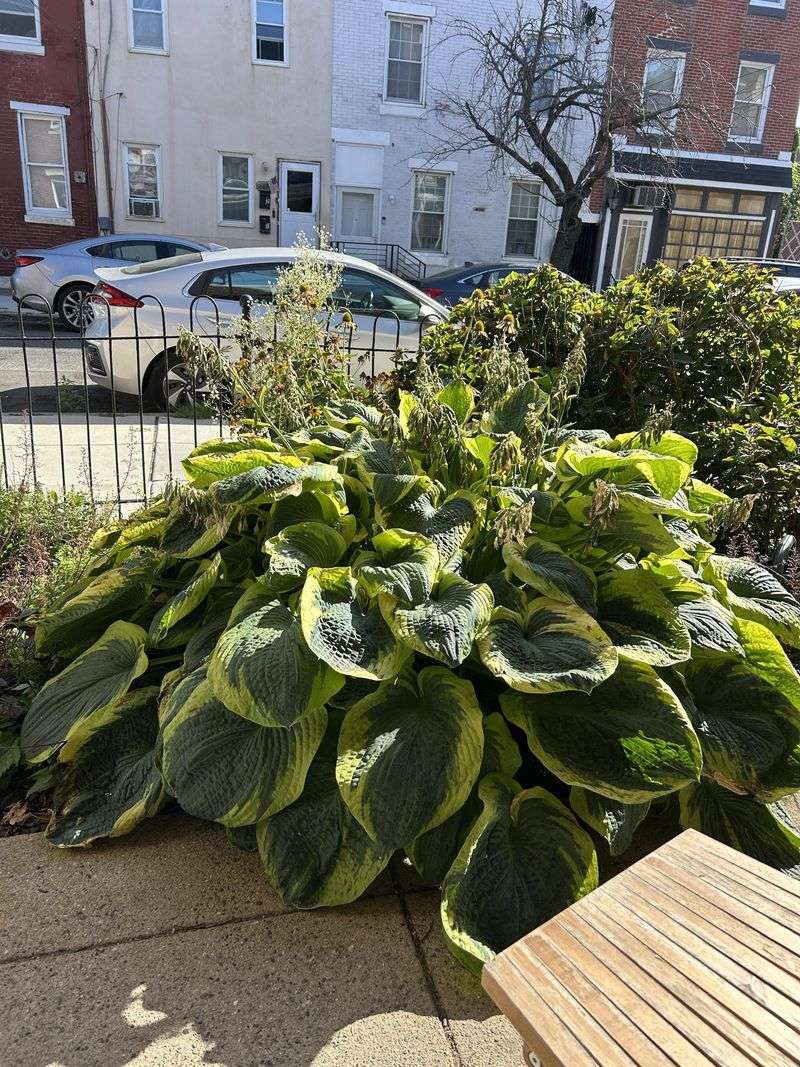
Not every hosta is ready for a summer division, and reading the plant correctly saves a lot of frustration. Healthy plants show clear signals when they can handle the stress.
A hosta that has been growing in the same spot for at least three years is a strong candidate. Established root systems recover from division far better than younger plants.
Look for a clump that has outgrown its space. When hostas crowd neighboring plants or lose their shape, splitting actually benefits them.
Firm, upright leaves with deep color indicate a plant with good stored energy. Pale or floppy leaves suggest the hosta is already stressed before you touch it.
Check the crown at soil level before deciding. A dense, multi-eyed crown with many growing points means the plant has plenty of energy to spare.
Avoid dividing any hosta that shows signs of disease or pest damage. Open wounds from splitting invite fungal problems that spread quickly in humid summer air.
A hosta growing in deep shade is better prepared for summer division than one in partial sun. Shade-grown plants experience less moisture stress overall.
Plants that received consistent water throughout spring are also better positioned to survive a summer split. Drought-stressed hostas should wait until fall conditions arrive.
Trusting what you observe in the garden is usually the right call. A confident, healthy-looking hosta tells you everything you need to know before you reach for a tool.
Watering And Shade Tricks That Cut The Risk
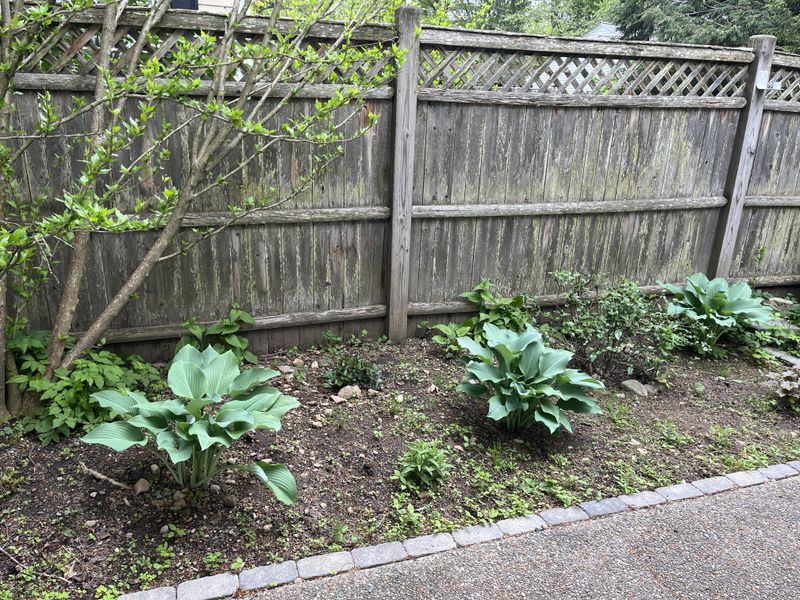
Smart watering and shade tricks can seriously improve your odds when splitting hostas mid-season. These simple steps cost almost nothing but make a huge difference.
Start by soaking the ground around your hosta the day before dividing. Moist soil clings to roots better, reducing the damage caused by digging.
After replanting each division, water slowly and deeply rather than quickly. Slow watering allows moisture to penetrate all the way down to the root zone.
Temporary shade cloth rated at 40 to 50 percent is ideal for protecting new divisions. Set it up on stakes above the plants for the first two weeks after splitting.
If shade cloth is not available, old bedsheets work in a pinch. Even partial afternoon shade from a nearby shrub can protect tender leaves from scorching.
Water your new divisions every single day for the first week. After that, reduce to every other day if rainfall is not helping.
Morning watering is more effective than evening watering in summer. Wet leaves overnight create conditions where fungal diseases spread easily in warm, humid air.
Adding a layer of mulch right after replanting locks in ground moisture between waterings. Straw, shredded bark, or wood chips all work well for this purpose.
Avoid letting the soil around new divisions dry out completely. Consistent moisture is one of the biggest factors in whether a summer-divided hosta survives.
These tricks stack together beautifully when used at the same time. Combining shade and smart watering gives your hostas the best possible shot at thriving.
Ohio’s Early Fall Window Beats Summer Anyway
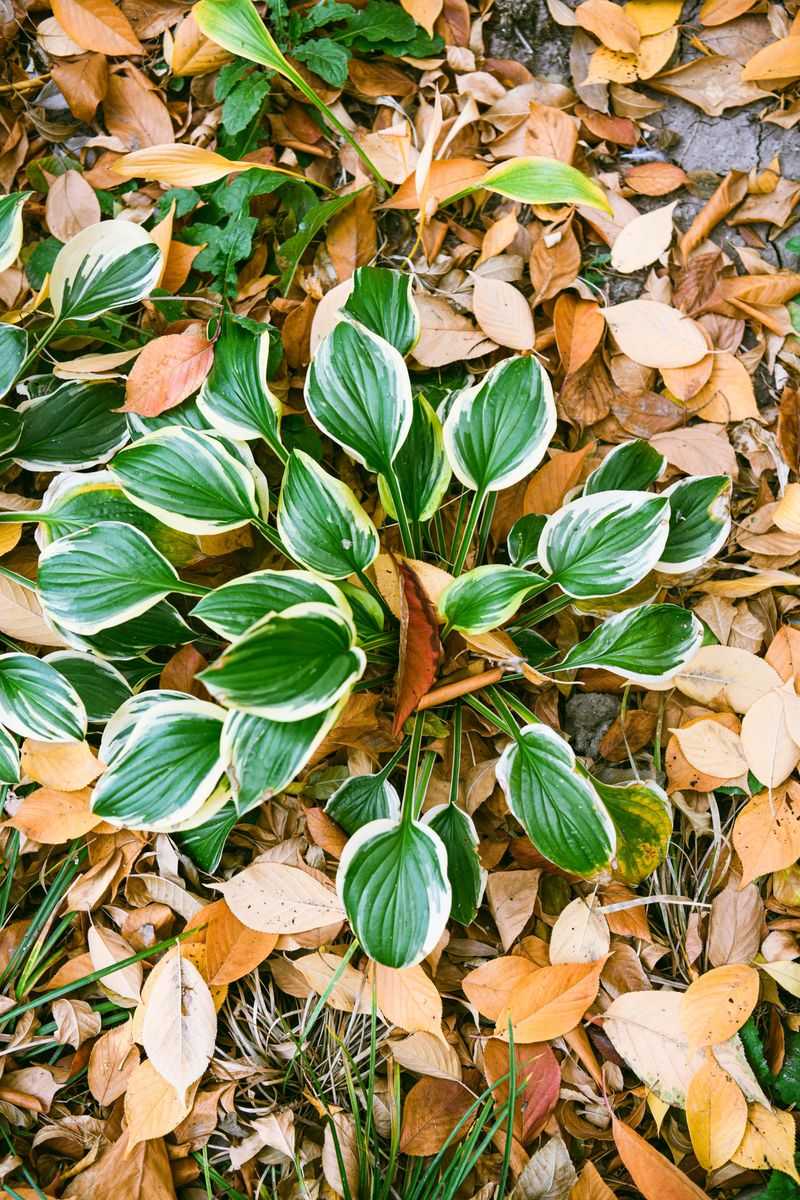
Late August through mid-September is the sweet spot that most experienced Ohio gardeners quietly prefer. Cooler air and softer soil make everything about dividing hostas easier.
Soil temperatures drop enough in early fall to encourage faster root regeneration. New roots establish before the ground freezes, giving plants a head start on next spring.
Rainfall tends to return more reliably in September across the region. Natural precipitation reduces how much supplemental watering a gardener needs to provide.
Hostas also begin slowing their above-ground growth in early fall. That natural slowdown means the plant redirects energy toward root development instead of leaf production.
Transplant shock is measurably lower when temperatures stay under 75 degrees. Cooler conditions allow roots to absorb moisture without competing with peak evaporation rates.
Fall-divided hostas often look noticeably stronger the following spring. They have had months of quiet underground growth before the growing season demands energy from them.
Summer divisions require intensive aftercare for weeks just to survive. Fall divisions practically take care of themselves once properly watered and mulched in place.
Ohio gardeners who divide in early fall also avoid the frustration of summer setbacks. Fewer failed divisions mean less replanting and less wasted effort overall.
Waiting a few extra weeks is genuinely worth it for most situations. The results speak clearly when you compare spring growth between summer and fall divisions side by side.
Patience makes a real difference in how well hostas recover. Choosing the early fall window over summer stress is one of the smartest moves an Ohio gardener can make.
Signs It’s Better To Just Wait
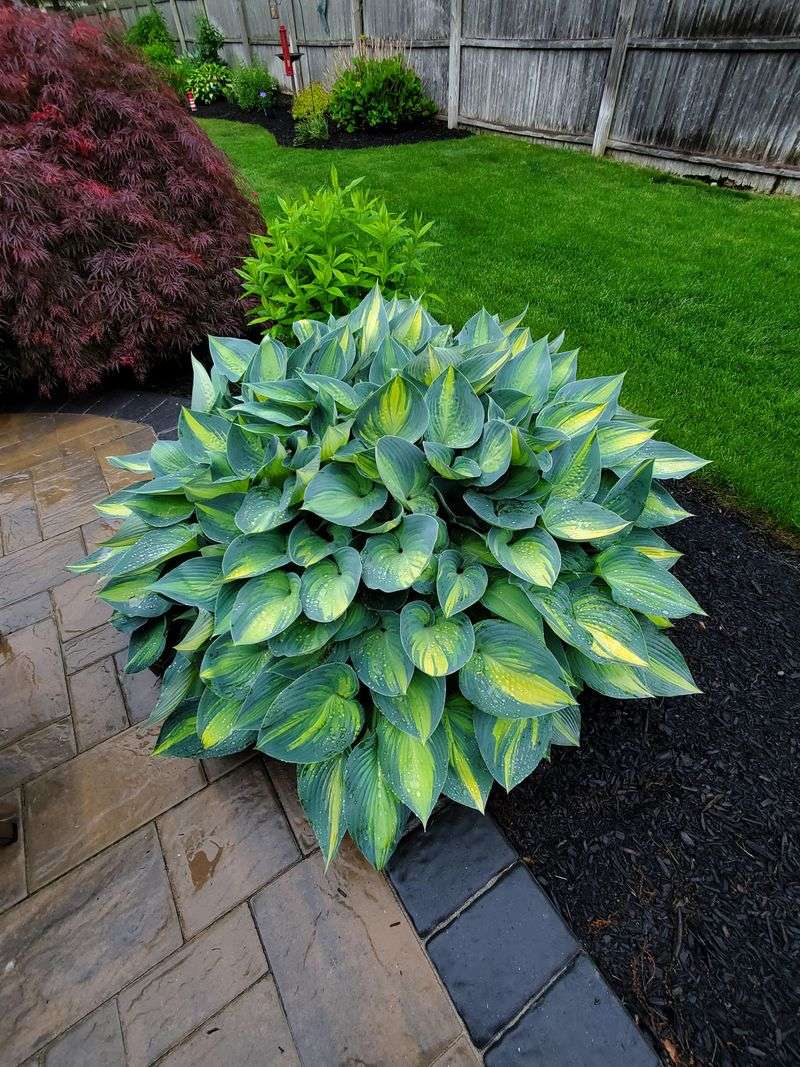
Sometimes the smartest gardening move is simply putting the shovel down. Knowing when to wait is a skill that separates experienced gardeners from frustrated ones.
If daytime temperatures have been above 85 degrees for more than a week, waiting is the right call. Sustained heat makes summer division far riskier than it needs to be.
Hostas that look even slightly stressed before you touch them should be left alone. A wilted or pale plant does not have the energy reserves needed to recover from splitting.
Check the long-range forecast before making any decision. If rain and cooler days are coming within a week or two, waiting gives you a much safer window.
Plants that were divided within the last two years should also stay put for now. Younger divisions have not yet built the deep root systems needed to handle another split.
If the hosta is not crowding anything or losing visual appeal, urgency does not exist. There is no rule that says you must divide on any particular schedule.
Hostas in full sun locations face the highest risk during summer splits. Shaded hostas can tolerate division better, but sun-exposed plants should wait until fall arrives.
Trust how the garden feels when you walk through it. If something feels off about the timing, your instincts are probably right and worth listening to carefully.
Waiting costs you nothing but a few weeks of patience. Dividing Ohio hostas in summer at the wrong moment can seriously weaken the plant.
Give yourself permission to pause and observe before acting. Experienced gardeners know that waiting is sometimes the smarter choice.