Still Have Herbs in the Garden? These Can Be Cut Fresh for Thanksgiving Dinner in North Carolina
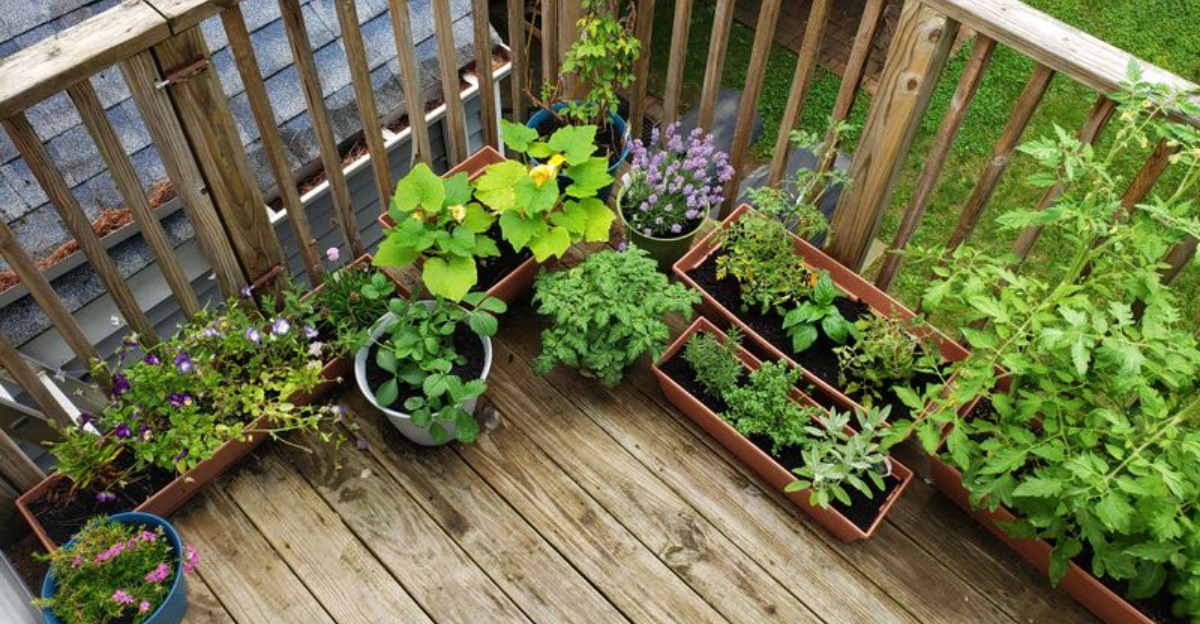
Some of the toughest plants in a late November garden came from dry, rocky hillsides around the Mediterranean Sea. They shrug off frosty mornings that send tomatoes and basil packing.
One thing I love about gardening in North Carolina is how long the harvest can stretch. While the maples drop their leaves, a few humble pots and beds keep quietly growing green leaves worth cooking with.
I tend to think store-bought clamshells of greens can’t compete with something snipped five minutes before it hits the pan. The smell alone on your fingers is worth the walk outside in a sweater.
You may already have more holiday flavor growing by the back steps than you realize. The real question is which plants are still ready for the scissors, and which ones are just hanging on for spring.
1. Those Silver-Green Rosemary Sprigs Are Probably Still Ready to Cut
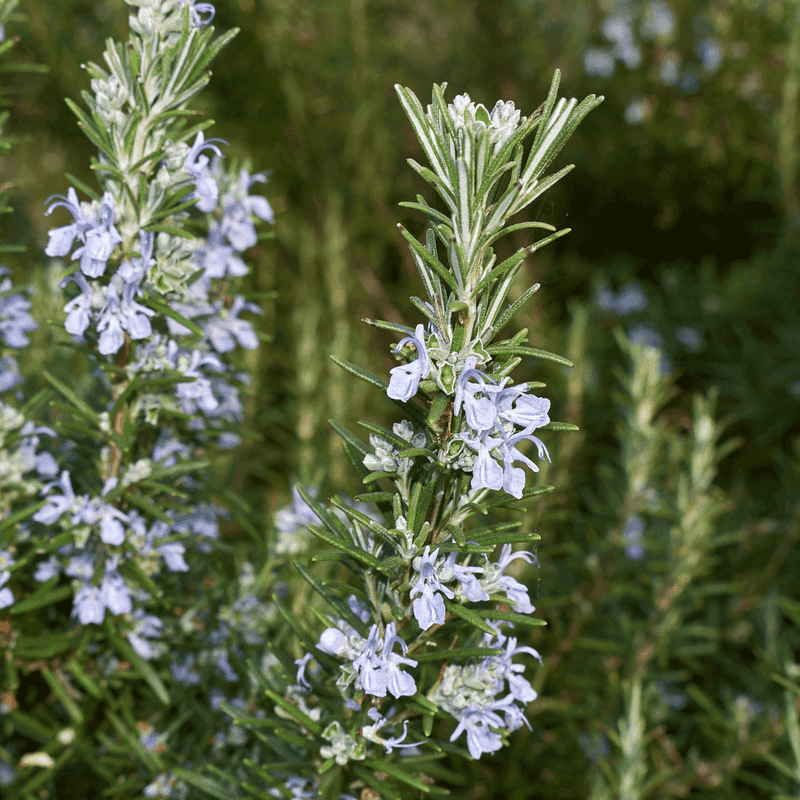
Few herbs handle a chilly Carolina morning with more grit than rosemary. Its narrow, waxy leaves lose very little moisture, which helps it stay green while softer plants fade. Across much of the Piedmont and coast, rosemary often stays harvestable all winter.
NC State Extension notes that it is a woody perennial suited to warmer parts of the state, while gardeners in the mountains may see it struggle in hard winters. Varieties like ‘Arp’ and ‘Hill Hardy’ are known for better cold tolerance if you live in a cooler spot.
For Thanksgiving, cut the soft green tips, about 3 to 4 inches long. Skip the thick brown wood at the base, because rosemary rarely sprouts back from old stems. Taking no more than a third of the plant keeps it healthy for winter.
Fresh sprigs are wonderful tucked under turkey skin or tossed with roasted sweet potatoes. A few extra stems also look lovely tied around napkins at each place setting.
Fun fact from history: rosemary has long been linked with remembrance. That makes it a sweet herb to share at a table full of family stories.
2. Velvety Sage Leaves Belong in Your Stuffing This Year
Stuffing without sage tastes like something is missing, and your garden plant may be ready to fix that. Garden sage is a hardy perennial that handles frost well in most of North Carolina.
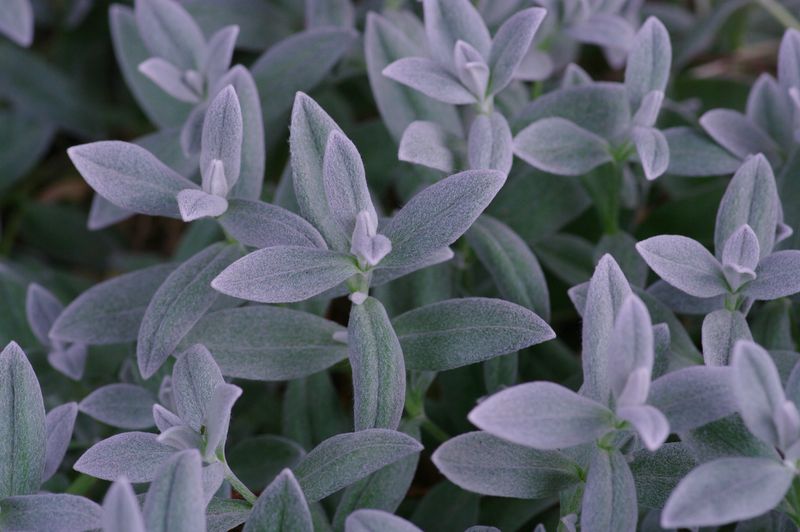
The fuzzy, gray-green leaves hold up nicely through November. They may look a little tougher than in spring, yet the flavor actually gets stronger and earthier as the weather cools. A handful of leaves goes a long way in a pan of dressing.
Pinch or snip leaves from the upper stems instead of stripping one branch bare. Sage turns woody over time, so focus on the newer, leafy growth near the tips. Light picking now leaves plenty of leaves to protect the plant through winter.
Here is a small trick I like. Fry a few whole sage leaves in butter for about 30 seconds until crisp, then crumble them over mashed potatoes or squash. They turn crunchy, nutty, and a little addictive.
Hold off on heavy pruning until spring growth begins. Cutting sage hard in late fall can leave it more exposed to cold damage. A gentle trim for dinner is all it needs right now.
3. Tiny Thyme Leaves Keep Going When the Weather Turns
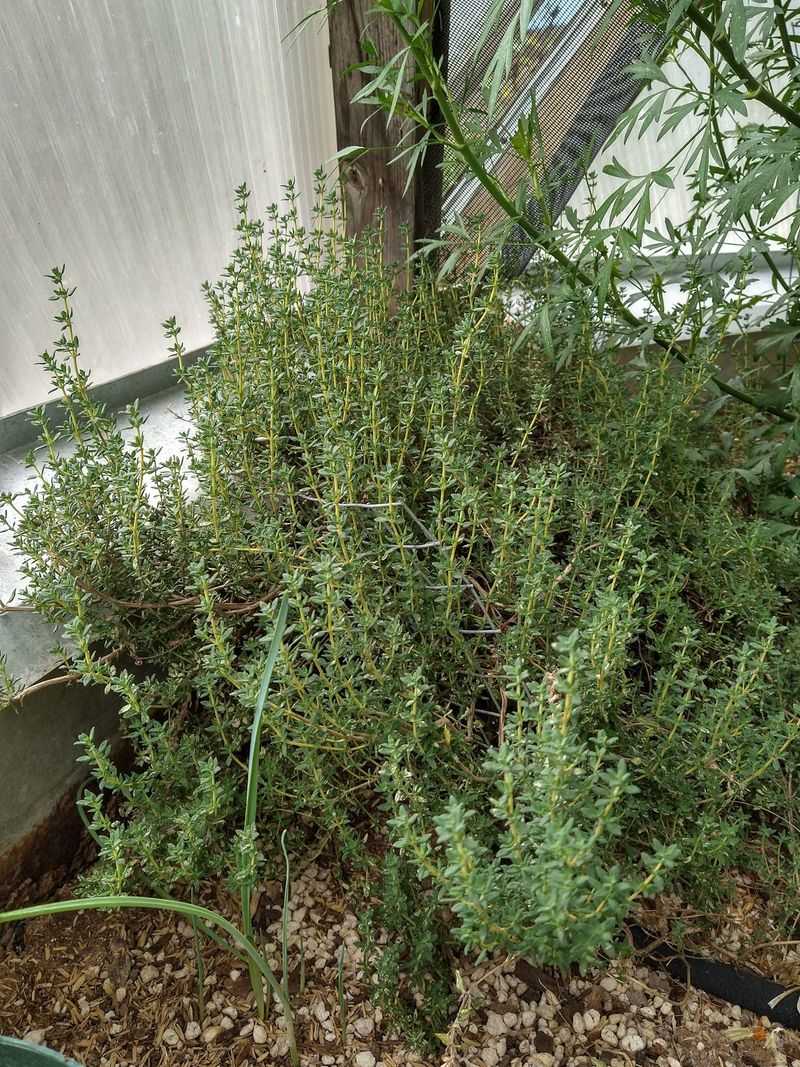
Small but stubborn, thyme is one of the easiest herbs to find still green at Thanksgiving. Its tiny leaves sit close to the stems, so it handles cold snaps with surprising ease.
Common thyme is hardy in every part of North Carolina, from Boone down to Wilmington. In colder mountain gardens it may slow down and look a bit dull, but there are usually enough leaves for a holiday meal.
Snip the youngest, bendy stems a few inches long, cutting just above a set of leaves. To strip them, hold the top of the stem and slide your fingers down against the growth. The leaves fall right off into your bowl.
Thyme blends beautifully into gravy, roasted root vegetables, and the butter you rub on a turkey. Lemon thyme adds a bright twist to green beans if you happen to grow it.
One quick tip for the plant’s sake: thyme hates wet feet more than cold. Clear away fallen leaves that pile on top of it, because soggy mats can lead to rot during long rainy spells. A sunny, airy spot keeps it happy until spring.
4. Flat-Leaf and Curly Parsley Can Shrug Off Light Frost
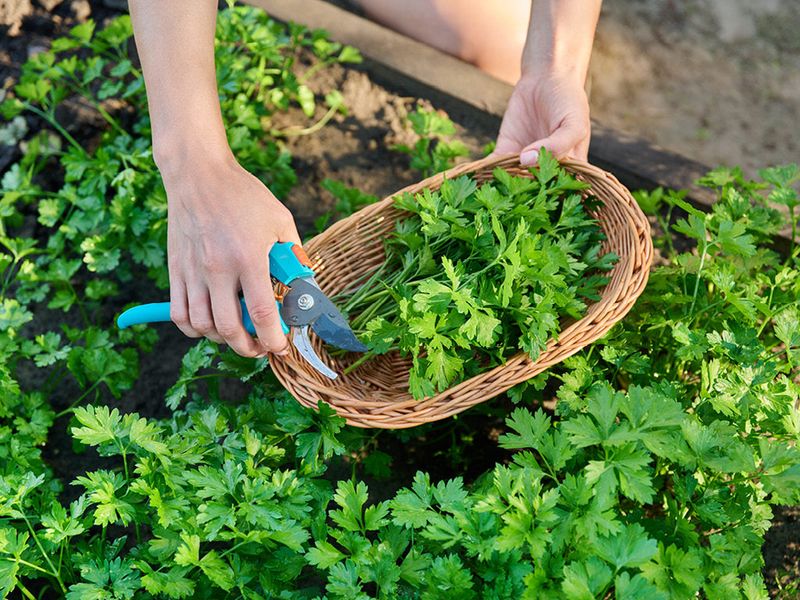
Parsley might be the most underrated green on the Thanksgiving table. A sprinkle of fresh leaves wakes up heavy dishes in a way dried flakes cannot.
This biennial is cold tolerant and often keeps producing after light frosts. In the Piedmont and coastal plain, it commonly stays harvestable well into winter. Mountain gardeners may see it slow down sooner, though a cover on very cold nights can extend the picking.
Harvest the outer stems first, cutting them near the base. Leave the center alone, since that is where new leaves keep forming. With this method, one plant can keep you supplied for weeks.
Flat-leaf parsley has a bolder flavor for cooking, while curly parsley makes a cheerful garnish on platters. Chop it into stuffing, scatter it over carrots, or mix it into a quick herb butter.
A fun detail worth knowing: parsley is a host plant for black swallowtail caterpillars. If you spot green and black striped visitors in summer, consider leaving them a little. For now, though, the leaves are all yours for the holiday.
5. Grassy Chives Add a Mild Onion Kick to Mashed Potatoes
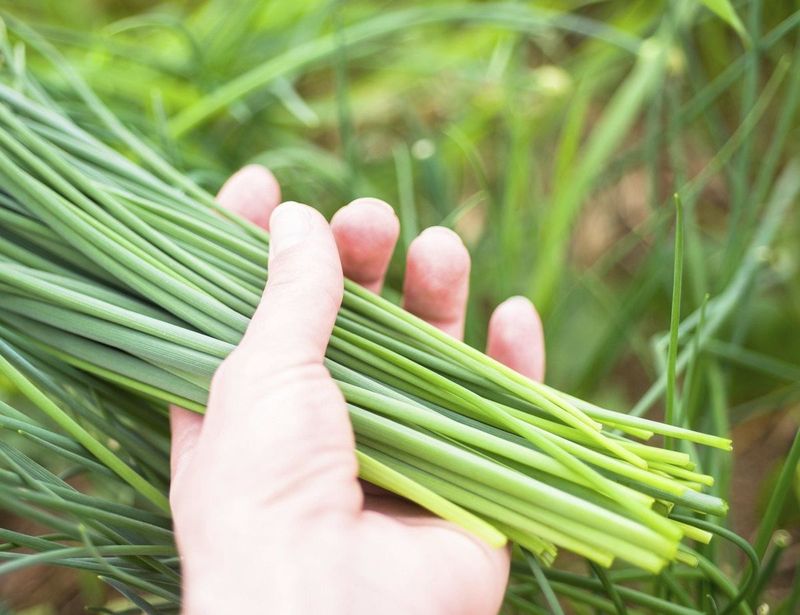
Mashed potatoes topped with bright green chives just look like a holiday. The good part is that your chive clump may still have plenty to give.
Chives are a cold-hardy perennial in all of North Carolina. Their slender, hollow leaves often stay green through cool fall weather. After a hard freeze, the tops may wither and the plant goes quiet, but the bulbs underground stay alive and return in spring.
To harvest, gather a small bunch and cut it about an inch or two above the soil. Cutting from the base, rather than nibbling at the tips, encourages tender new blades. Rinse gently and pat dry before snipping into small rings.
Chives lose flavor quickly when cooked, so add them right before serving. Try them on deviled eggs, buttery rolls, or a creamy dip for the appetizer table.
If your chives are thin this late in the season, leave a few blades behind. They help the plant store energy for next year. Garlic chives, a related plant, can spread by seed, so remove their flower heads before seeds drop.
6. Cool-Loving Cilantro and Dill Might Surprise You in November
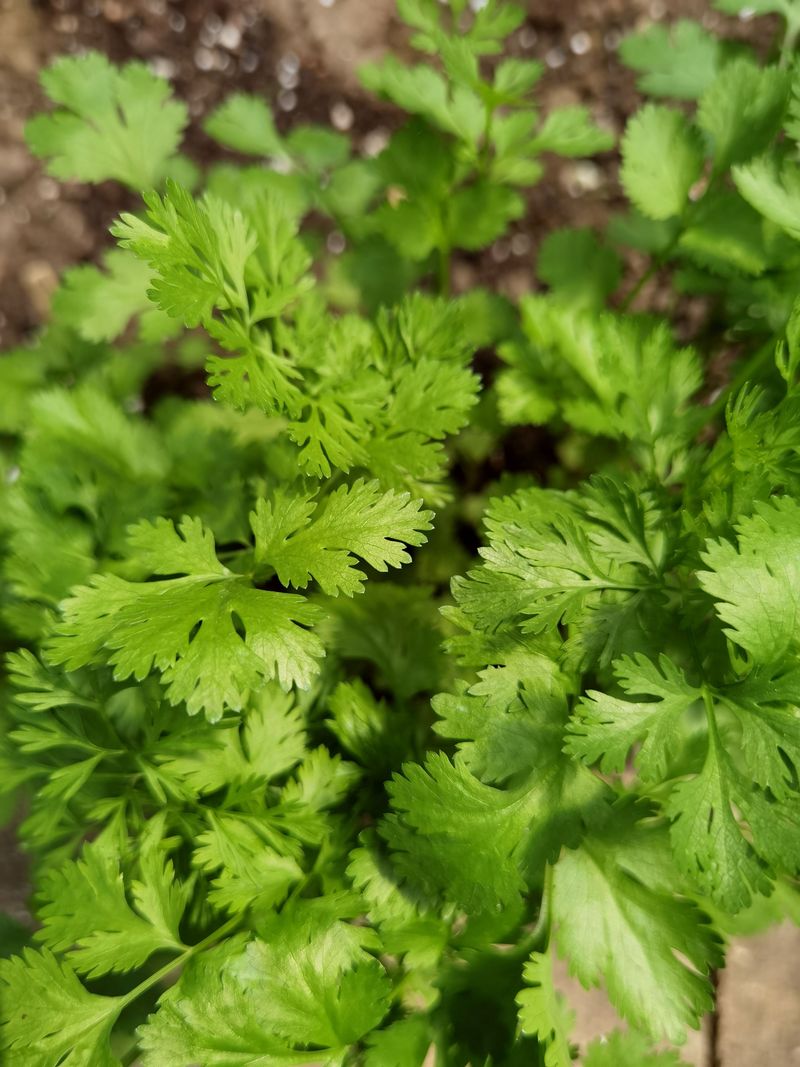
Summer is rough on cilantro, which bolts and goes to seed in the heat. Fall is a different story, and many Carolina gardeners find their best cilantro grows right now.
NC State Extension suggests planting cilantro in fall across much of the state, since it prefers cool weather. A September sowing can give you leafy plants by Thanksgiving.
Light frosts usually leave it unharmed, though a hard freeze in the mountains can knock it back.
Dill also likes cooler weather and can handle a light frost. Its feathery fronds pair nicely with carrots, salmon, or a cool yogurt sauce for the side dish crowd.
Harvest cilantro by cutting the outer stems near the base. For dill, snip the fronds you need and leave the main stem standing. Both taste best when used fresh, so cut them shortly before cooking.
If cilantro is not your favorite, you are not alone. Some people carry a gene linked to tasting it as soapy. Keep it in a small bowl on the side so everyone can choose.
7. Raised Beds and Gritty Soil Help Mediterranean Herbs Last
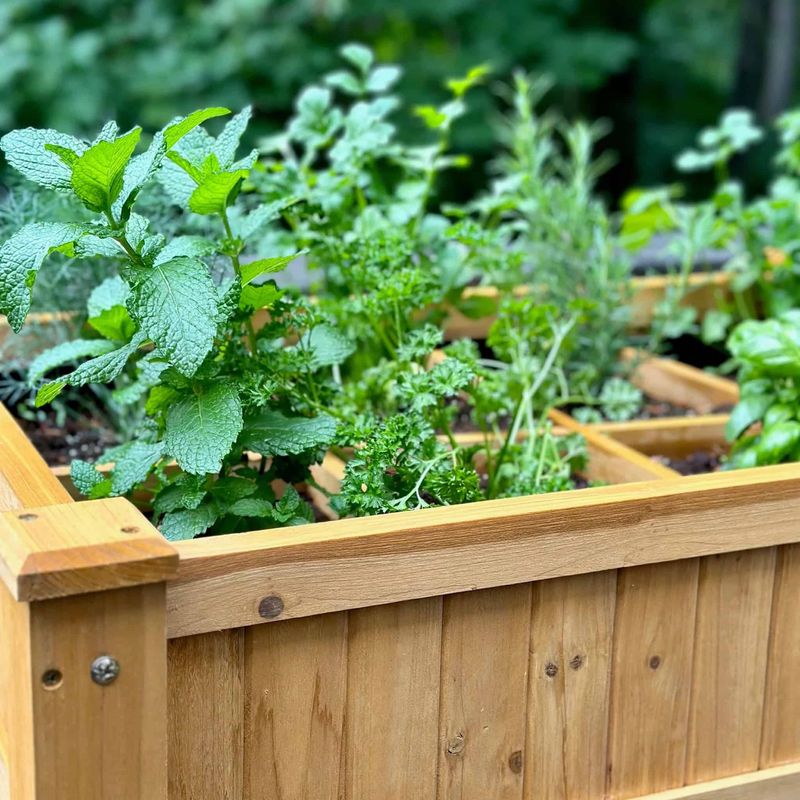
Cold gets blamed for a lot of herb losses, yet soggy soil is often the real problem. Rosemary, thyme, and sage evolved in dry, rocky places, and their roots hate sitting in water.
North Carolina’s heavy red clay holds moisture for a long time after winter rain. That wet, cold combination can rot roots faster than a frosty night ever could. Good drainage gives these herbs a much better shot at making it to spring.
Raised beds are a simple fix. Even 8 to 12 inches of height helps excess water drain away. Mixing in compost and a little fine gravel or coarse sand loosens clay and keeps roots breathing.
Planting near a south-facing wall can help too. The wall soaks up sunlight during the day and releases a bit of warmth at night. Avoid piling thick mulch right against woody stems.
A light layer of pine straw spread around the base works well and is easy to find in this state. Water sparingly in winter, mostly during long dry spells, and your herbs will thank you.
8. Potted Herbs on the Porch Need a Little Extra Cover on Frosty Nights
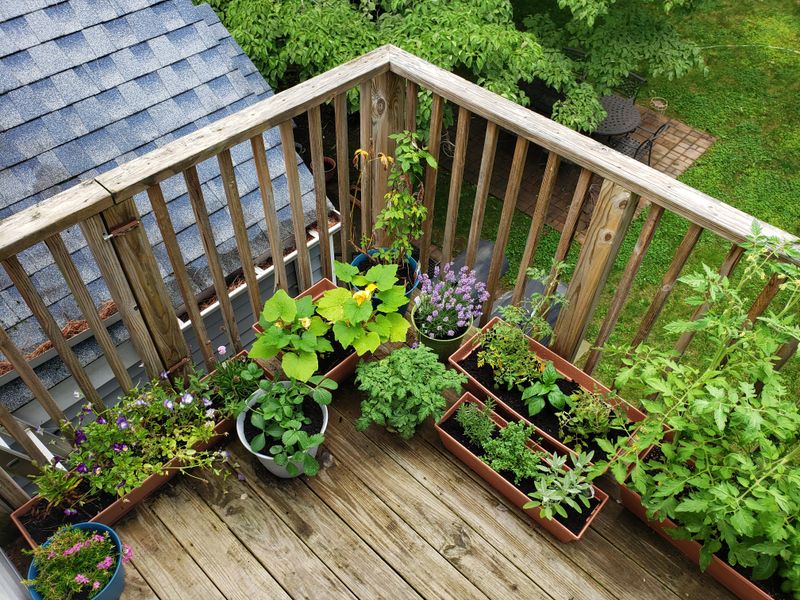
Container herbs come with a handy bonus at this time of year. You can pick them up and move them when a cold night shows up in the forecast.
Roots in pots are more exposed than roots in the ground. The soil in a container can freeze much faster, which stresses even hardy herbs like rosemary. Grouping pots together against the house helps them share warmth.
When temperatures dip into the low 20s, slide pots onto a covered porch or into an unheated garage overnight. Frost cloth or an old bedsheet draped over plants also helps. Remove covers in the morning so the plants can soak up sunlight.
Watch watering closely. Pots dry out in windy weather, but cold, wet soil causes rot, so check with your finger before adding water.
My favorite next step is simple. Bring one small pot of parsley or thyme near the kitchen door so it is easy to reach on Thanksgiving morning. After dinner, make notes on which herbs lasted best this year.
That list becomes a great guide for spring planting and an even better harvest next November.