Why Evergreen Needles Turn Yellow Inside The Plant Every Fall In North Carolina
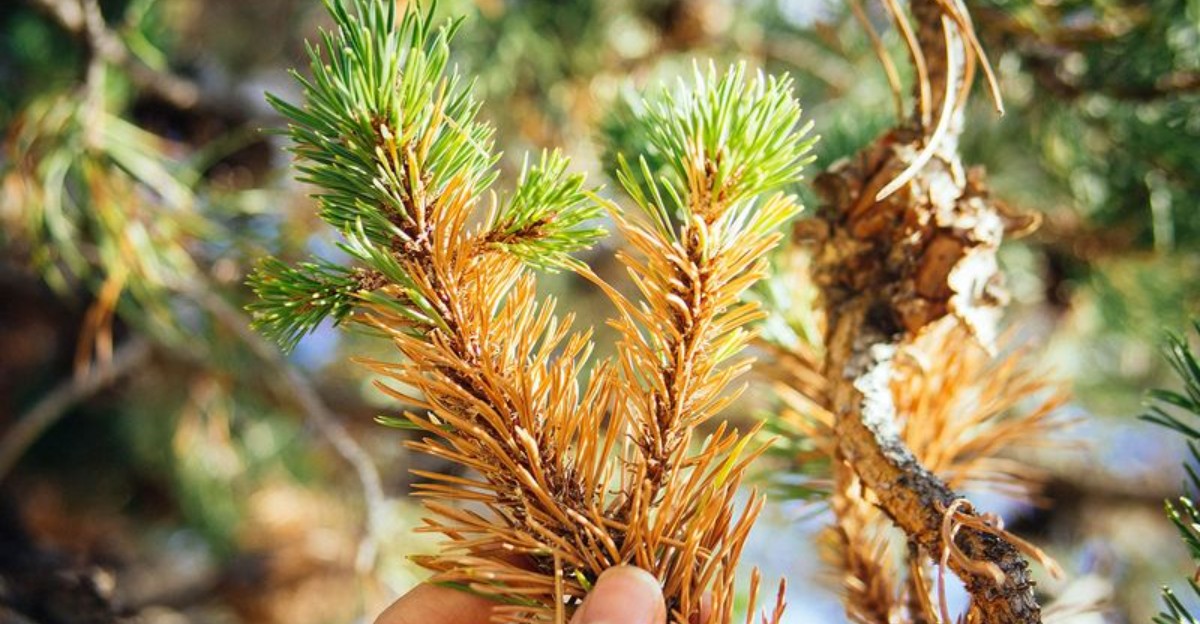
Evergreen trees shed thousands of their own needles every autumn, and the yellowing starts deep inside, near the trunk. I love how the outer tips stay bright green while the older needles behind them quietly change color.
In North Carolina, this shift usually shows up between September and November, right as hardwood leaves begin turning. Many homeowners call extension offices that month, worried that a pest or disease has suddenly moved into their yard.
The needles that drop are usually between one and a half and four years old, depending on the kind of tree you have. Fresh growth from this spring stays put, ready to feed the tree through the short winter days ahead.
You can walk under a big tree in October and hear old needles ticking softly onto the ground. Have you ever noticed that the fallen layer smells sharper and sweeter than the green branches still overhead?
Your Oldest Needles Are Simply Retiring
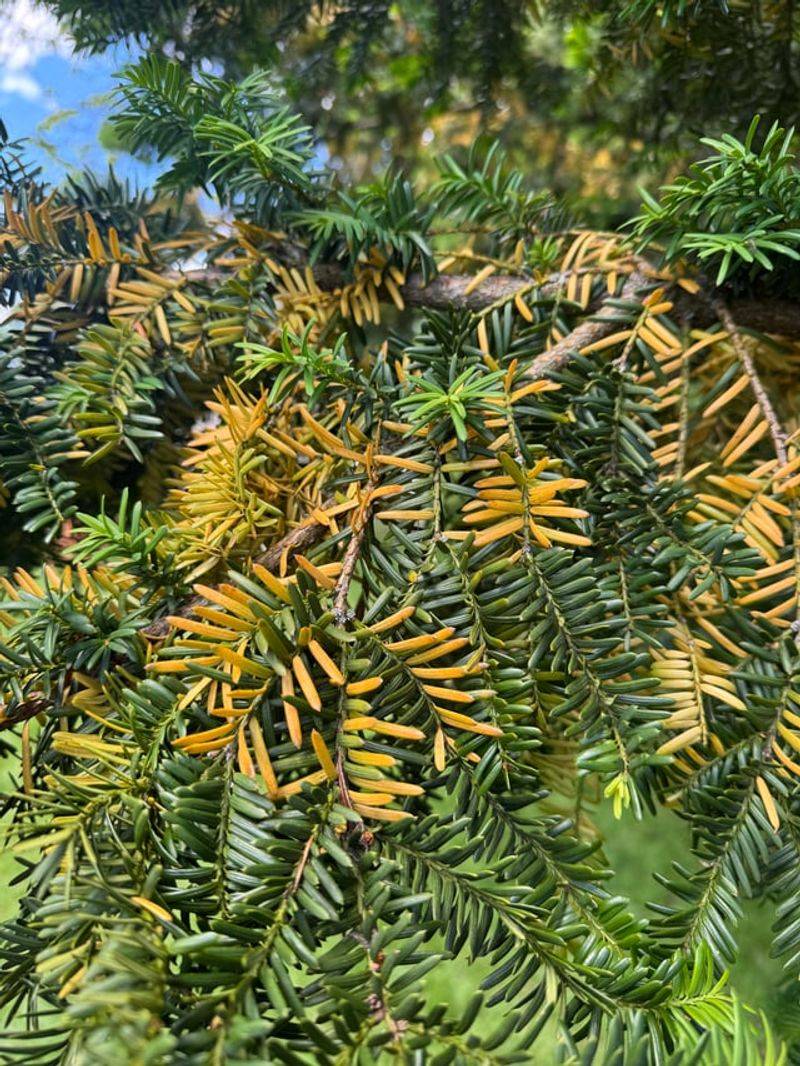
Pines, cedars, and arborvitae hold each needle for a few years, then let the oldest ones go each fall. NC State Extension calls this seasonal needle drop, and it is a normal part of how evergreens grow.
Older needles sit closest to the trunk because each new year of growth pushes outward from the branch tips. Those inner needles end up shaded by fresher growth, so they make less food for the tree over time.
Before shedding them, the tree pulls useful nutrients like nitrogen back out of the needles to reuse later. Losing that green chlorophyll is what leaves the old needles looking yellow, then tan, then rusty brown.
I think of it like a tree cleaning out its closet before the cold months arrive in earnest. Keeping old, shaded needles would cost the tree water and energy without giving much food in return.
Eastern white pine in the North Carolina mountains typically drops needles that are about a year and a half old, in their second fall. Loblolly pine, common across the Piedmont and Coastal Plain, usually keeps its needles for two to three years.
The key clue is location, since healthy shedding stays on the inside while branch tips remain green. If the newest growth at the ends looks fresh and full, your tree is most likely doing fine.
Arborvitae and junipers show the same pattern, with brown sprays tucked deep inside an otherwise green shrub. Giving the plant a gentle shake often knocks loose the old foliage and reveals healthy green underneath.
Each Tree Keeps Its Own Needle Schedule
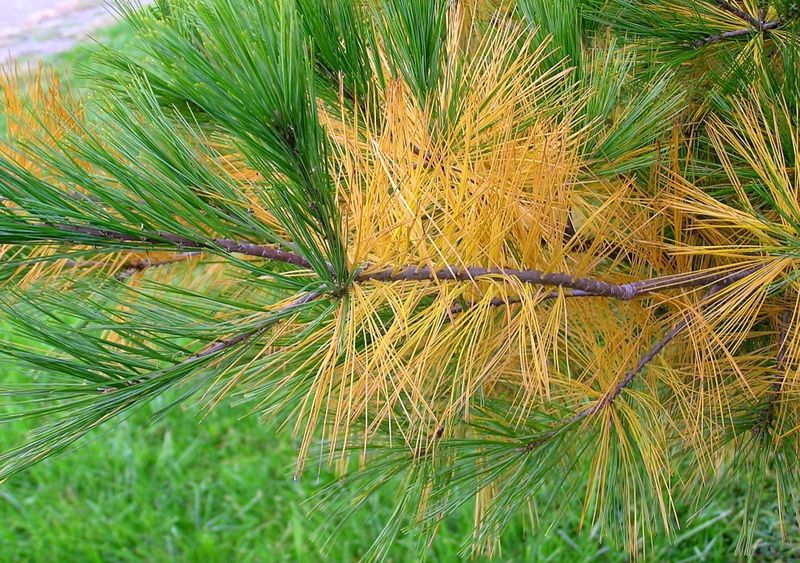
Each autumn, extension agents across the state often get a wave of calls about suddenly yellow pine trees. Most of those calls come in September and October, when seasonal needle drop is at its peak.
Shorter days and cooler nights signal trees to start shedding, much like they cue maples to change color. The show can look dramatic for a few weeks, then the old needles fall and the tree tidies up.
Some years look much heavier than others, and dry summers often make the yellowing more noticeable that fall. Drought stress can push a tree to drop more needles than usual to save water.
Your North Carolina Garden Changes Every Week. Your Plan Should Too.
Gardening in North Carolina changes quickly throughout the season. Every Friday you’ll receive a simple weekly plan showing exactly what to plant, prune, fertilize, harvest, and protect so you never miss the right timing.
Researchers have not pinned down every factor, so the exact amount of drop can be hard to predict. Still, the timing stays fairly steady, and most shedding wraps up by late November in North Carolina.
Different evergreens follow slightly different clocks, which can make a mixed yard look confusing for a while. White pines often look the most alarming because their soft needles turn bright yellow in a short window.
Eastern red cedar may show browning inside the canopy a bit later, sometimes stretching into early winter. Southern magnolia and hollies shed older leaves too, though they mostly do it in late spring and early summer instead of fall.
Writing down the date you first notice yellowing each year gives you a handy record for later. After two or three seasons, you will spot your own tree’s pattern and worry much less about it.
Hold Off On Sprays Or Extra Fertilizer
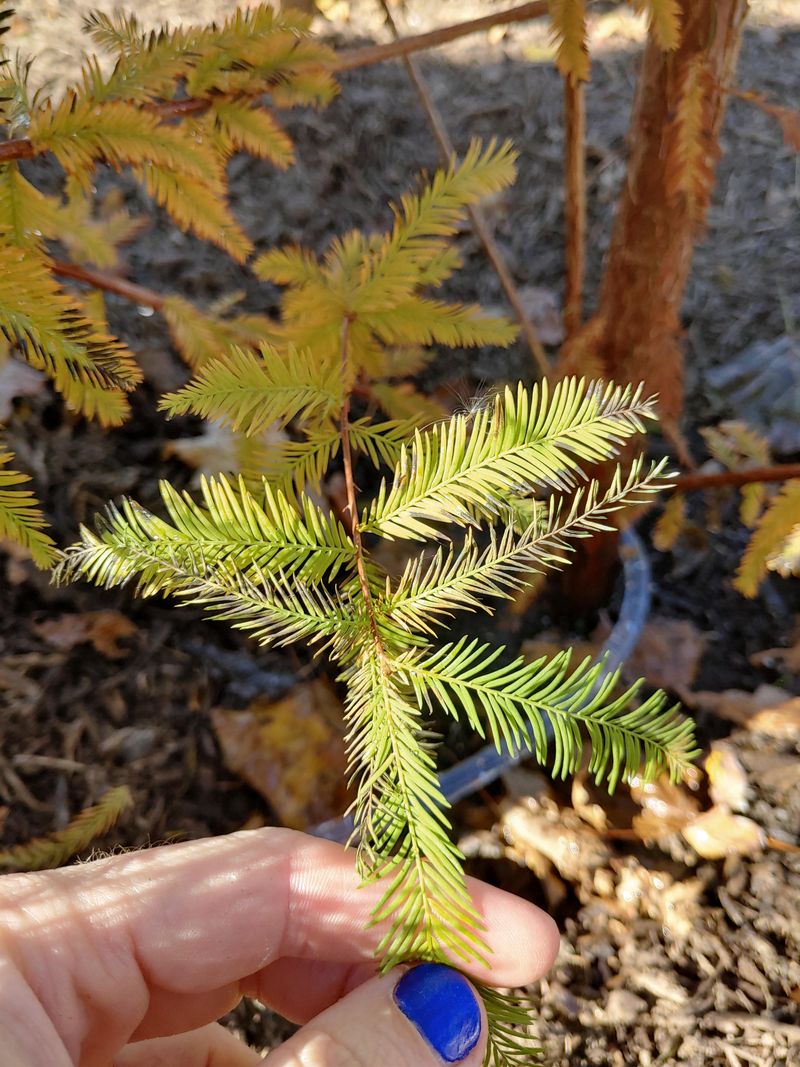
Reaching for a spray bottle is a natural reaction, but fall needle drop does not need any treatment. Insecticides and fungicides cannot bring back old needles, and they may harm helpful insects living in the tree.
Fertilizer is another common mistake, since many people assume yellow color means the tree is hungry. Feeding in October can push tender new growth that frost may damage before it has time to harden.
NC State Extension suggests basing any fertilizer plan on a soil test rather than on needle color alone. Soil test kits are free for North Carolina residents from April through November, which makes fall testing easy.
Heavy pruning is a third trap, because cutting off yellow inner branches will not stop the shedding. Pines rarely sprout new needles from bare inner wood, so those cuts can leave lasting empty gaps.
Arborvitae and junipers behave the same way, with brown bare patches that seldom fill back in. Patience is the smartest tool here, even when the tree looks a little rough for a few weeks.
I like to give the tree until December before deciding whether anything unusual is really going on. By then the old needles have mostly dropped, and the healthy green tips make the answer pretty clear.
Saving money on unneeded products is a nice bonus, and it keeps extra chemicals out of your yard. A calm wait also keeps you from adding stress to a tree that is simply following its routine.
Real Trouble Looks Different Up Close
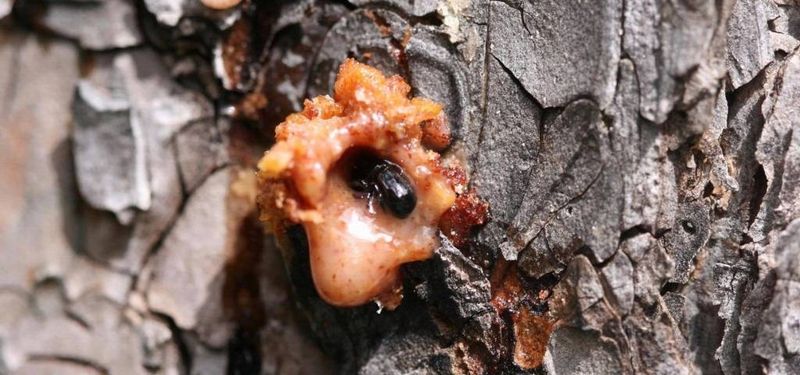
Normal shedding has a tidy pattern, so anything that breaks that pattern deserves a closer look this fall. Yellow or brown needles at the branch tips, especially on new growth, point toward a different problem.
Southern pine beetle is a native pest that can cause a whole pine crown to fade quickly. Look for small pitch tubes on the bark, which look like globs of sap about the size of a piece of popcorn.
Fine sawdust in bark cracks or at the base of the trunk is another sign worth reporting. Needle diseases like brown spot or needle cast often leave spots or bands on the needles themselves.
Spider mites can turn arborvitae and junipers dull and speckled, especially during dry stretches in early fall. Tapping a branch over white paper will show tiny moving dots if mites are the real cause.
Root problems from soggy soil, construction damage, or soil piled over roots can also cause wider yellowing. Those issues tend to show up across the whole tree rather than only on the oldest inner needles.
Snapping a few clear photos of the branches, bark, and base makes it easier to get expert help. Your county Cooperative Extension office can look at photos or samples and suggest whether action is needed.
The NC Plant Disease and Insect Clinic in Raleigh also tests plant samples for a small fee. Catching true problems early gives you more options, while ignoring normal shedding saves you plenty of needless worry.
Fallen Needles Make Free Mulch For Your Beds

Southerners have raked up pine straw for generations, and those golden needles are sold by the bale each fall. Your own yellow needles become that same pine straw once they drop and dry out on the ground.
North Carolina is one of the leading pine straw producers in the country, mostly from longleaf and loblolly stands. Gathering what falls in your yard gives you that same useful mulch at no cost.
A layer two to three inches deep helps hold soil moisture and keeps weeds from sprouting through winter. Pine straw also stays in place on slopes better than many bark mulches, which tend to wash away.
Many people worry that pine needles make soil too acidic, but research shows the effect is quite small. That means you can tuck them around shrubs, perennials, and vegetable beds without much concern about pH.
Keep the mulch a few inches away from trunks and stems so moisture does not sit against the bark. Leaving some needles under the tree itself is helpful too, since they protect the shallow roots below.
As they break down slowly, the needles return some organic matter and nutrients back to the soil. I like raking extra needles into a pile and saving them for spring beds when bales cost more.
Pine straw does burn easily, so keep thick piles away from house walls, decks, and outdoor grills. Fire safety guidelines often suggest a gap of at least five feet around homes for that reason.
Healthy Roots Help Your Tree Hold On Longer
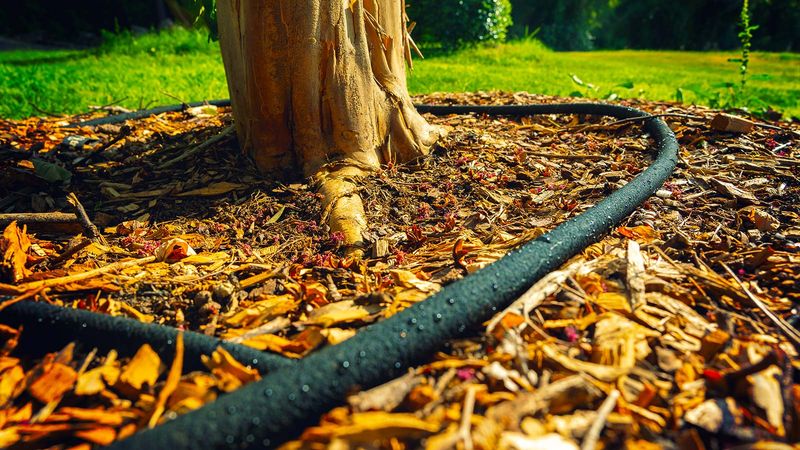
Seasonal shedding is part of the natural cycle, but steady care helps your tree stay healthy and full. October is a smart month to start that care, because roots keep growing while the soil stays warm.
Deep watering during dry fall spells matters most, especially for young trees planted in the last two years. A slow soak around the drip line once a week helps more than frequent light sprinkles near the trunk.
Protecting the root zone is just as important, since most evergreen roots sit in the top foot of soil. Avoid parking cars, piling soil, or digging trenches under the canopy whenever you can manage it.
Fall is also one of the best planting seasons in North Carolina if you plan to add new evergreens. Choosing the right tree for your spot reduces stress, which can limit heavy shedding down the road.
White pines struggle in the hot, heavy clay of the Piedmont, while loblolly handles those conditions better. Giving each tree enough space also improves airflow, which helps lower the risk of needle diseases later.
Thinning crowded pines can also make them less attractive to bark beetles, according to forestry experts. The NC Forest Service offers helpful guides on pine health for homeowners with wooded lots or larger yards.
Next October, the yellow needles inside your tree may feel less like a mystery and more like a season. I believe that small shift in understanding turns a worried glance into a quiet nod of recognition.