Stink Bugs Invading Your New York Home? Try This DIY Trap
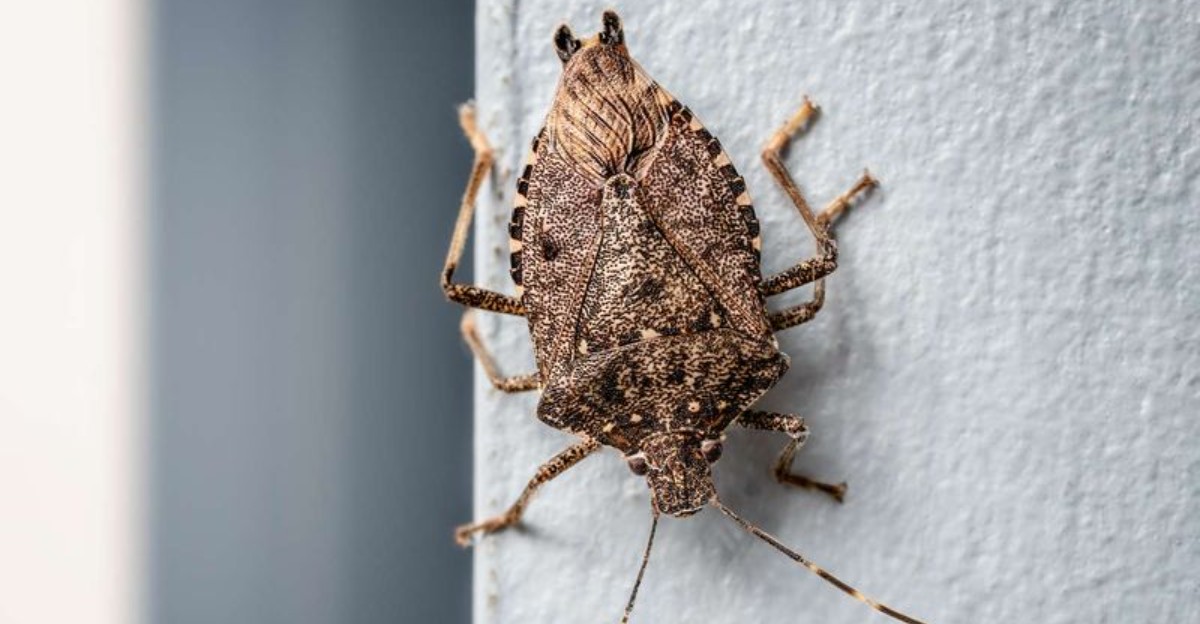
That faint, skunky smell near your window is not your imagination. Brown marmorated stink bugs love to crash New York homes when the weather turns cool, and they rarely knock first.
They buzz around lamps, cling to curtains, and leave a funky odor if you squish them. Luckily, you do not need fancy sprays or a pricey exterminator to fight back.
A simple trap made from things already in your kitchen can round them up while you sleep. It takes only a few minutes to build, and it costs almost nothing.
Homeowners have used versions of it for years with surprisingly good results.
A Foil Roasting Pan Makes The Perfect Base
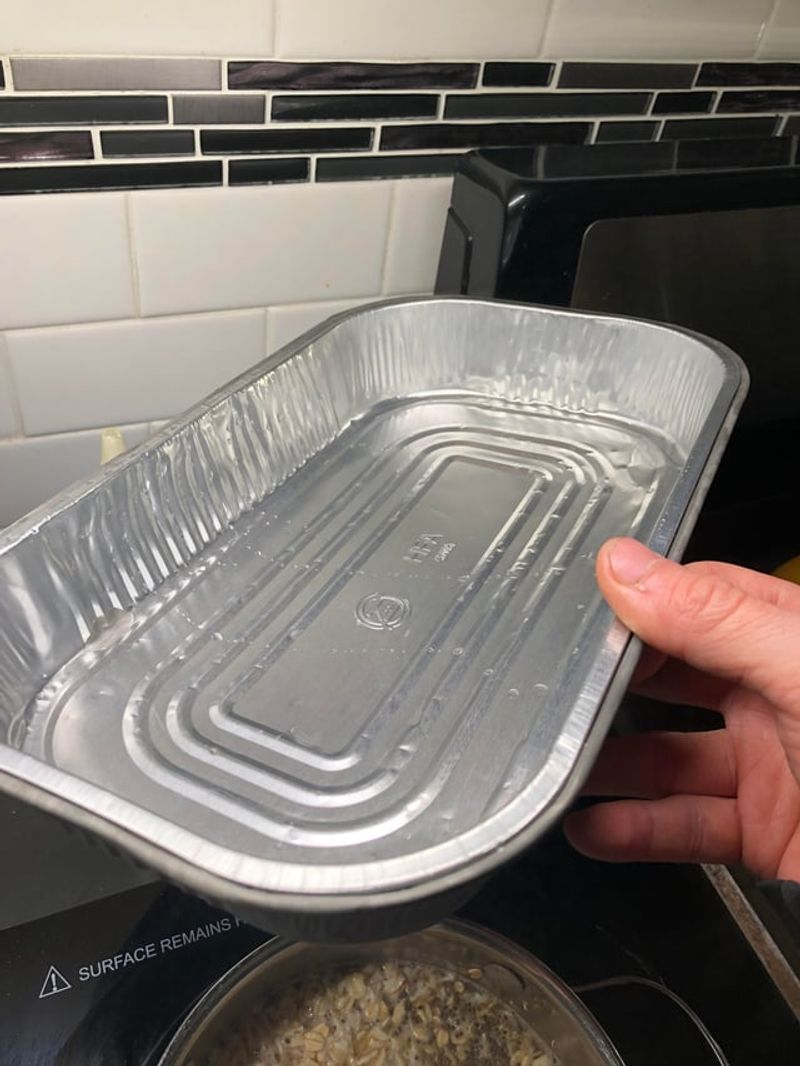
Remember the cheap foil pan from last Thanksgiving sitting in your cupboard? That humble pan is about to become your best tool against stink bugs.
Researchers at Virginia Tech tested many homemade traps and found simple pans worked surprisingly well. A foil roasting pan offers a wide, shallow surface that catches bugs as they drop.
Size matters more than you might think here. A bigger opening gives flying bugs a larger target, so more of them land inside.
Most standard roasting pans hold about a half-gallon of water with room to spare. That amount keeps the trap working for days without spilling over the edges.
Foil pans also cost very little at any grocery store. You can usually find a two-pack for just a few dollars near the baking aisle.
Light weight is another bonus when you move the trap around. You can carry it from the attic to a bedroom without much effort at all.
Shiny foil may even help a bit by bouncing lamp light around. The glow spreads across the water and makes the whole setup more noticeable to bugs.
Here is a handy tip before you start filling it. Set the pan on an old towel or tray to catch drips and protect your floors.
If you lack a foil pan, a baking dish works in a pinch. Just pick something wide, shallow, and easy to clean afterward.
Water And A Few Drops Of Dish Soap Seal The Deal
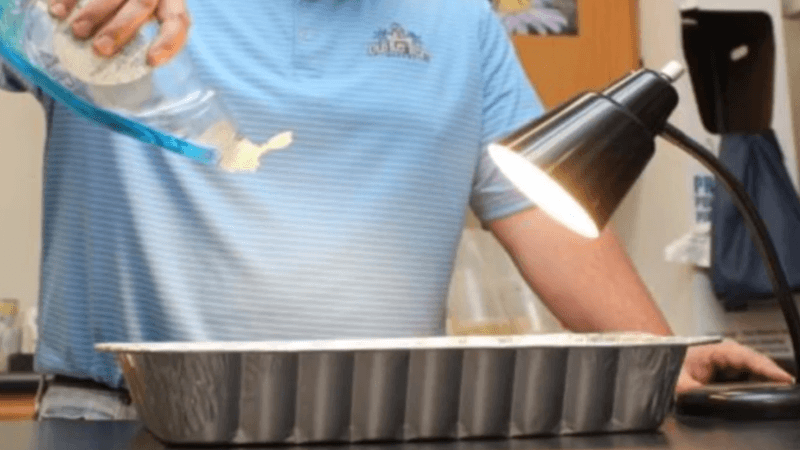
Think of it as the easiest recipe you will ever follow. You only need two ingredients, and both are probably sitting beside your kitchen sink.
Start by pouring about a half-gallon of water into your foil pan. Room temperature tap water works just fine, so there is no need to heat it.
Next, add a generous squirt of liquid dish soap to the water. Any common brand will do the job, whether it smells like lemon or nothing at all.
Give the pan a gentle swirl with your hand or a spoon. You want the soap mixed in, but you do not need a mountain of bubbles.
Too much foam can actually hide the water surface from the bugs. A light film of soap is all it takes for the trap to work well.
Plain water alone will not do much against stink bugs. They are light enough to float, and many can climb right back out.
Your New York Garden Changes Every Week. Your Plan Should Too.
Gardening in New York changes quickly throughout the season. Every Friday you’ll receive a simple weekly plan showing exactly what to plant, prune, fertilize, harvest, and protect so you never miss the right timing.
Soap changes everything by making the water much harder to rest on. Once a bug touches the surface, staying afloat becomes very difficult.
Many New York families keep a spare bottle of soap just for bug traps. That way, refilling the pan takes less than a minute on busy evenings.
One quick tip helps keep things tidy and safe. Place the trap where pets and small kids cannot reach the soapy water.
A Desk Lamp Pointed Into The Pan Is The Lure
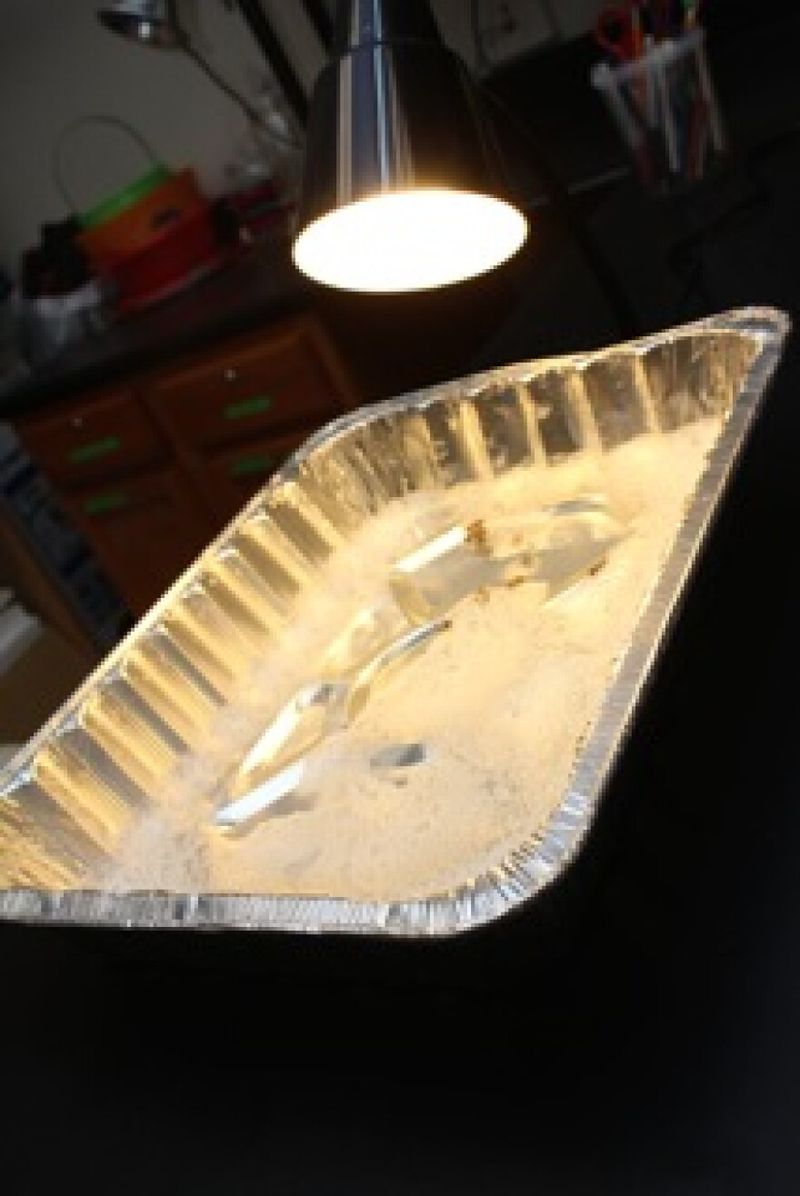
Moths are not the only insects with a crush on bright lights. Stink bugs feel that same strong pull, especially once the sun goes down.
A simple desk lamp turns your soapy pan into a glowing magnet. Bend or angle the lamp so it shines straight down into the water.
The light reflects off the surface and creates a bright, inviting spot. Bugs fly toward that glow and often tumble right into the pan.
Bulb choice can make a real difference in your results. Cool-white LED or compact fluorescent bulbs tend to attract stink bugs better than warm yellow ones.
LED bulbs also stay cooler and use less electricity overnight. That makes them a safer and cheaper choice for a lamp running for hours.
Keep the lamp close, roughly a foot above the water. Too much distance spreads the light out and weakens the effect.
Check that the cord is tucked away from foot traffic. Nobody wants to trip over a wire and spill soapy water across the floor.
Fun fact for curious readers out there. Scientists believe many night insects use light to steer, which is why lamps confuse them so easily.
A clip-on reading lamp works if you lack a desk lamp. Clip it to a chair back and aim the bulb at the pan.
A Darkened Room Makes The Light Irresistible
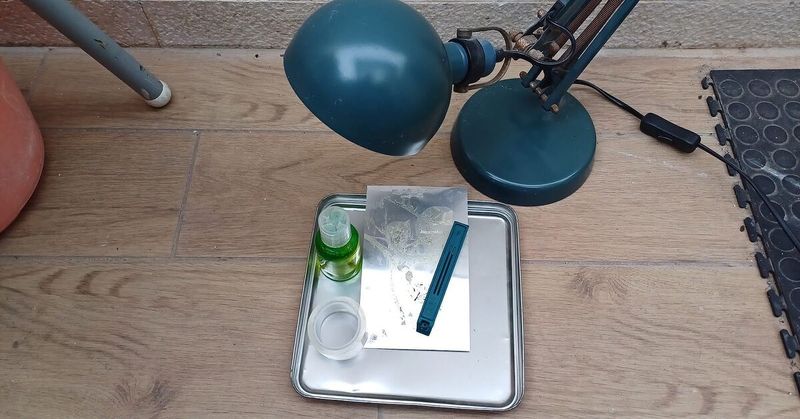
Imagine trying to find one candle in a room full of flashlights. Stink bugs face that same problem when every light in your house is on.
Your trap works best when its lamp is the only light around. Turn off overhead lights, TVs, and anything else that glows in the room.
Close the door if you can, too. Hallway light sneaking under the door can pull bugs away from your trap.
Bedtime is a great moment to switch the trap on. The house is quiet, the rooms are dark, and the bugs start roaming.
Blackout curtains can help in New York neighborhoods with bright streetlights. Outside glow through windows can compete with your lamp more than you expect.
Stink bugs use light to help them find their way. When only one bright spot exists, they head straight toward it without much hesitation.
Even small lights like phone chargers or clocks may distract a few bugs. Cover them or move them to another room for the night.
A spare room or basement corner often makes the ideal spot. People rarely walk through, so the trap can work without interruption.
Patience pays off with this setup. Some nights catch a handful of bugs, while warmer nights can bring in dozens at once.
Windows, Attics, And Sunny Walls Are The Best Spots
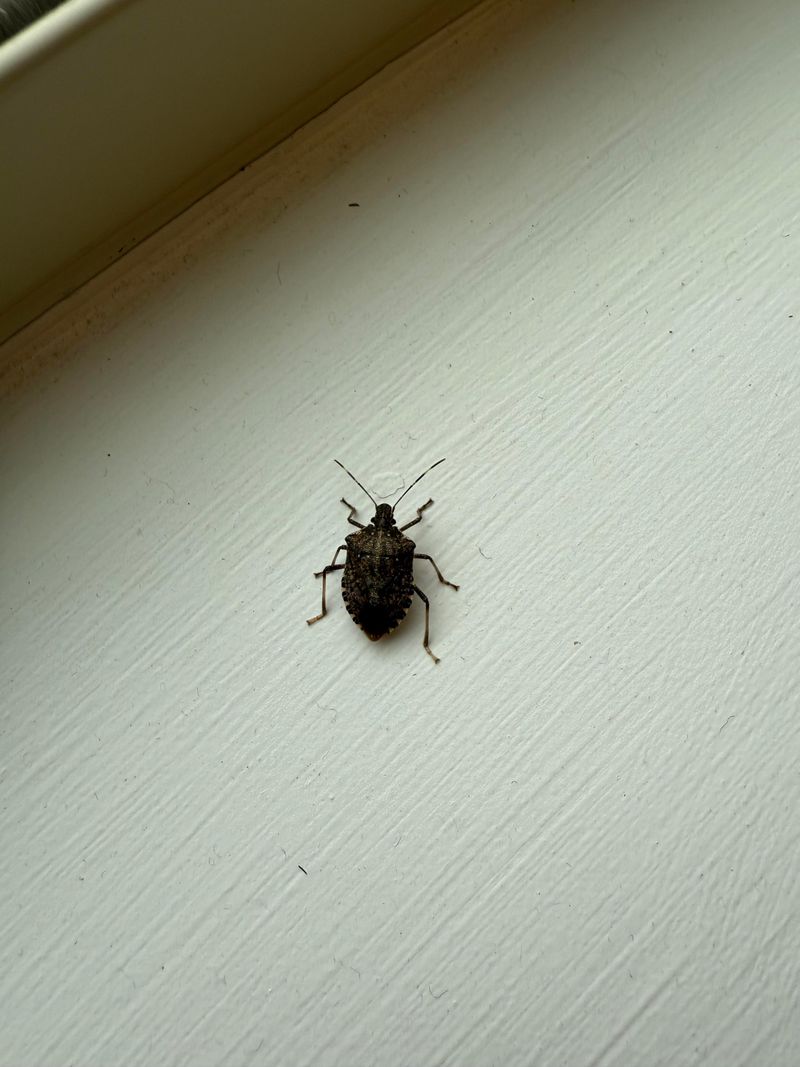
Stink bugs are a lot like cats in one way. They love a warm, sunny spot and will search hard to find one.
In fall, these bugs gather on the south and west sides of houses. Those walls soak up the afternoon sun and feel cozy to a chilly insect.
From there, they slip through tiny gaps and settle into wall spaces. Many spend the winter resting quietly in attics and other hidden corners.
That is why attics and upper floors make great trap locations. In many homes, these spaces see the most stink bug activity.
Windows are another top spot worth considering. Bugs often crawl toward the glass on warm days because they see light outside.
Try setting a trap in rooms where you spot bugs most often. Your own sightings are the best clue about where they hide and travel.
Spare bedrooms near the roof deserve special attention. Warm air rises, and bugs often wake up there first when temperatures climb.
Here is a smart trick from experienced homeowners. Running two or three traps in different rooms can speed up your results a lot.
Move a trap if it catches nothing after a few nights. Sometimes shifting it just a few feet closer to a window makes all the difference.
Soap Breaks The Water’s Surface So Bugs Sink
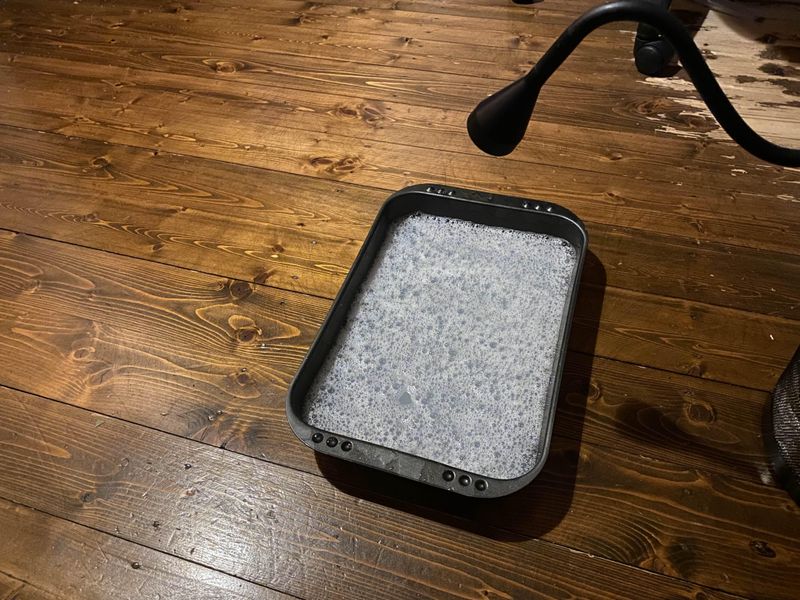
Ever watched a water strider zip across a pond like magic? That trick depends on something called surface tension, a kind of invisible skin on water.
Plain water has a surface tight enough to hold up small, light objects. A stink bug can rest on top and simply crawl away when it wants.
Dish soap changes the game in a big way. It weakens that invisible skin so the surface can no longer support the bug.
Once a stink bug lands, it slips under instead of floating. Without a firm surface to grip, it cannot climb back out of the pan.
You can test the science at home with a fun experiment. Float a paper clip on plain water, then add a drop of soap and watch.
Kids in New York science classes often try this exact activity. It is a quick way to see why your trap works so well.
Only a small amount of soap is needed for this effect. A squirt or two is plenty for a half-gallon of water.
Refresh the soap if you top off the water later. Adding more water dilutes the mix and can weaken the trap over time.
Simple chemistry is doing the heavy lifting here. No poisons or harsh sprays are needed to handle these pesky invaders.
Check The Trap Every Morning
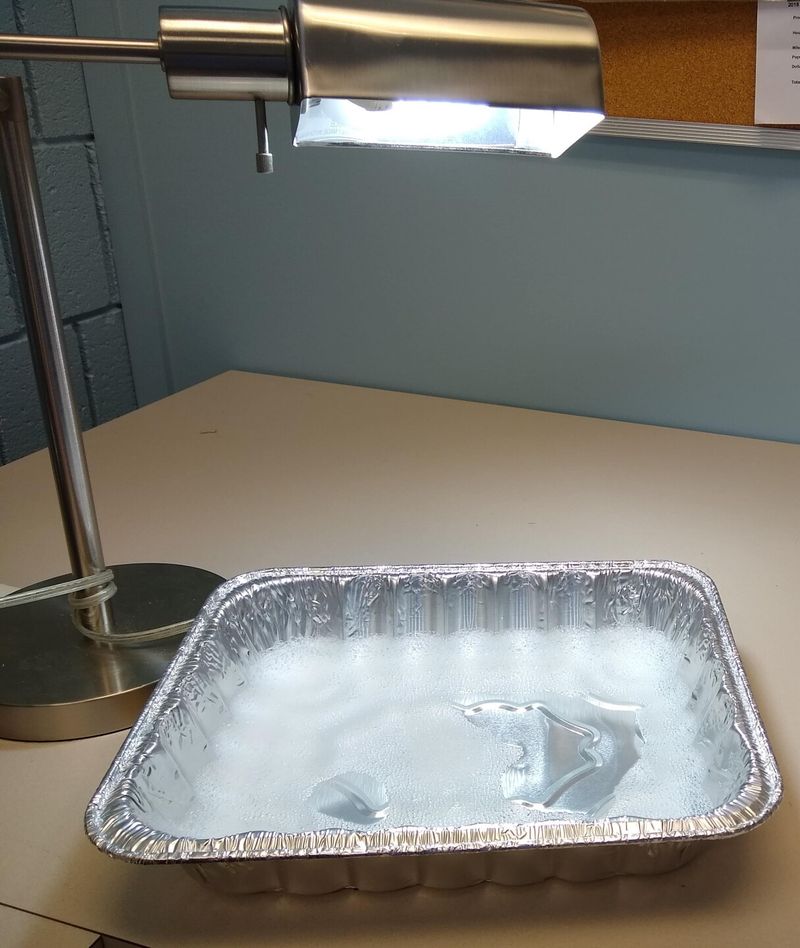
Coffee in one hand and curiosity in the other, the morning check becomes a fun little ritual. Many people are amazed by how many bugs appear overnight.
Look into the pan each morning to see your catch. Counting the bugs helps you know whether your trap is in the right spot.
Activity often changes with the weather outside. Warm winter days can wake stink bugs from their rest and send them wandering indoors.
Spring tends to be a busy season as well. Bugs hiding in walls start moving as they search for warmth, light, and a way outside.
Regular checks also help prevent unpleasant smells. A pan full of old bugs can start to give off a musty odor.
Watch the water level while you are looking. Evaporation can lower it, so add a bit more water and a splash of soap if needed.
Turn the lamp off during the day to save energy. Stink bugs are most drawn to the light after dark anyway.
Keeping a simple log can be surprisingly helpful. Jot down the date and number of bugs to track how the problem shrinks.
Plenty of New York homeowners notice fewer bugs each week. Steady checking turns a small trap into a reliable defense.
Empty The Pan Outdoors Once It Fills Up
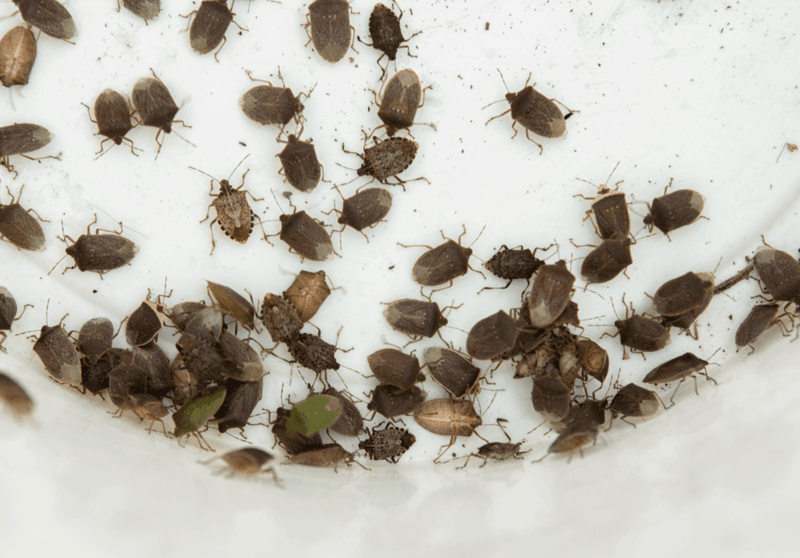
Nobody wants a pan of soggy bugs sitting in the living room for long. Once the trap gets crowded, it is time for cleanup duty.
Carry the pan outside carefully to avoid splashing. Holding it with both hands keeps soapy water off your floors and carpets.
You can pour the contents into a sealed bag for the outdoor trash. Some people prefer to flush the bugs away down the toilet instead.
Avoid crushing any stink bugs during the process. Squished bugs release a strong scent that can linger on hands and surfaces.
That smell won’t call in more bugs, but it clings to everything it touches. Gentle handling keeps your home smelling fresh.
Rinse the pan with a garden hose or utility sink. A quick clean removes leftover bits and gets the trap ready for tonight.
Wearing gloves makes the job much more pleasant. Disposable or dish gloves keep any odor off your skin.
During cold winters, step out only briefly. Dumping the pan takes less than a minute, so a light coat works fine.
Refill with fresh water and soap right after cleaning. Your trap will be back in action before the sun goes down again.
Sealing Cracks Stops The Next Wave
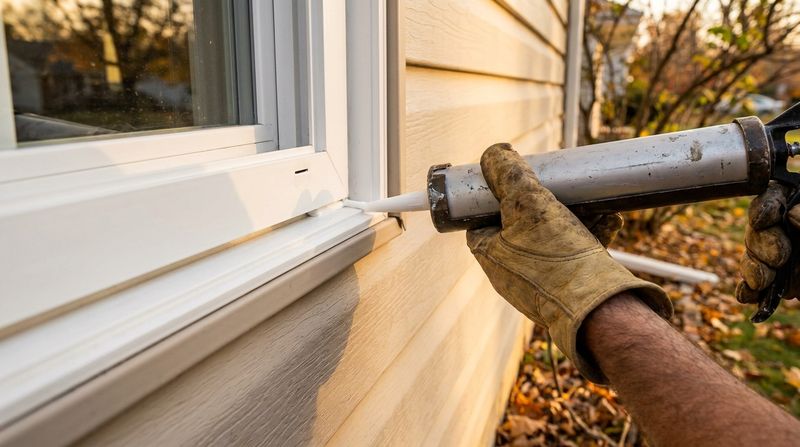
Trapping bugs is great, but keeping them out is even better. A tube of caulk might be the smartest few dollars you spend this year.
Walk around your house and look for small gaps. Check around windows, doors, pipes, and where siding meets the foundation.
Stink bugs have flat bodies that slip through surprisingly narrow gaps. Even tiny cracks can let dozens inside each fall.
Use quality silicone or latex caulk to fill those gaps. Smooth it with a wet finger for a neat, tight seal.
Window screens deserve a close look as well. Patch or replace any with holes, tears, or loose corners.
Weatherstripping around doors blocks another common entry point. It also helps keep heat inside during long winters.
Don’t forget about vents and chimneys. Fine mesh screens over openings can stop bugs while still allowing air to flow.
Late summer is the best time for this project. Finishing before September gives you a head start before bugs seek shelter.
Here is a bonus perk worth mentioning. Sealing gaps may lower your heating bills by blocking chilly drafts too.
Hold Off On Sealing If Bugs Are Already Inside
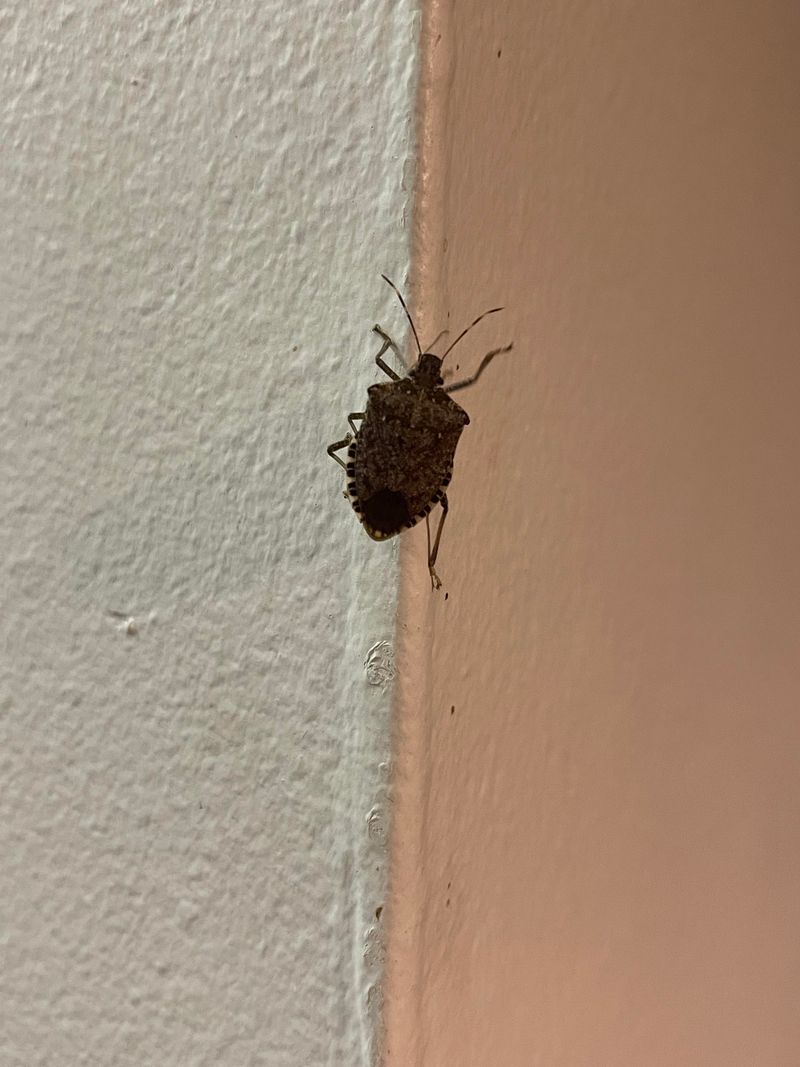
Here is a twist that surprises many homeowners. Sealing cracks at the wrong time can actually make a stink bug problem worse.
If bugs are already hiding in your walls, closing outside gaps traps them in. They cannot leave the way they came when spring arrives.
Trapped bugs start looking for other ways out. Many end up crawling through outlets, light fixtures, and baseboards into your rooms.
That means more bugs in your living space, not fewer. Timing really matters when it comes to sealing up your home.
Start by using your light trap to clear out the current crowd. Let it run for several weeks while bugs leave their hiding spots.
A vacuum can help grab stragglers on walls and ceilings. Empty the bag outside right away to keep odors from spreading.
Once sightings drop off, you can begin sealing. Late spring or summer usually works well for homes across New York.
Interior gaps around outlets can be covered with foam gaskets. Those small pads block bugs from sneaking into rooms through the walls.
Think of it as a two-step plan for lasting relief. Clear the bugs first, then lock the doors behind them.