That Creepy Many-Legged Bug in Your New York Basement Is Venomous, but It’s Free Pest Control
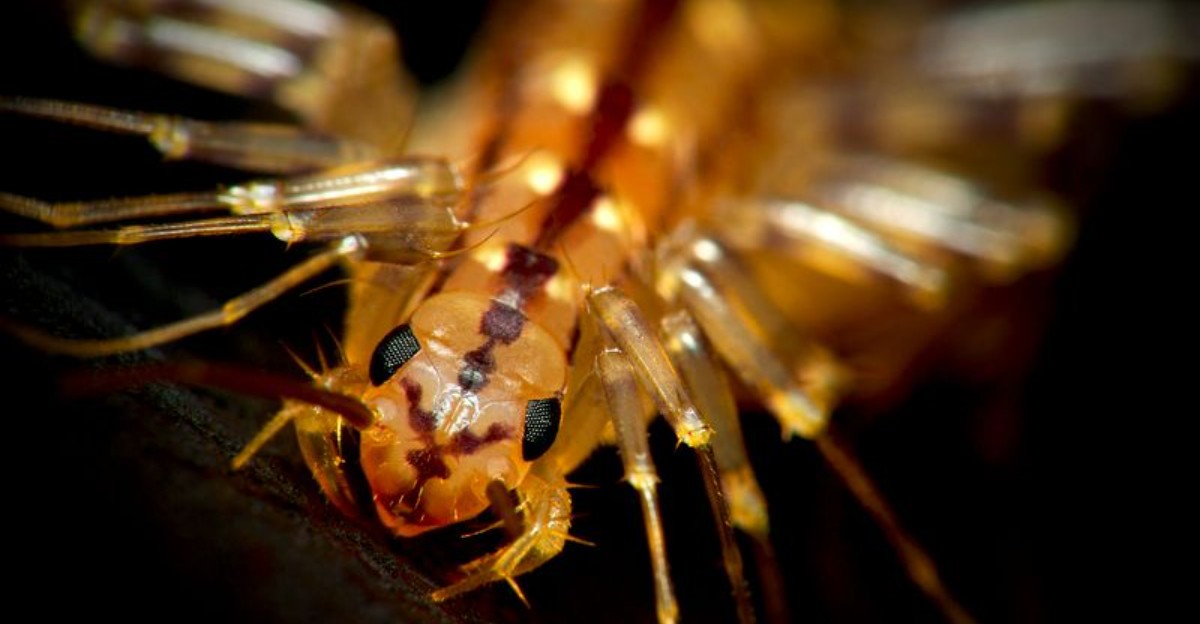
The bug that made me shriek in my own basement can grow up to 15 pairs of legs. Some of those legs are longer than its whole body, and the back pair can trail behind like antennae.
Truth be told, I once chased one with a shoe across a laundry room. It outran me easily, which felt a little embarrassing for a grown gardener.
Here’s what caught my attention later. This speedy hunter carries venom, yet it rarely bothers people at all.
So what exactly is living under your New York stairs? And should you thank it or show it the door? I changed my mind after learning what it eats, and you might too.
That Striped Speedster Under Your Basement Stairs Has a Name
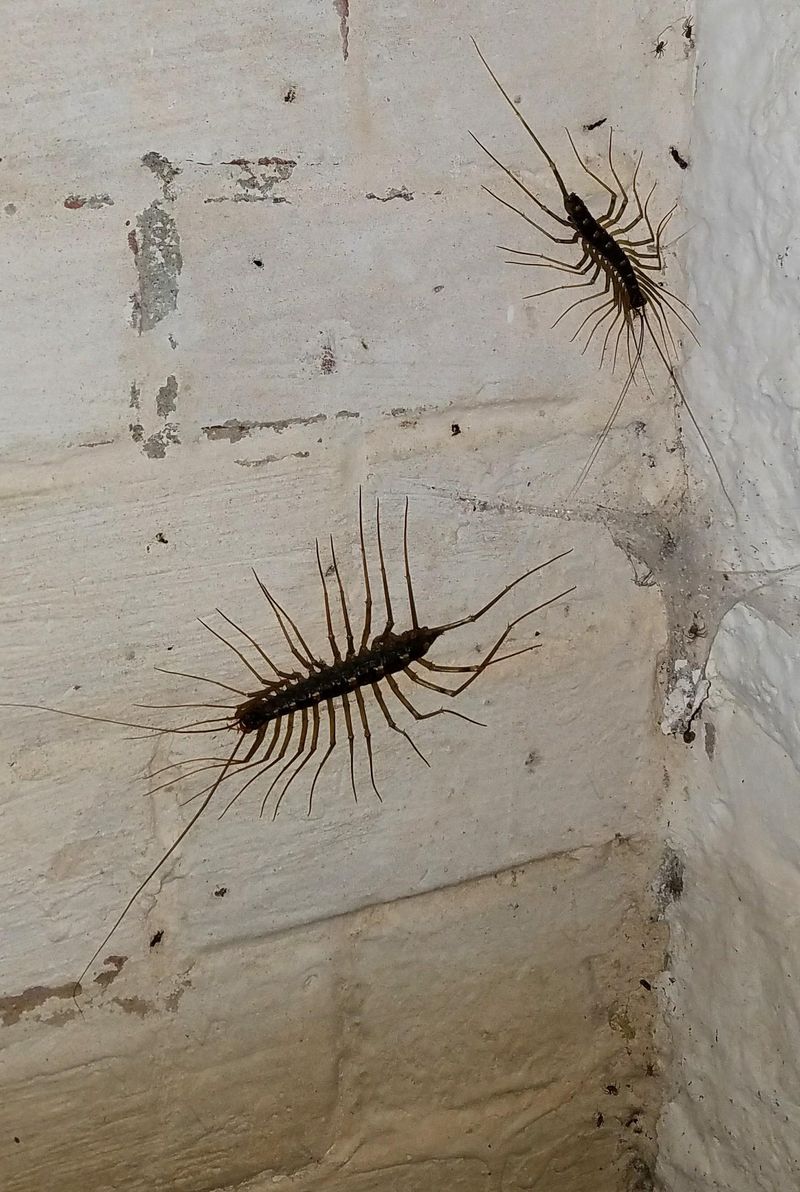
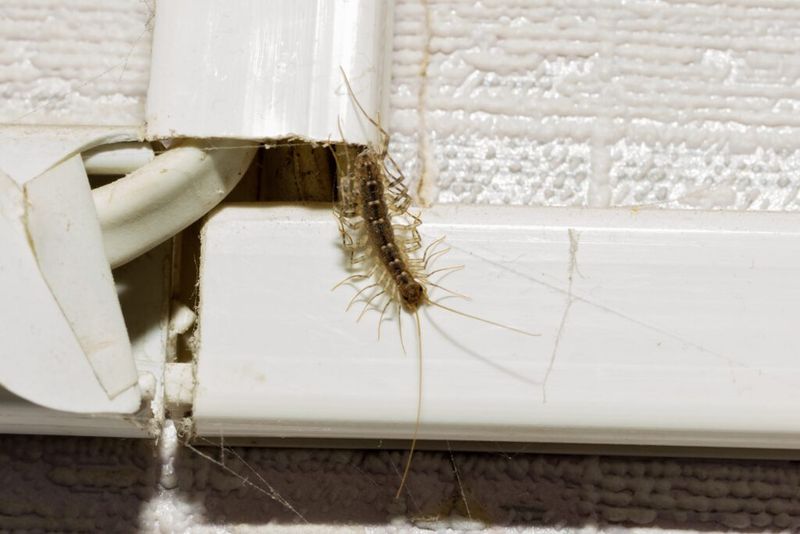
Most folks spot it for half a second before it vanishes behind a box. That blur of legs is almost surely a house centipede, known to scientists as Scutigera coleoptrata.
Adults usually measure about 1 to 1.5 inches long, not counting legs. The body is yellowish-gray with three dark stripes running down the back.
Its legs have pale and dark bands, almost like tiny striped socks.
Fun fact for your next dinner party. Despite the name, centipedes do not have 100 legs.
Adult house centipedes have 15 pairs, and young ones start with fewer and add more as they molt and grow.
The species likely came from the Mediterranean region. It has since spread across much of the world, and it is very common in homes throughout the Northeast.
Older houses with stone foundations and damp corners seem to suit it especially well.
Speed is its signature trick. A house centipede can scurry around 1.3 feet per second, which explains why my shoe never stood a chance.
Those long legs also help it pounce and pin down prey.
Once you know what you are looking at, the panic fades a bit. You are not facing some strange invader.
You are sharing space with a well-known, widespread hunter that has lived alongside people for a very long time.
Yes, Those Centipede Fangs Carry Venom, but Relax
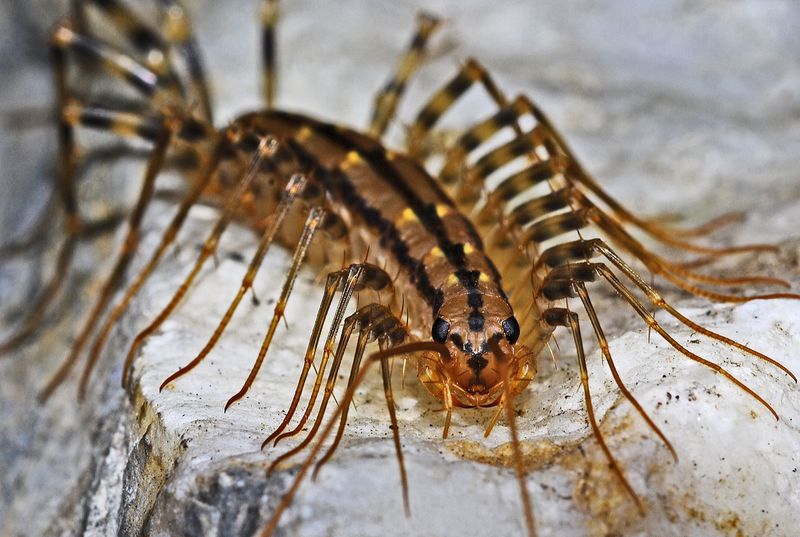
Let me be honest right away, because you deserve straight facts. House centipedes are venomous.
They use a pair of modified front legs called forcipules to inject venom into their prey.
That venom is built for subduing insects, not people. Bites on humans are uncommon because these critters would much rather run than fight.
Most bites happen when someone presses on one by accident, like grabbing it with bare hands or rolling over one in bed.
So what does a bite feel like? Reports often compare it to a mild bee sting.
You might see some redness, slight swelling, or local pain that fades within hours or a day.
Simple care usually does the job. Wash the spot with soap and water, then use a cold pack to ease swelling.
Watch the area like you would any small wound.
A few people can react more strongly, just as some do with bee stings. If you notice trouble breathing, swelling of the face or throat, or spreading redness, get medical help right away.
Small children and pets should be watched after any bite.
Between you and me, knowing these facts helped me sleep better. The venom sounds scary on paper.
In real life, a house centipede is far more interested in your silverfish than in your toes.
A Night Shift Hunter That Works Without a Paycheck
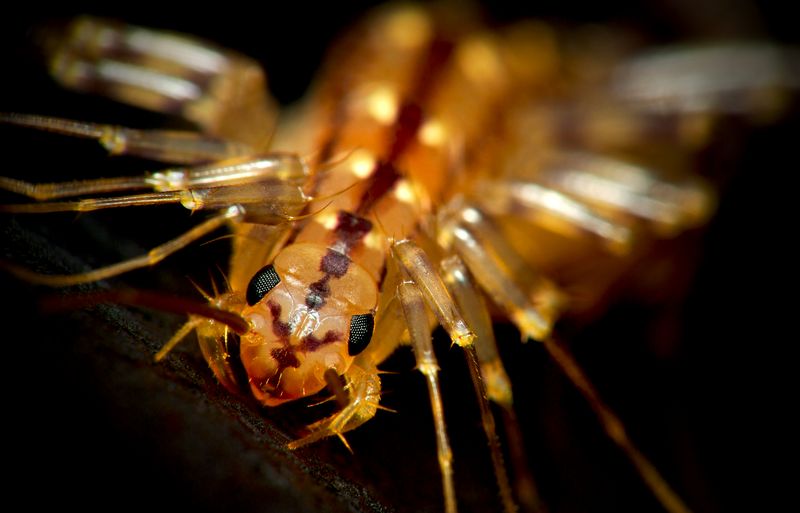
Funny thing is, the creature I tried to squash was doing my chores. House centipedes are strict carnivores, and they spend their nights hunting other bugs.
They do not chew wood, eat your groceries, or nibble houseplants. They do not build nests or spread disease the way some pests can.
Their whole job, as far as they are concerned, is catching dinner.
Their hunting style is fascinating to watch. Rather than slowly stalking, a house centipede often leaps onto prey and wraps it up with its many legs.
Some scientists describe this as lassoing, since the legs coil around the victim before the venom goes in.
Because they are active at night, much of this work happens while you sleep. That is why you mostly see them when you flip on a light.
You simply caught them mid-shift.
If you ask me, this is the best kind of free help. No sprays, no contracts, no appointment windows.
One or two centipedes quietly patrolling a basement can make a real dent in the small insect crowd.
Of course, not everyone loves the idea of a leggy roommate. That is fair.
Still, before you reach for a chemical spray, consider what that hunter may be removing for you each night.
Roaches, Silverfish, and Bed Bugs Top This Centipede Menu
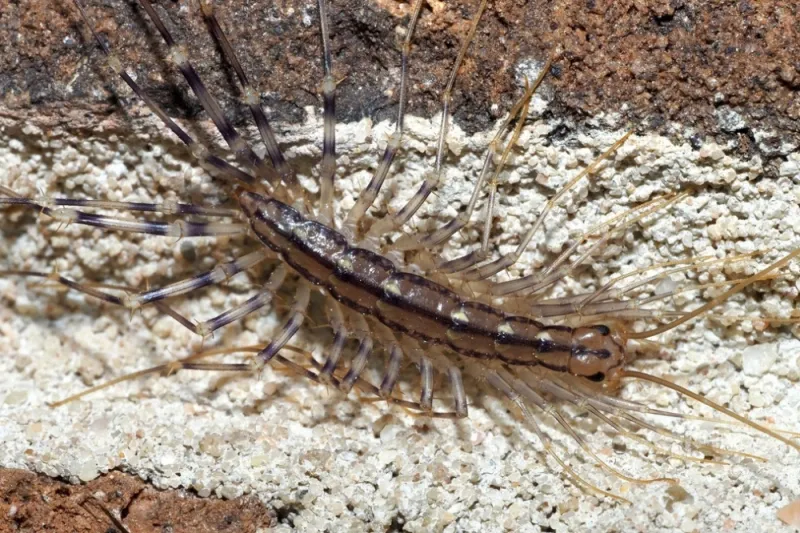
Take a look at the snack list and you might start rooting for the little guy. House centipedes eat many of the pests homeowners complain about most.
Common prey includes cockroaches, silverfish, spiders, ants, flies, moths, and earwigs. They also go after carpet beetle larvae and bed bugs.
Some sources report they will eat termites when they find them, too.
Silverfish are a favorite in damp basements. Those shiny little pests chew paper, book bindings, and starchy fabrics.
A centipede on patrol helps keep their numbers in check.
Cockroaches are another big win. Roaches can carry germs and trigger allergies, especially in apartment buildings.
Having a natural predator on the case adds an extra layer of help.
I’m still learning not to expect miracles, though. A few centipedes can trim a pest population, but they cannot fix a serious infestation alone.
If you see lots of roaches or signs of bed bugs, call a licensed professional too.
Here is a handy way to think about it. The centipede is like a helpful neighbor who sweeps your walk.
Nice to have, but you still need to fix the leaky gutter yourself. Its presence also hints at what else is hiding nearby, which brings us to the next clue.
Damp Basements and Dark Crawl Spaces Are Centipede Magnets

Moisture is the magic word. House centipedes lose water easily, so they seek out damp, dark spots where they can stay hydrated.
In New York homes, that often means basements, crawl spaces, laundry rooms, and bathrooms. Older buildings with stone or block foundations tend to hold more moisture.
Floor drains, sump pits, and spaces under sinks are popular hideouts.
Outdoors, they live under mulch, stones, logs, and leaf piles. That is right in a gardener’s world.
When fall nights cool off, some wander indoors looking for steady warmth and humidity, which is why sightings often seem to rise as the weather changes.
In my own home, I’ve noticed them most near the dryer vent and the old utility sink. Those spots stay a bit humid even in winter.
A quick flashlight check there usually tells me who is around.
Inside heated homes, house centipedes can live and breed all year. They can also live for several years, which is unusual for a household bug.
So the one you saw last spring might really be the same one you met tonight.
Take a slow walk through your basement with a light. Look for damp walls, sweating pipes, and cluttered corners.
Those spots show you exactly where these hunters feel most at home.
Seeing Centipedes Every Night Means Something Else Is Going On
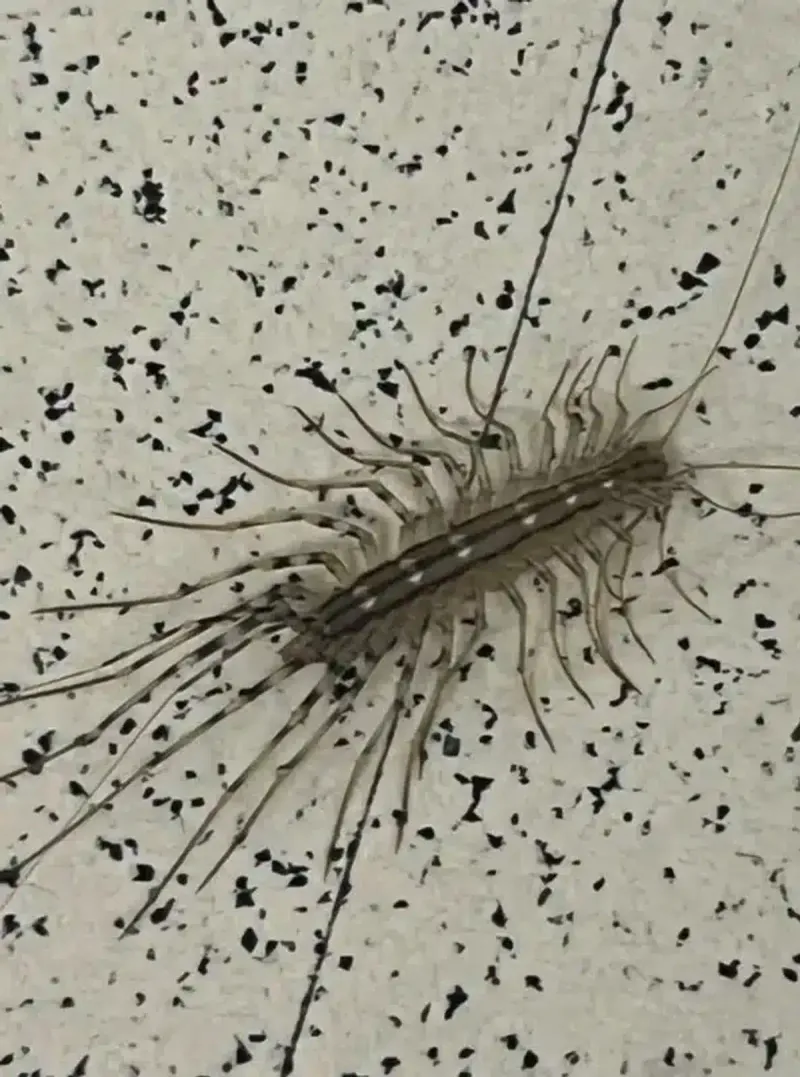
One centipede now and then is no big deal. Spotting several a week is a different story, and it is worth paying attention.
Frequent sightings usually point to two things. Your home may have extra moisture, or it may have plenty of bugs for the centipedes to eat.
Often it is both, since many pests love damp spaces too.
Start with water. Check for dripping pipes, leaky washing machine hoses, and puddles near the foundation.
Make sure gutters and downspouts carry rain away from the house.
Next, look for their prey. Sticky traps placed along walls can reveal silverfish, spiders, or roaches.
Those traps catch some centipedes too, which gives you a sense of how many are around.
Don’t make my mistake of ignoring the clues. I once blamed the centipedes for a busy basement, when the real issue was a slow leak behind the water heater.
Once that got fixed, the bug traffic dropped within weeks.
Think of a centipede crowd as a free inspection report. It is telling you that something in your basement is attracting life.
Fixing that root cause works far better than spraying the messengers. If you find a large infestation of roaches or bed bugs, reach out to a licensed pest pro for help.
Keep Your Centipede Helpers in Check With a Dehumidifier and Caulk
So you appreciate the hunter but would prefer fewer surprise visits. That is a reasonable balance, and it is easy to reach without heavy chemicals.
A dehumidifier is your best friend. Many experts suggest keeping basement humidity around 50 percent or lower.
Drier air makes your home less appealing to centipedes and the bugs they chase.
Seal the gaps next. Use caulk around windows, pipes, and cracks in the foundation.
Add weatherstripping under doors and check that vents have tight screens.
Clutter matters too. Swap cardboard boxes for plastic bins with lids, since damp cardboard draws silverfish.
Keep storage off the floor when you can.
Outside, give your foundation some breathing room. Pull mulch, firewood, and leaf piles a foot or more away from the walls.
That small gardening habit cuts down on hiding spots right next to your house.
If one wanders into your living room, a cup and a piece of paper work fine. Carry it back to the basement or outside.
Wear gloves if you feel nervous about handling it.
My garden taught me that balance beats battle. A tidy, dry basement keeps pest numbers low, and the occasional centipede becomes a quiet helper rather than a jump scare.
Honestly, that feels like a pretty fair trade.